School of the Month:
Pactolus Global School
| |
The Power of Peer Mediation
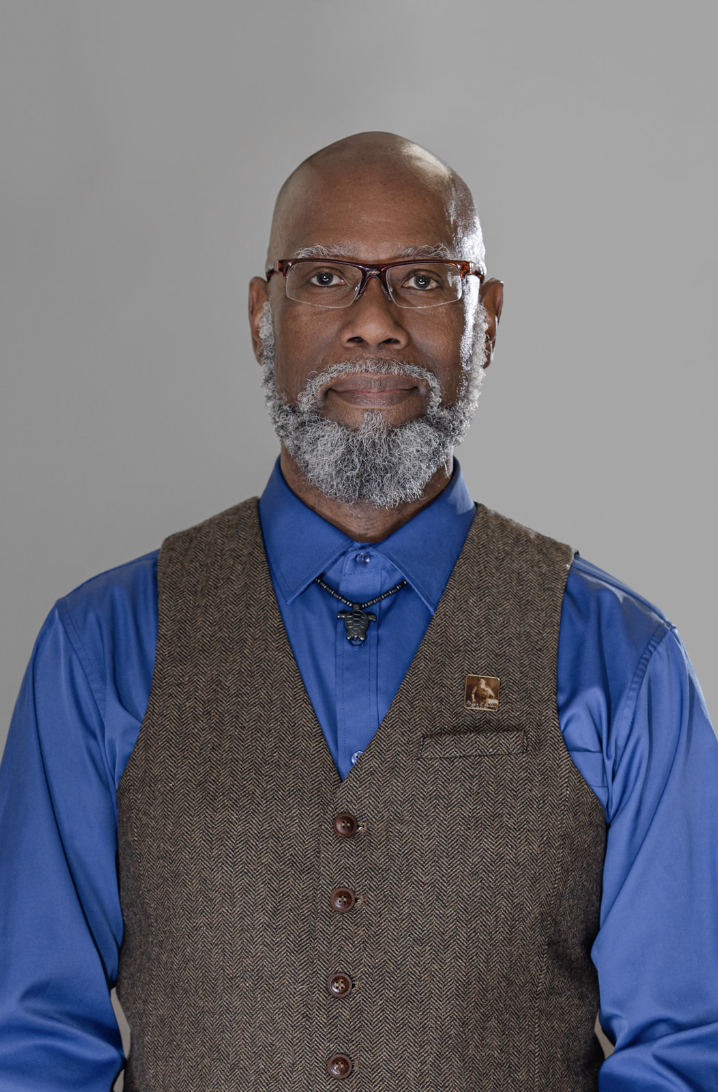
By Resilience Coach: Orlando Dobbin
| |
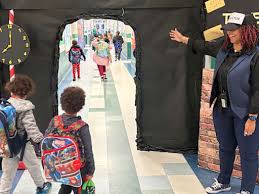
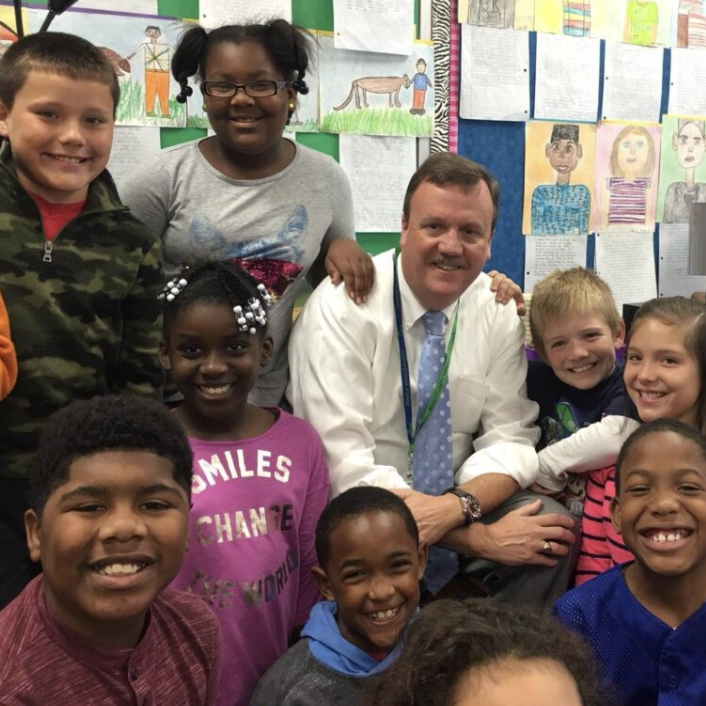
Pactolus Global School is the kind of school where you immediately feel the warmth and love in the building when you walk through its doors. Whether it is the principal greeting students with dance battles, the welcoming smile of the receptionist—appropriately named Mrs. Morning—helping everyone start the day on a positive note, or the walls decorated with student work, Pactolus is the kind of school that restores your faith in public education and reminds you of the magic that happens in public schools each day.
Like any school, however, Pactolus faces challenges in its work to make a reality its vision of ensuring that every single child receives a high-quality and effective education every single day. As the school’s resilience team met to identify priorities and needs for the year, one area of need quickly rose to the top: peer conflict.
After reviewing discipline data, the team recognized that student conflicts were among the most frequent reasons for referrals. Rather than responding to conflict only after it occurred with punishment and suspensions, the team wanted to explore proactive, evidence-based strategies the school could use to build students’ skills and abilities to navigate conflict positively and strengthen the school’s climate. Through research and brainstorming, they landed on peer mediation.
Peer Mediation
Peer mediation is a structured program in which students are trained to help their peers work through conflict in a safe, respectful, and solution-focused way. The process teaches students essential social and emotional skills such as:
- active listening,
- perspective-taking,
- problem-solving, and
- maintaining confidentiality.
Research suggests that peer mediation can reduce disciplinary incidents, improve school climate, and help students build lifelong conflict resolution skills.
| |
To bring this vision to life, Pactolus partnered with the Mediation Center of Eastern Carolina to train student mediators. Over the course of eight weeks, students stayed after school twice a week to complete the training requirements.
During this time, they learned:
- how to be active listeners,
- explored important concepts such as neutrality, confidentiality, and the role of the disputants, and
- developed leadership skills that would help them serve their peers.
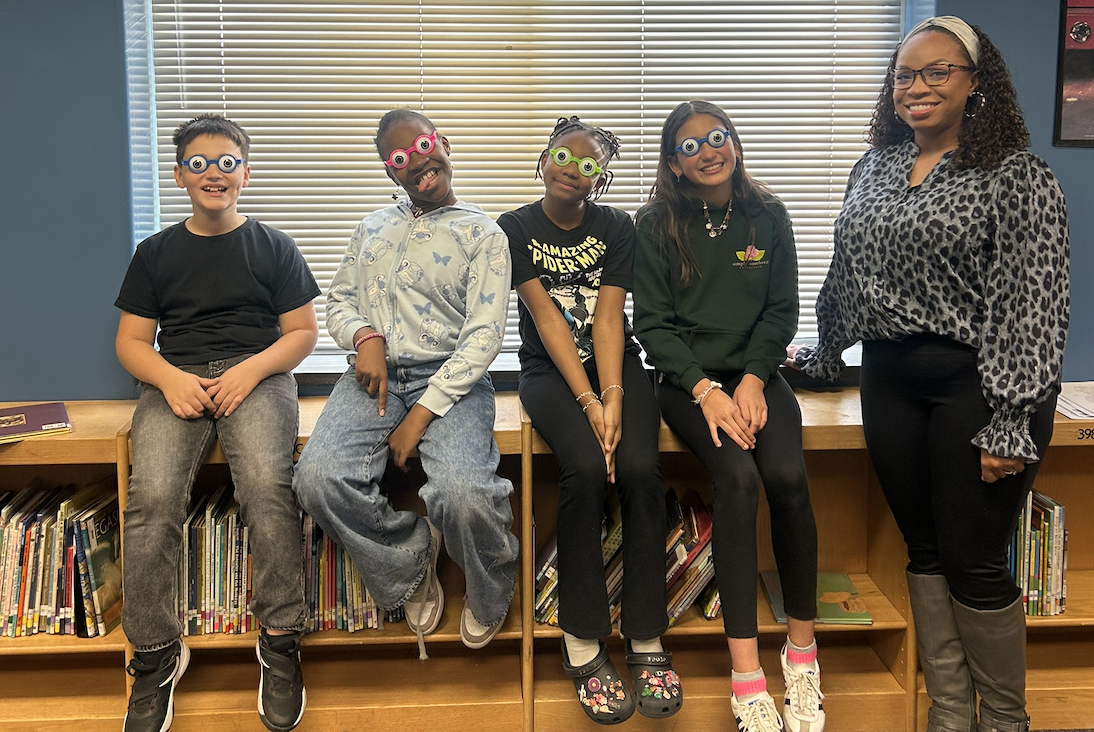
Their trainer did an incredible job creating fun and interactive lessons for the students, so much so that they didn’t mind staying after school for another hour after a long day of school.
| |
Most importantly, they believe peer mediation is helping make their school a kinder place.
The students' work as peer mediators hasn’t stopped there. They have also begun developing scripts and mini-lessons to proactively teach social skills to younger classrooms and help them prevent conflict before it begins.
The first lesson they developed focuses on using kind words, built around the catchphrase:
Pause, Choose, Kind words we use.
Pactolus Global School’s peer mediation program is equipping students with skills that help them support not only their classmates, but also themselves and their broader communities. We are excited to see how the peer mediation team continues to grow and lead at Pactolus Global School.
| |
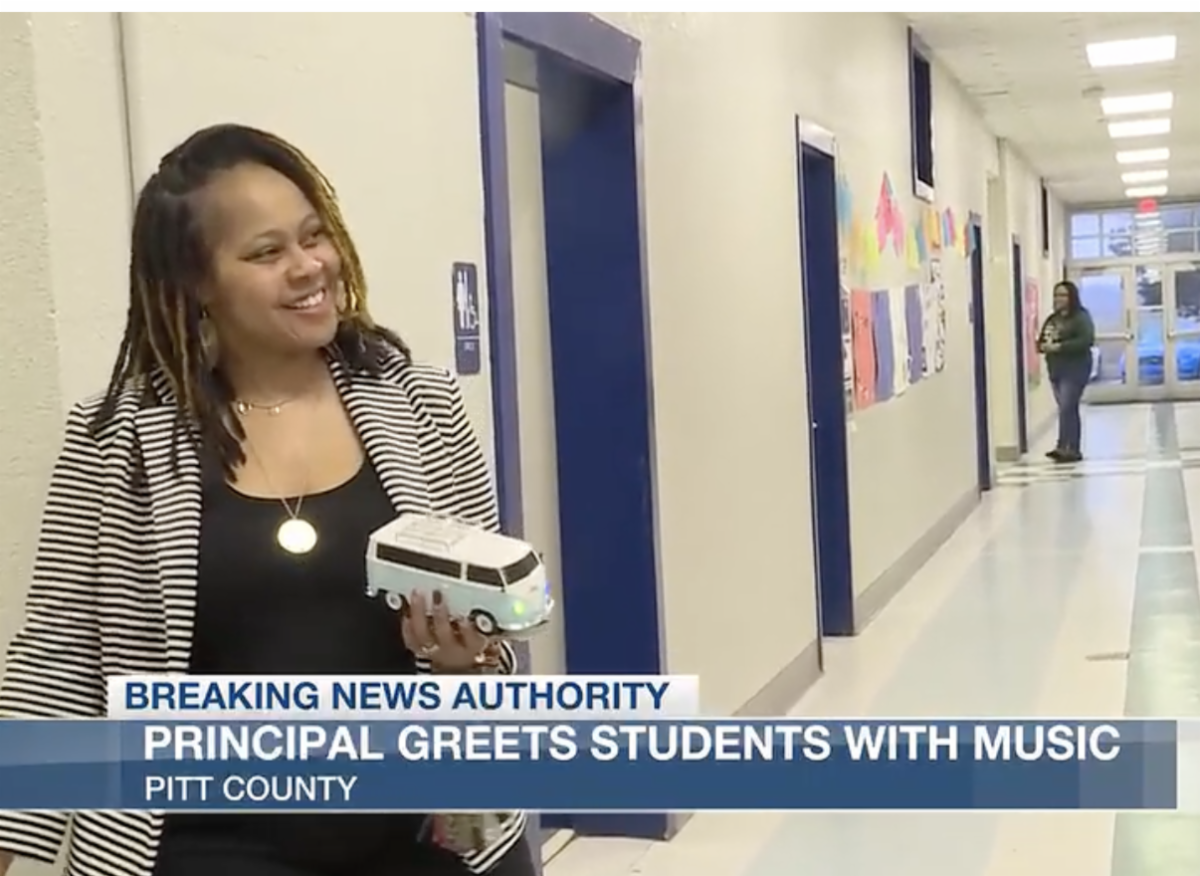
Pactolus Global's Principal, Kimberly Lucas, greeting students with dance battles each morning!
Click the image below to watch the video.
| |
| |
How Wilson County Schools and NCCRL Are Building Resilient Communities
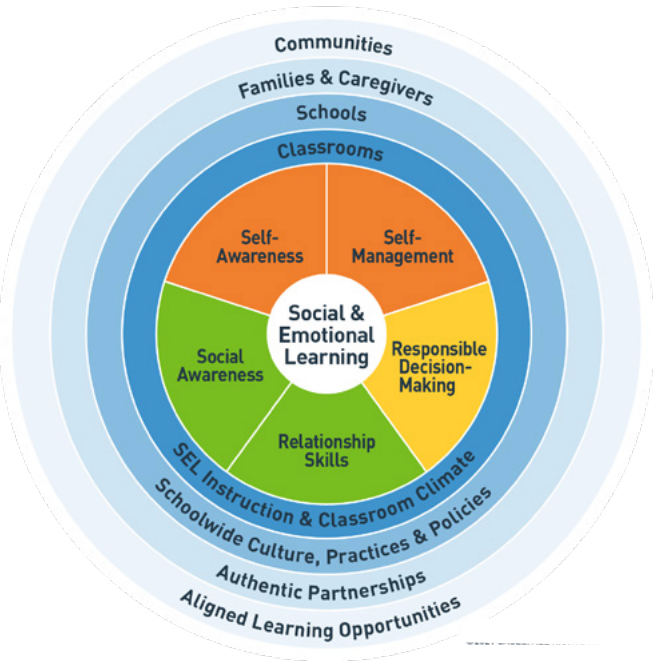
When we think about social-emotional learning (SEL), we often think in terms of competencies: self-awareness, self-management, social awareness, relationship skills, responsible decision-making. But underneath all of these skills is something more foundational:
The ability to notice, to feel, and to make meaning. Beauty invites all three.
READ MORE
| | | |
| |
Beauty is a Silent Teacher: Seeing SEL Through a Different Lens
When we think about social-emotional learning (SEL), we often think in terms of competencies: self-awareness, self-management, social awareness, relationship skills, responsible decision-making. But underneath all of these skills is something more foundational:
The ability to notice, to feel, and to make meaning. Beauty invites all three.
READ MORE
| | | |
| |
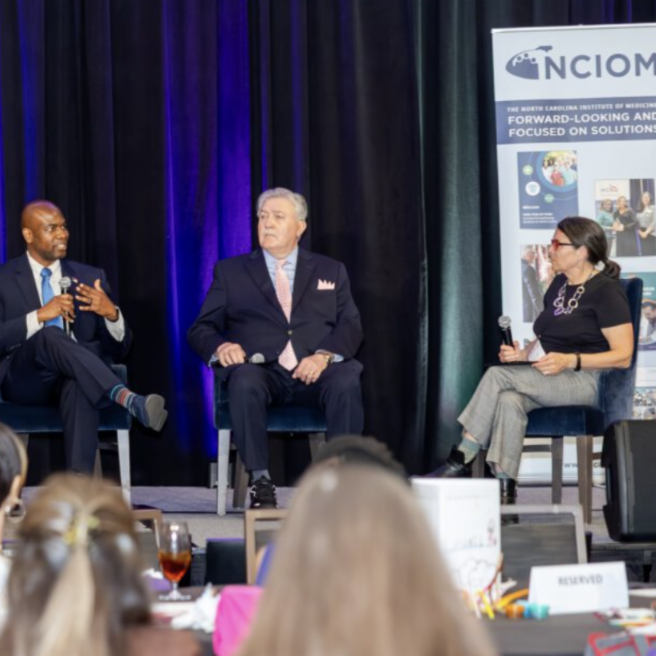
Leaders say childhood resilience is a ‘policy imperative’ at State of the Child Summit
"We know that the last few years have been particularly tough in western North Carolina. Our families are still showing incredible resilience as they rebuild after the devastation of Helene. It reminds us that childhood resilience isn’t just a buzzword, it’s a policy imperative."
READ MORE
| | | |
| |
How Portraits of a Graduate Align Social and Emotional Competencies and Future Readiness
This report analyzes 272 district-level Portraits of a Graduate published between 2014 and 2024 across 36 states to identify and examine the prevalence of social and emotional, workforce-relevant, and academic and technical competencies. It offers bright spots for the use of Portraits as a means for schools, districts, and states to promote long-term student success and thriving.
READ MORE
| | | | Resources & Opportunities | |
Transforming ISS: From "Holding Tank" to Growth Opportunity
How do we move ISS from a "holding tank" to a place of genuine growth? Our latest resource pick, The Ultimate Guide to ISS, offers a fresh framework for balancing accountability with support.
The guide centers on three pillars to ensure suspension time isn't wasted time:
- Structure: Creating a predictable, calm environment with clear rules.
- Academic Support: Using the time for Grade Repair—helping students catch up on actual classwork rather than busy work.
- Social-Emotional Learning (SEL): Implementing reflection and restorative practices at the end of the day.
ISS Triangle
| | | | CORE Collaborative Cohort 2 is COMING! | |
You asked. We listened. CORE Collaborative Cohort 2 is almost here.
Over the past year, we’ve had the opportunity to learn alongside educators across North Carolina who are committed to doing something deeper—
not just understanding trauma-informed practices, but actually living them out in their schools.
And one thing has become clear:
There is a need for space to move from awareness → to action → to sustainability.
That’s exactly why we created CORE.
And now… we’re getting ready to open the next chapter.
Applications for Cohort 2 of the CORE Collaborative (Community of Resilient Educators) will open on May 4, 2026!!
This cohort is designed for educators and school support staff who are ready to:
- Move beyond surface-level strategies into meaningful implementation
- Build systems that support student and adult regulation
- Strengthen schoolwide practices that actually last
- Engage in honest reflection, data-informed decision-making, and sustainable change
To learn more and access the application, click the link below!
| |
Check out our new colors!
Same Mission, Updated Colors!!
| | |
Follow us on INSTAGRAM!
We want to share our story on Instagram- join us there!
| | Want your school to begin the journey to becoming trauma-informed? | | |
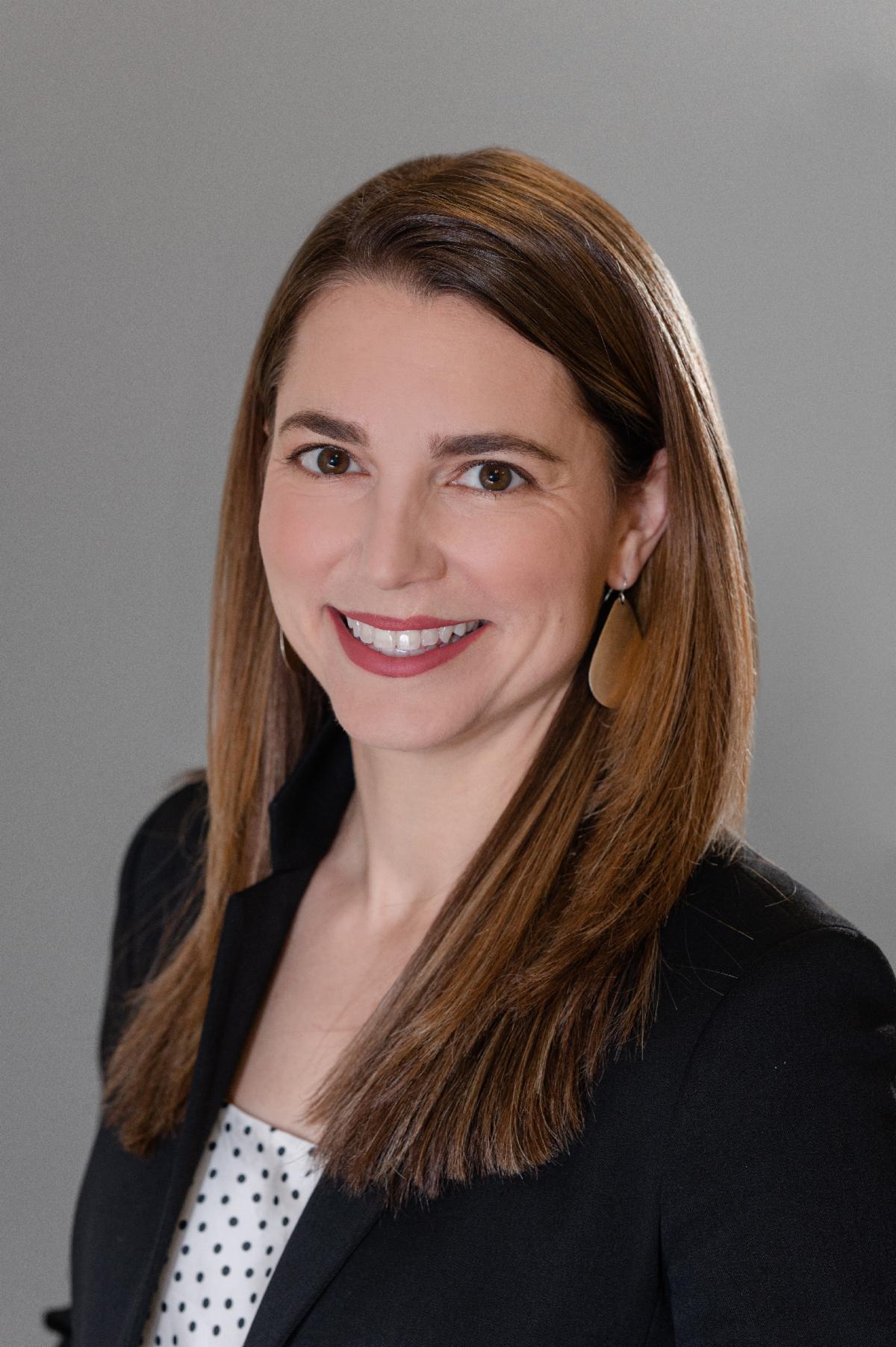
Elizabeth DeKonty
Senior Director
NC Center for Resilience & Learning
(Raleigh, NC)
|
| |
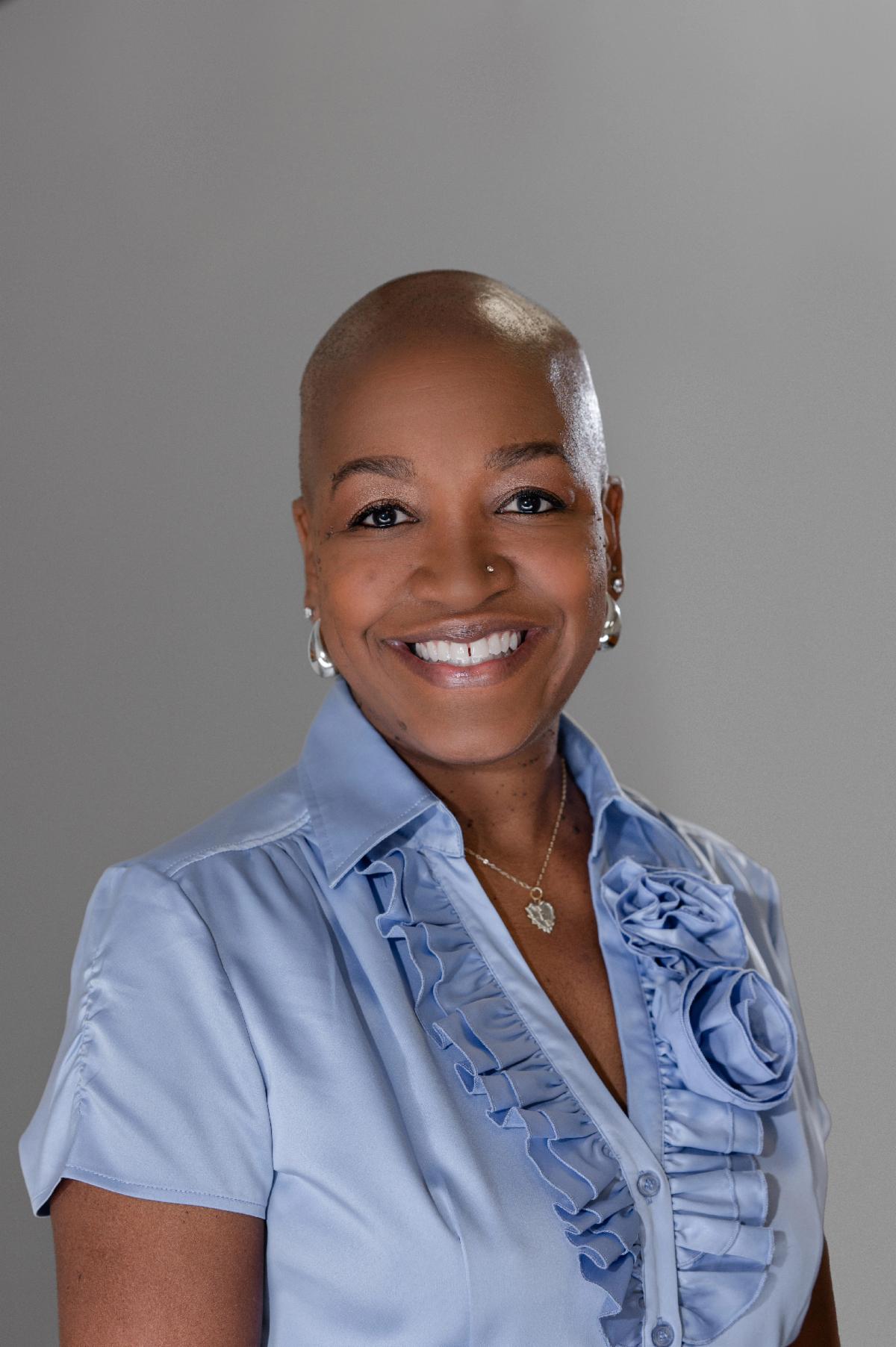
Eulanda Thorne
Senior Program Manager
NC Center for Resilience & Learning
(Wilson, NC)
| | |
Brian Randall
Senior Western Regional Program Manager
NC Center for Resilience & Learning
(Asheville, NC)
| | |
Michelle Harris Jefferson
Senior Program Manager of Professional Learning
NC Center for Resilience & Learning
(Greensboro, NC)
| | |
Orlando Dobbin, Jr
Senior Eastern Regional Program Manager
NC Center for Resilience & Learning
(Greenville, NC)
| | |
Angela Mendell
Senior Program Manager
NC Center for Resilience & Learning
(Elizabethtown, NC)
| | |
Leslie Blaich
Program Manager
NC Center for Resilience & Learning
(Marshall, NC)
| | |
Stacey Craig
Program Manager
NC Center for Resilience & Learning
(Raleigh, NC)
| | |
Jessica Edwards
Impact Specialist
NC Center for Resilience & Learning
(Spring Hope, NC)
| | |
Ervin Jones
Program Consultant
NC Center for Resilience & Learning
(Elizabeth City, NC)
| | |
Rebecca Stern
Program Consultant
NC Center for Resilience & Learning
(Carrboro, NC)
| | |
MKayla Nelson
Program Manager
NC Center for Resilience & Learning
(Newland, NC)
| | |
Quintin Mangano
Program Manager
NC Center for Resilience & Learning
(Rocky Mount, NC)
| | |
Katie Rosanbalm
Research & Evaluation Partner
NC Center for Resilience & Learning
(Duke University)
| | |
Victor Jones
Consultant
NC Center for Resilience & Learning
(Rocky Mount, NC)
| | |
The Resilience Reader is published monthly by the Public School Forum of NC and distributed to Forum members, educators, policymakers, donors, media, and subscribers -- or anyone interested in issues such as Adverse Childhood Experiences (ACEs), childhood trauma, resilience and the power of trauma-informed schools and communities.
Please pass the word! Forward The Resilience Reader to anyone who may find this information useful.
If you received this email from a friend, subscribe to this newsletter by clicking here.
Archived editions will be located at https://resilienceandlearning.org/newsletter/.
©2024 Public School Forum of North Carolina. All Rights Reserved.
Public School Forum of North Carolina
919-781-6833
Follow us at @theNCForum
www.ncforum.org
| |
|
|
Subscribe to this Monthly Newsletter | | | | NC Center for Resilience & Learning | www.resilienceandlearning.org | |
| | | |