CORE Collaborative 2025-2026
Recap
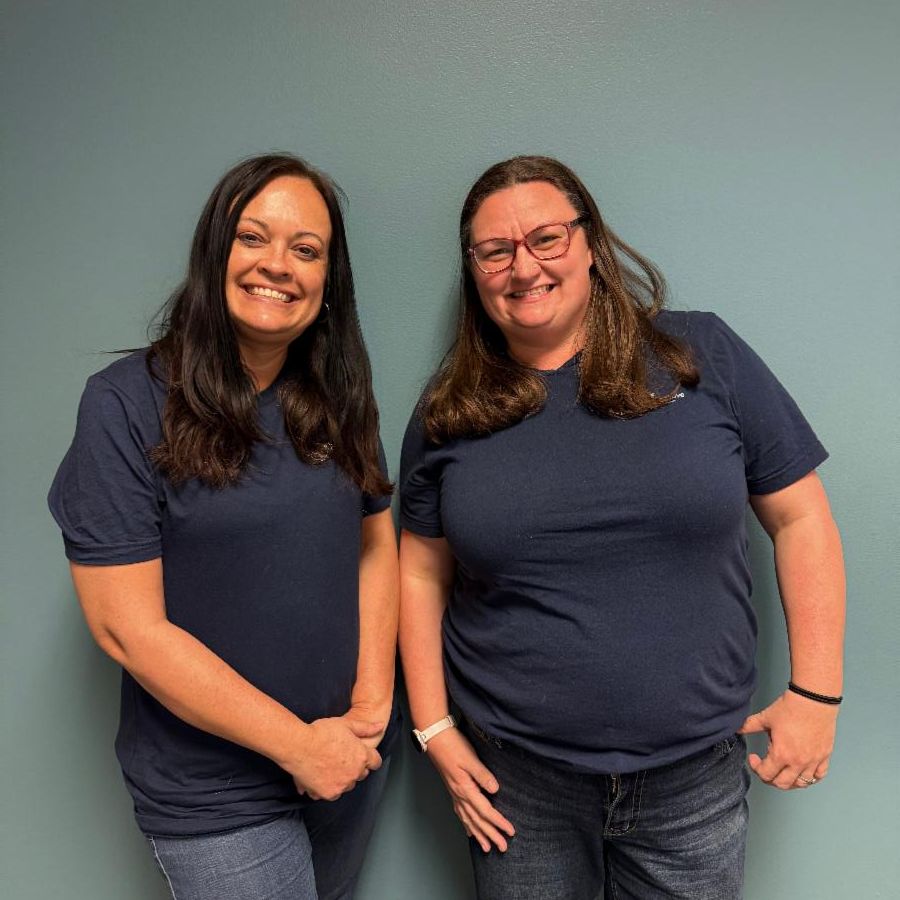
by Jessica Edwards and Michelle Jefferson (HJ)
| |
CORE (Community of Resilient Educators)
Vision & Purpose
The CORE Collaborative was created to move schools beyond awareness of trauma-informed practices and into meaningful, sustainable action while extending the NC Center for Resilience and Learning’s impact across the state.
CORE was intentionally designed to build the capacity of dedicated individuals and teams within schools and districts to champion this work locally, allowing trauma-informed and resilience-centered practices to spread beyond the limits of direct coaching support.
Through learning, reflection, and application, CORE supports participants in strengthening adult well-being, collective care, and data-informed decision-making as foundations for student success.
Participant Gratitude & Accomplishments
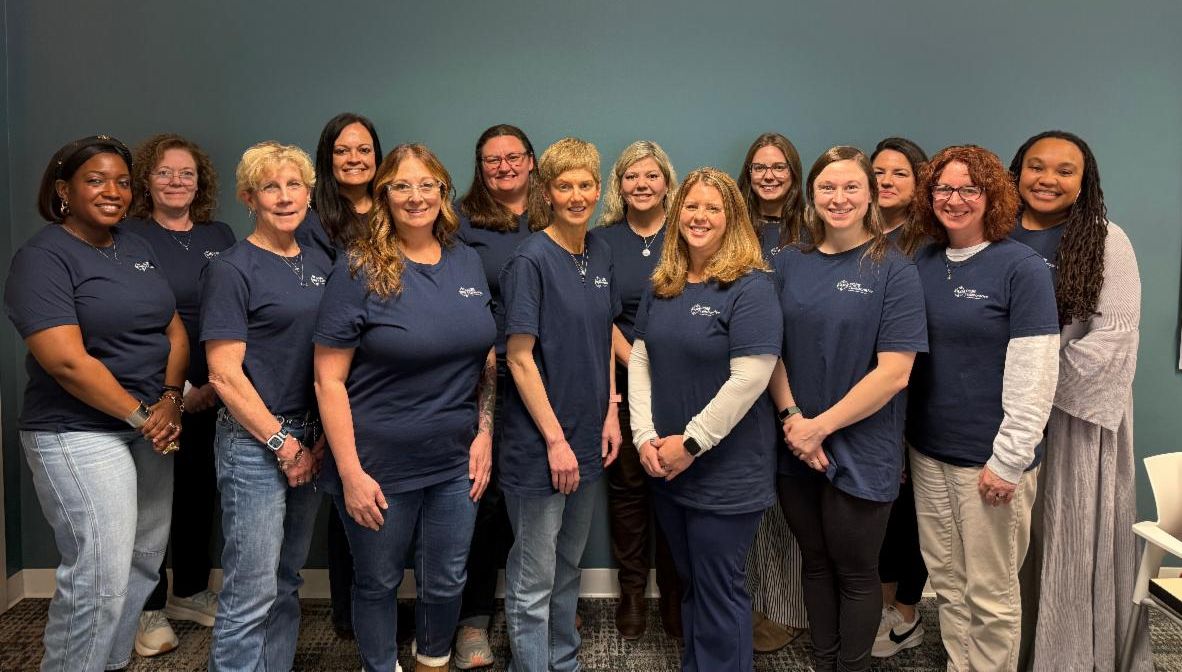
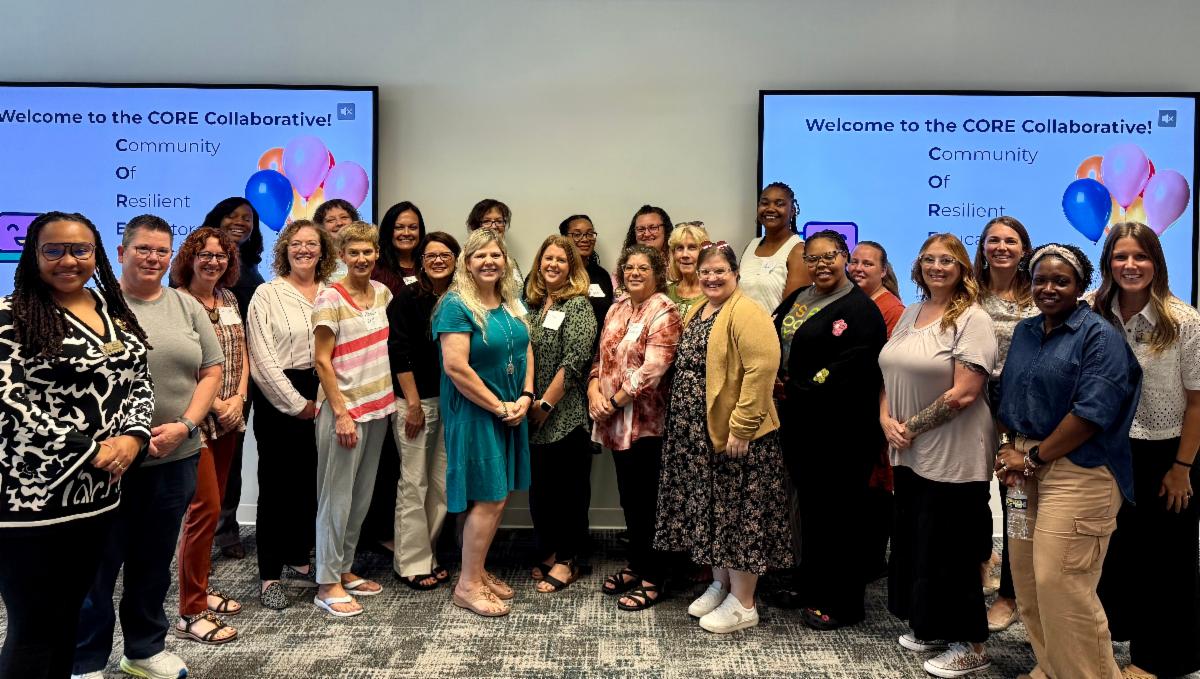
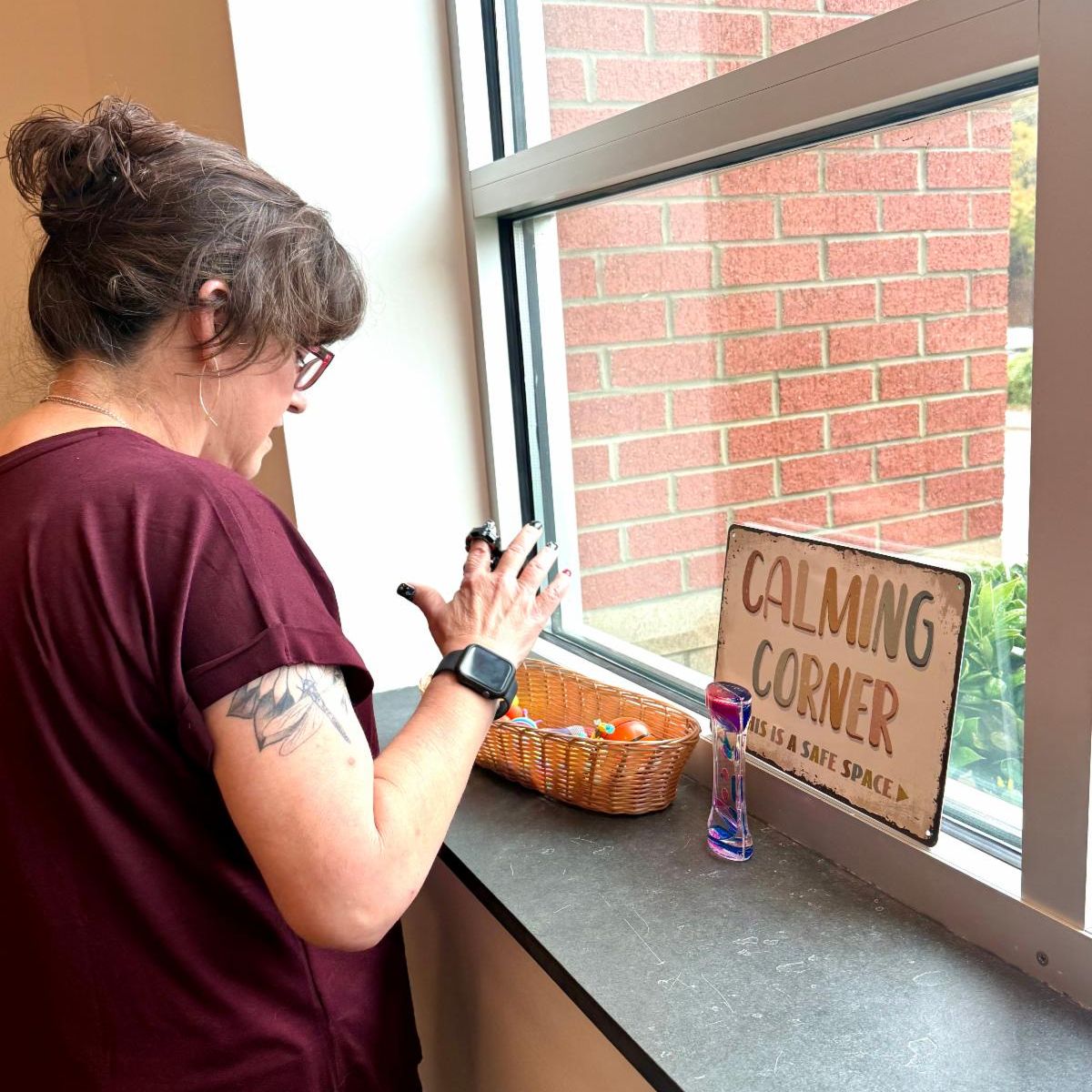
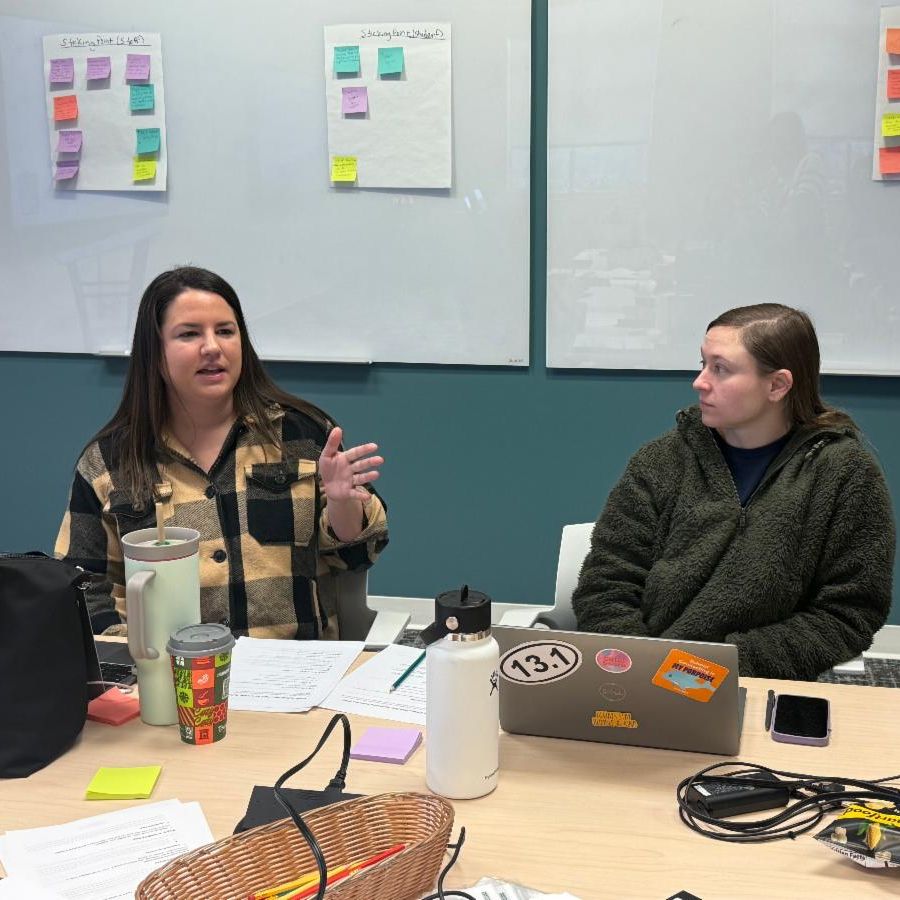
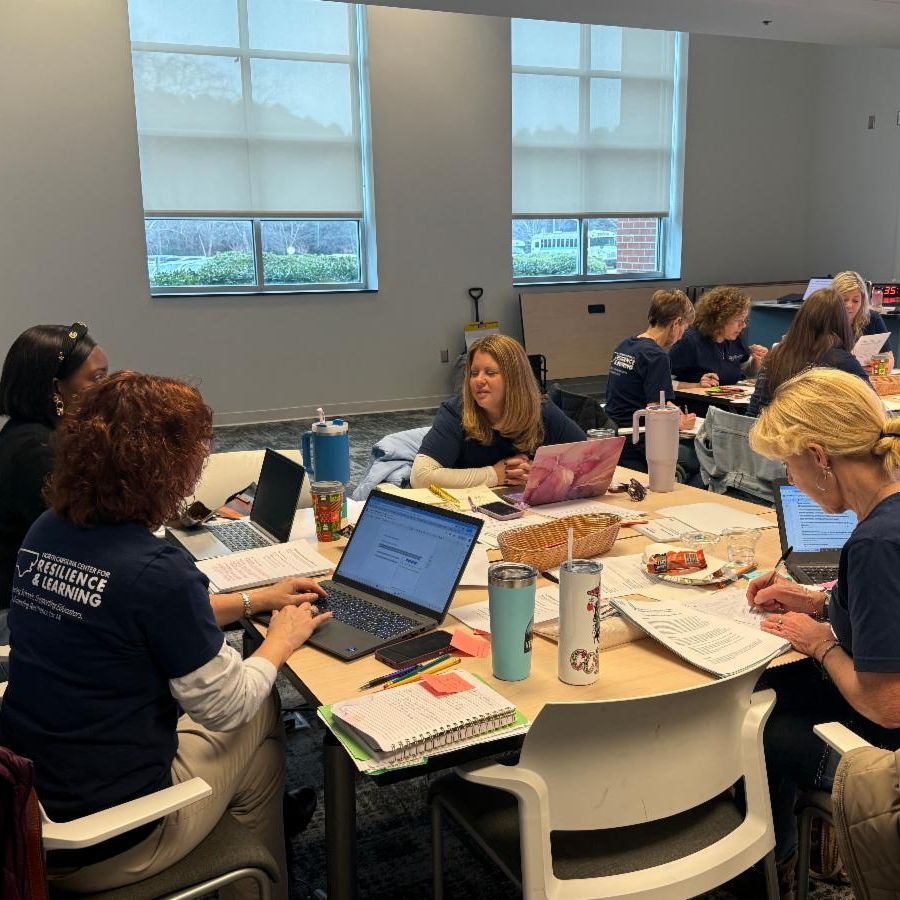
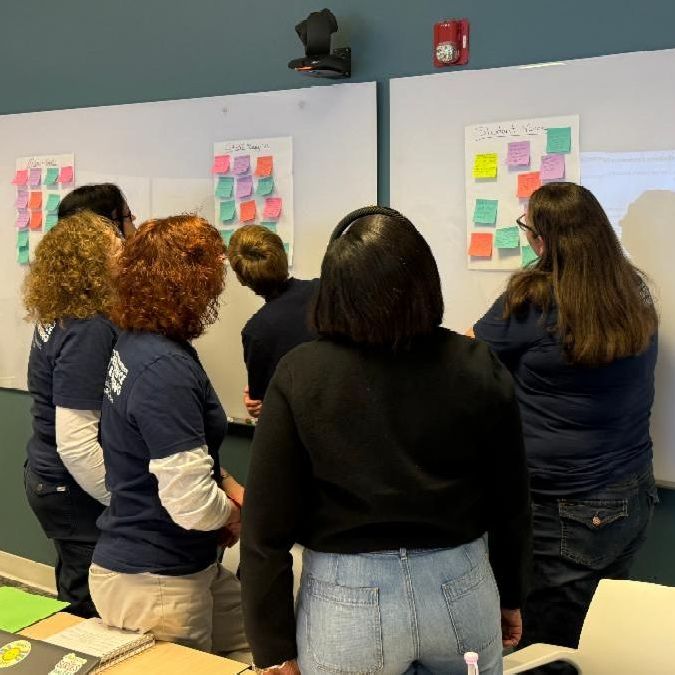
The dedication of the inaugural CORE participants throughout this first cohort has been both inspiring and deeply affirming. Even amid competing demands, staffing shortages, and ongoing challenges, participants consistently showed up, engaged in honest reflection, and committed to testing new strategies in their schools.
Many teams shared meaningful progress, including :
- forming resilience teams,
- strengthening collective care practices, and
- using data to guide thoughtful action.
Participants demonstrated a willingness to learn, adapt, and lead with care for both students and colleagues. Their openness, collaboration, and persistence are a powerful reminder that sustainable change is built through relationships and shared responsibility. We are incredibly grateful for their trust, effort, and leadership throughout this journey.
| |
Cohort Participant Reflections
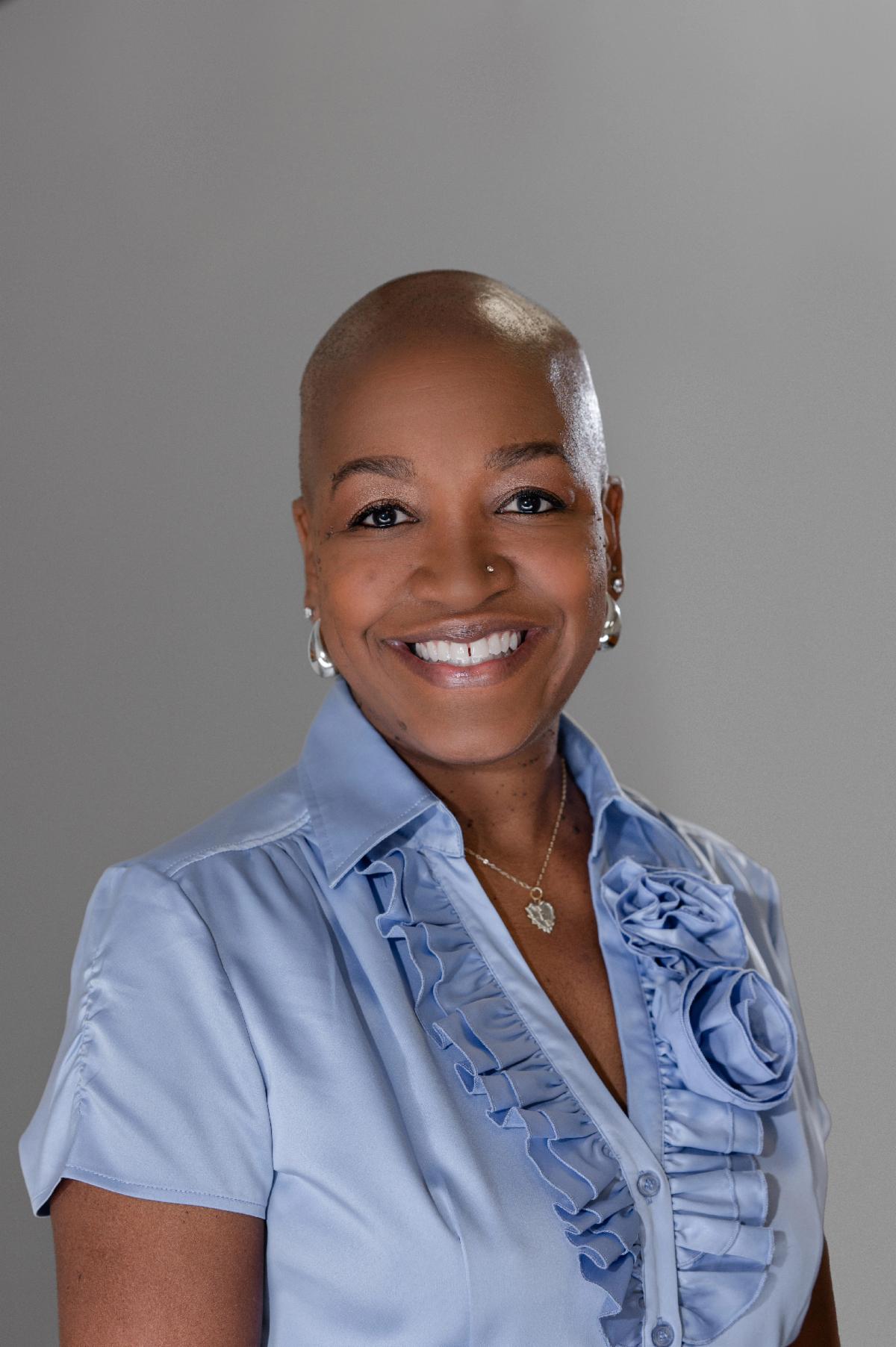
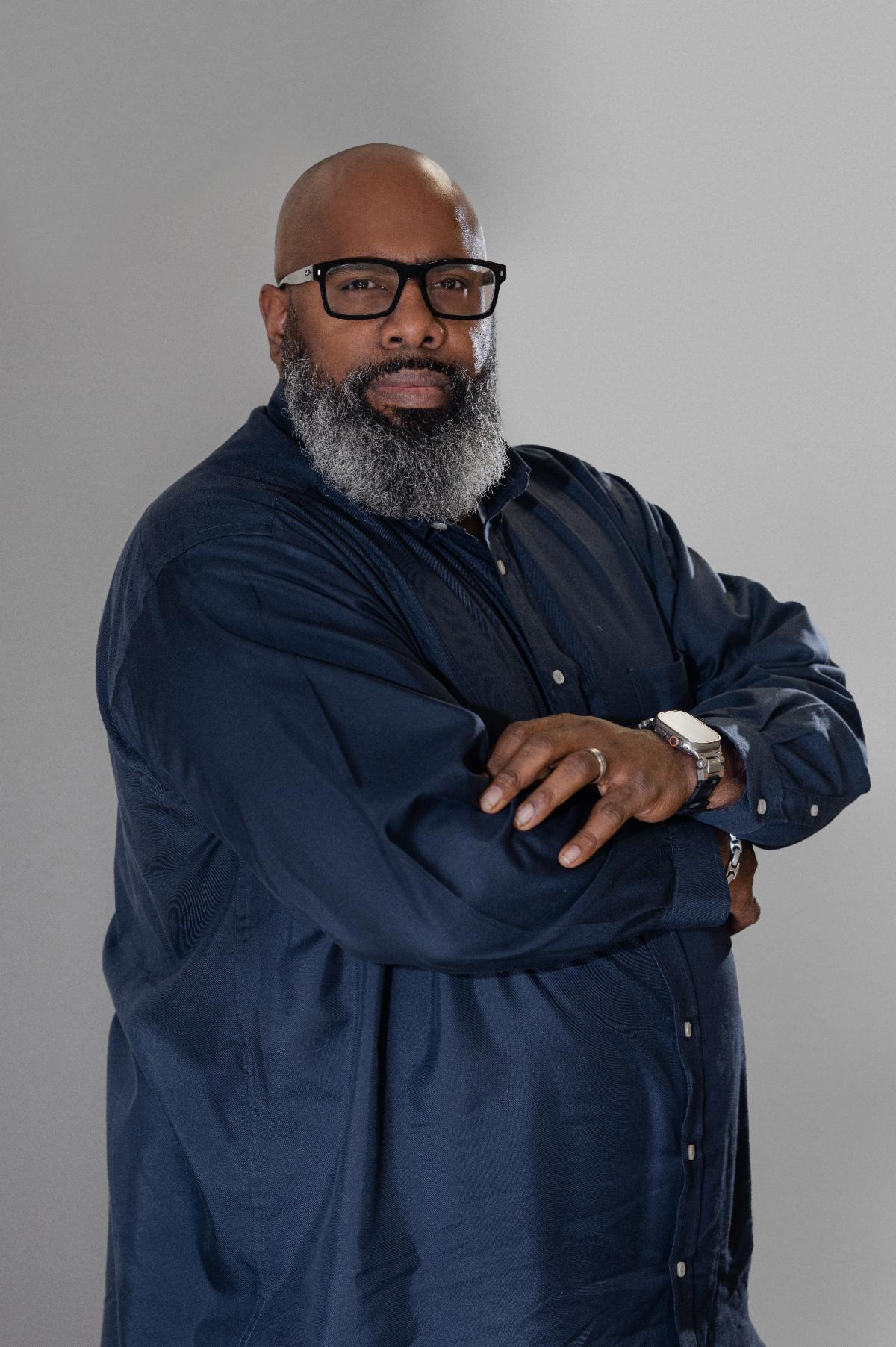
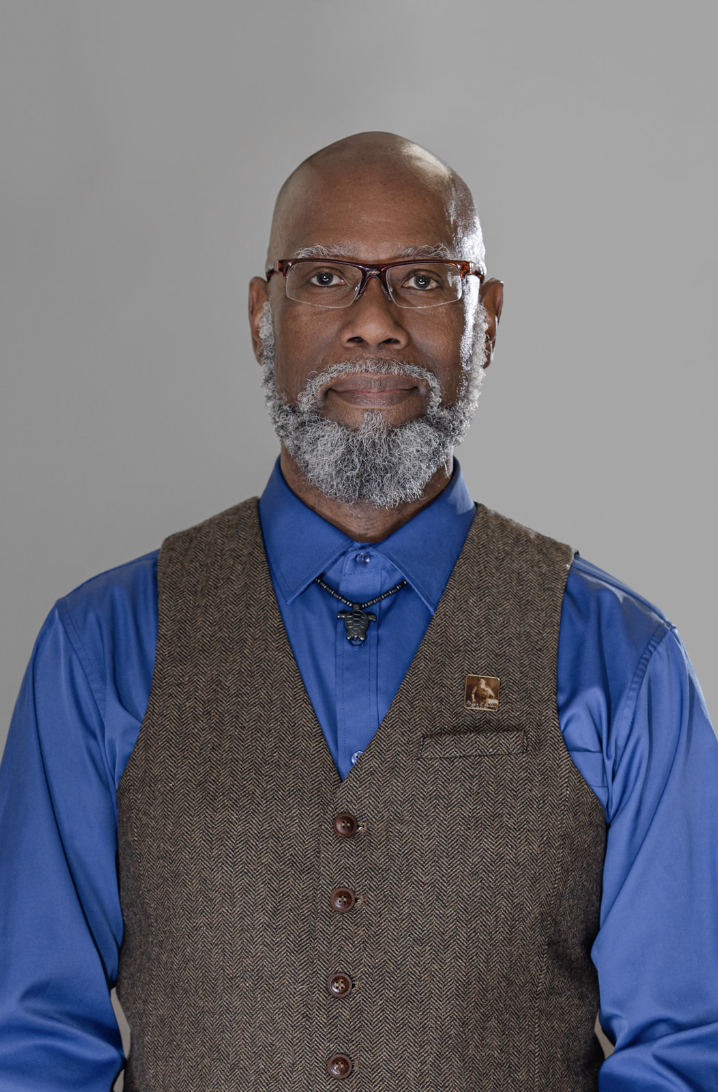
Meet three Cohort 1 participants who are redefining what resilience looks like in the school community! Discover the lessons they’ve learned, the growth they’ve achieved, and the sustainable strategies they are using to build trauma-informed schools.
Their stories are a testament to the power of collaboration and the meaningful change possible for North Carolina students and educators.
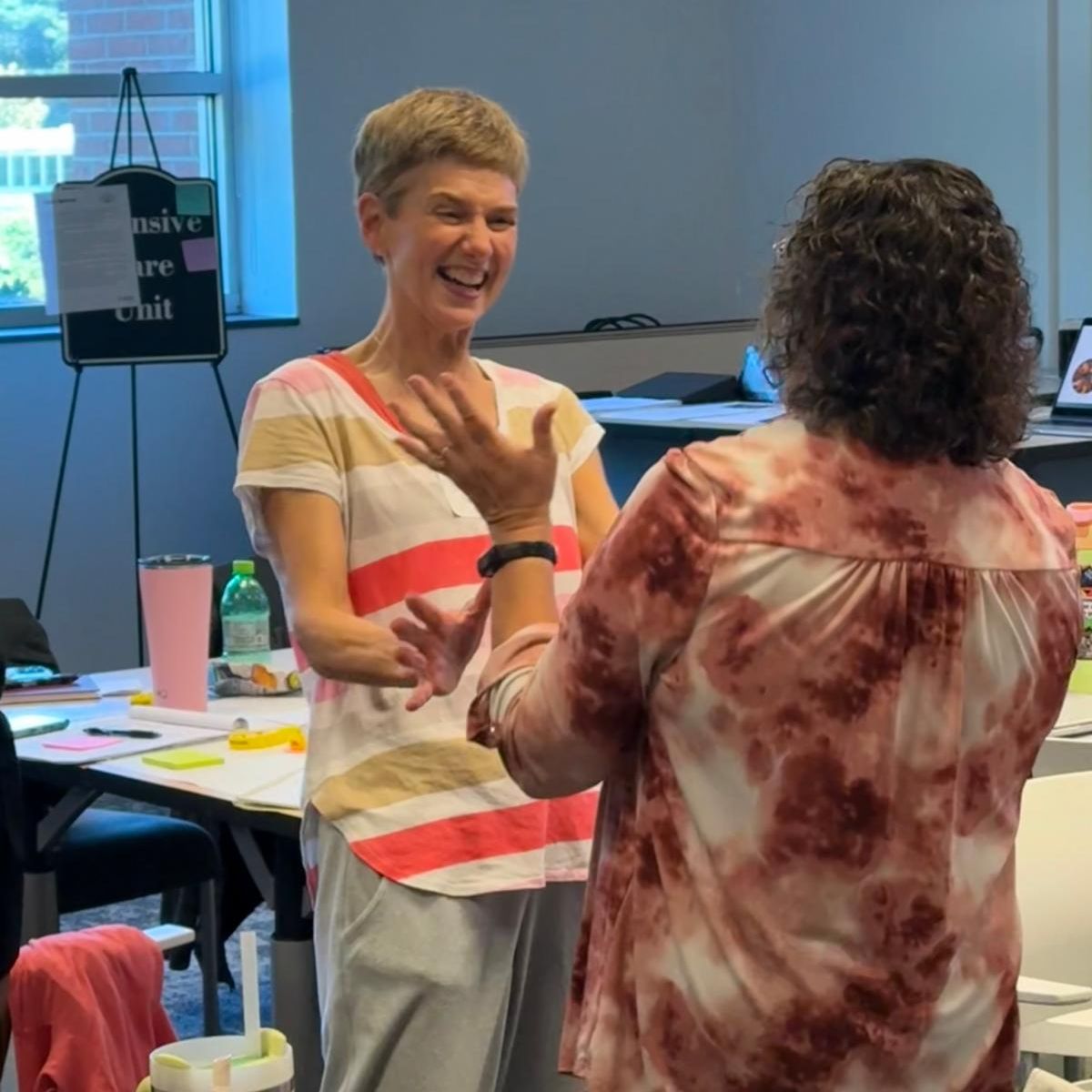
| | New friendships, thought partners, and innovative strategies are the building blocks of a thriving Community of Resilient Educators! | |
Ready to Join the Movement?
The CORE Collaborative is more than just a program—it’s a growing Community of Resilient Educators dedicated to partnership, collaboration, and trauma-informed educational environments. As we celebrate the incredible commitment and progress of Cohort 1, we invite you to start thinking about how your school or district can lead the way next.
Don’t Miss the Cohort 2 Launch!
Application Period: Opening Spring 2026.
How to Stay Updated:
- Check your email
-
Follow us on Instagram for announcements! @NCresilienceandlearning
- Click the button below to learn more on our website!
| |
| |
What If We Valued Joy in Schools?
While no formal teaching standard mentions joy, most educators would agree that a joyful classroom — one in which students are engaged, connected, and happy to be there — is worth valuing.
READ MORE
| | | |
| |
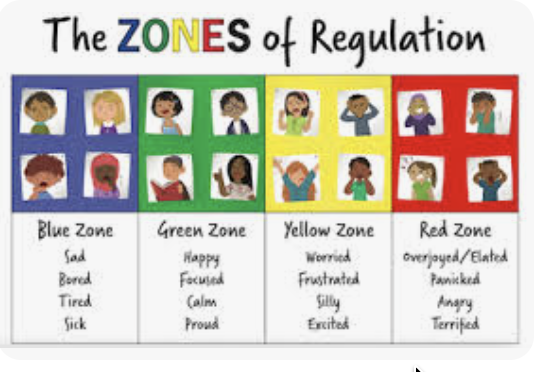
Why Regulation Is the Key to Learning: The Zones Theory of Change
Research shows that when learners can understand, communicate, and manage their emotions and internal states, they’re better able to connect with others, engage in learning, and handle life’s daily stresses (Durlak et al., 2011).
READ MORE
| | | |
| |
The 826 Write to Thrive Fund
826 National invites eligible youth-serving organizations and schools to apply for grants that provide access to our writing and SEL curriculum and training, strengthening their capacity to support young people’s creative expression and well-being. Apply NOW below!
READ MORE
| | | | Resources & Opportunities | |
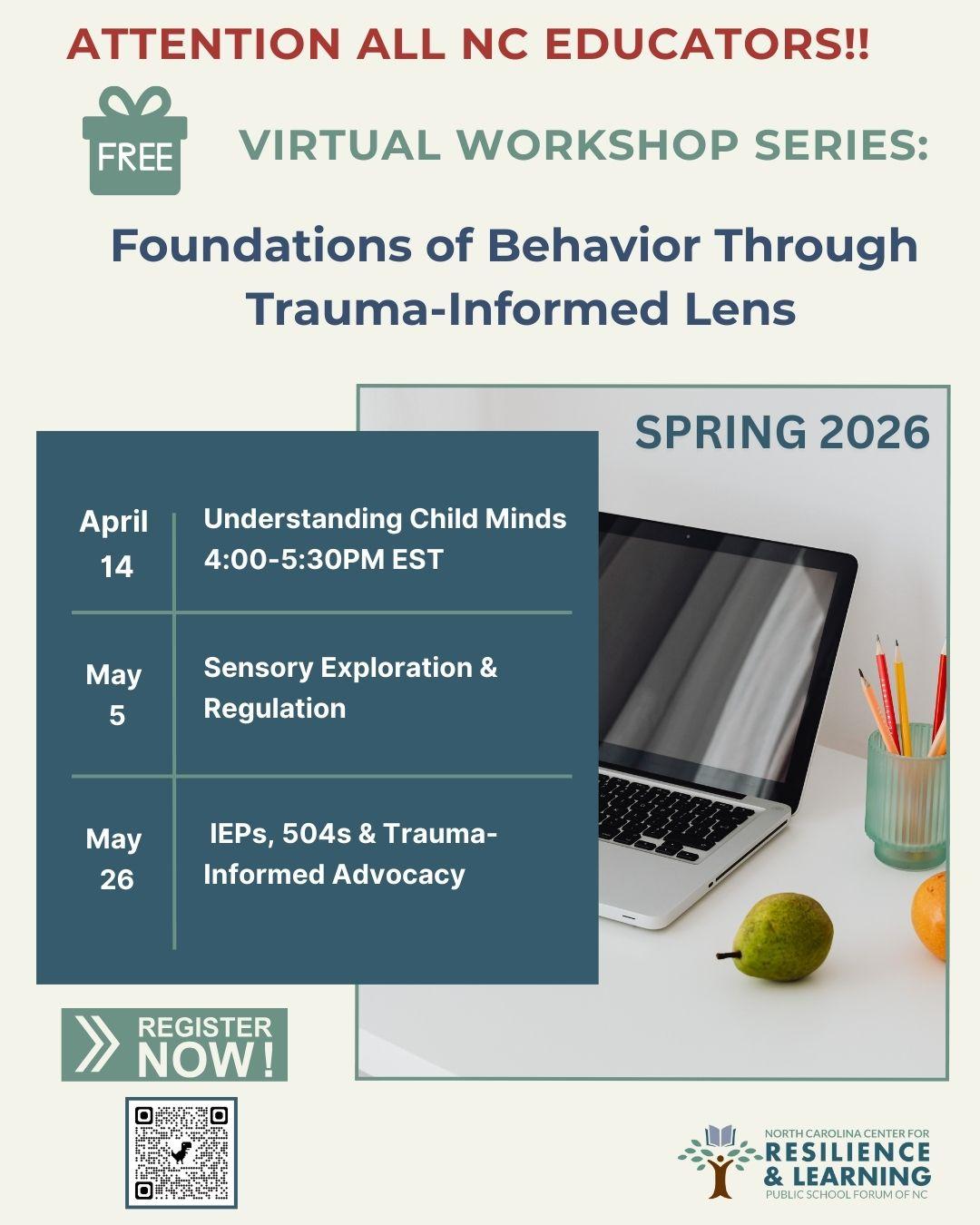
REGISTRATION IS OPEN!
This free three-part virtual workshop series is designed to deepen understanding of student behavior by examining trauma’s impact on development, sensory needs, and school-based systems of support.
Participants will be guided through a shift in perspective—from “What’s wrong with you?” to “What happened to you?” and ultimately to “What’s going on with us?”
Grounded in trauma-informed practice, neuroscience, and equity-centered approaches, this series is designed for North Carolina K–12 educators, support staff, administrators, and related service providers seeking practical, sustainable ways to respond to student needs.
| |
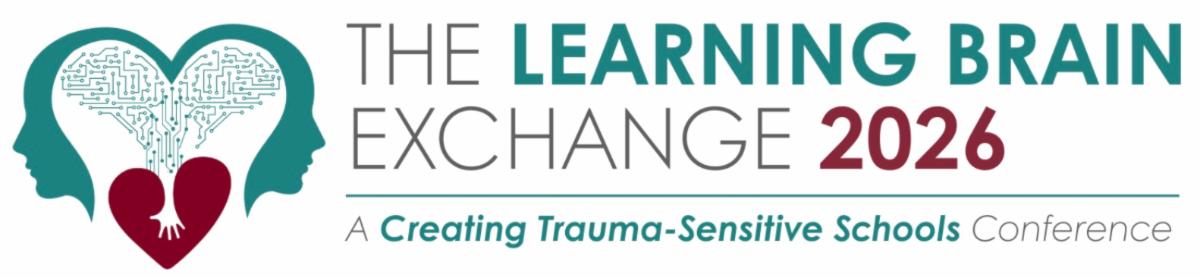
The Learning Brain Exchange: February 16, 17, 2026
A Creating Trauma-Sensitive Schools Virtual Conference
Join the Newest Creating Trauma-Sensitive Schools Conference - focused on the Science of Learning. Explore what all educators need to know about students' developing brains and how to help them get ready to learn and excel!
Registration is NOW OPEN with Early Bird pricing through December 15, 2025.
- Reaching & Teaching Students: Explore the Science of Learning with strategies that improve learning for all.
- Brain-Based Behaviors: Look at behaviors, discipline and classroom management through a neuroscience lens.
- Trauma-Responsive Leadership: Discover why Trauma-Informed leadership will guide your school with compassion and clarity.
- Connected Communities: Dive into ways to build connection with students, staff, parents, and the community at large…all for healthier brains and to enhance learning!
| |
Show Your Public School Pride with NC Forum 40th Anniversary Merch!
Public school champions, we’ve launched a store for you! In celebration of the Forum's 40th anniversary, we collaborated with student artist Dewone Wright on a line of t-shirts, sweatshirts, notebooks, mugs, and more!
| | |
Follow us on INSTAGRAM!
We want to share our story on Instagram- join us there!
| | Want your school to begin the journey to becoming trauma-informed? | | |
Elizabeth DeKonty
Senior Director
NC Center for Resilience & Learning
(Raleigh, NC)
|
| |
Eulanda Thorne
Senior Program Manager
NC Center for Resilience & Learning
(Wilson, NC)
| | |
Brian Randall
Senior Western Regional Program Manager
NC Center for Resilience & Learning
(Asheville, NC)
| | |
Michelle Harris Jefferson
Senior Program Manager of Professional Learning
NC Center for Resilience & Learning
(Greensboro, NC)
| | |
Orlando Dobbin, Jr
Senior Eastern Regional Program Manager
NC Center for Resilience & Learning
(Greenville, NC)
| | |
Angela Mendell
Senior Program Manager
NC Center for Resilience & Learning
(Elizabethtown, NC)
| | |
Leslie Blaich
Program Manager
NC Center for Resilience & Learning
(Marshall , NC)
| | |
Stacey Craig
Program Manager
NC Center for Resilience & Learning
(Raleigh, NC)
| | |
Jessica Edwards
Impact Specialist
NC Center for Resilience & Learning
(Spring Hope, NC)
| | |
Ervin Jones
Program Consultant
NC Center for Resilience & Learning
(Elizabeth City, NC)
| | |
Rebecca Stern
Program Consultant
NC Center for Resilience & Learning
(Carrboro, NC)
| | |
MKayla Nelson
Program Manager
NC Center for Resilience & Learning
(Newland, NC)
| | |
Quintin Mangano
Program Manager
NC Center for Resilience & Learning
(Rocky Mount, NC)
| | |
Katie Rosanbalm
Research & Evaluation Partner
NC Center for Resilience & Learning
(Duke University)
| | |
Victor Jones
Consultant
NC Center for Resilience & Learning
(Rocky Mount, NC)
| | |
The Resilience Reader is published monthly by the Public School Forum of NC and distributed to Forum members, educators, policymakers, donors, media, and subscribers -- or anyone interested in issues such as Adverse Childhood Experiences (ACEs), childhood trauma, resilience and the power of trauma-informed schools and communities.
Please pass the word! Forward The Resilience Reader to anyone who may find this information useful.
If you received this email from a friend, subscribe to this newsletter by clicking here.
Archived editions will be located at https://resilienceandlearning.org/newsletter/.
©2024 Public School Forum of North Carolina. All Rights Reserved.
Public School Forum of North Carolina
919-781-6833
Follow us at @theNCForum
www.ncforum.org
| |
|
|
Subscribe to this Monthly Newsletter | | | | NC Center for Resilience & Learning | www.resilienceandlearning.org | |
| | | |