A Note of Farewell & Gratitude | | |
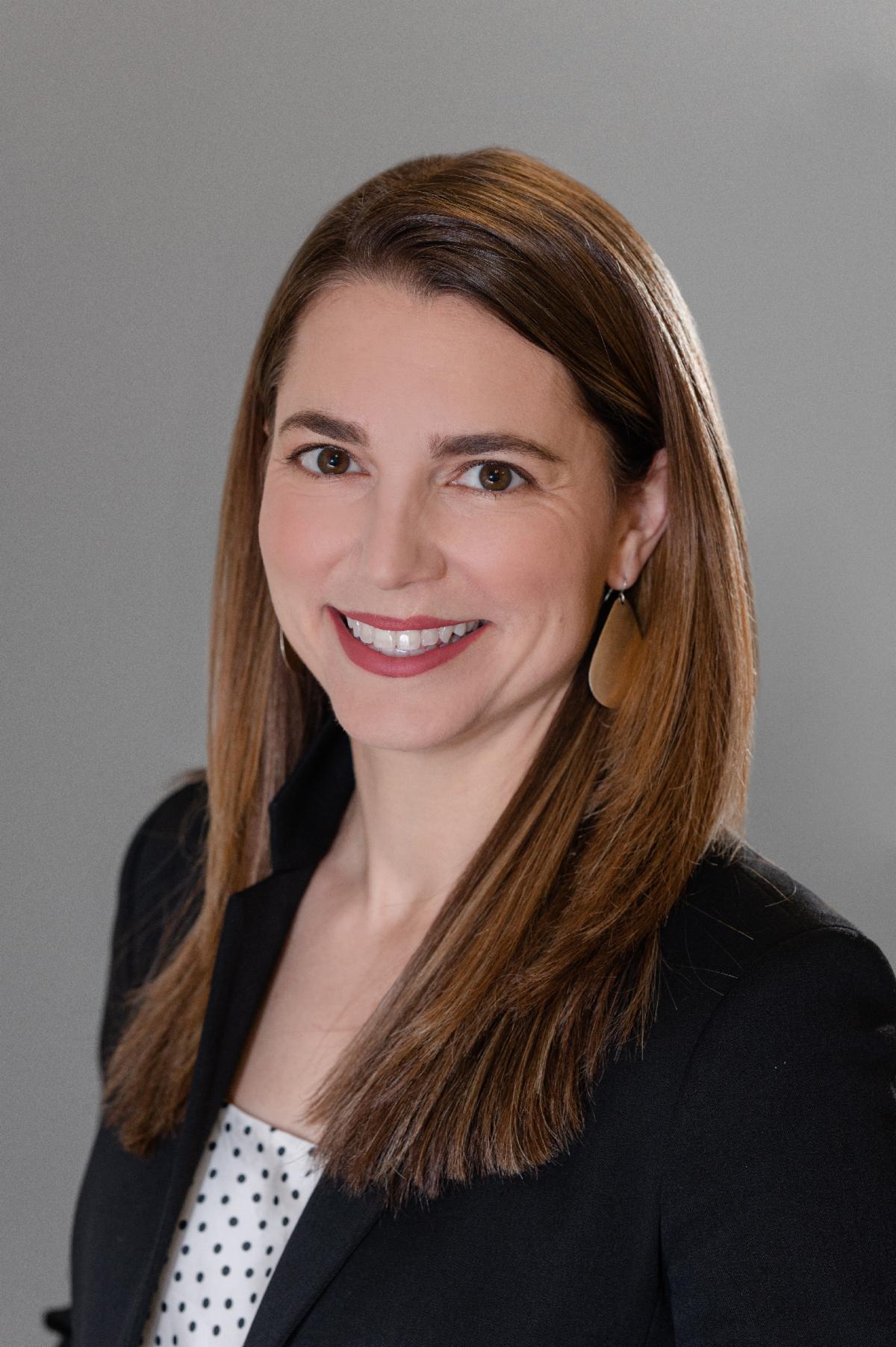
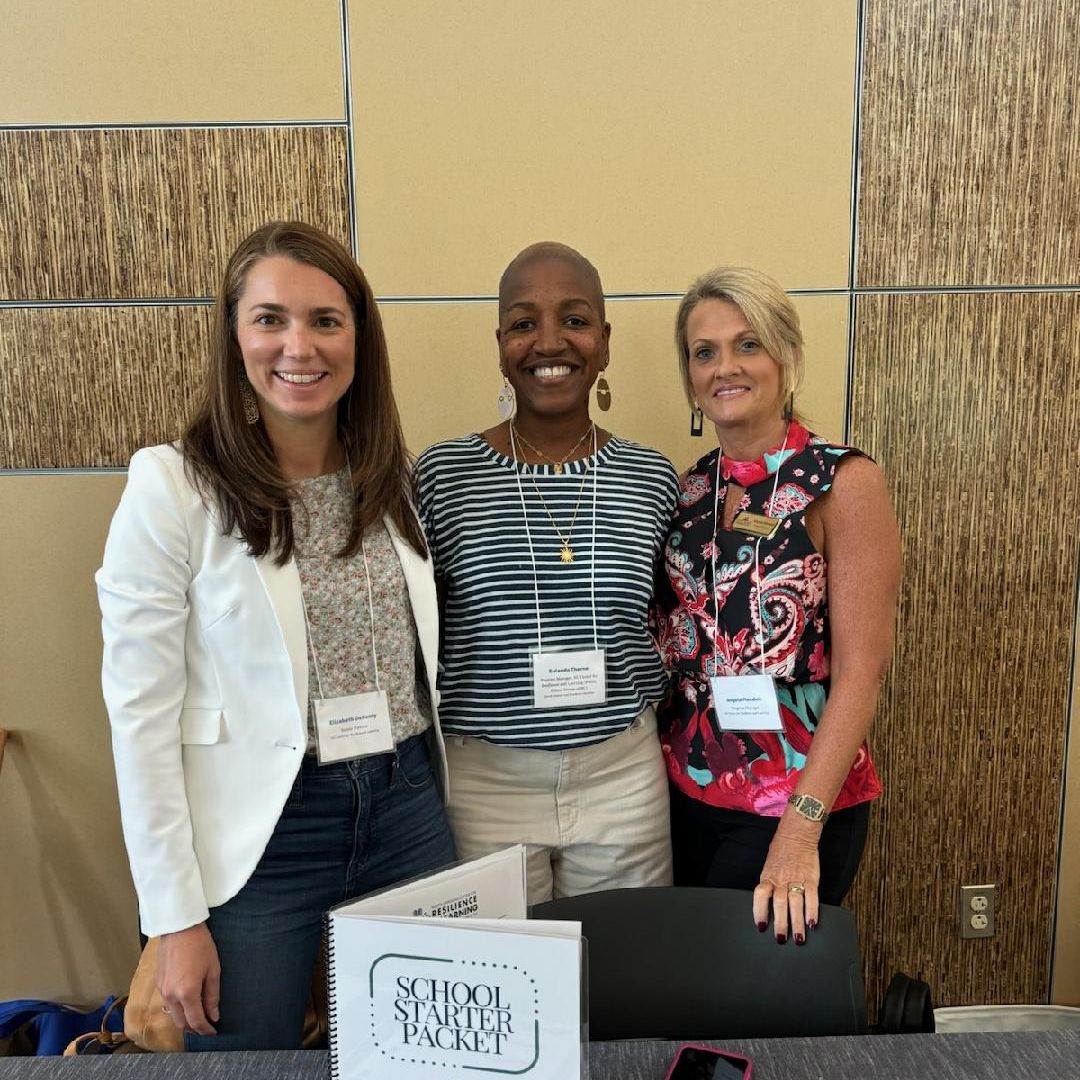
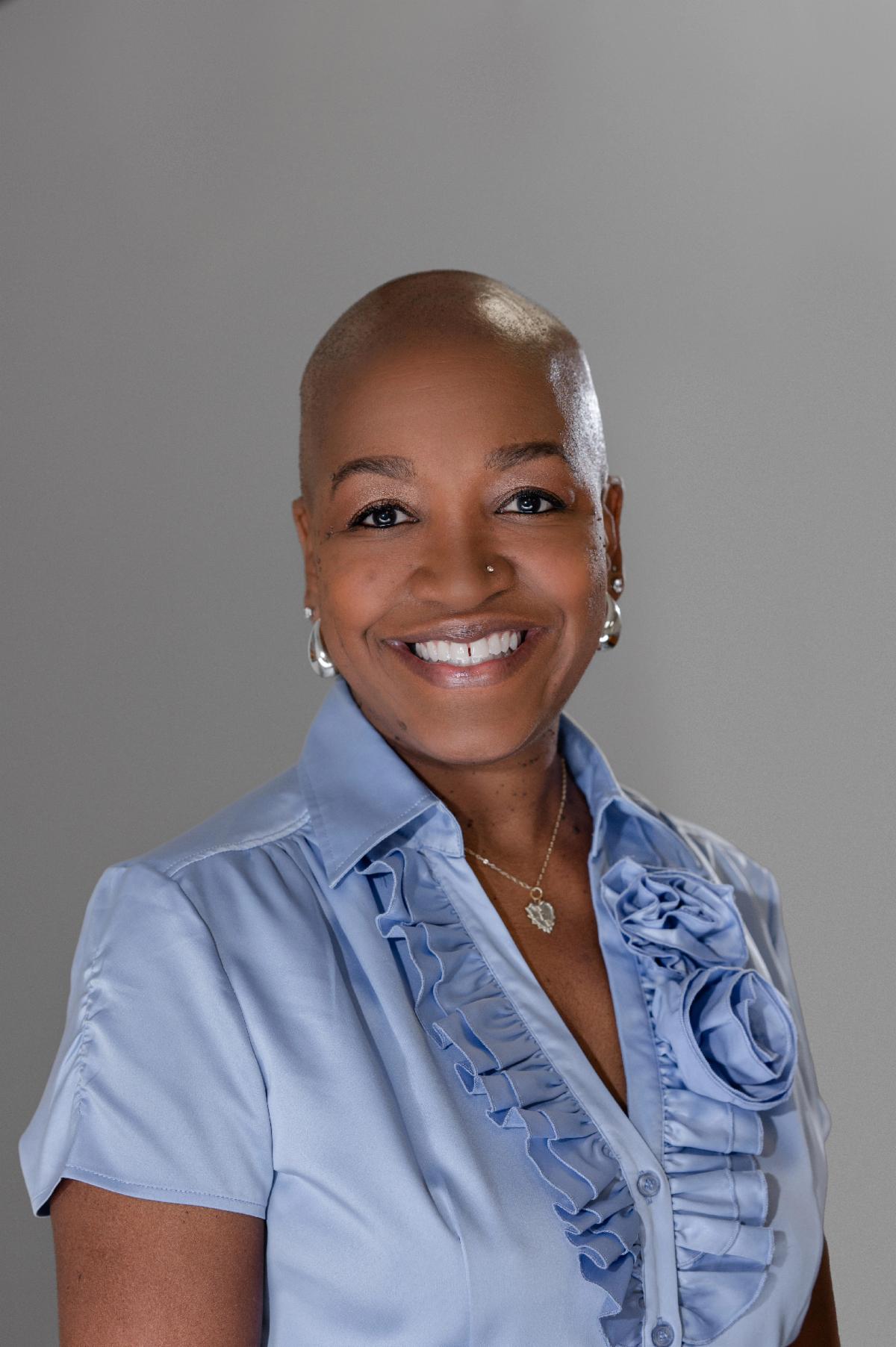
I know there are many people who receive our Resilience Reader whom I have never had the opportunity to meet, and many others whom I have had the privilege of meeting and working alongside over the past nine years. Over the last month, I have reached out to many individuals personally to share that, with very mixed emotions, I have made the decision to leave my role with the NC Center for Resilience & Learning at the Public School Forum of NC. My last day was June 24.
I began this brand-new journey exactly nine years ago, in June 2017, and in my wildest dreams, I could not have imagined how this work would grow and evolve into the established statewide Center it is today.
I remember our very first school year as a small pilot project, working with just two school districts and three schools. We had minimal funding, only a handful of partners, and were truly building the plane while flying it as we conducted our first staff trainings on trauma-informed practices in those early schools.
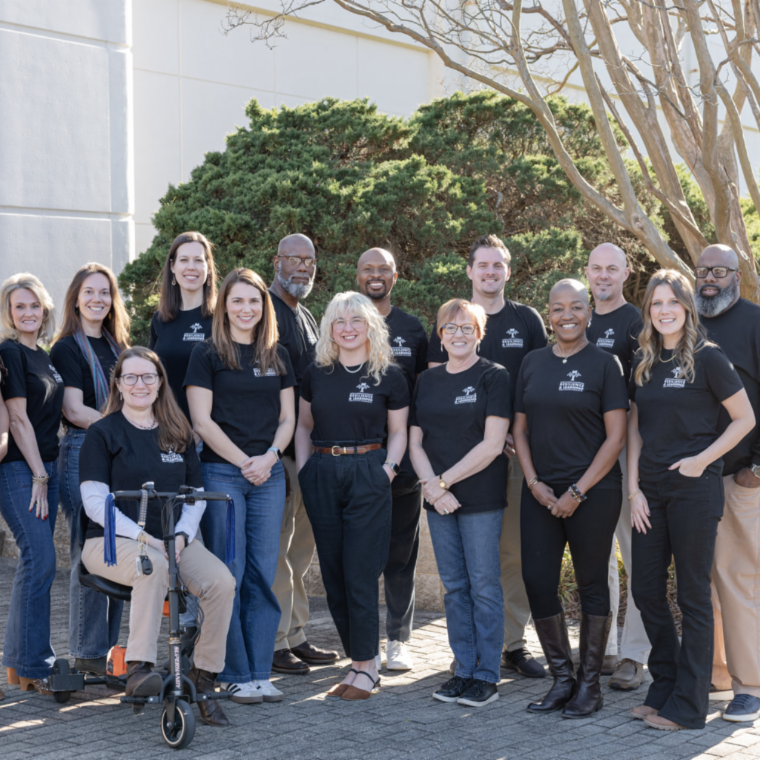
Nine years later, we have partnered with 48 school districts across the state and built a team of 14 trainers and coaches who are leading this work regionally.
I will be forever grateful for the team members I have worked alongside and for every educator, funder, and partner I have had the opportunity to meet and learn from during this chapter. Those who have partnered with us in our schools have taught me and shown me what true trauma-informed and resilience-building practices look like in action.
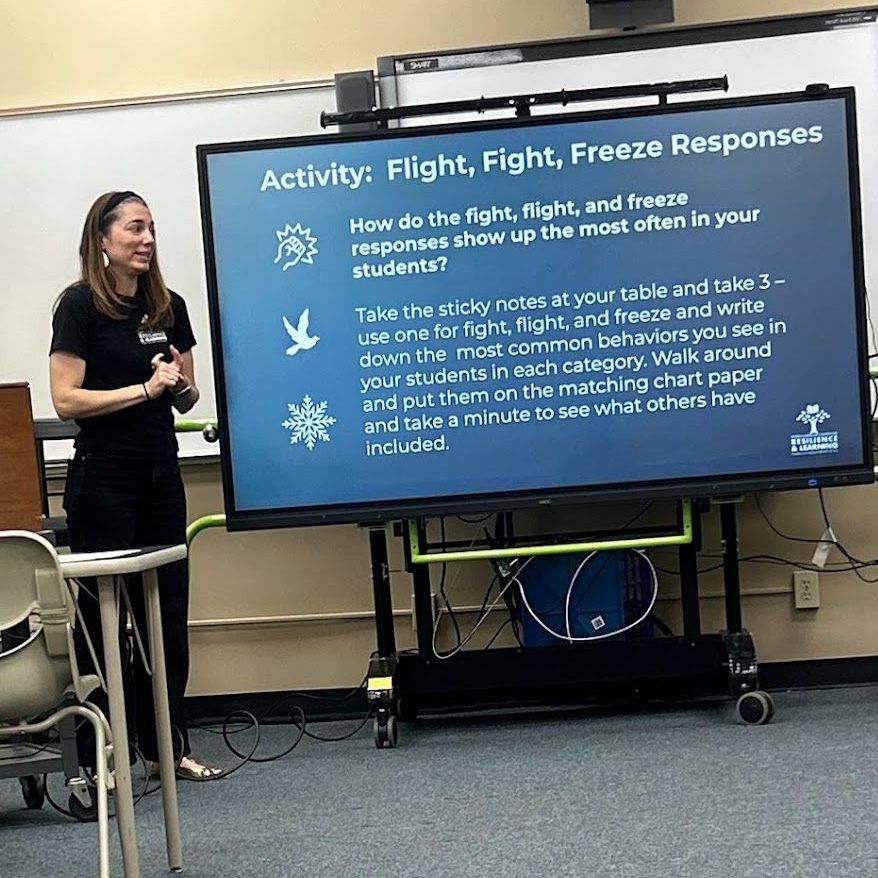
This work is deeply important. Over the past nine years, I have seen the growing need for this mindset and these practices in our schools. My hope is that you will continue learning and growing together, advancing this work, sharing it with more educators, and expanding it to more schools so that, one day, we can see a North Carolina transformed by a trauma-informed mindset and deeply embedded, sustainable resilience-building practices that support both students and staff.
At its core, the reason I have dedicated myself to this work is simple: I want every child who walks into a school building to feel loved, cared for, and a strong sense of belonging. That vision remains with me today and will continue to guide me as I begin a new chapter in my life and career.
Thank you for this opportunity. It has changed me both professionally and personally. The research and skills I have gained through trauma-informed work have shaped not only how I hope our schools can serve students and communities, but also the kind of person I strive to be with my friends, family, and especially my own children.
I have been profoundly changed by this season, by the people around me, and by this work itself. I am grateful for that transformation, and I look forward to watching this work continue to grow and positively impact more students, families, and educators in the years ahead.
With gratitude,
Elizabeth DeKonty
Sr. Director, NC Center for Resilience & Learning
| | |
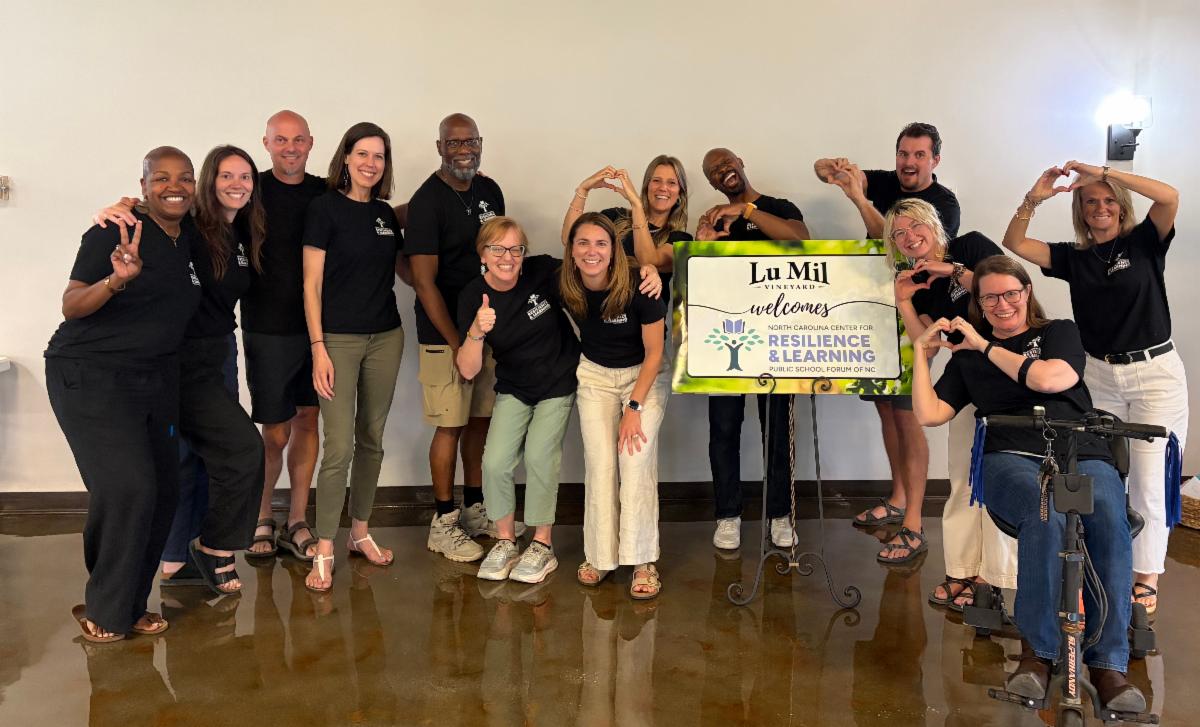
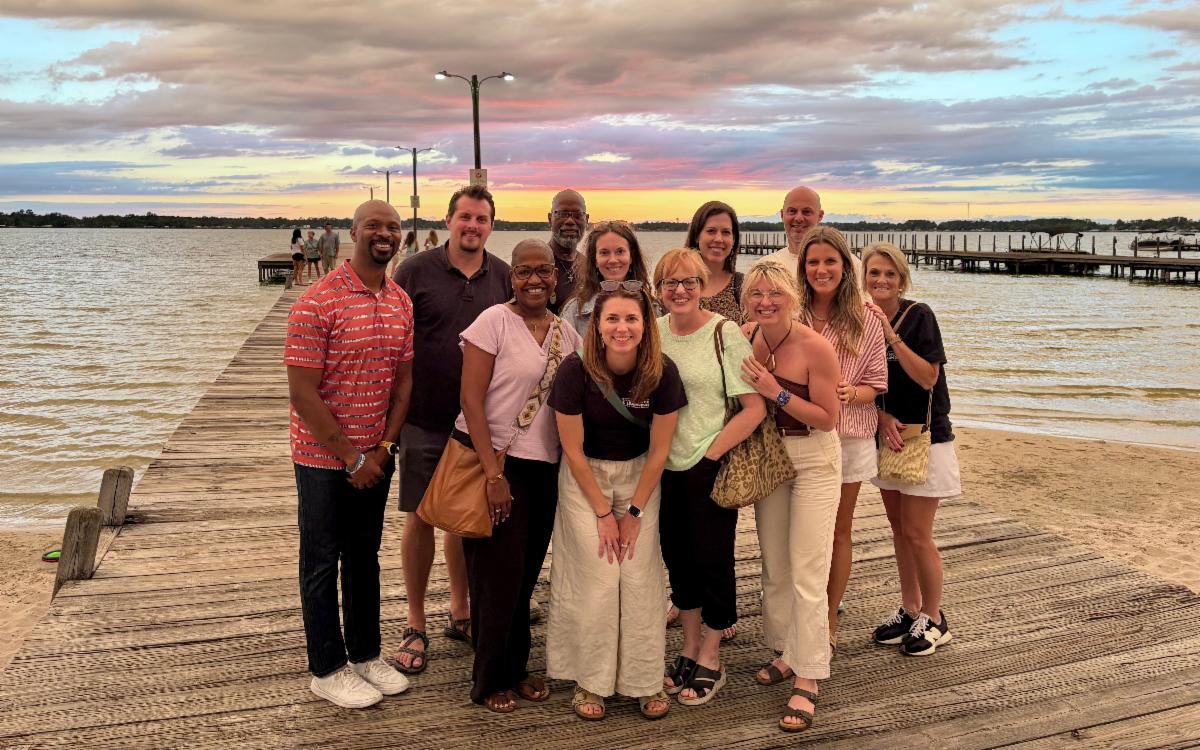
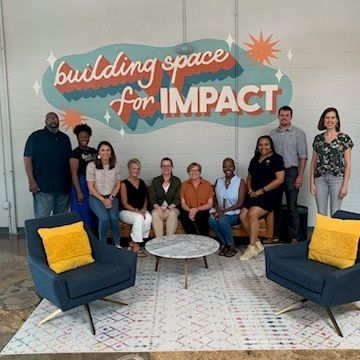
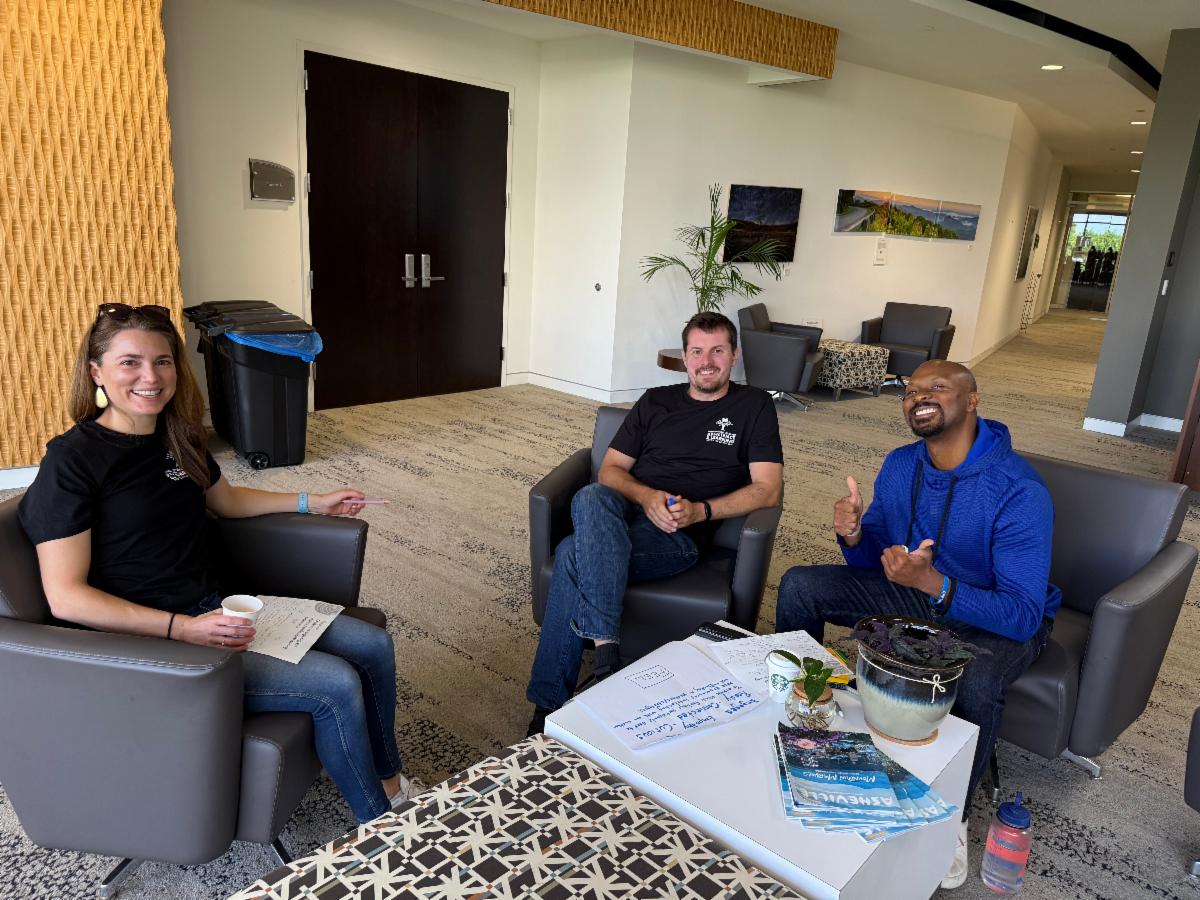
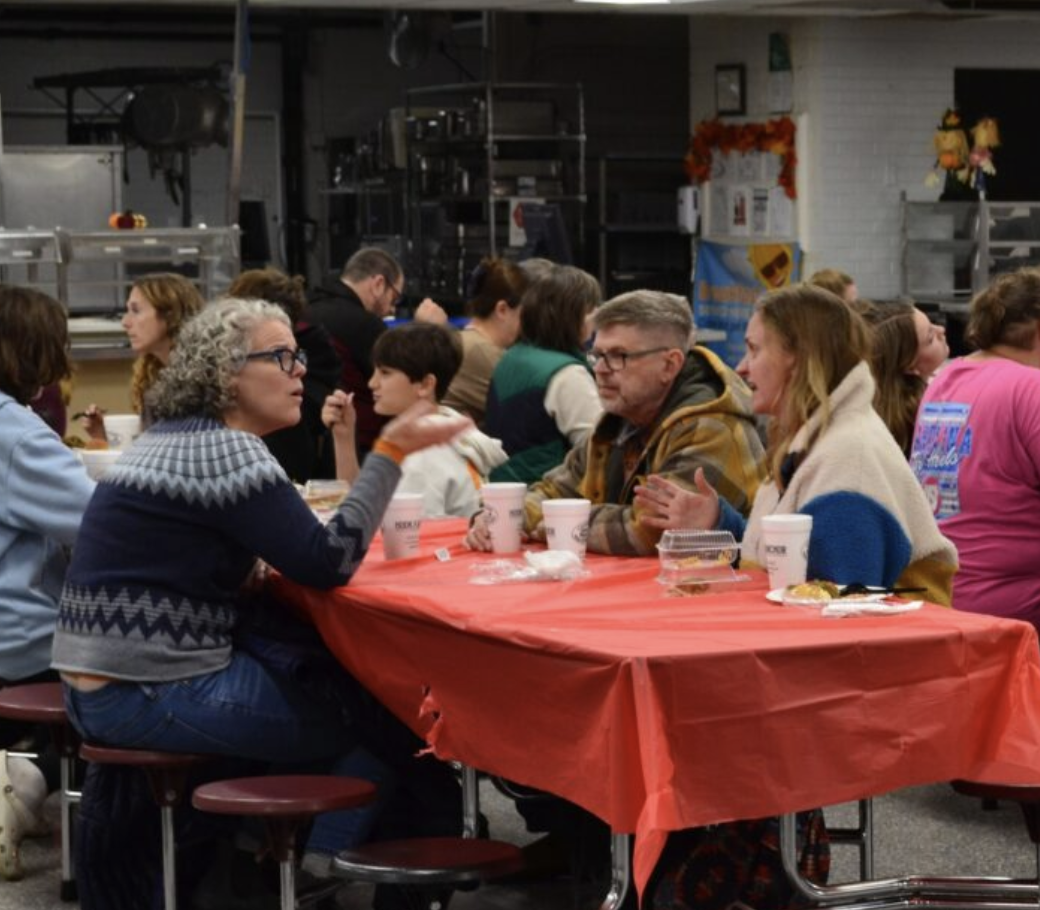
This past week, the Resilience and Learning team gathered in Elizabethtown, NC, to celebrate the incredible 9-year legacy of our leader, Elizabeth. While it is hard to imagine our daily work without her presence, the beautiful truth is that her vision, values, and heart are permanently written into the DNA of this organization.
She has led our team with unmatched humility, grace, and care. The proof of her leadership is clear: between 2017 and 2026, this work expanded to impact more than 138 schools and 48 districts across North Carolina.
As we look to the future, we remain deeply committed to the journey she started—building educational spaces where every educator and child walks through the door feeling safe, valued, and full of hope.
Please take a moment to help us honor her dedication by leaving a reflection or well-wishes on this form.
| |
NC Center for Resilience & Learning
CORE VALUES
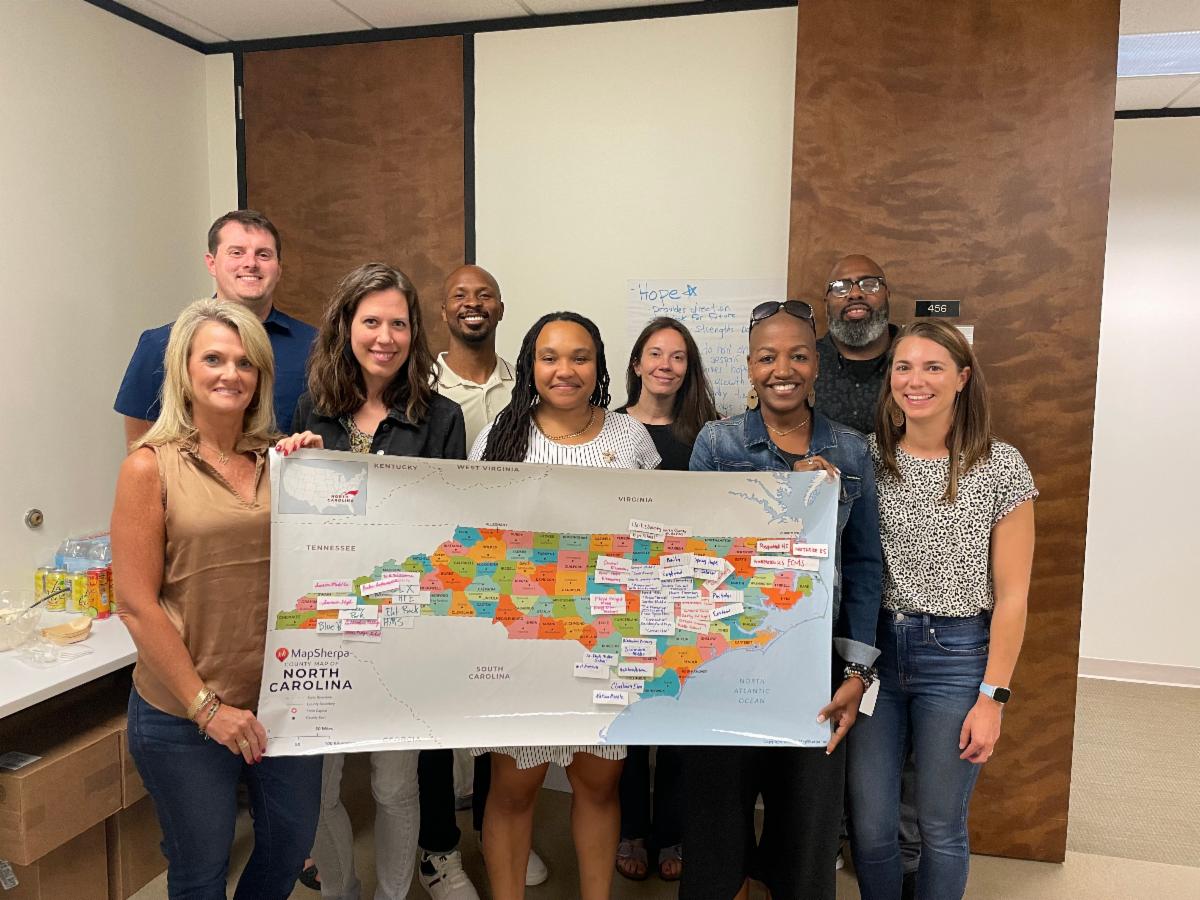
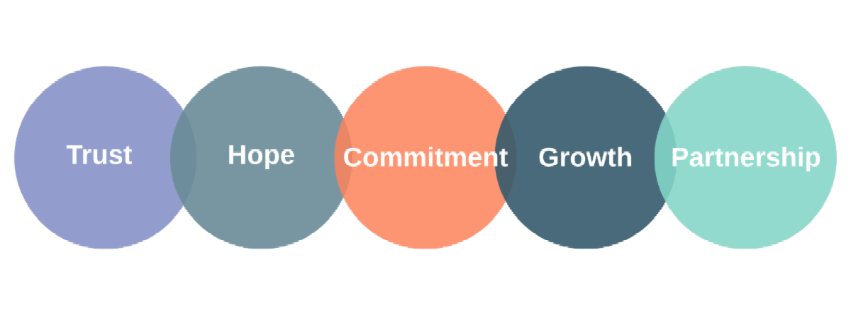
A year ago, our Center engaged in a process of reflecting on our core values. As part of that work, we wanted to share a more detailed description of those values with our community - capturing how we hope to engage with our partners, stakeholders, and one another in the work we do every day.
| | |
TRUST
Trust and safety are at the core of who we are as a team and the work we do with schools. We firmly believe that to be effective and bring about positive change, trust and safety must be prioritized. We strive to create safe spaces where everyone feels a strong sense of trust and belonging. We embrace and honor all identities and viewpoints, ensuring that every individual has a voice at the table. Relationships and connections that foster belonging are the foundation for creating trauma-informed spaces. We aim to make that the center of our internal team and the teams we work with through our school and district partnerships.
| |
HOPE
We believe hope is essential in building resilience. We believe that everyone deserves to have hope, and we use hope as our guiding principle in our daily work with schools. Hope is important because we believe that all individuals have the potential to contribute positively to the world. Holding onto hope may feel risky and vulnerable at times; we acknowledge this, and we strive to create safer and more supportive learning environments for ALL NC students and educators.
| | |
COMMITMENT
We are committed to each other and to our partner educators. We know this is hard work and work that takes time, but we are committed to the long haul. We will be dependable, doing what we say we will do with our school partners, and we want to be held accountable by each other and our partners.
| |
GROWTH
Our name reflects our commitment to resilience and continual learning. We see ourselves as lifelong learners, eager to learn from each other, from the educators with whom we work, and from the latest research on trauma and resilience. We understand that creating trauma-informed spaces is a journey that involves ongoing learning, collaboration, and resilience. We seek to maintain a growth mindset with all the work we do by learning from our mistakes and celebrating the strengths of others.
| | |
PARTNERSHIP
Our collaboration with schools and districts is a genuine partnership. We do not enter school buildings believing we have all the answers; instead, we strive to learn and grow in partnership with each unique school. Our goal is for school teams to actively engage, set goals, and make decisions for their school communities. We do not claim to be the experts; rather, we believe that educators are the experts of their own school community. We aim to be thought partners who walk alongside our partner educators.
| |
| |
North Carolina proclaims June as Whole-Child Health and Well-Being Month
The proclamation acknowledges that children are North Carolina's most valuable resource and emphasizes that their wellbeing should remain a central focus of public policy and community investment. It highlights the critical connection between child health and the state's long-term economic prosperity, workforce development, educational achievement, and overall quality of life.
READ MORE
| | | |
| |
The Power of Partnership: How radically engaging families lightened my load and lifted student outcomes
Many educators hesitate to open their doors this wide, fearing it will add to an already unsustainable workload. I discovered the exact opposite to be true. Inviting families in did not increase my burden; it shared it. In fact, I would argue it lessened it. Our ELA department already had a strong framework for instruction, but family partnership was the final component. It was the proverbial “missing piece of the puzzle” that made the whole system click.
READ MORE
| | | | Resources & Opportunities | |
Nourish and Thrive:
Virtual Learning Session for Educators and OST Professionals with the Poe Center for Health Education
NC CAP is pleased to partner with the Poe Center for Health Education to offer their virtual learning session, Nourish & Thrive, for Educators and Afterschool/Summer Learning Professionals in our network. Nourish & Thrive will uncover the mystery of nutrition, physical activity, the gut biome, and mental wellness. This program promotes brain development with activities focused on healthy habits, self-care tips, neurotransmitter function, and nutrition.
Registration for this Virtual Learning Session is FREE!
Register Here
| | |
Follow us on INSTAGRAM!
We want to share our story on Instagram- join us there!
| | Want your school to begin the journey to becoming trauma-informed? | | |
Elizabeth DeKonty
Senior Director
NC Center for Resilience & Learning
(Raleigh, NC)
|
| |
Eulanda Thorne
Senior Program Manager
NC Center for Resilience & Learning
(Wilson, NC)
| | |
Brian Randall
Senior Western Regional Program Manager
NC Center for Resilience & Learning
(Asheville, NC)
| | |
Orlando Dobbin, Jr
Senior Eastern Regional Program Manager
NC Center for Resilience & Learning
(Greenville, NC)
| | |
Leslie Blaich
Program Manager
NC Center for Resilience & Learning
(Marshall, NC)
| | |
Angela Mendell
Senior Program Manager
NC Center for Resilience & Learning
(Elizabethtown, NC)
| | |
Stacey Craig
Senior Program Manager
NC Center for Resilience & Learning
(Raleigh, NC)
| | |
MKayla Nelson
Program Manager
NC Center for Resilience & Learning
(Newland, NC)
| | |
Jessica Edwards
Impact Specialist
NC Center for Resilience & Learning
(Spring Hope, NC)
| | |
Ervin Jones
Program Consultant
NC Center for Resilience & Learning
(Elizabeth City, NC)
| | |
Rebecca Stern
Program Consultant
NC Center for Resilience & Learning
(Carrboro, NC)
| | |
Quintin Mangano
Program Manager
NC Center for Resilience & Learning
(Rocky Mount, NC)
| | |
Katie Rosanbalm
Research & Evaluation Partner
NC Center for Resilience & Learning
(Duke University)
| | |
Victor Jones
Consultant
NC Center for Resilience & Learning
(Rocky Mount, NC)
| | |
The Resilience Reader is published monthly by the Public School Forum of NC and distributed to Forum members, educators, policymakers, donors, media, and subscribers -- or anyone interested in issues such as Adverse Childhood Experiences (ACEs), childhood trauma, resilience and the power of trauma-informed schools and communities.
Please pass the word! Forward The Resilience Reader to anyone who may find this information useful.
If you received this email from a friend, subscribe to this newsletter by clicking here.
Archived editions will be located at https://resilienceandlearning.org/newsletter/.
©2024 Public School Forum of North Carolina. All Rights Reserved.
Public School Forum of North Carolina
919-781-6833
Follow us at @theNCForum
www.ncforum.org
| |
|
|
Subscribe to this Monthly Newsletter | | | | NC Center for Resilience & Learning | www.resilienceandlearning.org | |
| | | |