School of the Month:
Swain County Middle School
| |
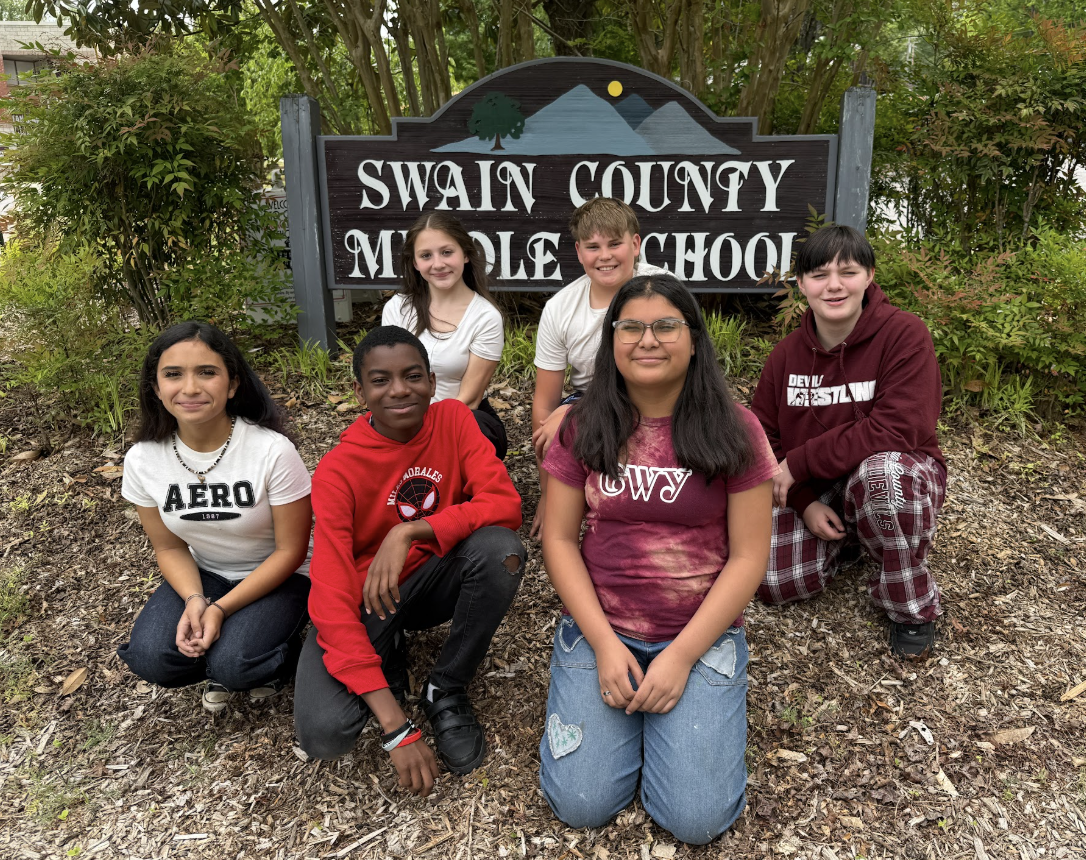
Champions of Belonging: Inside Swain County Middle School's Student Resilience Team
By Program Manager: Leslie Blaich
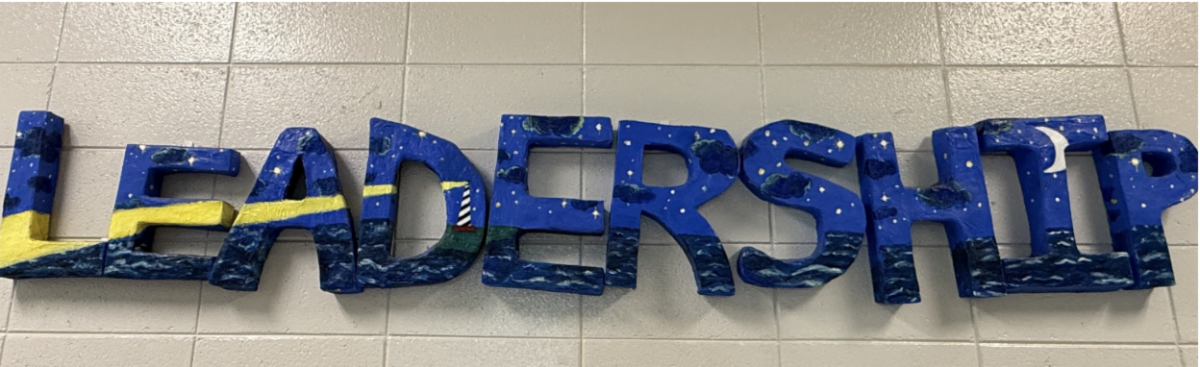
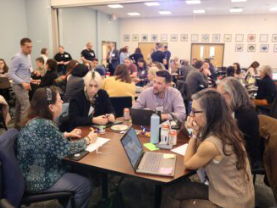
| The transition from elementary to middle school is commonly considered one of the most significant in a K-12 student’s life. Swain County Middle School, located in Bryson City, Western North Carolina, is providing a new opportunity for students to take an active leadership role through the Student Resilience Team. The creation of this team, centered on honoring middle schoolers’ perspectives on the middle school experience, was developed through Swain Middle’s dedication to a two-year partnership with the NC Center for Resilience & Learning. | |
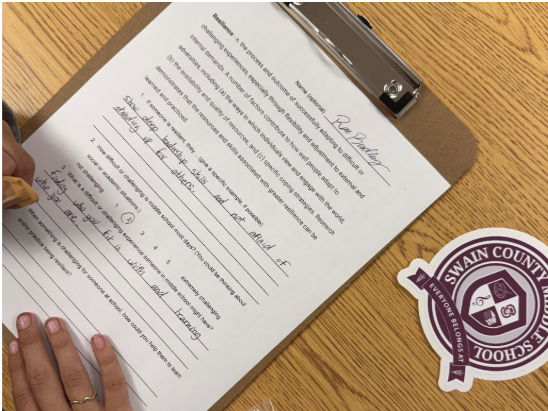
Since January, members of the SMS Student Resilience Team (SRT) have engaged in:
- individual reflections,
- group activities,
- discussions, and
- feedback-gathering between meetings.
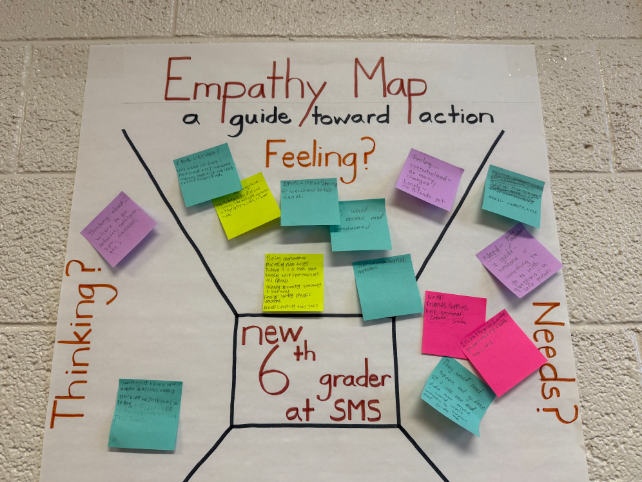
During meetings, the team has worked together to identify what makes Swain County Middle School unique and to organize around ways to support rising sixth graders as they prepare to transition from elementary school.
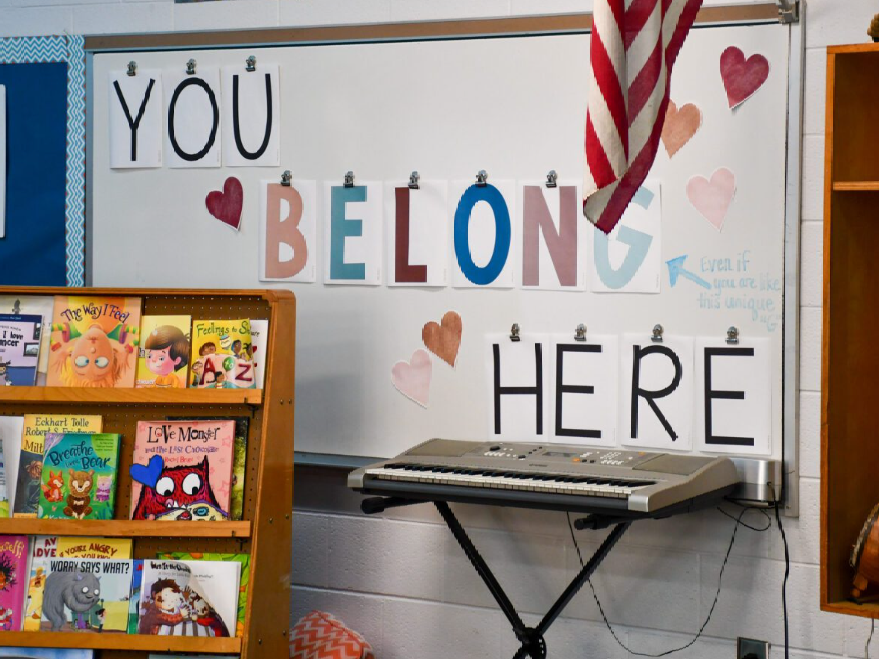
| | The team’s primary project this semester has been creating a video for rising sixth graders. The video is meant to introduce new students (and their families) to important aspects of SMS, ones that may be somewhat similar or vastly different from elementary school and highly relevant either way. It highlights school traditions, academics, extracurricular opportunities, and daily procedures, and offers encouraging perspectives from current students who remember what it felt like to be starting middle school. By providing incoming students with a friendly and authentic glimpse into life at SMS, the team hopes to start nurturing a sense of belonging from day one. | | |
In addition to this early work, the Student Resilience Team is already brainstorming several future initiatives designed to strengthen connections across the school community. One goal is for SRT members to help lead Maroon Meetings, the school’s weekly Monday morning meeting, where the entire school community gathers in the gym for announcements and activities. Through their representational leadership in these meetings, team members hope to encourage increased positive student participation across all grade levels.
The SRT, in partnership with the staff Resilience Team, is also motivated to explore developing a peer mentoring program that would connect older students with younger students for encouragement and guidance throughout the school year. The program would allow student mentors to help younger peers navigate the transition to middle school, including the challenges of academic demands and social dynamics.
By building positive peer relationships across grade levels, the SRT hopes to create lasting connections that strengthen the entire school community.
| | The current and future work of the Student Resilience Team reflects Swain County Middle School’s commitment to honoring student voice, cultivating belonging, and centering practices that build resilience school-wide. Grounded in the belief that students are the true experts on their own middle school experiences, the SRT provides a vital space for them to connect with peers, teachers, and administrators. Through intentional guidance, team members gain the practical leadership skills needed to support their classmates and foster a more welcoming school environment. The NC Center for Resilience & Learning is incredibly grateful for and inspired by the collective dedication of both the staff and student Resilience Teams at Swain County Middle School. | |
| |
How North Carolina schools support student mental health, and the challenges that remain
The state’s public schools are a key entry point for youth mental health services, and educational leaders have long sought to support students’ overall well-being. But recent data on students’ mental and emotional well-being reveal a youth mental health crisis that has prompted conversations on how to best support the 1.5 million young people enrolled in the state’s public schools.
READ MORE
| | | |
| |
One District's Journey: Starting SEL from the Ground Up
In many districts, SEL implementation is a top-down effort. The district launches an SEL initiative, which the central office develops, leads, and supports. The school is on the receiving end. But what happens when families and teachers lead the way? Can one school spark a priority around SEL across the district?
READ MORE
| | | |
| |
From Wiggly to Wise: How Morning Meetings Build Self-Aware Kids
The results of these practices have been extraordinary. From September to December, our class grew from 64% to 86% at or above grade level in Math, and from 63% to 73% in Reading. That’s a remarkable amount of growth in just four months—and I believe our daily SEL routines played a key role. When students are emotionally regulated and connected to their learning environment, they’re more able to focus, take risks, and engage.
READ MORE
| | | |
| |
What’s working: Early insights from the WNC Resilience Project
One effort is the Western North Carolina (WNC) Resilience Project, a region-wide initiative born from hardship, resilience, and rebuilding in the wake of Hurricane Helene, which deeply impacted communities across the Asheville area. In a moment when it would have been understandable to focus solely on recovery, educators and leaders across the region looked at rebuilding as a chance to reimagine learning with student well-being at the center.
READ MORE
| | | |
| |
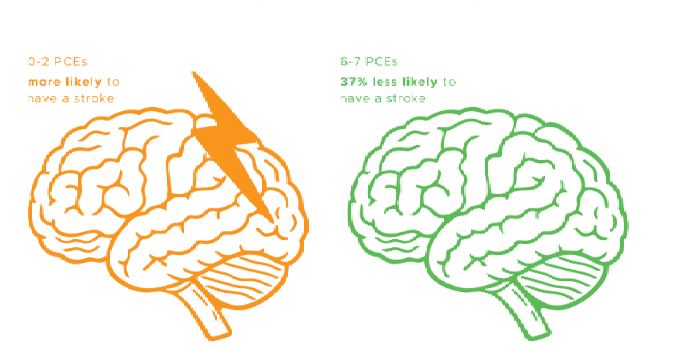
New study finds that Positive Childhood Experiences help overcome the lifelong health effects of childhood trauma
“Lifelong health and wellbeing begin in childhood,” said Robert Sege, MD, PhD, Director of the Center for Community-Engaged Medicine at Tufts Medical Center and Professor of Medicine and Pediatrics at Tufts University School of Medicine. “These large population surveys demonstrate that children who have experienced adversity benefit greatly from the critical importance of positive childhood experiences.”
READ MORE
| | | | Resources & Opportunities | |
CASEL Course in August 2026
Belonging & Engagement in the Classroom
Nearly every teacher has asked that question at some point. Even when students are present, are they truly present? How can we help each student feel known, valued, and included, not just by adults but by other students?
In Belonging & Engagement in the Classroom, you’ll gain strategies to build a classroom culture where all students feel a sense of community, where their curiosity is sparked, and where they have the support they need to learn and grow.
This 12-hour, self-paced virtual course is for classroom teachers and staff who want to take a deeper dive into social and emotional learning (SEL) so they can leverage it to create a classroom where all students thrive. CEU hours are available.
Sign Up for Updates
| | | |
Have you applied?
CORE Collaborative Cohort 2
We are accepting applications until June 5, 2026!
| To learn more and access the application, click the link below! | | Click on the video below to hear what Cohort 1 member, Cara Patterson, has to say about CORE Collaborative! | |
Nourish and Thrive:
Virtual Learning Session for Educators and OST Professionals with the Poe Center for Health Education
NC CAP is pleased to partner with the Poe Center for Health Education to offer their virtual learning session, Nourish & Thrive, for Educators and Afterschool/Summer Learning Professionals in our network. Nourish & Thrive will uncover the mystery of nutrition, physical activity, the gut biome, and mental wellness. This program promotes brain development with activities focused on healthy habits, self-care tips, neurotransmitter function, and nutrition.
Registration for this Virtual Learning Session is FREE!
Register Here
| | |
Follow us on INSTAGRAM!
We want to share our story on Instagram- join us there!
| | Want your school to begin the journey to becoming trauma-informed? | | |
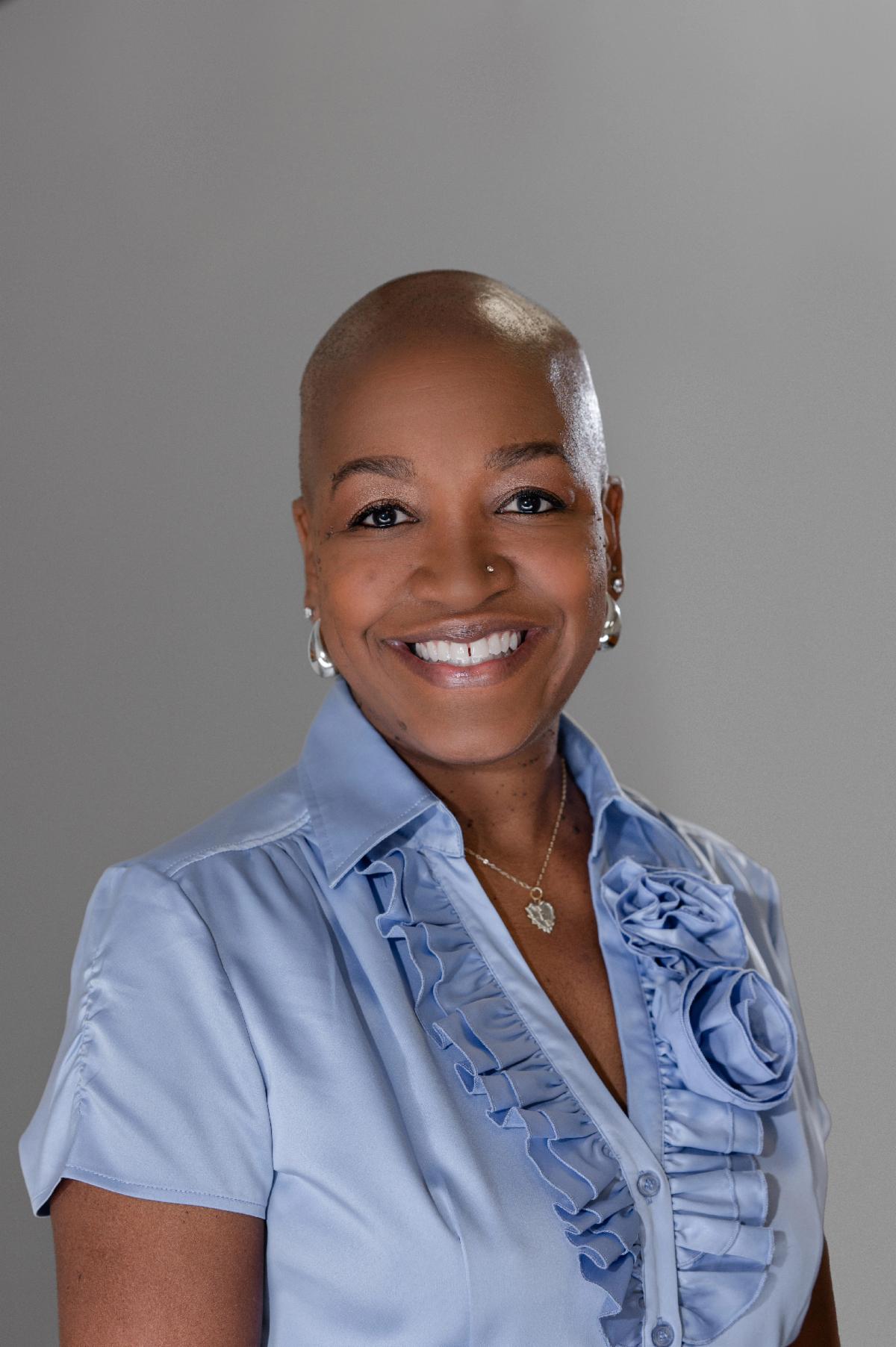
Elizabeth DeKonty
Senior Director
NC Center for Resilience & Learning
(Raleigh, NC)
|
| |
Eulanda Thorne
Senior Program Manager
NC Center for Resilience & Learning
(Wilson, NC)
| | |
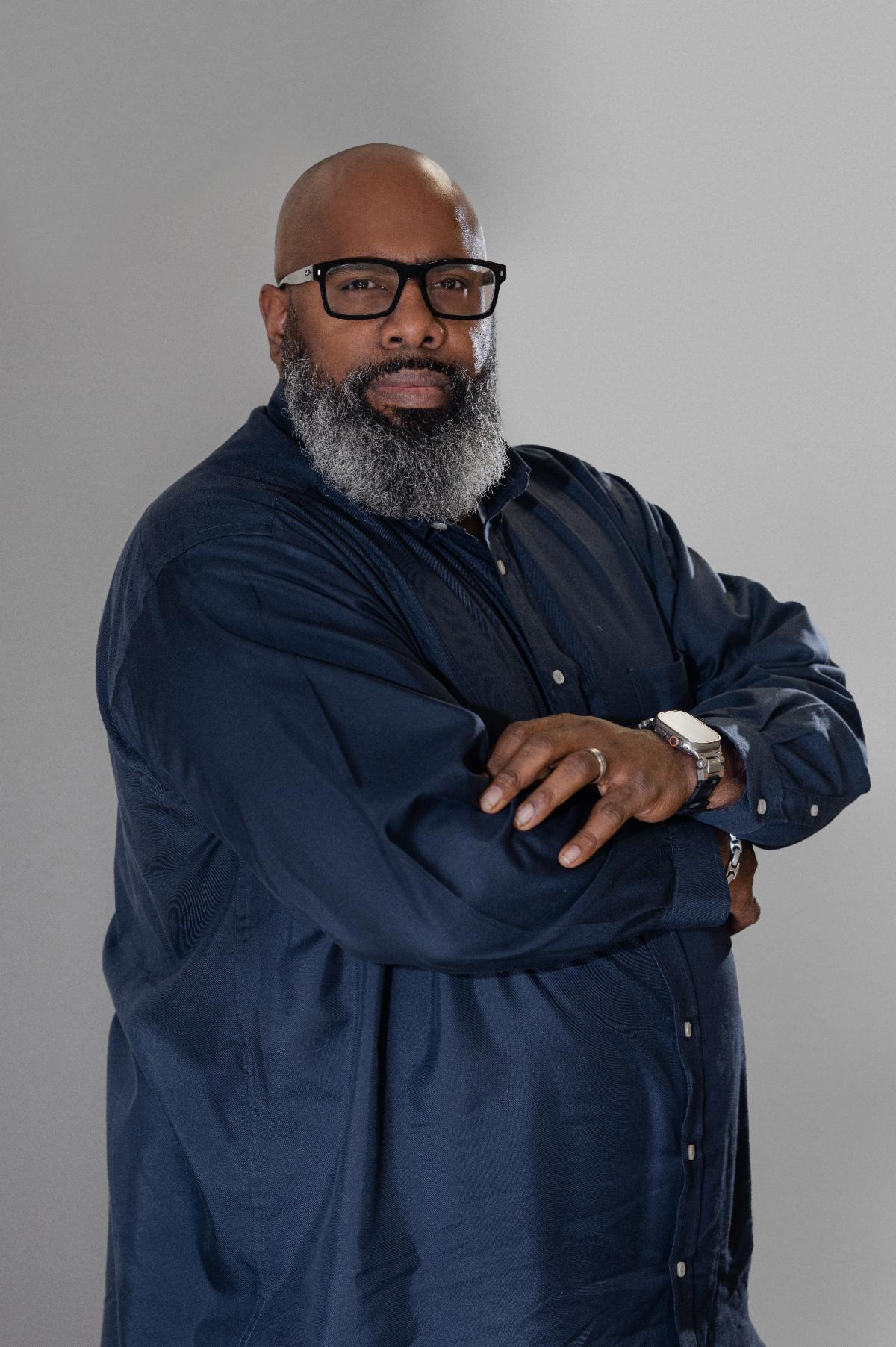
Brian Randall
Senior Western Regional Program Manager
NC Center for Resilience & Learning
(Asheville, NC)
| | |
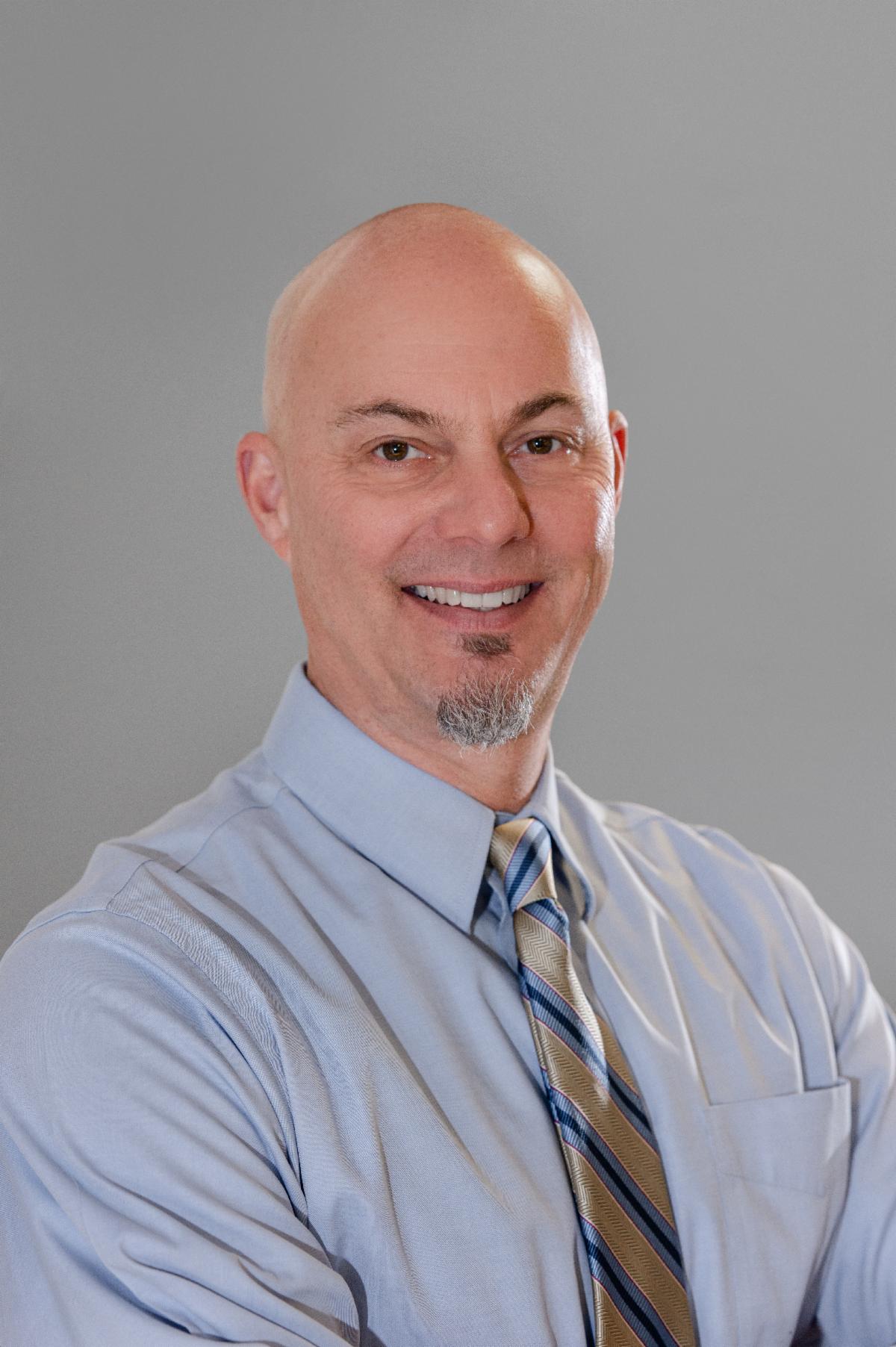
Orlando Dobbin, Jr
Senior Eastern Regional Program Manager
NC Center for Resilience & Learning
(Greenville, NC)
| | |
Leslie Blaich
Program Manager
NC Center for Resilience & Learning
(Marshall, NC)
| | |
Angela Mendell
Senior Program Manager
NC Center for Resilience & Learning
(Elizabethtown, NC)
| | |
Stacey Craig
Senior Program Manager
NC Center for Resilience & Learning
(Raleigh, NC)
| | |
MKayla Nelson
Program Manager
NC Center for Resilience & Learning
(Newland, NC)
| | |
Jessica Edwards
Impact Specialist
NC Center for Resilience & Learning
(Spring Hope, NC)
| | |
Ervin Jones
Program Consultant
NC Center for Resilience & Learning
(Elizabeth City, NC)
| | |
Rebecca Stern
Program Consultant
NC Center for Resilience & Learning
(Carrboro, NC)
| | |
Quintin Mangano
Program Manager
NC Center for Resilience & Learning
(Rocky Mount, NC)
| | |
Katie Rosanbalm
Research & Evaluation Partner
NC Center for Resilience & Learning
(Duke University)
| | |
Victor Jones
Consultant
NC Center for Resilience & Learning
(Rocky Mount, NC)
| | |
The Resilience Reader is published monthly by the Public School Forum of NC and distributed to Forum members, educators, policymakers, donors, media, and subscribers -- or anyone interested in issues such as Adverse Childhood Experiences (ACEs), childhood trauma, resilience and the power of trauma-informed schools and communities.
Please pass the word! Forward The Resilience Reader to anyone who may find this information useful.
If you received this email from a friend, subscribe to this newsletter by clicking here.
Archived editions will be located at https://resilienceandlearning.org/newsletter/.
©2024 Public School Forum of North Carolina. All Rights Reserved.
Public School Forum of North Carolina
919-781-6833
Follow us at @theNCForum
www.ncforum.org
| |
|
|
Subscribe to this Monthly Newsletter | | | | NC Center for Resilience & Learning | www.resilienceandlearning.org | |
| | | |