|
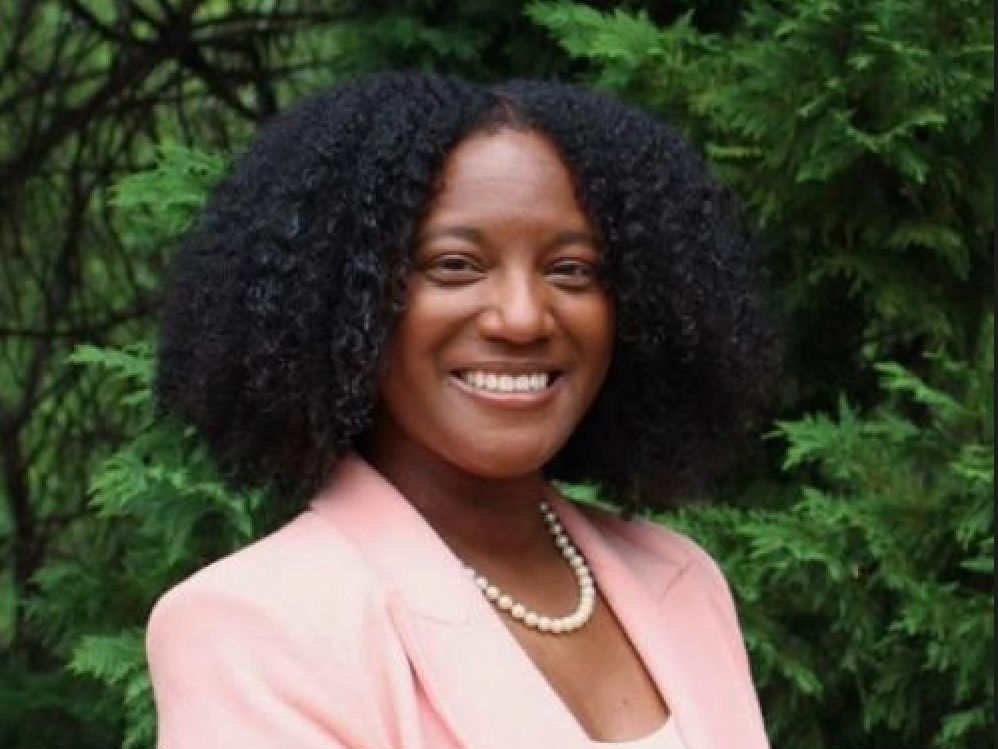
“Passion means suffering and compassion means suffering together. Suffering produces perseverance and perseverance produces character and character produces hope. And that lifts people up, knowing they’re not alone.”
-Lacey Mosely
| |
Teaching Through the Storm:
How a School in Mitchell County Became a Lifeline
A Reflection on Hurricane Helene
| | |
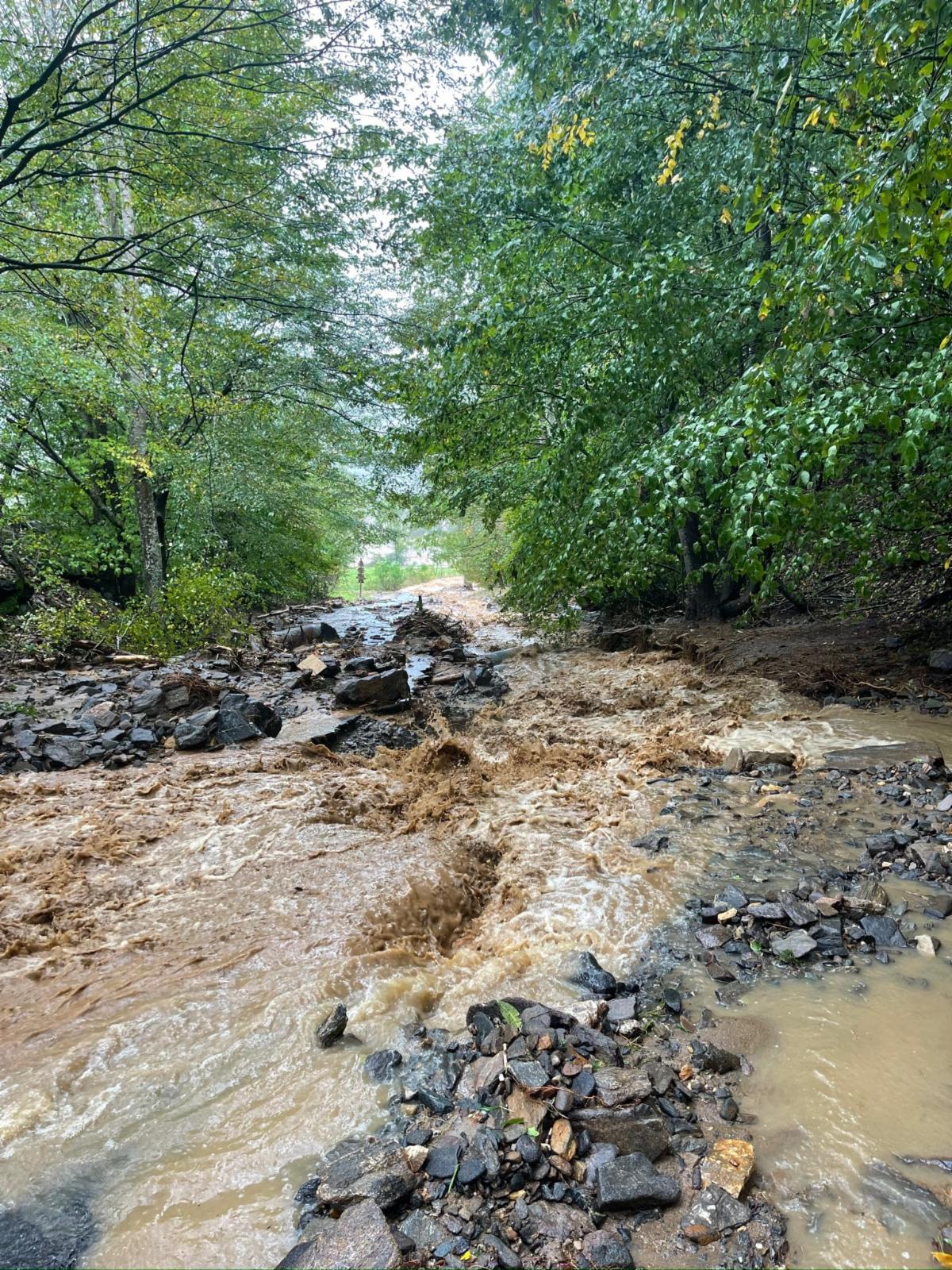
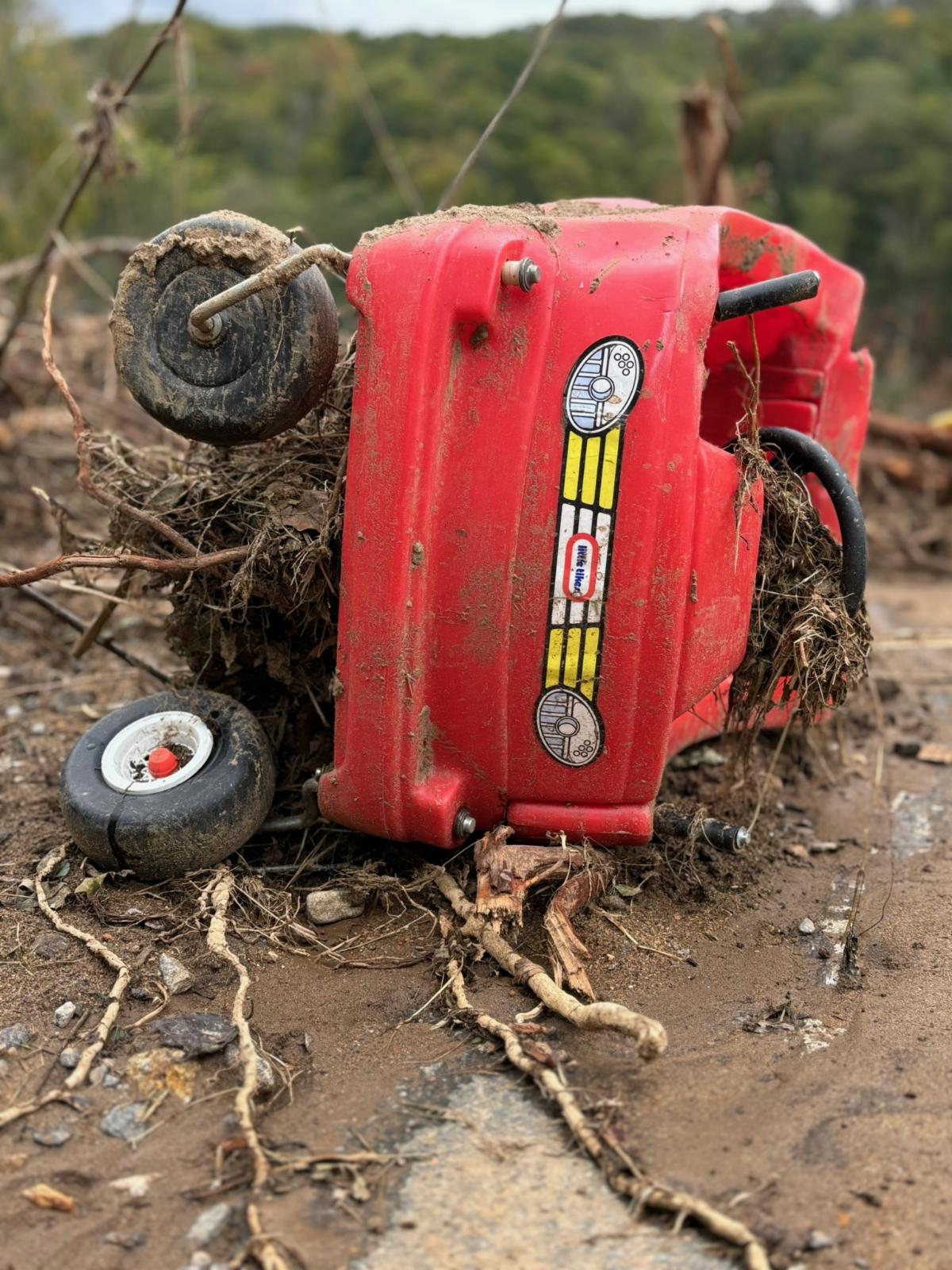
In September of 2024, Western North Carolina was ravaged by Hurricane Helene, resulting in tragic loss and uprooting. One thing that was not uprooted was a sense of community that truly reflects Appalachia's roots. In the days and months that followed, communities came together to collectively care for one another - whether to provide a place to stay, help deliver food by foot or 4-Wheeler, help clean up their land, or to sit within the grief.
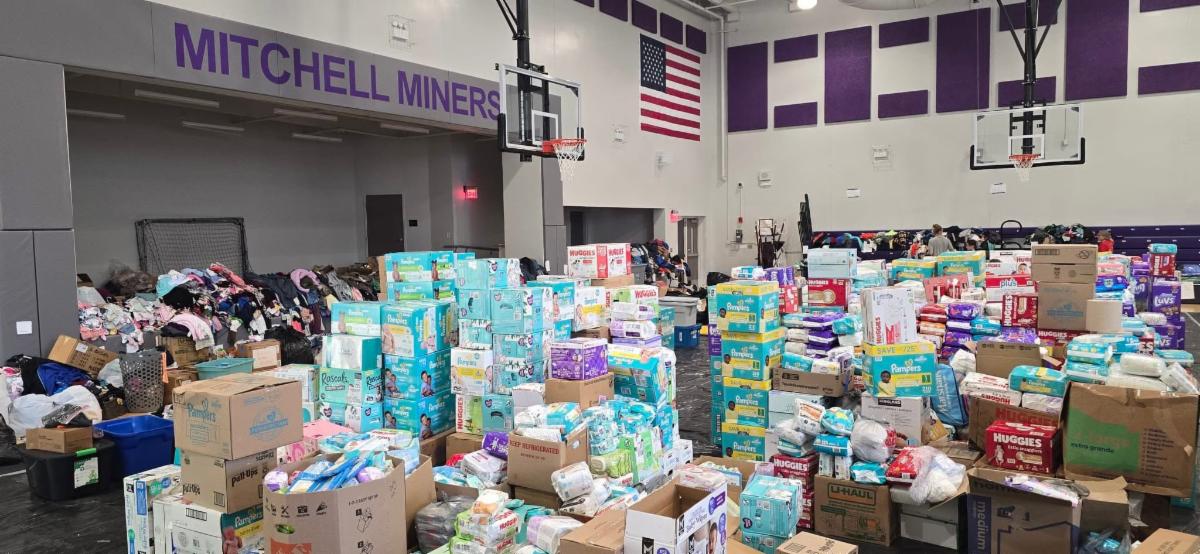
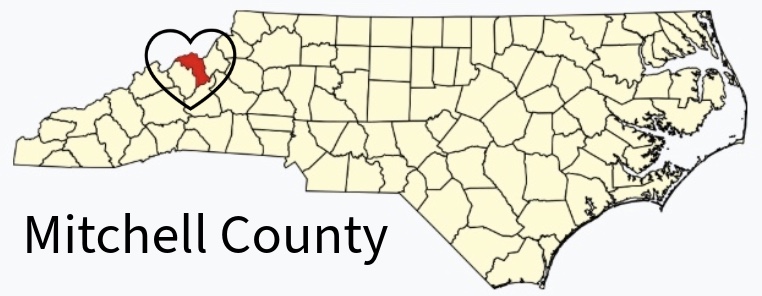
In Mitchell County, there was a true sense of community that continues to come together time and time again. In the last year, since Hurricane Helene, communities have shown up for each other in big ways and received significant assistance from within and outside North Carolina. One way we see resilience is through the schools that opened their doors in so many ways to provide a safe and welcoming environment for all.
| |
Mitchell County Schools
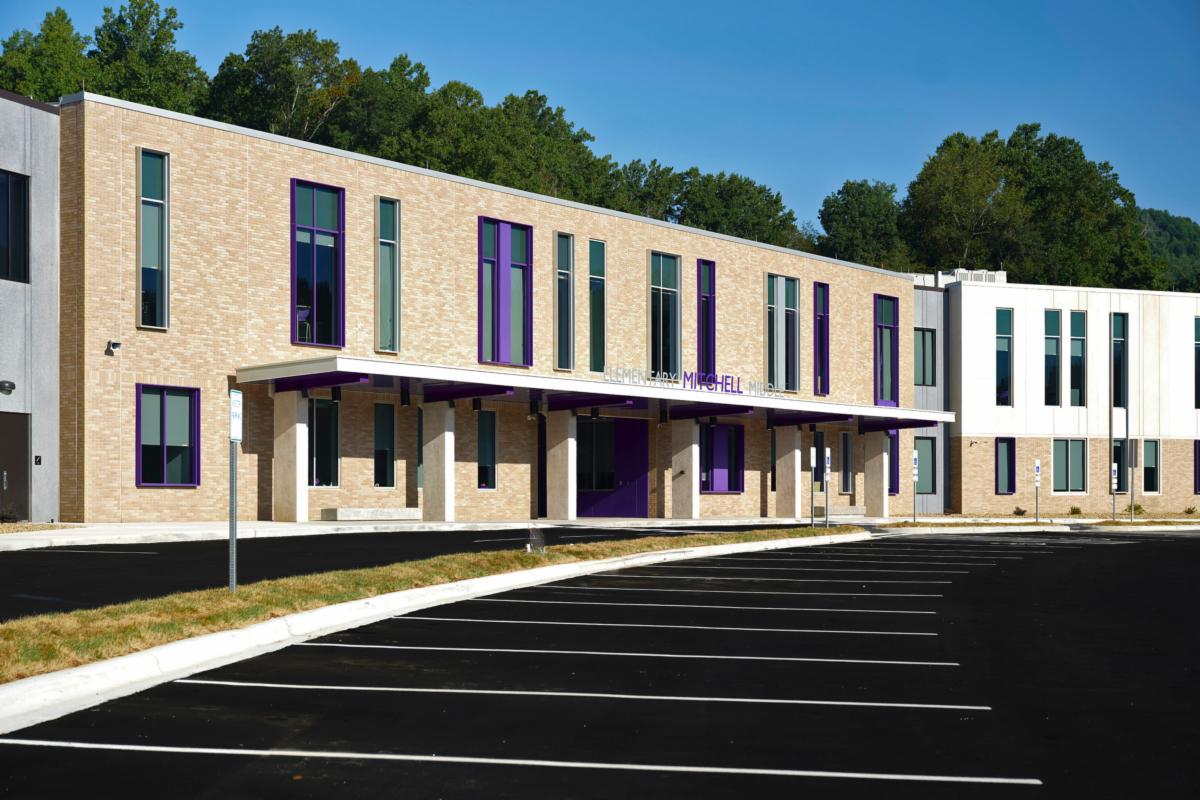
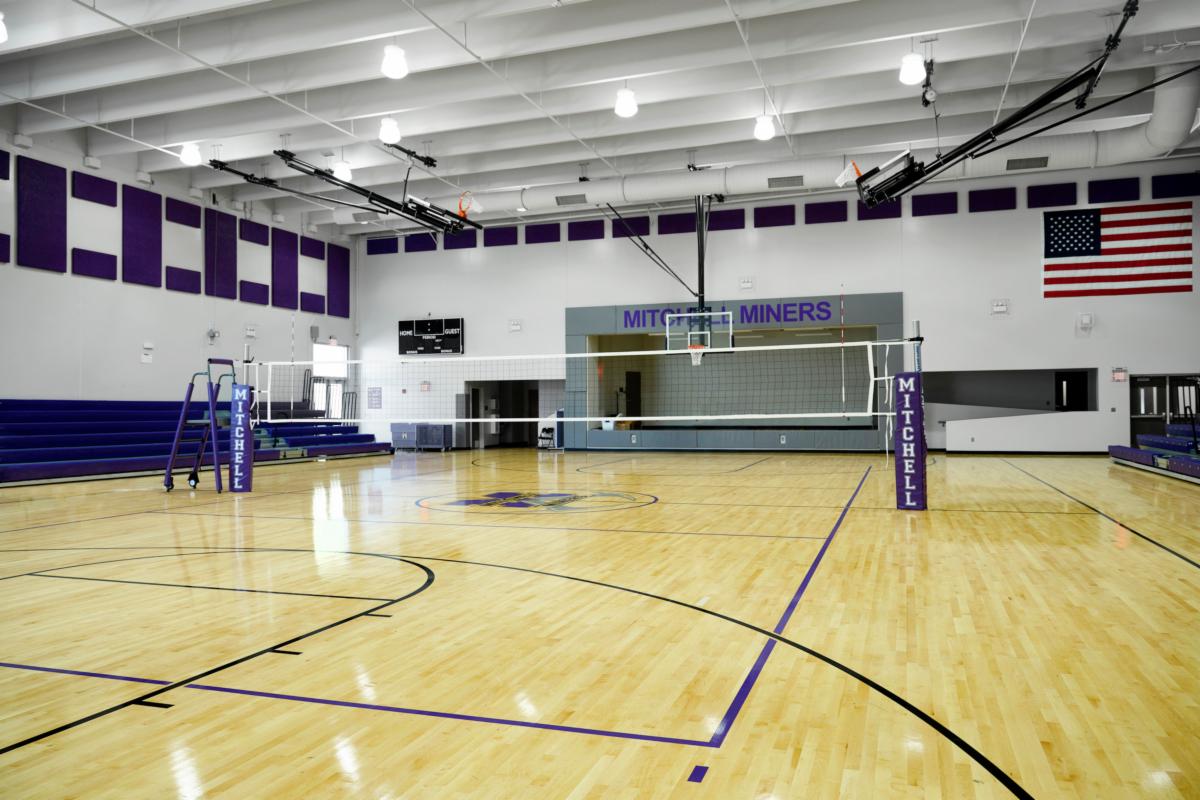
In August of 2024, the doors of Mitchell Elementary School and Mitchell Middle School swung open for the very first time. It was a moment filled with pride and anticipation. A brand-new school. A brand-new chapter.
For the community, it meant new beginnings: local elementary and middle schools joining together under one roof, with one shared vision and one heartbeat.
Excitement buzzed through the halls that first month, mingled with the quiet worries that come with something new.
| | Then, just weeks later, Hurricane Helene arrived. | | |
In an instant, the excitement of a new school year gave way to fear and uncertainty.
The storm left the county without power, water, or reliable communication. Families were cut off. Teachers didn’t know if their students were safe. Administrators and staff made their way through debris and flooded roads to reach the building, desperate for any sign of their school community. Some teachers went door to door, checking on their students’ homes, searching for familiar faces amid the devastation.
It’s hard to capture the panic of not knowing, of wondering if one of your students, one of your kids, may not be coming back. Many families lost homes, belongings, and loved ones. But through heartbreak and loss, one small miracle emerged:
Every student was found and accounted for.
| | |
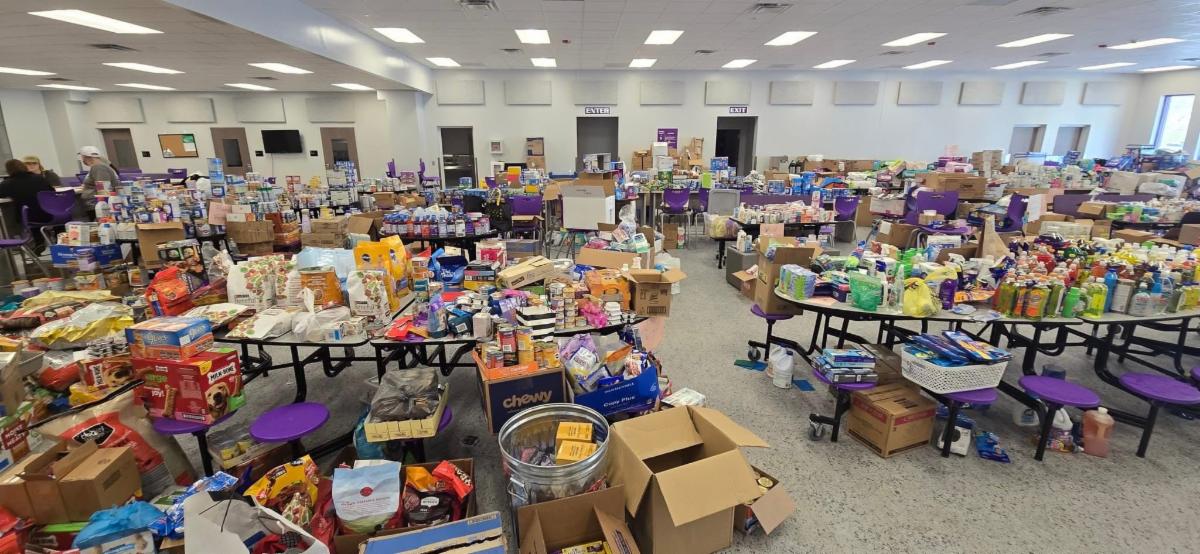
In the days that followed, the brand-new Mitchell Elementary and Middle School transformed from a place of learning into a place of refuge.
Classrooms became bedrooms.
The cafeteria turned into a gathering place for warm meals and conversation.
Teachers, custodians, and administrators worked side by side to bring comfort, safety, and hope to their students and neighbors.
The school, still so new it barely had its own rhythm, became the beating heart of a community in crisis.
| | |
Leadership during this time wasn’t about authority; it was about presence, empathy, and listening.
Staff members led not only through decision-making but through small, compassionate acts that reminded families they weren’t alone.
Six weeks later, in November 2024, the students returned. The hallways filled again with the sounds of footsteps and laughter, softer this time, but still there.
The school year resumed, not as it began, but as a symbol of resilience.
Throughout the 2024–2025 academic year, Mitchell Elementary and Middle School continued to rebuild and recover. Students faced academic and emotional challenges as they navigated the hurricane's lasting effects, compounded by one of the coldest winters Western North Carolina had seen in years. The harsh weather brought even more disruption, freezing temperatures, and impassable roads, leading to multiple weeks of missed school, as damaged infrastructure made it impossible to run buses or transport students safely.
In many ways, this year taught lessons no textbook could, about care, community, and the quiet strength that comes from showing up for one another. Healing and learning happened side by side, often in the same moment.
| |
Now, one year later, the school stands strong.
Mitchell Elementary and Middle School is fully functioning; classrooms are full, lessons are flowing, and laughter is echoing through the halls again.
The staff has united under a shared mission: to serve and support their students, no matter what challenges come their way.
Together, they have embraced a trauma-informed mindset, recognizing that behavior is often a form of communication and that healing takes time.
What began as survival evolved into transformation; educators learning to teach, lead, and heal in new ways.
They found that resilience in education is not about returning to what was, but about re-rooting our identities and values.
They have also learned to show up for themselves in the same way they show up for their students, acknowledging that they, too, experienced Hurricane Helene. Many are still processing what it means to rebuild both personally and professionally, and they continue to hold space for their own emotions, grief, and recovery.
The school’s strength now lies not only in its care for students, but also in its collective, compassionate care for each other and for themselves.
| | |
The past year was one of the most difficult academic years imaginable, but it revealed something powerful - just how resilient this community is.
The spirit of Mitchell County shines through its people: the teachers who show up every day with empathy and hope, the students who continue to learn and dream, and the families who keep rebuilding their lives piece by piece.
For educators across North Carolina, the story of Mitchell County serves as a reminder that:
Our schools are more than buildings;
they are living systems of care.
When we lead with compassion, connection, and curiosity, we help students and ourselves find the courage to begin again.
And while the work is far from finished, some families who once lived in campers are now searching for permanent housing again, and we are preparing for another winter in the mountains, the community continues to move forward together.
There are still reminders of Hurricane Helene’s devastation, but everywhere, proof of strength, love, and hope is taking root.
Mitchell Elementary and Middle School began as a new school building.
Now, it stands as a living symbol of resilience for a community that refused to give up on one another and continues to show up for one another every day.
| | Fall Virtual Workshop Series | |
This week, we wrapped up our Fall Virtual Workshop Series, hosted by the NC Center for Resilience & Learning! This FREE three-part series invited educators and leaders from across North Carolina to rethink what self-care looks like in schools—grounding wellness in neuroscience, inclusivity, and leadership.
Session 1: The Science and Foundation of Self-Care in Education with Dr. Katie Rosenbalm
Explored the neuroscience behind stress, burnout, and regulation—and why self-care is a professional responsibility in trauma-informed education.
Session 2: Moving Beyond the Buzzword: Meaningful Self-Care in Schools with Brian Randall
Examined practical, inclusive ways to embed sustainable self and collective care into daily routines and staff culture.
Session 3: Leading with Care: Trauma-Informed Self-Care from the Top Down with James Moffett
Focused on how leaders can model wellness, foster psychological safety, and build cultures of belonging.
Stay tuned for our next series!
These sessions are free for all North Carolina educators—join live or access recordings at your convenience.
| |
NC Center for Resilience & Learning
2024-2025 Impact Report
| |
| |
State leaders provide mental health crisis and bullying prevention resources.
“Mental health and online safety are two sides of the same coin. By engaging with your children, setting boundaries, and being a source of support, parents can help their kids have a positive and secure online experience,” the governor’s statement said.
READ MORE
| | | |
| |
World Mental Health Day 2025: Healing Is Health
This World Mental Health Day, Starr Commonwealth invites you to see emotional wellness for what it truly is: not weakness, not indulgence — health. The same way we stretch our muscles, nourish our bodies, or rest after exhaustion, our minds deserve the same ongoing care, training, and compassion.
READ MORE
| | | |
| | |
Our Students Deserve Certainty
For many, discussions about federal budgets, legislative sessions, or policy shifts can feel far removed from the day-to-day life of a school. But for those of us who have served as educators, we know how quickly those decisions, or a lack thereof, can ripple down into classrooms.
READ MORE
| | | |
| |
NC Community Schools Coalition: A path to achieving educational excellence in eastern North Carolina
“As I walk through the halls of our schools, I imagine if these walls could talk. If they could tell the story of the people, of the pride, that flowed through these hallways for generations. That’s the legacy we are inheriting. So, this is my question. What are we going to do with it?”
READ MORE
| | | | Resources & Opportunities | |
Show Your Public School Pride with NC Forum 40th Anniversary Merch!
Public school champions, we’ve launched a store for you! In celebration of the Forum's 40th anniversary, we collaborated with student artist Dewone Wright on a line of t-shirts, sweatshirts, notebooks, mugs, and more!
| | | The North Carolina Center for Afterschool Programs (NC CAP) is excited to invite you and Out-of-School Time professionals from all across our state to Synergy 2025!! | |
This year’s conference theme is Igniting Bright Futures! This theme highlights the incredible impact that afterschool professionals and programs have on children, youth, families, and communities. Afterschool and out-of-school time (OST) programs serve as vital spaces where young people feel safe, supported, and inspired to grow. Through meaningful relationships and enriching experiences, after-school providers ignite curiosity, foster resilience, and empower students to reach their full potential.
When: November 18-19, 2025
Where: McKimmon Conference and Training Center, Raleigh, NC
| | |
Follow us on INSTAGRAM!
We want to share our story on Instagram- join us there!
| | Want your school to begin the journey to becoming trauma-informed? | | |
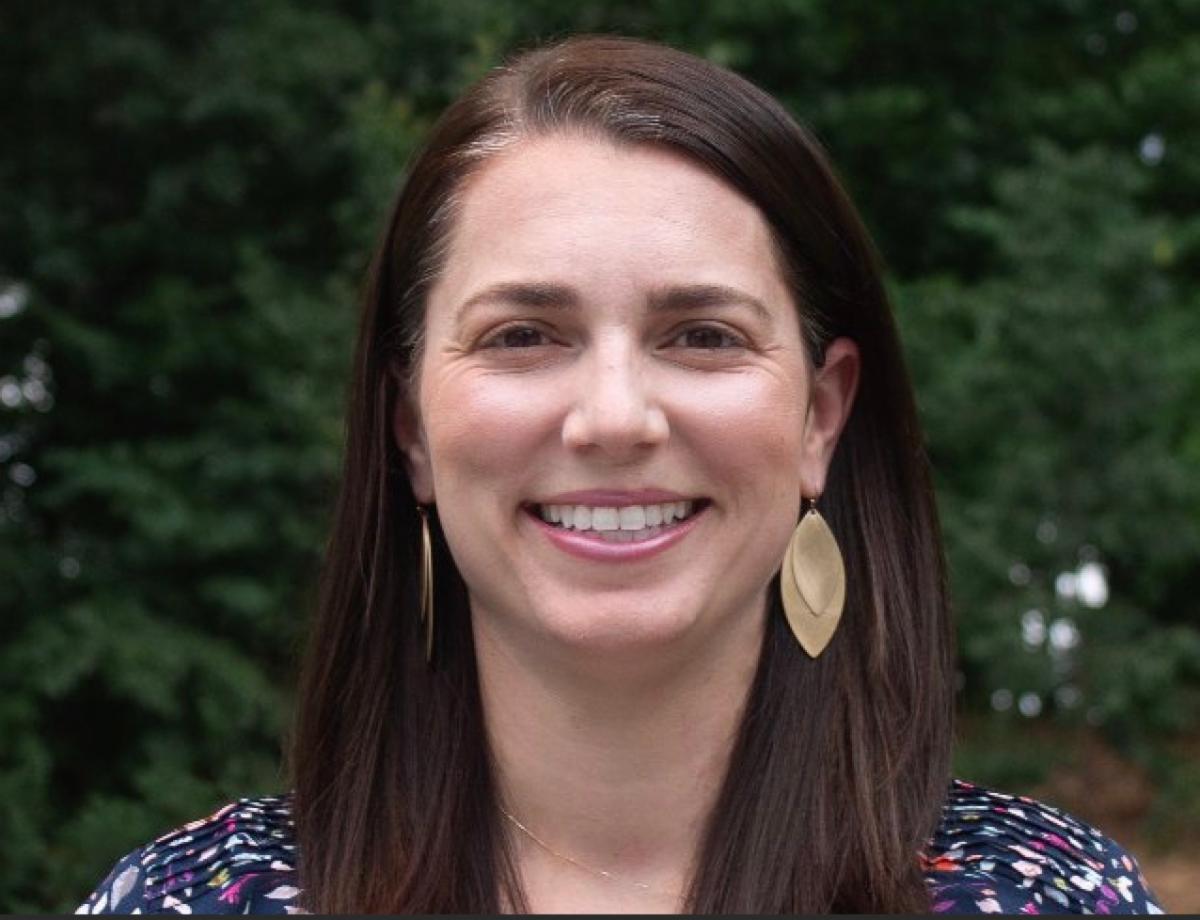
Elizabeth DeKonty
Director
NC Center for Resilience & Learning
(Raleigh, NC)
|
| |
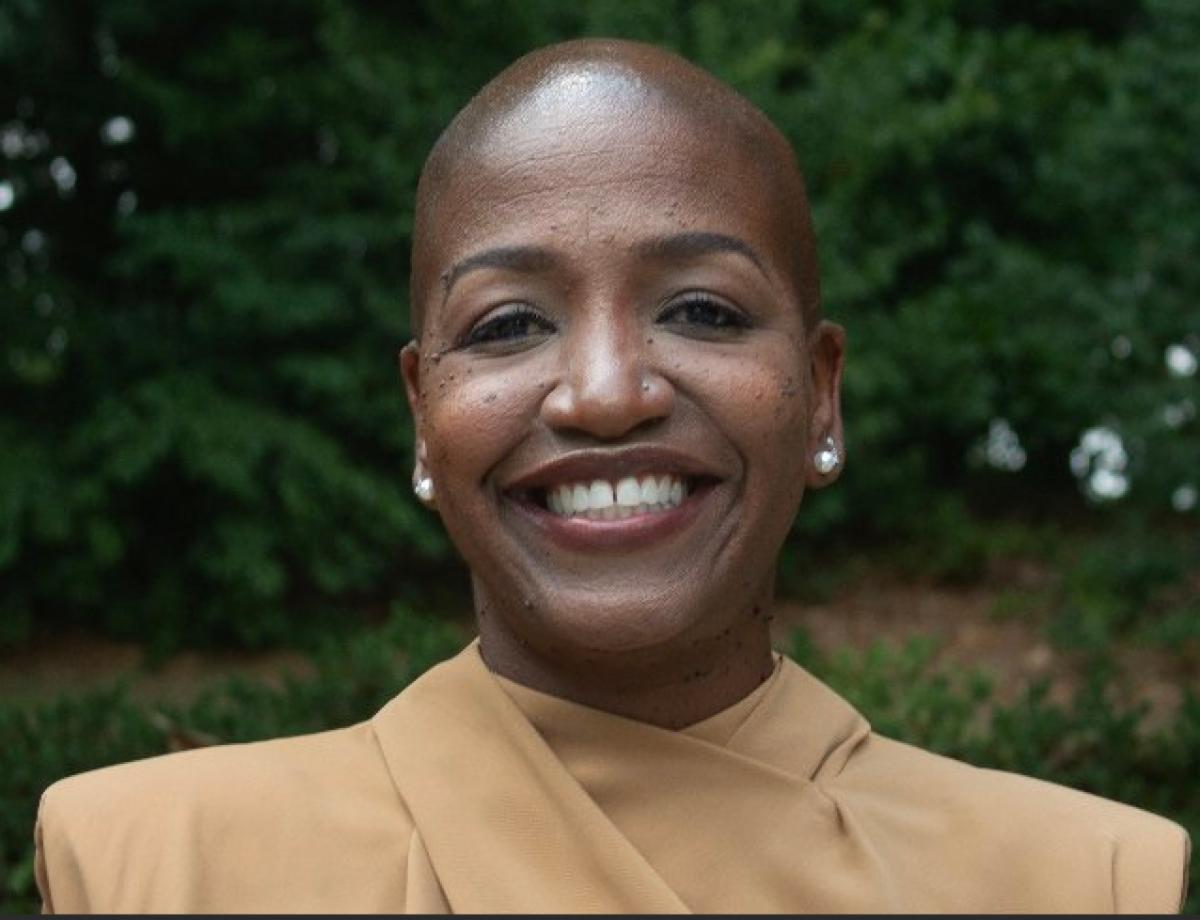
Eulanda Thorne
Senior Program Manager
NC Center for Resilience & Learning
(Wilson, NC)
| | |
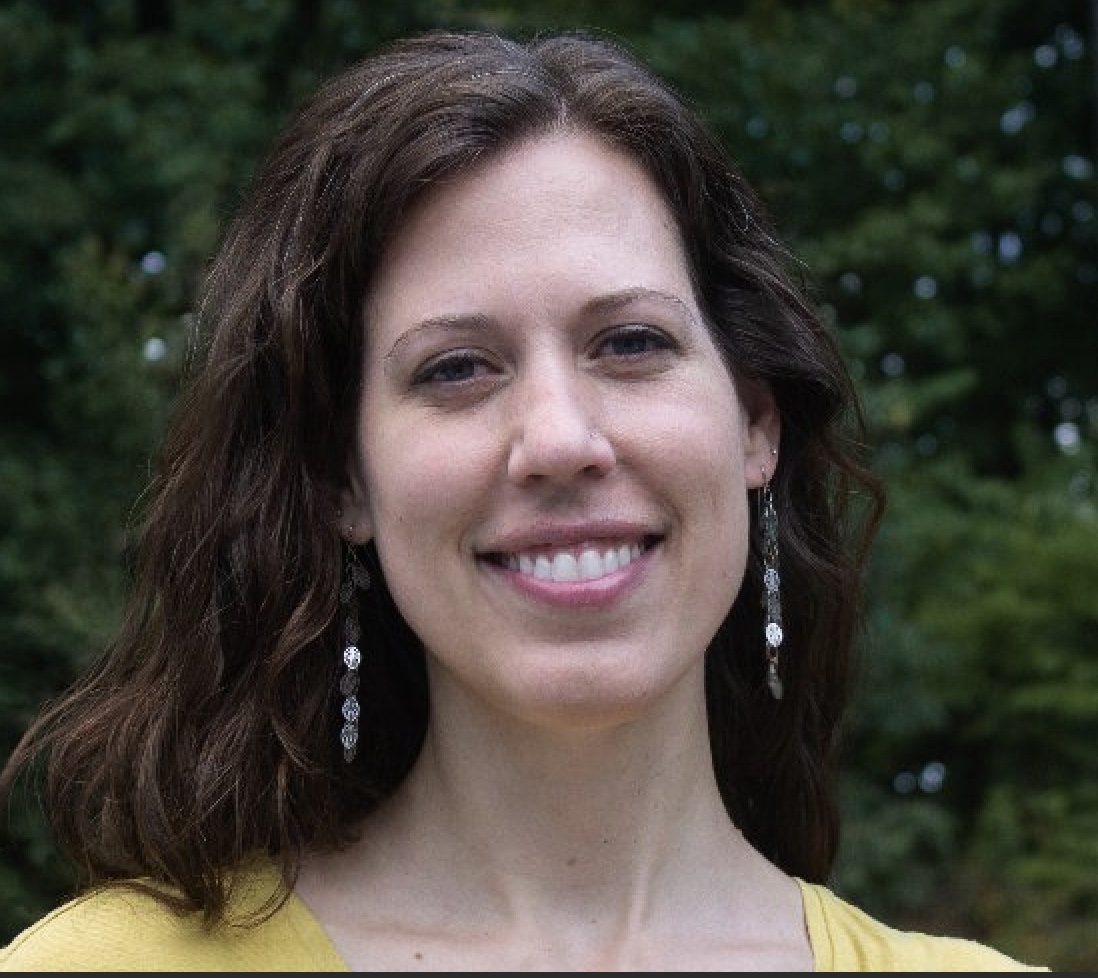
Brian Randall
Senior Regional Program Manager
NC Center for Resilience & Learning
(Asheville, NC)
| | |
Michelle Harris Jefferson
Sr. Program Manager of Professional Learning
NC Center for Resilience & Learning
(Greensboro, NC)
| | |
Orlando Dobbin, Jr
Senior Regional Program Manager
NC Center for Resilience & Learning
(Greenville, NC)
| | |
Angela Mendell
Senior Program Manager
NC Center for Resilience & Learning
(Elizabethtown, NC)
| | |
Leslie Blaich
Program Manager
NC Center for Resilience & Learning
(Marshall , NC)
| | |
Stacey Craig
Program Manager
NC Center for Resilience & Learning
(Raleigh, NC)
| | |
Jessica Edwards
Impact Specialist
NC Center for Resilience & Learning
(Spring Hope, NC)
| | |
Ervin Jones
Consultant
NC Center for Resilience & Learning
(Elizabeth City, NC)
| | |
Rebecca Stern
Consultant
NC Center for Resilience & Learning
(Carrboro, NC)
| | |
MKayla Nelson
Program Manager
NC Center for Resilience & Learning
(Newland, NC)
| | |
Quintin Mangano
Program Manager
NC Center for Resilience & Learning
(Rocky Mount, NC)
| | |
Whitney N. McCoy, Ph.D
Research & Evaluation Partner
(Duke University)
| | |
Katie Rosanbalm
Research & Evaluation Partner
NC Center for Resilience & Learning
(Duke University)
| | |
Victor Jones
Consultant
NC Center for Resilience & Learning
(Rocky Mount, NC)
| | | Our Partners and Sponsors | | |
The Resilience Reader is published monthly by the Public School Forum of NC and distributed to Forum members, educators, policymakers, donors, media, and subscribers -- or anyone interested in issues such as Adverse Childhood Experiences (ACEs), childhood trauma, resilience and the power of trauma-informed schools and communities.
Please pass the word! Forward The Resilience Reader to anyone who may find this information useful.
If you received this email from a friend, subscribe to this newsletter by clicking here.
Archived editions will be located at https://resilienceandlearning.org/newsletter/.
©2024 Public School Forum of North Carolina. All Rights Reserved.
Public School Forum of North Carolina
919-781-6833
Follow us at @theNCForum
www.ncforum.org
| |
|
|
Subscribe to this Newsletter | | | | NC Center for Resilience & Learning | www.resilienceandlearning.org | |
| | | |