School of the Month:
Beaufort County Early College High School
| |
Building a Culture of Body–Brain Resilience
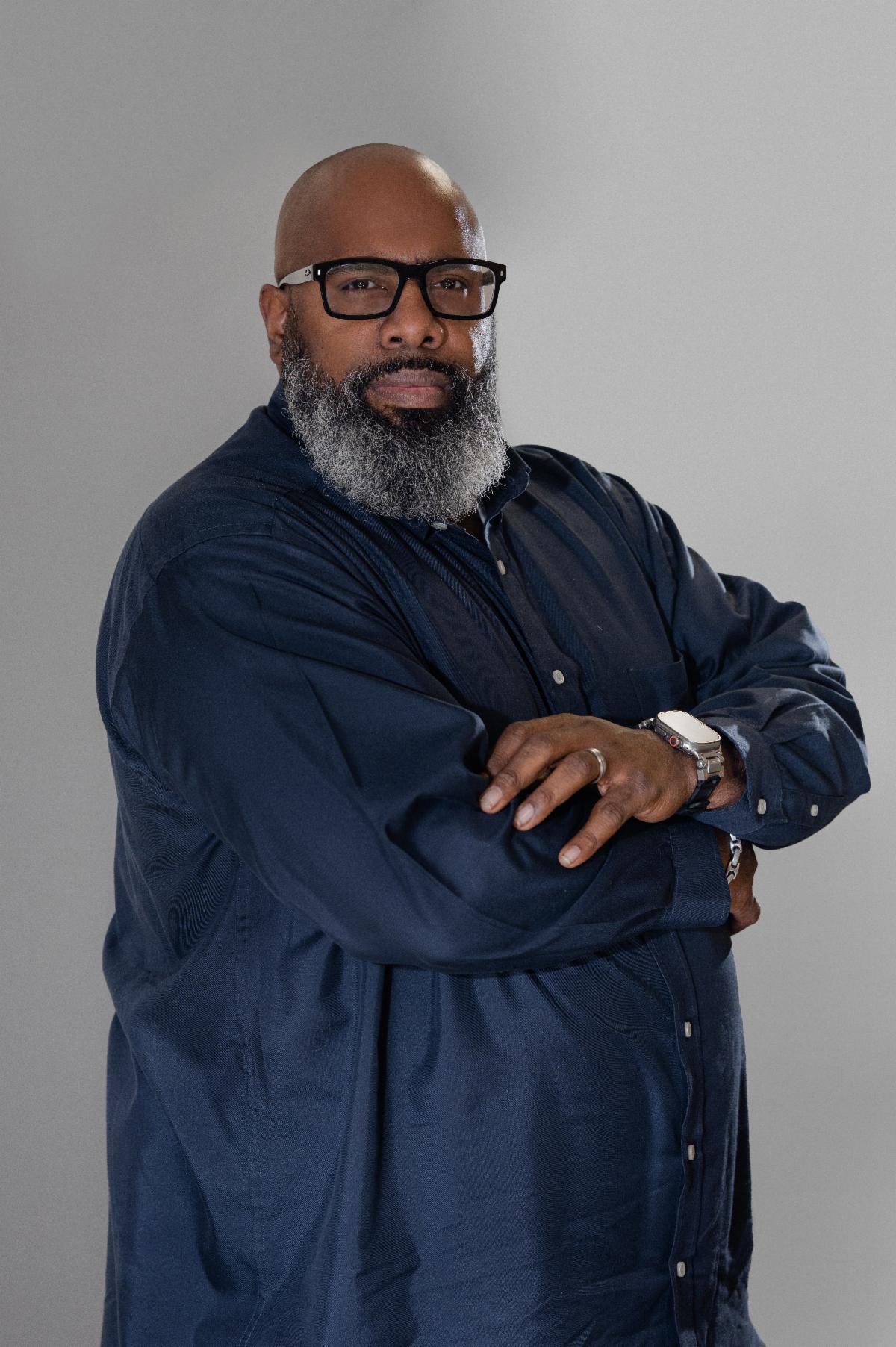
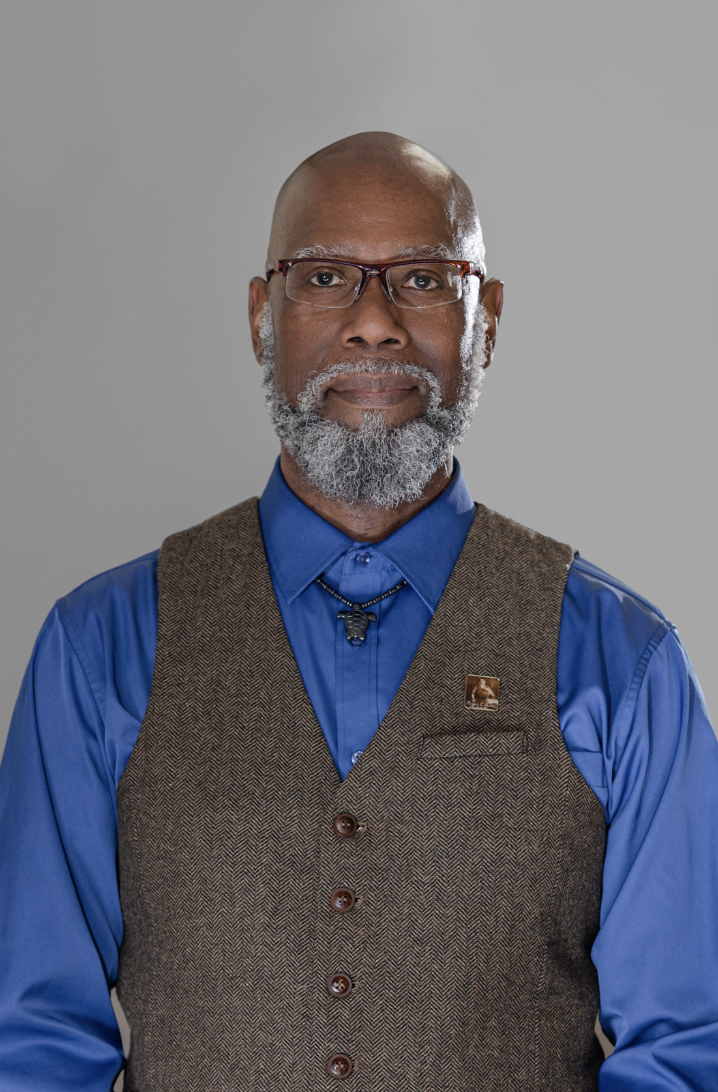
By: Center Coach Victor Jones, LCSW, LCAS
| | During the 2025–2026 school year, Beaufort County Early College High School embarked on a powerful resilience-building journey through our partnership. As the school’s Resilience Coach, I had the privilege of walking alongside students, educators, and administrators as they strengthened their capacity for emotional regulation, academic focus, and whole‑body wellbeing. | | A Calm and Connected Beginning | | |
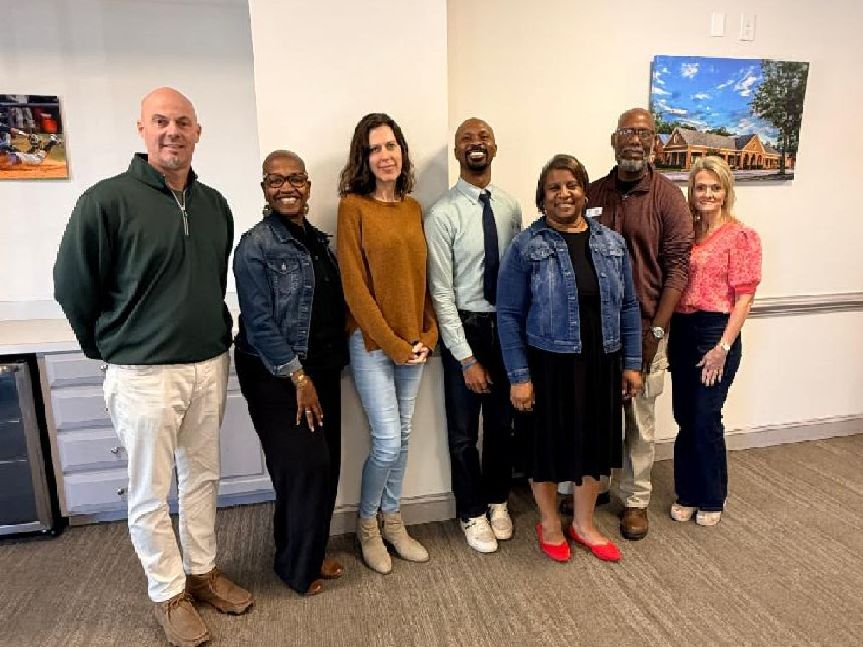
Our work began in Fall 2025 with an introductory training focused on shared language and understanding of trauma, ACEs, and resilience. From the moment I stepped onto campus, Principal Dr. Emily Pake set the tone: a calm, grounded environment where students interacted with one another—and with staff—with warmth and respect.
Dr. Pake and English teacher Megan Newton shared that incoming freshmen and sophomores were experiencing understandable nervousness as they transitioned from traditional high school settings into the early college model. Many were navigating new academic rigor, unfamiliar routines, and the emotional weight of leaving behind established friendships.
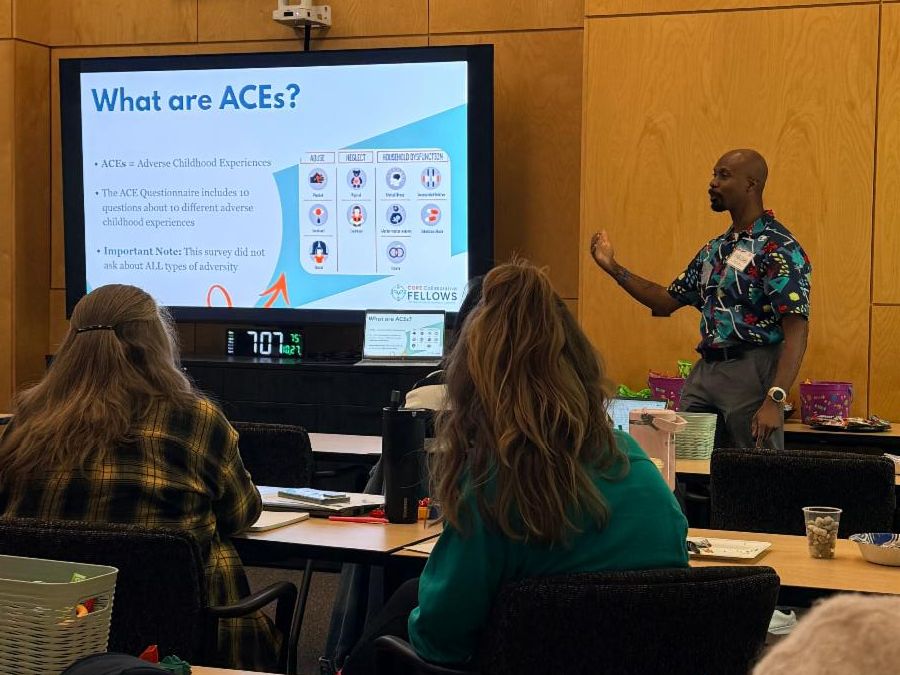
To support this transition, I spent the day teaching first‑ and second‑year students about their nervous system, the language of resilience, and several Rapid Reset tools designed to help them regulate emotions, sharpen attention, and reduce test anxiety. Assistant Principal Mrs. Swindell joined Dr. Pake and Mrs. Newton in modeling these practices—an essential signal to students that their leaders were fully invested in this work. Mrs. Newton even shared her own experiences using the tools, helping students see resilience as both practical and personal.
| | A New Challenge: Supporting Families Through Transition | | |
One of the early creative challenges was producing a video for Parent Night. Dr. Pake and Mrs. Newton explained that new Early College students often face a steep increase in responsibility: heavier workloads, more complex assignments, and higher academic expectations. Students accustomed to earning straight A’s sometimes find themselves recalibrating their sense of success as they adjust to the rigor.
To help families understand and support this transition, I created the video “Empowering Student Success in Beaufort County Early College.” The message encouraged parents to ride the waves of change with flexibility, to support their students’ growing independence, and to care for their own well-being as they navigated this shift alongside their children.
| | Resilience in Everyday Spaces | | |
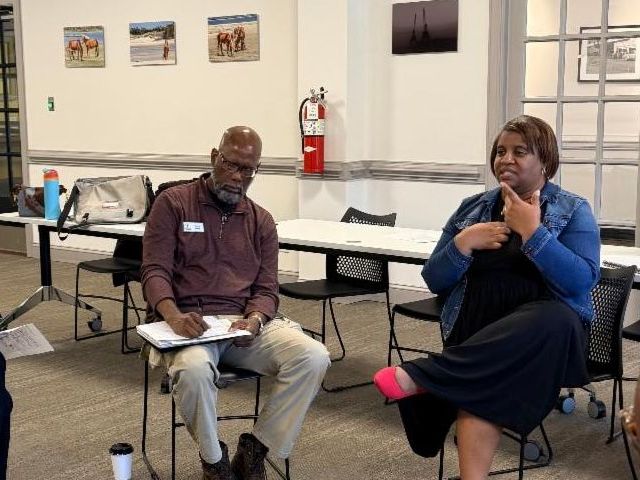
Throughout the year, I was welcomed into classrooms, the library, and even the lunchroom—spaces where authentic conversations happen. Students shared how they were beginning to interpret their stress responses differently, recognizing them as body‑brain signals rather than personal shortcomings. They described using Rapid Resets before tests, during moments of overwhelm, and even in challenging peer interactions.
These informal conversations shaped the evolution of our workshops, ensuring that each session was grounded in the lived experiences of Beaufort County students.
| | Workshops Tailored to Real Needs | | |
Over the course of the year, we developed a series of workshops that responded directly to what students and staff expressed they needed:
-
Body–Brain Resilience in School: Supporting freshmen and sophomores as they transitioned into the early college environment.
-
Empowering Student Success in Beaufort County Early College: A video for families to strengthen home–school partnership and normalize academic adjustment.
-
Test Anxiety & Body–Brain Resilience: Helping students understand heightened nervous system activation when something truly matters—and giving them tools to slow the body, signal safety, and access stored learning.
-
Supporting Student Growth for a Lifetime: A spring workshop for juniors and seniors preparing for college, trades, military service, or the workforce. We explored the reality that learning is lifelong: deadlines, relationships, problem‑solving, and new skills will always be part of adulthood, and the nervous system responds in familiar ways across every stage of life.
Students engaged deeply, asking thoughtful questions and applying neuro‑somatic tools to their emerging identities as young adults.
| | |
During the 2026–2027 school year, Beaufort County Early College High School continues to expand its resilience culture under the leadership of new principal Mrs. Swindell, who remains a strong advocate for social‑emotional learning and is eager to deepen SEL and resilience integration across the school.
We have already begun meeting with freshmen and are preparing staff professional development sessions to help educators weave resilience practices into daily routines, classroom culture, and academic instruction.
Beaufort County Early College High School is a shining example of what becomes possible when a school community embraces body‑brain wellness, shared language, and collective resilience. Our partnership continues to grow—and so does the strength of the students who are learning to navigate their world with courage, curiosity, and neuro‑somatic wisdom.
| | Center Spotlights & Updates | |
|
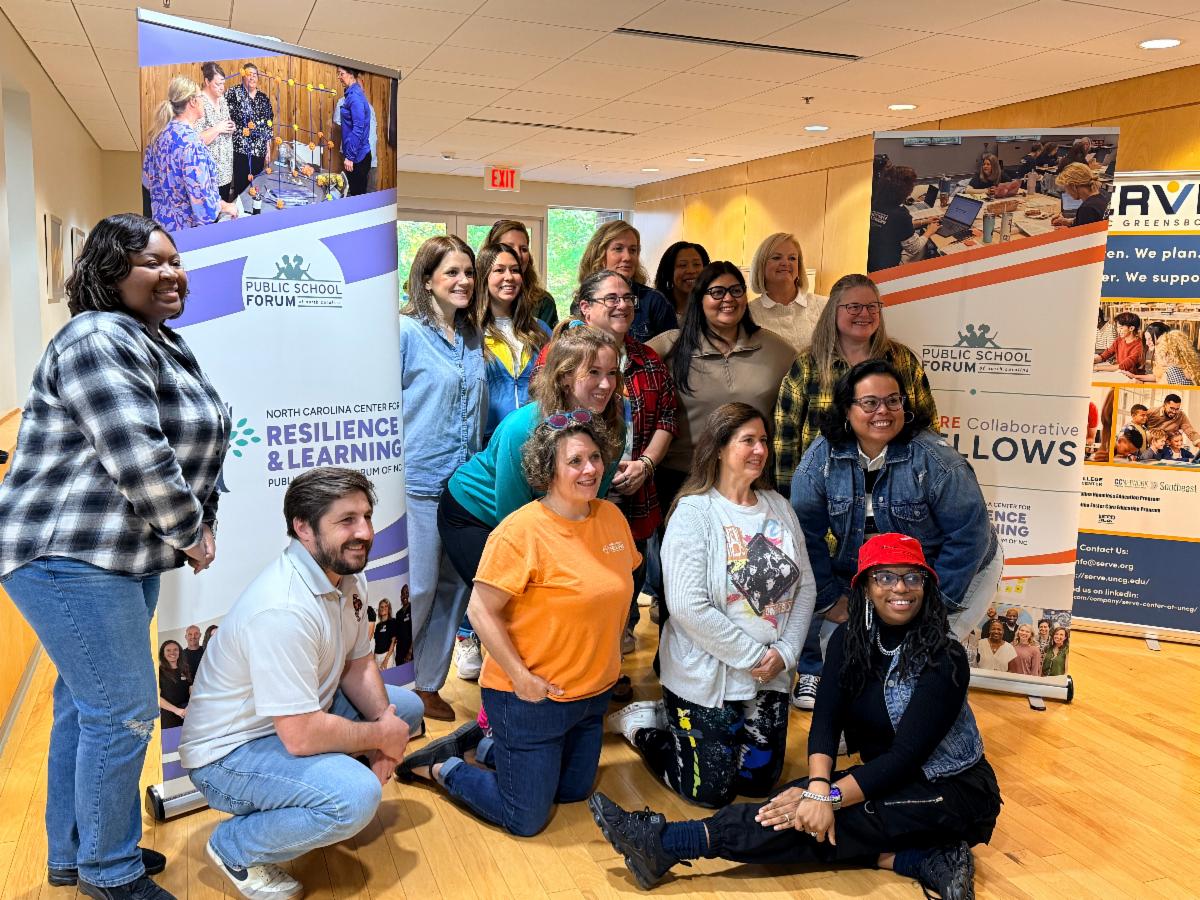
Over the past month, our team has been hard at work from East to West! While we don't often get to convene in person, both our Western and Eastern teams gathered for half-day regional meetings this month.
Here's a look at what our team and coaches have been up to:
- Regional Team Gatherings: Connection and strategic alignment across our Eastern and Western teams.
- CORE Fellows: Hosted a virtual meeting and held our second in-person session in Greensboro.
- Principal Fellows: Conducted training for multiple NC Principal Fellows groups.
- New District Launches: Officially kicked off work with 6 new district teams across the state!
We know this time of year is busy for schools, and we are so inspired by the deep, intentional work our partner districts and schools are doing to create safe and supportive environments for their entire communities!
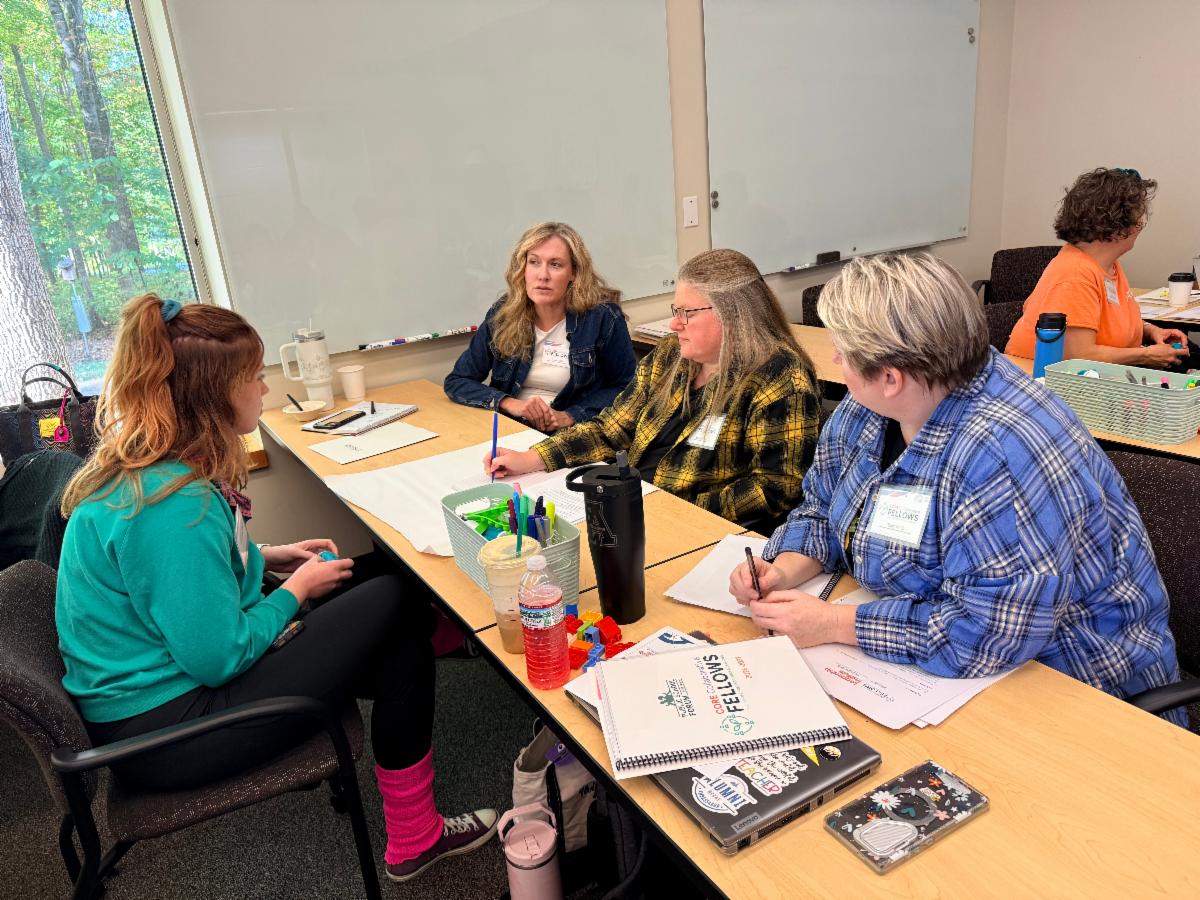
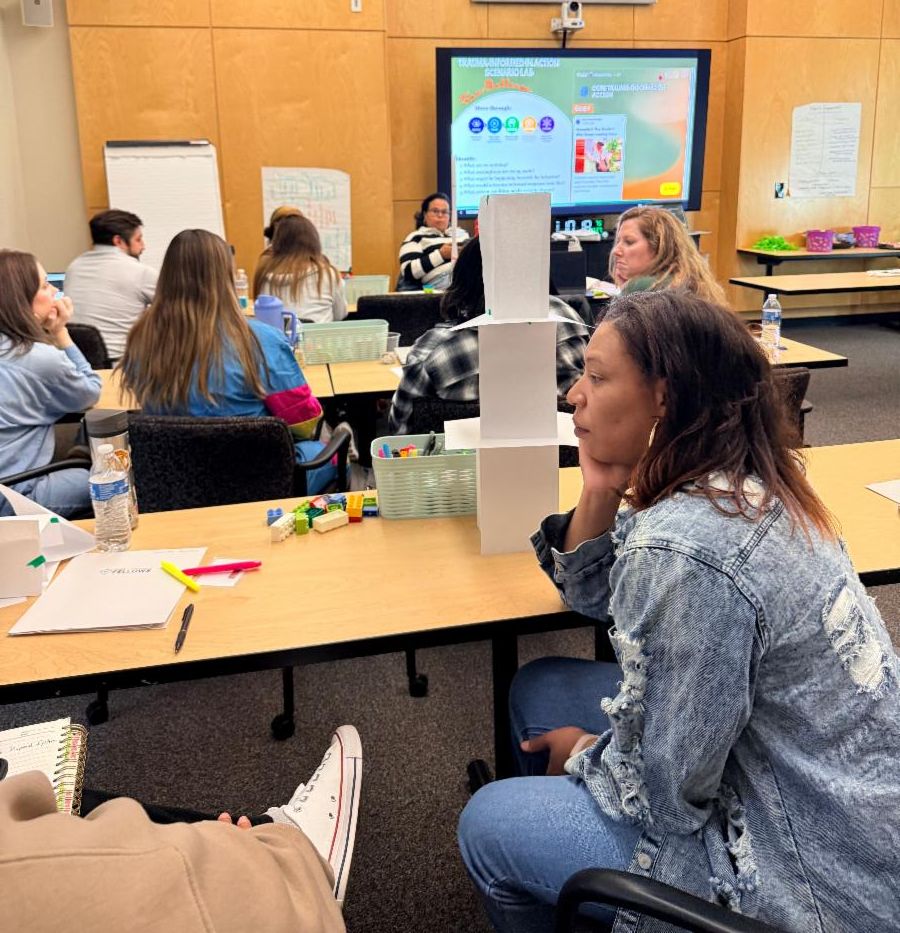
| | | | CORE Collaborative Fellows Session 2! | |
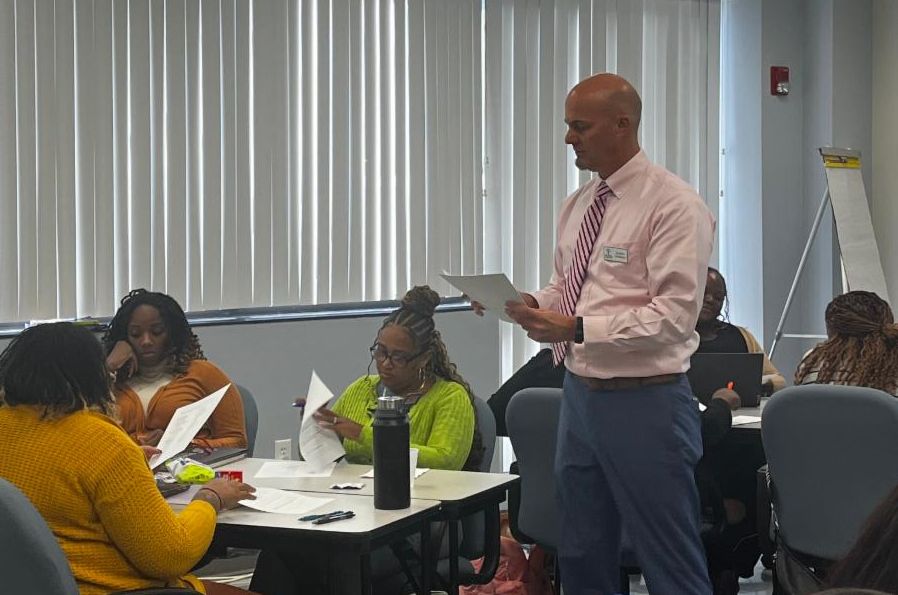
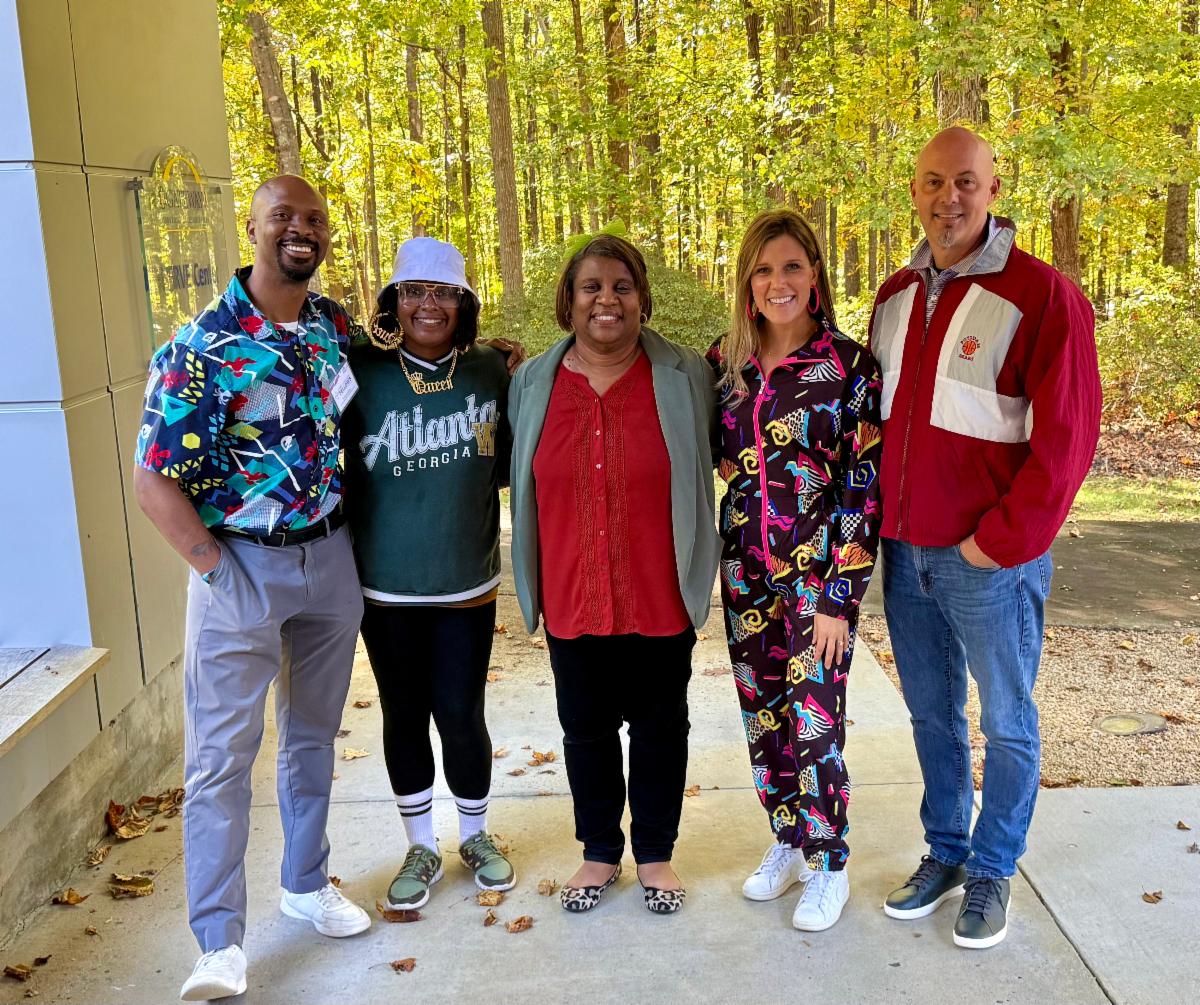
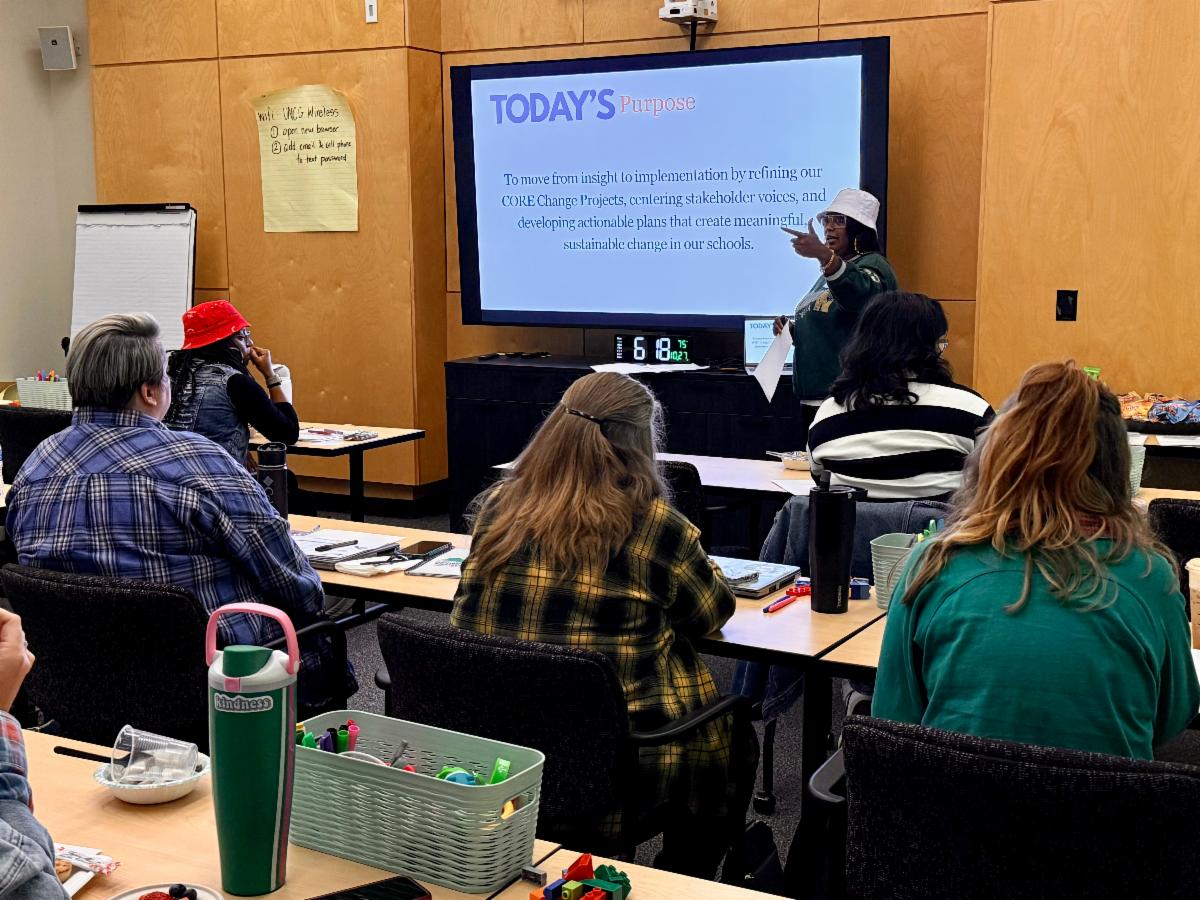
CORE Session Two was all about turning insight into action and designing trauma-informed systems that support lasting change.
Our 80s/90s theme was the perfect throwback, reminding us that while the music may be old school, the work of building resilient schools is always in style!
| | Resilience Beyond Our Center | |
| |
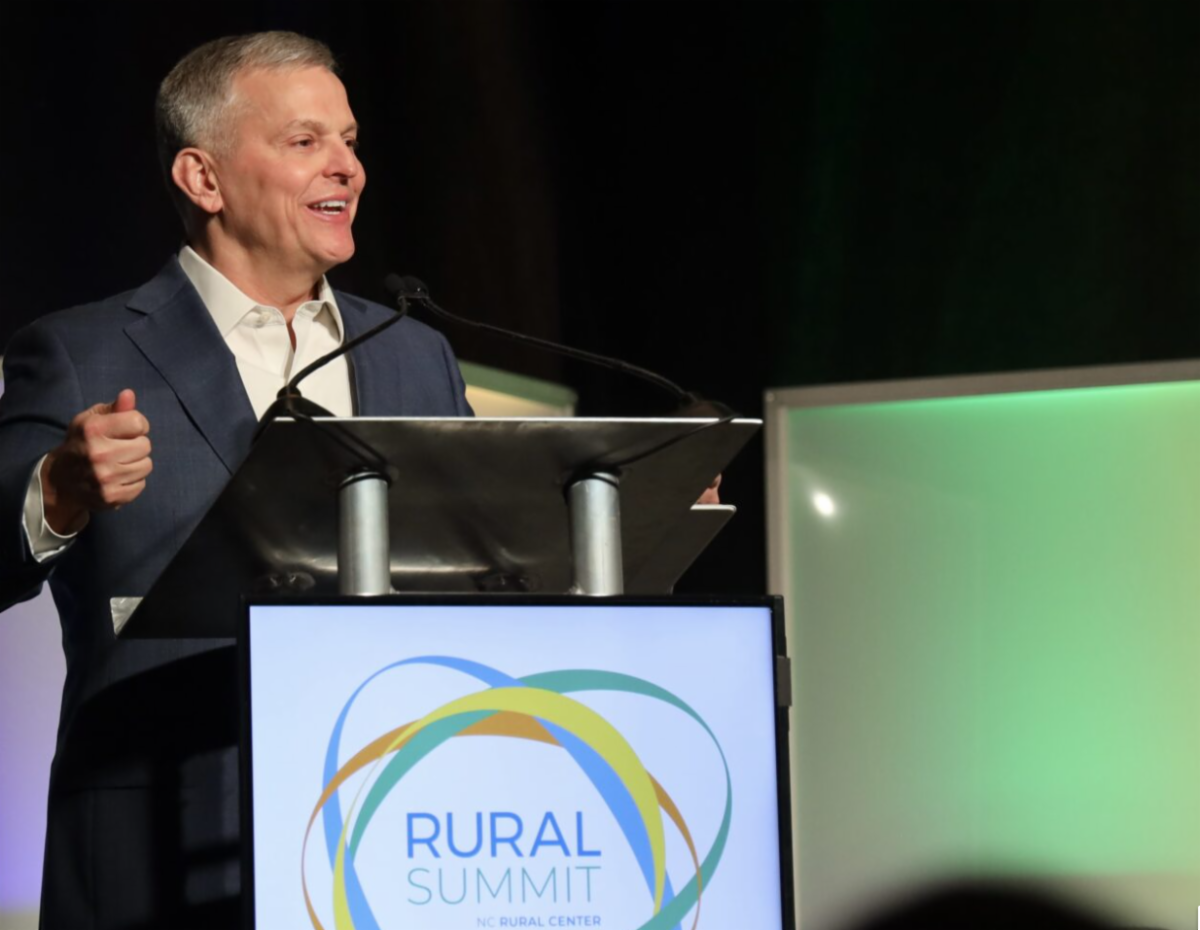
NC announces $17 million in federal funds to improve rural mental health services
“Every North Carolinian deserves the opportunity to live a healthy and fulfilling life,” Stein said in the release. “Nearly 1.5 million North Carolinians struggle with mental health issues, and too many people in rural areas cannot access the care they need. These investments will connect more families to high-quality care in their communities.”
READ MORE
| | | |
| |
Teaching Feelings at Age 4 Pays Off at 21, 20-Year Study Shows
Published in the journal American Psychologist last week, the study looked at 192 students who were a part of Head Start classrooms and participated in a research-based, developmentally informed (REDI) program, which scaffolded SEL skills into teaching and student learning
READ MORE
| | | |
Follow us on INSTAGRAM!
We want to share our story on Instagram- join us there!
| | |
Orlando Dobbin, Jr
Senior Eastern Regional Program Manager
NC Center for Resilience & Learning
(Greenville, NC)
| | |
Dr. Martinettte Horner
Senior Director
NC Center for Resilience & Learning
(Durham, NC)
| | |
Brian Randall
Senior Western Regional Program Manager
NC Center for Resilience & Learning
(Asheville, NC)
| | |
Leslie Blaich
Program Manager
NC Center for Resilience & Learning
(Marshall, NC)
| | |
Eulanda Thorne
Senior Program Manager
NC Center for Resilience & Learning
(Wilson, NC)
| | |
Angela Mendell
Senior Program Manager
NC Center for Resilience & Learning
(Elizabethtown, NC)
| | |
MKayla Nelson
Program Manager
NC Center for Resilience & Learning
(Newland, NC)
| | |
Dr. Tanneshia Mayes-Dukes
Senior Professional Development Manager
NC Center for Resilience& Learning
(Raleigh, NC)
| | |
Jessica Edwards
Impact Specialist
NC Center for Resilience & Learning
(Spring Hope, NC)
| | |
Quintin Mangano
Program Manager
NC Center for Resilience & Learning
(Rocky Mount, NC)
| | |
Stacey Craig
Senior Program Manager
NC Center for Resilience & Learning
(Raleigh, NC)
| | |
Rebecca Stern
Program Consultant
NC Center for Resilience & Learning
(Carrboro, NC)
| | |
Katie Rosanbalm
Research & Evaluation Partner
NC Center for Resilience & Learning
(Duke University)
| | |
Ervin Jones
Program Consultant
NC Center for Resilience & Learning
(Elizabeth City, NC)
| | |
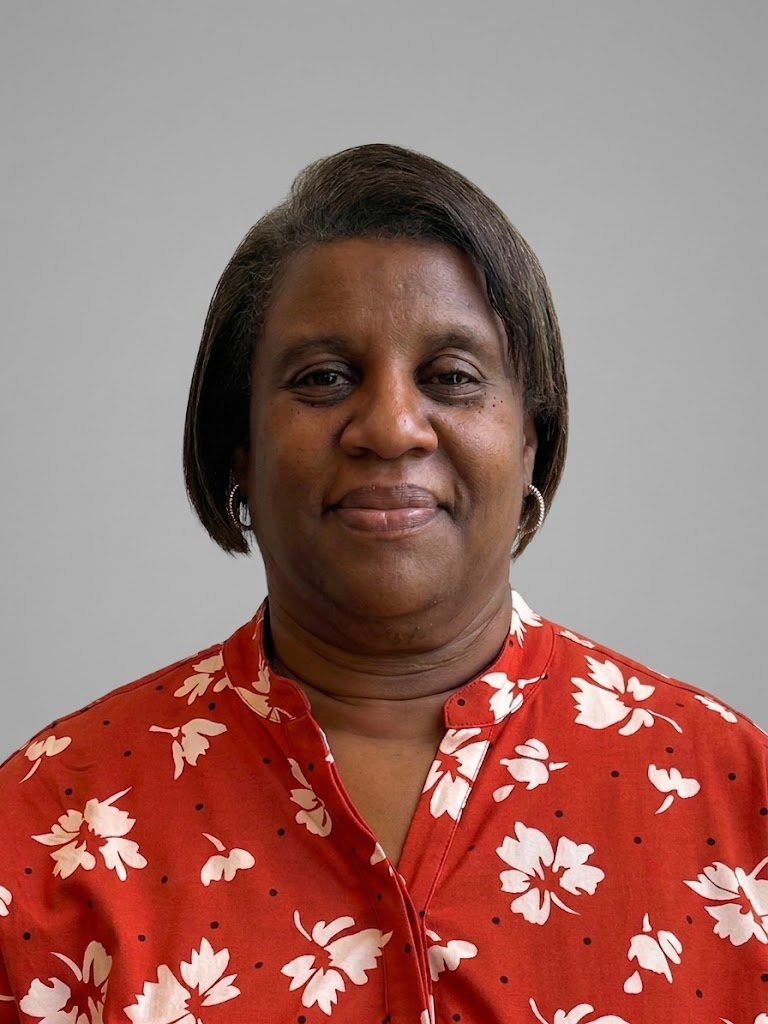
Victor Jones
Consultant
NC Center for Resilience & Learning
(Rocky Mount, NC)
| | |
The Resilience Reader is published monthly by the Public School Forum of NC and distributed to Forum members, educators, policymakers, donors, media, and subscribers -- or anyone interested in issues such as Adverse Childhood Experiences (ACEs), childhood trauma, resilience and the power of trauma-informed schools and communities.
Please pass the word! Forward The Resilience Reader to anyone who may find this information useful.
If you received this email from a friend, subscribe to this newsletter by clicking here.
Archived editions will be located at https://resilienceandlearning.org/newsletter/.
©2024 Public School Forum of North Carolina. All Rights Reserved.
Public School Forum of North Carolina
919-781-6833
Follow us at @theNCForum
www.ncforum.org
| |
|
|
Subscribe to this Monthly Newsletter | | | | NC Center for Resilience & Learning | www.resilienceandlearning.org | |
| | | |