|
“Reflective action is bound up with persistent and careful consideration of practice in the light of knowledge and beliefs, showing attitudes of open-mindedness, responsibility, and whole-heartedness.”
(Hatton, Smith, 1995)
| |
Looking Back, Moving Forward: Resilience in Action at
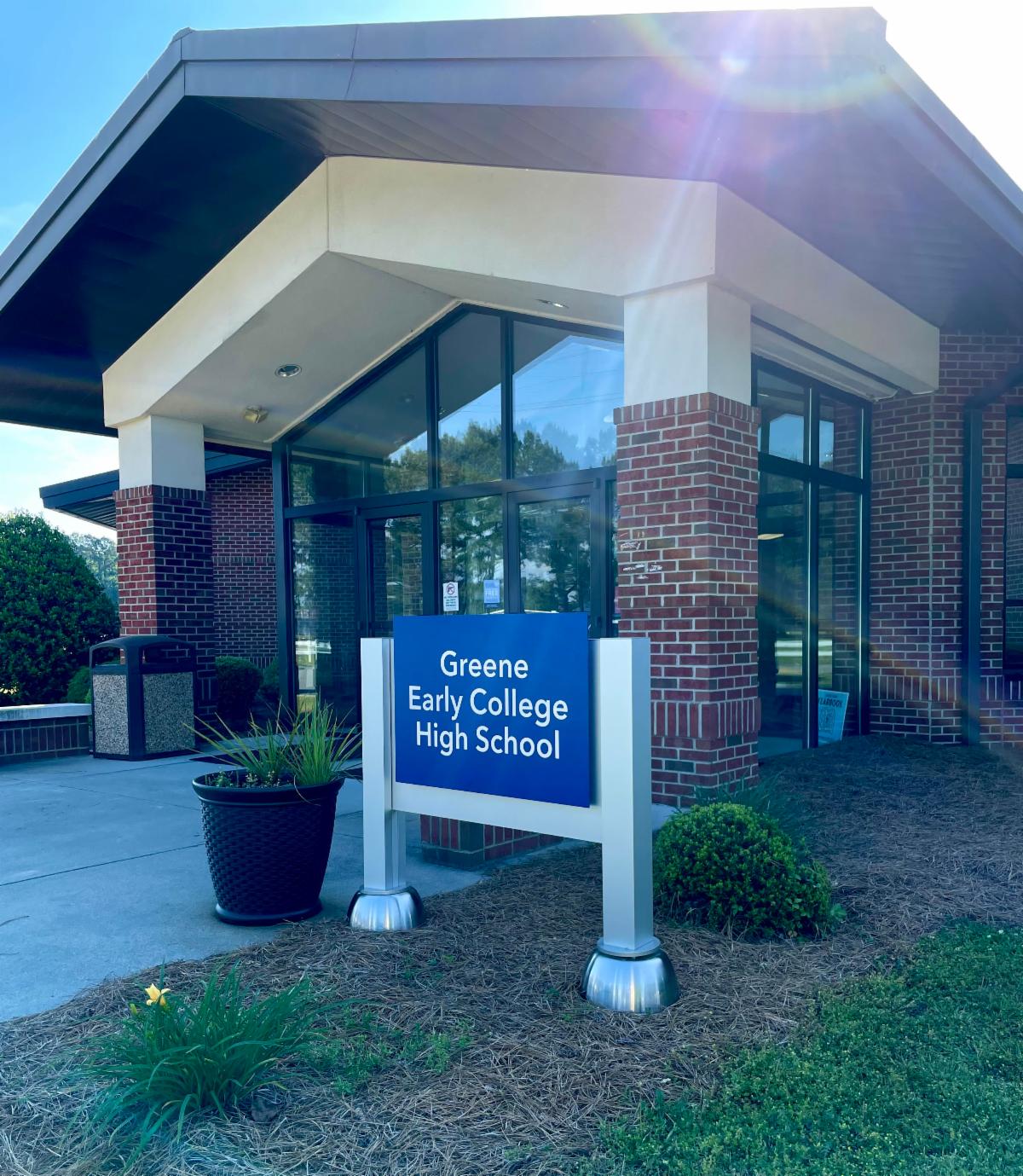
Greene Early College High School
| By: Jessica Edwards & Stacey Craig | | |
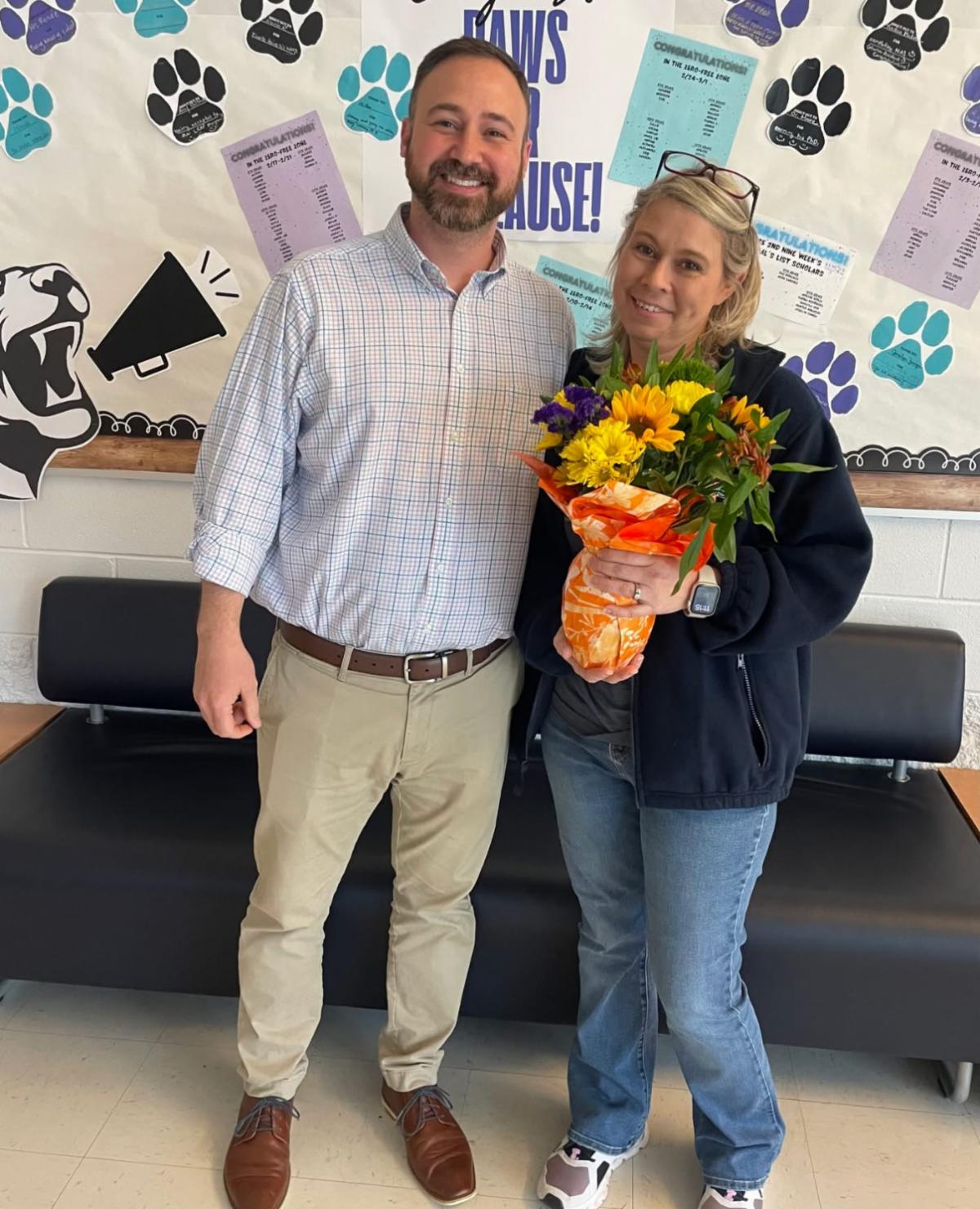
Located on the campus of Lenoir Community College in Snow Hill, NC, Greene Early College High School is a valuable resource for its community. A small school with a family feel, it offers students the opportunity to graduate with an associate’s degree and a high school diploma.
Since its last feature in the Resilience Reader in May 2024, the GECHS Resilience Team has taken meaningful steps forward in building a trauma-informed school culture. With support from the NC Center for Resilience & Learning, the team committed to deepening their work by learning together, listening to staff and students, and grounding their efforts in practices that strengthen both relationships and accountability.
| | |
Building on Training and Shared Learning
When we last featured the GECHS Resilience Team, they were prepared to help their school become more trauma-informed by focusing initially on the needs of their staff and creating a plan for exchanging resilience-building resources and reflective feedback with their colleagues. Their next steps were to follow through on that plan. In August 2024, the whole staff engaged in Part 2 of the introductory training on trauma-informed practices and strategies for resilience. Facilitated by the school’s Resilience Coach, the training offered a refresher on how trauma and toxic stress impact the brain and behavior, explored the importance of self-care and collective care, and provided practical strategies for relationship building, being a “warm demander,” and supporting high school students’ social and emotional growth. The training also offered an opportunity for staff discussion and feedback on what they had learned.
The shared professional learning set the tone for the year, helping the staff reconnect to their “why” and continue building a common language around resilience.
| | |
Strengthening the Resilience Team
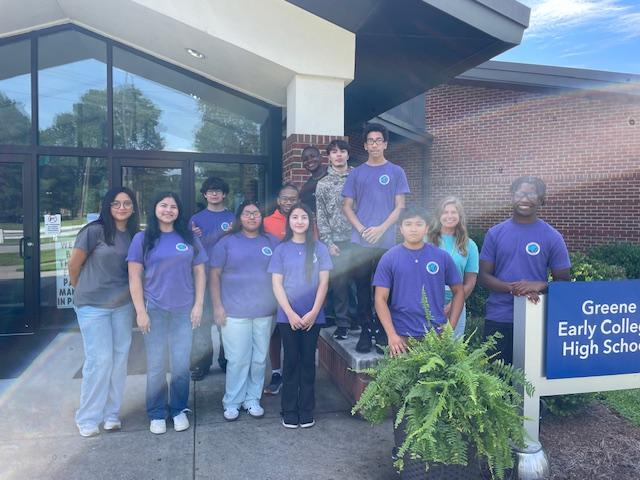
The Resilience Team has grown to 10 members this year, with more than half of them being teachers. This growth demonstrates the school’s commitment to shared leadership. GECHS has a total staff of 19, meaning that over half of the educators are now actively involved in planning, supporting, and advancing resilience-building initiatives. Their strong dedication is commendable, as shown by their consistent participation in monthly meetings.
The team selected two clear priorities to guide the 2024-2025 school year:
- Building relationships and community among staff and students
- Increasing student accountability and empowerment in their education and actions
| |
Using Circles and Feedback to Build Community
Early in fall 2024, the team reviewed results from the spring 2024 staff survey and noticed a need for more opportunities to build trust, communication, and connection across the staff. To respond, they invited all staff to a listening circle facilitated by Stacey Craig (Resilience Coach).
In this circle, staff reflected on what already helped them feel connected, shared challenges and barriers, and offered ideas for improving understanding and collaboration. The circle created space for open dialogue and modeled the kind of relational practice that GECHS hopes to bring to students as well.
From this feedback, the team worked with staff to implement changes such as:
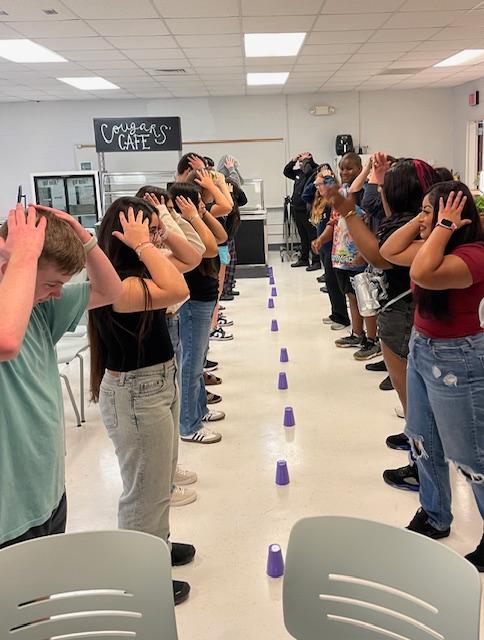
- Embedding team-building activities into staff meetings
- Planning monthly staff outings to strengthen relationships outside of the school day
In the spring 2025 staff survey, respondents gave positive feedback on the impact of these team-building strategies, affirming that intentional staff connection is shaping a healthier and more collaborative school culture.
| |
Expanding Strategies for Students
This past year, subgroups of the Resilience Team also piloted additional strategies to support students directly, including:
- Bi-weekly voluntary “chat room” circles for students. These were designed to build peer connection and communication skills. Students were invited to participate in an hour-long community-building circle facilitated by a school staff member. Circles provided students with a space where they could hear from and share with their peers in ways they didn't usually have the opportunity to.
-
“Zero-free” incentives -These create more structure and accountability for students in completing their schoolwork on time. Students had a weekly opportunity to win incentives and have their name recognized by turning in all their assignments fully completed and on time.
Staff survey data from spring 2025 highlighted encouraging outcomes from these efforts:
-
58% of respondents reported positive changes in their relationships with students
-
75% of respondents reported mostly positive changes in how they view and respond to student behavior
In reflection, Co-Chair Elizabeth Meeks shares, “The practice of slowing down to consider the experiences (both positive and negative) that students bring to school with them has had a great impact in terms of how we respond to student behavior, attendance, and academic success. It can be easy to forget the experiences that students have had, which impact them in so many ways and are often beyond their control. The staff has worked with students to reflect on their academic success, gathered together to support students struggling at home, and ensured that students are offered opportunities for growth and fun.”
| | |
Reflection and Looking Ahead
As the year came to a close, the Resilience Team was encouraged by the progress made in their first full year of trauma-informed work!
Together, they built structures for listening, learning, and responding; they strengthened team membership and engagement; and they identified strategies that support both staff well-being and student growth.
By the Numbers:
After One Year of Implementing Trauma-Informed Strategies (2024-2205)
-
10 Resilience Team members (over half the staff)
-
58% of staff saw stronger student relationships
-
75% of staff made shifts in responding to behavior
-
2 new student strategies piloted (Chat Rooms + Zero-Free Incentives)
-
1 shared goal: Building a stronger, more connected GECHS community
Principal Taylor Moore shares, “Our work with R&L has shifted the schoolwide conversation around student success to include both academic growth and social-emotional well-being. The conversation of trauma-informed strategies has prompted staff to view adult and student actions from a different perspective and develop support structures through a more restorative lens, leading to deeper relationships between students and adults….These changes are helping us move toward developing processes where students take more ownership of their own learning and well-being, strengthening long-term resilience.”
| | |
For the 2025–26 school year, Ms. Pamela Gonzalez and Ms. Elizabeth Meeks will serve as co-chairs on the Resilience Team, supported by Principal Dr. Taylor Moore and Resilience Coach Stacey Craig.
The Resilience Team’s intended areas of focus include:
- Aligning Resilience Team goals with School Improvement Team goals
- Continuing staff and student relationship-building strategies to strengthen the community
- Identifying, implementing, and evaluating strategies to increase student accountability and empowerment, with stronger communication and coordination between the Resilience Team and the whole staff
Principal Taylor Moore shares his excitement in looking ahead, “This year, I am looking forward to continuing the work made possible by our partnership with R&L, but with R&L playing a supportive role as two staff members take on the role of facilitating this work. As a school, we will focus on student accountability and ownership of their progress. By connecting trauma-informed strategies with clear systems for students to track their own growth, we can empower them to take a more active role in their academic and personal development. I am also eager to continue expanding staff professional development on resilience practices, ensuring that every educator feels equipped to support students’ diverse needs. Finally, we are looking forward to building stronger community connections, using R&L’s framework to rebuild perceptions of support and to extend the culture of resilience beyond the school walls.”
With a strong foundation now in place and clear goals for the year ahead, the GECHS Resilience Team is poised to deepen its impact—supporting a school environment where both staff and students feel connected, empowered, and equipped to thrive.
| | 2025-2026 CORE Collaborative | |
Community of Resilient Educators
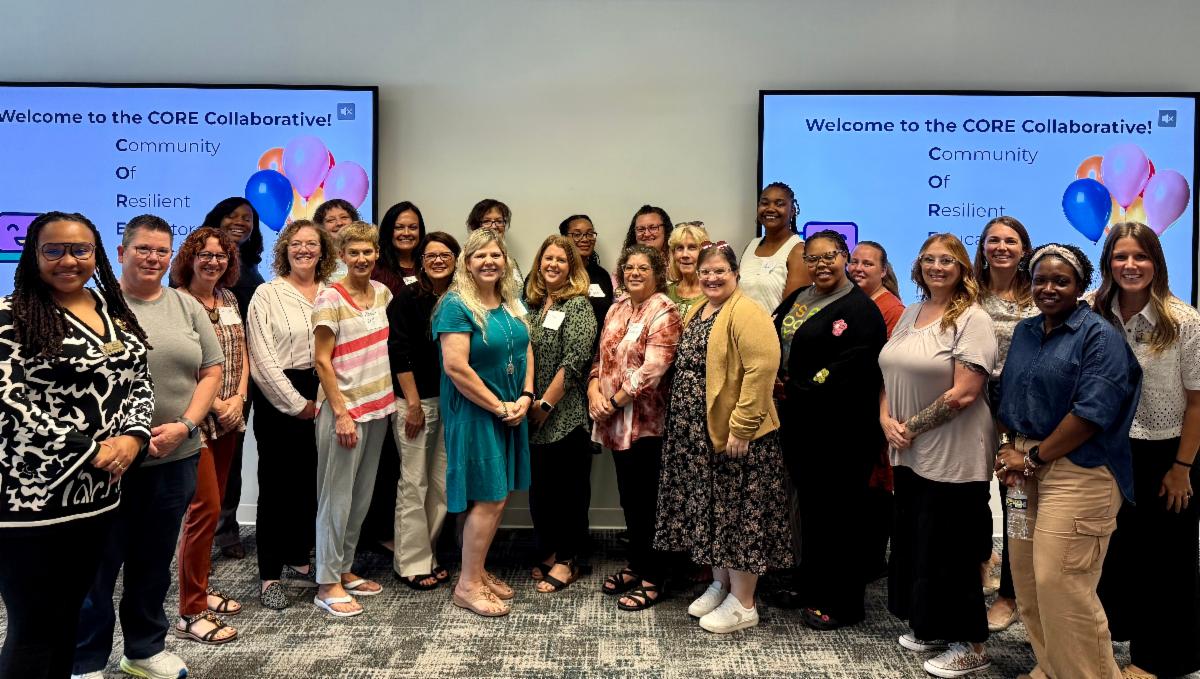
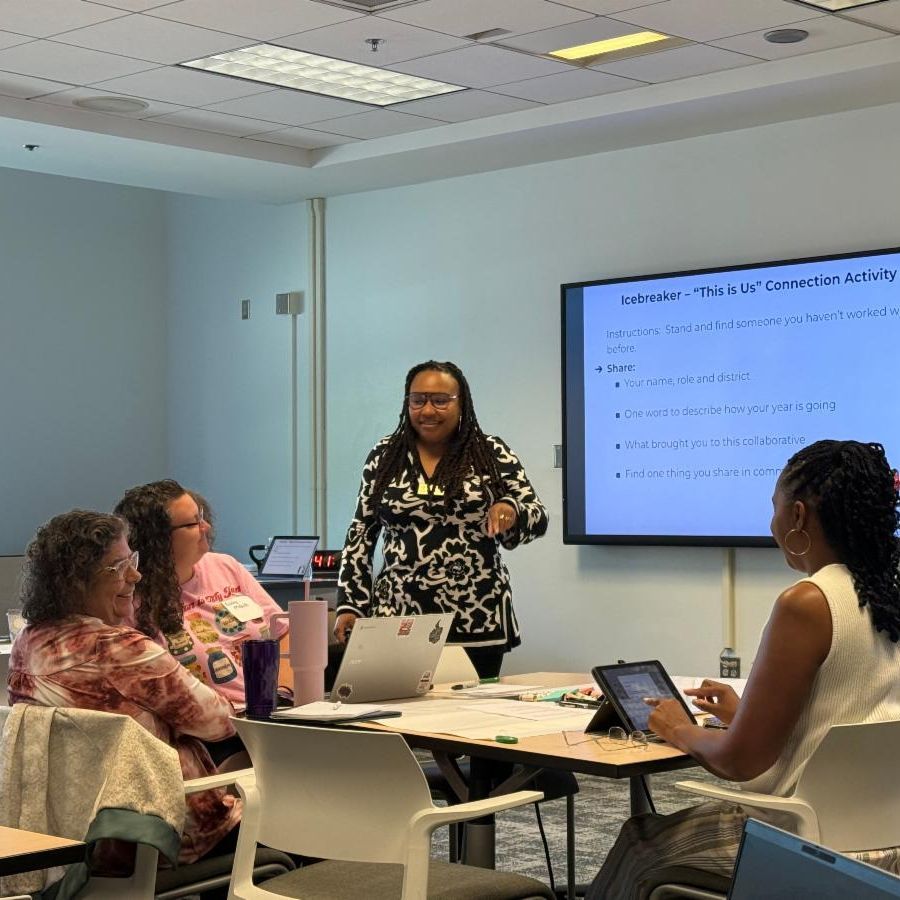
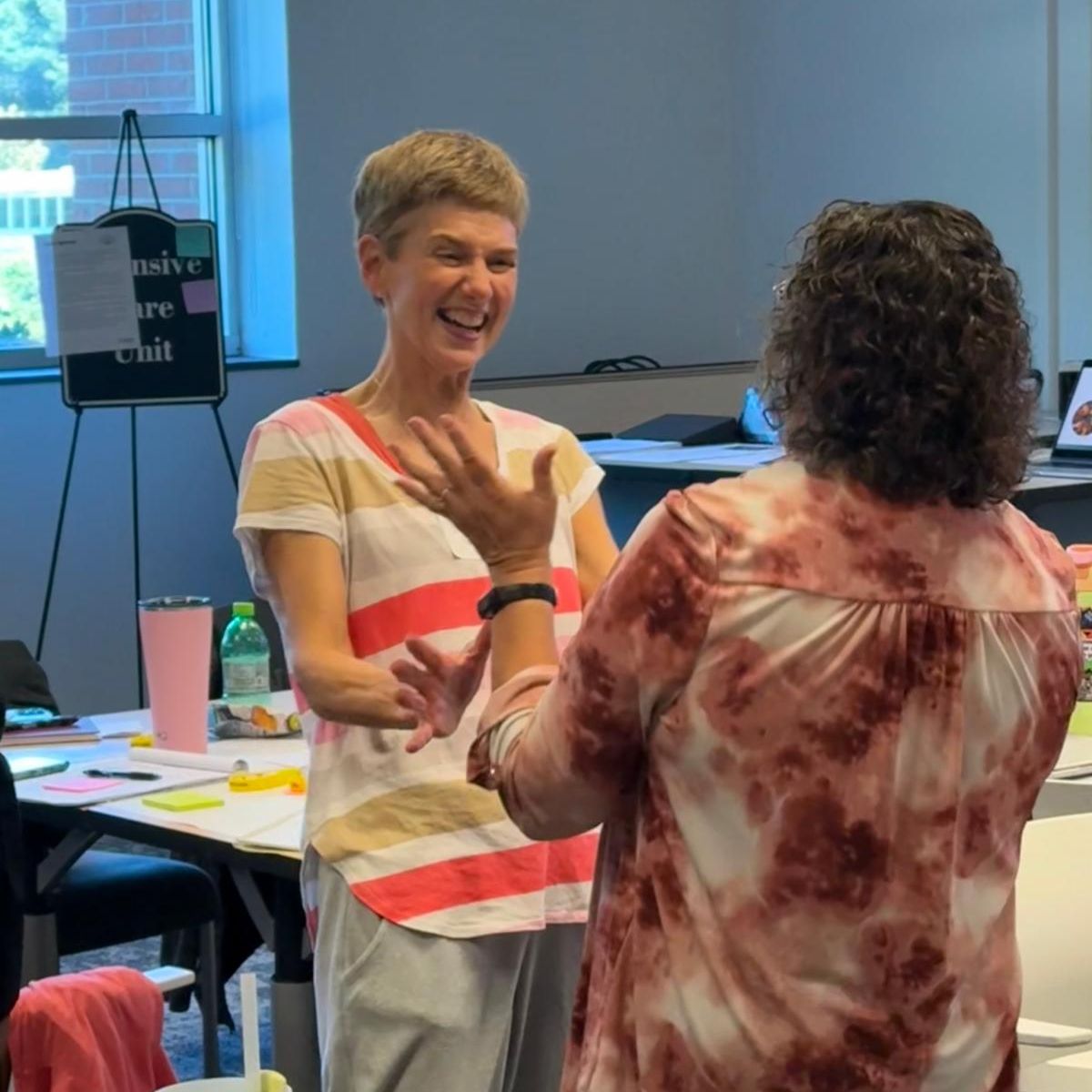
On September 23, 2025, we gathered in Raleigh, NC, with 24 Educators from across North Carolina for our inaugural CORE Collaborative!
We had a beautiful day of learning and connecting as a new community.
Learn More
| | | |
NC Center for Resilience & Learning
2024-2025 Impact Report
| |
| |
Perspective | One year after Helene: Lessons that shape our future
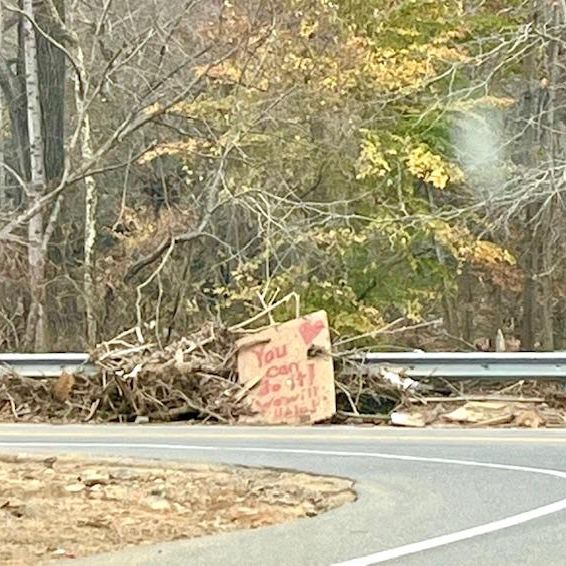
As we approach the one-year anniversary of Hurricane Helene, I cannot help but reflect — personally and professionally — on all that our region has endured over the past year. Living through Helene here in western North Carolina was both humbling and eye-opening.
READ MORE
| | | |
| |
How to Create a Trauma-Informed Classroom from the First Month of School
As educators, our role isn’t just to teach content; it’s to shape a trauma-informed classroom where every student feels safe, valued, and capable of thriving.
That’s the heart of trauma-informed teaching.
READ MORE
| | | |
| | |
How can we support students whose brains are wired differently?
It’s difficult to have a genuine pulse on what’s going on because [administrators] are being pulled in so many different directions. That being said—how do I know what the morale is in my building? I look at how quickly the parking lot clears out at the end of the day.
READ MORE
| | | | Resources & Opportunities | | |
UNC System Expands Mental Health Training for Future Teachers and Principals
The UNC System will train up to 420 future teachers and principals in Mental Health First Aid to identify and respond to mental health challenges this school year, according to a Sept. 10 press release.
Mental Health First Aid (MHFA), gives participants the skills to provide “initial help and support” to individuals experiencing mental health or substance use issues or crises. The training began in Australia and came to the United States in 2008.
| | | The North Carolina Center for Afterschool Programs (NC CAP) is excited to invite you and Out-of-School Time professionals from all across our state to Synergy 2025!! | |
This year’s conference theme is Igniting Bright Futures! This theme highlights the incredible impact that afterschool professionals and programs have on children, youth, families, and communities. Afterschool and out-of-school time (OST) programs serve as vital spaces where young people feel safe, supported, and inspired to grow. Through meaningful relationships and enriching experiences, after-school providers ignite curiosity, foster resilience, and empower students to reach their full potential.
When: November 18-19, 2025
Where: McKimmon Conference and Training Center, Raleigh, NC
| | | Want your school to begin the journey to becoming trauma-informed? | | |
Elizabeth DeKonty
Director
NC Center for Resilience & Learning
(Raleigh, NC)
|
| |
Eulanda Thorne
Senior Program Manager
NC Center for Resilience & Learning
(Wilson, NC)
| | |
Brian Randall
Senior Regional Program Manager
NC Center for Resilience & Learning
(Asheville, NC)
| | |
Michelle Harris Jefferson
Sr. Program Manager of Professional Learning
NC Center for Resilience & Learning
(Greensboro, NC)
| | |
Orlando Dobbin, Jr
Senior Regional Program Manager
NC Center for Resilience & Learning
(Greenville, NC)
| | |
Angela Mendell
Senior Program Manager
NC Center for Resilience & Learning
(Elizabethtown, NC)
| | |
Leslie Blaich
Program Manager
NC Center for Resilience & Learning
(Marshall , NC)
| | |
Stacey Craig
Program Manager
NC Center for Resilience & Learning
(Raleigh, NC)
| | |
Jessica Edwards
Impact Specialist
NC Center for Resilience & Learning
(Spring Hope, NC)
| | |
Ervin Jones
Consultant
NC Center for Resilience & Learning
(Elizabeth City, NC)
| | |
Rebecca Stern
Consultant
NC Center for Resilience & Learning
(Carrboro, NC)
| | |
MKayla Nelson
Program Manager
NC Center for Resilience & Learning
(Newland, NC)
| | |
Quintin Mangano
Program Manager
NC Center for Resilience & Learning
(Rocky Mount, NC)
| | |
Whitney N. McCoy, Ph.D
Research & Evaluation Partner
(Duke University)
| | |
Katie Rosanbalm
Research & Evaluation Partner
NC Center for Resilience & Learning
(Duke University)
| | |
Victor Jones
Consultant
NC Center for Resilience & Learning
(Rocky Mount, NC)
| | | Our Partners and Sponsors | | |
The Resilience Reader is published monthly by the Public School Forum of NC and distributed to Forum members, educators, policymakers, donors, media, and subscribers -- or anyone interested in issues such as Adverse Childhood Experiences (ACEs), childhood trauma, resilience and the power of trauma-informed schools and communities.
Please pass the word! Forward The Resilience Reader to anyone who may find this information useful.
If you received this email from a friend, subscribe to this newsletter by clicking here.
Archived editions will be located at https://resilienceandlearning.org/newsletter/.
©2024 Public School Forum of North Carolina. All Rights Reserved.
Public School Forum of North Carolina
919-781-6833
Follow us at @theNCForum
www.ncforum.org
| |
|
|
Subscribe to this Newsletter | | | | NC Center for Resilience & Learning | www.resilienceandlearning.org | |
| | | |