|
The Rhode Island Republic
June 11, 2026
The Rhode Island Republic is the newsletter that delivers timely updates on RI Republican Party news, legislative developments, election integrity efforts, candidate spotlights, and commentary from our party leaders on state issues, helping Rhode Islanders stay informed about conservative perspectives and opportunities to get involved.
| |
Chairman's Report:
Rhode Island $15.2 Billion Government- Why Does the Smallest State Need Such an Expensive Budget?
| | |
Rhode Island lawmakers have approved a FY2027 budget approaching $15.2 billion, a staggering amount for the smallest state in America. The question taxpayers should be asking is simple: Why does Rhode Island require a larger budget than neighboring states that serve more residents, maintain more infrastructure, and manage vastly larger territories?
Consider Maine. With approximately 1.4 million residents, Maine has nearly 300,000 more residents than Rhode Island. It is almost 30 times larger geographically and maintains a far more extensive transportation system, public lands network, state parks system, and rural service infrastructure. Yet Maine's annual state budget remains significantly below Rhode Island's.
New Hampshire provides an even sharper contrast. It has more residents than Rhode Island and nearly nine times the land area. It maintains a larger statewide transportation network and park system while imposing neither a statewide sales tax nor a tax on earned income. Yet New Hampshire operates on an annual budget roughly half of Rhode Island's per capita.
The numbers become even more troubling when examined on a per-resident basis. Rhode Island's FY2027 budget equates to approximately $13,800 per resident. By comparison, Maine spends roughly $8,200 per resident, and New Hampshire spends approximately $5,500 per resident. Rhode Island taxpayers are funding a state government that costs substantially more than its northern neighbors.
Staffing levels raise additional concerns. Rhode Island employs approximately 21,000 state workers, nearly matching New Hampshire's workforce despite New Hampshire serving more residents and maintaining a vastly larger geographic footprint. If Rhode Island's government is so much smaller geographically, why does it require nearly the same number of employees?
The answer may lie in decades of unchecked government growth. Administrative overhead, overlapping programs, politically connected quasi-public agencies, consultant contracts, and bureaucratic expansion have steadily increased government costs, while taxpayers continue to see rising taxes and fees.
To keep the Parties' lawyers happy, I’ll put it like this…” These comparisons alone do not prove fraud. Fraud requires evidence and investigation.” However, they strongly suggest the need for rigorous audits and independent reviews of state agencies, procurement practices, grant programs, Medicaid spending, consultant contracts, and quasi-public authorities. Whenever government spending dramatically exceeds comparable states without a corresponding increase in services, taxpayers have every right to ask where the money is going.
Forward together,
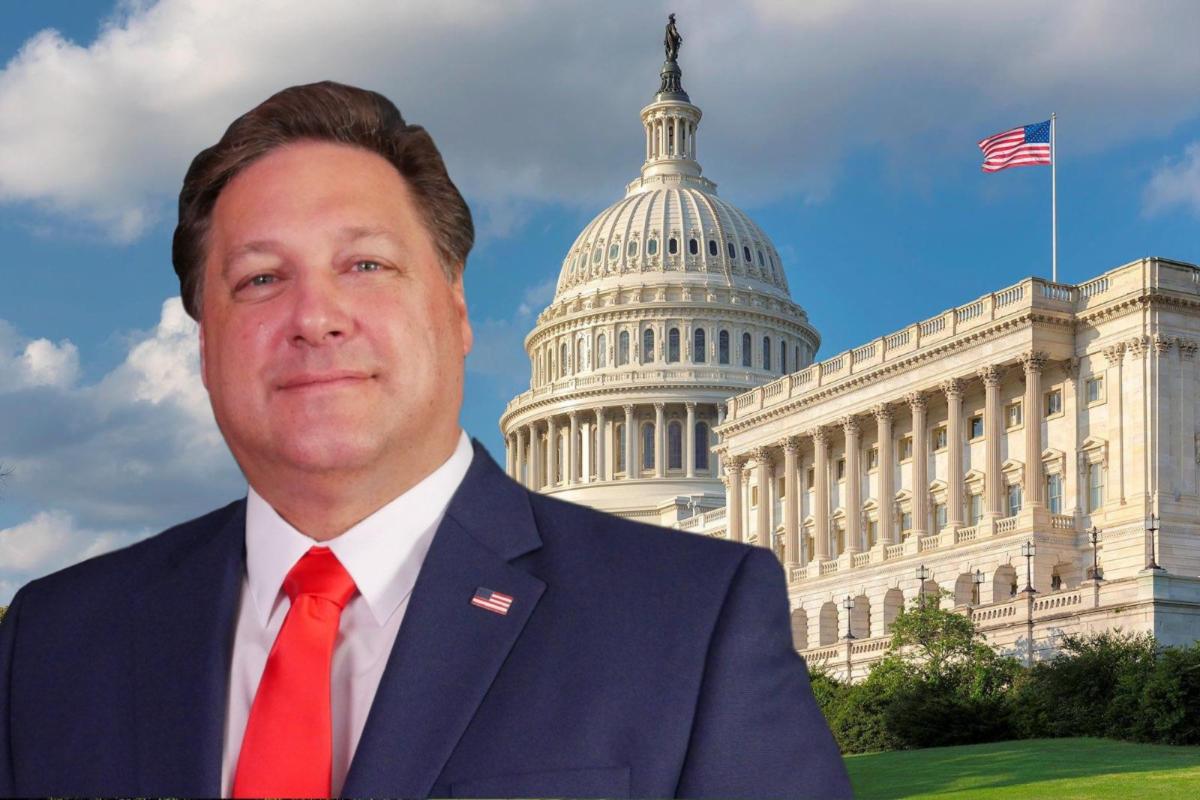
Allyn Meyers
Chairman, Rhode Island Republican Party
| |
Message From the Senate Minority Leader Jessica De la Cruz
Rhode Island’s $15.2 Billion Unaffordability Agenda
Rhode Island’s record high $15.2 billion FY27 budget, passed by the House and Senate and currently awaiting the Governor’s signature on Friday, June 12th, sets the state on a collision course with a looming fiscal crisis.
As if the Governor’s original plan at $14.86 billion wasn't expensive enough, the House said “hold my coffee milk” and tacked on an extra 340 million dollars in pure spending. That is an aggressive 6% spending spike in a single year. Since 2019, Rhode Island’s baseline spending has exploded by an unprecedented 58.8%, forcing taxpayers to absorb $5.63 billion more in ongoing costs than before the pandemic. This is not a sustainable baseline; it is a structural crisis.
Rather than giving the state’s unexpected $233 million revenue windfall back to struggling taxpayers, as proposed in legislation submitted by Senate Minority Whip Gordon Rogers for years, they are using it to permanently bloat the size of government. It’s a fiscal trap. Rhode Island already faces a massive structural deficit and blowing one-time cash on permanent programs only widens the gap for the future.
Ill-conceived policy adds to our problems. This budget doubles down on aggressive, costly climate mandates. While families struggle with soaring energy bills, lawmakers continue pushing rigid, arbitrary, and unrealistic green energy regulations that drive up utility delivery fees, punish local businesses, and significantly increase costs to maintain our roads.
When spending increases year over year, lawmakers continually look for new and increased revenue sources- like the phased-in Millionaire’s Tax, which will hike the tax rate to a staggering 8.99% for the top bracket. Squeezing local employers and job creators with uncompetitive taxes is a recipe for long-term economic disaster. And make no mistake: when this high-earner tax chases wealth out of our state, everyday working families will be left holding the bag.
Look at who they are shortchanging to fund unprecedented spending. Instead of giving retirees relief with a full elimination of the state income tax on Social Security benefits, as proposed by Senator Elaine J. Morgan year after year, the House budget gut-punches seniors by only enacting the smallest, initial portion of the rollback.
I introduced legislation this session to enact a responsible, phased in, across the board cut to personal income tax rates. Instead of that economic stimulus, this budget pushes an “unaffordability” agenda with absolutely zero broad tax relief for the middle class. Instead of giving taxpayers a break, even a rollback of last year’s 2-cent increase on the gas tax was taken off the table.
There’s a saying about getting the government we deserve, in Rhode Island we get a government we can’t afford. The only way to change that is to get more fiscally conservative legislators elected. We need thirteen senators to vote against the budget and prevent its passage. As the declaration of candidacy period nears, consider running for office. Support candidates by volunteering or attending a fundraiser. You have 15.2 billion reasons to get involved.
Yours in Liberty,
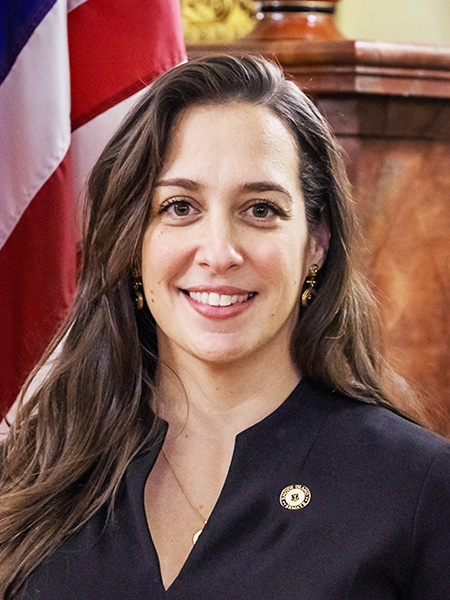
Senator Minority Leader Jessica de la Cruz
| | | | |
From the Desk of RI House Minority Leader Michael Chippendale:
Rhode Island Needs Accountability, Affordability, and Restraint
Credit where it is due: the FY27 budget includes the creation of an independent Inspector General for the State of Rhode Island.
That is a major reform, a long-overdue victory for taxpayers, and a serious step toward rooting out waste, fraud, abuse, and mismanagement in state government.
Republicans have fought for this for years. We were right then, and we are right now.
Speaker Blazejewski has also long supported the concept of an Inspector General, and that should be acknowledged. This is an important reform that should never have taken this long, but Rhode Islanders will be better served because it is finally moving forward.
It is also important that this Inspector General law respects Rhode Island’s constitutional separation of powers. Oversight must be strong and independent, but it must also respect the boundaries between the legislative, executive, and judicial branches. This proposal does that.
But one good reform does not make a bad budget acceptable.
This budget still spends too much, taxes too much, and continues Rhode Island down the same unaffordable path that has made our state too expensive for families, retirees, small businesses, and young people trying to build a future here.
Rhode Island’s budget has now reached $15.2 billion. That is not restraint. That is not affordability. That is not responsible government.
Since 2000, Rhode Island’s state budget has more than doubled in real terms, while the real wages of the people expected to pay for it have grown by only about 25% to 30%. In plain English, government is growing far faster than the people who fund it.
That cannot continue forever.
No family can spend that way. No business can spend that way. And no state can spend that way without consequences.
Yet year after year, Rhode Island Democrats come back with the same answer: more spending, more programs, more borrowing, more taxes, and more government control. Then they wonder why Rhode Island remains unaffordable and uncompetitive.
This budget also continues the dangerous habit of punishing success.
Whether it is the millionaire’s tax, the Taylor Swift tax, or the constant nibbling away at the earnings, investments, and prosperity of Rhode Islanders, the message from the Democratic majority is clear: if you succeed, you become a target.
That is not economic policy. That is class envy dressed up as tax policy.
The “Eat the Rich” politics of the progressive left may make for easy slogans, but it is poison for a state that claims it wants jobs, investment, employers, and opportunity. Rhode Island cannot attract wealth creators while treating wealth creation as something shameful. We cannot beg businesses to come here while constantly signaling that success will be taxed, regulated, and resented.
Successful Rhode Islanders are not villains. Business owners are not villains. Investors are not villains. Families who work hard, take risks, build companies, create jobs, and succeed are not villains.
They are the very people Rhode Island needs to keep.
And they can leave.
We have already seen what happens in states like Massachusetts and New York. Wealth is portable. Income is portable. Businesses are portable. Investment is portable. People who are overtaxed, overregulated, and treated like political punching bags will eventually take their families, their companies, their capital, and their futures somewhere else.
When that happens, the politicians who celebrated a short-term tax windfall will be left with long-term damage.
That is fiscal malpractice.
These tax schemes are the government version of a young adult getting a credit card, mistaking it for free money, and spending like the bill will never come due. There may be an upfront rush. There may be a temporary sense of relief. But eventually the debt, instability, and consequences arrive.
Punitive tax policy works the same way. It may produce a short-term revenue bump, but if it drives wealth, jobs, investment, and economic activity out of Rhode Island, the long-term damage will far outweigh the temporary gain.
This is especially dangerous because Rhode Island is an aging state with serious long-term obligations. We have many residents who depend on Medicaid and other essential services. We have a moral responsibility to protect the truly needy. But those programs do not fund themselves. They depend on a healthy private economy, working families, strong businesses, and taxpayers who can afford to stay here.
If the Democratic majority continues driving away the very people and businesses that support the system, eventually the revenue side of the ledger will no longer support the spending side.
At that point, there will be no easy fix. Another tax increase will not solve it. Another borrowing scheme will not solve it. Another round of class warfare will not solve it.
Rhode Island does not have a revenue problem. Rhode Island has a spending problem, an affordability problem, and a one-party government problem.
The Inspector General is an important step toward accountability, and I am proud that a long-held Republican priority is finally moving forward. But accountability cannot stop with oversight. It must also apply to the budget itself.
Rhode Islanders deserve a government that respects the people who pay the bills.
They deserve a state that rewards work, encourages investment, protects taxpayers, and understands that prosperity cannot be taxed, regulated, resented, and driven away without consequences.
That is why the entire House Republican Caucus opposed this budget.
Respectfully,
House Minority Leader Mike Chippendale
| | |
We are honored to invite you to the
RHODE ISLAND REPUBLICAN PARTY CONVENTION
THURSDAY, JUNE 25, 2026
RHODES ON THE PAWTUXET
60 RHODES PLACE
CRANSTON, RI
Doors open at 5:00 PM
Convention begins at 6:30 PM
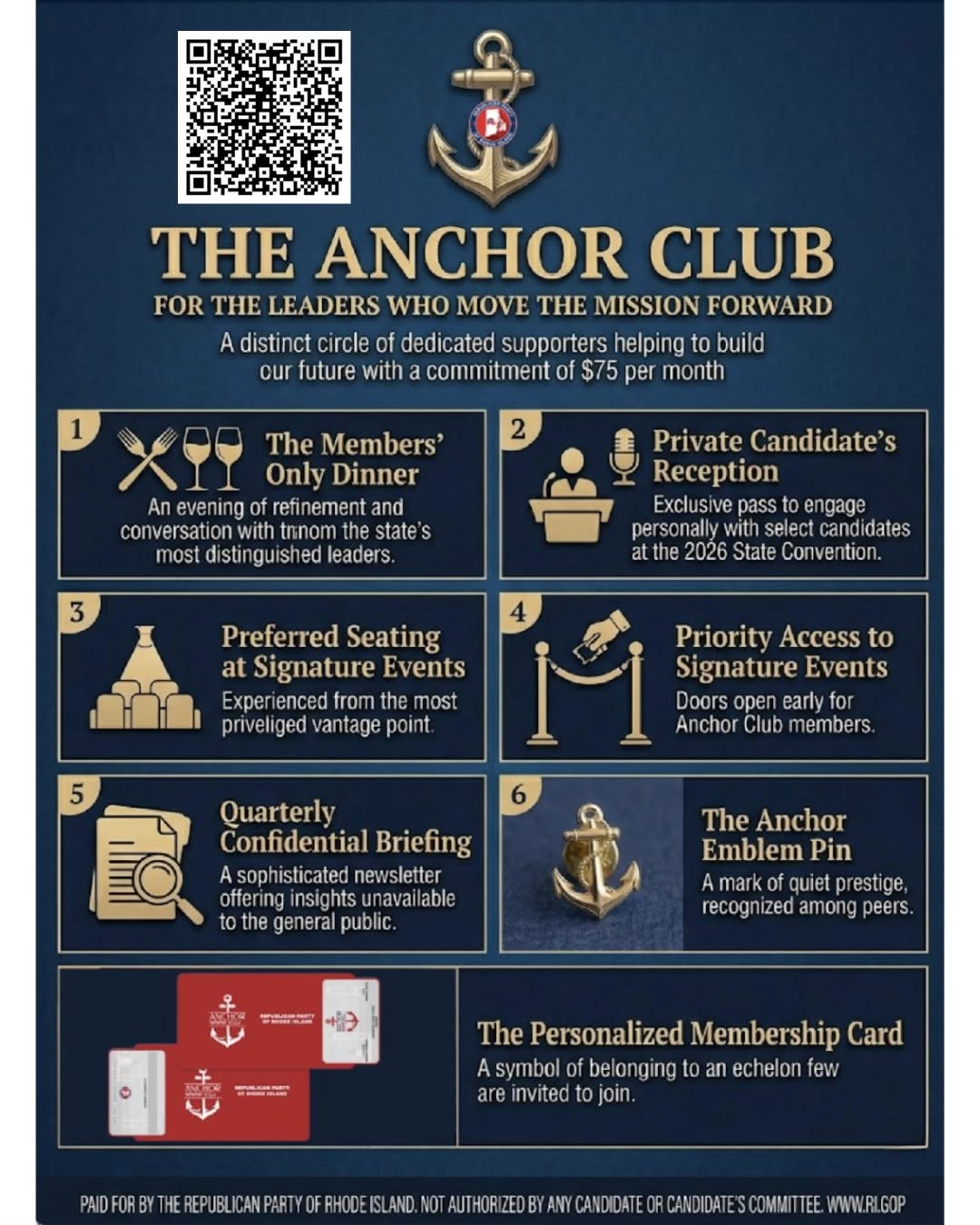
VIP and Anchor Club Reception
5:30-6:25 PM
Meet KC Crosbie, RNC Co-Chair
Enjoy Open Bar and Refreshments
VIP and Anchor Club Members enjoy free admission to the reception and convention
(Click Anchor Club invitation below to join.)
State Central Committee Members & Guests
State Central Committee Members enjoy free admission to the Convention
Guests are invited with the purchase of a guest pass
Purchase VIP Tickets & Guest Passes by
Wednesday, June 24th at 5:00 PM
| | Momentum Report: Barrington Republicans Deliver a Victory for Fiscal Responsibility | | |
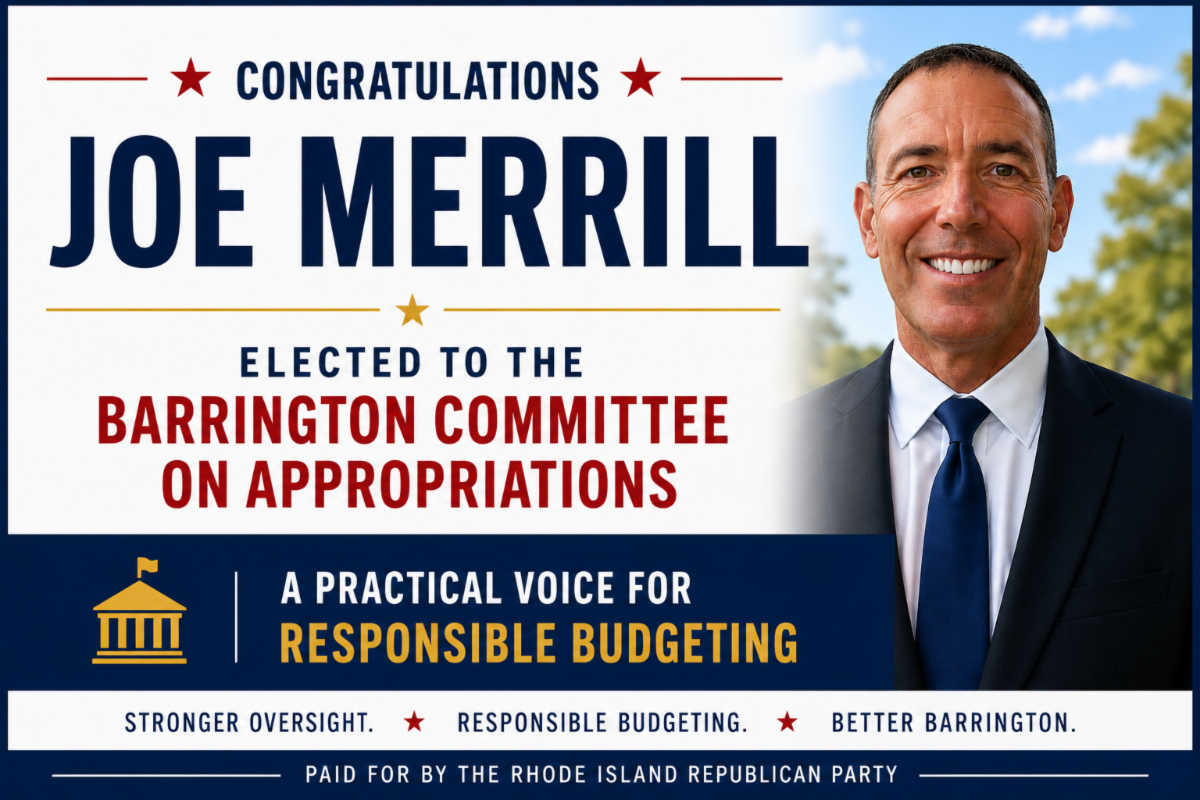
The recent election of Republican Joe Merrill to Barrington's Committee on Appropriations is proof that disciplined grassroots organizing, clear messaging, and a focus on taxpayers can succeed anywhere in Rhode Island. The Barrington Republican Town Committee deserves tremendous credit for this achievement.
In a community where Republicans have often faced an uphill battle, Barrington Republican Town Committee members, led by Chair Lisa Daft, spent weeks educating voters about the town's finances, explaining the new Financial Town Referendum, and making the case that Barrington needed stronger fiscal oversight and independent voices in the budget process. Their message resonated.
Throughout the campaign, Barrington Republicans focused on facts that many taxpayers found difficult to ignore. Town spending has increased by nearly $24M over the past five years, a 28% increase. Residents were warned that, absent changes in financial management, the town's tax levy could increase by 18% over the next three years. At a time when affordability remains a top concern for families and seniors alike, voters responded to calls for greater scrutiny of spending and more responsible budgeting.
The committee's outreach efforts were particularly impressive. Through mailers and the use of Right Insight, the voter outreach technology that Republican committees and candidates will employ this year, they encouraged residents to become informed participants in the budget process. Their campaign emphasized a simple but powerful principle: maintaining quality municipal services while keeping spending in check. Voters were reminded that fiscal responsibility and strong public services are not competing goals; they are complementary ones.
This victory also offers an important lesson for Republicans throughout Rhode Island. Success begins at the local level. When candidates focus on affordability, accountability, transparency, and stewardship of taxpayer dollars, voters respond.
The election of Joe Merrill is a win for the taxpayers of Barrington, but it is also a testament to the dedication and hard work of the Barrington Republican Town Committee. Their efforts have expanded the conversation about fiscal priorities and provided taxpayers with a stronger voice in the decisions that affect their community.
Congratulations to Joe Merrill and to every volunteer and supporter who helped make this victory possible.
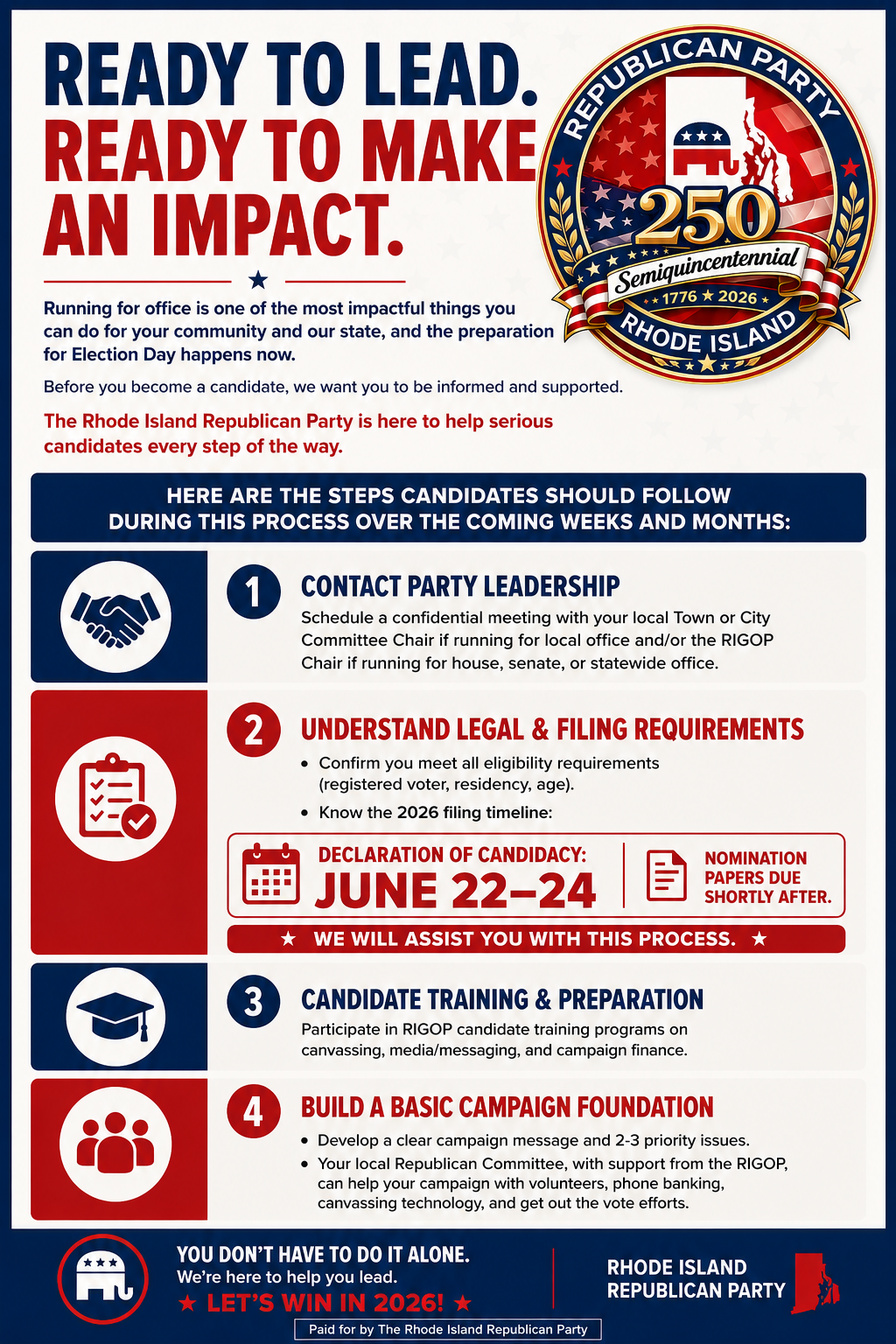
| | A Call For Leaders: Don't Miss These Important Declaration Dates | | Take the first step in exploring your candidacy today by contacting Party Leadership. Schedule a confidential meeting with your local Town or City Committee Chair if running for local office and/or the RIGOP Chair if running for house, senate, or statewide office. We will assist you with the process every step of the way. | |
How a Candidate Who Wasn't Even Running Won a Seat on the Westerly School Committee
The recent election of Republican Seth Logan to the Westerly School Committee is a fascinating study in perseverance.
Seth, a longtime advocate for parental rights in education, first ran for the School Committee in 2022 but was not elected. Like many candidates who step forward to serve their communities, he faced disappointment at the ballot box. Yet he remained engaged in local issues serving as Vice Chair of the Republican Town Committee of Westerly and advocating for the principles he believed in.
Two years later, in 2024, Logan did not even run for the School Committee. Nevertheless, nine voters took the time to write his name on the ballot as a symbolic expression of support. At the time, those nine votes may have seemed insignificant, a political footnote that few would remember.
But details matter.
In May 2026, Republican School Committee member Joe Jackson stepped down, creating an unexpected vacancy. In many communities, such a vacancy would simply be filled by an appointment from the Town Council. However, Westerly's Home Rule Charter had been amended in 2024 to establish a different process. The revised charter states that whenever a vacancy occurs on the School Committee, "the right to assume the office shall be afforded sequentially by the council to the first, second, or third runner-up from the preceding election."
The second runner-up declined the opportunity to serve. That left Seth Logan. Because he had received nine write-in votes in 2024, he was the third runner-up and therefore entitled under the town charter to be offered the position.
When Logan learned that the Town Council intended to appoint someone else, he did not simply accept the decision. Instead, he researched the charter, obtained documentation from the Town Clerk confirming his write-in votes, and asserted his rights under the law. He made clear that he was prepared to pursue legal action if necessary to ensure the charter was honored.
In the end, the charter prevailed. On May 20, Seth Logan was sworn in as a member of the Westerly School Committee, joining fellow Republican members in helping guide the future of Westerly's schools. Under the charter, he is entitled to serve until November 2028.
There is a larger lesson here for conservatives across Rhode Island. Politics is often portrayed as a series of victories and defeats measured only by Election Day results. But real civic engagement is more than winning or losing a single race. It is about showing up, remaining involved, understanding the rules, and paying attention to the details that others overlook.
Had Seth Logan abandoned public involvement after losing in 2022, he would not be serving today. Had he failed to understand the charter provisions governing vacancies, he would not be serving today.
Local government is filled with opportunities for engaged citizens to make a difference, but success rarely comes quickly or easily. It requires patience, persistence, and a willingness to remain involved even when the outcome seems uncertain. Your local Republican town or city committee is looking for dedicated volunteers, and your community could benefit from your candidacy. Reach out today.
| | |
Volunteer Corner: Kristen Moniz
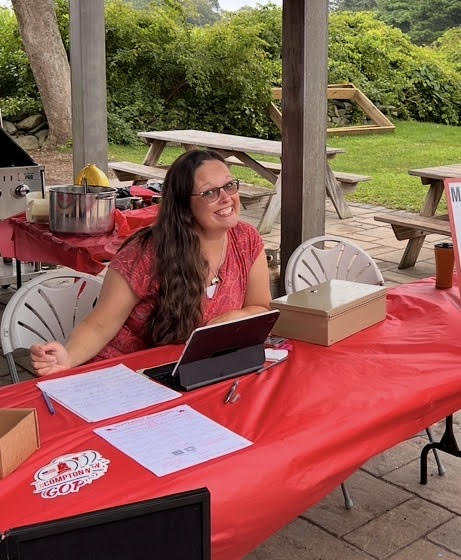
Kristen Moniz serves as the Secretary of the Little Compton Republican Town Committee and plays a key role in the organization’s communications and outreach efforts. She is the creator of the committee’s quarterly newsletter and handles the social media promotion of the committee's upcoming events such as the Strawberry Shortcake Social on June 20th and the Ray Helger Memorial Car Show on June 28th.
Kristen is a dedicated wife and a mother of two daughters. When she is not supporting committee operations, she can be found at school teaching, volunteering in her daughters' schools, or enjoying time on the boat with family.
The Rhode Island Republican Party deeply values the dedication of volunteers like Kristen Moniz. Town and City Committee Chairs, as well as Chairs of Republican Auxiliary Committees, are encouraged to nominate outstanding volunteers for recognition in our upcoming newsletters: please reach out to us at messaging@ri.gop to share your recommendations. To volunteer with your local city or town committee, please contact them by visiting our website.
| |
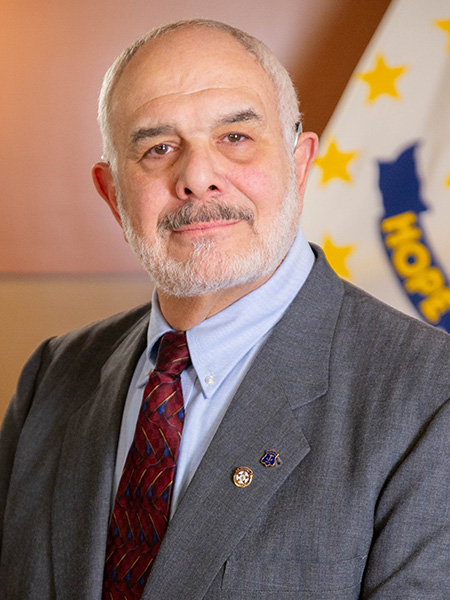
Rep. Richard Fascia: Why a Millionaire's Tax Could Hurt Rhode Island Growth
This piece was reposted from Rep. Fascia's Op. Ed. in the Providence Journal on May 30, 2026.
A dollar isn’t what it used to be — and that simple fact should give pause to anyone who thinks the Governor’s so-called “millionaire’s tax” is clever policy.
Fifty years ago, hitting seven figures was a once-in-a-lifetime triumph. Today, owing to inflation, rising asset values, and an economy that rewards specialized skills, such as Doctors, Lawyers and businessmen, a million dollars is often only a marker of meager progress, not proof of small, extraordinary fortune. Taxing people simply for crossing an arbitrary threshold risk, punishing ambition and undermining the incentives that produce jobs, innovation, and prosperity.
Inflation has a way of disguising reality. Wages and prices have climbed in nominal terms for decades. Yes, there have always been peaks and valleys, but the simple truth is that inflation has always moved forward and with it, earnings.
So many households earn more than their parents did without being meaningfully better off in real terms. A flat penalty once you reach a million dollars treats such ordinary, inflation-tinged gains as extraordinary windfalls. That’s neither fair, sensible nor accurate. As distasteful as any tax policy is, it should distinguish between genuine wealth and the bookkeeping results of a changing economy.
More importantly, economies run on incentives. Entrepreneurs, investors and professionals accept risk, long hours, and uncertainty because success brings reward. The famous political satirist of the 1920’s, Will Rogers said, "No one ever got a job from a poor man;" he was right. When policy imposes steep penalties on the very people who create jobs and inject capital into the economy, it reduces the expected payoff from risk-taking. That reduces startups, curtails investment, and chokes off the experimentation that drives innovation. Keep in mind, the so-called millionaire’s tax will ultimately be passed on to the consumer, as all taxes are, let that sink in. Over time, everyone loses — including the low income and middle class, this tax purports to help.
There’s also a practical cost: talent and capital are mobile. If earning, saving, or investing becomes unusually costly, talented people and productive firms will look for friendly locations. The result is flight: lower growth, a smaller tax base, and diminished public revenues. Any attempt to seize income at a minor milestone invites avoidance strategies, distortions in compensation, and a costly enforcement regime that often benefits those with the means to manipulate the system. In short, this policy, in the long term, is self-defeating, as so many progressive policies are.
Policymakers face a legitimate choice: instead of designing taxes that crush the entrepreneurial spirit, address the real problem of overspending. Make difficult decisions including budgetary cuts that reflect a genuine desire to protect the ”little guy” while preserving the initiative that raises living standards across generations. This is not a time to enact headline-grabbing measures that punish achievement and otherwise risk driving away the very engines of prosperity that built America. Rhode Island is already considered to be the worst State in America to do business. We cannot afford to make this worse. If the goal is a lasting, long-term opportunity, we should choose policies that encourage ambition, not tax it away.
| | |
Please contribute to the Republican Party of Rhode Island. Whether you can give $20, $200, or $2,000, your donation will directly support critical efforts including:
- Training Republican candidates
- Providing campaign assistance and resources
- Promoting events and grassroots activities
- Phone banking, canvassing, and get-out-the-vote operations
Every contribution helps advance our mission and strengthen our candidates running in the 2026 elections. Thank you.
| | |
Paid for by the Republican Party of Rhode Island.
Not Authorized by any Candidate or Candidate's Committee.
© Copyright 2026
| | | | |