The Rhode Island Republic

September 3, 2026


The Rhode Island Republic is the newsletter that delivers timely updates on RI Republican Party news, legislative developments, election integrity efforts, candidate spotlights, and commentary from our party leaders on state issues, helping Rhode Islanders stay informed about conservative perspectives and opportunities to get involved.


Chairman's Report:

How "Affordable Housing" Mandates Are Making Rhode Island Less Affordable


For a decade, the Democrat-controlled General Assembly has passed one "affordable housing" law after another, from the Low- and Moderate-Income Housing Act to a growing list of state overrides of local zoning. Each was sold as the cure for Rhode Island's housing crisis. Each has, in practice, made housing more expensive for everyone who does not qualify for a subsidized unit, which is to say most Rhode Islanders.


The mechanism is simple economics, not ideology. Inclusionary zoning mandates force developers to sell or rent a share of new units below market rate. Developers do not absorb that loss. They build it into the price of every other unit in the project, or they simply decline to build at all. A close look at permitting data across the state shows exactly that pattern: projects stall, timelines stretch, and total new construction falls short of what the market actually needs.


The Low- and Moderate-Income Housing Act compounds the problem. When it lets developers bypass local zoning and planning board review in the name of affordability, it also invites years of litigation from abutters and municipalities defending their planning authority. Every month a project sits in court adds carrying costs, legal fees, and financing risk that gets passed straight into the final sale price. The tool designed to speed up affordable construction ends up slowing down all construction, from Providence to small towns like Tiverton.


The same override provisions that strip away local review also strip away the safeguards that keep marginal parcels from being built on in the first place. Local planning boards exist for a reason: they screen out lots with poor soil, inadequate road access, or no practical way to serve them with water and sewer. When the Low and Moderate Income Housing Act lets a project bypass that scrutiny, it also lets developers put dense, out-of-scale buildings on land that would otherwise sit undeveloped for good reason. A parcel that was once worth little because it could not reasonably support housing suddenly becomes profitable, not because the developer solved the underlying problem, but because the town is left to solve it for them.


Municipal water and sewer lines get extended, pumping stations get upgraded, and local taxpayers, not the developer, absorb the bill through bond issues and rate increases. The developer walks away with a return on land that was cheap precisely because it was unbuildable. The town is left holding decades of infrastructure debt and a project that often looks nothing like the surrounding neighborhood.


Then there are the strings attached to public subsidy. Projects that accept state housing credits often come with prevailing wage requirements and lengthy environmental review obligations. Those add real dollars per unit, dollars that ripple outward and raise the baseline cost of building anything in the state, subsidized or not. Rental subsidies aimed at low-income tenants add another layer to this pattern.


Programs like housing choice vouchers set a payment standard, a maximum rent the subsidy will cover, based on local fair market rent estimates. In a state where the supply of rental units barely grows, landlords quickly learn that a subsidized tenant can reliably pay a rent that an unassisted renter could not, and they set asking rents accordingly. That payment standard starts to function less like a ceiling and more like a floor. The effect does not stay contained to the subsidized units themselves. As landlords across a building or block adjust to what voucher holders and other subsidy recipients can pay, nearby market-rate rents drift upward too, because vacancy rates tighten and the pool of renters competing for the same limited stock grows without any new supply to absorb it. A working renter who earns just enough to miss qualifying for assistance often ends up paying more, not less, because the subsidy program quietly raised the rent bar for everyone else on the block.


The result is a state where the total supply of housing, market rate and subsidized combined, grows more slowly than population and demand. Basic economics tells us what happens next: prices rise across the board. A family priced out of a starter home in Tiverton or Cranston is not comforted that a handful of units nearby were built "affordably." They are competing for the same shrinking pool of everything else.


If Rhode Island lawmakers were serious about affordability, they would focus on what actually works: shorter permitting timelines, fewer zoning restrictions on modest housing types, and less litigation risk for builders. Mandates from the State House make for good press releases. They have not made homes cheaper. The data on production and prices across Rhode Island says otherwise.


Forward together,

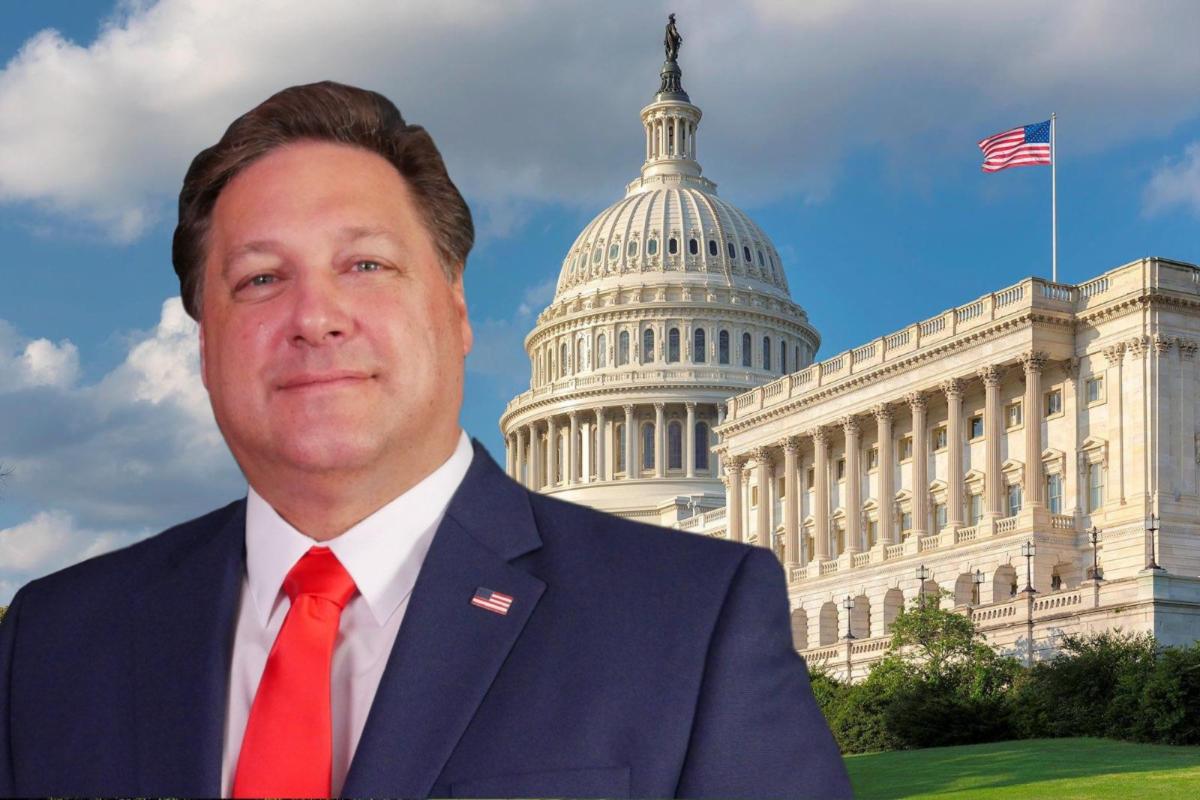
Allyn Meyers

Chairman, Rhode Island Republican Party


Message From the Senate Minority Leader Jessica de la Cruz


Back to School with the Senate Republicans


As Rhode Island families watch school buses return to our roads, we must confront a harsh reality: the state’s education status quo is failing our children. For too long, the Democrat supermajority in the legislature has prioritized protecting entrenched bureaucratic systems over delivering results for students and relief for taxpayers.


The Senate Republican Caucus fiercely opposed the destructive three-year moratorium on public charter school expansions pushed through last session. This freeze locks thousands of children onto waiting lists and blocks proven, flexible models from growing. It shields a failing system from competition while doing nothing to address the flawed funding formula in place. It saves zero taxpayer dollars and does not improve student outcomes. Yet, here we are.


A recent report by the Rhode Island Public Expenditure Council (RIPEC) exposes the stark failure of the state's current trajectory: Rhode Island ranks an astronomical 8th nationally in per-pupil spending, pouring $3.66 billion into public education while student outcomes languish at middling national averages. We are paying premium prices for mediocre results because the supermajority continually protects the special interests that pave their way to power.


Rhode Island families want alternatives. Recent polling data proves that public sentiment is on our side, with the majority of parents and the public favoring school choice and educational options. To give families the real choices they deserve, the Senate Republican caucus will introduce comprehensive legislation to establish educational choice, address funding, provide accountability to parents, and keep kids safe.


Our bills will include:

  • The Bright Today Scholarship and Open Enrollment Education Act that empowers parents with two major choices: Statewide Open Enrollment—the freedom to send your child to any traditional public school district in Rhode Island, regardless of your zip code—and Educational Savings Accounts (ESAs) to direct public education funding into a parent-managed account for private school tuition, online courses, or homeschool curricula. 
  • "Innovation Zones" in public schools, giving principals and teachers greater autonomy over curriculum, scheduling, and budgeting to implement rapid turnaround strategies. 
  • Expansion of scholarship tax credits to help low-income families access the educational path that best fits their child's needs. 
  • A state sales tax holiday on essential school supplies that will increase affordability for parents.
  • Legislation to enable parents to fully review public school learning materials, ensuring you always have a say in what your kids are taught. 
  • Protecting the integrity of girls' sports with legislation that ensures fair competition for female athletes.
  • A $30 Million Joint Resolution to deliver an immediate $100,000 in safety funding directly to every single public school across Rhode Island to instantly upgrade security cameras, reinforce entryways, and modernize communications. 
  • A strict one-percent cap on state education funding cuts to ensure stability in municipal budgets. 
  • Two different tracks to deal with unfunded mandates that drain local budgets. If the state mandates it, it must pay for it.


We firmly believe that a strong future for the Ocean State begins in our classrooms. We don't need a larger budget to achieve this. The RIPEC report confirms we need smarter spending. But even more than that, improving educational outcomes in Rhode Island requires political will. 


Senate Republicans will continue to push back on institutional protections and aggressively stand against policies that trap children in failing schools. We will champion student-centric education reforms aimed at expanding opportunities, restoring parental rights, and protecting local taxpayers.


We will always fight to fix the system on Smith Hill, while our ultimate focus remains on the young minds entering our classrooms this week. To all Rhode Island students, parents, and teachers - we wish you a deeply rewarding, successful, and safe school year ahead.


Yours in Liberty,

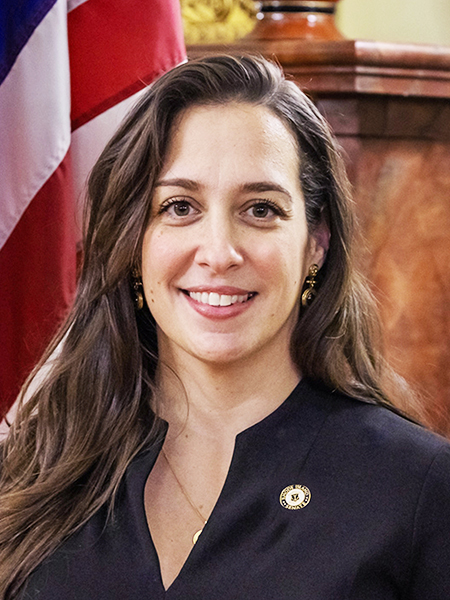
Senate Minority Leader Jessica de la Cruz

From the Desk of RI House Minority Leader Michael Chippendale:


Midterms Matter


Midterm elections matter in Rhode Island. Anyone who doubts that should look closely at Marie Hopkins.


In the 2022 Midterm, Marie ran for the Rhode Island House in District 21 in Warwick against an entrenched Democrat. More than 5,200 votes were cast and when the dust settled, she lost by 38 votes. Not 3,800 or 380 - Thirty-eight votes! That is not a political landslide. That is a few families around a kitchen table. One street in a neighborhood or a few conversations after church. A few people who either made a plan to vote or assumed someone else would take care of it.


Had just 40 more voters shown up for Marie in that midterm, the outcome would have changed. These are the real numbers that kept an extremely effective lawmaker out of the state house from 2023-2025.


Two years later, in the 2024 presidential election, turnout in that same House race climbed to more than 7,000 voters. Marie won by 85 votes. We don’t need to pretend turnout explains every single nuance - politics is rarely that neat. But the lesson is impossible to miss - close legislative races are decided by people who show up, and the people who don’t.


That is the point too many Rhode Islanders forget. We hear it all the time when talking to voters, “Why bother? Nothing ever changes.” I understand the frustration.


Republicans have been outnumbered at the State House for a long time. Taxes go up and government grows, and the pain continues. Seemingly, the same problems return every year with a just new label, a new commission, and another more urgent appropriation. After a while, people start viewing one-party dominance like the weather- unpleasant, predictable, and way outside of their control.


Unfortunately, that is exactly how bad government survives in a Supermajority state like ours. But the biggest mistake voters make is confusing “outnumbered” with “worthless.” They aren’t the same thing – please believe me. If my Republican legislative colleagues and I felt that way – we wouldn’t sacrifice so much to serve the state we love. Every Republican we add to the General Assembly matters. Not because one more member suddenly flips control of the chamber, and not because we can magically pass every single bill we file. It matters because every serious voice in the room changes the conversation.


That’s why Paul Santucci, Richard Fascia, and Chris Paplauskas matter. These are first-term representatives who brought very different backgrounds into the chamber and had an immediate, and noticeable impact on the way these issues were approached. They didn’t need twenty years in the building to understand what working families, taxpayers, small businesses, retirees, police officers, municipal officials, parents, and local communities are dealing with. They brought that perspective with them, along with their own experiences.


Now they are being challenged in the Midterm, and we MUST get them re-elected.


We also need to add new voices and perspectives like Lawrence Almagno, Jessica Gomes, Joe Hosey, and many others who will bring more experience, differing perspectives, and badly needed balance into a State House that has gone far too long without enough of either, and which has been under assault by the Majority Party cancer of “Democratic Socialism.”


When Republicans are at our best, we aren’t just giving Floor speeches so somebody can clip thirty seconds for social media. We are in committee hearings pressing on the details – pushing back on false assumptions. We are in floor debates forcing the majority to explain the fine print. We are in negotiations, working sessions, and the unglamorous places where policy gets shaped before it lands on your tax bill, your electric bill, your local school, your town budget, or your small business. We are the other side of the coin – the alternative to the status quo. And friends – I’m here to tell you that the majority of Rhode Islanders agree with us on those finer points.


Our work doesn’t always come with a glamorous headline or ribbon-cutting ceremony. Often, the most important work a Republican legislator does is nearly invisible: breaking the sharp edges of a bad bill, adding safeguards to an expensive program, tightening sloppy language, slowing down a reckless proposal, or forcing enough scrutiny that a terrible idea quietly dies before it can do damage. There are no ceremonies for victories like this.


Perfect example - House Republicans for years have filed bills and amendments to reform renewable energy policy and bring basic cost discipline back into the system. Many of those proposals never received a vote. They were ignored, dismissed, or buried in the usual legislative talking points and scare tactics about carbon footprints. But when the incumbent governor then later rolls out an energy relief plan and suddenly includes “cost-saving measures” that were ripped straight from our amendments and bills, we know what that means. We moved the needle, our ideas resonated with the people, and our poll-testing Governor adopted our policies into his efforts – because the voters want them too. Even when our names aren’t on the press release, our arguments are still finding their way into policies Rhode Islanders actually live under – and that’s why we do what we do.


That is the impact we have – and that impact has value. There is no “light switch” somewhere that will suddenly turn RI Republican, but the more Republicans we have, the more pain we can stop.


Our Democratic colleagues love to measure their worth by bill counts. They passed this, they passed that – it’s like a bunch of kids comparing their action-figure collections. Another program. Another mandate. Another study commission. Another bureaucracy. Another “solution” to a problem that somehow requires more money, more regulation, and more authority for the same people who helped create the problem.


Fine - if your political philosophy is that government should constantly expand, spend and regulate - then I suppose a long bill list looks like achievement. We Republicans don’t measure our worth that way. We believe that which governs least, governs best. Sometimes success is measured by how much damage we prevent, how many protections we secure, how many costs we reduce, and how many bad ideas we drag into the sunlight before they become another burden on the people we represent.


That is not always glamorous, it’s almost never in the headlines, and it doesn’t always fit neatly on a palm card - but make no mistake - it matters. And we need more good people doing it.


Too many Republican, conservative, independent, and taxpayer-minded voters show up when a president is on the ballot, then disappear during the midterms when the State House landscape is actually being decided. Presidential elections get the noise, the headlines, and the national drama. But the decisions that reach most directly into your daily life are often made much closer to home – and that’s why Midterms Matter.


The Rhode Island General Assembly votes on the state budget, taxes and fees, energy policy, education, housing, public safety, roads and bridges, business regulations, and mandates pushed down onto cities and towns. Those decisions affect your property taxes, utility bills, local schools, municipal budget, small business, and whether your children and grandchildren can afford to build a future here. And the people making those decisions are elected in Midterms.


So no, Midterms are not political leftovers or the “spring training” of politics. They are not the warm-up act between presidential elections - they are the precise place where Rhode Island either gets more balance or gets more of the same.


And balance matters. A larger Republican caucus changes the tone of committee hearings. It changes the impact of Floor debates. It changes negotiations in private that the other side doesn’t want to become public. It changes what the majority thinks it can get away with. It changes whether a bill moves untouched or gets challenged, narrowed, improved, restrained, or exposed.


Legislative Republicans do not need “atta’ boys” or bill-signing ceremonies to be effective. We do not need applause from the people who built the machine. We need more members, more voices, more experience, and more Rhode Islanders willing to vote in the elections where these seats are decided.


That starts with a plan – and we all should make a plan on voting, and do it right now.


For hard working Rhode Islanders, life has a way of showing up without an appointment. A sick child, a longer than expected shift at work, a car that chooses Election Day to die in the driveway, a hospital stay, a family emergency, a last-minute business trip - any one of those can turn “I’ll vote Tuesday” into “I meant to vote.”


That’s why mail voting and early voting matter. Republicans are instinctively hesitant to vote by mail – and I get that. But don’t let the specter of cheating Democrats harvesting ballots dissuade you from having your voice counted. These aren’t conveniences for people who care less, they are tools for people who understand that their vote is too important to leave at the mercy of a flat tire, a fever, a boss, a traffic jam, or the thousand other things that can ambush a normal week.


If voting by mail is easiest, request a mail ballot. If Election Day looks uncertain, vote early. If you prefer voting on Election Day, put it on the calendar and make sure your plan survives real life.


This is not about guilt – it’s about arithmetic – about making sure no good Republican candidate goes home 38 votes short of changing the state.


So when someone says, “Why bother? Nothing ever changes,” think about Marie Hopkins and those 38 votes. Then think about Paul Santucci, Richard Fascia, and Chris Paplauskas. Think about Lawrence Almagno, Jessica Gomes, Joe Hosey, and all the great Republican candidates working to give Rhode Island more balance, more scrutiny, and more common sense.


Change does not happen because people grumble at the coffee shop, post online, or wait for someone else to rescue the state. And no, one election will not fix every problem Rhode Island has spent decades creating for itself - but change will never happen if the people who want it stay home.


Make a plan. Vote early, vote by mail, or vote on Election Day. Just vote. Make sure your family and friends have a plan, too. Every vote matters. Midterms matter.


Respectfully,

House Minority Leader Mike Chippendale

Momentum Report: RIGOP Updates & Expands its Outreach


Election season is heating up, and the Rhode Island Republican Party is stepping up its outreach to voters across the state.


Over the past several weeks, we’ve been busy strengthening our digital presence- updating the RIGOP website, adding our Endorsed Candidates Page, launching new YouTube videos and Shorts, and introducing a brand-new TikTok account. On Facebook, we've surpassed more than 2 million views since January, an increase of over 3,000%! These interactions and platforms give us more ways to share the people, ideas, and issues shaping Rhode Island’s future, and to connect with voters where they are.


Inspired by House Minority Leader Mike Chippendale’s “Midterms Matter” campaign, RIGOP Chairman Allyn Meyers and Republican town and city committee chairs have been hitting the ground running, reminding Rhode Islanders about how important it is that Republicans don't stay home this election. Check out Chairman Meyers' TikTok video by clicking left.


There’s a lot happening—and we want you to be part of it. Like, follow, and subscribe to RIGOP on every platform to stay connected, informed, and engaged throughout election season!

Election Integrity Alert:


President Trump Pushes for Stronger Mail-Ballot Safeguards


President Trump’s effort to strengthen election integrity and bring greater accountability to the nation’s mail-ballot system has triggered a new legal battle with states like Rhode Island, but the President’s push for stronger voter verification is moving the issue into the national spotlight.


The President’s March executive order, “Ensuring Citizenship Verification and Integrity in Federal Elections,” calls for stronger verification of voter eligibility and directs the federal government to develop systems for identifying eligible voters. It also directs the U.S. Postal Service to establish procedures for ensuring that mail ballots are sent only to voters who have been properly registered for mail voting.


The goal is straightforward: make sure that ballots are going to eligible voters and strengthen confidence in the integrity of the election process. The administration argues that federal elections deserve clear, consistent safeguards and that voter rolls should be regularly verified and maintained.


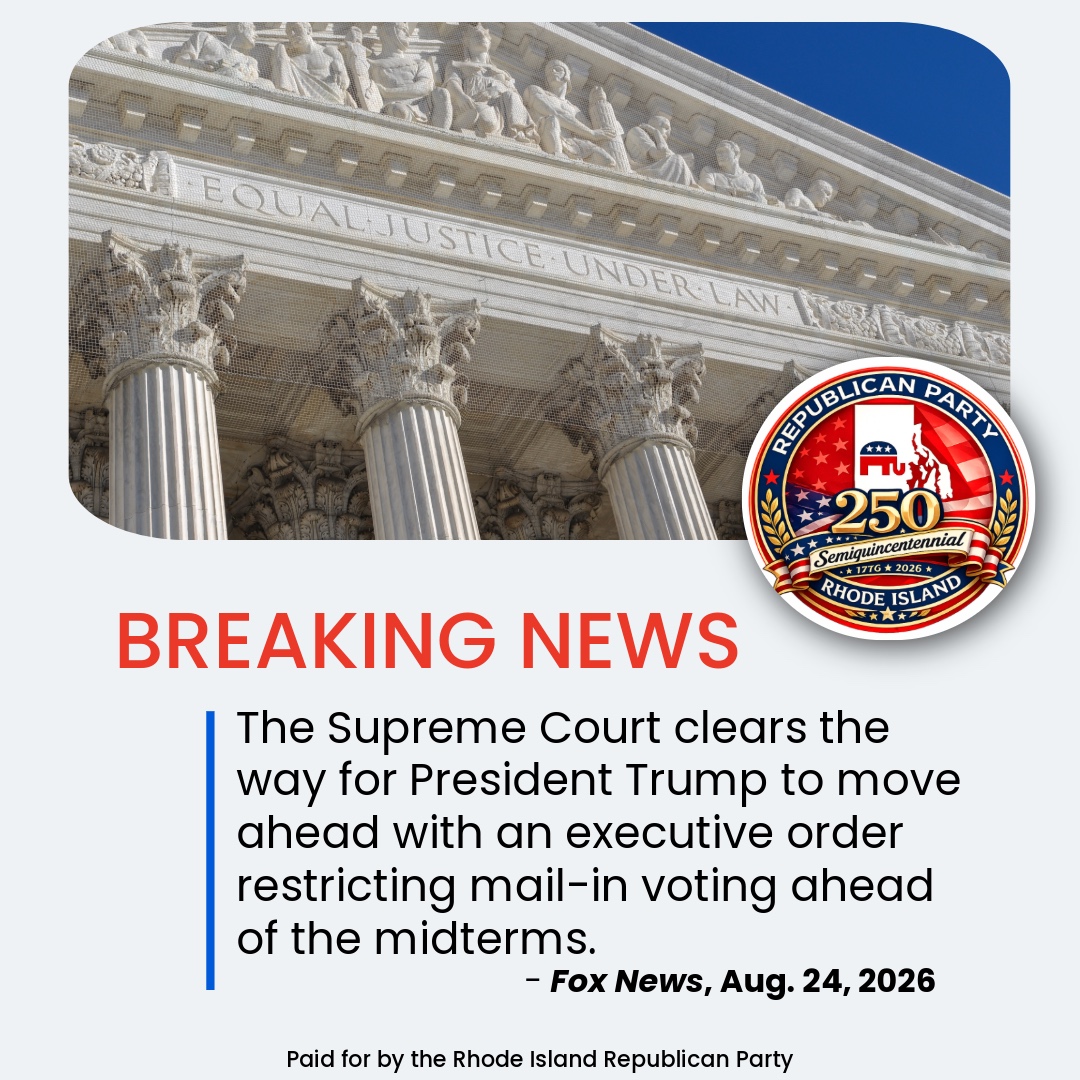
On August 24, the U.S. Supreme Court gave the Trump administration an important procedural victory, lifting a lower-court injunction that had prevented portions of the executive order from moving forward. While the Court did not ultimately decide the constitutionality of the order, the ruling allows the administration’s legal fight to continue and leaves the door open for implementation while the remaining challenges proceed. (Read the Supreme Court decision here.)


Rhode Island officials, however, are taking the opposite approach. Secretary of State Gregg Amore has said the Supreme Court decision will not affect Rhode Island’s September primary mail ballots and has vowed to fight what he calls federal overreach. Rhode Island Attorney General Peter Neronha has gone further, joining a coalition of 25 states in suing the U.S. Postal Service over its new mail-ballot requirements.


The new USPS rule would require states to provide information on voters eligible for mail ballots and establish new procedures for ballot envelopes and tracking. The RIGOP sees these measures as important safeguards designed to improve verification and accountability.


For Rhode Island voters, the debate raises a fundamental question about how we protect the integrity of our elections while ensuring that every eligible voter can participate. President Trump has made election integrity a central priority, and his administration is seeking to establish stronger verification standards nationwide rather than leaving election-security practices entirely to individual states.


Today, September 3, a federal judge is hearing arguments over whether to continue blocking the new USPS mail-ballot rule. The hearing could have significant implications for how states administer mail voting heading into the 2026 election. If the temporary block is extended, implementation of the administration’s new verification and ballot-handling requirements could remain on hold while the broader legal challenge proceeds. If the block is lifted, the USPS could move closer to implementing the new requirements, potentially forcing states, including Rhode Island, to adjust their procedures. Either way, today’s hearing represents an important moment in the ongoing national debate over election integrity, federal authority, and the safeguards that should govern mail-in voting.


With the November 3 general election approaching, Rhode Islanders should be watching closely. Whatever the courts ultimately decide, voters deserve an election system that is secure, transparent, and worthy of public confidence.

RIGOP Summer Bash a Smashing Success

On Sunday, August 30, friends from across Rhode Island gathered together at Yawgoo Bakes and Barbecues in Exeter for our Surf and Turf Summer Bash, a great afternoon of lawn games, a delicious steak and lobster bake, and trivia fun! It was a wonderful way to get to meet some of our outstanding candidates and elected officials and kick off the final weeks of the election season.


One of the highlights of the occasion was when the “Talan Team" earned some bonus points during the trivia contest by recreating the nostalgic Peanuts dance. Special thanks to Mike Murray for his comedy stylings, Yawgoo Bakes & Barbecues for their hospitality, Sandra Taylor, our hard-working event planner, and our helpful volunteers.


Joining us were:

Candidate for U.S. Senate- Ray McKay 

Candidate for Congressional District 1- Kellie Keenan 

Candidate for Congressional District 2- Dr. Steven Skoly  

Candidate for Governor- Aaron Guckian

Candidate for General Treasurer- Micholas A. Credle

House Minority Leader Michael Chippendale

House Representative Richard Fascia

Senate Minority Whip Gordon Rogers

Senator Elaine Morgan

Candidate for House District 44 Joe Hosey

Candidate for House District 37 Chris Stanton


All of our endorsed state-level and General Assembly candidates are included on our updated RIGOP website.

Volunteer Corner:

Laura Colannino


Laura Colannino, President of the Northern RI Republican Women, Vice President of the Rhode Island Federation of Republican Women, Johnston Republican Town Committee member, and a RIGOP delegate, is a dedicated volunteer and steadfast supporter of the Rhode Island Republican Party and Republican candidates at both the state and local levels.


Laura devotes countless hours to supporting the candidates she believes in. She can often be found canvassing neighborhoods, attending campaign events and fundraisers, and lending her time and energy wherever she is needed. Her commitment goes far beyond simply showing up- she actively works to help Republican candidates succeed.


During election season, Laura is a familiar and enthusiastic presence on the campaign trail, walking miles to knock on doors, engage with voters, and help get candidates elected. Her passion for Republican principles, her unwavering dedication to the candidates she supports, and her willingness to put in the hard work make her an invaluable asset to the Republican Party.


Laura's commitment, energy, and tireless volunteerism are a true reflection of her passion for helping Republicans get elected and strengthening the Republican Party throughout Rhode Island.


The Rhode Island Republican Party deeply values the dedication of our volunteers. Town and City Committee Chairs, as well as Chairs of Republican Auxiliary Committees, are encouraged to nominate outstanding volunteers for recognition in our upcoming newsletters: please reach out to us at messaging@ri.gop to share your recommendations. To volunteer with your local city or town committee, please contact them by visiting our website. To volunteer with the RIGOP, please sign up here. Thank you!

Please contribute to the Republican Party of Rhode Island. Whether you can give $20, $200, or $2,000, your donation will directly support critical efforts including:


  • Training Republican candidates  
  • Providing campaign assistance and resources  
  • Promoting events and grassroots activities  
  • Phone banking, canvassing, and get-out-the-vote operations  


Every contribution helps advance our mission and strengthen our candidates running in the 2026 elections. Thank you.

 
Facebook  X  Instagram  TikTok  YouTube