|
Employer-sponsored coverage is often seen as a predictable and reliable source of health care coverage. But a new analysis from the Commonwealth Fund shows that work-based insurance can place a heavy financial burden on workers and their families.
Researchers looked at health insurance costs for workers – what people actually spend to have and use their coverage. This includes not just monthly premiums, but also deductibles, copays, and coinsurance. In Kentucky, workers with single coverage spend nearly 5% of their income on premiums and those with family coverage spend 6.4% of their average household income. However, these numbers reflect only a portion of household health expenditures.
Once deductibles are added, Kentuckians’ share of income spent on health care costs rises to about 11% for both individuals and families. Based on 2024 income data, this corresponds to nearly $4,000 a year for individuals and about $11,000 for families before insurance begins to pay for most services.
As more costs are shifted to employees, a plan that may seem affordable during enrollment can quickly become unaffordable when care is needed.
Read our full blog post to see how the high cost of health care for those with job-based coverage is affecting families in Kentucky and across the country.
| | Health Care Coverage Literacy Spotlight | | |
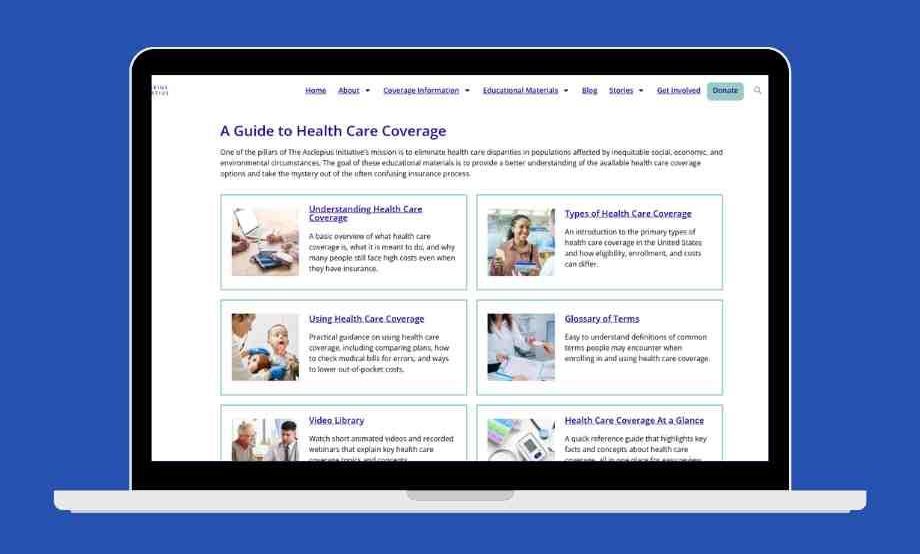
TAI has expanded and reorganized our online educational materials to help people make sense of their health care coverage. These free resources are designed to explain how coverage works, outline the different types of coverage available, and show how coverage is used in real-world situations.
Content is now grouped in a way that makes it easier to move between topics and find relevant information, whether someone is reviewing the basics or looking for more detailed guidance. The updated layout also improves navigation across the site, helping users quickly locate tools, videos, and written resources.
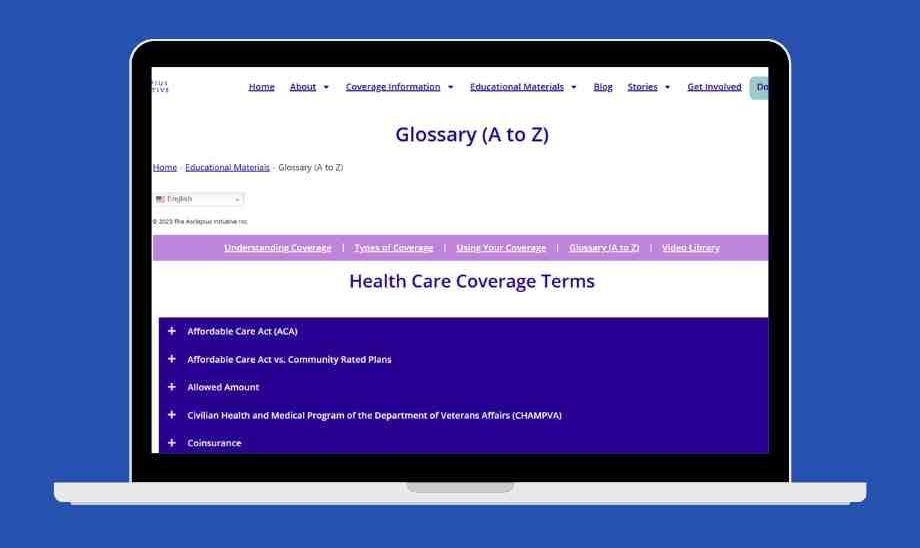
As people use these materials, they will encounter many terms that are commonly used in health care coverage, but which are not always clearly explained. This includes words such as deductible, copay, coinsurance, and networks, which are critical to knowing what you will pay and where you can get care.
| |
TAI has created a glossary to provide a simple, A-to-Z reference of common health care coverage terms. It is designed to help people make sense of the language used in obtaining, using, and paying for care, including understanding documents such as the Summary of Benefits and Coverage (SBC) and Explanation of Benefits (EOB) forms.
Knowing what the terms mean can make it easier to identify what a plan covers, what various services should cost, and see what you owe. By using the glossary alongside insurance documents and medical bills, individuals and families can more readily compare plan options and detect billing or claims errors.
| Comparing Health Care Coverage Plans | |
Choosing a health care coverage plan can feel overwhelming, especially when the premiums, deductibles, and out-of-pocket costs vary from one plan to another.
To help navigate this process, TAI has created a new webinar that walks you through how to compare plans side-by-side. The session highlights key factors to consider, including expected and unexpected health care needs, types of plans, and how different cost structures can affect overall spending. It also introduces a practical way to project total annual health care costs beyond the monthly premiums.
| |
To make it easier to compare plan options and calculate potential costs, TAI has created a free downloadable spreadsheet.
The webinar on Comparing Plans is part of our growing video library, which includes additional topics on health care coverage.
| | TAI Visits Listens Live! on WAVE | | |
The Asclepius Initiative Founder and CEO, Dr. Susan Bornstein, appeared on Listens Live! on WAVE to talk about the real challenges people face with health care coverage, along with TAI resources that can help.
Even with insurance, many people still face high costs, confusing rules, and barriers that make it difficult to access care. While advocating for a system that would simply cover everyone from birth until death, Dr. Bornstein discusses resources for understanding the U.S. health care system as it is now, how not having insurance affects people’s care and health, and ways to save money on health care expenses.
Click here to watch the full interview.
| Kentucky Gives Day Is Next Month | |
The Asclepius Initiative is proud to participate in Kentucky Gives Day on Tuesday, May 12th. Kentucky Gives Day is a statewide day of giving that supports nonprofits across the Commonwealth. Contributions help advance our work to build support for a system where everyone has access to high-quality, equitable, affordable health care coverage from birth through death. Easier access = better outcomes.
Support TAI on Kentucky Gives Day and help drive meaningful change in how health care coverage works for Kentuckians.
| | |
Follow The Asclepius Initiative on Facebook, Instagram, LinkedIn, and BlueSky to stay informed about developments in health care coverage, education, and reform. We share tips to help you navigate your health care coverage, updates on our work, and opportunities to get involved in creating a healthier future for Kentuckians. Don’t miss out – connect with us today!
| | | | The Asclepius Initiative is part of Kroger’s Community Rewards program. Select TAI as the charity of choice and a portion of your receipt will be donated to TAI each time your Kroger Plus Card is used. Signing up is quick and only has to be done once. | | |
1. Go to KrogerCommunityRewards.com
2. Sign into using current login information or the number on the back of the card
3. Select TAI as the organization: search for us by name or by using our code, DG163
| | Help us continue to provide you with relevant and up-to-date health care coverage information. | | | | |