|
The Rome Lab
Frivolous, Ironic and Erotic Like the Bible: The Poetry of Immanuel da Roma. Reading, Talk and Wine
October 22 at 6:30 pm
Center for Jewish History, 15 West 16 Street
Join us this Sunday for an evening of reading, talk and wine around the Rome Lab's table.
Ann Brener
, Library of Congress,
Isabelle Levy
, Columbia University.
Born around 1261 to a notable Jewish family in Rome, Immanu'el ben Shelomoh (Immanuel Romano) is said to have been a physician and a rabbi. An innovative and controversial author, he wrote in Hebrew and vernacular Italian and was part of a vibrant circle of Jewish and non-Jewish intellectuals who lived in Rome in the 13th and 14th centuries.
He became known for his collection of Hebrew stories and poems, entitled the Maḥbarot Immanuel, filled with parodies of biblical and talmudic passages along with episodes of Jewish life: at once frivolous, ironic and erotic. In his verses, Immanuel explores human nature, expressing amusement at different beliefs and customs. At the same time, he adopts the tropes and the symbols of the poetic tradition of his times. The last chapter, Ha-Tofet ve-ha-Eden (Hell and Paradise), is modeled after Dante's Divine Comedy.
His exile from Rome resonates in his work both as a Jewish reference and as a trope of Medieval Italian poetry, in which personal vicissitudes were often shaped by political turmoil and wars.
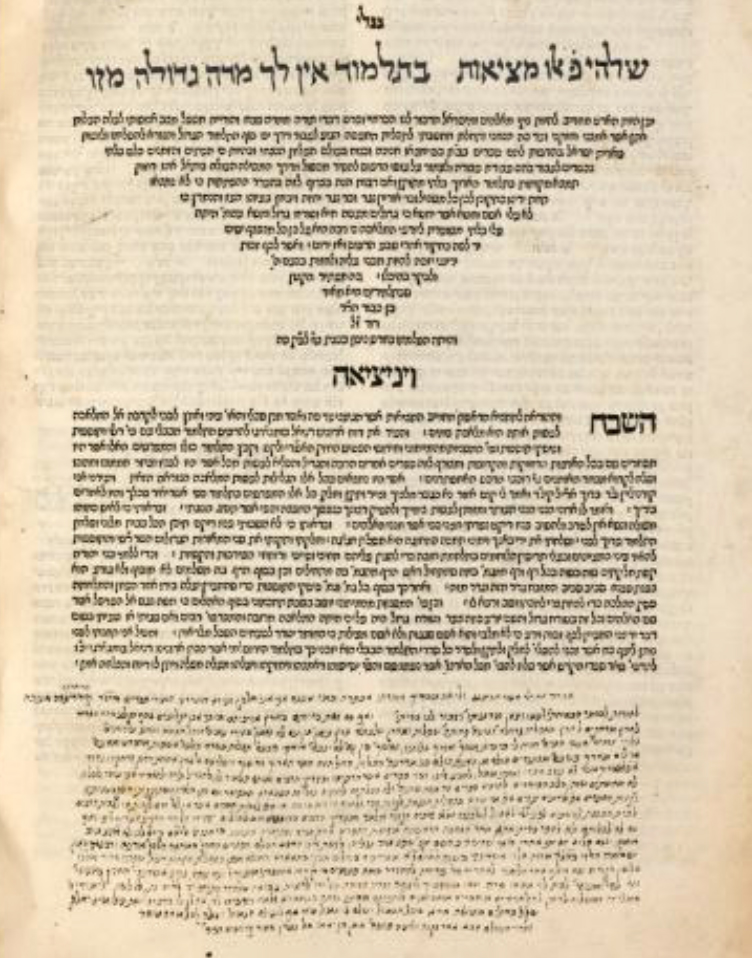
The Maḥbarot Immanuel, was published several times and - as Jewish life in the peninsula became more difficult and ghettos were established - it was banned by Yosef Caro in his Shulchan Aruch. It then remained a memory of the past.
|