RSPWDCAZ CGC Urban Testing! | | |
The Canine Good Citizen Urban test will be held Sunday November 1, 2026
10:30am - 1:00 pm
Evaluator: Janis Welsh
RSVP by Oct 27, 2026 to Sherri Horstman @ pwdgroomer@gmail.com
(Limited to 15 dogs.)
Location:
Bass Pro Shops Mesa- parking lot
1133 North Dobson
Mesa, AZ 85201
| | RSPWDCAZ Annual Holiday & Golden PWD Celebration! | | |
Please plan to join us Sunday, Dec 6, 2026 for our annual celebration.
Location: Gail & Mike Gomez home in Phoenix
More details to follow- soon.
A "Golden PWD" is any club members PWD that has reached the Golden age of 10yrs (or older) during this calendar year, 2026.
We love to celebrate them each year at our Holiday party!
Watch your email for upcoming details!
| |
February 6, 2027 RSPWDCAZ Specialty!
| | |
- December 6, 2026 at 12noon
RSPWDCAZ Holiday & Golden PWDS Celebration
| | |
'Having the Time of His Life' at the
2026 PWDCA National Specialty
| | |
BISS GCHB CH Seashell's Everybody Talkin' About Me or 'Jack' as we know him, had the honor to perform at the PWDCA National Specialty this year, The Top Twenty Event.
Jack put on a fantastic show to the tune of 'Jumpin’Jack Flash' by the Rolling Stones with his handler, Katelyn Ford... The song fits him perfectly!
Congratulations to both owners, Pam Francis & Linda Otey!
| |
Why You Should Consider Belonging to Your Regional and National Dog Clubs. . .
| | |
Belonging to both your Regional Dog Club and National Breed Club offers valuable opportunities to learn, connect, protect your breed, and become a more involved member of the dog community.
Important Reasons to Join:
-
Build Friendships and a Sense of Community. Meet people who share your passion for your breed, develop lasting friendships, and become part of a supportive community.
-
Learn More About Your Breed. Gain knowledge about breed history, temperament, structure, grooming, health, training, and the breed standard from experienced members and breeders.
-
Participate in Specialty Shows and Events. Enjoy specialty shows, educational seminars, performance events, fun matches, and other activities that celebrate your breed.
-
Benefit From the Experience of Others. Learn from experienced breeders, exhibitors, judges, and longtime club members who are often willing to share their knowledge and offer guidance.
-
Support Breed Health and Responsible Breeding. Learn about recommended health screenings, genetic research, responsible breeding practices, and efforts to preserve the long-term health of your breed.
-
Help Preserve and Protect Your Breed. Support education, breed rescue, responsible ownership, and efforts to maintain the breed's distinctive characteristics and purpose.
-
Make Your Voice Heard. Membership gives you opportunities to participate in club discussions, share ideas, vote when eligible, and help shape the future of your breed community.
-
Expand Your Knowledge and Opportunities. Access educational programs, club publications, networking opportunities, mentoring, and information about activities within the sport of dogs.
-
Give Back to the Breed You Love. Volunteer your time and talents, assist with club activities, support rescue efforts, and help welcome newcomers to the breed.
-
Connect Locally and Nationally. Your regional club offers close friendships, local activities, and hands-on involvement. Your national club connects you with a broader network of breed enthusiasts and supports breed-wide education, health, and preservation.
The Bottom Line
Membership is about more than attending meetings or entering dog shows. It is about being part of something bigger than yourself.
When you join your regional and national clubs, you help strengthen the community, preserve the integrity of your breed, support responsible ownership, and ensure that future generations can enjoy the dogs we love today.
A strong breed community depends on members who are willing to participate, contribute, learn, and support one another.
You don't have to be a breeder, professional handler, or show exhibitor to make a difference.
Every interested and dedicated member has something valuable to offer.
| |
Having Fun With. . .
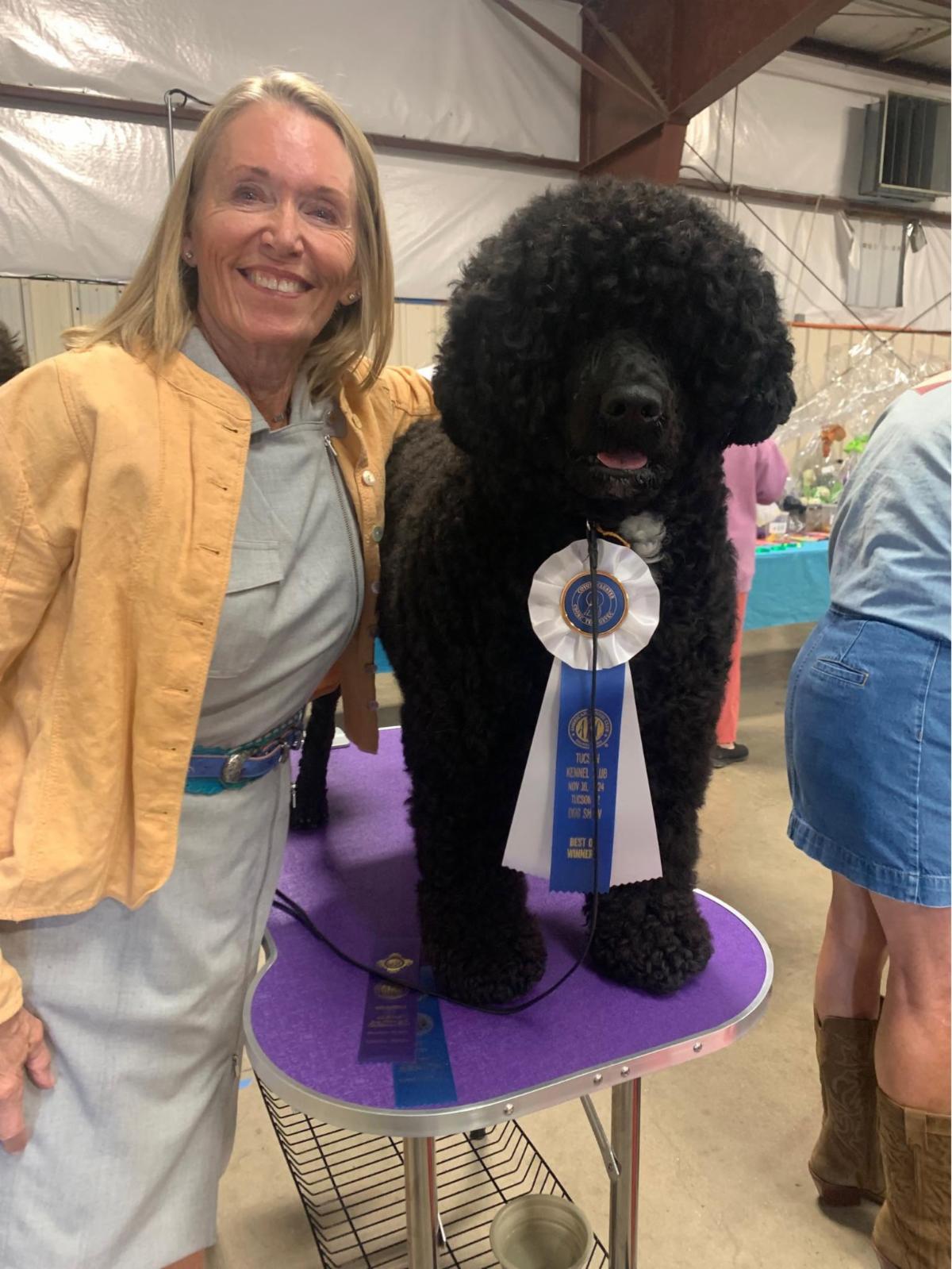
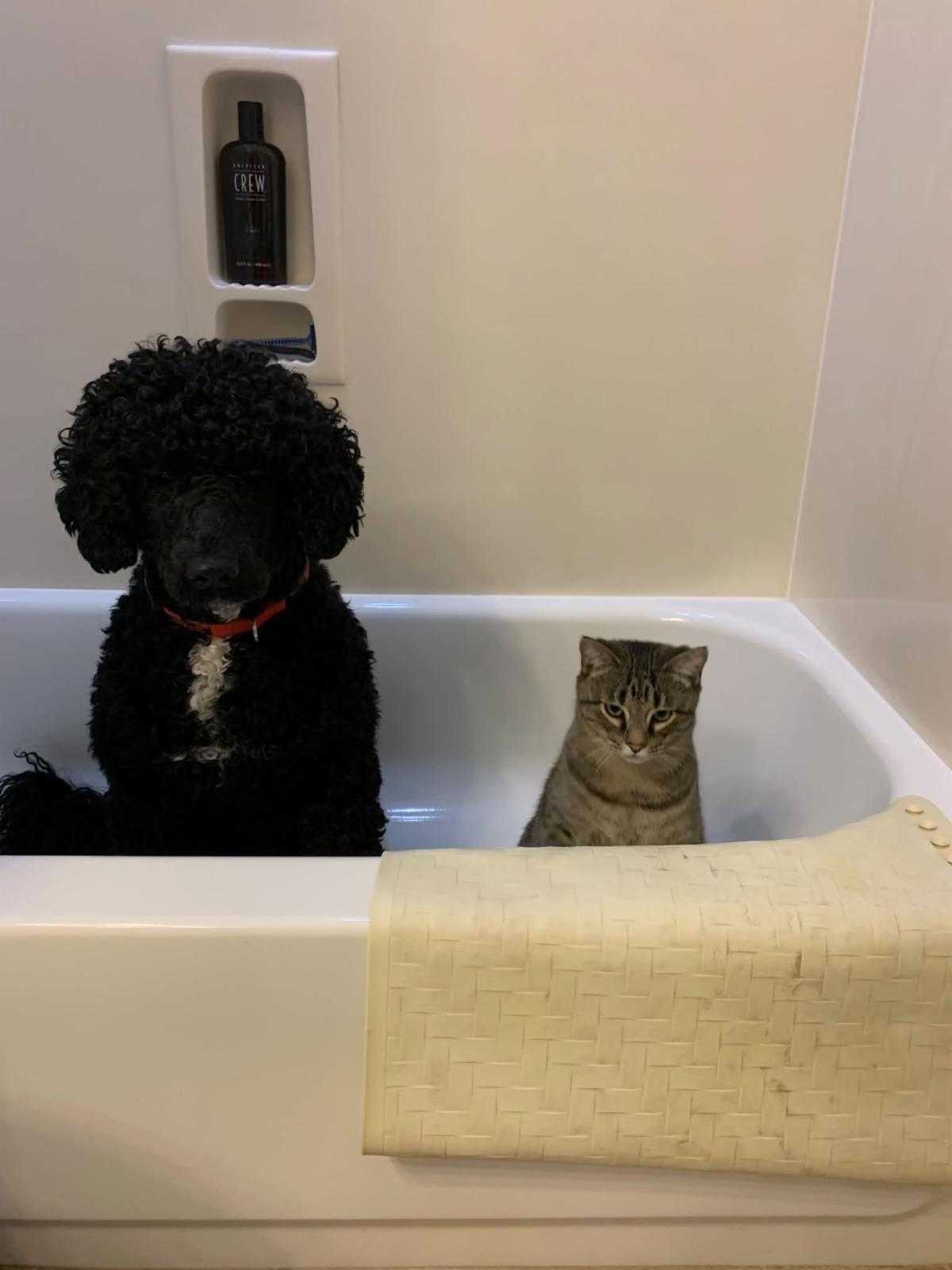
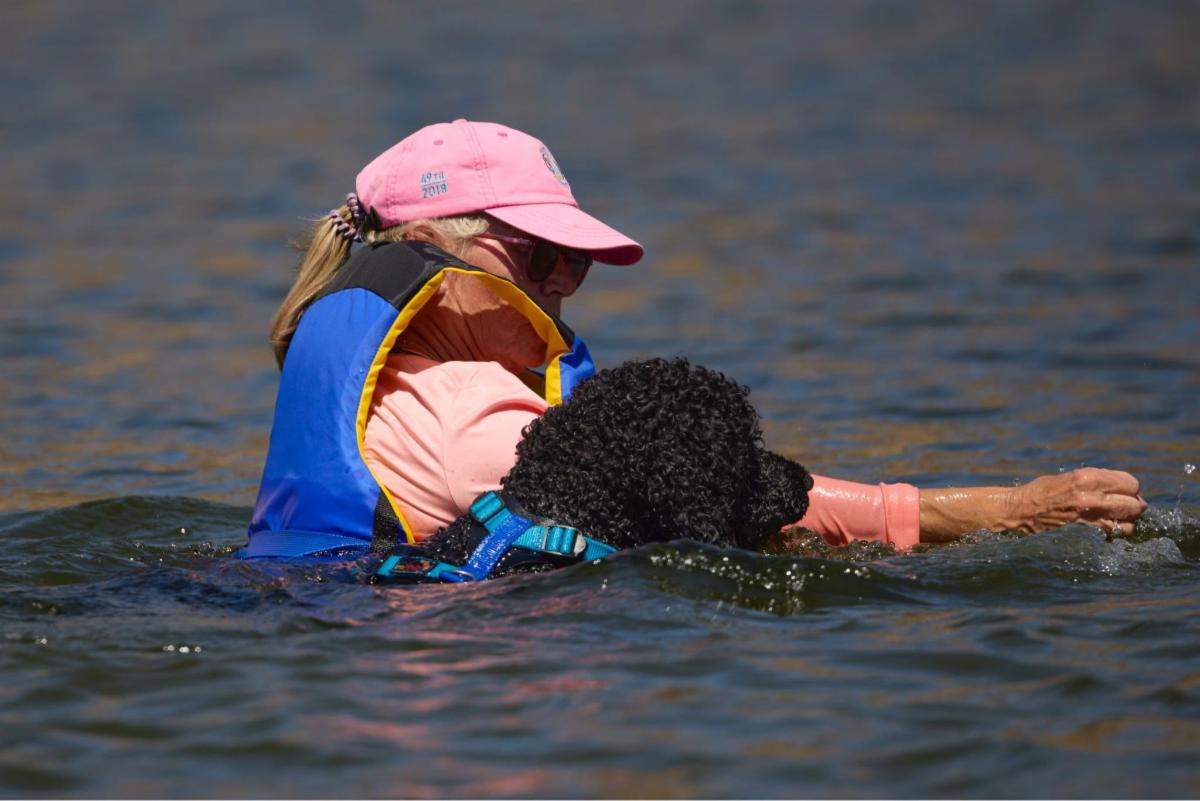
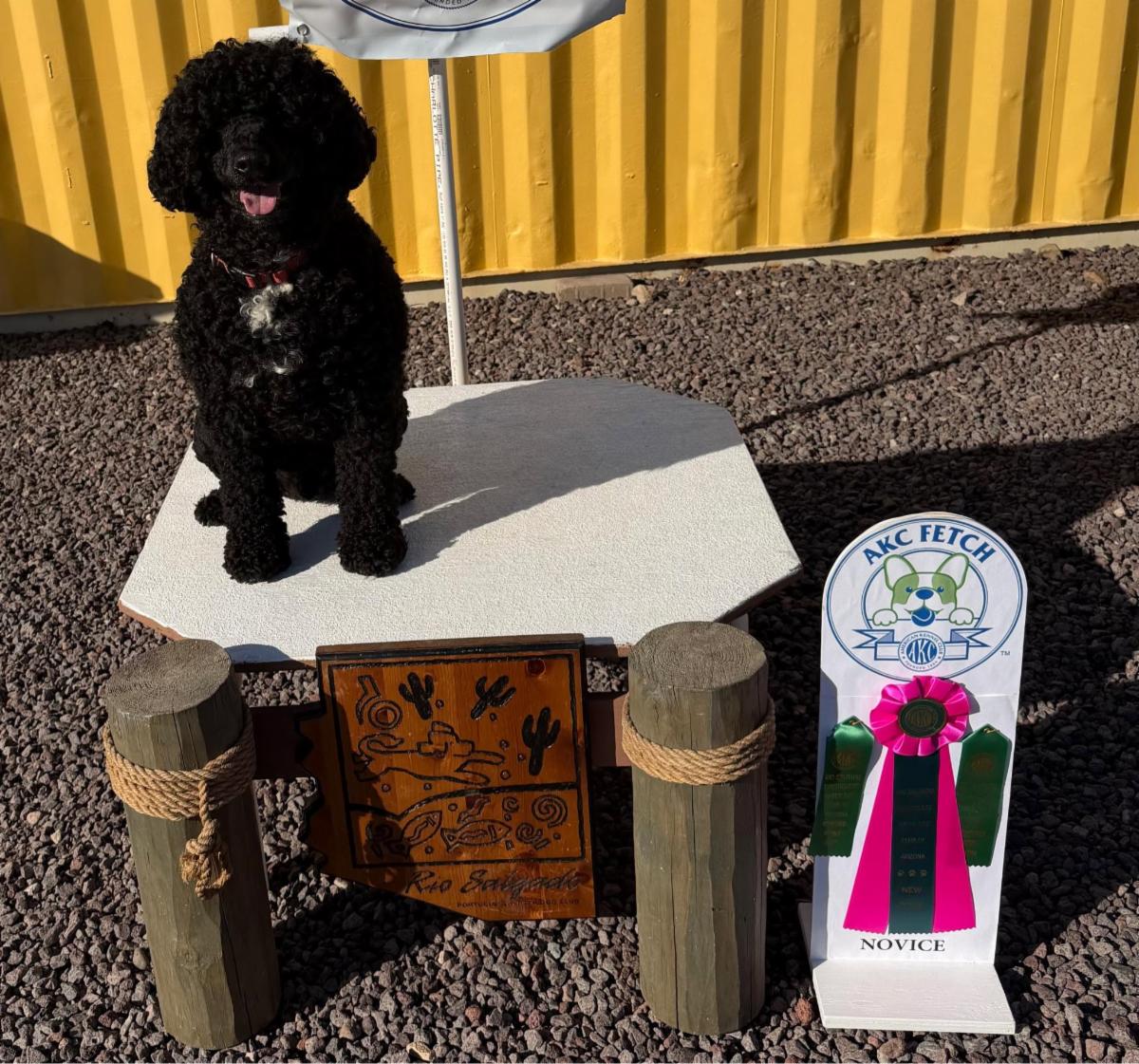
CH Avida's Sea-Zar Augustus SWE SCEE CGC TKN FTA
'Augie'
| | |
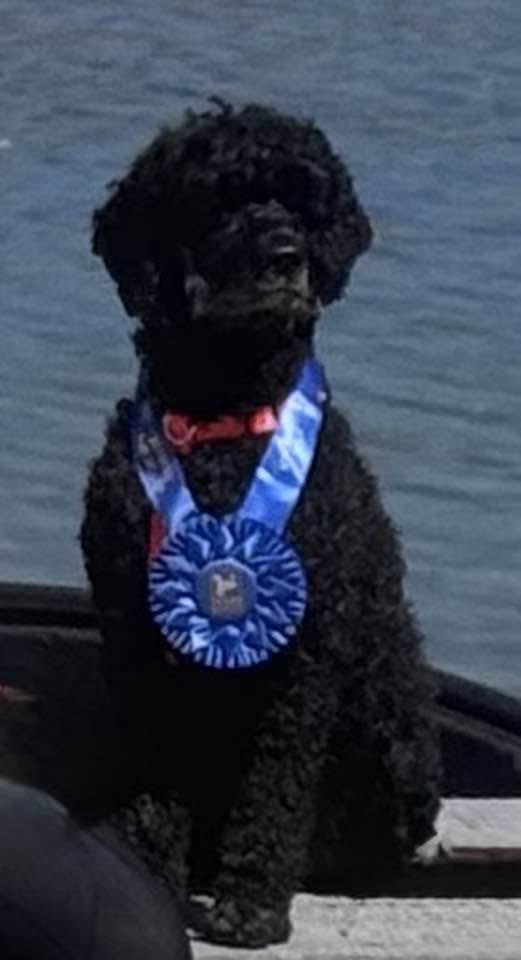
'This guy! I was looking for another Therapy Dog and got a sports enthusiast.
Therapy, Conformation (CH), Water trialing (Apprenticeship), AKC Scent work (Masters), Fetch, NACSW (NW2), Agility (work in process), cat lover and all around companion.'
| | |
SHOWTIME!
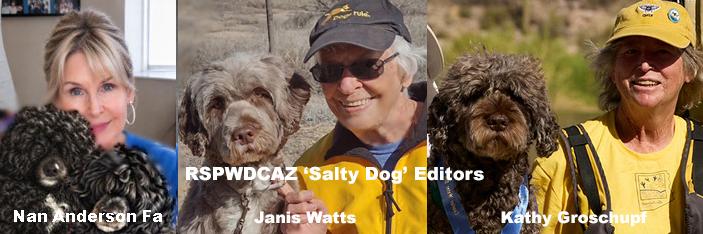
-Janis Watts, RSPWDCAZ Member, Salty Dog Co-editor
| | |
Hooray, YeeHaw & Yahoo! Summer has finally melted away and Fall fell into our laps with the hope for cooler weather. And along with the Fall season comes one of our favorite pastimes, DOG SHOWS! Yep, it’s time to launder those special show ring outfits, dust off our PWDs and get ready for the run for blue ribbons show. And with that comes preparation; getting our dogs groomed, ring ready and focused. But, that’s not all… Are You Ready??
Presenting your dog in the show ring before multiple outside onlookers, (critics?), other competitors with their dogs, and before a judge who will determine if your dog is worthy of that blue ribbon, is not nearly as easy as it might look. A huge amount of time, effort and energy can be spent in getting ring ready, not to mentioned getting your dog bathed, groomed and ready to be a show dog. And, having spent many years attending handling classes and seminars, reading books and actual owner handler ring experience, I have a few thoughts and tips on the process that I would like to share.
Ring Ready: By ring ready I mean are you prepared to compete with the professionals, is your dog squeaky clean, groomed to the Standard and understands what a show ring is all about? To do that, try to attend handling classes conducted by a professional handler, if classes are not available practice stacking and moving your dog so that you both are comfortable with a good movement and placement at the stack. Learn to stack quickly, you may find yourself at the front of the line and some judges can seem a bit impatient while waiting for you to get it just perfect.
Appearance: Yes indeed, appearance is important for both you and your dog. Wear nice, clean, and functional (pockets) clothing. Many men wear suits, but not required. Ladies are good with a nice dress but PLEASE, not too short, and are also okay with a pair of slacks. Just be sure to keep it clean and neat, (leave your tiara at home). Also, I think it is important to mention that how you dress is just as important in other venues where you are presenting you dog for whatever reason, i.e. Obedience, Rally, Scent Work, etc. The same pretty much applies to your canine companion, a nice grooming clip within the AKC Standard and a good bath and conditioning agent will work. Judges do not care to examine dogs that are not clean.
Stacking & Moving: So now you are ready for the show and it’s time to go into the ring. If you happen to be first in line, when you enter let the judge give you instructions on what he wants. Usually it is just one time moving around the ring and then stack your dog where he has indicated. And, if you are first, this is where all that practice comes in handy because it is great if you are able to have your dog stacked and ready for the judge’s examination when he turns to you. If your dog is fidgety and keeps losing the stack, just do your best to have a good front/back stack on the judge’s side. You can worry about the rest later. Know how to do a quick efficient method to show the bite to the judge. Once the judge has finished with the exam, he will instruct you ‘move’ your dog and will give you directions on which diagram he prefers, triangle, down and back to corner, straight down and back or inverted L. Usually it is the corner down/back. Whatever the judge asks you to do, do not hurry, and go with the pace that makes your dog look good, the movement you have been practicing. Judge will then instruct you circle the ring to end of line and again, move your dog at its best pace, keeping a quick glance at the judge and ending with a nice self- stack if possible.
When it comes to moving your dog you always want give the best performance you can and that means moving with a graceful effortless pace that suits your dog’s abilities best. This takes a lot of practice and can best be learned at handling class with a professional dog handler instructing you. Remember, while it is very important to keep an eye on the judge while moving your dog, just don’t stare at the judge with that silly, pick me, pick me smile on your face! And, while checking in with the judge, it is equally, no, even more important, to keep an eye on your dog and its movement. So often I have seen handlers proudly parading around the ring, staring the judge down, while their dog is moving along and pacing its little heart out! Don’t go there. And lastly, whatever you are doing, keep an eye on the judge! You never know when they will give a glance now at then back at you, because they just might be considering you for the blue ribbon!
So in closing, I know many of my RSPWDC friends have been showing their PWDs for many years and have an abundance of experience in the ring and if what I have written has offended you, I apologize as I know that you have done very well with your dogs in the show ring. Mainly, I wrote this for those who are relatively new to dog shows and hope that it proves helpful in some small way. I do not claim to be an expert by any means, far from it. However, having been involved in showing my own dogs mostly in the bred-by class to Champion and Grand Ch, for close to 40 years, I will claim to be someone with a bit more background and experience. OH, and the oldest!
| |
The Word You Never Want to Hear. . . 'Hemangiosarcoma'
-Nan Fa, RSPWDCAZ Member, Salty Dog Co-editor
| | |
This article has been written and shared by Meagan Wojtysiak, Kelly Makielski, DVM, MS, DACVIM (Small Animal Internal Medicine) Animal Cancer Care
and Research Program, University of Minnesota, St. Paul, MN
While there are many forms of cancer in dogs, one of the more common canine cancers is hemangiosarcoma (HSA). In fact, it is estimated that one in four dogs will be diagnosed with cancer in their lifetime, and hemangiosarcoma is listed as one form of cancer commonly seen by veterinarians, according to the Veterinary Cancer Society. hemangiosarcoma is a cancer of cells that build blood vessels. This can be a major problem for organs that have large blood vessel networks, such as the spleen, liver, and you guessed it–the heart.
Risk for the Portuguese Water Dog
As previously discussed in the cancer overview summary, cancer is an evolving disease that is hard to detect, this also means diagnosing hemangiosarcoma can be difficult. This stresses the importance of having a good, working relationship with a veterinarian you trust and one that knows your Portuguese Water Dog. If the disease is present, a veterinarian can reach an hemangiosarcoma diagnosis using a thorough history that may include changes in appetite or fluctuations in weight, unexplained bleeding episodes or weakness, and/or difficulty breathing; in combination with physical changes on examination such as subtle changes in your dog’s anatomy from swellings or even pale mucous membranes (such as their gums). Diagnosing cancer is something veterinarians do not take lightly, so they will encourage a complete work-up that may include a variety of diagnostics such as lab tests and advanced imaging.
Even though the American Animal Hospital Association (AAHA) has stated that PWD are one of the commonly affected dog breeds when it comes to hemangiosarcoma, it is becoming apparent that this cancer is a common disease that affects most dogs and is not limited to specific breeds. If you are questioning the role of your dog’s breed in the development of cancer, keep in mind that the fact your dog is a PWD does not overtly increase the odds of developing cancer in general or hemangiosarcoma in particular. Every aging dog is at risk for developing cancer and the best person to talk over your concerns with is your veterinarian.
Treatment Options and Prevention
Treatment options for hemangiosarcoma are difficult and dependent on how the disease manifests. More times than not, hemangiosarcoma is diagnosed after an emergency surgery as a result of a ruptured internal tumor (very commonly found on the spleen). While in surgery, the source of the bleeding is stopped, and the tumor and spleen are also removed. While this cancer is often terminal, 10-20% of dogs affected with hemangiosarcoma are expected to do well for months to years following removal of the spleen, especially if the surgery is followed with adjuvant chemotherapy to keep any lingering residual tumor cells at bay.
Dog owners, and in particular those who have had a previous dog affected by hemangiosarcoma, commonly ask the same question regarding prevention. That question is, should I have my dog’s spleen removed to prevent hemangiosarcoma? The answer is categorically, NO! The canine spleen is an important immune and blood-storing organ. It is not present just for show. In addition to the risks of removing a healthy spleen, because the hemangiosarcoma cells seem to originate in blood forming organs (like the bone marrow), if they can’t find a home in the spleen, they will simply go somewhere else, which in all likelihood will be harder to treat.
Perhaps a simpler option is to ask the veterinarian to have bloodwork reviewed annually by a pathologist as part of the dog’s yearly (or semiannual) health checks. There are certain characteristic abnormalities in some types of cells, such as red cells and platelets, that can clue in the pathologist to the possible presence of some forms of cancer, even before the tumor is visible. But again, this is neither sensitive nor specific. Both imaging and blood tests are routine and accessible, but neither is inexpensive.
Prognosis – After the Diagnosis
Many factors affect the mortality associated with hemangiosarcoma, none the least of which is the relative capacity of the human family members to tolerate bleeding episodes versus the decision to have the dog euthanized. The heart-wrenching decisions of whether and how to treat a dog with hemangiosarcoma are individual and what works best for one dog and their family may be very different from what works well for other dogs and their families. As mentioned above, the individual options will vary depending on the situation, so lean towards the guidance of your veterinarian; and if your dog develops hemangiosarcoma, consider allowing them to participate in legitimate, controlled clinical studies.
If you haven’t done so already, you are encouraged to read through our cancer overview article to understand this disease overall. Other articles on this website address some other forms of cancer that you may find informative.
| | |
Estate Planning for Your Dog
-Nan Fa, RSPWDCAZ Member, Salty Dog Co-editor
| | |
In the current Fall/Winter edition of The Courier, the official publication of the PWDCA, INC., there was a wonderful article about 'Estate Planning' by Lisa Curry.
If you missed the article, here is a 'cliff note' version to get you started thinking about the future care of your PWDs.
Planning for your dog’s care is a wonderful way to make sure your beloved companion is safe, loved, and financially provided for if you become ill, enter a care facility, or pass away.
Ways to protect your dog
-
Choose a permanent caregiver. Name a trusted family member or friend who agrees to take your dog. Choose a backup caregiver, too, in case your first choice cannot help.
-
Set up a pet trust. A pet trust can set aside money specifically for your dog's food, veterinary care, grooming, boarding, medications, and other needs. You appoint someone to manage the money and someone to care for your dog.
-
Include your dog in your will. Your will can name the person who should receive and care for your dog and can coordinate with your other estate-planning documents. A will alone may not provide immediate care or dedicated funding.
-
Prepare emergency instructions. Keep your veterinarian's information, medications, feeding routine, microchip details, and caregiver contacts somewhere accessible. Tell a trusted person where to find them.
How much money should you set aside?
Consider your dog's expected remaining lifespan and annual expenses.
Annual expense/example estimate
- Food and treats $600–$1,200
- Routine veterinary care $300–$800
- Grooming, supplies and boarding $300–$1,000
- Emergency veterinary reserve $1,000–$3,000+
These are illustrative estimates, not local quotes. A starting fund of several thousand dollars may be appropriate, with more for older dogs or those with ongoing medical needs.
If you live in Arizona
Arizona law expressly permits trusts for the care of designated pets. The trust can specify how funds must be used and who is responsible for enforcing your instructions.
Read the official statute: Arizona Revised Statutes § 14-2907.
For a formal plan, an Arizona estate-planning attorney can coordinate the pet trust with your will, living trust, and other documents.
| |
Canine Cognition Studies at the University of Arizona
-Kathy Groschupf, RSPWDCAZ Member, Salty Dog Co-editor
| | |
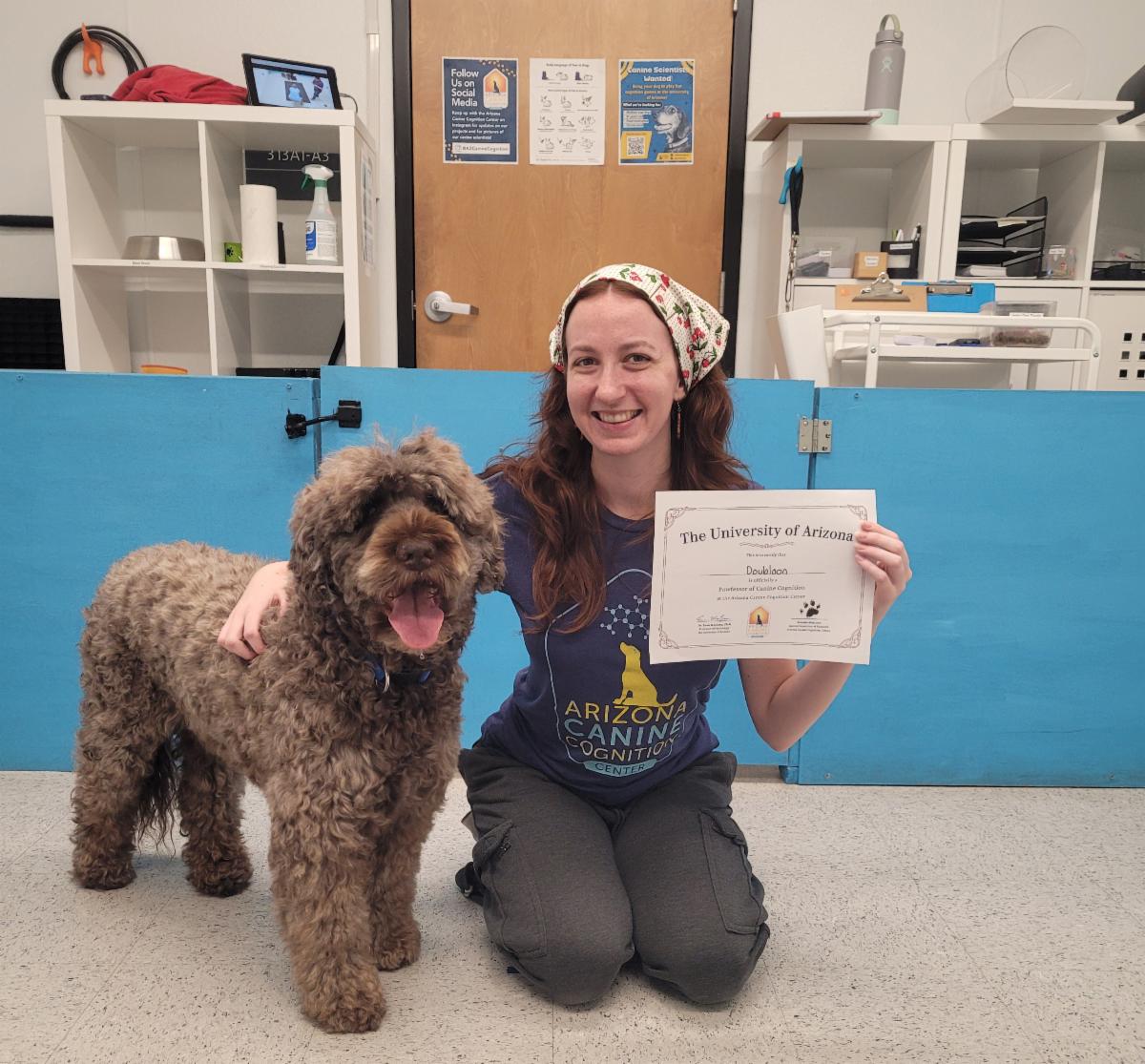
Doubloon has been participating in Canine Cognition studies at the University of Arizona for many years. Last April, he earned his "Dogtorate" Certificate, and in October he earned his "Pawfessor" Certificate.
ATTENTION TUCSON RSPWDC MEMBERS: The researchers are looking for more dogs to participate in their SIGNAL studies (Neurocognitive Aging and Longevity). They are looking for dogs that are 8+ years old.
| |
Dogs and Snakebites:
Prevention, Recognition, and Treatment
| | |
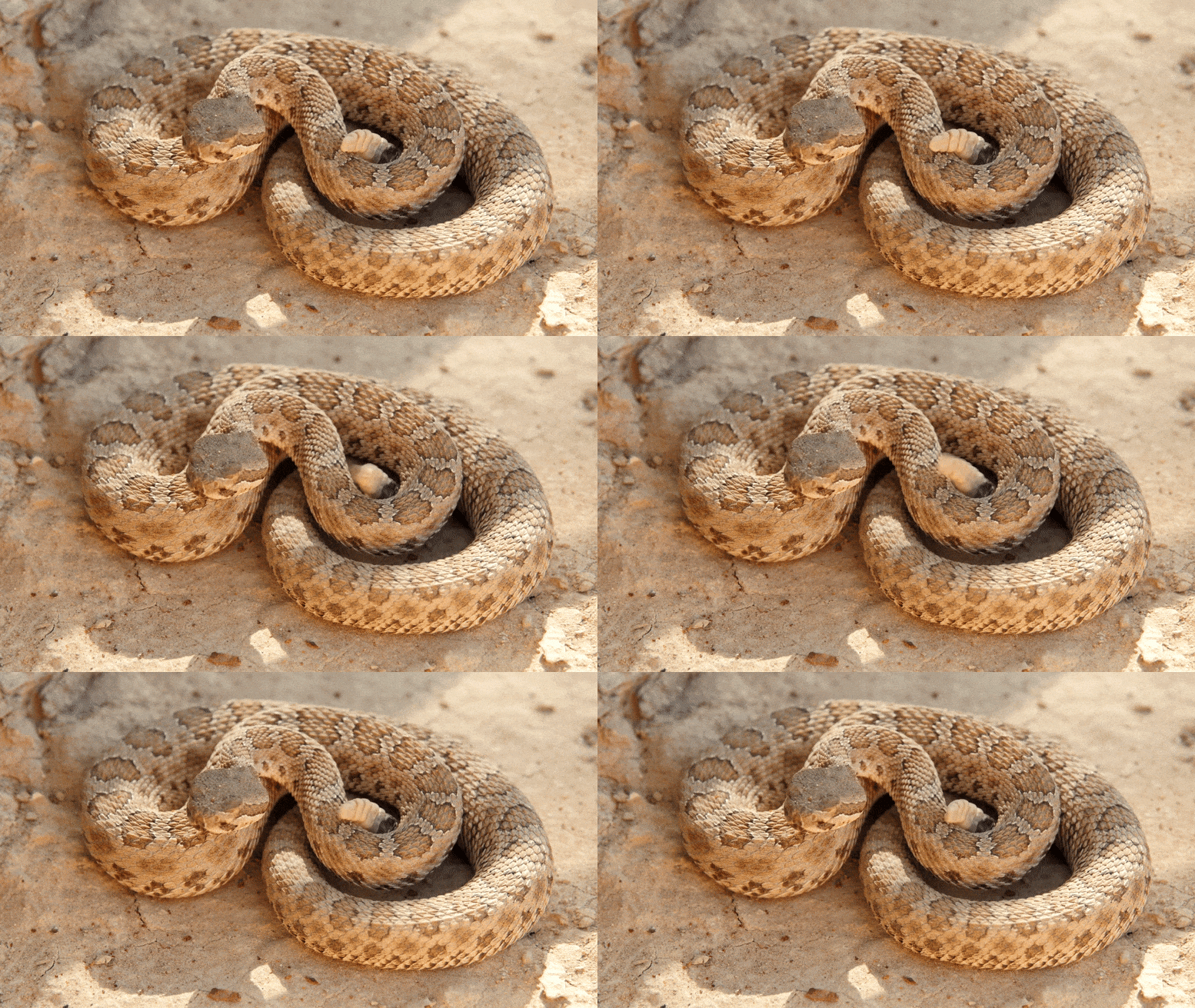
For dog owners, breeders, trainers, and anyone who enjoys spending time outdoors with their canine companions, few encounters are more frightening than a snakebite. Whether walking a dog on a country trail, exercising in the backyard, hunting in the field, or participating in outdoor dog activities, the risk of encountering a venomous snake should never be ignored. Understanding how to prevent snakebites, recognize the warning signs, and respond appropriately can save a dog's life.
Understanding the Danger
Venomous snakes are found throughout much of the United States. Rattlesnakes, copperheads, and cottonmouths are among the venomous species responsible for bites in North America. The particular risks depend on the region, climate, season, and local snake population.
Dogs are naturally curious. Their instinct to investigate unfamiliar sights, sounds, and smells may lead them directly toward a snake. Some dogs will bark at, paw at, or attempt to attack a snake, placing their faces and noses within striking distance. Other dogs may encounter a snake while sniffing through tall grass, exploring brush, or investigating rocks and fallen branches.
A venomous snakebite can cause severe pain, swelling, tissue destruction, blood-clotting abnormalities, shock, and, in some cases, death. The severity depends on the snake species, the amount of venom injected, the location of the bite, the dog's size and health, and how quickly veterinary treatment begins.
It is important to remember that not every snakebite injects venom. However, owners should never assume that a bite is harmless simply because the dog initially appears normal.
Prevention Is the First Line of Defense
The most effective way to protect a dog is to reduce opportunities for contact with snakes.
1. Keep dogs under control outdoors. When walking in areas known to contain venomous snakes, use a leash rather than allowing the dog to roam freely. Stay on established trails and avoid tall grass, dense brush, rock piles, and areas where snakes may hide.
2. Maintain a snake-resistant yard. Keep grass trimmed, remove accumulated leaves and debris, and reduce clutter around sheds, garages, woodpiles, and outbuildings. Store firewood neatly and avoid creating hiding places that attract rodents, which can in turn attract snakes. Seal openings that may allow snakes to enter buildings.
3. Be especially cautious during warm weather. Snakes are often more active during warmer periods, although activity varies by species and climate. In desert regions, snakes may be encountered during warm evenings and nights as well as during the day. Check the area before allowing a dog into unfamiliar outdoor spaces.
4. Train dogs to avoid snakes. Dogs can benefit from training that teaches them to disengage from unfamiliar wildlife and return to their handler when called. Specialized snake-avoidance training may also be available in areas where venomous snakes are common. Training should be conducted safely by experienced professionals and should never involve deliberately placing a dog in danger.
5. Consider vaccination with veterinary guidance. A rattlesnake vaccine is available for dogs in some areas. However, it should not be considered a substitute for avoiding snakes or obtaining emergency care. Owners should ask their veterinarian whether vaccination is appropriate for their dog's location, activities, and individual risk. The vaccine does not eliminate the possibility of serious envenomation or the need for antivenom.
6. Prepare before an emergency occurs. Identify the nearest veterinary emergency hospital that treats snakebites and keep its telephone number readily available. If you frequently travel with your dog, research emergency veterinary facilities along your route. Preparation is particularly important when hiking, camping, hunting, or visiting remote areas
Recognizing the Signs of a Snakebite
Sometimes an owner witnesses the bite. In other cases, the first indication may be a sudden yelp, unexplained pain, or rapidly developing swelling.
Possible signs of a venomous snakebite include:
- Sudden pain, crying, or distress.
- Swelling of the face, muzzle, legs, or other affected area.
- One or more puncture wounds, sometimes hidden beneath the hair.
- Bruising, discoloration, or bleeding around the wound.
- Weakness, lethargy, or difficulty walking.
- Drooling, vomiting, or collapse.
- Pale gums, rapid breathing, or difficulty breathing.
- Unusual bleeding or other signs of shock.
The absence of obvious fang marks does not rule out a bite. Thick fur may conceal the wound, and symptoms can vary depending on the snake and the amount of venom injected. Some dangerous effects may not be immediately apparent.
A bite to the face, tongue, or neck is especially concerning because swelling may interfere with breathing. Nevertheless, a bite anywhere on the body should be treated seriously.
What to Do If Your Dog Is Bitten
Treat every suspected venomous snakebite as a veterinary emergency. Do not wait for symptoms to worsen.
First, move yourself and your dog away from the snake without attempting to capture or kill it. Your safety matters, too.
Next, keep your dog as calm and still as possible. Activity can contribute to the spread of venom through the body. Carry the dog if you can do so safely, rather than allowing it to walk to the vehicle. Call the nearest emergency veterinarian while arranging immediate transportation. Tell the clinic that you suspect a snakebite so the staff can prepare for your arrival.
If you can identify the snake from a safe distance, relay its appearance to the veterinarian. A photograph taken without approaching the snake may be helpful. Never risk another bite trying to identify, handle, or transport the snake.
Do not waste precious time attempting home remedies. Avoid cutting the wound, sucking out venom, applying ice or heat, using electrical shocks, or applying a tourniquet. Do not give human pain medications, antihistamines, or other drugs unless specifically directed by a veterinarian. These measures may cause harm or delay effective treatment.
The most important first-aid measure is rapid transportation to veterinary care.
Veterinary Treatment and Recovery
Treatment depends on the suspected snake species, the dog's condition, and the severity of envenomation. At the veterinary hospital, the team will assess breathing, circulation, pain, swelling, and other signs of systemic injury.
Treatment may include intravenous fluids to support circulation, appropriate pain medication, oxygen or other emergency support when necessary, and blood tests to evaluate clotting and organ function. Some dogs require hospitalization and close monitoring because complications may develop or progress after the initial bite.
Antivenom is the specific treatment used to neutralize susceptible snake venom. When indicated and available, it can be lifesaving. Early administration is generally preferred, so prompt veterinary evaluation is essential. Additional doses may be necessary in severe cases.
Veterinarians may also provide wound care and monitor for tissue damage, bleeding disorders, kidney injury, and other complications. Antibiotics are not automatically required for every snakebite; the veterinarian will determine whether they are appropriate. Recovery may take days or weeks, depending on the severity of the injury, and some dogs need follow-up examinations or additional wound care.
The outlook varies. Many dogs recover with prompt, appropriate treatment, while severe envenomation can result in permanent injury or death. Owners should follow the veterinarian's instructions carefully, restrict activity as advised, and attend all recommended follow-up appointments.
The Importance of a Prevention Plan
Every dog owner should develop a practical plan for reducing snakebite risk. This includes maintaining the property, supervising outdoor activities, training a reliable recall, carrying a leash, and knowing where to obtain emergency veterinary treatment.
For breeders, exhibitors, hunting-dog owners, and members of dog clubs, education is particularly valuable. Dogs often travel to unfamiliar properties and outdoor venues where local wildlife may be different from what they encounter at home. Sharing information about regional snake species, seasonal risks, and emergency procedures can help protect both dogs and their handlers.
In conclusion, snakebites are frightening, potentially life-threatening emergencies, but informed preparation can make a meaningful difference. Prevention begins with awareness, supervision, environmental management, and appropriate training. Recognizing the warning signs and seeking immediate veterinary attention are essential if a bite occurs.
Above all, remember one simple rule: when a snakebite is suspected, do not wait and see what happens. Keep the dog quiet, contact an emergency veterinarian, and get professional treatment as quickly as possible.
A few minutes spent preparing in advance may make all the difference when a beloved canine companion needs help.
| | |
Why Do Some People Not Like Their PWD
Called a 'Portie'?
-Nan Fa, RSPWDCAZ Member, 'Salty Dog' Co-editor
| | |
"At a recent PWDCA TIC, Technology & Internet Committee, meeting, there was a long discussion on how to direct more traffic to its website. Many people when they are researching Portuguese Water Dogs seem to be guided to websites using the key word, 'Portie.'
Simply said, because PWDCA does not like the term 'Portie' it is not a word used on their website... Hence, less people are not directed to the official Portuguese Water Dog site.
There are ways to work around this, but it brings up the question; Why is 'Portie' not the preferred name for our breed?
After doing a little research myself, this is what I discovered..."
Some long-time owners and breeders of Portuguese Water Dogs (PWDs) dislike the nickname "Portie" because they consider it a bit "blasphemous" or overly casual, preferring the formal breed initials or "Portuguese".
Why Some Dislike "Portie"Tradition and Respect:
- Long-time fanciers and veteran breeders view "Portie" as a cutesy, lesser nickname that detracts from the dignity of a serious working breed.
- Preferred Terminology: Within traditional breed circles in the U.S., the accepted shorthand is simply "PWD" or calling them a "Portuguese".
- Newcomer vs. Insider Divide: Using "Portie" is often seen as a sign of being newer to the breed or unfamiliar with its established history and community standards.
| |
| What are your thoughts when you hear the term 'Portie'? | | | | | | |
Congratulations Snap!
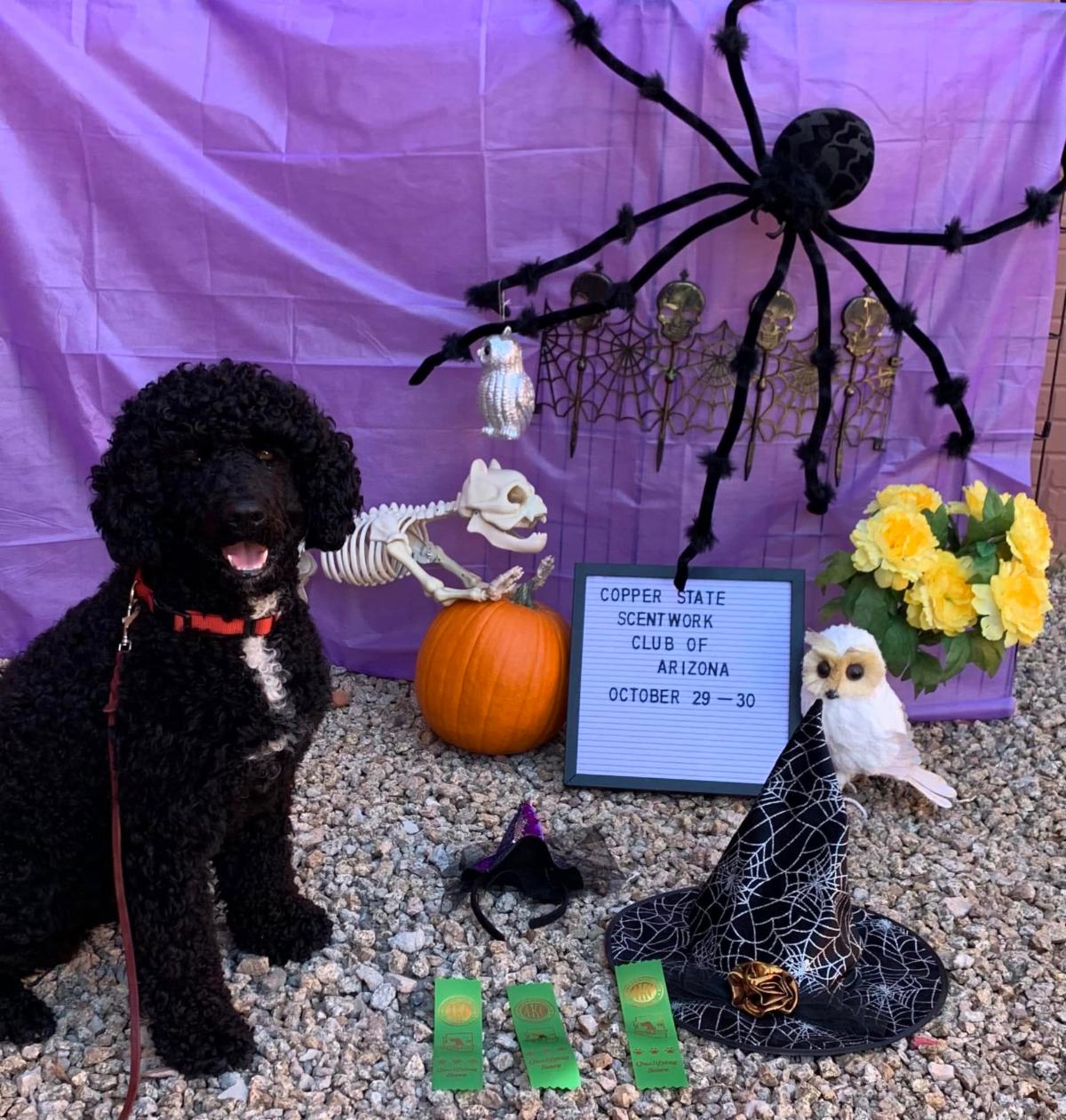
All 3 of my dogs had very good moments and Snap got it all right on the same day and brought home a beautiful Working Water Dog ribbon.
Thank you SCPWDC for another great trial weekend. We always have a great time with friends and enjoy the smoothly run trials!
-Lauren McDermott
| | | | | |
Congratulations
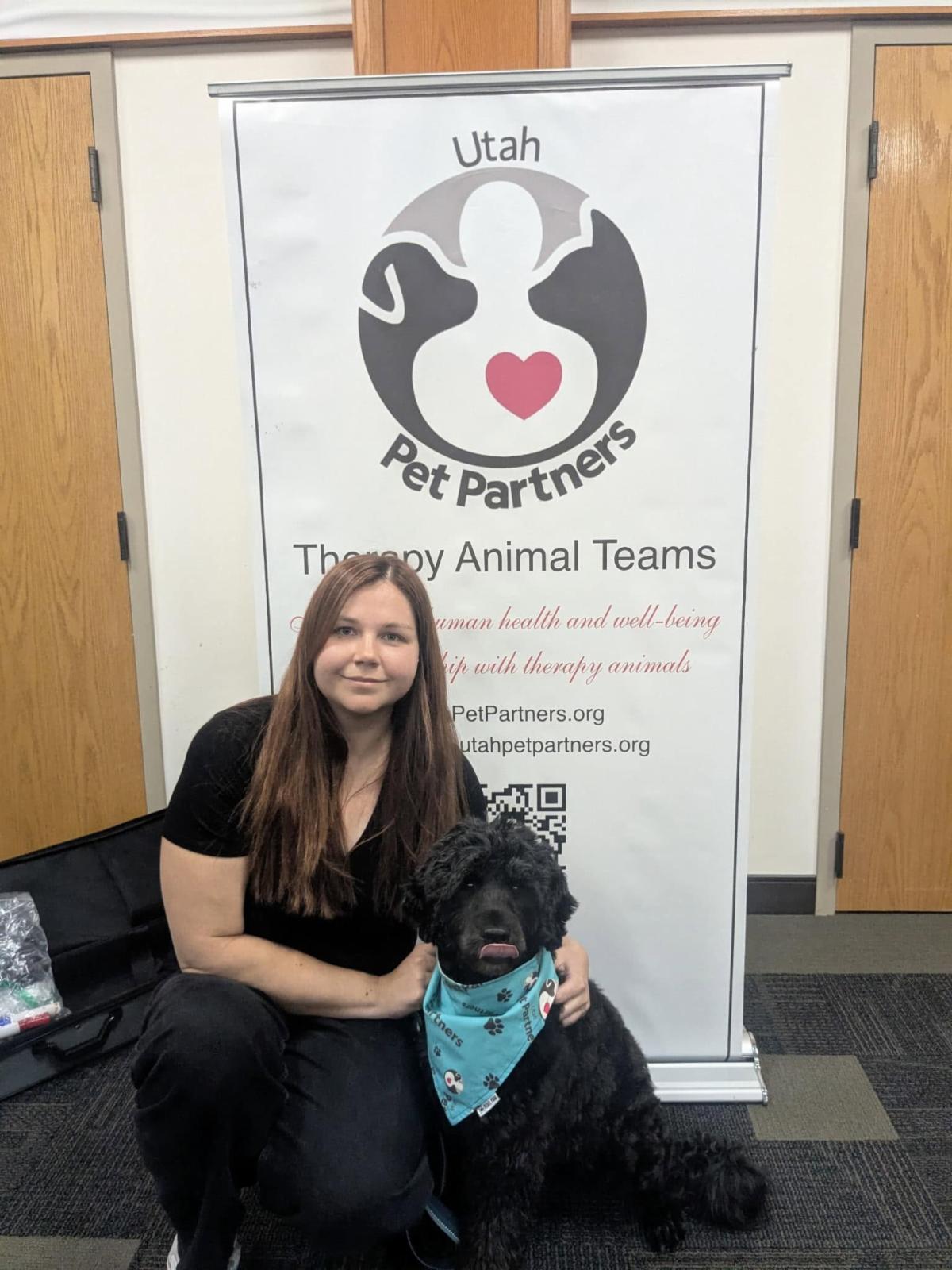
'Tilly' is a New Therapy Dog!
We passed our therapy team
evaluation. I couldn’t be more proud of Tilly, she is the bestest girl.
Thank you Therapy Animals of Utah for having us!
GCHB CH Ikon Chantilly Creme And A Vanilla Bean RI BCAT DN CGCA CGCU TKI ATT VSWB FITB FTI
-Lea Minarikova
| | |
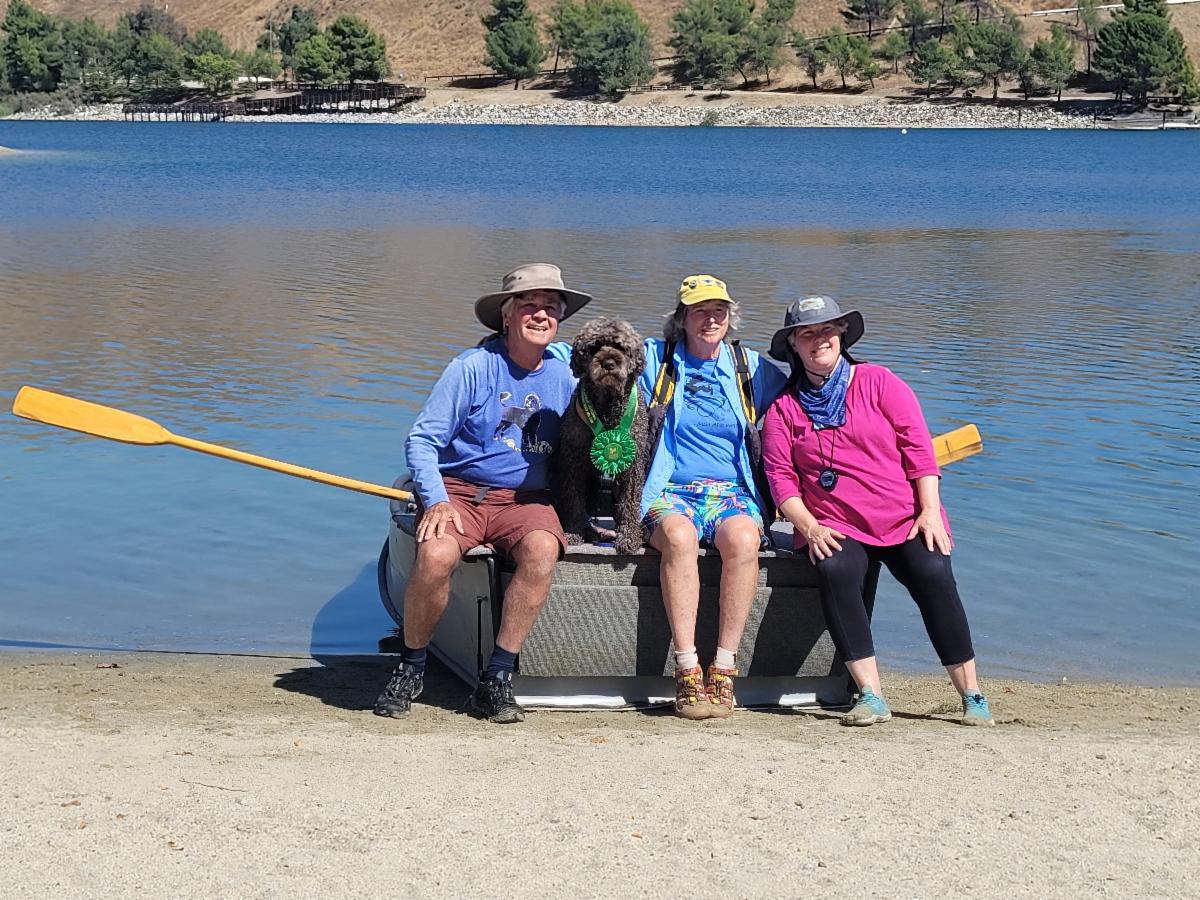
Doubloon, Frank, & Kathy Master's Practice
Without a Boat!
Here is how we practice the PWDCA Water Trial Master exercises with no water, no boats, no rowers, no land stewards. Just the two of us and Doubloon at TimBuckTwo!
| |
New CWDX Title!
After earning his CWDX title at the Texas water trials in May, Doubloon passed Masters package A and Masters package B at the Southern California water trials in September.
He is the first RSPWDC dog to pass a Master's level water trial!
Now he has to pass three more times to earn his Master PWD water title... totaling 5 passes.
Good Luck Doubloon!
| | |
Congratulations Doubloon!
-Frank Baucom & Kathy Groschupf
| | | | |
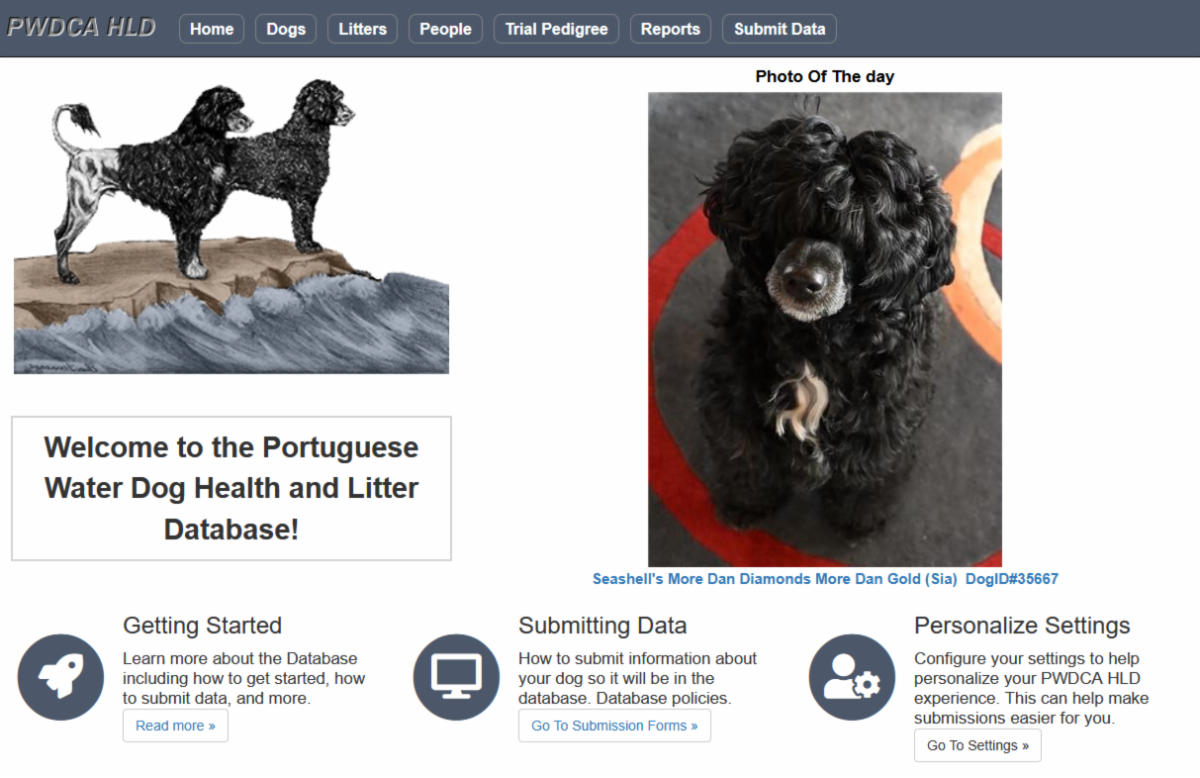
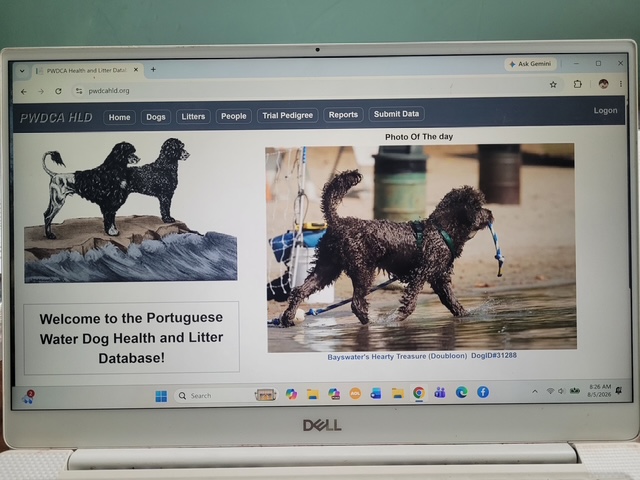
Sia & Doubloon Featured as 'Photo of the Day' on the PWDCA HLD
Website!
The Health & Litter Database (HLD) contains dog and health information provided by owners and breeders of registered Portuguese Water Dogs. The database allows members to research dogs, provide dog and health information, view and print reports, as well as enter a new litter. Access is available to all PWD owners and breeders.
The PWDCA Health & Litter Database is open to the public with very limited access to specific dog, litter, breeder and owner information. Detailed information is accessible by becoming a Participating member.
For more information see the HLD Database Access Policies
-Nan Fa & Kathy Groschupf
| | | |
Congratulations Rumi!
Oh Rumi girl!
What a great pup you’re.
Rumi is now Junior Water Dog!
Thank you Colorado Portuguese Water Dog Club for putting this trail together.
GCH CH Rumor Has It She Is an Ikon JWD RN BCAT CGCU TKI ATT VSWB FITB FTI
-Lea Minarikova
| | | | | |
Congratulations Jack!
BISS GCHB CH Seashell's Everybody Talkin' About Me
Jack was at the PWDCA National at the World Equestrian Center, Ocala, Florida and did a fantastic performance.
His fabulous handler Katelyn Ford was by his side.
Owners: Pam Francis & Linda Otey
Bred by Linda Otey
-Pam Francis
| | | |
RSPWDCAZ Club Officers
President: Janis Welsh
Vice President: Gail Gomez
Recording Secretary: Lauren McDermott
Corresponding Secretary: Sherri Horstman
Treasurer: Frank Baucom
Director: Penny Hallam
Director: Michael Fa
| |  | |
RSPWDCAZ Committee Chairs
By-Laws Review: Frank Baucom
Membership: Sharon Rollins
Rescue: Sharon Rollins
Water Trial: Lauren McDermott
Web Designer: Nan Anderson Fa
Newsletter: Nan Anderson Fa, Janis Watts &
Kathy Groschupf
Facebook: Lynn Nelson & Lauren McDermott
| | | | |