|
The Say-Do Gap
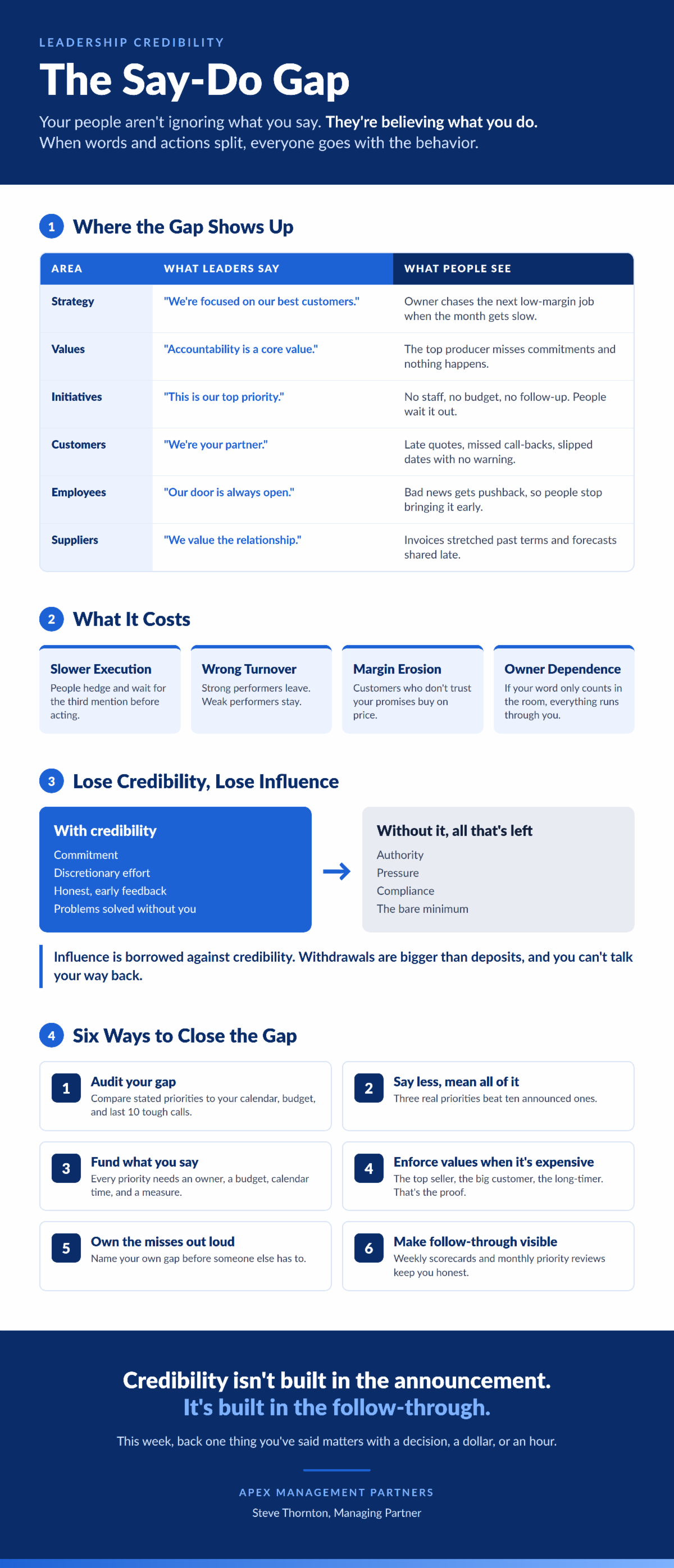
Your people aren't ignoring what you say. They're believing what you do.
Every leader has a public message and a real one. The public message is in the strategy deck, the values poster, the kickoff speech. The real one shows up in what gets funded, what gets tolerated, what gets rewarded, and where you spend your time. When the two don't match, your team doesn't split the difference. They go with the behavior. Every time.
That gap between words and actions is one of the most expensive problems in a growing company, and one of the hardest for owners to see. From the inside it feels like a communication problem. It's a credibility problem.
Where the Gap Shows Up
Strategy
"We're focused on our best customers." Then the owner jumps on the next low-margin job because a slow month makes him nervous. "We're moving upmarket." Then the sales team still gets paid on revenue, not margin, so they keep chasing the same small accounts.
A strategy that isn't backed by resource decisions is a wish. Your team learns quickly that the real strategy is whatever you do when pressure hits.
Values
"Accountability is a core value." Then the top producer misses commitments, treats peers poorly, and nothing happens because he brings in too much revenue to confront.
Every time a stated value goes unenforced, you've taught the whole organization what the real value is. In that case it's "results excuse behavior." Your best people notice first, and they're the ones with options.
Initiatives
"This ERP implementation is our top priority." Then the project lead keeps a full-time operating job, the owner skips the steering meetings, and nobody's goals change.
Initiatives that are announced but not staffed, funded, or followed up on create a cynical pattern: wait it out, and this one will go away too. After two or three of those, your next initiative is dead on arrival. Not because it's a bad idea, but because nobody believes you'll stick with it.
Customers
"We're your partner." Then the quote goes out late, the promised call-back doesn't happen, and the delivery date slips without a heads-up.
Customers don't judge you by your website copy. They judge you by your last three experiences. A missed commitment you own and explain can build trust.
One that gets buried or spun destroys it, and it shows up later as price pressure, because customers who don't trust you won't pay for your promises.
Employees
"Our door is always open." Then the person who brings up a problem gets defensive pushback or quiet consequences.
"People are our greatest asset." Then training is the first budget cut, and reviews happen when someone gets around to them.
Employees don't need perfect leaders. They need predictable ones. When words and behavior drift apart, people stop bringing you bad news early, which means you find out late, when the fix costs more.
Suppliers
"We value our supplier relationships." Then invoices get stretched past terms without a conversation, and forecasts are shared late or not at all.
Suppliers have long memories. When capacity gets tight or a material gets scarce, they decide who gets served first. Companies that kept their word get the call. The rest get the waitlist.
What It Costs
The say-do gap isn't a soft issue. It shows up on the P&L:
-
Slower execution. When people don't trust that a priority is real, they hedge. They wait for the second or third mention before acting.
-
Higher turnover of the wrong people. Strong performers leave when values aren't enforced. Weak performers stay because nothing is enforced.
-
Margin erosion. Customers who don't trust your commitments negotiate harder and buy on price.
-
Owner dependence. If your word only counts when you're in the room, everything has to run through you. That caps growth and lowers what your business is worth to a buyer.
When Credibility Is Gone, So Is Influence
Here's the hard truth: influence is borrowed against credibility. Every time your actions match your words, you add to the account. Every time they don't, you make a withdrawal, and withdrawals are bigger than deposits.
When the account runs dry, you're left with only two tools: authority and pressure. You can still make people comply. You can't make them commit.
Compliance gets you the minimum. Commitment gets you discretionary effort, honest feedback, and people who solve problems when you're not watching. Every growing business runs on the second kind.
You can't talk your way back to credibility. A better speech, a new values rollout, or a fresh strategy offsite will make it worse if behavior doesn't change first. People have already heard the words. They're waiting to see what you do.
The Bottom Line
Your team, your customers, and your suppliers are always watching for one thing: does what you say predict what you'll do?
If it does, your words carry weight, and you can lead through change, ask for more, and get it. If it doesn't, every new message gets discounted before you finish saying it.
Credibility isn't built in the announcement. It's built in the follow-through.
This week, pick one thing you've said matters and show your team, with a decision, a dollar, or an hour, that you meant it.
Question for You to Ponder
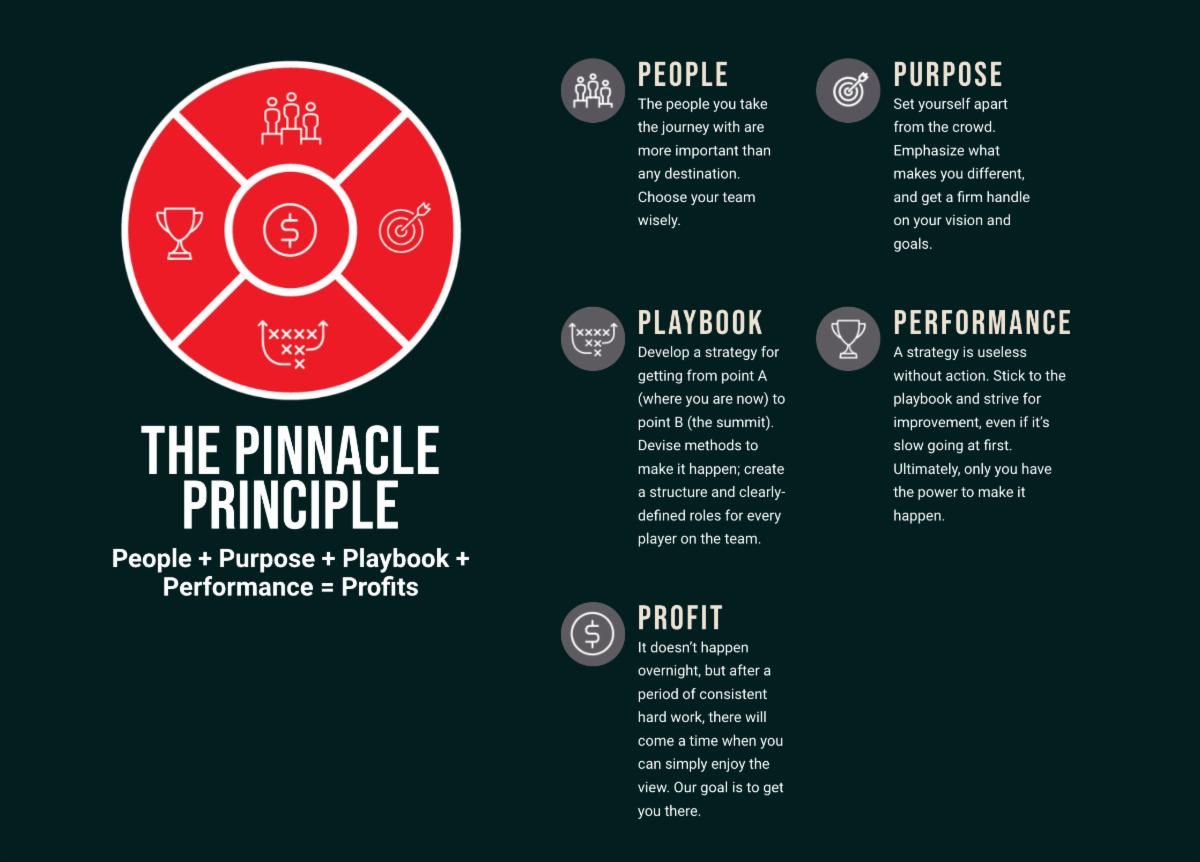
Are you ready to lead your business to its Pinnacle?
Outcome (if you act)
More valuable company, higher profit, and a better quality of life.
Call to Action
-
Ask me for a copy of the Path to Pinnacle
- Schedule a Meeting with Me
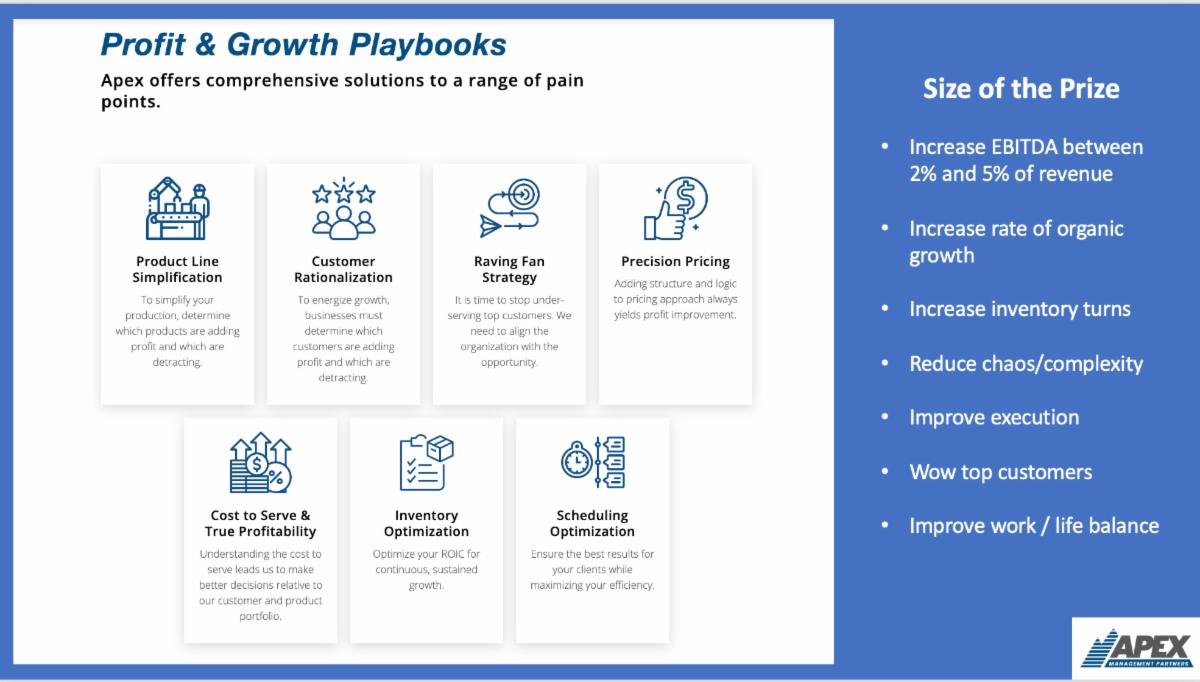
Our Mission: Accelerate Profitable Growth and Improve Execution
|