September
Suicide Prevention
Awareness Month
Recovery is possible.
| | |
September is a month of hope, healing, and action. As we observe Suicide Prevention Month and National Recovery Month (Go Purple), we recognize the importance of working together to promote mental well-being, support recovery, prevent overdose, and strengthen communities. These observances remind us that every conversation, every act of compassion, and every effort to reduce stigma helps create environments where people feel seen, heard, and supported.
At the Maryland Department of Health, we are committed to advancing a comprehensive public health approach that promotes prevention, intervention, postvention, and recovery across the lifespan. Whether addressing suicide, substance use, or problem gambling, our work is rooted in the belief that hope, connection, and access to support can change lives. Prevention is more than responding to a crisis; it begins by fostering belonging, strengthening protective factors, and creating communities where individuals feel empowered to seek help and support one another.
Ways to Connect to Hope this Suicide Prevention Month
| | |
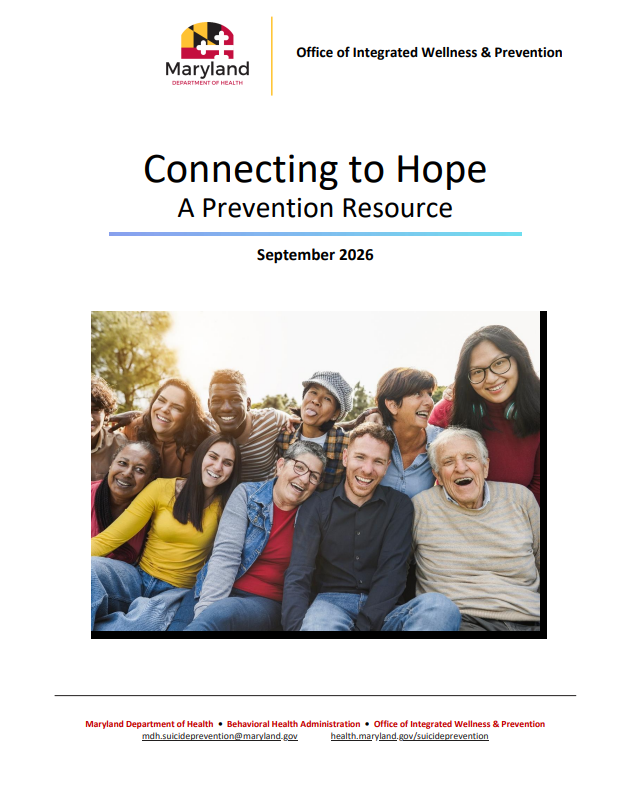
UPDATED! Connecting to Hope
The Connecting to Hope Toolkit has been thoughtfully updated to provide individuals, families, professionals, and communities with practical, evidence-informed strategies to strengthen connection, foster resilience, and promote well-being across the lifespan. Grounded in the belief that hope can be built and sustained through meaningful relationships and supportive environments, the revised toolkit offers resources to use before, during, and after periods of change.
Recent enhancements include expanded content on warning signs, risk factors, protective factors, creating safe and supportive spaces, safety planning, maintaining hope during periods of transition, strengthening community connections, and navigating behavioral health resources through the lifespan.
The updated toolkit also features a redesigned training section highlighting learning opportunities across the prevention continuum, new reflection activities, expanded wellness resources, and additional guidance on supporting individuals across the lifespan, including youth, older adults, caregivers, workplaces, and communities.
Whether you're supporting students returning to school, strengthening community partnerships, or seeking practical tools to promote hope and resilience, the Connecting to Hope Toolkit is a comprehensive resource for building safer, healthier, and more connected communities.
Check out our Connecting to Hope Toolkit for social media posts and more! If you have trouble downloading these digital assets from this newsletter, please visit our linktr.ee/mdhsuicideprevention!
Learn More:
Connecting to Hope Toolkit
| | |
Downloadable Suicide Prevention Month Assets!
Help spread the word throughout September with ready-to-use digital assets designed to support Suicide Prevention Awareness Month. Use these materials across your social media channels, websites, newsletters, and other digital communications. Additional graphics, social media posts, and downloadable resources are available in the Dropbox folder.
Participation Badges
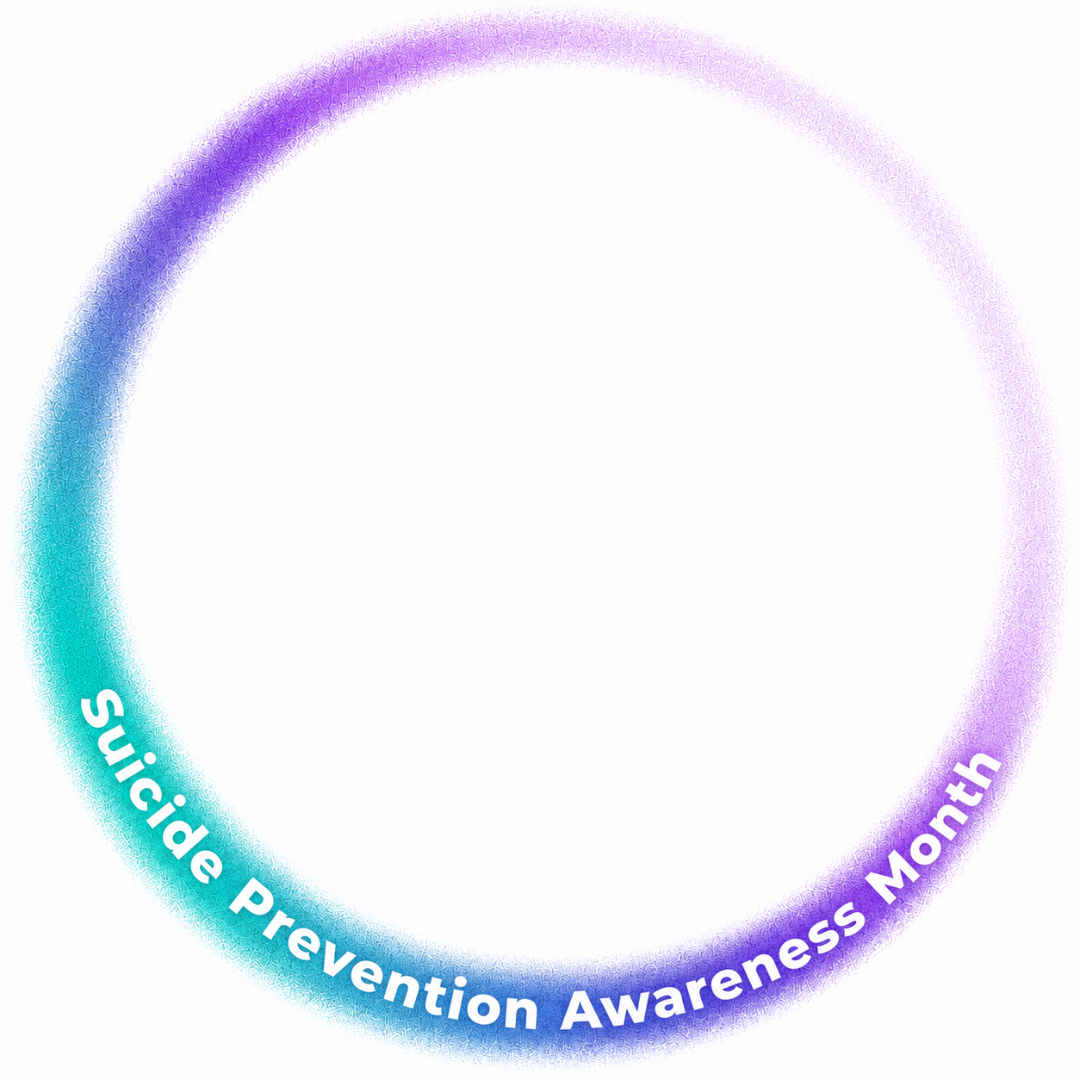
| | Suicide Prevention Month Banners & Virtual Background | | Suicide Prevention Month Digital Photo Frame | | | | Show your support for Suicide Prevention Awareness Month by adding this teal and purple frame to your social media profile picture. Simply place your photo in the center of the frame and use the finished image as your profile picture throughout September. We encourage individuals, organizations, and community partners across Maryland to use the frame to help raise awareness, show their support, and create a visible sense of connection throughout the month. | |
T-Shirt File
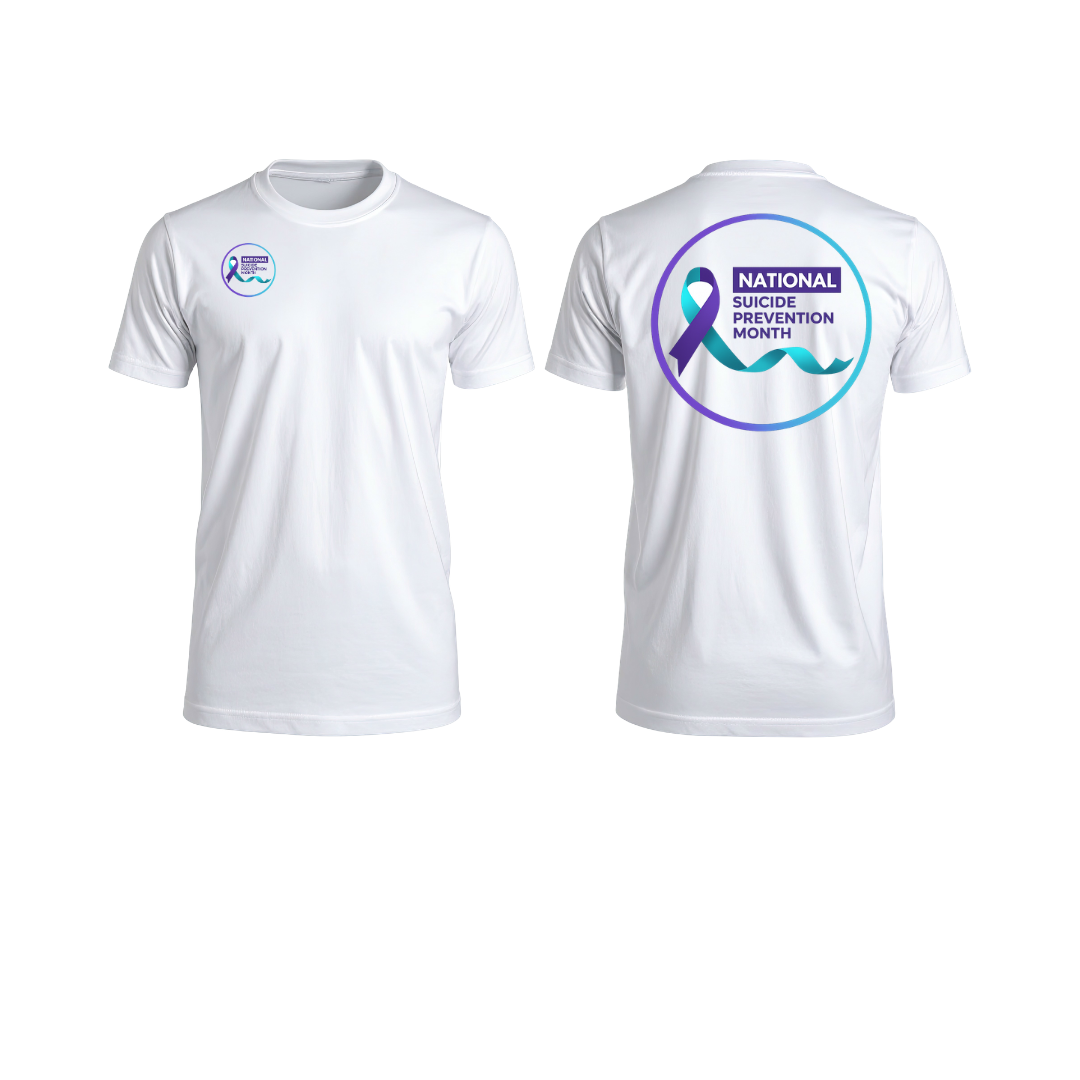
This year, we have included an SVG file that can be used to create your own Suicide Prevention Month T-shirts! The file can be used with compatible T-shirt printing, cutting, or design software, or provided directly to a local printing company. We encourage partners to wear this design during community activities throughout September to help raise awareness and show support for suicide prevention.
Please note: A preview may not appear when you open or download the SVG file. You will need to open or import the file into a compatible design or T-shirt printing program to view and use the artwork.
| | | Data Digest - Suicide Prevention: What the Data Shows | | |
Suicide Prevention Month is a time to remember that suicide prevention is not limited to moments of crisis. It happens in our homes, schools, workplaces, healthcare settings, and communities through the relationships we build, the conversations we have, and the systems of support we strengthen. While suicide is a complex public health issue with no single cause or solution, data can help us better understand its impact and identify opportunities to strengthen prevention across Maryland.
In 2024, 627 Marylanders died by suicide, representing an age-adjusted rate of 9.6 deaths per 100,000 residents [1]. The impact is not experienced equally across the state. In 2024, Southern Maryland experienced the highest average regional suicide rate at 13.8 per 100,000 residents [1]. Firearms also remain an important consideration in prevention efforts. In 2025, Maryland recorded 608 firearm-related fatalities, 52.6% of which were suicides [2]. Together, these data reinforce the importance of prevention strategies that respond to the unique needs of communities while addressing factors that can increase or reduce suicide risk.
Young people and young adults are another important focus for prevention. In 2024, suicide ranked as the second-leading cause of death among Maryland females ages 15–24 and the third-leading cause among males in the same age group, accounting for 17.8% and 15.9% of deaths within those groups, respectively [1]. Additionally, 2023–2024 National Survey on Drug Use and Health estimates indicate that 13.6% of Maryland young adults ages 18–20 reported serious thoughts of suicide [3]. These findings highlight the importance of reaching people early, strengthening protective factors, creating supportive environments, and ensuring that individuals know where and how to seek help.
Behind each of these numbers is a person, along with families, friends, coworkers, classmates, and communities who may also be affected.
Suicide prevention requires all of us. By talking openly about suicide, reducing stigma, strengthening connection and belonging, promoting safe and supportive environments, and improving access to effective care and resources, we can help create a Maryland where people feel supported before, during, and after times of crisis.
This Suicide Prevention Month, we encourage everyone to consider the role they can play in creating hope, strengthening connection, and helping make suicide prevention a shared priority throughout the year.
References:
- Maryland Department of Health, Vital Statistics Administration. (2026). Maryland vital statistics annual report 2024. health.maryland.gov/vsa/Documents/Reports and Data/Annual Reports/2024 Annual Report_v0726.pdf
- Maryland Department of Health. (n.d.). Firearm violence data dashboard. health.maryland.gov/dataoffice/mdh-dashboards/Pages/firearm-violence.aspx?utm_source
- Substance Abuse and Mental Health Services Administration. (2025). 2023–2024 National Survey on Drug Use and Health: State estimates. samhsa.gov/data/data-we-collect/nsduh-national-survey-drug-use-and-health/state-releases/2023-2024
| | |
World Suicide Prevention Day Resource Hub
Observed annually on September 10, World Suicide Prevention Day is a global initiative led by the International Association for Suicide Prevention (IASP) and co-sponsored by the World Health Organization.
The 2024–2026 campaign theme, "Changing the Narrative on Suicide," encourages individuals, communities, organizations, and governments to transform the way we talk about and respond to suicide. By shifting from silence and stigma to openness, empathy, and understanding, we can help create environments where people feel safe seeking support and communities are better equipped to respond with compassion.
Changing the narrative also means advancing suicide prevention through collaboration, education, and systems-level action. It includes advocating for policies that prioritize mental health, improving access to evidence-based care, investing in research, and recognizing that compassionate conversations about suicide can reduce stigma and encourage help-seeking. Every community is at a different stage in its suicide prevention journey, and meaningful action can begin wherever you are.
The World Suicide Prevention Day Resource Hub provides free tools and resources to help individuals, schools, workplaces, healthcare organizations, and communities participate throughout Suicide Prevention Month. Explore campaign materials, educational resources, social media graphics, outreach tools, suggested activities, and the Suicide Prevention Month 2026: Ideas for Action guide to inspire meaningful conversations, promote hope, and strengthen suicide prevention efforts throughout September and beyond.
Explore the World Suicide Prevention Day Resource Hub: iasp.info/wspd/
| | Integrated Wellness & Prevention: Trainings & Events | This Suicide Prevention Awareness Month, the Maryland Department of Health's Office of Integrated Wellness and Prevention invites you to participate in events that help you connect to yourself, connect to others, and connect to the community. Together, these events celebrate the progress Maryland has made in suicide prevention while highlighting the importance of hope, collaboration, and access to lifesaving resources. |
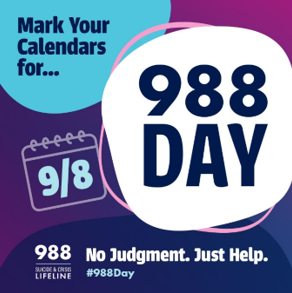
September 8 | 988 Day - Raise Awareness
Recognize 988 Day by helping raise awareness of the 988 Suicide & Crisis Lifeline. Learn how 988 connects individuals experiencing mental health, substance use, or suicide-related crises with compassionate, trained counselors and discover ways you can help spread awareness throughout your community.
September 10 | Annual Suicide Prevention Month Open House - Connect
In recognition of World Suicide Prevention Day, join us for our Second Annual Suicide Prevention Month Open House. This event will bring together partners from across Maryland to share resources, celebrate collaboration, and highlight statewide efforts that advance suicide prevention, wellness, recovery, and community connection. Attendees will have the opportunity to connect with organizations, explore prevention resources, and learn about programs that support individuals and communities across the lifespan.
September 30| 988 Webinar - Learn
Join us for a special webinar highlighting Maryland's 988 system, available resources, and the critical role the Lifeline plays in connecting people to timely support. Participants will gain a better understanding of how 988 works, when to use it, and how it strengthens Maryland's behavioral health crisis response system.
| | |
SPREAD AWARENESS:
Maryland Lights the Way for Hope
| |
On Tuesday, September 8, Maryland will recognize 988 Day by raising awareness of the 988 Suicide & Crisis Lifeline and reminding Marylanders that support is available when they need it.
Across the state, landmarks will help shine a light on 988.
Look out for purple or teal lights and messages from our Department throughout the month.
Maryland will also share special 988 messages on social media,
including a video from the Maryland Department of Health Secretary and a student-centered 988 poster video.
Together, these efforts help increase awareness, reduce stigma, and remind Marylanders that they can call, text, or chat 988 for compassionate crisis support.
Details
Date: September 8, 2026
Time: ALL DAY
Location: Throughout Maryland!
| | |
INVITATION:
Join our 2nd Annual Suicide Prevention Day Open House!
| |
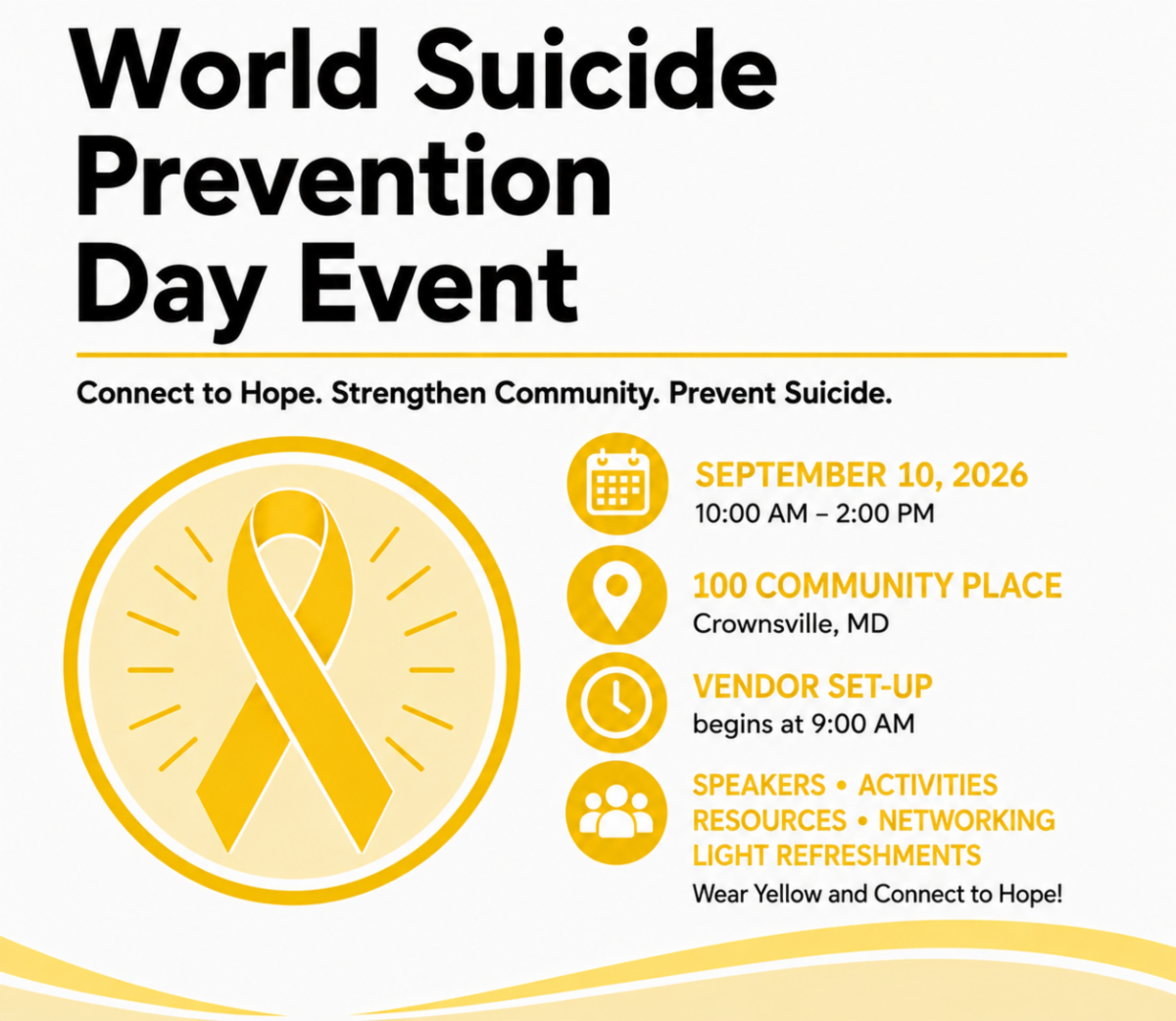
Join the Maryland Department of Health on September 10, 2026, for a special World Suicide Prevention Day event bringing together community members, prevention partners, advocates, and organizations from across Maryland.
Wear yellow and Connect to Hope as we come together to raise awareness, strengthen connections, share resources, and reaffirm our collective commitment to preventing suicide.
The event will feature speakers, prevention and community resource partners, interactive activities, networking opportunities, and light refreshments as we honor those we have lost, support those who may be struggling, and build hope together.
Details
Date: September 10, 2026
Time: 10:00 a.m.–2:00 p.m.
Location: 100 Community Place, Crownsville, MD
Prevention Partner set-up begins at 9:00 a.m.
Register Here
| | |
TRAINING:
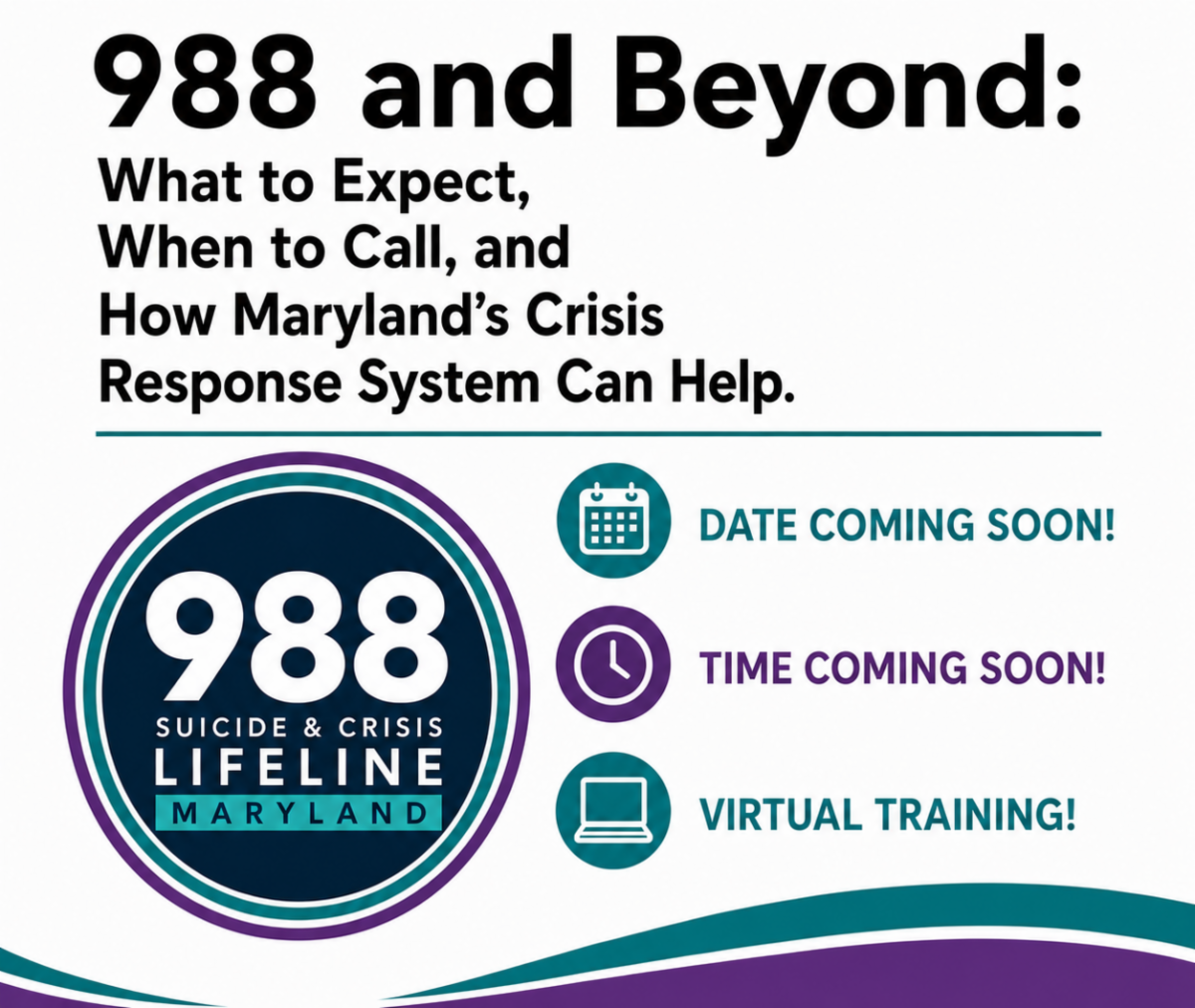
988 and Beyond - What to Expect, When to Call, and How Maryland’s Crisis Response System Can Help
| |
988 is more than a crisis line. It is an important part of suicide prevention, helping people access support during moments of distress, emotional crisis, or suicidal thoughts and connecting them to additional care.
Join us for a virtual training exploring the role of the 988 Suicide & Crisis Lifeline within Maryland’s broader suicide prevention and crisis response system.
Participants will learn what happens when someone contacts 988, when to use 988, current data and implementation, how trained crisis counselors provide support, and how 988 connects people to additional services and resources across Maryland.
Details
Date: September 30, 2026
Time: 10:00 a.m.–12:00 p.m.
Location: Virtual (Link forthcoming)
The registration link is forthcoming.
| |
SAVE THE DATE:
38th Annual Suicide Prevention Conference
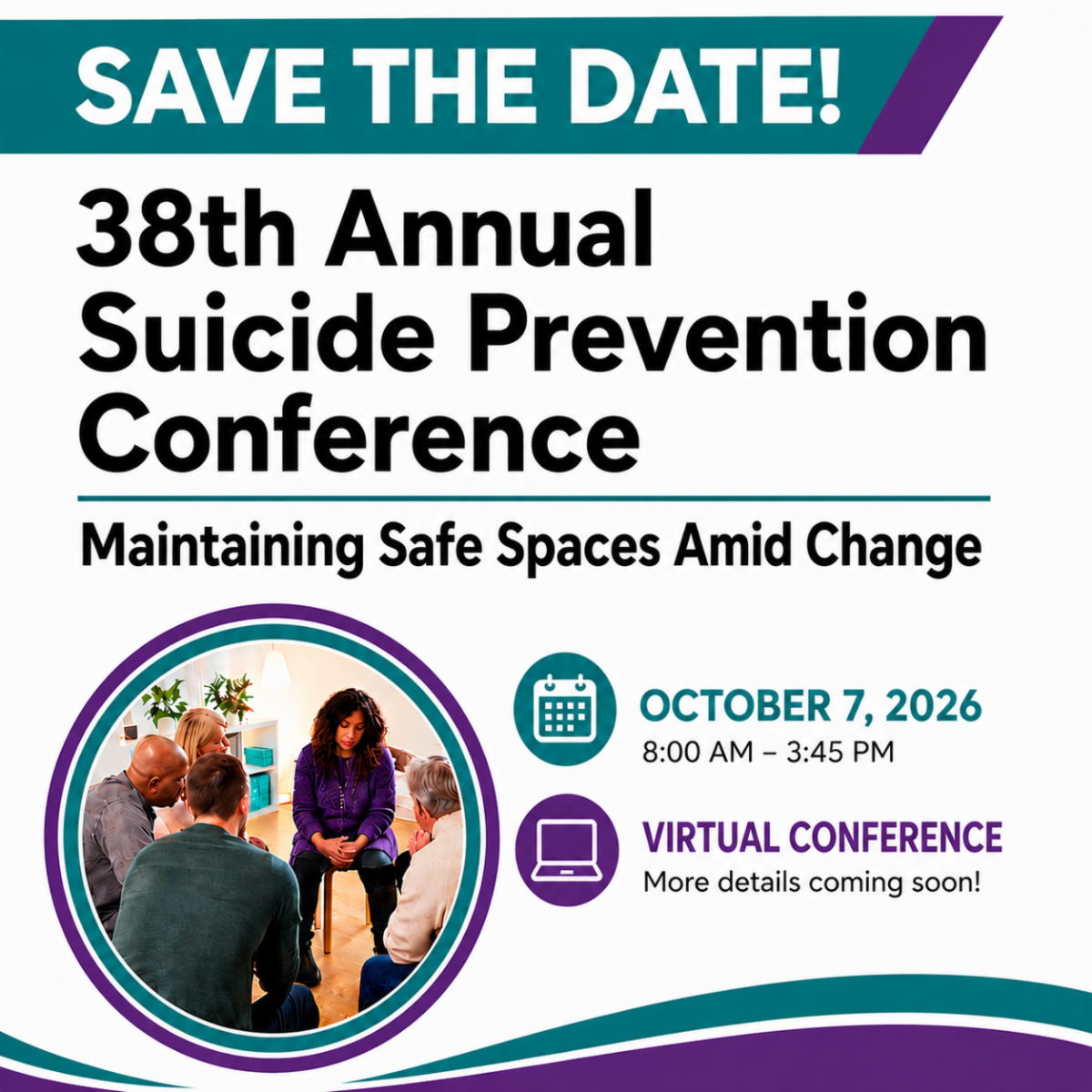
Join us on October 7, 2026, for Maryland’s 38th Annual Suicide Prevention Conference, “Maintaining Safe Spaces Amid Change.” This year’s virtual conference will bring together professionals, community partners, advocates, and individuals with lived experience from across Maryland and beyond to explore how we can strengthen connection, resilience, and supportive communities during times of change.
This year’s conference will feature keynote speaker Dr. Robert Brooks, along with presentations from Dr. Jonathan DePierro, Dr. Emily Haroz, Dr. Janis Whitlock, The Defensive Line, and Dr. Yolanda Sealey-Ruiz. Sessions will explore resilience, workforce well-being, youth mental health and self-injury, technology and AI, lived experience, connection, and other topics in suicide prevention.
Details
Date: October 7, 2026
Time: 8:00 a.m.– 3:45 p.m.
Additional conference details, including the full agenda and registration link, are coming soon!
| |
Community Events
For a list of Suicide Prevention Awareness Month Community Events near you, please visit our webpage and scroll to your region and county!
| | |
Other Trainings & Events:
-
***ONGOING*** | MDH & Boulder Crest Institute | Post-traumatic Growth Continuing Education Access - Interest Form
-
Sept. 1 | 10:00 AM: Hope in Action: Connecting Prevention, Recovery, and Youth Leadership, ATTC/PTTC/ORN National Recovery Month
-
Sept 1 | 11:00 AM - 12:00 PM | MDH Center for Firearm Violence Prevention and Intervention: Digging into the Data: Conversation on Firearm Violence and Public Health
-
Sept. 2 | 1:00 PM: Integrating Substance Misuse and Suicide Prevention Part 1, PTTC Training
-
Sept. 3 | 10:00 AM - 1:00 PM | Change the Conversation: Recognizing & Responding to Concerns About Child Sexual Abuse
-
Sept. 8 | 1:00 PM: Addressing Emerging Drug Trends with Environmental Scans Part 1, PTTC Training
-
Sept. 8, 15, 22 & 29 |7:00 PM - 9:30 PM| Brain Injury Associa. of America: CBIS Virtual Training
-
Sept. 9 | 12:00 PM - 1:00 PM|DeconstructingStigma: Stress and Secondary Trauma in Helping Professions
-
Sept. 9 | 1:00 PM: Integrating Substance Misuse and Suicide Prevention Part 2, PTTC Training
-
Sept. 9 | 3:00 PM - 4:00 PM | NAMI MD: The State of Behavioral Health in Maryland
-
Sept. 16 | 6:00 PM - 8:00 PM|ServingTogether: Baltimore Women Warrior Network
-
Sept. 16 | 6:30 PM - 8:00 PM | NAMI PGC: High Stakes: The Growing Risk of Youth Gambling Addiction
-
Sept. 21 | 10:00 AM - 12:00 PM | VA Suicide Prevention Coalition of Carroll County: Family Safety Training | Location: American Legion Post 31, 2 Sycamore St, Westminster, MD
(Free | No Registration | LUNCH Provided)
| | Go Purple: Substance Use Prevention | | |
September is also National Recovery Month and a time when communities across Maryland Go Purple to raise awareness about substance use, overdose prevention, treatment, and recovery.
Recovery Month reminds us that recovery is possible and that prevention, harm reduction, treatment, and ongoing support all play important roles in helping individuals, families, and communities thrive. Maryland's overdose data also helps us understand where the impact of substance use remains greatest and where continued prevention and response efforts are needed.
In 2025, Maryland reported 1,408 overdose deaths, representing a rate of 22.78 deaths per 100,000 residents, along with 5,668 emergency department visits related to overdose. Opioids continued to account for the majority of overdose deaths, with 1,072 opioid-related fatalities, including 936 deaths involving fentanyl. While overdose affects communities throughout Maryland, the burden is not experienced equally. Baltimore City continued to have the state's highest overdose death rate in 2025 at 106.5 deaths per 100,000 residents.
The data also highlights important differences across age and racial groups. In 2025, adults ages 35–44 had the highest overdose death rate at 39.52 per 100,000, representing a shift from previous years when older age groups experienced the highest rates. Non-Hispanic Black Marylanders experienced the highest overdose death rate among racial and ethnic groups at 32.38 per 100,000. Understanding these patterns can help communities tailor prevention, harm reduction, treatment, and recovery supports to reach populations most affected.
At the same time, Maryland's data reflects the lifesaving work happening every day. In 2025, naloxone was administered 6,504 times across the state, demonstrating the critical role that overdose education, naloxone access, and community response continue to play. Behind these numbers are people whose lives can be changed through prevention, compassionate support, access to treatment, and opportunities for recovery.
This Recovery Month and Go Purple, we encourage Marylanders to learn about overdose prevention, reduce stigma surrounding substance use and recovery, carry and know how to use naloxone, and help connect people to the resources and support they need.
Data Source: Maryland Department of Health. (2026). Overdose data dashboard. health.maryland.gov/dataoffice/Pages/mdh-dashboards.aspx
Additional Resources:
-
988 Suicide and Crisis Lifeline: Call or text 988 for free, 24/7 emotional support for yourself or someone you know.
-
Integrating Suicide Prevention in Substance Use Disorder Treatment: This resource spotlights the urgent overlap between suicide risk and substance use disorder, advocating for routine suicide screening, safety planning, and integrated care in SUD treatment settings to improve client safety and recovery outcomes.
-
Maryland Prescription Drug Drop-Off Collection Sites: Provides safe, convenient, and confidential locations for residents to dispose of unused or expired medications. Proper disposal helps prevent prescription drug misuse, accidental poisoning, and environmental contamination.
-
Maryland Tobacco Quitline: Free, confidential support for quitting nicotine, including youth and young adults. (Call, text, or chat 1-800-QUIT-NOW)
-
NAMI Maryland Helpline: Free, confidential support and referral to mental health and grief resources (1-877-878-2371).
-
National Institute on Drug Abuse (For Teens and Educators): Youth-friendly, plain-language information on alcohol, cannabis, nicotine, and other substances, plus science-based prevention tools.
-
SAMHSA's Integrating Physical and Behavioral Health: Addressing Co-occurring Mental Health and Substance Use Disorders with Chronic Physical Illnesses: This paper outlines the evolving landscape of integrated care in the United States, including established frameworks that emphasize interdisciplinary teams, clear communication systems, and care coordination across providers.
-
SAMHSA's National Helpline: Free, confidential treatment referral and information service for individuals and families facing mental and/or substance use disorders (1-800-662-4357).
-
Smoking Stops Here: Free service offering support, coaching, and nicotine replacement therapy (NRT) to help Maryland residents quit tobacco, including specialized programs for teens, pregnant women, and those with behavioral health needs.
| | |
Gambling & Suicide: Breaking the Silence
Problem gambling is more than a financial issue; it is a serious behavioral health condition that can have life-threatening consequences. Research continues to show a strong connection between gambling disorder and suicide. Individuals with a gambling disorder face a significantly higher risk of suicidal thoughts, suicide attempts, and death by suicide than the general population. According to the Maryland Center of Excellence on Problem Gambling, approximately 1 in 5 people with a gambling disorder have attempted suicide.
The impact of problem gambling often extends far beyond financial losses. Mounting debt, relationship challenges, employment difficulties, legal problems, and overwhelming feelings of guilt, shame, or hopelessness can leave individuals feeling trapped. As these pressures build, many people experience worsening anxiety, depression, and emotional distress. Some begin to believe there is no way out or that their loved ones would be better off without them. Others continue gambling in an attempt to recover losses, creating a cycle that deepens financial hardship and emotional pain. Without support, these feelings can increase the risk of suicidal thoughts and suicide attempts. Recognizing this connection is essential because early intervention, support, and access to treatment can help prevent tragedy and provide a path toward recovery.
The good news is that help is available, and recovery is possible. Recognizing the warning signs, such as significant changes in spending habits, increased secrecy about gambling, withdrawal from family and friends, mood changes, or statements expressing hopelessness or feeling like a burden, can make a critical difference. Friends, family members, peers, and professionals all play an important role by listening, encouraging honest conversations, and connecting individuals with appropriate support.
Need help or know someone who does?
Call/Text: 1-800-GAMBLER (available 24/7)
Visit or Chat: helpmygamblingproblem.org
All support is free, confidential, and available to individuals and families.
| |
Want to Be Involved?
Help Shape Maryland's Statewide Postvention Collaborative - Take the Survey & Join Us on September 15th!
| |
The Maryland Department of Health's Office of Integrated Wellness and Prevention is launching the Maryland Postvention Collaborative this September to strengthen suicide postvention efforts across the state. The Collaborative will bring together professionals, organizations, and community partners to share promising practices, strengthen partnerships, and advance evidence-informed approaches that support healing after a suicide loss.
Our inaugural meeting will take place on Tuesday, September 15 from 10 AM - 12 PM.
We invite professionals and community partners to complete a brief Maryland Postvention Collaborative Interest & Needs Survey. Your feedback will help shape future meeting topics, training opportunities, resource development, and collaborative priorities to ensure the Collaborative reflects the needs of communities across Maryland.
If you are interested in participating in the Maryland Postvention Collaborative, please complete the survey. Your email address will automatically be added to the Collaborative's distribution list, ensuring you receive future meeting invitations, updates, resources, and opportunities to engage.
Whether you work in behavioral health, education, healthcare, public health, crisis services, faith communities, or another sector, your perspective is valuable. Together, we can strengthen Maryland's coordinated approach to postvention and support individuals, families, schools, workplaces, and communities in the aftermath of suicide.
Complete the Survey: Maryland Postvention Collaborative Interest Survey
| |
The 988 Suicide &
Crisis Lifeline:
Marylanders who are experiencing a mental health or substance use crisis should call or text 988. Learn more at 988.maryland.gov and access free community outreach materials in our 988 Toolkit. Maryland veterans and their loved ones can call 988 and press 1 to transfer to the Veterans Crisis Line. Press 2 for Spanish. Option 3 is no longer available. Wait times vary. More information can be found on 988's What to Expect and FAQ pages.
| | |
Additional BHA Newsletters!
-
988 Newsletter: The newsletter includes updates and critical information about 988, provides resources for the general public to learn about 988, and highlights the great work done at the Maryland 988 centers and by the call/text/chat specialists.
-
Maryland Commitment to Veterans (MCV) Newsletter: The newsletter will provide updates, resources, training opportunities, and information focused on supporting the behavioral health and well-being of service members, veterans, and their families. It will also highlight community partnerships, statewide initiatives, upcoming events, and the important work being done to strengthen support systems across Maryland.
| | | | |