August
Every transition is an opportunity to strengthen connection, build resilience, and support youth well-being.
| | |
August marks the transition from summer to a new school year, bringing new opportunities, routines, and experiences for students, families, educators, and communities. Whether entering a new school, advancing to the next grade, or beginning college, periods of transition can bring excitement alongside stress and uncertainty. Preparing for these changes is an important part of supporting youth mental health and overall well-being.
As students return to the classroom, schools, families, and communities each play an important role in fostering safe, supportive, and connected environments where young people feel a sense of belonging and know how to seek help when needed. Research shows that early adolescence through young adulthood is a critical period for mental health and suicide prevention, and that strong self-worth and positive family involvement during early adolescence are among the strongest predictors of long-term well-being and lower suicide risk [1,2]. These findings reinforce the importance of strengthening protective factors early and supporting youth through life's transitions.
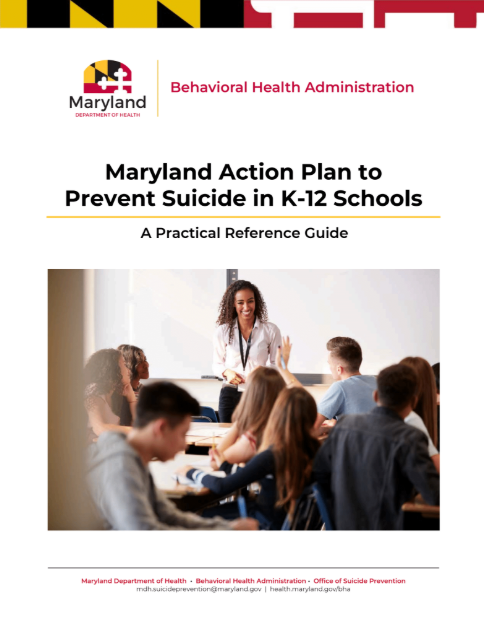
This month, we highlight evidence-informed resources, including the Maryland Action Plan to Prevent Suicide in Schools (MAPS) K–12 Toolkit, that can help schools, families, and communities strengthen prevention, intervention, and postvention efforts. As we prepare for another academic year, every conversation, connection, and act of support contributes to healthier schools and stronger communities.
References:
-
Hooven, C., Snedker, K. A., & Thompson, E. A. (2012). Suicide Risk at Young Adulthood: Continuities and Discontinuities From Adolescence. Youth & society, 44(4), 524–547. doi.org/10.1177/0044118X11407526
-
Foster, C. E., Horwitz, A., Thomas, A., Opperman, K., Gipson, P., Burnside, A., Stone, D. M., & King, C. A. (2017). Connectedness to family, school, peers, and community in socially vulnerable adolescents. Children and youth services review, 81, 321–331. doi.org/10.1016/j.childyouth.2017.08.011
| | Supporting Youth Through Times of Transition: What the Data Shows | | |
The transition back to school is an exciting time filled with new opportunities, but it can also bring stress, uncertainty, and emotional challenges for students and families. Research shows that the transition from early adolescence into young adulthood is a critical period for mental health and suicide prevention, as patterns of suicidal thoughts and behaviors evolve alongside academic, social, and developmental changes [1]. These findings reinforce the importance of supporting young people not only during times of crisis, but throughout everyday transitions that shape their growth and well-being.
Creating supportive environments during these transitions can have a lasting impact. Research has identified strong self-worth and positive family involvement during early adolescence as two of the strongest predictors of long-term mental well-being and lower suicide risk [1]. Maryland's 2024–2025 Youth Risk Behavior Survey further highlights the importance of connection: 81.2% of middle school students and 77.0% of high school students reported they would feel comfortable seeking help from a trusted adult outside of their parents if they had an important question affecting their lives. At the same time, 31.9% of middle school students and 31.7% of high school students reported feeling persistently sad or hopeless, emphasizing the continued need to strengthen supportive relationships and improve access to mental health resources [2].
As students return to classrooms this fall, parents, caregivers, educators, school staff, and community partners all play an important role in fostering belonging, encouraging open conversations, and helping youth navigate periods of change. Evidence-informed resources, such as the Maryland Mental Health and Suicide Prevention (MAPS) K–12 Toolkit [6], the CDC Free Mind Campaign [3], the Back-to-School Mental Health Roadmap [4], and Johns Hopkins Medicine's guidance for easing back-to-school anxiety [5], provide practical strategies to promote emotional well-being, encourage healthy coping skills, and connect young people with support when they need it most.
By working together to build safe, supportive, and connected learning environments, we can help ensure every student feels valued, empowered, and equipped to thrive throughout the school year.
References:
- Adrian, M., James, K. M., Gallop, R., Chu, P. V., Vander Stoep, A., & McCauley, E. (2025). Transitions in suicide risk from early adolescence to early adulthood. Archives of Suicide Research, 29(3), 683–699. doi.org/10.1080/13811118.2024.2403491
- Maryland Department of Health. (2025). 2024–2025 Maryland Youth Risk Behavior Survey/Youth Tobacco Survey (YRBS/YTS) results. health.maryland.gov/phpa/ccdpc/Reports/Pages/2024-25YRBSYTS.aspx
- Centers for Disease Control and Prevention. (2025). Free Mind campaign toolkit. https://www.cdc.gov/free-mind/toolkit/index.html
- The Mental Health Coalition. (n.d.). Back-to-school mental health roadmap. thementalhealthcoalition.org/back-to-school-mental-health-roadmap/
- Johns Hopkins Medicine. (n.d.). 5 tips to ease back-to-school anxiety. hopkinsmedicine.org/health/wellness-and-prevention/5-tips-to-ease-backtoschool-anxiety
- Maryland Department of Health, Behavioral Health Administration. (n.d.). Maryland Mental Health and Suicide Prevention (MAPS) K–12 Toolkit. health.maryland.gov/bha/suicideprevention/Pages/Maryland-Action-Plan-to-Prevent-Suicide-in-Schools.aspx
| | |
Stay connected with Maryland-specific data, tools, and resources that support suicide prevention, substance use prevention, and problem gambling prevention across the lifespan. As students, families, and educators prepare for the new school year, this month's Information Hub highlights resources that support youth mental health, healthy transitions, and safe, connected learning environments. From practical guidance for families navigating the return to school to evidence-informed tools that strengthen prevention, intervention, and postvention efforts, these resources are designed to help young people thrive during periods of change.
This month's featured resources emphasize the importance of connectedness, early support, and collaboration among families, schools, and communities. Whether you're looking for strategies to ease back-to-school anxiety, promote healthy conversations about mental health and substance use, or strengthen school-based suicide prevention efforts through the Maryland Mental Health and Suicide Prevention (MAPS) K–12 Toolkit, these resources provide practical guidance to foster resilience, encourage help-seeking, and create supportive environments where every student feels safe, valued, and connected.
| |
|
UPDATED! Maryland Action Plan to Prevent Suicide in Schools (MAPS K-12)
As schools prepare for the new academic year, the Maryland Action Plan to Prevent Suicide in Schools (MAPS) serves as a comprehensive, evidence-informed resource to help K–12 public and private school communities strengthen suicide prevention, intervention, and postvention efforts. Developed through a partnership between the Maryland Department of Health's Office of Suicide Prevention and nationally recognized experts Dr. Scott Poland and Dr. Donna Poland, MAPS provides practical guidance and tools for school administrators, school mental health professionals, educators, students, caregivers, and community partners.
Each section of the toolkit is tailored to the unique roles and responsibilities of its intended audience, ensuring that every member of the school community is equipped to recognize warning signs, respond appropriately to students in need, and support recovery and healing following a suicide-related crisis.
The MAPS Toolkit has also been updated to better meet the evolving needs of Maryland schools. Recent enhancements include improved accessibility for all forms within the School Mental Health Professional (SMHP) Intervention section, an updated Universal Release of Information Form (Tool 49) aligned with guidance from the American Academy of Pediatrics (AAP), and expanded references to spiritual and religious leaders and faith-based resources throughout the guide (Tools 8, 21, 32, and 60) following consultation with the American Muslim Health Professionals (AMHP).
Whether your school is reviewing existing protocols or strengthening its comprehensive suicide prevention plan for the upcoming year, MAPS offers practical, evidence-based resources to help create safe, supportive, and connected learning environments for every student.
Learn More:
MAPS K-12 Toolkit
| |
Coming Soon! Connecting to Hope - Update
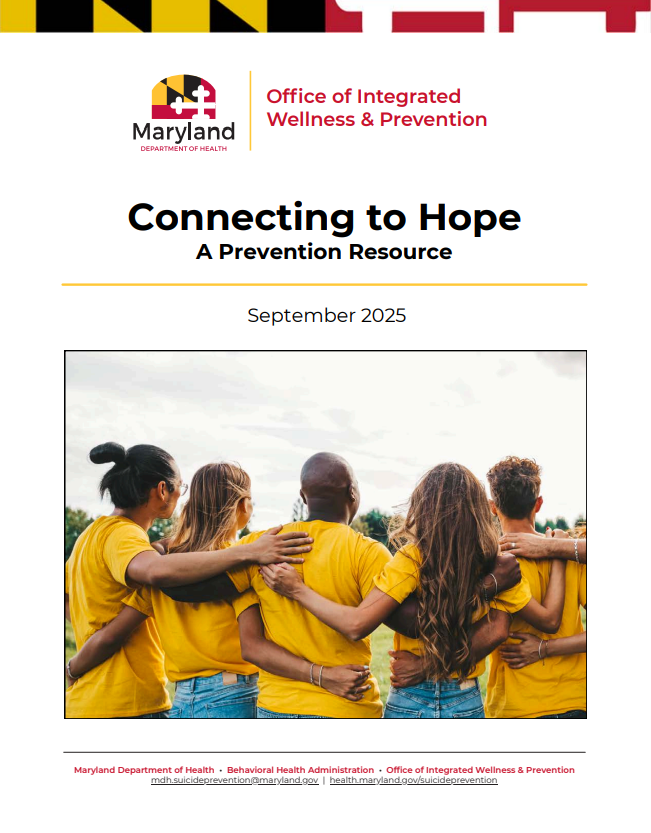
The Connecting to Hope Toolkit has been thoughtfully updated to provide individuals, families, professionals, and communities with practical, evidence-informed strategies to strengthen connection, foster resilience, and promote well-being across the lifespan. Grounded in the belief that hope can be built and sustained through meaningful relationships and supportive environments, the revised toolkit offers resources to use before, during, and after periods of change.
Recent enhancements include expanded content on warning signs, risk factors, protective factors, creating safe and supportive spaces, safety planning, maintaining hope during periods of transition, strengthening community connections, and navigating behavioral health resources.
The updated toolkit also features a redesigned training section highlighting learning opportunities across the prevention continuum, new reflection activities, expanded wellness resources, and additional guidance on supporting individuals across the lifespan, including youth, older adults, caregivers, workplaces, and communities.
Whether you're supporting students returning to school, strengthening community partnerships, or seeking practical tools to promote hope and resilience, the Connecting to Hope Toolkit is a comprehensive resource for building safer, healthier, and more connected communities.
Learn More:
Connecting to Hope Toolkit
| | |
Additional Featured Toolkits and Resources:
-
211 Maryland: Connect with local grief counseling, housing, food, and financial assistance supports 24/7 by calling or texting 211.
-
Accessibility & Accommodations MVA: A new butterfly symbol on Maryland IDs allows individuals to voluntarily note a hidden disability, including PTSD, TBI, or other non-visible conditions. The symbol supports safer interactions with first responders, requires no documentation, and can be added or removed at no cost online or in person.
-
Black Mental Health Alliance: Culturally responsive mental health education, referrals, and training that support Black individuals, families, and communities.
-
Black People Die By Suicide Too: A suicide prevention organization dedicated to raising awareness, reducing stigma, and increasing culturally responsive education and advocacy within Black communities.
-
Brady United Against Gun Violence: Brady works to prevent gun violence through education, advocacy, and community-based solutions, including resources on safe firearm storage and suicide prevention.
-
Connecting to Hope Toolkit: This toolkit includes guidance and resources to help individuals and communities recognize grief, support others who are grieving, and build hope after loss. By creating space for open conversations about grief, Marylanders can foster compassion, connection, and resilience throughout the holiday season and beyond.
-
Healthy New Moms: Information and support for perinatal mood and anxiety disorders, including screening tools and referral pathways.
-
Jake Collective: The Jake Collective is a multi-pronged initiative that supports the health and wellbeing of a population of young people whose complex intelligence, while powering intellectual, artistic, and other talents, can also generate great risk. NEW!! **Now partnering with AFSP**
-
MDH Center for Firearm Violence Prevention & Intervention: Access crisis hotlines across Maryland that provide immediate support for mental health, substance use, and emotional distress.
-
MDH Crisis Resource Hotline: Access crisis hotlines across Maryland that provide immediate support for mental health, substance use, and emotional distress.
-
MDH Firearm Safe Storage & Youth Suicide Prevention: Learn about safe firearm storage and suicide prevention resources through the Maryland Department of Health.
-
MDH Interactive Dashboard: Real-time state data with filters for age, county, and substance type to inform community prevention efforts.
-
MDH Mental Health Resources for the Black Community: A curated collection of mental health, substance use, and crisis support resources designed to support Black individuals, families, and communities. This page highlights culturally responsive services, community-based organizations, and trusted supports available across Maryland.
-
MDH Minority Mental Health: The Maryland Department of Health (MDH) Behavioral Health Administration (BHA) compiled mental health resources for Marylanders across different backgrounds, ethnicities, and identities.
-
NAMI Maryland Helpline: Free, confidential support and referral to mental health and grief resources (1-877-878-2371).
-
The Trevor Project: Provides crisis intervention and suicide prevention services and affirming mental health resources for LGBTQ+ young people.
-
Senior Call Check: Maryland’s free daily check-in service for adults 60 and older to support safety and social connection. Senior Call Check phone lines are open Monday through Friday from 8:00 am to 5:00 pm and Saturday from 9:00 am to 3:00 pm. During these hours, seniors can call toll-free 1-866-50-CHECK (1-866-502-0560).
Upcoming August Awareness Observances:
- Wellness Month
- International Overdose Awareness Day
| |
Help Shape Maryland's Statewide Postvention Collaborative
Take the Survey!
| | |
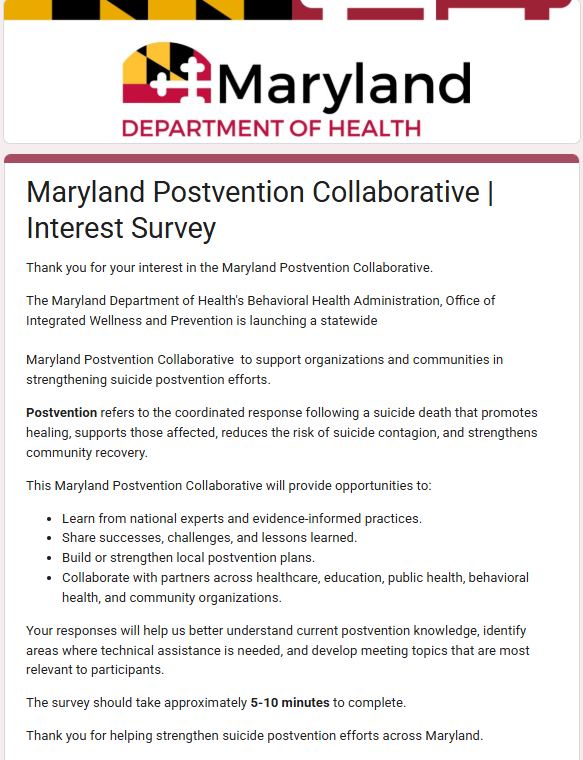
The Maryland Department of Health's Office of Integrated Wellness and Prevention is launching the Maryland Postvention Collaborative this fall to strengthen suicide postvention efforts across the state. The Collaborative will bring together professionals, organizations, and community partners to share promising practices, strengthen partnerships, and advance evidence-informed approaches that support healing after a suicide loss.
As we prepare for the inaugural meeting, we invite professionals and community partners to complete a brief Maryland Postvention Collaborative Interest & Needs Survey. Your feedback will help shape future meeting topics, training opportunities, resource development, and collaborative priorities to ensure the Collaborative reflects the needs of communities across Maryland.
If you are interested in participating in the Maryland Postvention Collaborative, please complete the survey. Your email address will automatically be added to the Collaborative's distribution list, ensuring you receive future meeting invitations, updates, resources, and opportunities to engage.
Whether you work in behavioral health, education, healthcare, public health, crisis services, faith communities, or another sector, your perspective is valuable. Together, we can strengthen Maryland's coordinated approach to postvention and support individuals, families, schools, workplaces, and communities in the aftermath of suicide.
Complete the Survey: Maryland Postvention Collaborative Interest Survey
| |
Trainings & Events - REGISTER NOW!
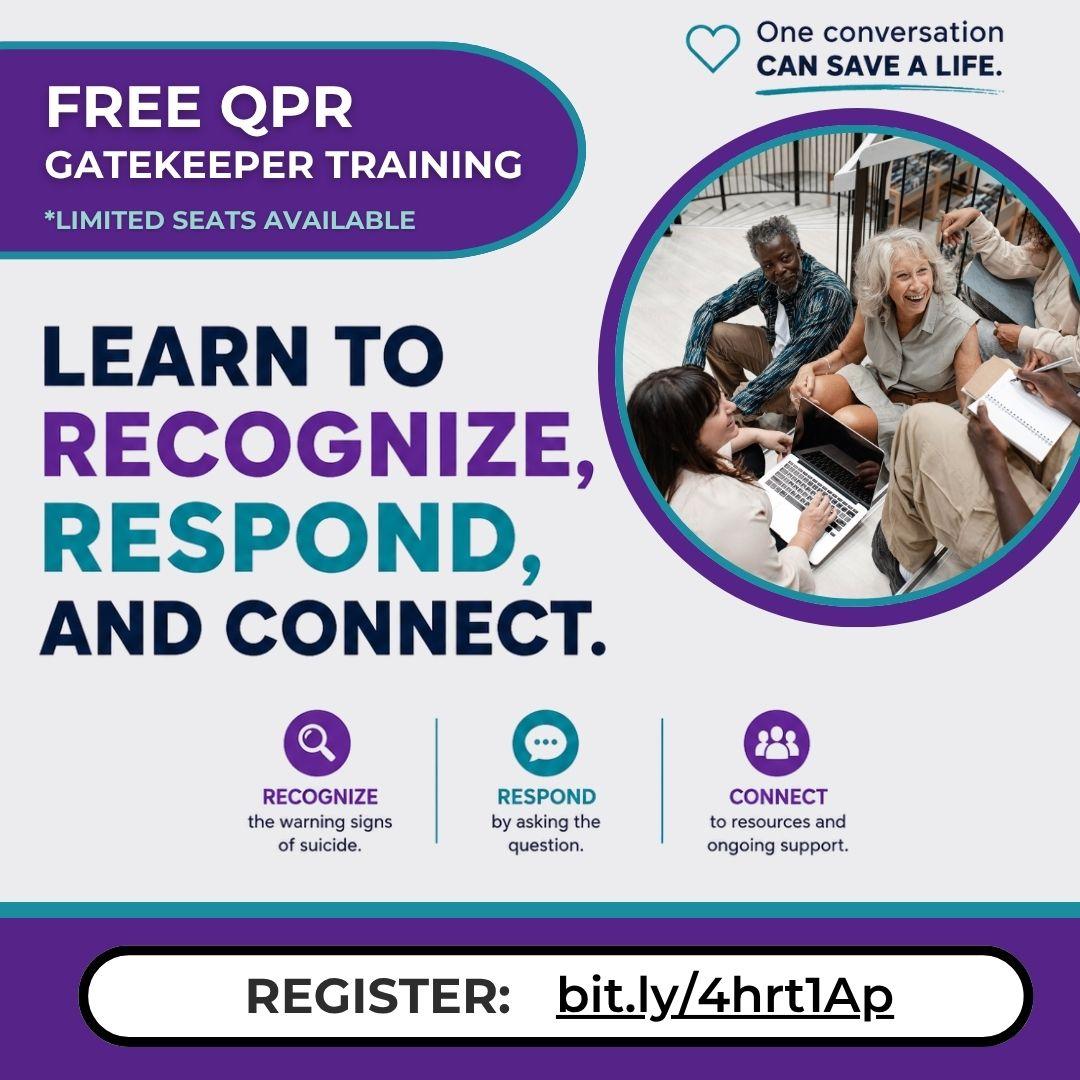
| | The Maryland Department of Health’s Office of Integrated Wellness and Prevention is offering free evidence-based Question, Persuade, Refer suicide prevention training. | |
Training Opportunity!
Maryland Baby & Me Tobacco Free Program
The Maryland Baby & Me Tobacco Free Program, offered in partnership with the Maryland Tobacco Quitline, provides free, evidence-based support to help pregnant individuals quit tobacco and nicotine use during and after pregnancy. By supporting tobacco cessation during this critical time, the program promotes healthier pregnancies, improves birth outcomes, and helps reduce the impact of tobacco use across generations.
Behavioral health providers, healthcare professionals, community organizations, and other partners are invited to attend a 30-minute referral training to learn how to connect eligible Marylanders with this valuable resource.
The training provides an overview of:
- Program eligibility
- The referral process
- What participants can expect
- Practical strategies for discussing tobacco and nicotine cessation with pregnant clients
Upcoming Training Dates (11:00–11:30 AM):
- August 6
- August 11
- September 10
- September 22
Register for a training today! Maryland Baby & Me Tobacco Free Program Referral Training
| | |
Additional Trainings & Events:
-
***ONGOING*** | MDH & Boulder Crest Institute | Post-traumatic Growth Continuing Education Access - Interest Form
-
Pride Pathways: Suicide Prevention for LGBTQ+ Communities and Allies will be offered across all AFSP chapters after August. Find your Local Chapter
-
August 4 | 2:00 PM - 3:00 PM: Question, Persuade, Refer Suicide Prevention Training for the Military Community, EveryMind.
-
August 5 | 1:00 PM: The Emotional Lives of Students: A Mental Health Primer for Educators, Deconstructing Stigma
-
August 5 | 1:00 PM: Building Bright Futures: Prevention and Support for Grandfamilies and Kinship Caregivers, PTTC Training
-
August 6 | 1:00 PM: Following the Evidence: Introducing the Central East PTTC Evidence-Based Programs, Policies, and Practices Toolkit, PTTC Training
-
August 13| 3:00 - 4:00 PM: Co-Occurring Personality Disorders and TBI: How Diagnostic Over-Shadowing and Stigma Impact Treatment Outcomes, BIAA
-
August 18 | 12:00 PM - 1:00 PM: Building a Life Beyond OCD Using ACT, Deconstructing Stigma
-
August 18 | 7:00 PM - 8:00 PM: Caregiver Connect, EveryMind.
-
August 20| 11:30 AM - 12:30 PM ET: Two Unique Perspectives on Men's Mental Health, MHAMD
-
August 20| 1:00 - 2:00 PM ET: Suicide Risk Assessment and Intervention: Current Best Practices, Compass Health Center
-
August 20| 3:00 - 4:00 PM: Concussion in Youth Football: What We Know, What We Can Do, and How to Protect Young Athletes, BIAA
-
August 21 -22| 10:00 AM - 3:00 PM: NAMI Maryland Pathways to Hope Conference 2026, NAMI MD
-
August 25 - Sept. 3| 9:00 AM - 2:00 PM: 5 Day Statewide Comprehensive IPV Training - August 2026, MNADV
-
August 26 |9:00 AM - 1:00 PM: Invitation to Participate in SMVF Simulation Pilot Sessions (Baltimore County Library - Arbutus Branch, Arbutus Meeting Room, 855 Sulphur Spring Rd, Arbutus, MD 21227)
POC to Register: hannah.rodriguez@maryland.gov
-
August 26 |6:30 PM: NAMI In Our Own Voice Presentation, NAMI PGC
- August 27 | 5:30 PM: 11th Annual Recovery Anne Arundel IOAD Vigil (333 Dubois Rd, Annapolis, MD 21401, RSVP not required)
| | |
The start of a new school year is a time of transition for students, families, and school communities. Whether students are entering a new grade, changing schools, or adjusting to new academic and social expectations, these periods of change can influence their overall well-being and decision-making. Through the Maryland Action Plan to Prevent Suicide in Schools (MAPS), our office recognizes how creating supportive, connected school environments during these transitions is essential to promoting positive mental health and reducing risk.
Back-to-school season also provides an opportunity to have meaningful conversations about behaviors that can impact a young person's health, including problem gambling. While gambling may not be top of mind for families, today's youth are increasingly exposed to gambling-like content through sports betting advertisements, social media, video games, and other online platforms. These influences can normalize gambling at an early age and shape attitudes before young people fully understand the risks.
Parents, caregivers, educators, and school staff play an important role in helping students develop healthy decision-making skills. Talking openly about gambling, encouraging responsible digital habits, promoting financial literacy, and creating space for honest conversations can strengthen protective factors during times of transition. Just as we prepare students academically for the school year, we can also prepare them to navigate the choices and pressures they may encounter both online and offline.
You don't have to have all the answers to start the conversation. The Maryland Center of Excellence on Problem Gambling and Parents Place of Maryland are here to support families, caregivers, and school communities. Through education, outreach, and peer support, both organizations provide resources and guidance to help navigate conversations about problem gambling, mental wellness, and healthy decision-making.
One of the greatest strengths of these programs is their peer support. Parent peers and recovery peers bring lived experience and understand the challenges families and young people may face. They can offer encouragement, practical strategies, and hope while connecting individuals to resources and support throughout Maryland.
As we begin the new school year, let's work together to foster connected, supportive school communities where students feel empowered to ask questions, seek help when needed, and make informed, healthy decisions. Prevention starts with conversation, and no family has to navigate these conversations alone.
Need help or know someone who does?
Call/Text: 1-800-GAMBLER (available 24/7)
Visit or Chat: helpmygamblingproblem.org
All support is free, confidential, and available to individuals and families.
| | Youth Mental Health: Substance Use Prevention | | |
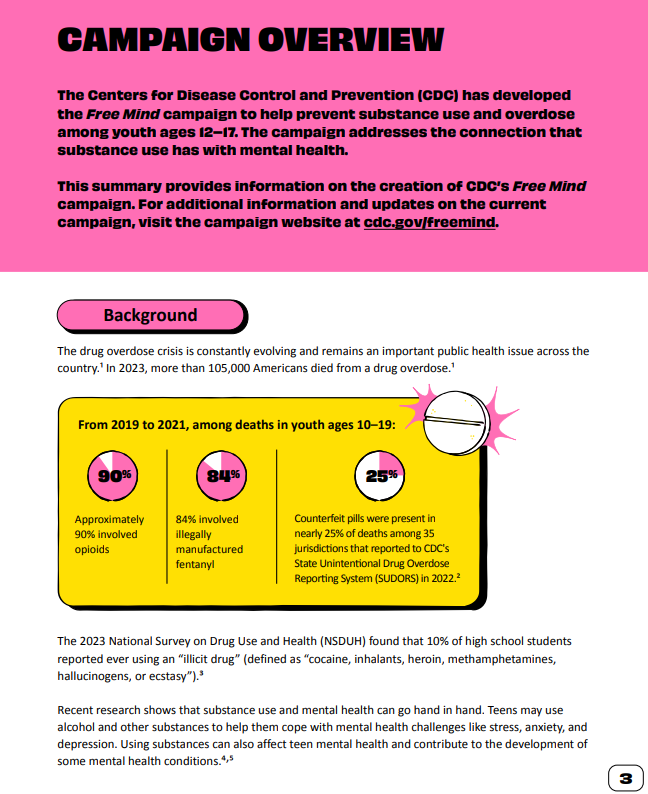
CDC Free Mind Campaign & Toolkit: Supporting Youth Mental Health and Preventing Substance Use
As young people prepare to return to school, it's important to recognize that mental health and substance use are closely connected. Stress, anxiety, depression, peer pressure, and other challenges can affect how young people cope, making early support and open conversations more important than ever.
The CDC's Free Mind campaign is designed to help youth ages 12–17, parents, caregivers, educators, and other trusted adults build healthy communication around mental health and substance use. The campaign encourages caring, judgment-free conversations that can help young people feel supported, strengthen protective factors, and reduce the risk of substance use and overdose.
The Free Mind Toolkit includes conversation guides, educational materials, videos, downloadable resources, social media content, and practical strategies that families, schools, and communities can use to promote emotional well-being and healthy decision-making. Whether you're a parent starting a conversation at home, an educator supporting students, or a community partner working with youth, these evidence-informed resources can help foster connection, resilience, and early help-seeking.
Explore the toolkit and access free resources at:
CDC Free Mind Campaign Toolkit
Additional Resources:
-
988 Suicide and Crisis Lifeline: Call or text 988 for free, 24/7 emotional support for yourself or someone you know.
-
Integrating Suicide Prevention in Substance Use Disorder Treatment: This resource spotlights the urgent overlap between suicide risk and substance use disorder, advocating for routine suicide screening, safety planning, and integrated care in SUD treatment settings to improve client safety and recovery outcomes.
-
Maryland Prescription Drug Drop-Off Collection Sites: Provides safe, convenient, and confidential locations for residents to dispose of unused or expired medications. Proper disposal helps prevent prescription drug misuse, accidental poisoning, and environmental contamination.
-
Maryland Tobacco Quitline: Free, confidential support for quitting nicotine, including youth and young adults. (Call, text, or chat 1-800-QUIT-NOW)
-
NAMI Maryland Helpline: Free, confidential support and referral to mental health and grief resources (1-877-878-2371).
-
National Institute on Drug Abuse (For Teens and Educators): Youth-friendly, plain-language information on alcohol, cannabis, nicotine, and other substances, plus science-based prevention tools.
-
SAMHSA's National Helpline: Free, confidential treatment referral and information service for individuals and families facing mental and/or substance use disorders (1-800-662-4357).
-
Smoking Stops Here: Free service offering support, coaching, and nicotine replacement therapy (NRT) to help Maryland residents quit tobacco, including specialized programs for teens, pregnant women, and those with behavioral health needs.
| |
The 988 Suicide &
Crisis Lifeline:
Marylanders who are experiencing a mental health or substance use crisis should call or text 988. Learn more at 988.maryland.gov and access free community outreach materials in our 988 Toolkit. Maryland veterans and their loved ones can call 988 and press 1 to transfer to the Veterans Crisis Line. Press 2 for Spanish. Option 3 is no longer available. Wait times vary. More information can be found on 988's What to Expect and FAQ pages.
| | |
Additional BHA Newsletters!
-
988 Newsletter: The newsletter includes updates and critical information about 988, provides resources for the general public to learn about 988, and highlights the great work done at the Maryland 988 centers and by the call/text/chat specialists.
-
Maryland Commitment to Veterans (MCV) Newsletter: The newsletter will provide updates, resources, training opportunities, and information focused on supporting the behavioral health and well-being of service members, veterans, and their families. It will also highlight community partnerships, statewide initiatives, upcoming events, and the important work being done to strengthen support systems across Maryland.
| | | | |