July
The greatness of a community is most accurately measured by the compassionate actions of its members, a heart of grace, and a soul generated by love - Coretta Scott King
| | |
July is BIPOC (Black, Indigenous, and People of Color) Mental Health Awareness Month, a time to recognize the importance of equitable mental health support and the many ways culture influences well-being, help-seeking, and healing. Families, faith communities, cultural traditions, community organizations, and trusted relationships can all serve as valuable sources of strength, connection, and resilience.
In recognition of this observance, July's theme, Culture, Connection, and Mental Well-Being, highlights the important role that relationships, community, and cultural identity play in supporting mental health. Meaningful connections foster a sense of belonging, strengthen resilience, and help individuals navigate life's challenges while reminding us that mental well-being is strengthened when individuals and communities feel seen, supported, and connected.
Research consistently shows that social connectedness is a protective factor for mental health and well-being [1]. Feeling connected to others can reduce isolation, increase support during difficult times, and promote a greater sense of purpose and belonging. Building and maintaining these connections benefits individuals, families, and entire communities.
This month provides an opportunity to celebrate the diverse communities that make Maryland strong, highlight the value of culturally responsive approaches to care, and encourage opportunities for connection. Whether through gathering with loved ones, participating in community events, supporting neighbors, or engaging in cultural traditions, connection remains an important part of promoting mental well-being for all.
| | Youth Mental Health: What the Data Shows | | |
Maryland's Youth Risk Behavior Survey (YRBS) data highlight the importance of supporting the mental health and well-being of young people across diverse communities. While many youth experience challenges related to emotional distress and suicidal thoughts, certain populations continue to experience disproportionate impacts. These findings underscore the importance of strengthening protective factors such as community connection, trusted relationships, cultural identity, and access to culturally responsive supports and services.
2024/25 Maryland Youth Risk Behavior Survey (YRBS)
Non-Hispanic Black Middle School Students
- 27.5% reported seriously thinking about killing themselves.
- 11.8% reported trying to kill themselves.
Non-Hispanic Black High School Students
- 14.9% reported seriously considering suicide.
- 9.2% reported attempting suicide.
Hispanic/Latina High School Students
- 17.7% reported attempting suicide, the highest reported percentage among student groups
These statistics serve as an important reminder that prevention efforts must be responsive to the unique experiences and needs of the communities they serve. Promoting mental well-being requires ongoing collaboration among families, schools, healthcare providers, community organizations, and trusted leaders. By fostering connection, belonging, and equitable access to support, we can help create environments where all young people have the opportunity to thrive.
Explore Maryland YRBS data and reports:
Maryland Youth Risk Behavior Survey (YRBS)
| | |
Stay connected with Maryland-specific data, tools, and resources that support suicide prevention, substance use prevention, and problem gambling prevention across the lifespan. In recognition of BIPOC Mental Health Awareness Month, this month's Information Hub highlights resources that promote connection, community well-being, and culturally responsive approaches to prevention and care. These tools are designed to support individuals, families, community organizations, and prevention partners in strengthening protective factors, fostering belonging, and connecting people to trusted supports and services. By uplifting community-centered resources and expanding access to information, we can help build healthier, more connected communities across Maryland.
This month’s featured resources highlight the role of culture, identity, and community connection in supporting mental well-being. From Maryland-based initiatives to national organizations serving diverse populations, these resources demonstrate how trusted relationships, culturally responsive approaches, and community-driven solutions can help strengthen resilience and promote wellness across the lifespan.
| |
|
Taking Care of Us (TCU): MDH Initiative
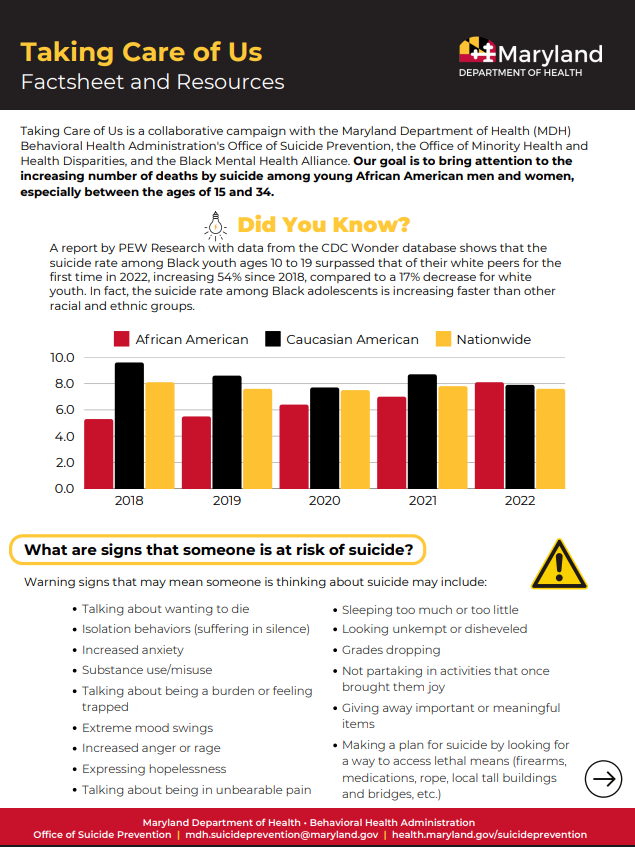
The Maryland Department of Health's Behavioral Health Administration continues its Taking Care of Us (TCU) initiative. TCU is a collaborative effort focused on addressing the rising impact of suicide, substance use, and emotional distress among Black youth and young adults. The initiative centers lived experience, emphasizes plain and respectful language, and elevates prevention strategies that strengthen connection, trust, and help-seeking within Black communities.
Black youth and young adults often face compounding stressors, including discrimination, economic instability, exposure to violence, and barriers to accessing culturally responsive mental health and substance use services. Addressing these challenges requires coordinated, community-centered approaches that strengthen support systems, promote wellness, and foster meaningful connections.
As part of this work, TCU is currently developing a unified plain language toolkit (coming soon!) designed to support community members, families, educators, faith leaders, and other trusted partners in having meaningful conversations about mental health, suicide prevention, substance use prevention, and emotional well-being. The toolkit aims to provide accessible, culturally responsive resources that promote connection, understanding, and community well-being.
Learn More:
Taking Care of Us Website
Taking Care of Us Fact Sheet
| |
Hispanic/Latino Behavioral Health Center of Excellence
The Hispanic/Latino Behavioral Health Center of Excellence works to improve behavioral health outcomes in Hispanic and Latino communities by promoting culturally informed approaches to mental health and substance use prevention, treatment, and recovery. Through training, technical assistance, research, and resource development, the Center supports individuals, families, providers, and community organizations in advancing equitable access to behavioral health services.
The Center recognizes the important role that culture, family, community, and identity play in supporting mental well-being. Its resources highlight culturally responsive strategies that build on community strengths, foster connection and belonging, and support the delivery of care that reflects the experiences and needs of Hispanic and Latino populations.
By strengthening community partnerships and promoting culturally relevant behavioral health practices, the Center helps advance wellness, resilience, and recovery across diverse Hispanic and Latino communities.
Learn More:
About The Hispanic/Latino Behavioral Health Center of Excellence
Community Informed Behavioral Health Information
Latines and Suicide Prevention Resource Guide: Embedding Equity and Building Suicide Prevention Workforce for Underserved Communities Technical Experts Panel
| |
The Steve Fund
The Steve Fund is a leading nonprofit dedicated to promoting the mental health and emotional well-being of young people, particularly those from underserved and under-resourced communities.
Through a dynamic combination of partnerships, research, education, and community-aligned resources, The Steve Fund supports families and young people during key moments of growth and transition, from adolescence into higher education, through the college experience, and into the workforce. The organization works to advance mental health equity by helping schools, colleges, employers, and communities better understand and respond to the unique experiences and needs of diverse youth and young adults.
The Steve Fund's resources emphasize the importance of connection, belonging, and culturally responsive support systems in promoting mental well-being. By providing tools, training, and evidence-informed guidance, the organization helps create environments where young people feel supported, valued, and empowered to thrive.
Learn more and access support:
About The Steve Fund
Knowledge Center
The Steve Fund: 10 Year Report
| |
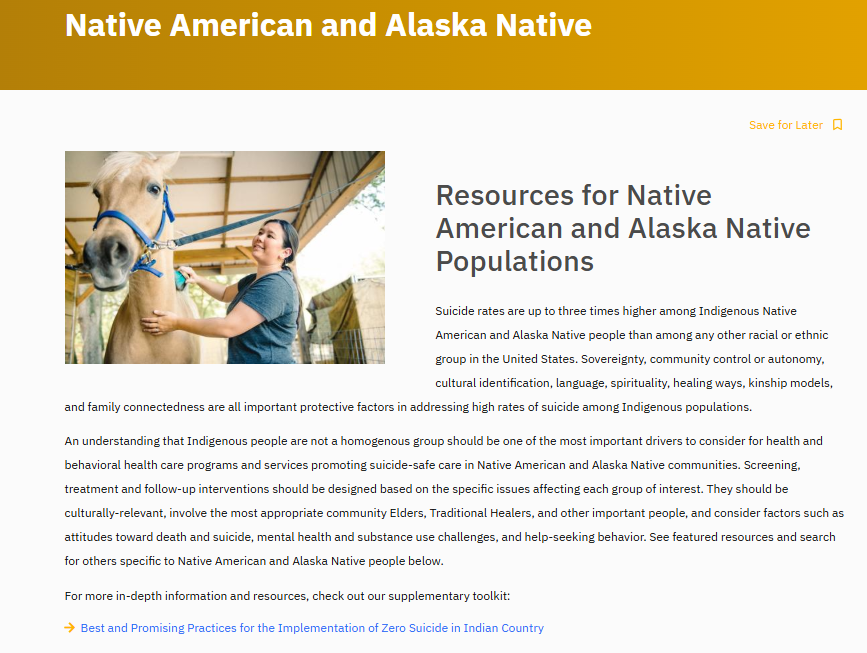
Zero Suicide: Native American and Alaska Native (AI/AN) Resources
Native American and Alaska Native communities possess rich cultural traditions, strong family and community networks, and longstanding practices that promote healing, resilience, and well-being. Many suicide prevention efforts within Native communities emphasize the importance of cultural identity, connectedness, and community-led approaches to care.
The Zero Suicide Native American and Alaska Native Resources page offers tools, guidance, and resources to support culturally responsive suicide prevention efforts. The collection highlights strategies that recognize the unique strengths, experiences, and needs of Native communities while promoting collaboration among healthcare providers, tribal leaders, families, and community members.
By strengthening connections to culture, community, and support systems, Native communities continue to advance approaches that foster hope, resilience, and mental well-being.
Learn more and access support:
About Zero Suicide
Zero Suicide: Native American and Alaska Native Resources
Best & Promising Practices for the Implementation of Zero Suicide in Indian Country
To Live To See the Great Day That Dawns: Preventing Suicide by American Indian and Alaska Native Youth and Young Adults
| | |
Additional Featured Toolkits and Resources:
-
211 Maryland: Connect with local grief counseling, housing, food, and financial assistance supports 24/7 by calling or texting 211.
-
Accessibility & Accommodations MVA: A new butterfly symbol on Maryland IDs allows individuals to voluntarily note a hidden disability, including PTSD, TBI, or other non-visible conditions. The symbol supports safer interactions with first responders, requires no documentation, and can be added or removed at no cost online or in person.
-
Black Mental Health Alliance: Culturally responsive mental health education, referrals, and training that support Black individuals, families, and communities.
-
Black People Die By Suicide Too: A suicide prevention organization dedicated to raising awareness, reducing stigma, and increasing culturally responsive education and advocacy within Black communities.
-
Brady United Against Gun Violence: Brady works to prevent gun violence through education, advocacy, and community-based solutions, including resources on safe firearm storage and suicide prevention.
-
Connecting to Hope Toolkit: This toolkit includes guidance and resources to help individuals and communities recognize grief, support others who are grieving, and build hope after loss. By creating space for open conversations about grief, Marylanders can foster compassion, connection, and resilience throughout the holiday season and beyond.
-
Healthy New Moms: Information and support for perinatal mood and anxiety disorders, including screening tools and referral pathways.
-
MDH Center for Firearm Violence Prevention & Intervention: Access crisis hotlines across Maryland that provide immediate support for mental health, substance use, and emotional distress.
-
MDH Crisis Resource Hotline: Access crisis hotlines across Maryland that provide immediate support for mental health, substance use, and emotional distress.
-
MDH Firearm Safe Storage & Youth Suicide Prevention: Learn about safe firearm storage and suicide prevention resources through the Maryland Department of Health.
-
MDH Interactive Dashboard: Real-time state data with filters for age, county, and substance type to inform community prevention efforts.
-
MDH Mental Health Resources for the Black Community: A curated collection of mental health, substance use, and crisis support resources designed to support Black individuals, families, and communities. This page highlights culturally responsive services, community-based organizations, and trusted supports available across Maryland.
-
MDH Minority Mental Health: The Maryland Department of Health (MDH) Behavioral Health Administration (BHA) compiled mental health resources for Marylanders across different backgrounds, ethnicities, and identities.
-
NAMI Maryland Helpline: Free, confidential support and referral to mental health and grief resources (1-877-878-2371).
-
The Arc: Disability Pride Month 2026: What It Is, the 2026 Theme, and How to Celebrate
-
The Trevor Project: Provides crisis intervention and suicide prevention services and affirming mental health resources for LGBTQ+ young people.
-
Senior Call Check: Maryland’s free daily check-in service for adults 60 and older to support safety and social connection. Senior Call Check phone lines are open Monday through Friday from 8:00 am to 5:00 pm and Saturday from 9:00 am to 3:00 pm. During these hours, seniors can call toll-free 1-866-50-CHECK (1-866-502-0560).
Upcoming July Awareness Observances:
- BIPOC Mental Health Awareness Month
- Disability Pride Month
- Bereaved Parents Awareness Month
| |
Trainings & Events - REGISTER NOW!
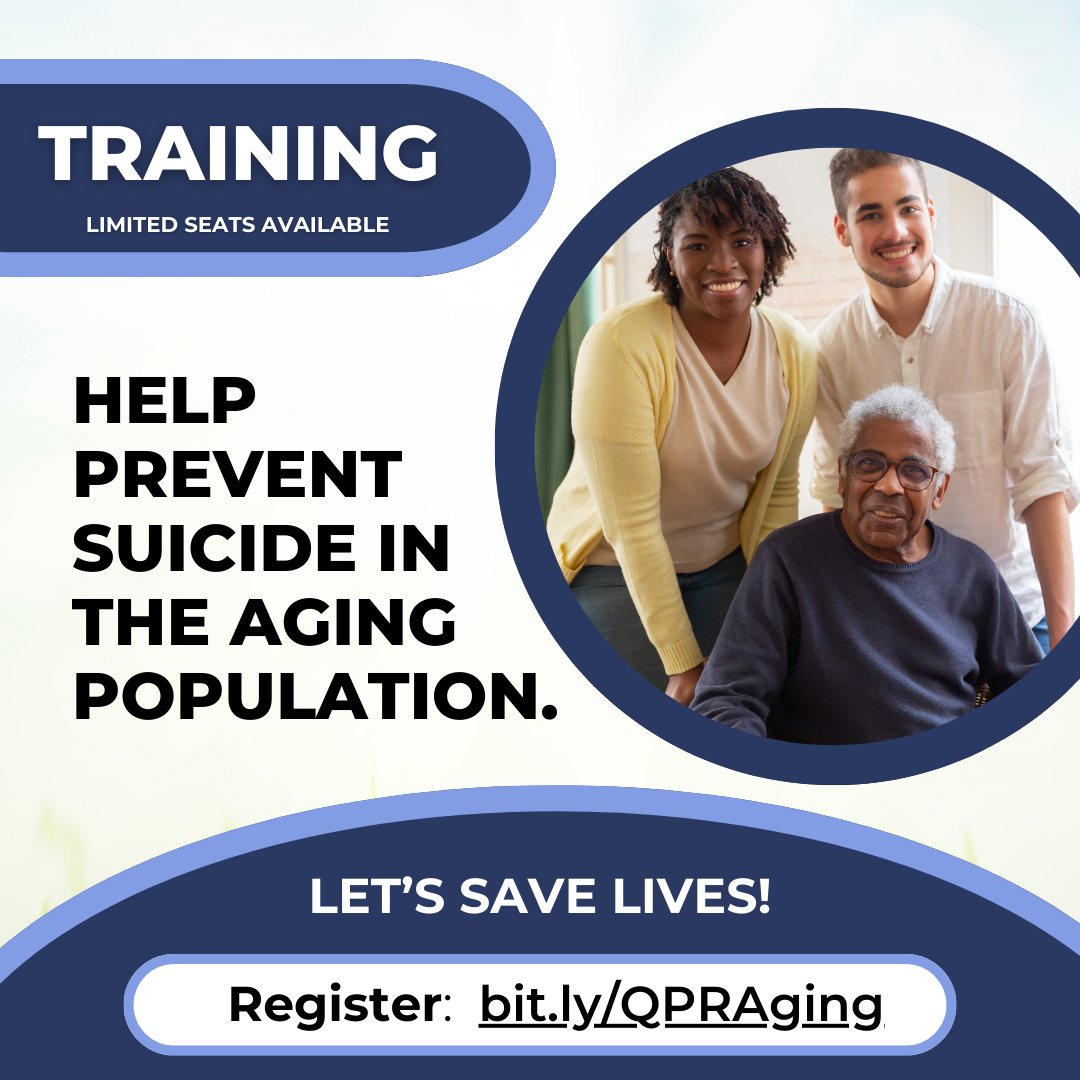
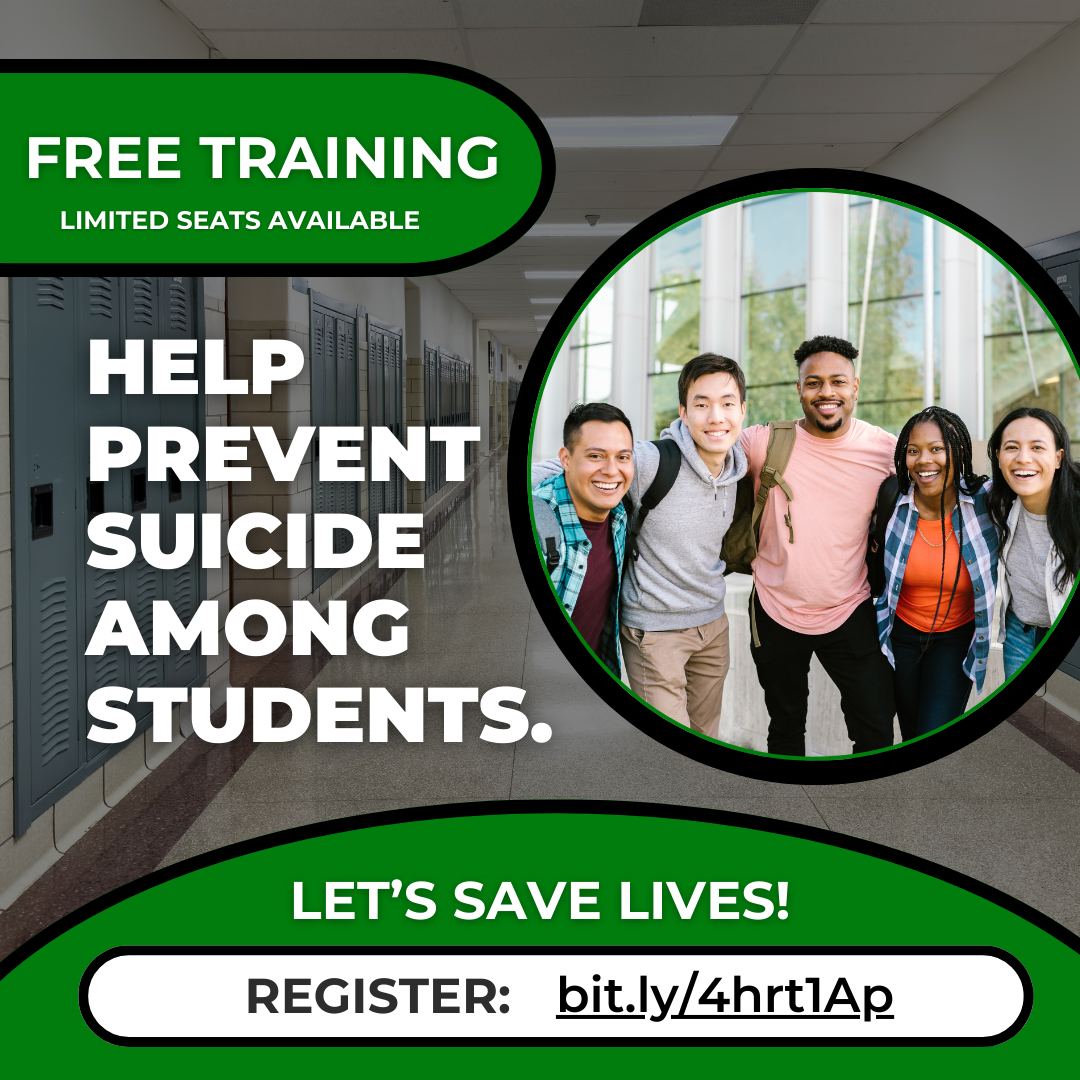
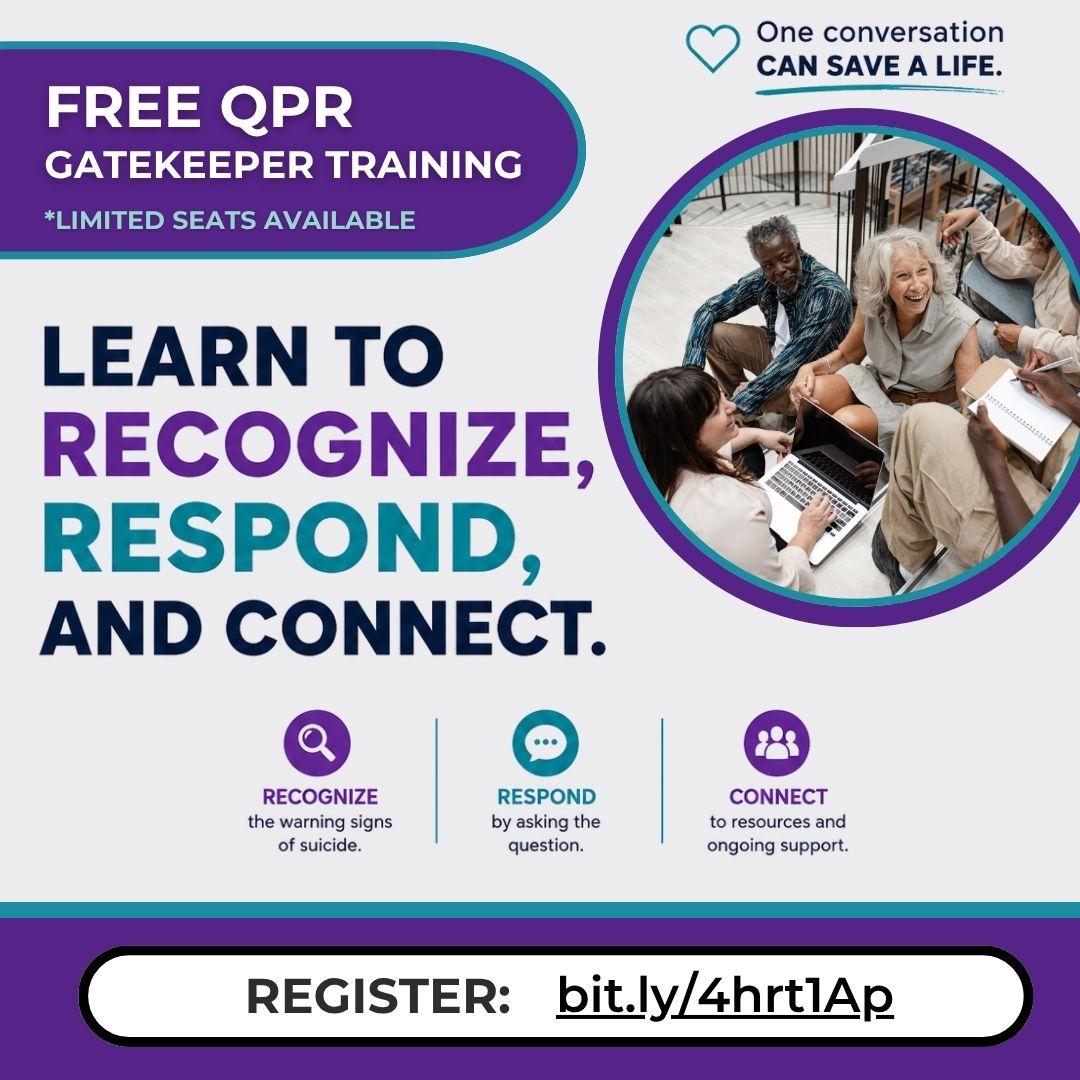
| | The Maryland Department of Health’s Office of Integrated Wellness and Prevention is offering free evidence-based Question, Persuade, Refer suicide prevention training. | | |
Additional Trainings & Events:
| | |
Culture, community, and connection are powerful sources of strength within Black, Indigenous, and People of Color (BIPOC) communities. Family traditions, faith communities, cultural identity, and social support networks often help individuals navigate life's challenges and build resilience. These connections can serve as important protective factors that promote well-being and encourage help-seeking when needed.
Recent Maryland data, however, show that gambling-related harms disproportionately affect some communities of color. While 5.7% of Maryland adults met the criteria for disordered gambling, rates were significantly higher among Black/African American adults (10.4%) and Hispanic adults (8.8%) compared to White adults (3.6%). Additionally, more than half (51.9%) of Marylanders meeting the criteria for disordered gambling identified as Black/African American (Brown & Welsh, 2025).
These findings highlight the importance of culturally responsive prevention, treatment, and recovery services. When support systems recognize and respect cultural values, lived experiences, and community strengths, individuals may be more likely to engage with resources and seek help. Strengthening connections within families, neighborhoods, faith communities, and cultural organizations can help reduce stigma, increase awareness, and promote healthier coping strategies. By building on the strengths that already exist within BIPOC communities, we can foster greater awareness, support, and access to resources for those affected by gambling-related harms.
Need help or know someone who does?
Call/Text: 1-800-GAMBLER (available 24/7)
Visit or Chat: helpmygamblingproblem.org
All support is free, confidential, and available to individuals and families.
| | |
Culture, Connection & Substance Use Prevention
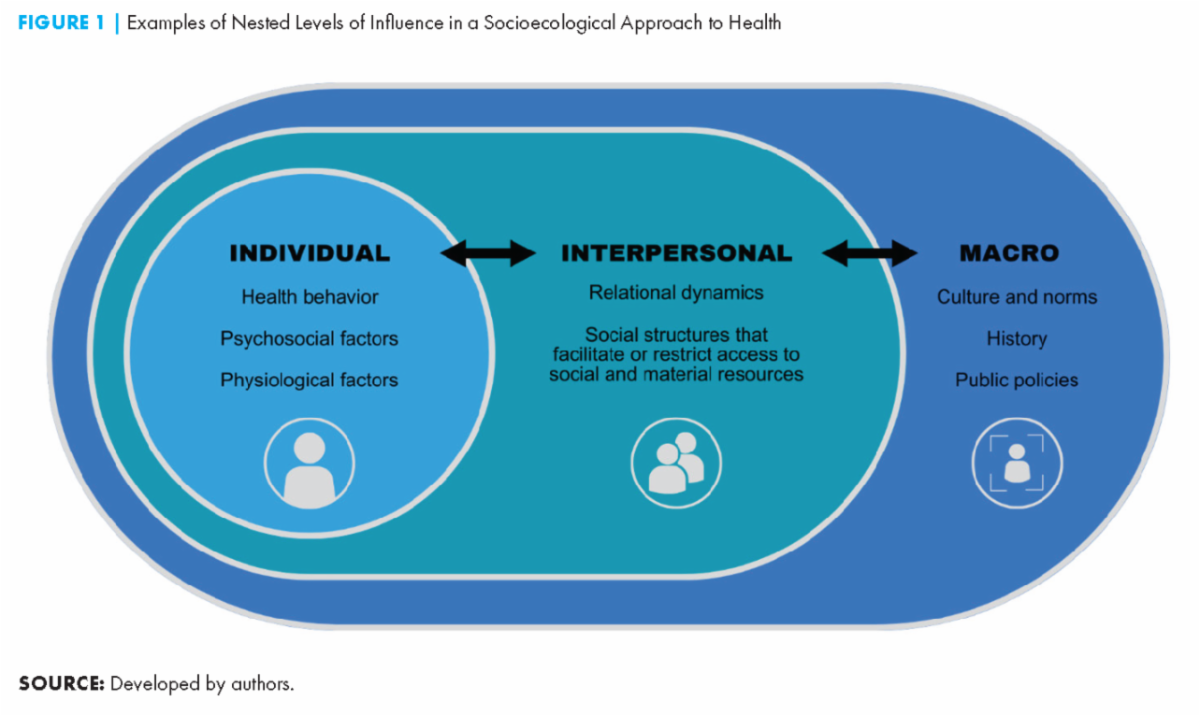
Substance use prevention is strengthened when individuals are supported not only by personal skills and knowledge, but also by positive relationships, connected communities, and environments that promote health and well-being. The National Academy of Medicine (2016) highlights the importance of a socioecological approach to prevention, recognizing that factors at the individual, family, community, and societal levels all influence substance use risk and protective factors [1].
Culture, family, community connections, and a sense of belonging can serve as powerful protective factors. Supportive relationships, positive social networks, community engagement, and access to resources can help strengthen resilience and reduce the risk of substance-related harms.
Research also shows that social relationships play an important role in recovery, with peers, family members, mentors, and professionals often helping individuals build hope, maintain recovery, and develop meaningful connections [2]. Individuals frequently identify recognition and encouragement from trusted people, including peers, service providers, and siblings, as important influences in initiating recovery. Positive relationships that foster acceptance, reduce feelings of shame, provide emotional support, and encourage healthy choices can help individuals sustain recovery over time. Strong family and intimate relationships, in particular, may play a critical role in supporting long-term recovery and overall well-being [2].
By fostering connection, strengthening community supports, and promoting culturally responsive prevention strategies, we can help create environments that support healthy choices and improve well-being across the lifespan.
Healthy coping strategies include:
- Connecting with trusted friends, family members, mentors, or community members
- Participating in cultural, spiritual, or community traditions that foster belonging
- Spending time in nature and engaging in outdoor activities
- Practicing mindfulness, meditation, or deep breathing exercises
- Engaging in regular physical activity or movement
- Expressing emotions through journaling, art, music, or other creative outlets
- Maintaining healthy sleep habits and daily routines
- Volunteering or participating in community service activities
- Seeking support from a counselor, peer support group, or other helping professional when needed
- Making time for activities that bring joy, purpose, and connection
Healthy coping strategies look different for everyone. Finding activities, relationships, and traditions that promote connection, comfort, and well-being can help build resilience during times of stress and change.
If you or someone you know is struggling with substance use, help is available.
Reference:
- National Academy of Medicine. (2016, March 31). Primary, secondary, and tertiary prevention of substance use disorders through socioecological strategies. National Academy of Medicine. https://nam.edu/perspectives/primary-secondary-and-tertiary-prevention-of-substance-use-disorders-through-socioecological-strategies/
- Pettersen, H., Landheim, A., Skeie, I., Biong, S., Brodahl, M., Oute, J., & Davidson, L. (2019). How social relationships influence substance use disorder recovery: A collaborative narrative study. Substance Abuse: Research and Treatment, 13, 1–9. https://doi.org/10.1177/1178221819833379
Additional Resources:
-
988 Suicide and Crisis Lifeline: Call or text 988 for free, 24/7 emotional support for yourself or someone you know.
-
Integrating Suicide Prevention in Substance Use Disorder Treatment: This resource spotlights the urgent overlap between suicide risk and substance use disorder, advocating for routine suicide screening, safety planning, and integrated care in SUD treatment settings to improve client safety and recovery outcomes.
-
Maryland Prescription Drug Drop-Off Collection Sites: Provides safe, convenient, and confidential locations for residents to dispose of unused or expired medications. Proper disposal helps prevent prescription drug misuse, accidental poisoning, and environmental contamination.
-
Maryland Tobacco Quitline: Free, confidential support for quitting nicotine, including youth and young adults. (Call, text, or chat 1-800-QUIT-NOW)
-
NAMI Maryland Helpline: Free, confidential support and referral to mental health and grief resources (1-877-878-2371).
-
National Institute on Drug Abuse (For Teens and Educators): Youth-friendly, plain-language information on alcohol, cannabis, nicotine, and other substances, plus science-based prevention tools.
-
SAMHSA's National Helpline: Free, confidential treatment referral and information service for individuals and families facing mental and/or substance use disorders (1-800-662-4357).
-
Smoking Stops Here: Free service offering support, coaching, and nicotine replacement therapy (NRT) to help Maryland residents quit tobacco, including specialized programs for teens, pregnant women, and those with behavioral health needs.
| |
The 988 Suicide &
Crisis Lifeline:
Marylanders who are experiencing a mental health or substance use crisis should call or text 988. Learn more at 988.maryland.gov and access free community outreach materials in our 988 Toolkit. Maryland veterans and their loved ones can call 988 and press 1 to transfer to the Veterans Crisis Line. Press 2 for Spanish. Option 3 is no longer available. Wait times vary. More information can be found on 988's What to Expect and FAQ pages.
| | The content shared in this newsletter is for informational purposes only and does not necessarily reflect the views or opinions of the individuals or organizations involved in its creation. | | |
Additional BHA Newsletters!
-
988 Newsletter: The newsletter includes updates and critical information about 988, provides resources for the general public to learn about 988, and highlights the great work done at the Maryland 988 centers and by the call/text/chat specialists.
-
Maryland Commitment to Veterans (MCV) Newsletter: The newsletter will provide updates, resources, training opportunities, and information focused on supporting the behavioral health and well-being of service members, veterans, and their families. It will also highlight community partnerships, statewide initiatives, upcoming events, and the important work being done to strengthen support systems across Maryland.
| | | | |