October
Building understanding, maintaining safe spaces, and strengthening support.
| |
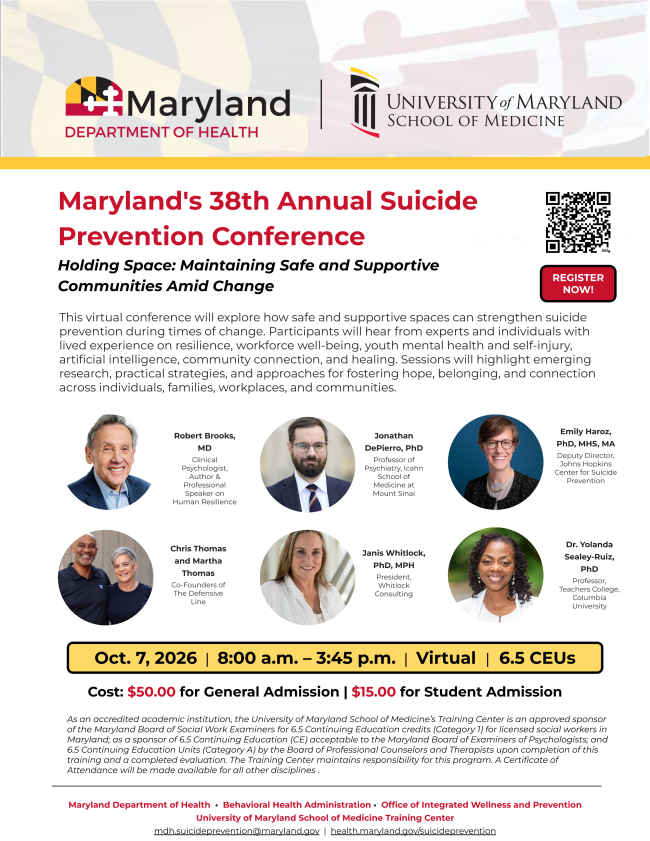
REGISTER NOW! 38th Annual Suicide Prevention Conference: Maintaining Safe Spaces Amid Change
Last year, Maryland’s Annual Suicide Prevention Conference centered on “Creating Safe Spaces: Empowering Individuals and Communities in Suicide Prevention,” exploring how supportive environments, connection, and community can strengthen suicide prevention.
This year, we are building on that foundation by asking an important next question: How do we maintain those safe spaces amid change?
Creating a safe space is not a one-time effort. As our communities, workplaces, schools, technology, and ways of connecting continue to evolve, maintaining supportive environments requires continued attention, adaptation, and commitment to ensuring people feel seen, supported, and able to reach out when they need help.
Join us on October 7, 2026, for Maryland’s 38th Annual Suicide Prevention Conference, “Maintaining Safe Spaces Amid Change.” This virtual conference will bring together professionals, community partners, advocates, and individuals with lived experience from across Maryland and beyond to explore how we can strengthen connection, resilience, and supportive communities during times of change.
This year’s conference will feature keynote speaker Dr. Robert Brooks, along with presentations from Dr. Jonathan DePierro, Dr. Emily Haroz, Dr. Janis Whitlock, The Defensive Line, and Dr. Yolanda Sealey-Ruiz.
Sessions will explore resilience, workforce well-being, youth mental health and self-injury, technology and AI, lived experience, connection, and other emerging topics in suicide prevention.
Together, we will build on the work of creating safe spaces and explore what it takes to sustain them, strengthen them, and ensure they remain responsive as the needs of individuals and communities change.
Details
Date: October 7, 2026
Time: 8:00 a.m.– 3:45 p.m.
Location: Virtual
CEUs: 6.5 CEUs are given; attendees must attend the full event to receive CEUs. No partial CEUs will be given.
Cost: $50.00 per attendee for the general registration | $15.00 per student registration
**Registration is a 2-step process and closes on 10/6 by 12 PM.**
| | |
October is a time to deepen our understanding of the experiences that shape mental health and well-being, including those that may not always be visible. Mental health concerns, substance use, gambling-related harm, bullying, domestic violence, interpersonal violence, and other challenges can affect people in ways that are not immediately apparent. Stigma, misconceptions, and assumptions can make these experiences even harder to recognize, discuss, and address.
This month, we look Beyond What You See, encouraging us to challenge assumptions, increase awareness, and better understand the many individual, social, and environmental factors that can influence behavioral health. Looking beyond what is immediately visible also means recognizing how experiences such as domestic and interpersonal violence, bullying, discrimination, social isolation, and other forms of adversity can affect safety, connection, and well-being.
October’s observances, including Global Diversity Awareness Month, Domestic Violence Awareness Month, National Bullying Prevention Month, Mental Illness Awareness Week, National Depression Screening Day, World Mental Health Day, and OCD Awareness Week, provide opportunities to increase understanding, challenge stigma, and recognize experiences that may otherwise go unseen.
Together, these observances remind us that creating safe and supportive communities requires looking beyond appearances and listening to the experiences of those around us.
| | Beyond the Assumptions: What the Data Shows | | |
Behavioral health challenges do not always affect the people or populations we might expect. Looking more closely at the data can reveal disparities, overlooked populations, and connections between suicide, substance use, and problem gambling that may not be immediately visible. By challenging common assumptions, we can better understand who may be at risk and strengthen prevention efforts to reach people across the lifespan.
ASSUMPTION: Overdose primarily affects younger adults.
BEYOND WHAT YOU SEE: In 2025, fatal overdoses among Black Marylanders were 1.4 times higher than among White Marylanders, with Black men age 55 and older the most impacted group. Nonfatal opioid overdose emergency department visits were also highest among non-Hispanic Black men age 55 and older. [2]
ASSUMPTION: Suicide prevention is primarily a youth issue.
BEYOND WHAT YOU SEE: Suicide prevention is important across the lifespan. In Maryland, adults age 65 and older had the highest suicide rate among age groups in 2021, demonstrating why the number of deaths alone may not fully reflect the impact within a population. [3]
ASSUMPTION: Suicide, substance use, and problem gambling are separate concerns.
BEYOND WHAT YOU SEE: These behavioral health concerns can intersect. Maryland's Center of Excellence on Problem Gambling reports that 50% of people experiencing problems related to gambling or gambling addiction have had thoughts of suicide, while research also points to an increased risk of gambling problems among people with substance use disorders. [1, 4]
ASSUMPTION: Violence is always visible.
BEYOND WHAT YOU SEE: Experiences of sexual and intimate partner violence may occur without being visible to others, yet their impact can be significant. An estimated 57.2% of Maryland women, or approximately 1.4 million women, have experienced contact sexual violence in their lifetime, according to the Maryland Coalition Against Sexual Assault. [5] Domestic and intimate partner violence can also have fatal consequences. The Maryland Network Against Domestic Violence reports that 47 deaths in Maryland were directly tied to intimate partner violence, an increase from 41 in 2024. Nearly 37% of these cases involved a suicide or attempted suicide, highlighting the intersection between interpersonal violence, safety, and suicide prevention [6].
These experiences reinforce the importance of looking beyond what may be immediately visible, recognizing potential signs of abuse or distress, and ensuring survivors can safely connect with appropriate resources and support. Looking beyond assumptions helps us see who may be missing from traditional prevention messages. Understanding how behavioral health concerns differ across populations and intersect with one another can help us recognize risk earlier, strengthen prevention efforts, and connect people with appropriate support.
References:
-
Galeazzi, G. M., Marchi, M., & Castagnini, A. C. (2025). Psychiatric morbidity and gambling disorder: A systematic review and meta-analysis of population-based surveys. European psychiatry : the journal of the Association of European Psychiatrists, 68(1), e161.doi.org/10.1192/j.eurpsy.2025.10122
- Maryland Department of Health, Behavioral Health Administration. (2026). Overdose data. Maryland Department of Health – Overdose Data
- Maryland Department of Health. (2024). Circumstances of suicide among older adults in Maryland. Circumstances of Suicide Among Older Adults in Maryland
- Maryland Center of Excellence on Problem Gambling. (2026). Gambling problems. Maryland Center of Excellence on Problem Gambling
- Maryland Coalition Against Sexual Assault. (2025). Sexual assault in Maryland: Fact sheet 2025. Maryland Coalition Against Sexual Assault
- Maryland Network Against Domestic Violence. (n.d.). Maryland domestic violence statistics. Maryland Network Against Domestic Violence
| |
Want To Be Involved? Help Shape Maryland's Statewide Postvention Collaborative
| | |
The Maryland Department of Health's Office of Integrated Wellness and Prevention has launched the Maryland Postvention Collaborative this fall to strengthen suicide postvention efforts across the state. The Collaborative will bring together professionals, organizations, and community partners to share promising practices, strengthen partnerships, and advance evidence-informed approaches that support healing after a suicide loss.
If you are interested in participating in the Maryland Postvention Collaborative, please email mdh.suicideprevention@maryland.gov.
Your email address will automatically be added to the Collaborative's distribution list, ensuring you receive future meeting invitations, updates, resources, and opportunities to engage.
Whether you work in behavioral health, education, healthcare, public health, crisis services, faith communities, or another sector, your perspective is valuable. Together, we can strengthen Maryland's coordinated approach to postvention and support individuals, families, schools, workplaces, and communities in the aftermath of suicide.
| |
Trainings & Events - REGISTER NOW!
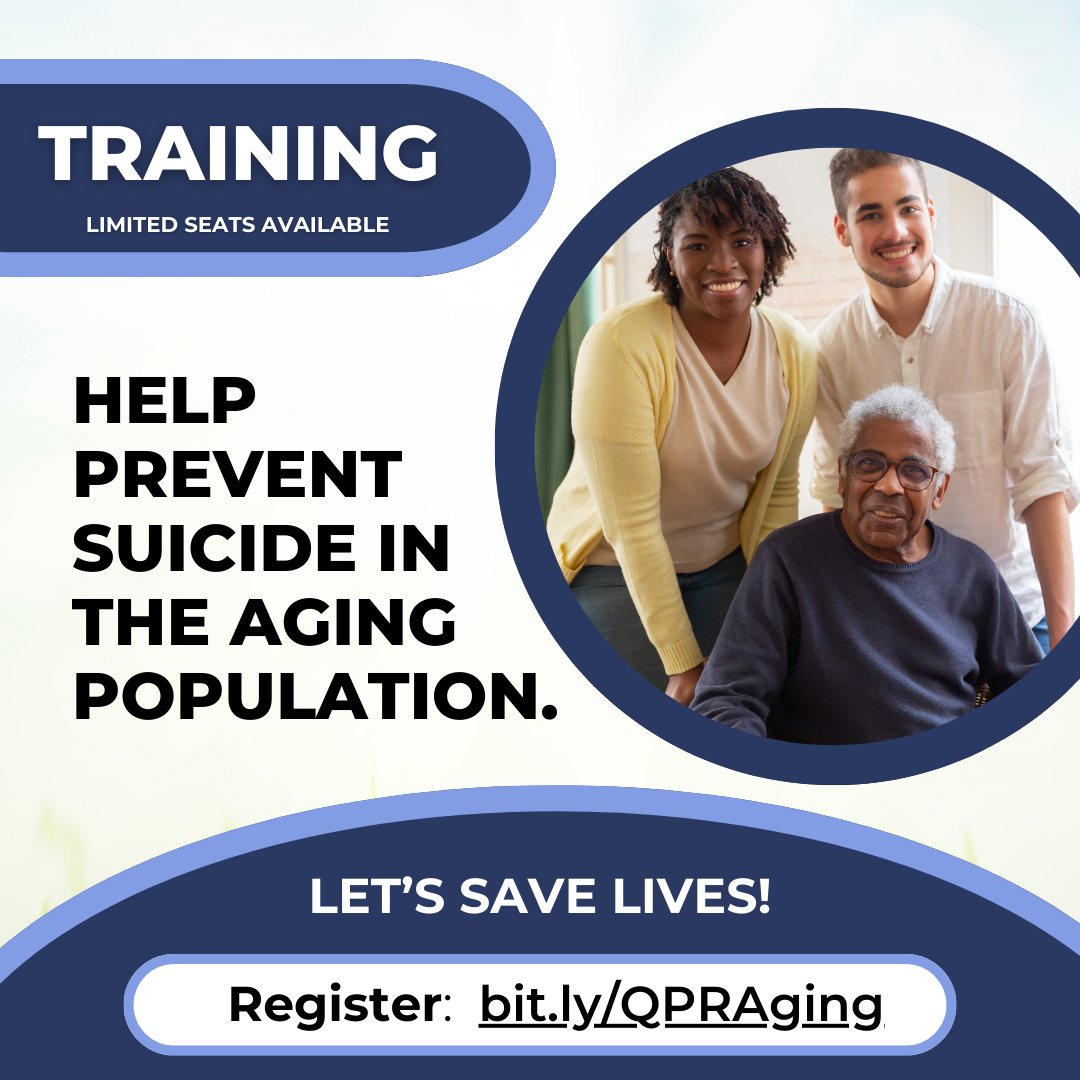
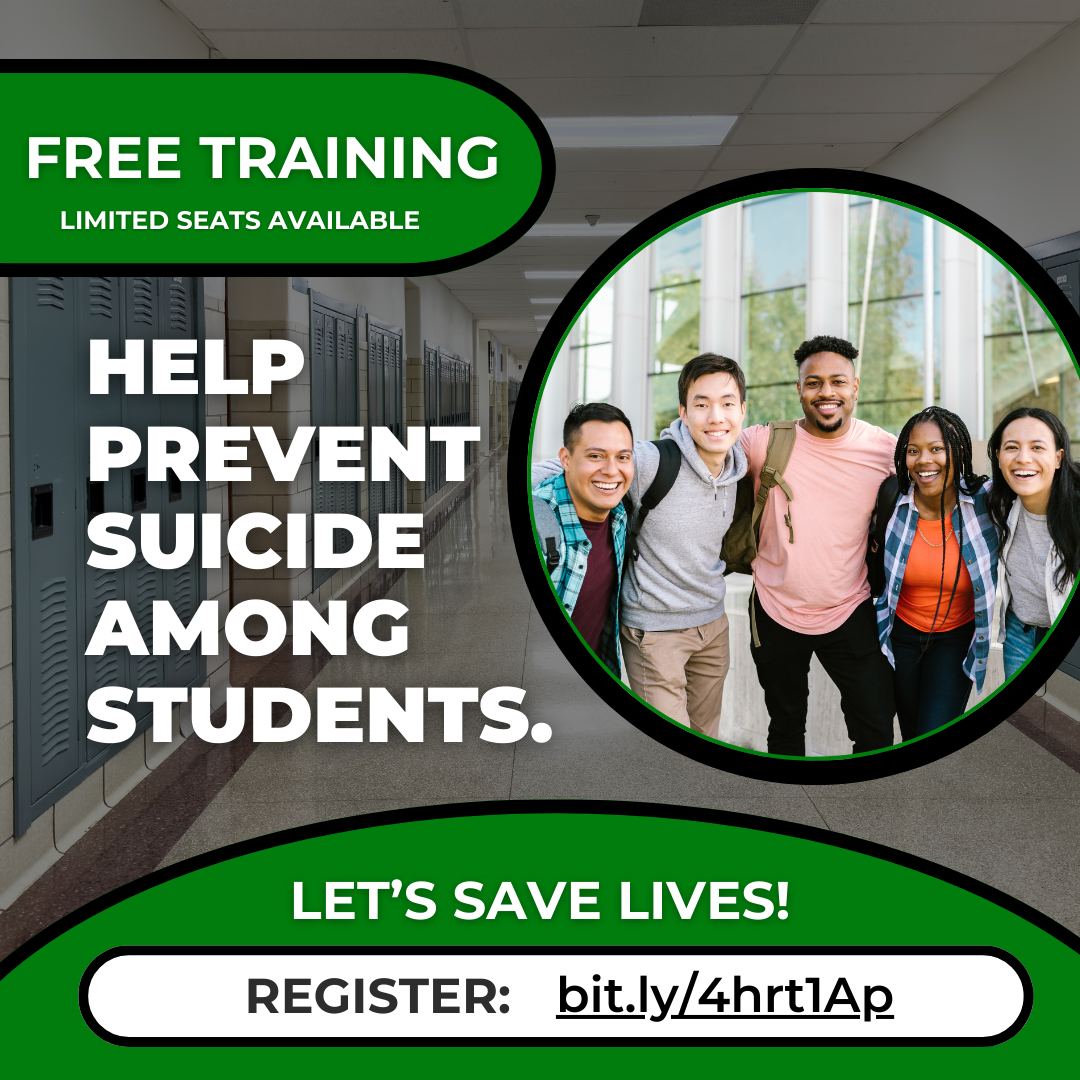
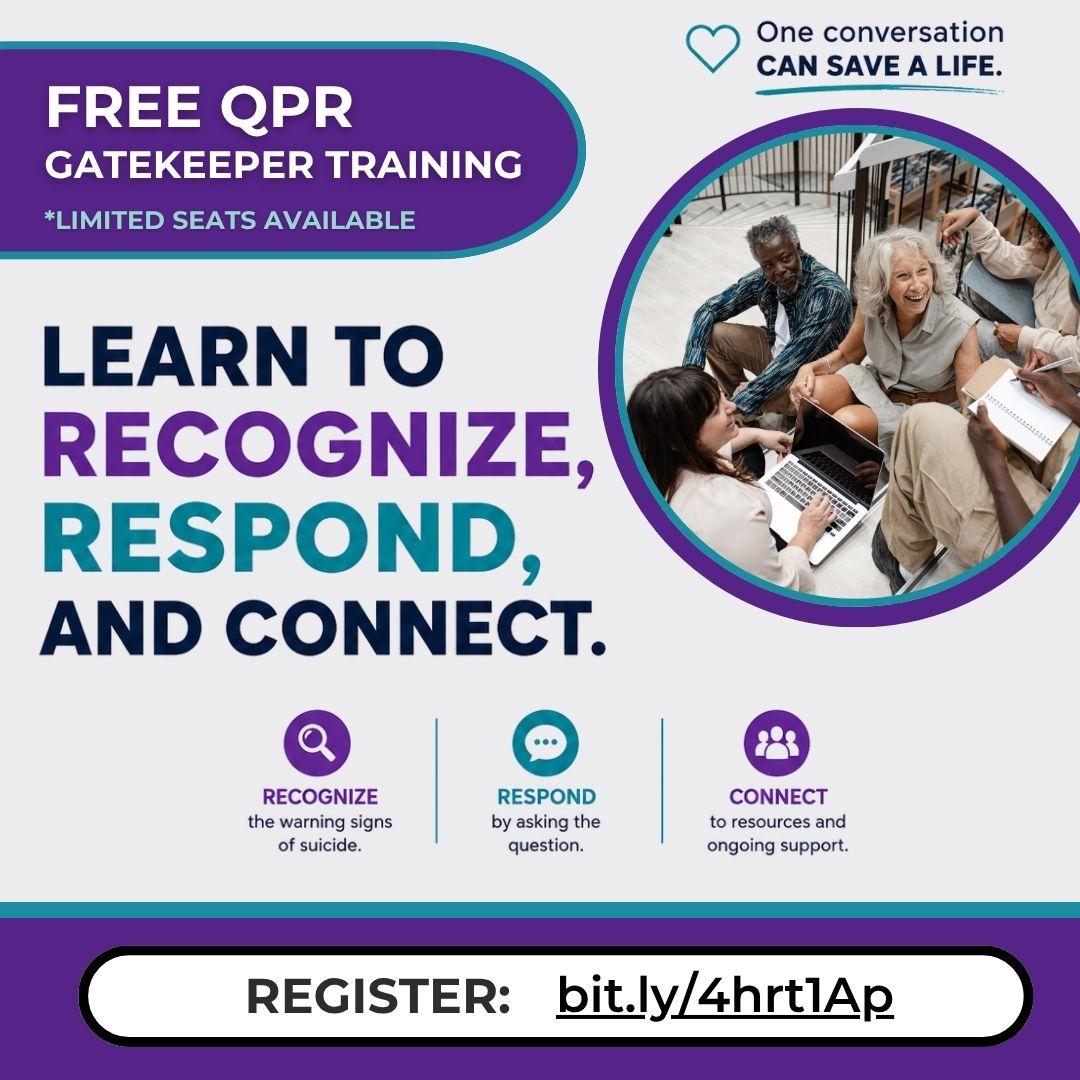
| | The Maryland Department of Health’s Office of Integrated Wellness and Prevention is offering free evidence-based Question, Persuade, Refer suicide prevention training. | | |
Additional Trainings & Events:
| | |
Gambling-related harm is not always easy to recognize. Unlike some behavioral health concerns, there may be few visible signs that someone is struggling with gambling. Financial changes, however, can be an important indicator that gambling is beginning to affect an individual or family.
Someone experiencing gambling-related harm may borrow money from family or friends, use payday loans or casino lines of credit, fall behind on bills, or look for other ways to cover financial losses. Because access to additional money can temporarily make the situation appear manageable, the extent of the problem may remain hidden from loved ones and even from the individual themselves.
Financial strain can also affect more than a bank account. Worry about paying bills, providing for a family, or disclosing gambling-related debt can contribute to stress, shame, isolation, and other behavioral health concerns. Looking beyond what we see means recognizing that financial difficulties may be connected to a larger concern and approaching conversations with support rather than judgment.
Support is available:
-
Gamblers Anonymous provides peer support for individuals who want help addressing their gambling. Both in-person and virtual meetings are available through the Gamblers Anonymous Meeting Directory. Gam-Anon provides support for family members, friends, and loved ones affected by someone else’s gambling. Meetings are available through the Gam-Anon U.S. Meeting Directory.
-
The Maryland Center of Excellence on Problem Gambling offers no-cost treatment and support for individuals affected by gambling, as well as their friends and family members. Virtual and in-person counseling services are available to Maryland residents, and insurance is not required.
-
Call 1-800-GAMBLER for confidential support and treatment resources.
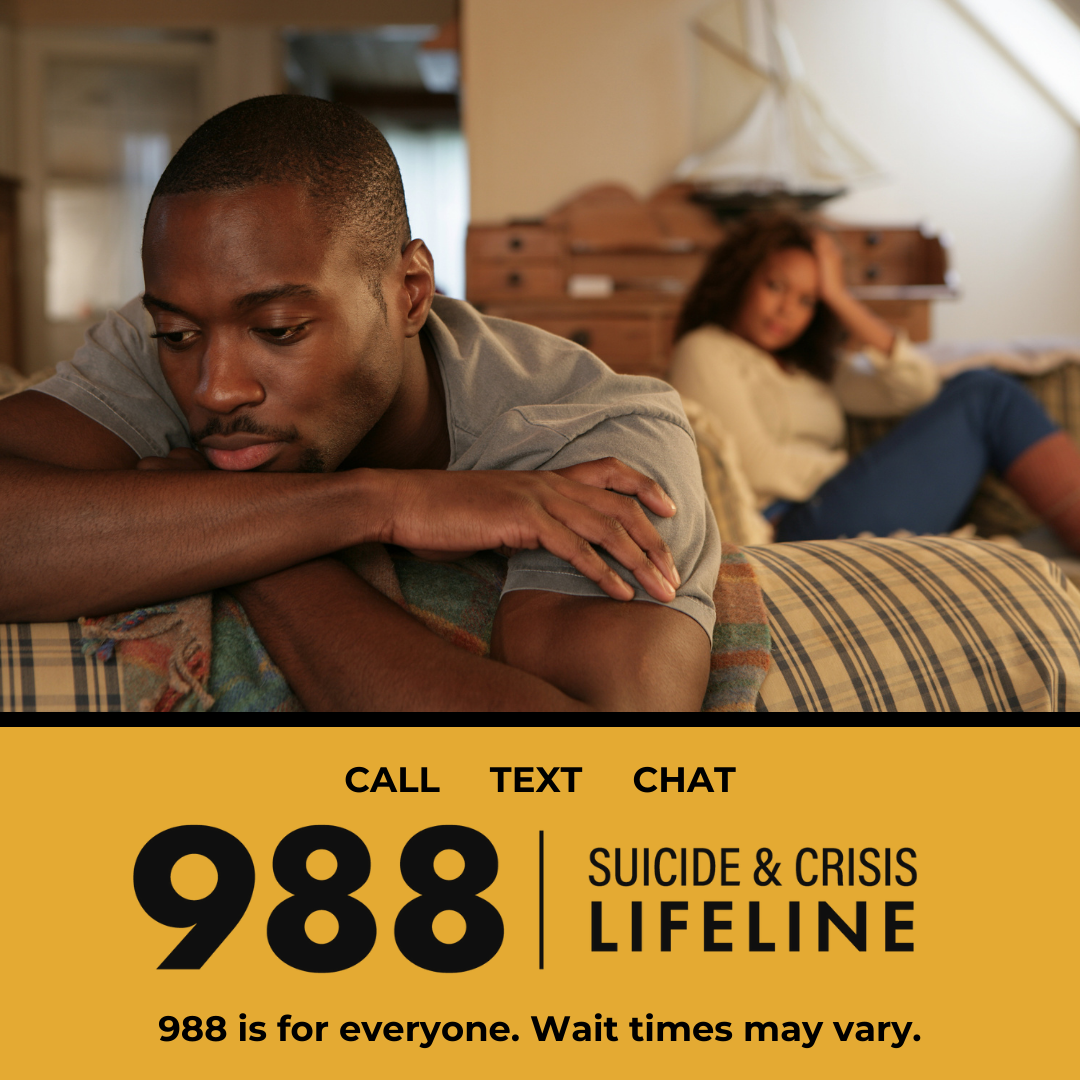
If you or someone you know is experiencing emotional distress, a mental health or substance use crisis, or thoughts of suicide, call or text 988 to connect with the 988 Suicide & Crisis Lifeline.
All support is free, confidential, and available to individuals and families.
Need help or know someone who does?
Call/Text: 1-800-GAMBLER (available 24/7)
Visit or Chat: helpmygamblingproblem.org
| | Substance Use Prevention: Look Beyond the Stigma | | |
Substance use and substance use disorders do not always look the way we expect. People of different ages, backgrounds, and circumstances can experience substance-related challenges, yet stigma and assumptions about who uses substances or what substance use “looks like” can make concerns easier to overlook.
Stigma can also influence how we talk about substance use. Words that define someone by their substance use or suggest that addiction is simply a matter of willpower can reinforce shame and discourage people from talking openly about concerns or seeking support. Using respectful, person-first language helps recognize substance use disorder as a health condition and creates more supportive conversations around prevention, treatment, and recovery.
This October, challenge assumptions by learning more about substance use, using person-first and non-stigmatizing language, and helping connect individuals and communities with prevention, treatment, harm reduction, and recovery resources.
Look Beyond the Stigma:
-
Words Matter: Language can shape how people experiencing substance use disorders are viewed and how they view themselves. Instead of labels such as “addict” or “drug abuser,” use person-first language such as “person with a substance use disorder” or “person in recovery.”
-
Risk Does Not Have One Look: Substance-related risk can affect people across the lifespan. Avoiding assumptions based on someone’s age, race, background, appearance, or circumstances can help ensure prevention messages and resources reach populations that may otherwise be overlooked.
-
Prevention Starts Before a Crisis: Prevention is not limited to responding when substance use becomes severe. Strengthening protective factors, providing accurate information, recognizing emerging concerns, and creating supportive environments can help reduce risk earlier.
-
Connection Matters: Stigma can make it difficult to ask for help. Listening without judgment, using supportive language, and knowing where to connect someone for additional information or services can make conversations about substance use easier.
Additional Resources:
-
988 Suicide and Crisis Lifeline: Call or text 988 for free, 24/7 emotional support for yourself or someone you know.
-
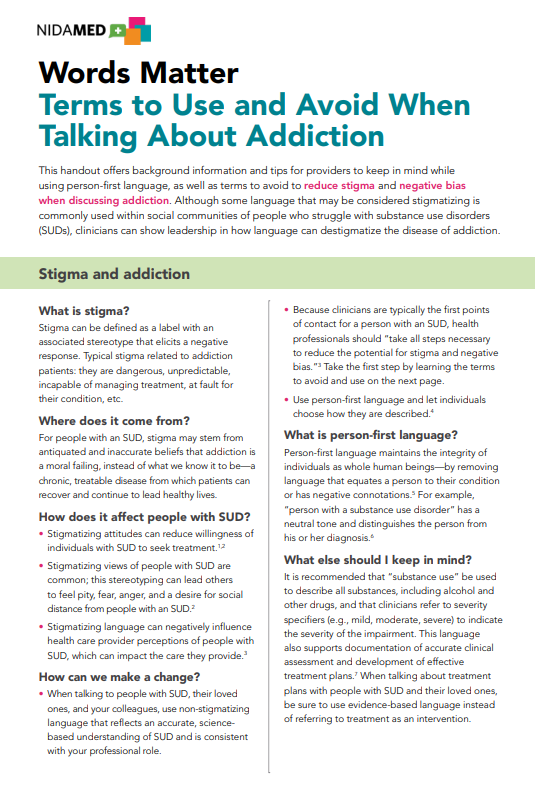
American Society of Addiction Medicine - Words Matter: This handout offers background information and tips for providers to keep in mind while using person-first language, as well as terms to avoid to reduce stigma and negative bias when discussing addiction.
-
Integrating Suicide Prevention in Substance Use Disorder Treatment: This resource spotlights the urgent overlap between suicide risk and substance use disorder, advocating for routine suicide screening, safety planning, and integrated care in SUD treatment settings to improve client safety and recovery outcomes.
-
Maryland Prescription Drug Drop-Off Collection Sites: Provides safe, convenient, and confidential locations for residents to dispose of unused or expired medications. Proper disposal helps prevent prescription drug misuse, accidental poisoning, and environmental contamination.
-
Maryland Tobacco Quitline: Free, confidential support for quitting nicotine, including youth and young adults. (Call, text, or chat 1-800-QUIT-NOW)
-
NAMI Maryland Helpline: Free, confidential support and referral to mental health and grief resources (1-877-878-2371).
-
National Institute on Drug Abuse (For Teens and Educators): Youth-friendly, plain-language information on alcohol, cannabis, nicotine, and other substances, plus science-based prevention tools.
-
National Institute on Drug Abuse - Words Matter: This page offers background information and tips for providers to keep in mind while using person-first language, as well as terms to avoid to reduce stigma and negative bias when discussing addiction.
-
SAMHSA's National Helpline: Free, confidential treatment referral and information service for individuals and families facing mental and/or substance use disorders (1-800-662-4357).
-
Smoking Stops Here: Free service offering support, coaching, and nicotine replacement therapy (NRT) to help Maryland residents quit tobacco, including specialized programs for teens, pregnant women, and those with behavioral health needs.
| Take Action This October: Drug Take Back Events | |
Safe storage and disposal of unused or expired medications are simple steps that can help prevent medication misuse, accidental poisoning, and other potential harms. Throughout October, local health departments and community partners across Maryland are hosting Drug Take Back events where residents can safely dispose of medications and connect with prevention resources.
Why It Matters: Prevention can begin at home. Regularly reviewing medications, storing them securely, and safely disposing of medications that are expired or no longer needed can reduce opportunities for misuse and help keep individuals, families, and communities safer.
| |
Carroll County
The Carroll County Health Department, in partnership with the Carroll County Bureau of Solid Waste and local law enforcement, will host Drug Take Back activities on Saturday, October 17, from 8:00 a.m.–12:00 p.m. Residents can safely dispose of unwanted and unused medications at seven locations throughout the county. Prevention materials and resources will also be available.
- Carroll County Vehicle Maintenance Facility
1250 Old Meadow Branch Road
Westminster, MD
| |
Harford County
The Harford County Office of Drug Control Policy, in partnership with local law enforcement, will host Drug Take Back activities on Saturday, October 24, from 10:00 a.m.–2:00 p.m. Residents can safely dispose of unwanted and unused medications at seven locations throughout the county. Prevention materials and resources will also be available.
These events will emphasize safe disposal of unwanted and unused medications, including the importance of avoiding flushing medications to help protect Maryland waterways.
| |
- County Office Building Parking Lot
220 S. Main Street
Bel Air, MD
Corner of Business Route 1 and Main Street
|
- Havre de Grace Police Department
715 Pennington Avenue
Havre de Grace, MD
Maryland State Police
1401 Bel Air Road
Bel Air, MD
|
- Harford County Emergency Services Annex
3724 Norrisville Road
Jarrettsville, MD
| |  |
- Aberdeen Police Department
60 N. Parke Street
Aberdeen, MD
Bel Air Police Department
39 N. Hickory Avenue
Bel Air, MD
| |
21 Wegmans Boulevard
Abingdon, MD
| |
Calvert County
On Saturday, October 24, 2026, from 10:00 a.m.–2:00 p.m., the Calvert County Health Department
in partnership with the Calvert Alliance Against Substance Abuse (CAASA) and the Calvert County Sheriff’s Office, plans to host Drug Take Back activities, where participants can access naloxone, medication lockboxes, Deterra bags, sharps containers, naloxone training, and information about 24/7 medication drop boxes in Calvert County.
| |
- Northeast Community Center
4075 Gordon Stinnett Avenue
Chesapeake Beach, MD
| | |
- Southern Community Center
20 Appeal Lane
Lusby, MD
| |
Prince George's County
On Saturday, October 24, 2026, from 9:00 a.m.–1:00 p.m., the Prince George's County Health Department will be hosting a Drug Take Back Event. The event will include naloxone training, substance use education, safe medication storage information, pamphlets, and safe-storage boxes, with a particular focus on reaching adults and older adults.
Fort Washington, MD
| |
Garrett County
The Garrett County Health Department, in partnership with the Maryland State Police, will host two Drug Take Back events focused on reaching older adults. Safe storage and disposal information, along with prevention materials, will be available.
- Tuesday, October 6, 2026 | 12:00–2:00 p.m.
Grantsville Dollar General
Grantsville, MD
- Tuesday, October 13, 2026 | 12:00–2:00 p.m.
New Beginnings Thrift Store
Bloomington, MD
| | |
Washington County
On Saturday, October 24th, from 11:00 a.m. to 1:00 p.m., the Washington County Health Department will host a Drug Take Back event focused on safe medication storage and disposal.
Garland Groh Boulevard
Hagerstown, MD
Prevention materials and resources on safe medication storage and disposal will be available.
| |
The 988 Suicide &
Crisis Lifeline:
Marylanders who are experiencing a mental health or substance use crisis should call or text 988. Learn more at 988.maryland.gov and access free community outreach materials in our 988 Toolkit. Maryland veterans and their loved ones can call 988 and press 1 to transfer to the Veterans Crisis Line. Press 2 for Spanish. Option 3 is no longer available. Wait times vary. More information can be found on 988's What to Expect and FAQ pages.
| | |
Additional BHA Newsletters!
-
988 Newsletter: The newsletter includes updates and critical information about 988, provides resources for the general public to learn about 988, and highlights the great work done at the Maryland 988 centers and by the call/text/chat specialists.
-
Maryland Commitment to Veterans (MCV) Newsletter: The newsletter will provide updates, resources, training opportunities, and information focused on supporting the behavioral health and well-being of service members, veterans, and their families. It will also highlight community partnerships, statewide initiatives, upcoming events, and the important work being done to strengthen support systems across Maryland.
| | | | |