|
Welcome back to the funhouse mirror known as the global economy!
In what feels like an abrupt U-turn, the Trump administration is calling off the dogs on a whole host of breakfast staples, including things like coffee, tropical fruits, and, most importantly to your grilling budget (and my bulking season), beef.
The admission we never expected
Turns out, when you slap a punitive tax on the world's biggest exporters, prices go up:
- Beef prices had shot up 50% year-over-year. Cattle shortages in the U.S. were the main culprit, but a 76% tariff rate on cow meat from major exporter Brazil certainly didn't help.
- Coffee was up 19% in the same period. While adverse weather played a role, a 50% tariff on Brazil's exports (which supply a third of our coffee) meant your morning dark roast came with a surcharge.
- Even the reliably dirt-cheap banana was up 7%. In the words of Gwen Stefani: "Bananas!"
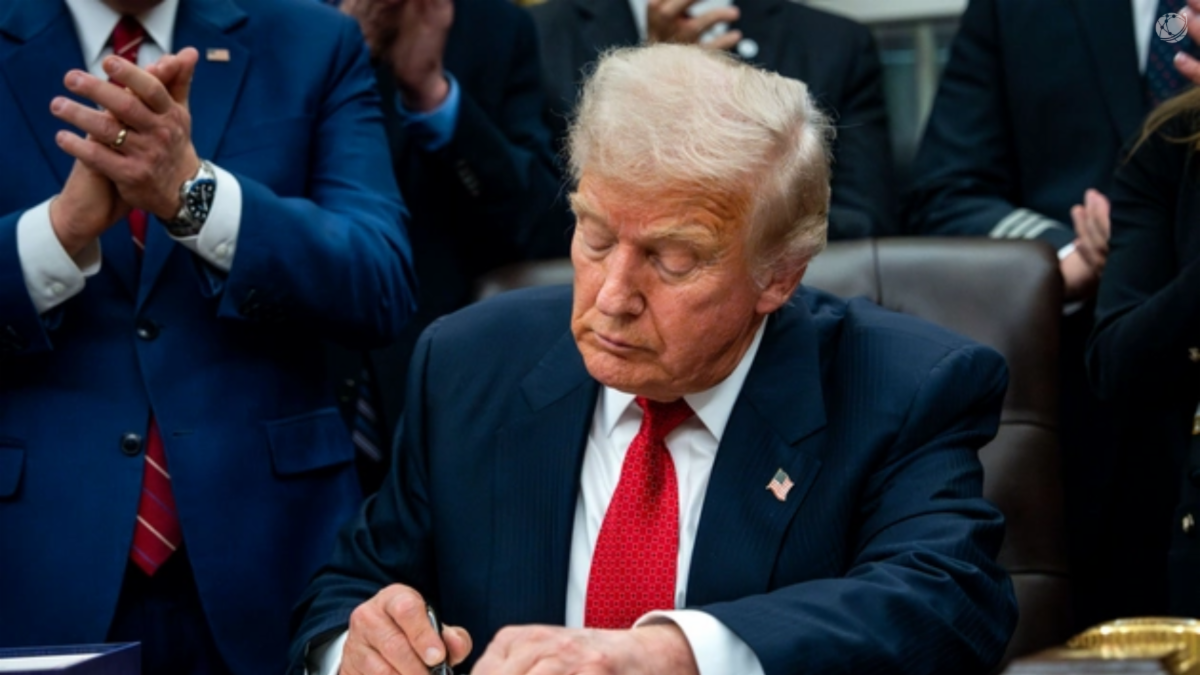
After months of claiming the import taxes weren't a major factor in inflation, the President provided a rare public admission: those tariffs “may, in some cases” have the effect of increasing consumer prices.
It’s the closest we’ve gotten to an "Oops! Our bad."
We can only assume someone finally pointed out that, logistically speaking, taxing a banana does not encourage an American to go out and plant a banana tree. That would be considered manual labor, and we don't do that here.
What's the tea?
We’re talking about a full tariff retreat on grocery items that your mother swears are better at Whole Foods:
- Tea
- Fruit juice
- Cocoa
- Bananas
- Oranges
And here’s the kicker: many of these products, like coffee and bananas, aren't even mass-produced in the United States. So, tariffs meant to spur domestic production had little effect except making your morning smoothie more expensive.
With this tariff reduction, prices for those key imports will likely come down for consumers. This matters because inflation, despite certain claims, remains elevated.
"PIVOT!"
So, what’s the official mechanism for this sudden act of generosity? The administration is pointing to new trade framework agreements they’ve been hammering out with partners such as:
- Argentina
- Ecuador
- El Salvador
- Guatemala
These new deals are designed to streamline market access (good news for exporters) and, as a bonus, allow for the reduction of reciprocal tariffs (good news for importers).
For example, our friends in Argentina are expected to get their beef exempted from that 10% duty. We’ll take that as a win for supply chain sanity and a huge step towards me reaching a new benchpress PR by the end of the month (there isn't enough beef in the world for that, let's be honest).
The Food Industry Association, which represents basically everyone from producers to retailers, applauded the "swift tariff relief," noting that these import taxes were a huge factor in the "complex mix" of supply chain issues.
The $2,000 question
Despite rolling back tariffs, President Trump couldn’t help but revisit a financial fantasy that we've all been dreaming of since receiving stimulus checks during the pandemic: using the tariff revenue collected by the federal government to fund $2,000 checks for many Americans.
While he insists this is "money earned as opposed to money that was made up," the logistics of funding both a debt reduction and a massive government payout are definitely complicated, but that wouldn't stop me from immediately spending that money on VIP tickets to see Skrillex at Bonnaroo next year.
He suggested these checks could come sometime in 2026, but the details are vaguer than the Tennessee Titan's plans for a new head coach. Good luck squaring that circle...
|