|
Temporary tariff truce truncates transcendent trade tussle
Remember that video of the guy who approached a kangaroo, punched it in the face, stared at it for a little bit, and then walked away as the kangaroo just stood there absolutely flabbergasted?
That's what the last couple months of the U.S.-China trade war have felt like.
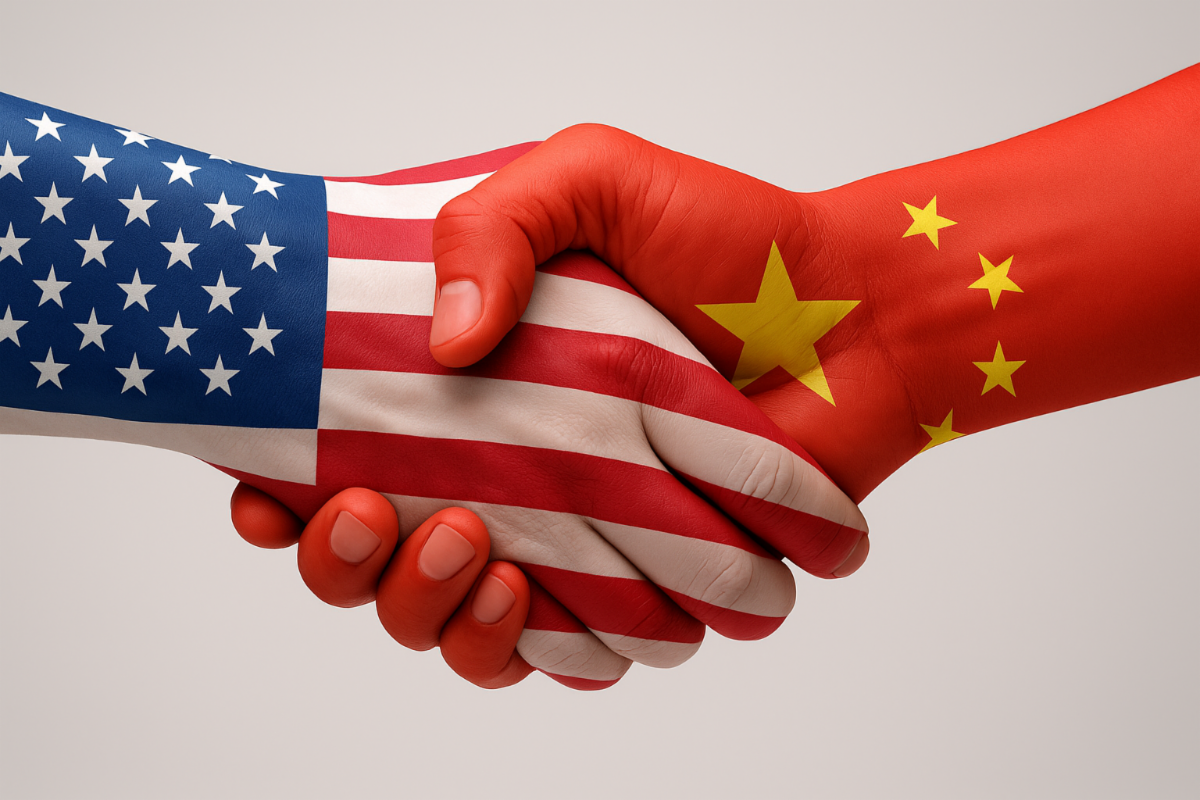
In a move that shocked just about everyone, the two countries have agreed on a temporary rollback of their punishing tariffs, which has this particular writer wondering what the heck I'm supposed to talk about in this newsletter for the next 90 days.
Quick bullet points for people who don't like to read:
- U.S. blanket tariffs on Chinese goods: slashed from 145% to 30%
- China’s tariffs on American imports: down from 125% to 10%
- Time on the clock: 90 days
From Liberation Day to Geneva
In case the word "tariff" has been blissfully removed from your news feed over the last few months, let's get you caught up.
Last month, President Trump rolled out what he dubbed “Liberation Day” tariffs. These blanket rates had business leaders clutching their pearls (and their spreadsheets) and economists warning of a recession.
With supply chains blinking red and the bond market screaming, “oh God please make it stop!” the administration pivoted.
Enter: Treasury Secretary Scott Bessent and U.S. Trade Rep Jamieson Greer. Sent to Geneva for what looked like a long shot, the two came back with what might be the biggest trade ceasefire in years.
“Neither side wants a decoupling,” Bessent said, sounding more like a marriage counselor than an economic negotiator. “We want more balanced trade.”
A plan just crazy enough to work?
Like me explaining why I write a freight newsletter when I went to the University of Georgia for sports journalism, Trump’s inner circle insists this was all part of a master plan.
According to sources close to the administration, this was all a “shock-and-awe” strategy to push the world into accepting a permanent 10% tariff floor.
As one advisor told CNN, “This is a hell of a lot better than the alternative both of us were staring down.”
Cautiously optimistic
Although the stock market partied like Stetson Bennett IV after winning the 2022 National Championship, let’s not pop the Pappy Van Winkle just yet.
After all, this is a pause, not peace:
- The current blanket 30% tariff on China is still in effect.
- Sector-specific tariffs on cars, steel, and EVs are still alive and well.
- Fees for de minimis imports of low-value products are still in effect, although they've been reduced from 120% to 54%.
Evan with a temporary truce, the current tariff rate is projected to reduce US-bound Chinese exports by as much as 36% over the next year.
Shippers: start your engines
Don't be surprised if your warehouse is more chaotic than an anthill that just got stepped on for the next few months.
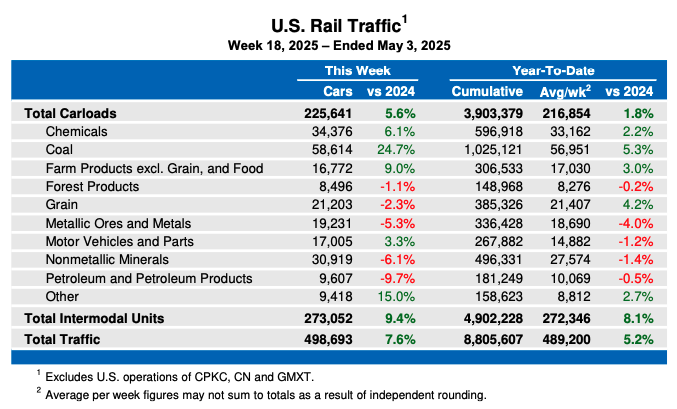
With 90 days on the clock, importers are already frontloading orders in an effort to beat the potential tariff snapback. Expect volume spikes, rate increases, and some very overworked logistics managers.
“Everyone wants consistency, and that’s been the hard part of this whole thing,” said Mike Abt, a logistics executive in Chicago. “It’s like a game of Risk. You never really know what move’s coming next.”
When the guy from Chicago is telling you there's a risk, you should listen.
So, like, what now?
Clearly, things can change quickly, but here's what we know about the immediate future:
- The White House says 145% tariffs “aren’t coming back.”
- Trump claims China has agreed to “fully open” its economy.
- Negotiators are prepping for more talks.
But as anyone approaching their 30's knows, time goes by fast. If no deal is struck, tariffs could shoot back up. Maybe not to 145%, but “substantially,” per Trump.
Call it improvisation. Call it instincts. Call it a Hail Mary thrown from the Oval Office. Either way, the pivot to diplomacy came after executives, economists, and just about every trade-dependent industry started painting worst-case scenarios in neon red.
“This is the first time it feels like we might actually land this plane without crashing into a recession,” one Republican senator told CNN.
That’s not exactly a ringing endorsement, but hey, it’s a long way from “brace for impact.”
|