|
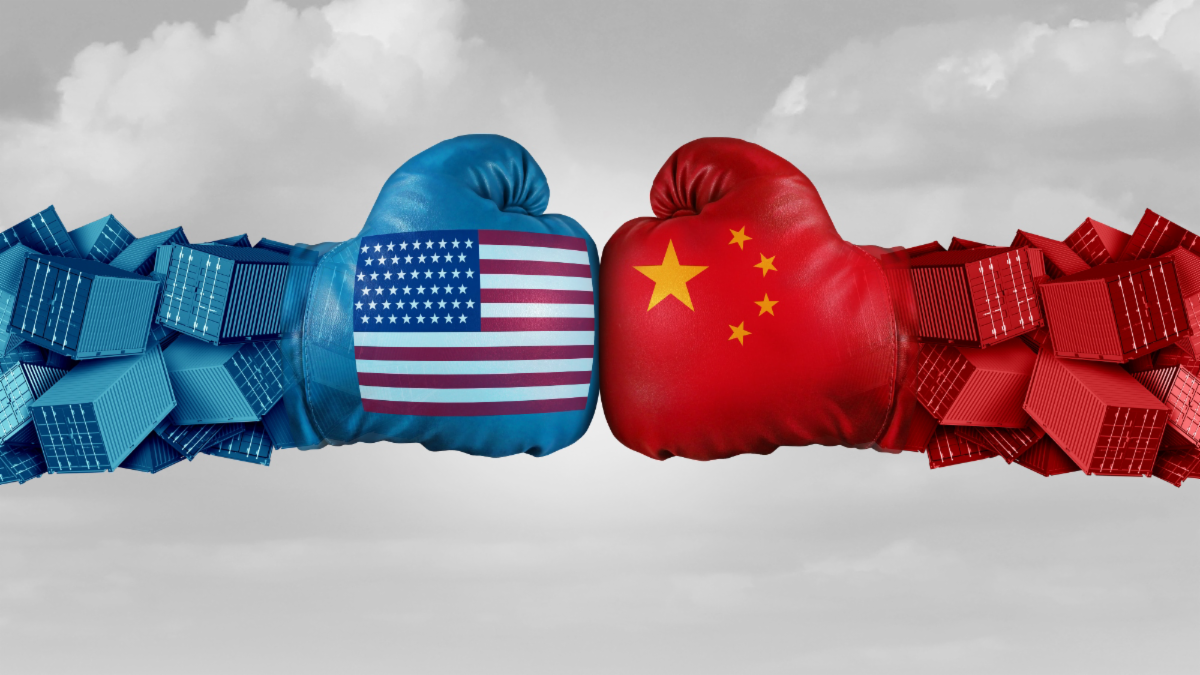
Trade Wars: Revenge of the Tariffs
If I had a dollar for every time I talked about tariffs in this newsletter, I would be rich enough to no longer care about tariffs.
Luckily for you all, I don't. I do this for the love of the game.
Retailers, logistics companies, and consumers have all been scrambling to get a grip on the new trade landscape since Trump's April 2nd announcement, but some experts warn that it may be too late to avoid higher prices and empty shelves.
A sea of cancellations.
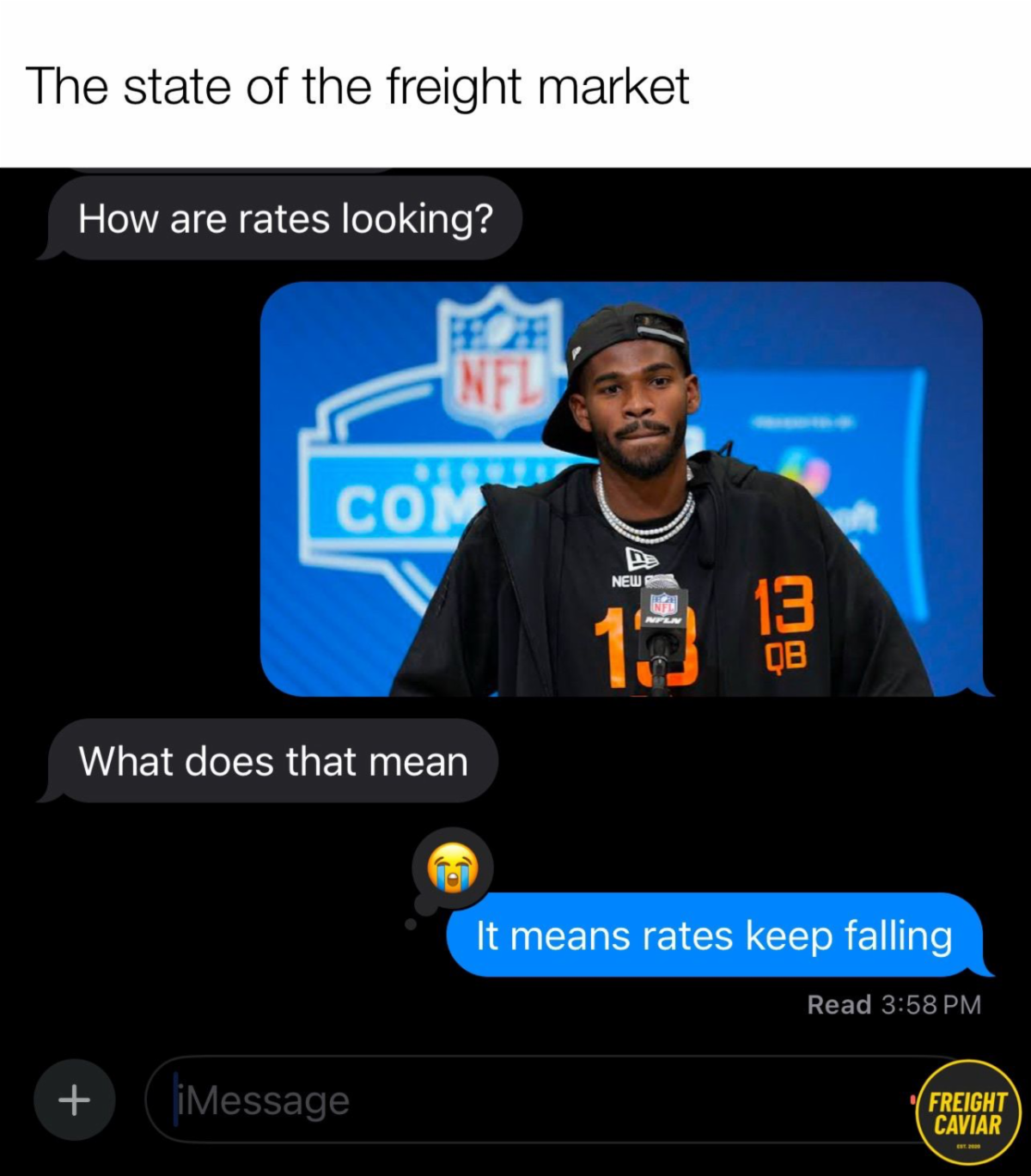
Since the tariffs took effect in early April, trans-Pacific shipping has been falling faster than Shadeur Sanders in the NFL Draft:
- Ocean carriers have canceled approximately 80 voyages from China to the U.S. this month alone, a 60% increase in cancellations compared to the peak of COVID-19 disruptions in May 2020.
- The Port of Los Angeles, America's primary gateway for Chinese goods, anticipates a one-third drop in arrivals next week compared to the same period last year .
- Flexport reports a 50% cancellation rate on shipments from China to North America, with major ports like Yantian, Ningbo, and Shanghai experiencing significant disruptions.
- The National Retail Federation (NRF) predicts U.S. import cargo volumes will sink by at least 20% year-over-year in the second half of 2025.
Maritime analyst Drewry projects a 1% drop in global container port volume this year thanks to Trump’s trade war reboot. That may not sound like much, but it's only the third time since 1979 that global shipping demand has taken a dive.
For context, the only other two dips came during the 2009 financial crisis (down 8.4%) and the early days of the COVID pandemic (just under 1%).
Consumer vibes are officially in the dumps.
U.S. consumer confidence took its biggest dive in years, with the Conference Board’s index dropping nearly eight points in April to its lowest level since May 2020.
The expectations index, which gauges how folks feel about the next six months, fell even harder, hitting a 13-year low. For context: when this number drops below 80, it’s historically been a red flag for a looming recession.
April’s reading? 54.
In the words of the famous wordsmith, Scooby Doo: "ruh-roh."
The tariffs that stole Christmas.
Thanks to higher prices and shipping cancellations, store shelves could soon be more barren than my Instagram DMs after posting a thirst trap.
Some of the first products to vanish from shelves could include budget-friendly shoes, clothes, toys, and electronics, which are all categories deeply rooted in Chinese manufacturing.
“Think toilet paper during COVID — now expand that to half your shopping list,” said Sean Stein, president of the U.S.-China Business Council. “In just a few weeks, shelves could start looking eerily empty. And if the administration waits until panic buying sets in, it’s already too late.”
According to sources close to the Trump administration, the possibility of widespread product shortages (especially around key holidays like July 4th and Christmas) has sparked more concern in the White House than prolonged warnings about inflation or rising retail costs.
In other words, if you really want the government's attention, tell them that Santa isn't real.
Shippers and retailers are straight up not having a good time.
Retail giants that rely heavily on Chinese-made goods (which is basically all of them) are bracing for impact as Trump's tariff policies collide with a global shipping slowdown.
So far this April:
- Amazon stock has dipped about 1.4%.
- Target stock has fallen by a whopping 7.7%.
- Walmart, on the other hand, seems to be doing just fine, boasting an 8% surge in stock price.
Over in logistics land, the pain runs even deeper:
- XPO Logistics saw their shares slip 9.4%.
- Old Dominion Freight Line dropped 10% in April, with its execs warning of a 6% year-over-year revenue decline for the month.
- J.B. Hunt is down 11.5% this month.
- ArcBest has fared even worse, sliding 16.3%
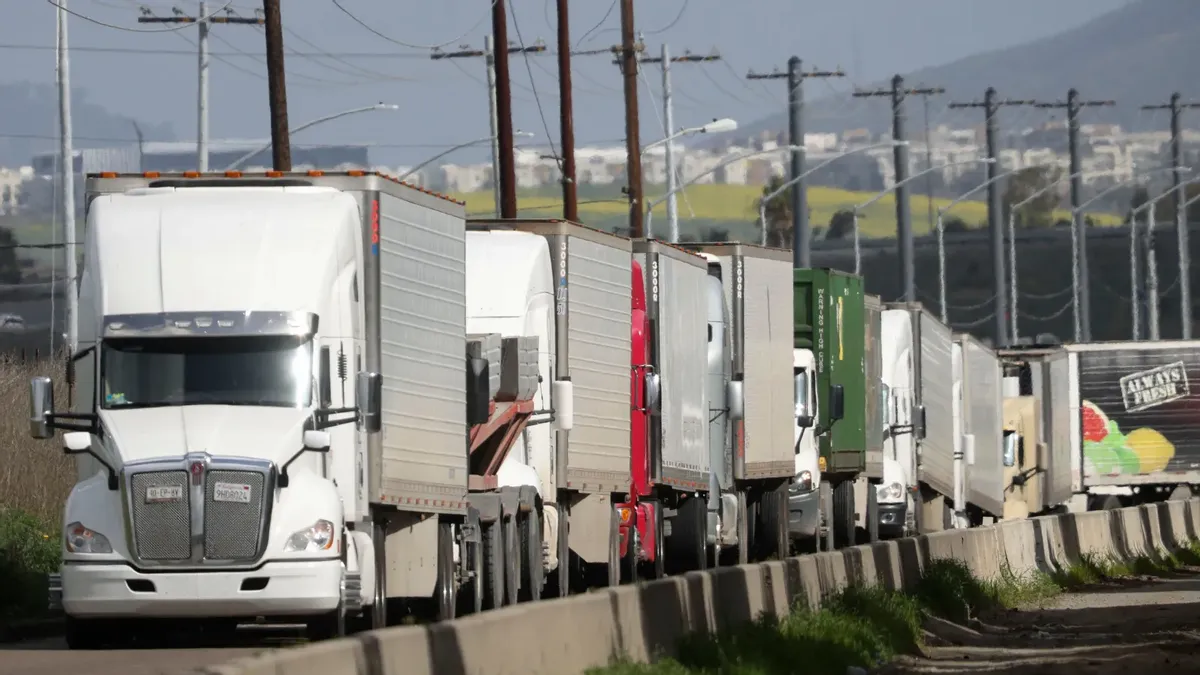
Apollo Global Management's chief economist, Torsten Sløk, predicts that by late May, domestic freight demand will "come to a halt," leading to layoffs in trucking and retail industries and potentially triggering a recession this summer.
An uncertain road ahead...
Even if the administration rolls back tariffs, the damage to supply chains and consumer confidence could take months to repair.
Experts warn that the volatility introduced by these trade policies could have long-lasting effects on the economy, potentially leading to a "stagflation shock" reminiscent of past economic crises.
|