ABPC Logo_Main.png

The Spirit of Black Philanthropy

Issue 1 | October 2021

NOTE FROM THE CHAIR

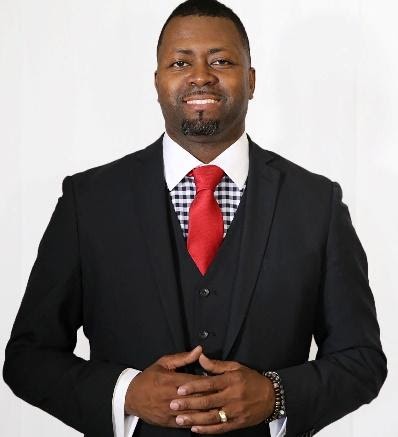
derek-lewis-headshot _1_.jpg

Welcome to the first issue of The Spirit of Black Philanthropy, the Arkansas Black Philanthropy Collaborative's monthly newsletter. In this space, we'll share news and information about Black philanthropy in Arkansas and bring attention to the individuals and organizations working toward Black-led solutions for social change across the state.


So what is philanthropy and how can we change the narrative around what it means to be a philanthropist?


The term philanthropy is derived from the Greek words philos, meaning “love,” and anthropos, meaning “humankind,” so it literally means “love of humankind.” In the spirit of philanthropy, we show love for other humans through our acts and gifts. The act can be small; the gift doesn’t have to be millions. But in the spirit of philanthropy, it must be thoughtful and intentional so that the beneficiary is better than they were before the philanthropic gesture. 


Organized Black philanthropy is desperately needed in the state of Arkansas as well as across the country. Studies continue to report that nonprofits led by Black people and other people of color receive less funding than those led by whites. This fact raises the urgency and the necessity for collaboration in Black communities and among Black-led organizations.


The question that is being asked of the Arkansas Black Philanthropy Collaborative and its partners is this: How do we operate in the spirit of philanthropy in the context of lifting up Black communities and Black-led organizations? Specifically, lifting up communities of color and Black-led organizations that have not always been the objective of philanthropy (love of humankind).


ABPC will house the spirit of philanthropic activism that includes community capacity building, leveraging access and equity, and mobilizing faith-based leaders and community leaders to address issues facing Black communities in an organized, collaborative way. ABPC hopes to be the conduit of philanthropic resources, an incubator of philanthropic thought leaders, and a voice for those who have not traditionally been at the table to help influence change. 


We look forward to working alongside you all.


Derek Lewis II

President, Derek Lewis Foundation

Chair, Arkansas Black Philanthropy Collaborative

ABPC featured in SECF's quarterly magazine

ARTICLE HIGHLIGHTS ABPC'S WORK TO ELEVATE BLACK VOICES AND BOOST SUPPORT FOR BLACK-LED ORGANIZATIONS

ABPC was featured in the latest issue of the Southeastern Council of Foundations’ quarterly magazine! Read the article to learn more about how the ABPC came to be and become more familiar with our purpose to design Black-led solutions for social change in Arkansas. 

UPCOMING EVENTS

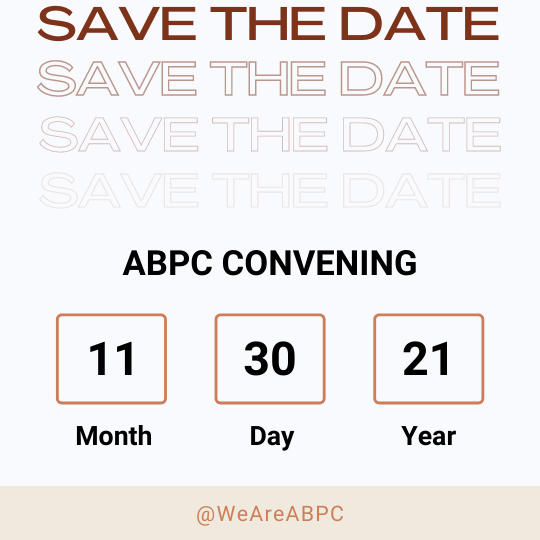
abpc-convening-save-the-date

SAVE THE DATE:

2021 ABPC CONVENING

TUESDAY, NOVEMBER 30


Mark your calendars for the ABPC’s inaugural convening on Tuesday, Nov. 30. The convening will take place at the Mosaic Templars Cultural Center, located at 501 W. 9th Street in Little Rock. We will have more updates in the weeks to come.

UCA TO HOST SECOND ANNUAL ARKANSAS RACIAL EQUITY SUMMIT


The University of Central Arkansas Center for Community and Economic Development is hosting the second annual Arkansas Racial Equity Summit on Tuesday, Oct. 26, from 9 a.m. until 2 p.m. in the McCastlain Ballroom on the UCA campus.


The summit seeks to inform participants on the impact of racial injustice in Arkansas and methods for creating a more equitable state in the future. The event is free, but registration is required and will be capped at 60 participants.


Register now to secure your spot.

PIONEERS IN ARKANSAS BLACK PHILANTHROPY

In each issue of The Spirit of Black Philanthropy, the Mosaic Templars Cultural Center will bring attention to the history of giving in our community by spotlighting a Black philanthropic pioneer in Arkansas history.

The spirit of giving runs deep in African American culture. Our people have always been a village of givers, whether using our time, talent, or treasure. We have a long-established tradition of giving – either giving because we have been blessed or giving no matter what we have.


I can recall my great grandmama giving her faithful commitment of money to church. Even when her beautifully aged body could not make it, her financial support did. We have given to school fundraisers, to help bury loved ones and friends, served on boards, cooked chicken to help pay for building funds, and created foundations. From local charities to national initiatives that empower our community, Black folks are philanthropists. 


Our power lies within our unique abilities to tell our own stories. Only through using our voices to amplify our brilliant history of excellence and resiliency will we fully understand the deep impactful footprint of our past and our collective power to shape our future.


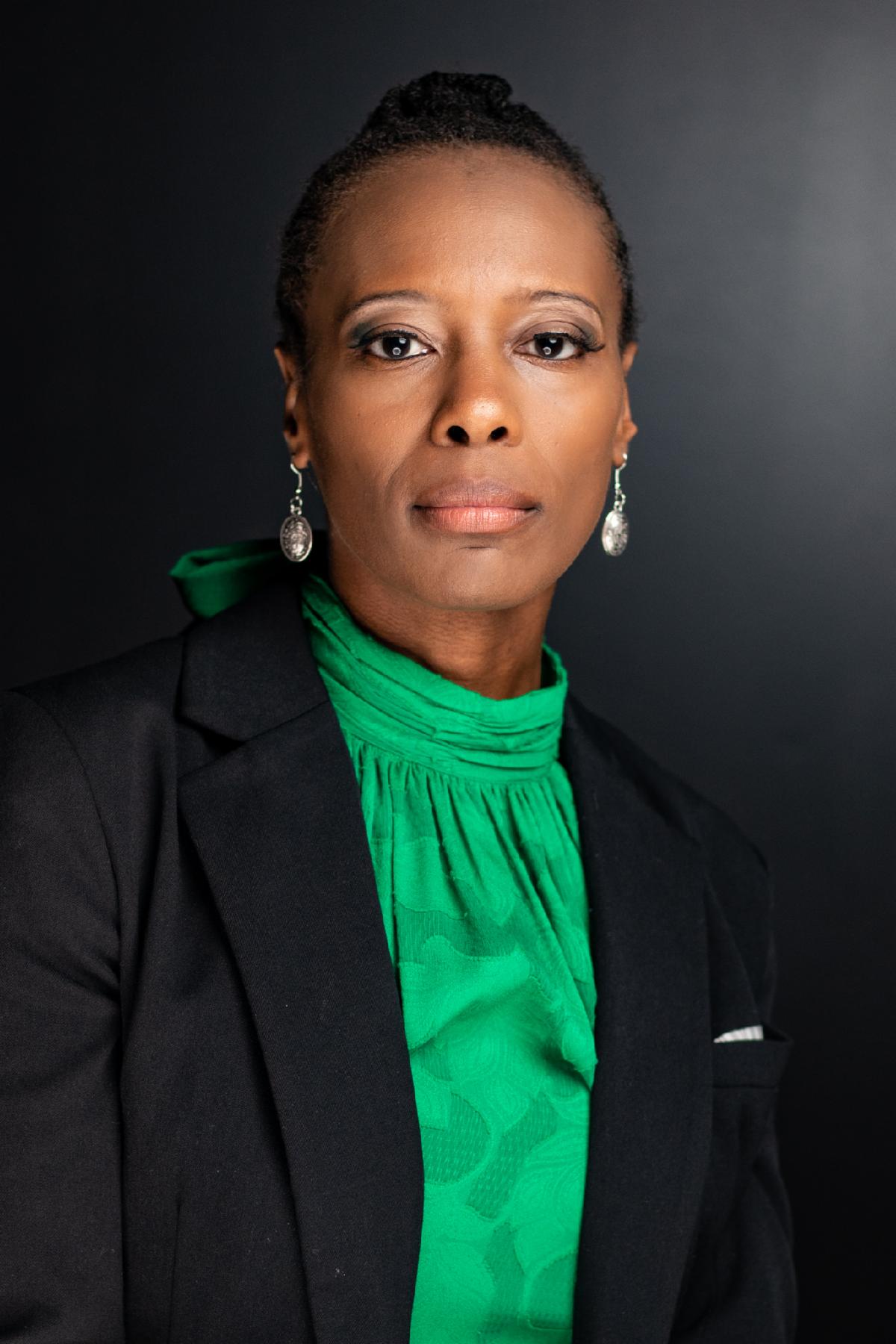
Quantia “Key” M. Fletcher

Director, Mosaic Templars Cultural Center

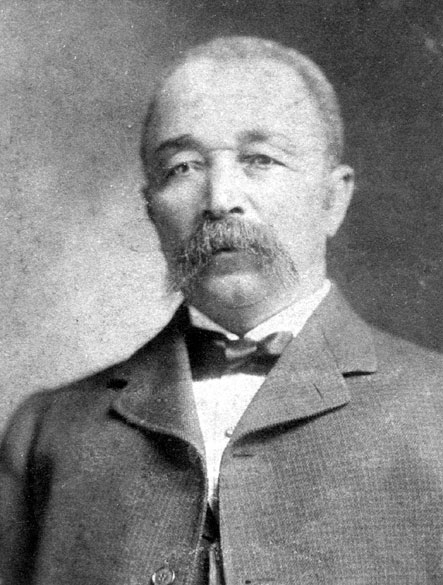
Walter "Wiley" Jones (Courtesy of the Butler Center for Arkansas Studies, Central Arkansas Library System)

Walter “Wiley” Jones


Born to his enslaved mother Ann and her enslaver, George Jones, Walter “Wiley” Jones was one of six children. In 1853, George moved to Pine Bluff with 46 enslaved people, including Ann and Walter “Wiley” Jones.


During the war, Wiley was forced to move again, this time to Texas in an attempt to escape the oncoming Union Army. After the Civil War, Wiley moved back to Pine Bluff where he lived with his sister and her husband. He used the situation as an opportunity to begin saving and eventually investing. Wiley used his earnings to lend to other Black citizens in Pine Bluff. He received a substantial return on his investment that allowed him to amass a considerable amount of wealth between 1870 and 1880. 


Wiley was a successful entrepreneur and was one of the first African Americans to franchise a mule-drawn streetcar company in the United States. He was a philanthropist and gave to several organizations in Pine Bluff, most notably the Colored Industrial Institute. The Colored Industrial Institute was a school for African Americans started and run by the Catholic Church.


In addition to the Colored Industrial Institute, Wiley donated $300 (estimated $10,000 today) to purchase an altar for St. Peter’s, the first Catholic Church for Black people. He also donated land to several groups, including the Grand Lodge of Colored Masons. These are just a few of his philanthropic endeavors that we are aware of; surely there were many more.


At the time of his death, Wiley was considered the wealthiest African American in Arkansas. 


For more information about Walter “Wiley” Jones and other historical African American leaders in Arkansas, stop by and visit Mosaic Templars Cultural Center. Admission is free, and its hours of operation are Tuesday through Saturday from 9 a.m. until 5 p.m. To schedule a tour, visit mosaictemplarscenter.com.

GET TO KNOW THE ABPC ADVISORY COMMITTEE

In each issue of The Spirit of Black Philanthropy, we’ll introduce you to a member of the ABPC advisory committee. Get to know the people behind the scenes who help make our work possible.

Scott D. Hamilton


Scott D. Hamilton is CEO of the Urban League of the State of Arkansas. A native of Little Rock, Scott obtained his bachelor's degree in Business from Hendrix College in Conway. He earned an MBA from Rockhurst College in Kansas City, Missouri, and his J.D. from the University of Missouri School of Law in Kansas City.


Scott Hamilton, The Urban League of Arkansas

What does Black philanthropy mean to you? 

The financial and other supportive efforts and acts of and by Black people to properly develop our future path, detail and preserve our history, and create an awareness of – among all people – the importance and significance of the Black experience and our contributions to society. 


What excites you most about the future of Black philanthropy in Arkansas? 

Younger generations (Gen Z and Millennials) seem to be very aware of and interested in their history and being effective and aggressive in the future of Black empowerment. I believe we can set the pathway for their success through guidance, storytelling, and experiential engagements. Their youth and energy will go to far greater heights than we can imagine in supporting our needs, causes, and future positioning.


What causes are you passionate about and in what ways do you support those causes?

Developing pathways for young people to be successful in their dreams and objectives. I was born with a “chrome-plated spoon” in my mouth, meaning I had incredible support structures through my parents. But many have no “spoon.” I want to help others thrive via support structures. It is necessary that we create such pathways. 


So when the opportunity to lead the Urban League of the State of Arkansas arose, I dove in! I also serve on several other youth- and human compassion-focused organizations, including City Year, The Boys and Club of Central Arkansas, and ARORA.


What do you love most about living in Arkansas? 

Its easy, laid-back style; ease to navigate, both physically and socially; and an overall quality of life that meets my needs.


What do you love most about what you do? 

Seeing a positive impact, no matter how small, on people’s lives.


Tell us a little more about yourself. 

I am an extreme extrovert who loves people, variety in my day-to-day work, building things, and always open to a great debate. I love working with my hands. My wife, Martie, and I love traveling and attending any type of social gathering – from formal Black Tie gala events to a pig wrestling contest! I am very simple in actuality.  


Favorite quote to live by:

Be nice.


What are your favorite hobbies?

Restoring and building anything that has four wheels and an engine.


What’s something others would be surprised to know about you? 

That I can take an automobile engine apart and put it back together. I learned to do so at an early age, sharing my father’s hobby of restoring antique cars. This taught me many lessons on process, having the right tools, and understanding that the “big picture” is made from many smaller components.


What do you hope to be remembered for? 

Creating some positive opportunity for others to seek and attain their dreams and goals. Hope is so important to all humans, and we all need something or someone to help us along the way. I hope I impact at least one person.


BBCF GRANTEE SPOTLIGHT

ABPC is proud to work in partnership with the Arkansas Community Foundation to provide grants to 40 Black-led and Black-serving nonprofit organizations in central Arkansas through the Building Black Communities Fund. In each issue, we’ll shine a light on one of the grantees and the amazing work these organizations are doing in our state.

Mosaic Templars Cultural Center


Mosaic Templars Cultural Center (Foundation for Arkansas Heritage and History) was one of the 2021 Building Black Communities Fund grantees.


The mission of the Mosaic Templars Cultural Center is to preserve, interpret, and celebrate African American history and culture in Arkansas. We spoke with longtime employee and MTCC director Quantia “Key” Fletcher about her role at the museum and the $3 million renovation that’s currently underway. 

key-fletcher

Tell us about your background. What did you do before working for the Mosaic Templars Cultural Center?

I have always done work in storytelling, cultural preservation, and history. Before working for MTCC, I worked for the National Park Service at several national park sites, my last being Little Rock Central High National Historic Site.


What are some exciting projects you’re working on or have recently completed?

The entire museum gallery space is in the middle of a $3 million renovation that will result in a space where “audiences are engaged, Arkansas history and culture is explored, awareness of African American stories and achievements are increased, and visitors move from awareness to action, ensuring that MTCC is established as an intergenerational institution.”


The first phase of our project opened in September. Our children’s gallery called “Same Different Amazing” is the initial phase of an ambitious remodeling project and is the only gallery of its kind in the country. Visitors entering the new 466-square-foot space are greeted with the words “Same Different Amazing” splashed on the left wall along with cartoon images of smiling children. The gallery, part of which was once used as a space for storage and receiving, is designed for children ages 2-9.


The interactive exhibit consists of various stations that prompt families to engage in conversations about similarities and differences. The debut of the Children’s Gallery coincides with the opening of our new 360-degree theatre. The immersive space welcomes guests as they enter the museum, exploring the past, present, and future of Arkansas African American history. Visitors can also check out a redesigned gift shop featuring items made by Black Arkansans. 


What do you wish more people knew about the Mosaic Templars Cultural Center?

That we are nationally accredited. In April 2020, the MTCC became one of only three Black history museums in the South to be accredited by the American Alliance of Museums. It is a distinction of which only one percent of museums nationally hold. This milestone has earned MTCC a place among some of the most prestigious museums in the country, including the Frederick Douglass House and the Smithsonian Institution’s National Air & Space Museum. We have the hardest working museum professionals ever and the gold seal of accreditation only tells others what we have always known: Black excellence lives here. 


What people, books, and/or life factors have influenced and impacted you?

The Warmth of Other Suns and Becoming really are speaking to my journey right now. My family migrated to Arkansas 20 years ago due to Hurricane Katrina, and I recently lost my mom in January due to COVID. I am learning that what my story is, is always being written. That to live must also mean to lose and embrace and share it with the world. I realize that my ancestry is rich and not just 100 years ago but 30 years ago when my mama laid my head across her lap and braided my hair. And even five years ago, because I’ve lost six immediate family members within that time. Our time is priceless and our stories matter. 


Describe your training, your interests, and/or your hobbies. What do you do when you’re not at the office and why?

While I may be a museum professional by day, I am a fitness professional 24/7. A series of health-related losses in my family turned my passion into purpose. My husband, daughter, and I love working virtually with people who want to improve their health. We provide opportunities for people all around the country to get moving and to transform their lives, their movement, and their wellness. My goal is to continue to empower and inform our community, which will in turn break generationally unhealthy practices. 

BOSS MOVES

Do you have good news to share? Send an email to hello@theabpc.org with “Boss Moves” in the subject line, and we may feature you in our next issue!

pop-website-banner image

(BLACK) POWER OF THE PURSE


Three remarkable Black women were honored by the Women’s Foundation of Arkansas in September at its annual Power of the Purse event: 


WOMAN IN BUSINESS

Tamika S. Edwards, J.D.

Central Arkansas Water (and ABPC advisory committee member)


WOMAN IN PHILANTHROPY

Beverly Morrow

Board Chair, Arkansas Children’s


FIRST LADY'S WOMAN IN PUBLIC SERVICE

Dr. Jerrilyn Jones, M.D., MPH

UAMS, Arkansas Department of Health


Congratulations to the honorees on this well-deserved recognition!

logoseal-inner image

NEW JOBS AND PROMOTIONS


ABPC advisory committee member Dr. Joyvin Benton began a new role at the University of Arkansas at Pine Bluff as Sr. Gifts Officer. Congratulations!

The Arkansas Black Philanthropy Collaborative is powered by the Derek Lewis Foundation.

FOLLOW US

Facebook  LinkedIn  Twitter  Instagram