|
The Spirit of Black Philanthropy
Issue 4 | January 2022
| |
Gospel of Giving
A friend and I are reading the book Madam C.J. Walker’s Gospel of Giving: Black Women’s Philanthropy during Jim Crow by Tyrone McKinley Freeman. It is a fascinating book not only because of the historic account of Madam C.J. Walker’s philanthropic philosophy but also because it presents an amazing survey of African American philanthropy as a whole.
It is my opinion that Freeman has the most profound definition of African American philanthropy: “a medley of beneficent acts and gifts that address someone’s needs or larger social purpose that arise from a collective consciousness and shared experience of humanity.”
Just let that soak in for a minute.
The word “medley” means mixture, assortment, and diverse. We often think of medley as harmonious musical composition. Black philanthropy is harmonious and diverse; it is time, talent, and treasure. As we continue to celebrate MLK Day, we are reminded that Black philanthropy is service and sacrifice – a larger social purpose that arises from a collective consciousness and shared experience of humanity.
Thank you, Madam C.J. Walker, for defining Black philanthropy. Thank you, Rev. Dr. Martin Luther King Jr., for allowing your life to exemplify the very meaning. Let us continue to feast on the richness of the book Madam C.J. Walker’s Gospel of Giving throughout the year.
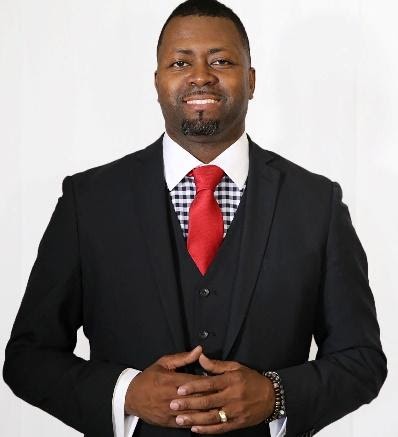
Derek Lewis II
President, Derek Lewis Foundation
Chair, Arkansas Black Philanthropy Collaborative
| |
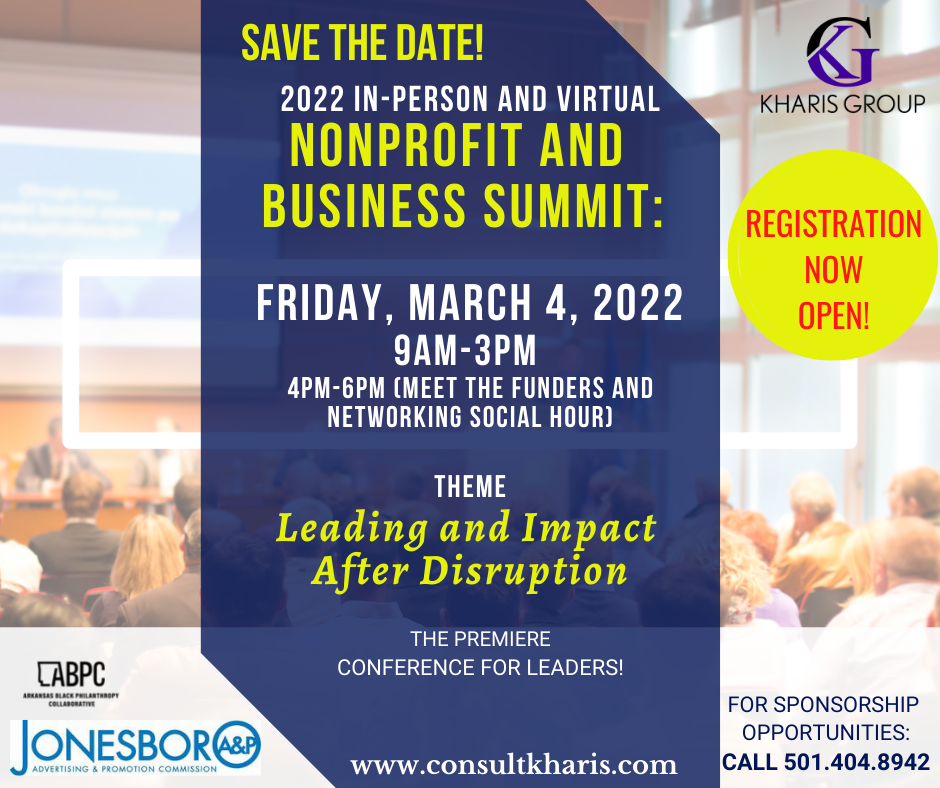
Kharis Group presents the
2022 Nonprofit and Business Summit
In Person in Jonesboro, Arkansas, with a Virtual Option
Friday, March 4
9 a.m. - 3 p.m.
Networking Social Hour: 4-6 p.m.
| |
|
Organized by KHARIS Group, the 6th Nonprofit and Business Summit will give community, nonprofit, and business leaders the opportunity to learn relevant topics to refine the tools needed for successful organizations. This year's theme is "Leading and Impact After Disruption."
During informative workshop sessions on Friday, March 4, you will learn how to:
- maneuver intentionally and strategically to develop strong boards
- find business capital
- take care of yourself while leading others
- level up in customer service
- priority block your time
- and more!
The Summit is returning to an in-person experience in Jonesboro, Arkansas, and also will offer a virtual option. The ABPC is a proud sponsor of the Networking Social Hour, where participants will have the opportunity to relax and mingle after a great day of learning. The daylong event will also include a $1,000 pitch competition and a Meet the Funders Hour.
To learn more about the 2022 Nonprofit and Business Summit, visit consultkharis.com/nonprofit-summit-2022.
| |
PIONEERS IN ARKANSAS BLACK PHILANTHROPY | |
In each issue of The Spirit of Black Philanthropy, the Mosaic Templars Cultural Center brings attention to the history of giving in our community by spotlighting a Black philanthropic pioneer in Arkansas history. | |
|
The tradition of giving in many communities is a time-honored one, and it is simply done – not out of expectation but out of the obligation to serve. It is out of the sheer nature of the culture being passed down and embedded for years and years. How many people can say that they gave their very last to a cause greater than themselves? Let us lean into that idea for a moment. It takes a great deal of courage, faith, and moxie to uplift others’ needs over your own to this degree. That indeed is what makes the philanthropist that we are spotlighting in this issue so special.
Quantia “Key” M. Fletcher
Director, Mosaic Templars Cultural Center
| | |
|
Lena Lowe Jordan
Lena Jordan was a registered nurse and lived in Little Rock, Arkansas. She was born Lena Lowe on April 6, 1884, in Georgia to Hollin and Martha Lowe. Lena was the head nurse of the Mosaic State Templars Hospital in 1927. In the 1930s, she founded a hospital initially designed to meet the needs of Black children with disabilities: the Arkansas Home and Hospital for Crippled Negro Children. The hospital was one of the first of its kind in Little Rock. In 1936, Jordan sought funds to help cover mounting expenses for the hospital. She even took out an article in the Arkansas Gazette asking for help to save the institution. In the end, she took out a mortgage on her home to meet the needs of the hospital.
The hospital eventually became the Lena Jordan Hospital and was open to all Black people regardless of whether they could afford the cost. Those who volunteered there did so without compensation for their time. Both Black and white doctors donated their time as well.
Lena also started a program for young women who desired to become nurses. Within the program, they received an allotment and housing and were able to receive hands-on training while studying their craft. She devoted endless hours pouring into these women to help them fulfill their dreams.
Lena’s mantra was “the Lord will provide.” It seems He did. Lena Jordan was a true humanitarian in every sense. She spent 30 years of her life caring for others and the often overlooked and underserved Black residents in her city.
For more information about Lena Jordan and other historical African American leaders in Arkansas, stop by and visit Mosaic Templars Cultural Center. Admission is free, and its hours of operation are Tuesday through Saturday from 9 a.m. until 5 p.m. To schedule a tour, visit mosaictemplarscenter.com.
| | |
GET TO KNOW THE ABPC ADVISORY COMMITTEE | |
In each issue of The Spirit of Black Philanthropy, we introduce you to a member of the ABPC advisory committee. Get to know the people behind the scenes who help make our work possible. | |
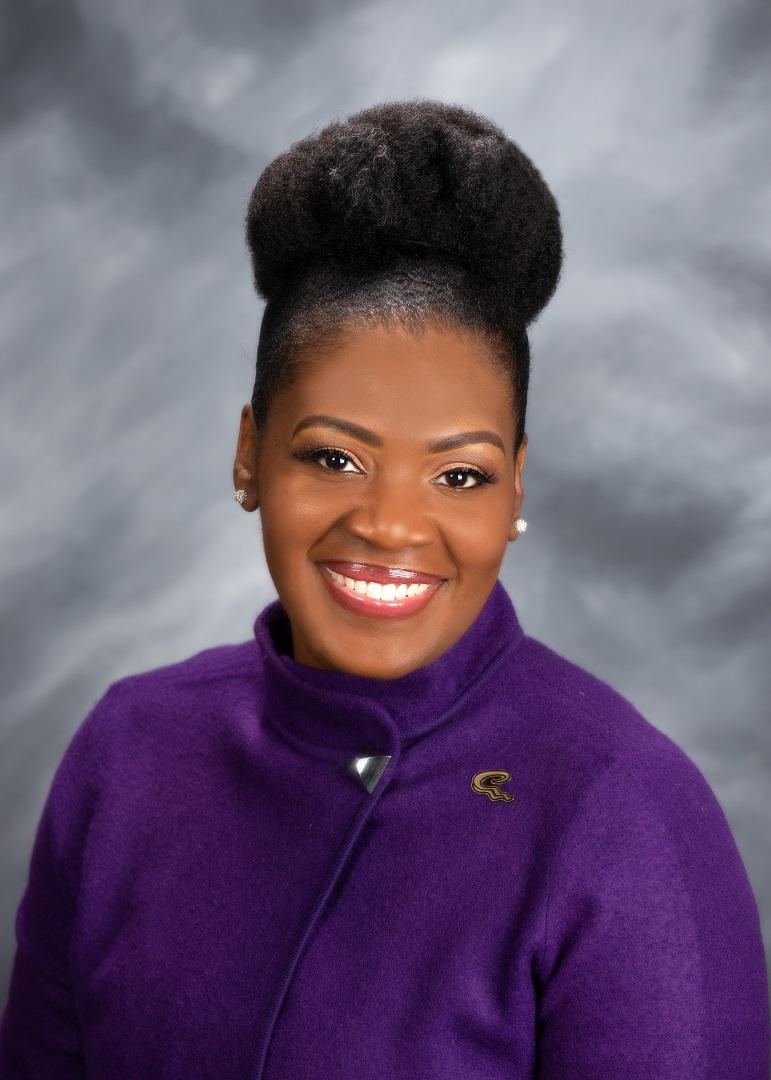
Tamika S. Edwards
Tamika S. Edwards is Special Advisor to the CEO on Diversity, Equity, Inclusion and Engagement at Central Arkansas Water. A native of Little Rock, Tamika earned a Bachelor of Arts in English from the University of Arkansas at Pine Bluff, a Master of Arts in Professional and Technical Writing from the University of Arkansas at Little Rock, and a Juris Doctor from the University of Arkansas at Little Rock William H. Bowen School of Law.
| |
|
|
What does Black philanthropy mean to you?
Black philanthropy means helping others in their times of need or simply paying it forward. It doesn’t always involve money. However, it requires intention – an intention to leave something better than how we found it.
What excites you most about the future of Black philanthropy in Arkansas?
I am excited that Black Arkansans will fully see themselves as philanthropists, a role we have always played in our state but have not always been recognized for doing. I’m excited that this recognition will pave the way for more intentional and collective investments within our communities.
What causes are you passionate about and in what ways do you support those causes?
I’m passionate about anything focused on financial independence and empowerment, which is a part of my JEDI (Justice, Equity, Diversity, and Inclusion) work. I support those causes by shopping with local entrepreneurs and sharing any tips about reducing debt or real estate investments. On a systems level, I’ve worked for and donated to organizations dedicated to public policy change.
What do you love most about living in Arkansas?
I love that it’s a big hometown, which means that our connections are so close. That proximity usually means that you can easily contact elected officials or other decision makers.
What do you love most about what you do?
I love the work. My work allows me to address the nuances of leadership and organizational culture through a JEDI lens. I appreciate working with my colleagues locally and nationally to develop solutions aimed at alleviating inequities within the water industry and the communities we serve.
Tell us a little more about yourself.
I’m a wife and a mother. I’m an extrovert-introvert. I enjoy being out and about, but I definitely need time to recharge. I’ve spent my entire career focused on some aspect of justice, equity, diversity, and inclusion, and it is purpose-driven work. I’m highly interested in history, sociology, and psychology, and I am thoughtful about how all three disciplines show up in my work.
What's something others would be surprised to know about you?
I watch reality TV…like a lot of it. I’ve convinced myself that it’s connected to my desire to study psychology.
What quality do you admire most in others?
Courage. “Courage is the most important of all the virtues, because without courage you can't practice any other virtue consistently. You can practice any virtue erratically, but nothing consistently without courage.” ~ Maya Angelou
What talent do you wish you had?
A photographic memory.
Favorite quote to live by:
“Just do what’s right, and you won’t have to worry about anything else.”
–My mother
| |
ABPC is proud to work in partnership with the Arkansas Community Foundation to provide grants to 40 Black-led and Black-serving nonprofit organizations in central Arkansas through the Building Black Communities Fund. In each issue, we shine a light on one of the grantees and the amazing work these organizations are doing in our state. | |
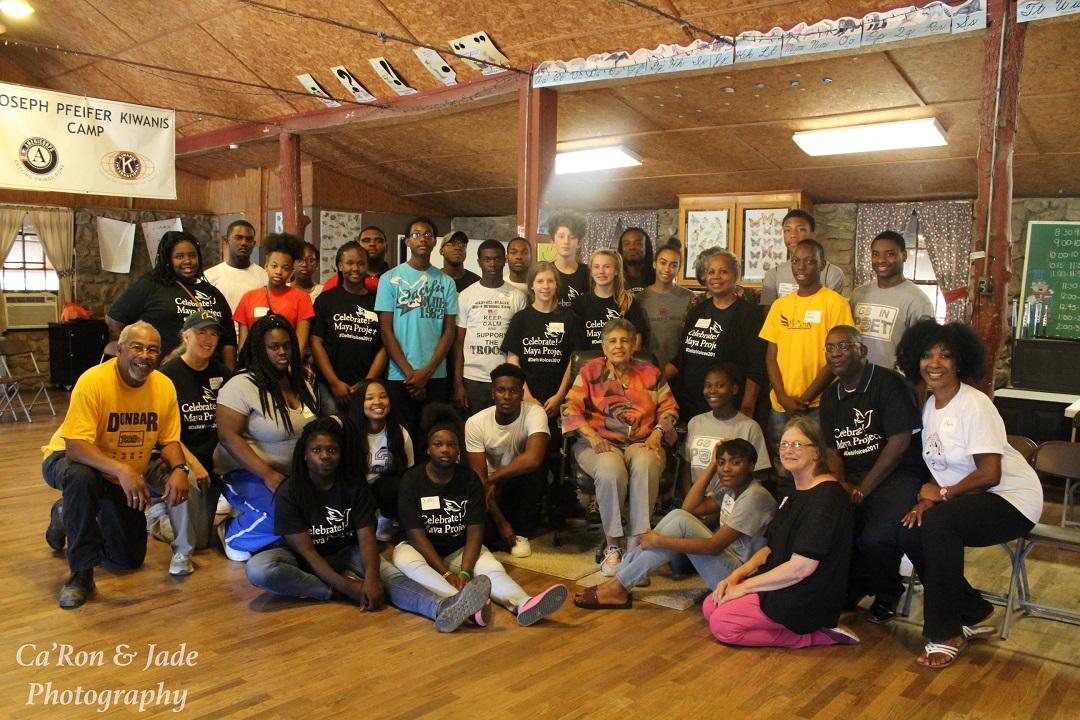
Celebrate! Maya Project
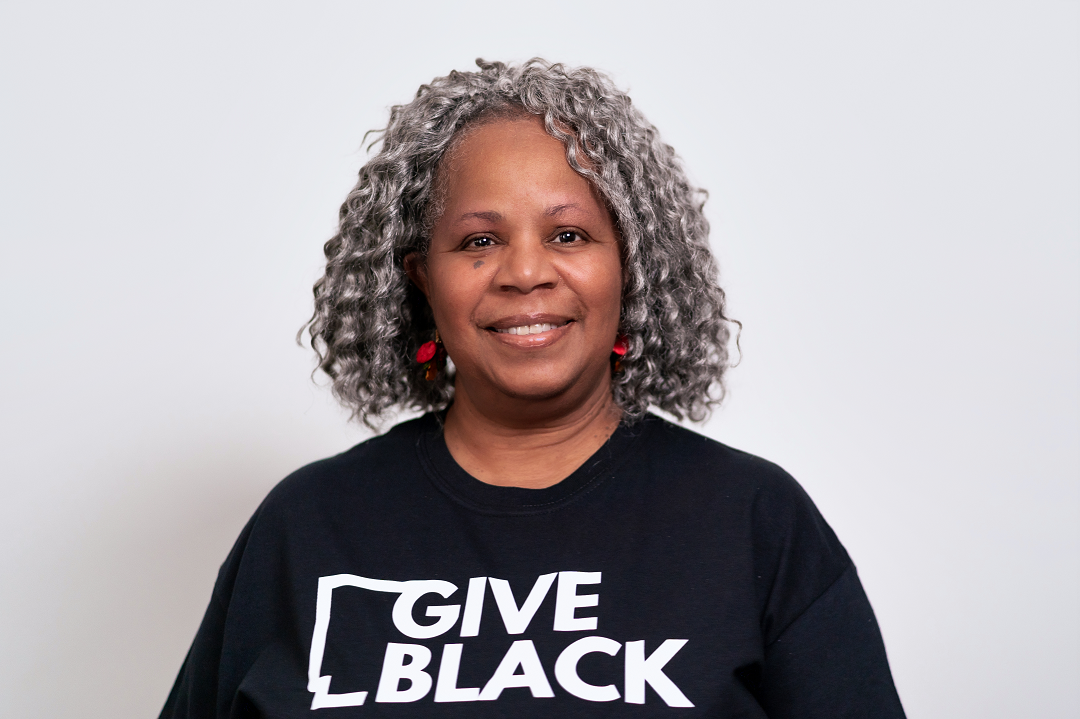
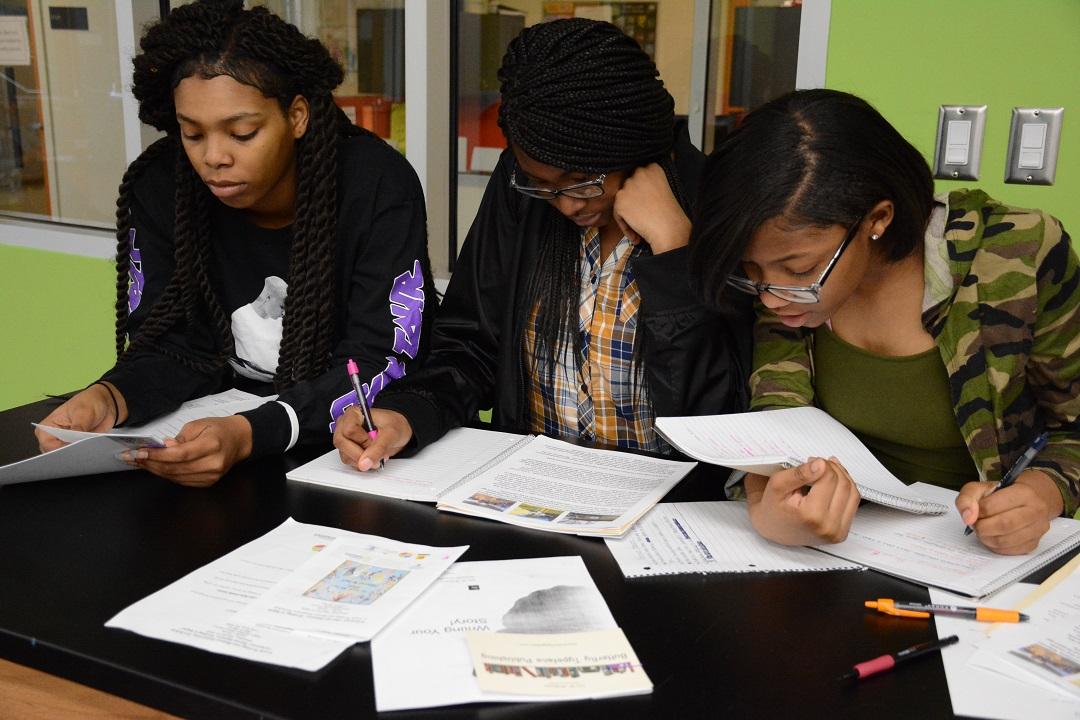
Founded in 2014, Celebrate! Maya Project honors the life and legacy of Dr. Maya Angelou by creating literacy, art, poetry, history, and literary curricula for Arkansas youth. The Little Rock-based nonprofit partners with schools and communities throughout the state to teach the history of the literary icon and Arkansas native while sharing the importance of the humanities and arts with students and community members. We spoke with president and founder Janis F. Kearney about the work of Celebrate! Maya Project and what lies ahead for the organization.
| |
|
|
Describe your background. What did you do before working for Celebrate! Maya Project?
I am a writer and publisher.
What are some exciting projects you’re working on or have recently completed?
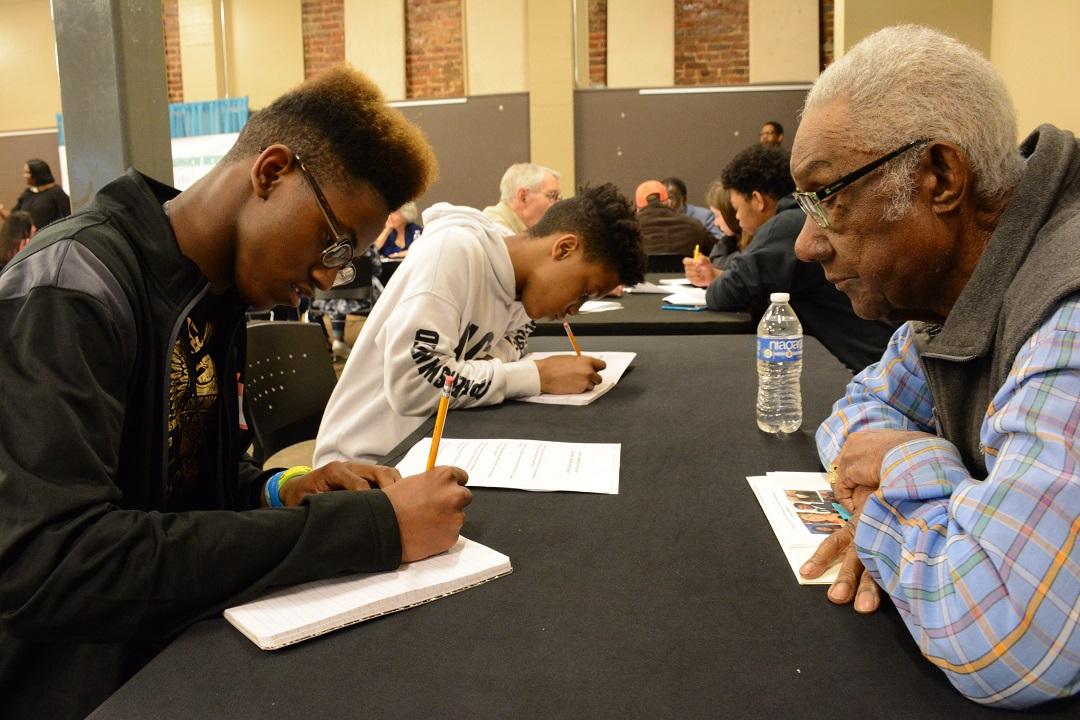
- Over the last three years, we’ve partnered with three Arkansas communities (Mississippi County, Chicot County, and Pulaski County) to implement a Youth Writing and History Immersion Project. As part of this project, youth learn from, interview, and produce stories about local “history makers” in their communities. The product is a Youth History Book, published by the Celebrate! Maya Project.
- We are currently completing the Lafayette County Oral History Project: Conversations with Lafayette County, the Place Maya Angelou called Home.
- We partnered with the Southeast Arts Association, the William J. Clinton Birthplace and Museum, and Hope Elementary School to create a Celebrate! Maya Project Arts Contest. Students from all elementary grades at the school were invited to a weeklong art class, followed by an arts competition. We selected three winners as the Hope Arts Contest winners.
What success stories have you experienced since receiving the grant from the Building Black Communities Fund, either internally and externally?
We are partnering with Heifer International on our Youth Writing and Career Education Conference: “Our Land. Our Food. Our Stories.” This March, up to 100 students from central Arkansas will be invited to participate in a two-day conference at the Heifer International campus to learn about agricultural, environmental, and climate-related careers. Professionals from around the country and world will be invited to participate on panels either in person or virtually. Students will interview panelists and then write their assessment of the presentations, as well as their career plans based on the presentations. The final product will be a book featuring students’ plans, photos, and speakers’ presentations. A Book Launch and Signing will be held in May.
What do you wish more people knew about Celebrate! Maya Project?
That we serve youth around the state and that we seek volunteers as well as funding to continue the important work we do.
How can people support your nonprofit?
We are always in need of volunteers, nonprofit funding, individual giving, and corporate giving. Gifts can be earmarked for Celebrate! Maya scholarships, poetry, workshops, public forums, or field trips.
Where do you see Celebrate! Maya Project in the next three to five years?
We expect to have our headquarters in Little Rock and our services expanded to every region of the state. In response to the dire findings regarding youth and community services during the COVID-19 pandemic, we are strategically planning to put in place “safety net” programming, which will involve expanding our youth programs to after-school tutoring, mentoring, and feeding. We also plan to begin a community garden and invite community members to be a part of our initiatives, including community and public forums.
What people, books, and/or life factors have influenced and impacted you?
Dr. Maya Angelou’s “I Know Why the Caged Bird Sings.” Daisy Gatson Bates. My parents, Thomas James and Ethel Curry Kearney.
Describe your training, your interests, and/or your hobbies. What do you do when you’re not at the office and why?
Writing, reading, and learning about diverse cultures are my interests. Traveling is my hobby.
| |
Do you have good news to share? Send an email to hello@theabpc.org with “Boss Moves” in the subject line, and we may feature you in our next issue! | |
|
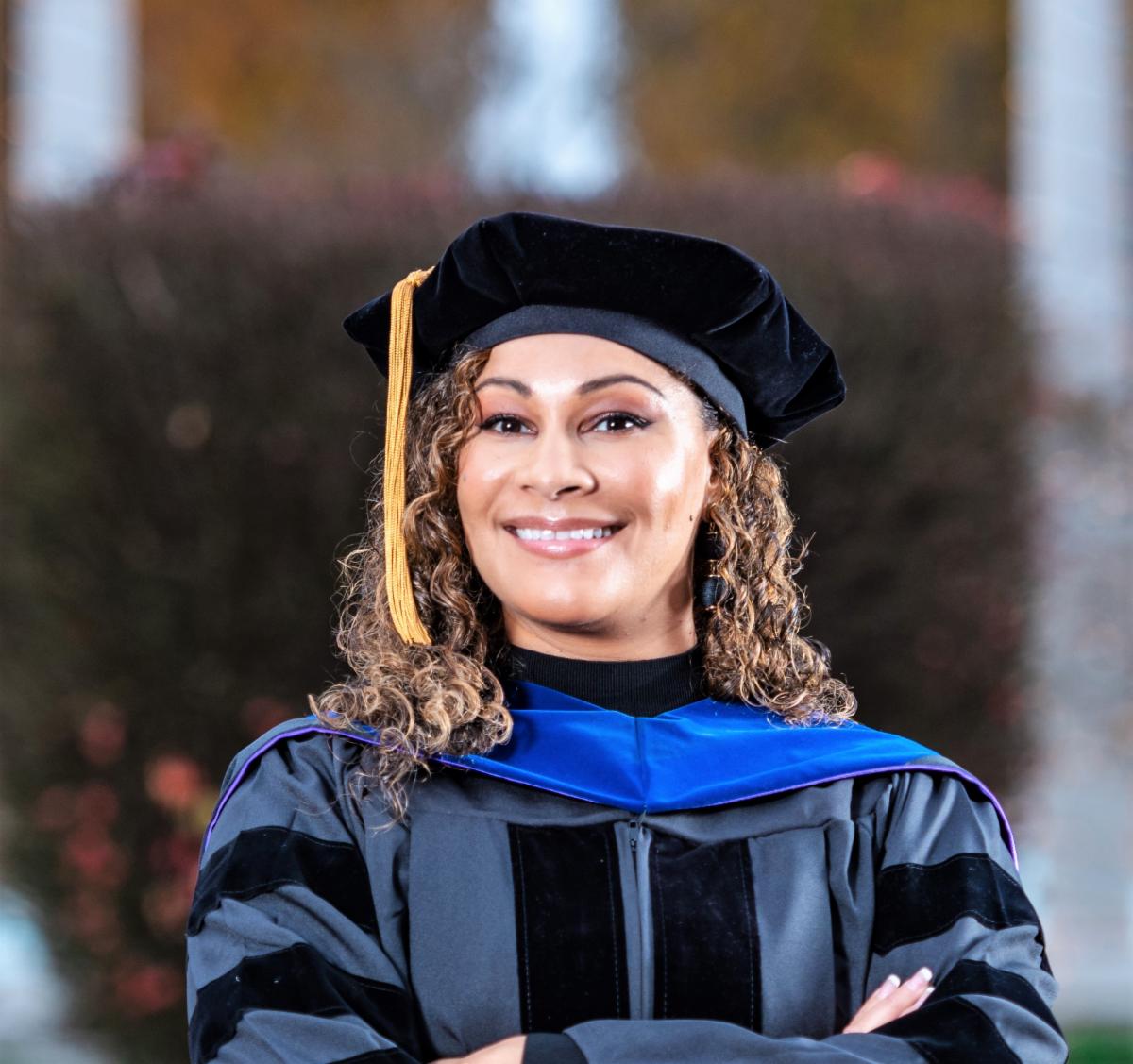
Sharon Lanier, Ph.D., Community Impact Analyst at Delta Dental of Arkansas Foundation, successfully defended her dissertation titled, “The Design and Validation of the Public Value Collaboration Assessment: Measuring the Public Value Created through Cross-Sector Collaboration.” She earned a Doctor of Philosophy from the Department of Leadership Studies in the College of Education at the University of Central Arkansas.
Dr. Lanier’s research focused on the development of an instrument to help public sector leaders define and measure the public value and social impact created through their collaborative efforts. Information gleaned from the designed Public Value Collaboration Assessment (PVCA) can help social sector stakeholders inform their practice and deliver better results for society.
Congratulations, Dr. Lanier!
| |
WHAT CAUGHT OUR ATTENTION | | | | |