ABPC Logo_Main.png

The Spirit of Black Philanthropy

Issue 9 | October 2022

UPCOMING EVENTS

We have quite a few events coming up this fall that shine a spotlight on Black philanthropy across Arkansas!

ABPC Give Black Donor Event

in partnership with The Urban League of Arkansas and Think Rubix


Thursday, October 20, 2022

5:30 - 7 p.m.


Main Street Pocket Park

711 Main Street, Little Rock, AR 72201

REGISTER

Whether it’s through a monthly bank draft to your favorite nonprofit or a one-time contribution to support a pressing need, giving to charitable causes is always worthwhile. But is there a more effective way to give that leads to greater impact? And how do you get started?


Join the Arkansas Black Philanthropy Collaborative as we discuss how to integrate charitable giving into your professional portfolio – no matter your age, career experience, or income level – and how we can collectively support communities of color through strategic giving. Register today!

Putting Philanthropy Into Practice


Thursday, November 10, 2022

1:30 p.m. - 3 p.m.


Location TBD

Monticello, Arkansas

REGISTER

The Carl B. & Florence E. King Foundation and the Arkansas Black Philanthropy Collaborative (ABPC) invite you to provide feedback at our upcoming listening session to discuss developing equitable grantmaking practices. Your critical feedback will help our organizations gain a deeper sense of how we can better serve nonprofits in the Arkansas Delta and fund communities with intention.


The event is free. Please register here and contact Kara Wilkins, ABPC Program Director, at kwilkinsconsulting@gmail.com for more information.

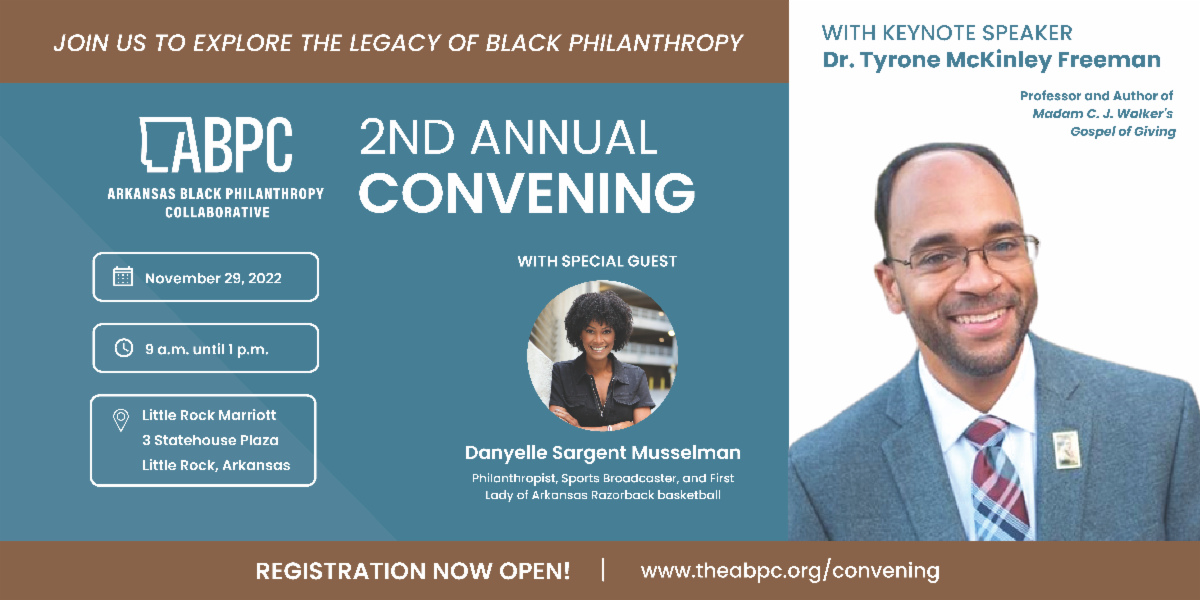
2nd Annual ABPC Convening


Tuesday, November 29, 2022

9 a.m. - 1 p.m.


Little Rock Marriott

3 Statehouse Plaza, Little Rock, AR 72201

REGISTER

Who is a philanthropist? Join the Arkansas Black Philanthropy Collaborative for our 2nd Annual Convening as we seek to shift narratives surrounding philanthropy in Black communities. ABPC and our guests will explore historical and current giving trends in Black communities and examine how culturally competent giving authentically serves the needs of the community. Ultimately, we will explore the ways in which we move Black individuals toward viewing themselves as philanthropists.


Keynote Speaker


Dr. Tyrone McKinley Freeman

Professor and author of Madam C.J. Walker’s Gospel of Giving: Black Women’s Philanthropy during Jim Crow


For nearly 15 years, Dr. Tyrone McKinley Freeman worked as a professional fundraiser for nonprofit organizations in community economic development, youth and family social services, and higher education. As a professor and scholar, Dr. Freeman is part of the Indiana University Lilly Family School of Philanthropy in Indianapolis, the world’s first school dedicated solely to the study and teaching of philanthropy. In this role, Dr. Freeman directs the undergraduate B.A. degree program in philanthropic studies, which prepares graduates for careers in philanthropy and the nonprofit sector.


Special Guest


Danyelle Sargent Musselman

Philanthropist, sports broadcaster, and First Lady of Arkansas Razorback basketball


Danyelle Musselman has an extensive background working in sports broadcasting with years of experience in anchoring, hosting, and reporting.

Most recently, Mrs. Musselman worked for the NFL Network where she served as an update anchor and as the host of "Up to the Minute." She also served as the host for Yahoo Sports, and as an anchor for Fox Sports Net.


There is no cost to attend, but space is limited! Register today.

PIONEERS IN ARKANSAS BLACK PHILANTHROPY

In each issue of The Spirit of Black Philanthropy, the Mosaic Templars Cultural Center brings attention to the history of giving in our community by spotlighting a Black philanthropic pioneer in Arkansas history.

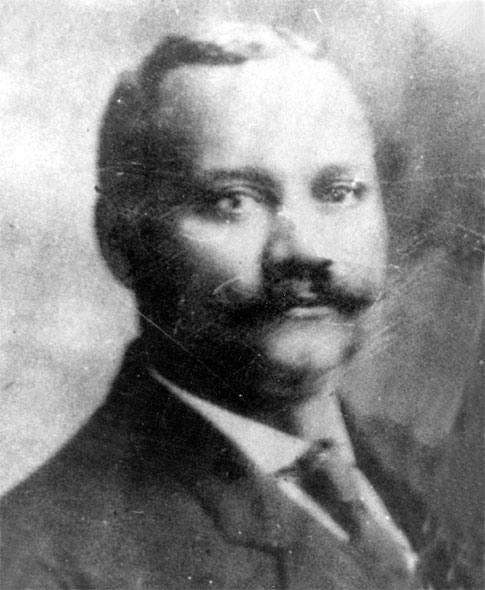
Image courtesy of the Butler Center for Arkansas Studies, Central Arkansas Library System

Scipio Africanus Jones


The measure of a man is found not only in what he has done but how he has served. Despite a life of ups and downs, Scipio Africanus Jones made sure that his legacy was one of service. 


Jones was born enslaved in 1863 in Tulip, Arkansas. He was a legal pioneer in the state of Arkansas, passing the bar in 1889 and admitted to practice before the Supreme Court of Arkansas in 1900. He was the first African American to argue in front of the Supreme Court in Arkansas. In 1905, he was admitted to practice before the U.S. Supreme Court – long before the University of Arkansas was admitting Black students.


Jones was most well known for his defense of the Elaine Twelve, who had been sentenced to death after the Elaine Race Massacre of 1919. Jones fought their convictions in both state and federal courts. An appeal was filed with the U.S. Supreme Court arguing that the accused had been denied due process of law. After reviewing the case, the Supreme Court agreed and overturned the convictions. Moore v. Dempsey changed the nature of the Fourteenth Amendment’s due process clause. The ruling allowed for federal courts to hear and examine evidence in state criminal cases to ensure that the defendants’ constitutional rights were protected. It was a landmark ruling that fundamentally changed American law by ensuring that those accused of a crime had received due process. This would become a leading tactic in the modern Civil Rights Movement. It was the first time that the Supreme Court sided with an African American in a civil rights case.


Jones was a member of the first Arkansas branch of the NAACP in Little Rock in 1926. He was the National Attorney General for the Mosaic Templars of America. During World War I, Jones led the Liberty Bond recruitment drive amongst the African American community in Arkansas and raised $243,000 in the effort. He gave the first $50,000 himself. He was honored by President Woodrow Wilson, who appointed him to the National Advisory Board to the Liberty Bond effort. He opposed and helped defeat grandfather clause legislation that some southerners were seeking to add to the Arkansas Constitution to disenfranchise and prevent African American voter participation. Jones also served as the head of the Negro State Suffrage League and fought for voting rights for Black citizens throughout his life. Jones also served as director of the United Charities drive, which was a predecessor of the United Way. 


Truly, Scipio Jones gave with his time, talent, and treasure, leaving behind a foundation of justice and giving.


For more information about Scipio Africanus Jones and other historical African American leaders and communities in Arkansas, stop by and visit Mosaic Templars Cultural Center. Admission is free, and its hours of operation are Tuesday through Saturday from 9 a.m. until 5 p.m. To schedule a tour, visit www.mosaictemplarscenter.com.

GET TO KNOW THE ABPC ADVISORY COMMITTEE

In each issue of this newsletter, we introduce you to a member of the ABPC advisory committee. Get to know the people behind the scenes who help make our work possible.

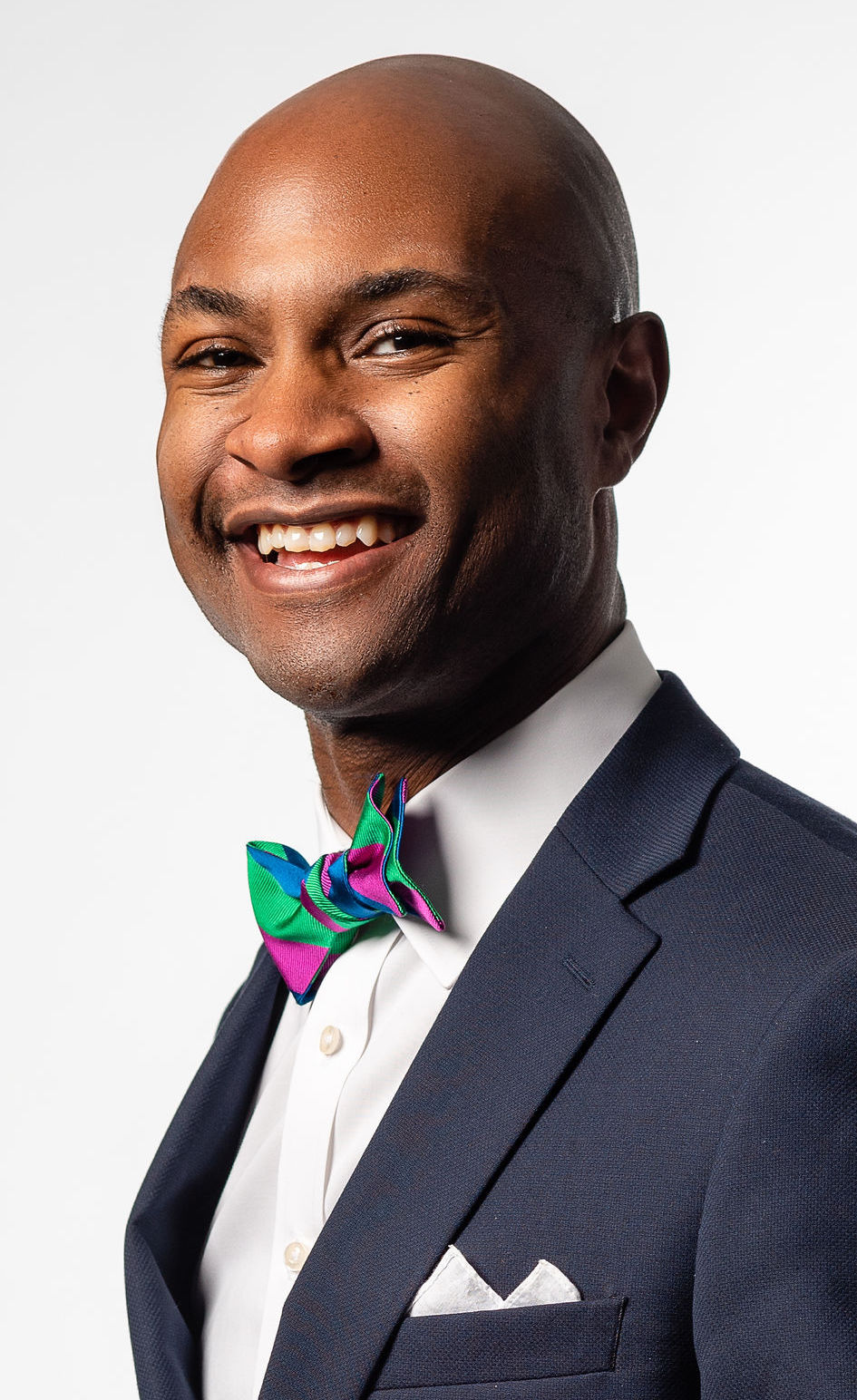
Dr. Abe Hudson Jr.


Dr. Abe Hudson Jr. is Program Officer for the Home Region Program at the Walton Family Foundation. A lifelong resident of Mississippi, Abe’s work focuses on three counties in Arkansas and in his home state: Phillips County, Arkansas (Helena-West Helena); Jefferson County, Arkansas (Pine Bluff); and Coahoma County, Mississippi (Clarksdale). Abe obtained a bachelor’s degree in marketing from the University of Southern Mississippi. He also earned two master’s degrees – one in Business Administration and the other in Finance – from Mississippi State University. In 2021, he obtained his doctorate in Urban and Regional Planning from Jackson State University.

Dr. Abe Hudson Jr.

What does Black philanthropy mean to you? 

It means Black people investing in BIPOC projects that impact Black communities. This in no way minimizes the investment of other races and ethnicities, but there is a different type of sensitivity, understanding, and purpose when Black philanthropy is done right. I am proud to say that the Arkansas Black Philanthropy Collaborative has the right idea – ensure that Black folks are part ideating, executing, and benefiting from the dollars invested in communities of color.


What excites you most about the future of Black philanthropy in Arkansas? 

I am incredibly excited about the future opportunity for individuals involved with ABPC’s philanthropic efforts. The intersection of our professional network provides ample opportunities for creativity and collaboration. There’s undeniable passion when we’re all in the room or on calls together, and I cannot wait to see what projects we put forth. 


What causes are you passionate about and in what ways do you support those causes?

Education. I believe that education is the foundation for any successful endeavor that a person chooses to embark on. While in my professional work, I’ve remained committed to highlighting and amplifying the voices of educational programs and institutions on the regular. In my personal time, I often find ways to give back by volunteering at my daughter’s school and speaking to the next generation of leaders.


What do you love most about Arkansas? 

Every time I leave the state of Mississippi and cross over into the state of Arkansas, I can’t help but notice the southern hospitality and charm that is in the people. I’ve made lifelong friendships and relationships in Arkansas because there are some truly genuine people here with good hearts. And just like in Mississippi, the Southern culture – food, people, and history – are certain things you notice and take note of. Lastly, while I see the remnants of slavery and Jim Crow era, I am overjoyed to see the hope in the eyes of the youth who I help to serve in the Arkansas Delta Region.


What do you love most about what you do? 

My favorite part of my role is being able to give back to a place that I have called home for my entire life. The Delta has a special place in my heart, and I take every opportunity possible to be a part of the betterment and uplifting of our community.


What is the best part of your day? 

I embrace each day with gratitude and intentionality. I’m thankful every day that God allows me to wake up. In the simplest, but most impactful way the best part of my day is seeing my family happy and healthy.


What do you hope to be remembered for? 

I hope people remember me for being someone who loved his family, stayed dedicated to his community, and always strived to do the right thing and put my best effort in all my endeavors. I hope that I am remembered for my integrity and commitment to excellence. 


Tell us a little more about yourself. 

I’m pretty laid back and enjoy reading and staying physically active. I am a proud member of Alpha Phi Alpha Fraternity Inc. and have been active in the fraternity for over 20 years. My beautiful wife, Adrienne, and I live in Clarksdale, Mississippi. My wife is a dedicated educational advocate and elementary school principal. We have one daughter, Abee Miranda, and we have two dogs, Sophie and Lucky. I’m extremely blessed.


Favorite quote to live by:

“If you don’t believe in yourself, no one else will.” –Dr. Abe Marshall Hudson, Jr.

GIVE BLACK ARKANSAS FUND

Help us design Black-led solutions for social change in Arkansas by making a tax-deductible contribution to the Give Black Arkansas Fund, powered by the Arkansas Black Philanthropy Collaborative.


Your gift will support general charitable purposes with a focus on organizations and programs supporting Black communities in Arkansas. You can make your gift of $25 or more online at giveblackarkansas.org or by mailing a check of any amount to the Arkansas Community Foundation (5 Allied Drive, Suite 51110, Little Rock, AR 72202).

DONATE

The Arkansas Black Philanthropy Collaborative is powered by the Derek Lewis FoundationWinthrop Rockefeller Foundation, and Walton Family Foundation.

FOLLOW US

Facebook  LinkedIn  Twitter  Instagram