Waltham will receive $250K in Green Communities funding
The Baker Administration awarded Green Communities competitive grants totaling $14,948,478 to 91 municipalities across Massachusetts to fund clean energy projects. The grants are funded through proceeds from Alternative Compliance Payments under the Massachusetts Renewable Portfolio Standard. Waltham will receive $250,000 in funding.
Under the Green Communities Act, cities and towns must meet five criteria to be designated a Green Community and receive funding. The grants provide financial support for energy efficiency and renewable energy projects that further the designated communities' clean energy goals. Two-hundred forty Massachusetts cities and towns have currently earned the Green Communities designation. This eighth annual round of DOER Green Communities competitive grants is awarded to existing Green Communities that have successfully invested their initial designation grants and previous competitive grant awards. Grants are capped at $250,000 per municipality.
The grants fund a range projects from ventilation system upgrades and high efficiency lighting to installation of insulation and energy management systems at municipal buildings and facilities. Also included are projects to install LED streetlights, oil-to-heat pump heating system conversions, electric vehicles, and electric vehicles charging stations.
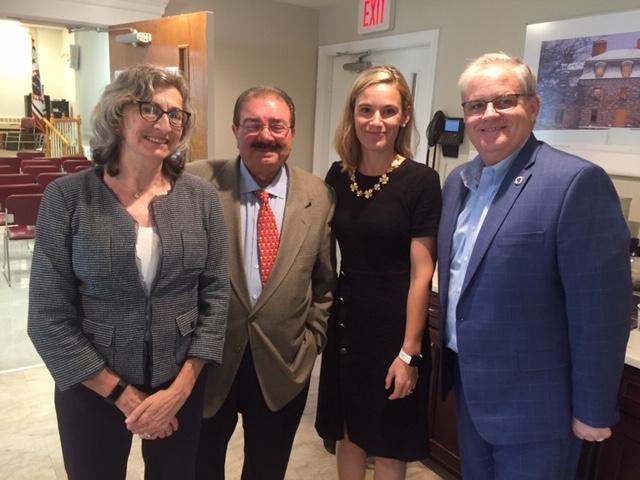
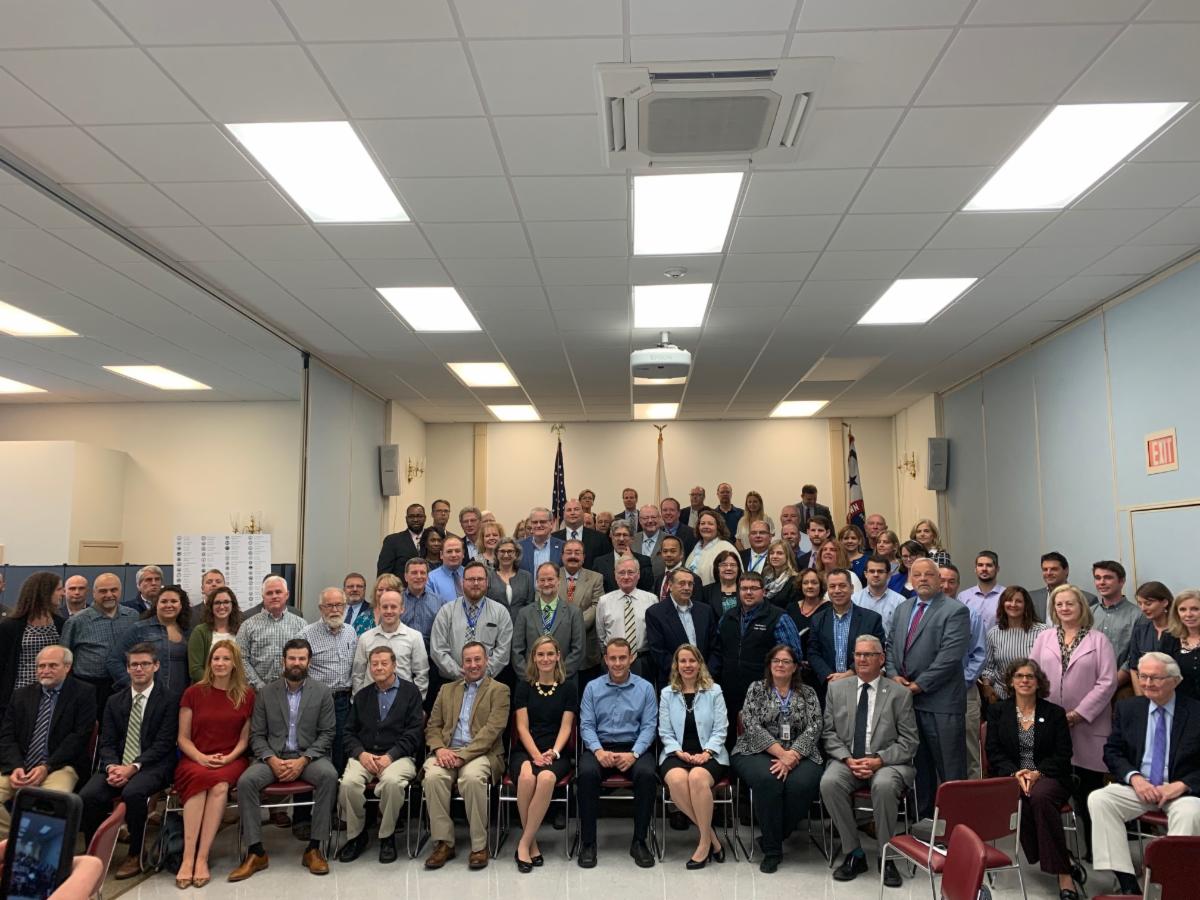
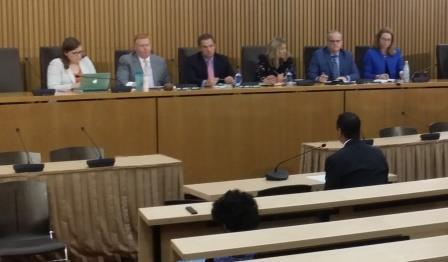
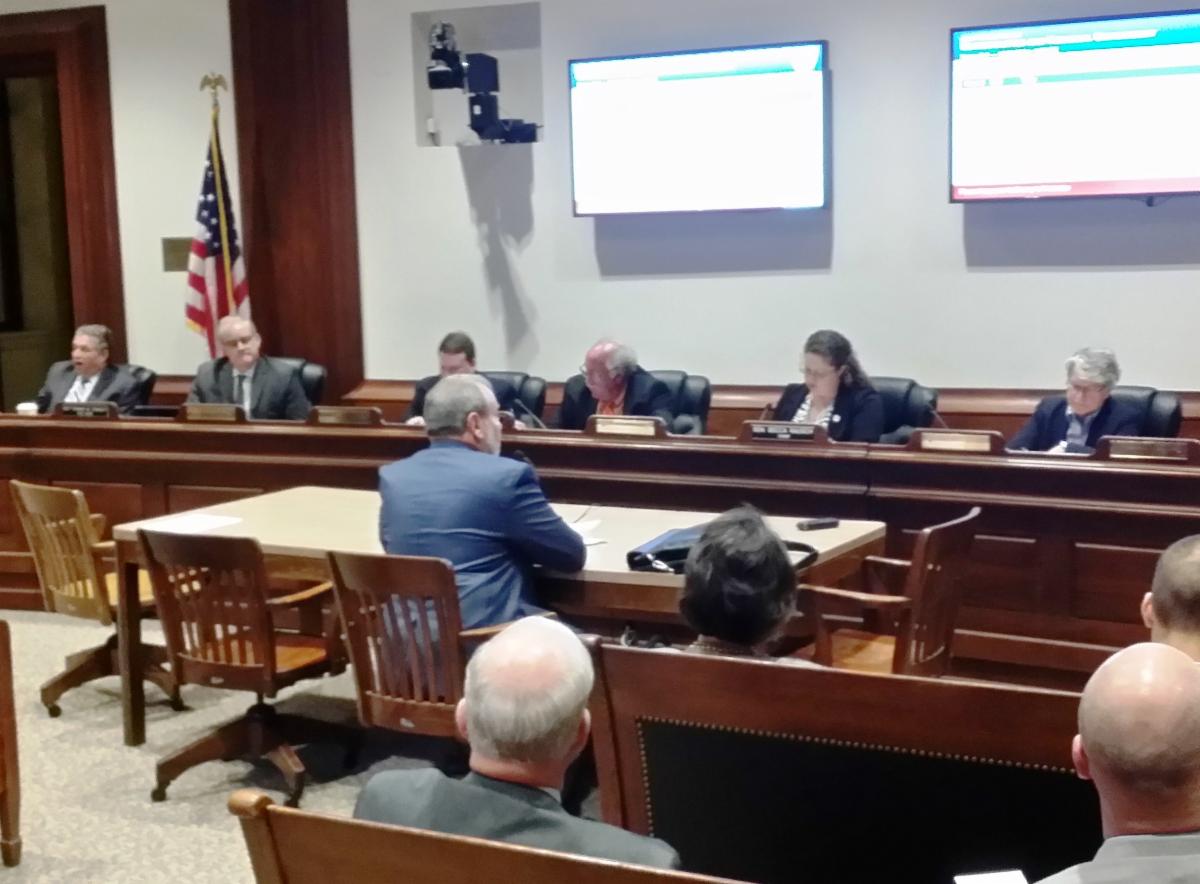
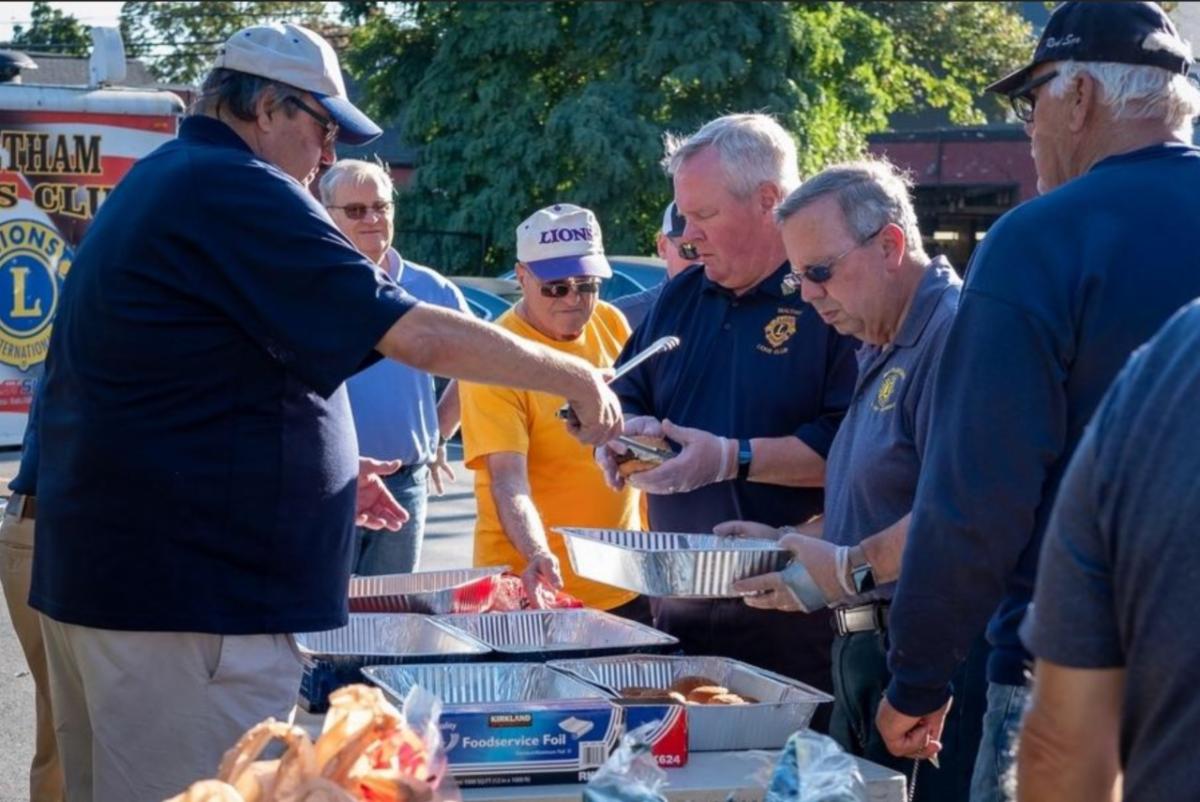
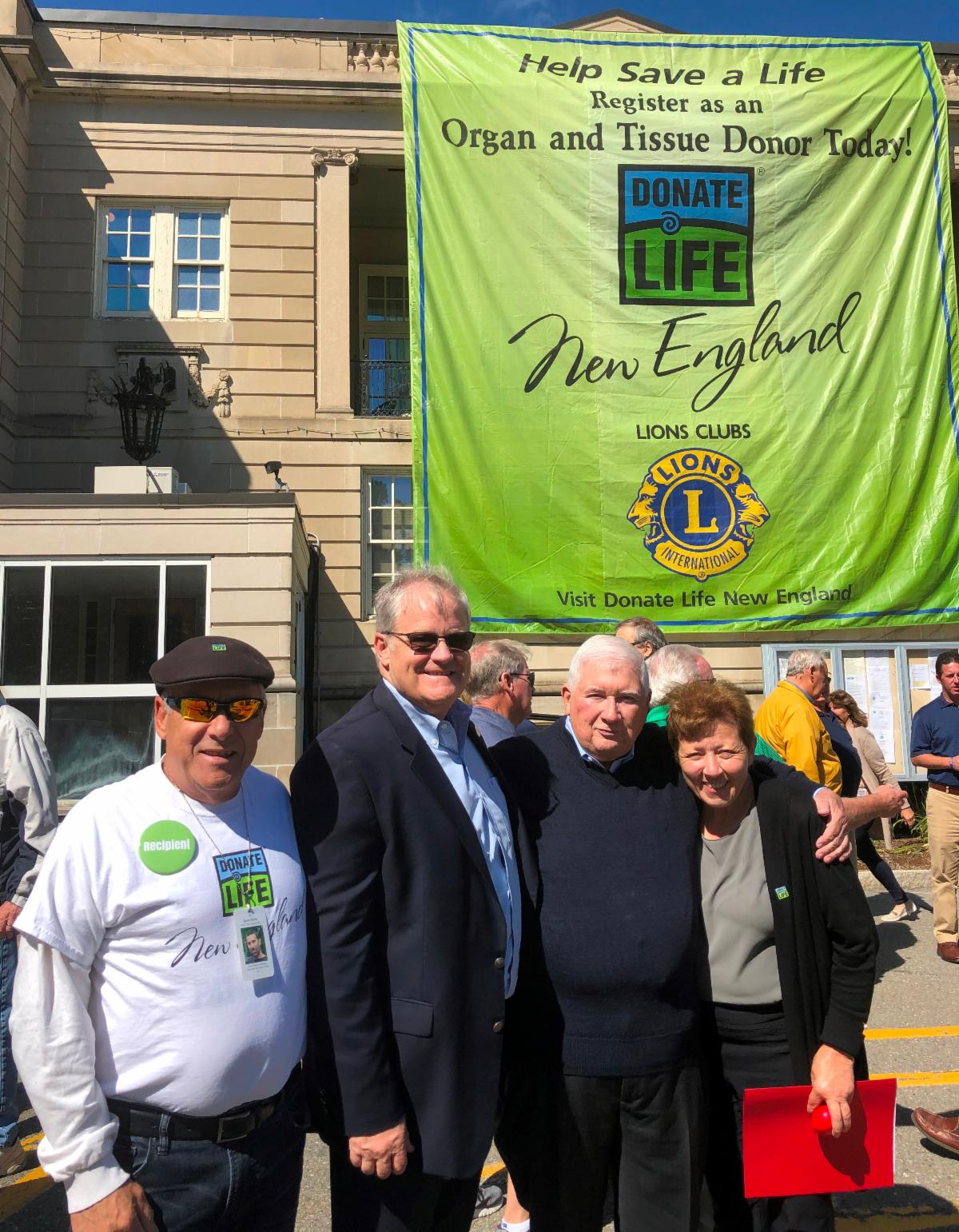
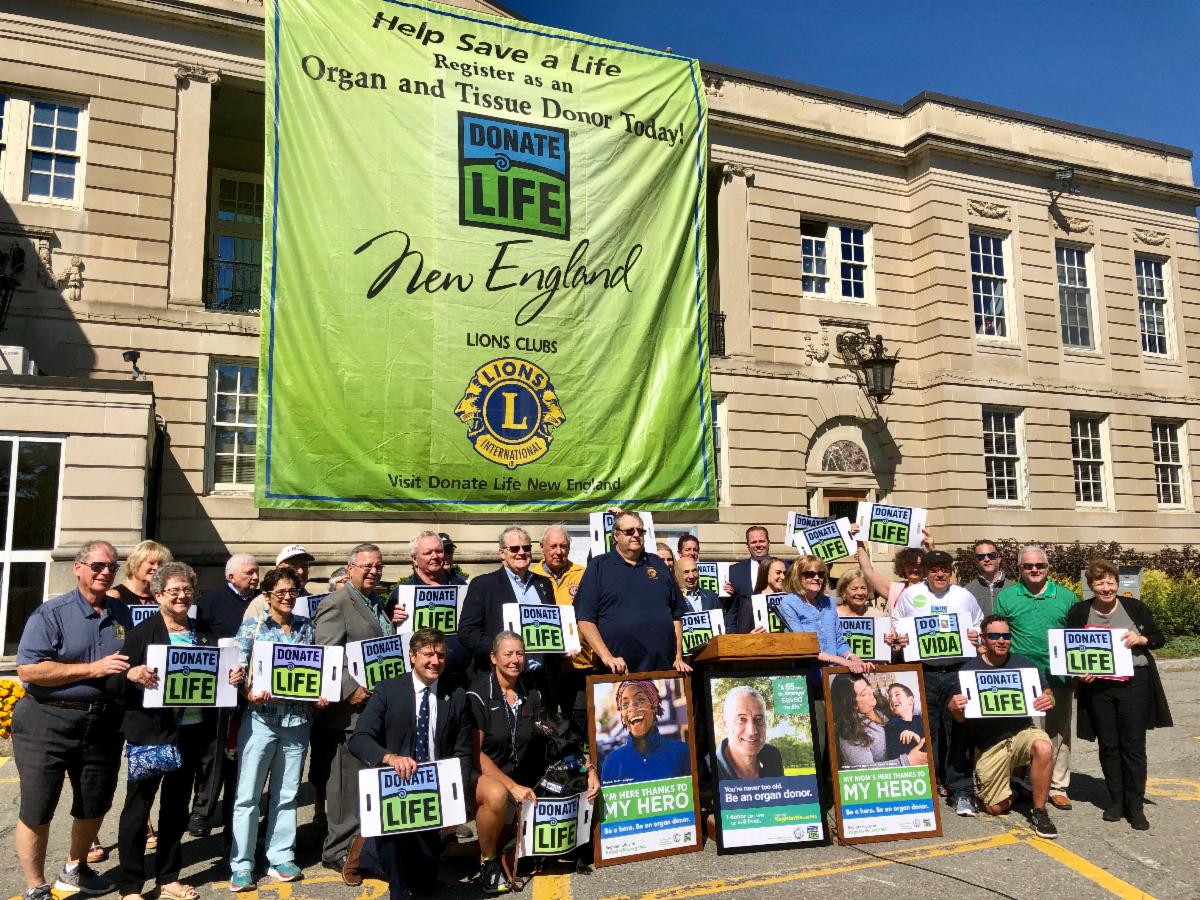
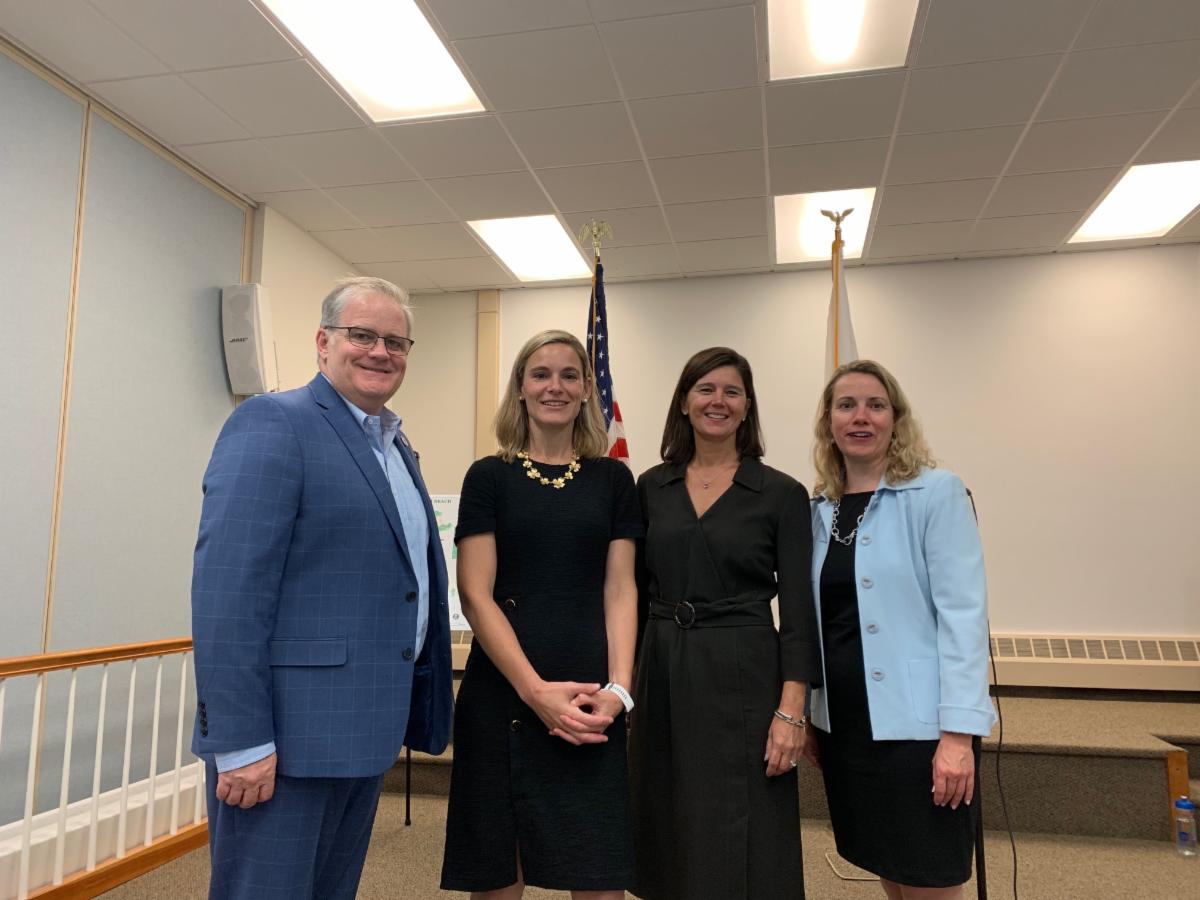
At the Green Communities Competitive Grant Announcement
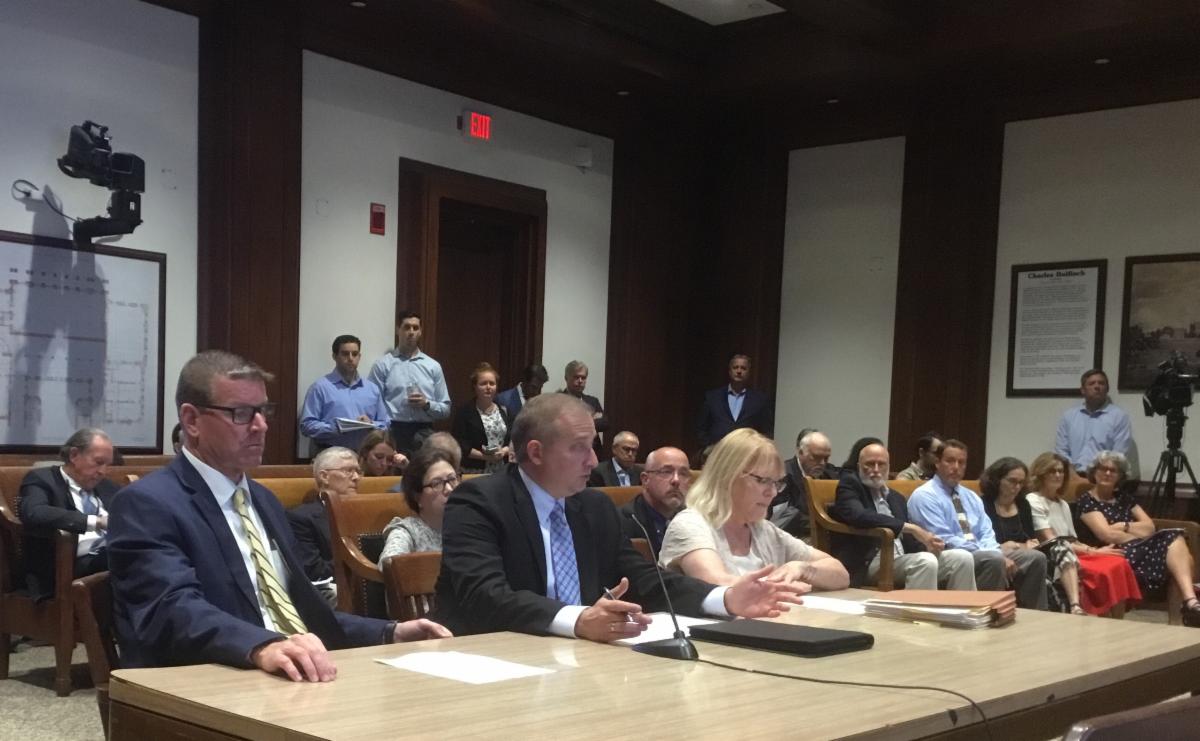
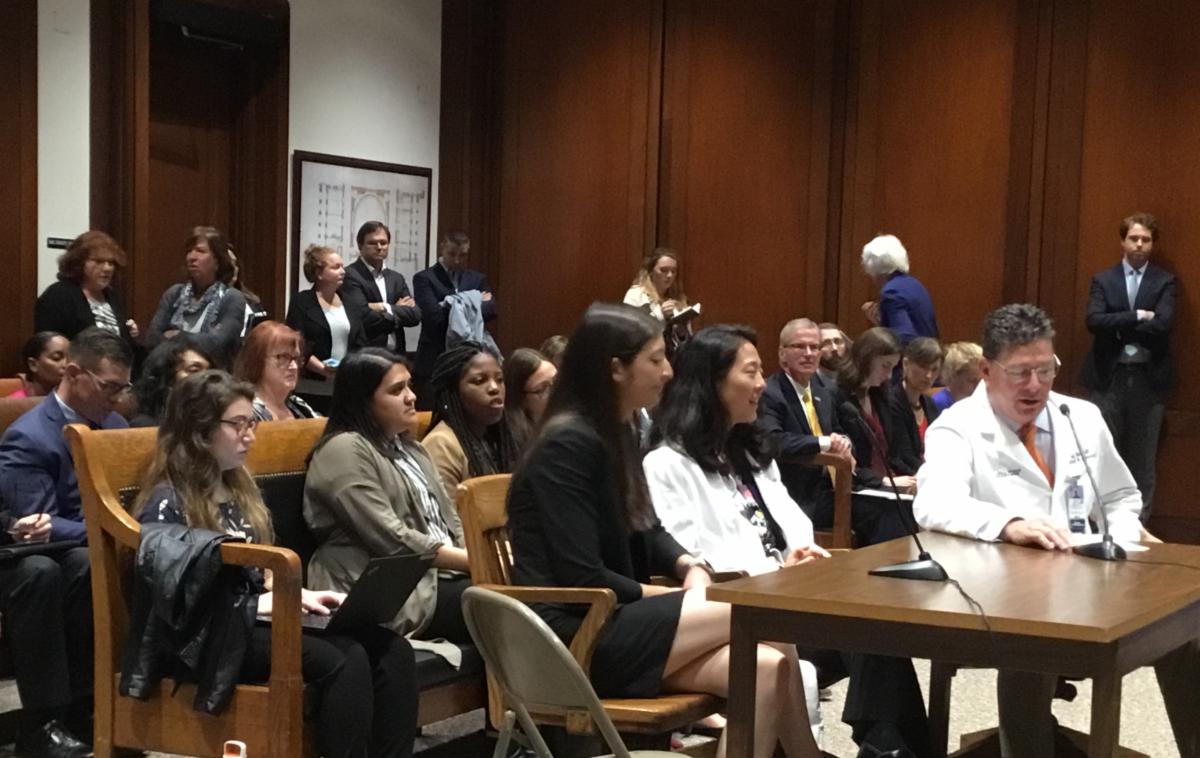
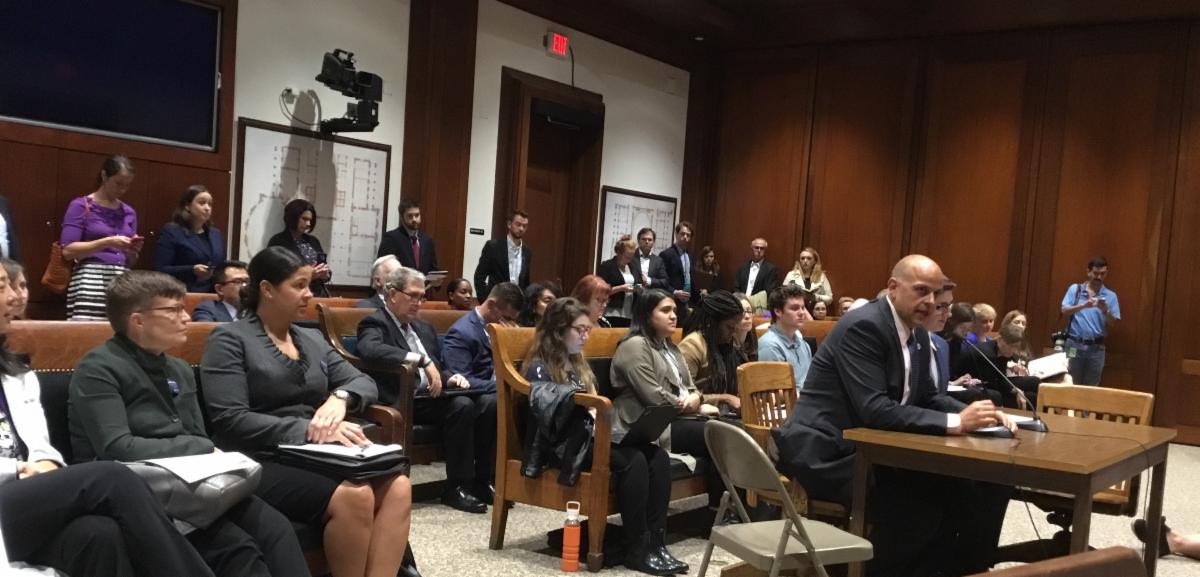
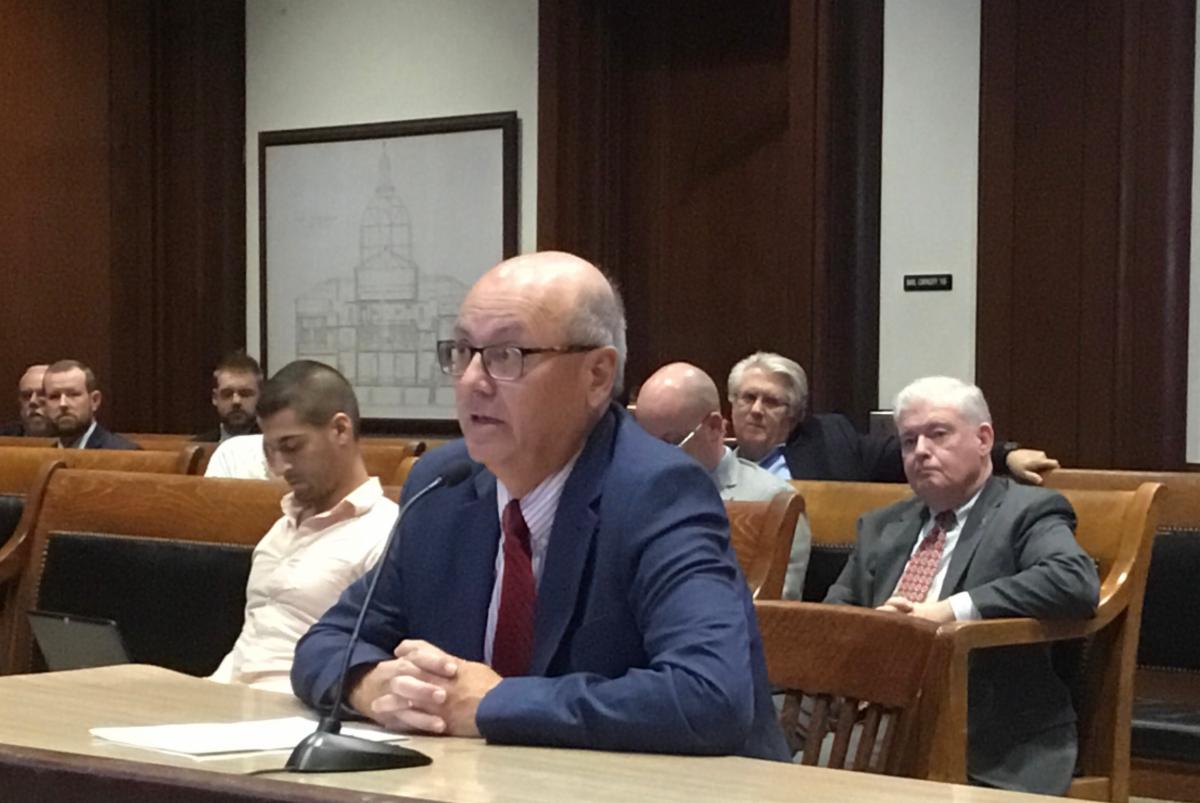
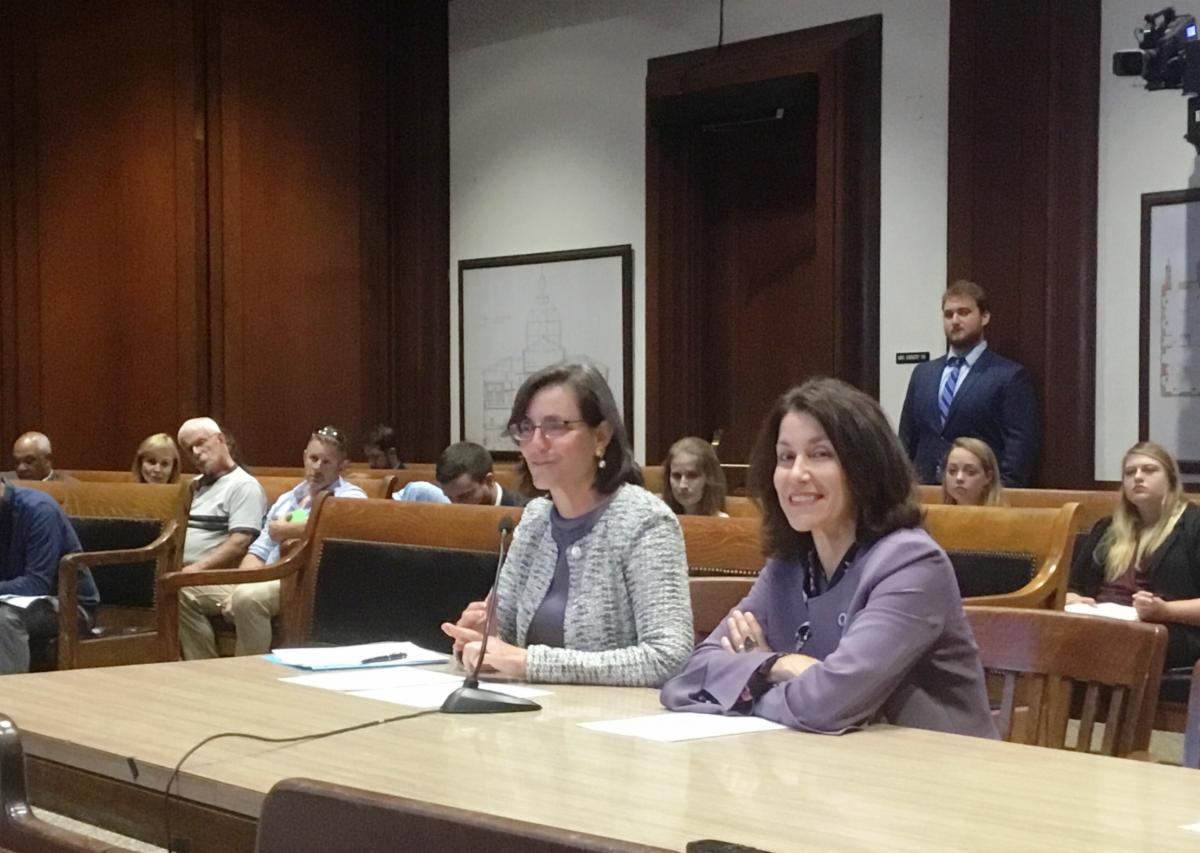
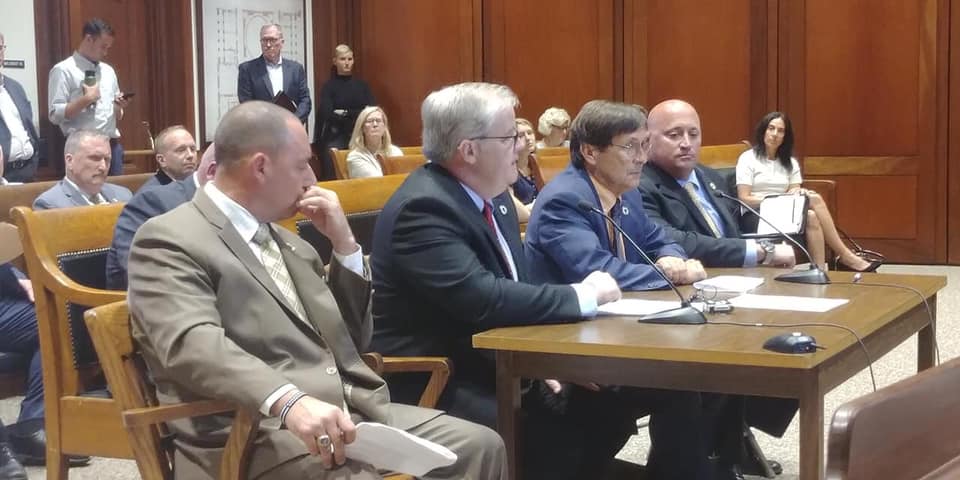
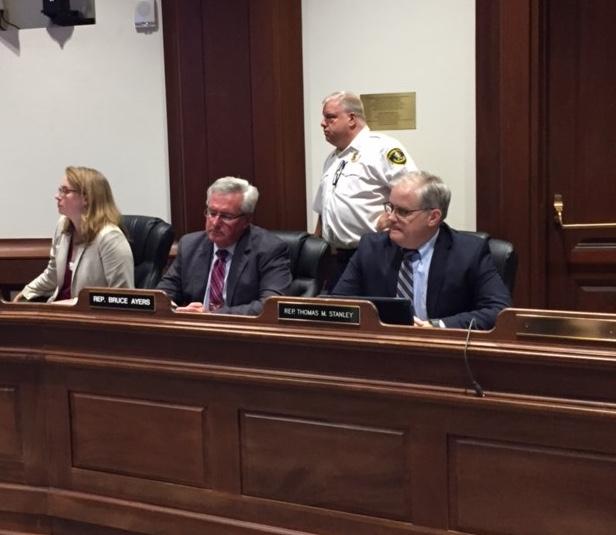
Rep. Stanley testifies on behalf of his legislation to investigate construction practices and their impact on firefighter deaths
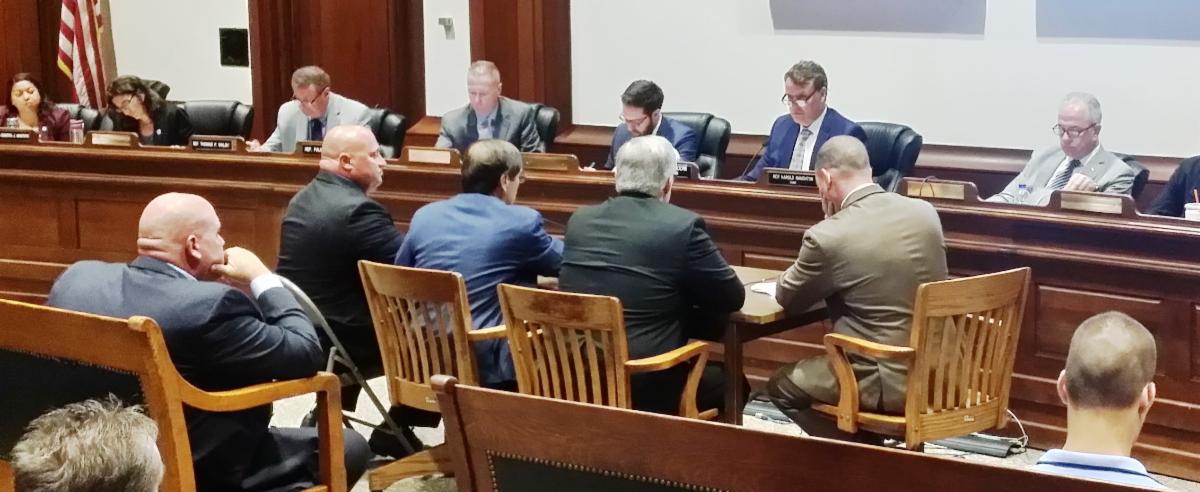
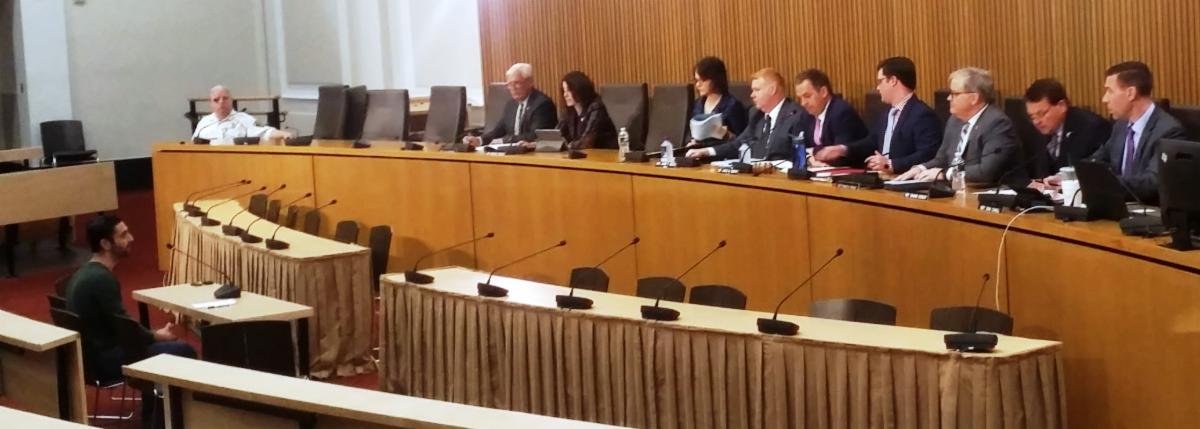
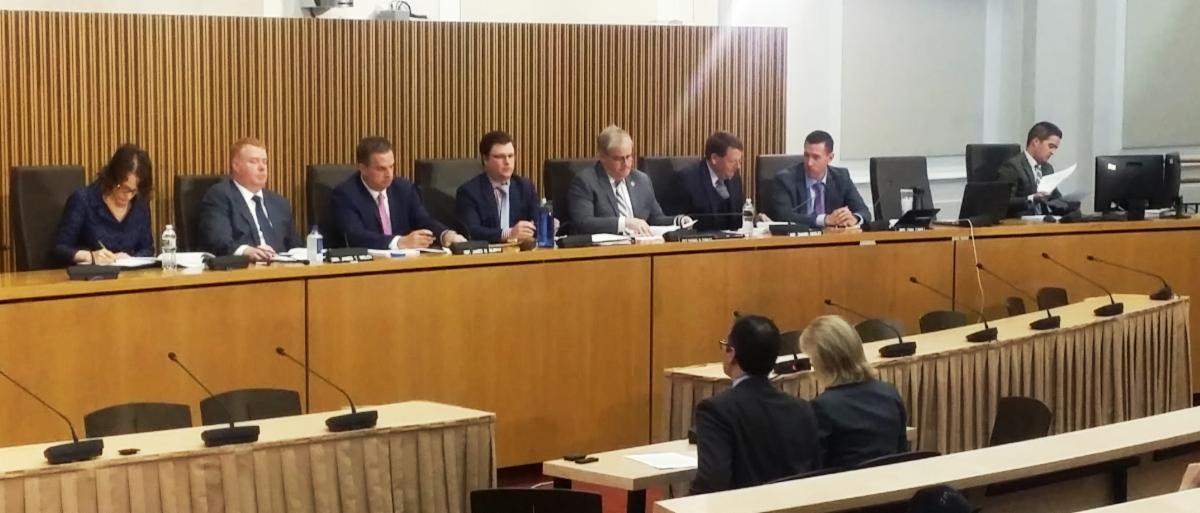
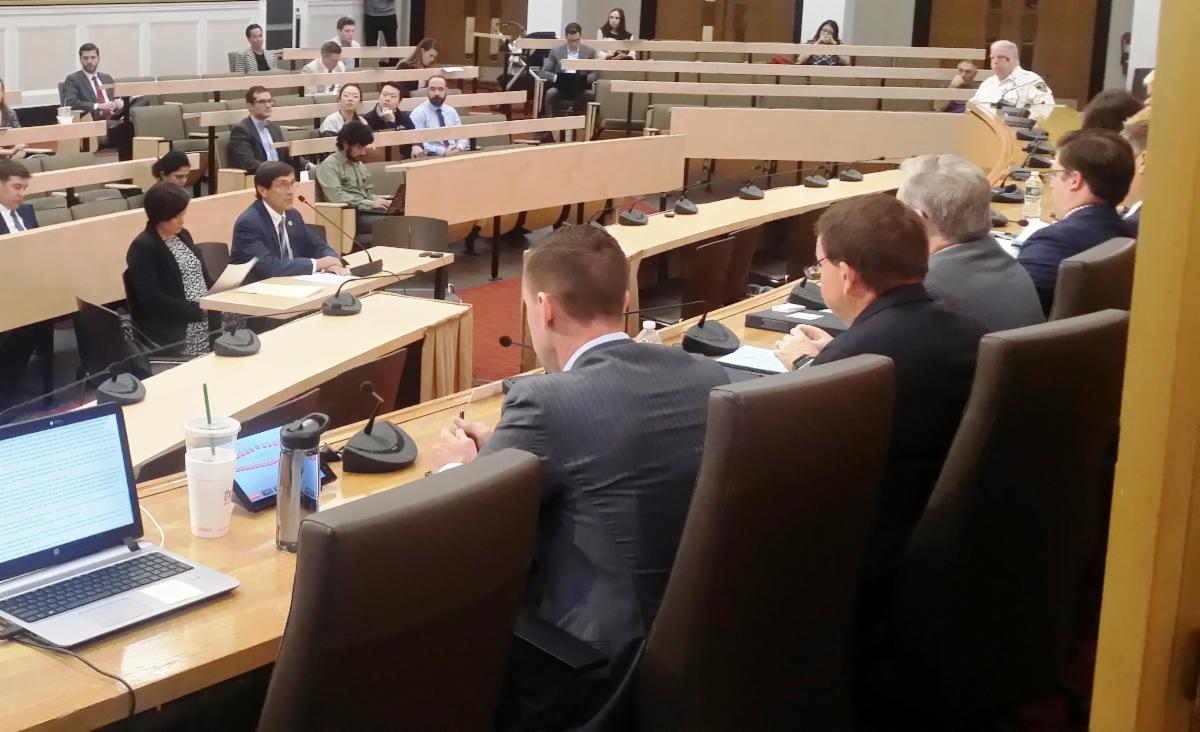
At a legislative hearing before the Joint Committee on Public Safety Joint Committee on Public Safety and Homeland Security, Rep. Stanley joined the Professional Firefighters of Massachusetts (PFFM) and Rep. Jim Hawkins in requesting legislation he filed (House Bill 2134) be favorably reported by the Committee. This important bill would establish a nine-member special commission to investigate the use of manufactured wood products and light weight wood frame truss assemblies in relation to the inordinate number of firefighter deaths and injuries associated with this construction type.
The Commission would also be tasked with studying the impact these type of building have on fire insurance rates and investigating what steps can be taken to mitigate any problems associated with these products. Under the bill, the Commission would be made up of three members of the Senate, three members of the House of Representatives, a designee from the Executive Office of Public Safety and Security, and rounded out with representatives from the Massachusetts Fire Chiefs Association and the Professional Firefighters Association.
In 2009, a change was made to the State Building Code allowing wood-frame construction in buildings up to five stories. Since then, projects using wood-frame construction have popped up across the state as developers seek to take advantage of the lower costs these materials provide. However, wood-frame construction is highly vulnerable to fast-moving flames during construction, before fire suppression systems (i.e. sprinklers) have been installed. In fact, many of these projects are constructed with engineered wood and manufactured wood products, which burn even faster than traditional wood and cause supporting materials to collapse quickly.
A number of recent, high-profile fires involving wood-frame construction in Massachusetts, including one on Cooper and Elm Streets in Waltham, have raised significant concerns regarding the safety of this construction practice. On Sunday, July 23rd 2017, a 10-alarm fire broke out in an unoccupied 260-unit apartment complex located in downtown Waltham, MA. The wood-frame construction allowed the flames to spread so quickly that the Waltham Fire Department had virtually no time to control the spread of flames. Hundreds of seniors had to be evacuated from nearby residential buildings.
It took firefighters from a dozen communities over four hours to get the fire under control and several days to completely extinguish the flames. Overall, the fire caused an estimated $110 million in damages. Waltham was very lucky that there were no fatalities or serious injuries among firefighters, first responders, and members of the public.
Rep. Stanley Urges Joint Committee on Telecommunications, Utilities and Energy to pass public utilities bill
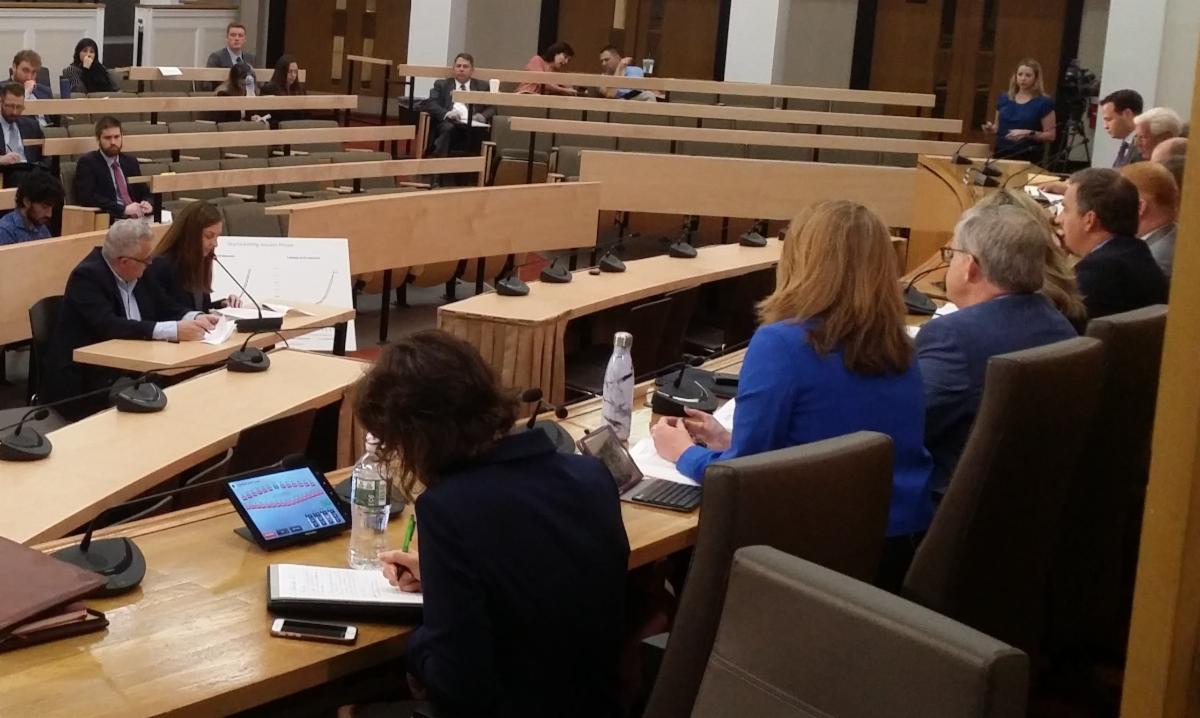
In a letter to the Joint Committee on Telecommunications, Utilities and Energy, Rep. Stanley urged favorable action on House Bill 2182, An Act clarifying authority and responsibilities of the Department of Public Utilities. As a co-sponsor of H.2182, this legislation is needed to reform the Department of Public Utilities (DPU) and provide more transparency and accountability in regards to the agency's oversight on gas infrastructure projects.
Despite progress the Commonwealth has made towards transitioning towards clean and sustainable energy systems, utilities and their stakeholders continue to seek ratepayer funding to finance major pipeline expansions. Unfortunately, the DPU regularly sides with the fossil fuel industry on these projects with relatively no meaningful public participation in its decision-making processes. While the Merrimack Valley gas disaster exposed that limited DPU oversight allowed the fossil fuel industry to cut corners and put people's lives in danger, the gas utility responsible for this tragedy is planning to expand further in the Commonwealth, under a previously DPU-approved contract.
Even though the Federal Energy Regulatory Commission (FERC) is the lead agency for interstate gas pipeline siting and approval, the Commonwealth retains important roles in the financing and permitting of these projects. The DPU reviews and approves the pipeline capacity contracts that utilities enter into with pipeline developers. H.2182 would enhance the review of these contracts and address other needed reforms regarding the DPU's role as gatekeeper to interstate gas infrastructure projects. The bill would allow for more involvement from impacted communities and ratepayers in DPU proceedings. H.2182 would also require competitive bidding for low/zero emissions (non-gas) energy solutions prior to seeking approval of contracts for gas infrastructure expansion and prohibit DPU approval of contracts for gas infrastructure expansion when the gas utility seeking expansion is the subject of an ongoing investigation by the National Transportation Safety Board.
Rep. Stanley cosigns letter to MassHealth urging preservation of Pooled Trusts for disabled seniors
Rep. Stanley and his colleagues in the legislature sent a letter to MassHealth urging them to halt a proposed October elimination of the exemption for "special needs pooled trusts" when determining eligibility for MassHealth, therefore penalizing disabled seniors who use them. Per current Massachusetts Medicaid regulations, disabled seniors may place a modest amount of money into a "special needs pooled trust," a fund for needs not covered by their insurers or MassHealth, such as dental benefits, clothing, hearing aids, books and transportation.
Rep. Stanley lobbies for passage of his bill which would allow cities and towns to provide added incentives of assessors who complete professional development programs
In a letter to the chairs of the Joint Committee on Municipalities Joint Committee on Municipalities & Regional Government, Rep. Stanley urged favorable action on House Bill 1826 relative to assessor certificates. Endorsed by the Massachusetts Assessors Association, H.1826 provides added incentives for assessors to seek professional development and maintain the most up-to-date skills for municipalities to utilize.
Assessors play a vital role in the financial issues of every city and town, providing the necessary information and projections that are needed for communities to develop an on-time budget that provides essential services to its residents. Whether elected or appointed, assessors make a difference by bringing experience, attention to detail and revenue management skills to municipal finances.
Professional development for assessors is incredibly important so that they may continue providing the best possible services to municipalities. Currently, if an assessor receives a certain certification designation, they can, by local option, receive a stipend for that certification. There are now three different levels of certification (each seen at a higher level) an assessor may seek. H.1826 allows communities to increase the stipend for those assessors that attain higher level certifications and designations, upon local approval by that community. More specifically, the bill acknowledges all 3 certifications are eligible for the certification, and increases the "up-to" limit of each certification (typically percentage of salary up to a certain amount). The bill is local option and it would be the decision of the community to award the stipend.
Rep. Stanley cosponsors legislation to reduce racial disparities in maternal health
In a letter to the chairs of the Joint Committee on Public Health, Rep. Stanley provided testimony on legislation he cosponsored which will reduce racial disparities in maternal health, which amends and builds upon previous legislation establishing the Office of Health Equity. This bill would create a commission to address the continuing inequities in the Commonwealth's maternal health outcomes, specifically in cases of maternal mortality. By passing this critical legislation, the Commonwealth will raise awareness about the dramatic disparities in maternal health for persons of color, develop recommendations to address these disparities that incorporate perspectives from impacted communities, and meaningfully advance efforts to save the lives of pregnant people and children alike.
Rep. Stanley signs onto joint testimony on food donations legislation
Rep. Stanley and his colleagues sent written testimony to the Joint Committee on the Judiciary on a bill he cosponsored which encourages the donation of food to persons in need. Priority legislation of the bi-cameral and bi-partisan Food System Caucus, H.1475 and S.869 eliminate some of the unnecessary barriers prohibiting and dissuading food donation, providing for meaningful opportunity to concurrently tackle hunger and diminish food waste, a negative environmental impact.
H.1475 and S.869 reflect the exact language which the Joint Committee on the Judiciary previously advanced. Last session this legislation was reported out favorably with a technical amendment from the Joint Committee on the Judiciary and further advanced to the House Committee on Ways and Means. Under this legislation, liability protections would extend to the many restaurants, individuals, and organizations seeking to make direct food donations to persons in need. These provisions currently apply only to donations routed through nonprofits. Extending the liability protections would simplify and encourage expanded food donations and dramatically reducing perishable food waste.
S.869 and H.1475 ensure access to healthy, quality food that may otherwise be unaffordable or inaccessible by also extending liability protections to cover donations made to nonprofits and food establishments which distribute or serve food at no cost or at a charge sufficient to cover only the cost of handling such food. Lastly, this legislation provides Massachusetts farmers with both an incentive to donate healthy, local food and financial assistance via a $2,000 tax deduction for donating excess crops.
Rep. Stanley sponsors bill to prevent misrepresentation of a service animal
In a letter to the Joint Committee on Judiciary, Rep. Stanley and his colleagues voiced full support for House Bill 3657, legislation relative to the misrepresentation of a service animal. Misrepresenting a pet as a service animal is not a victimless crime. It is alarmingly easy to purchase a vest for a pet with the words "service animal" or print a certificate in order to gain access to public places. This creates a myriad of problems for the clients, the public, and the animals. This is a safety issue. "Fake" service dogs put legitimate service dogs and their owners at risk through aggressive behavior and creating a stigma around the issue. Often those with an "invisible" disability (such as PTSD or seizure disorders) and their service dogs are turned away from businesses due to a previous bad experience with an animal.
H3657 will work to educate the public and business owners on how to respond in these types of situations, and what questions can and cannot be asked. This bill also proposes a civil penalty for violations. H3657 is a step in the right direction to dissuade people from claiming their pet is a service animal and will help ensure that service dogs owners' rights will be respected, and they will be treated fairly.
Baker Administration Announces Community Compact Connector Tool
The Community Compact Connector, a new, synthesized online portal will support the Community Compact program to offer all 351 communities in the Commonwealth information on state resources and grant opportunities available to local municipalities. The Community Compact Connector provides a streamlined interface for cities and towns to interact with state government when seeking partnership and grant funding opportunities and is equipped with pages offering services such as a municipal grant finder, technical assistance finder and a grants calendar.
The municipal grants finder and the technical assistance finders provide a central source of information for cities and towns to learn more about state grant opportunities available to them, regardless of state agency management. Areas of support include community development, emergency management and planning, environmental resources and more. Municipalities are also offered the opportunity to efficiently submit a question or comment to the Community Compact Connector directly on the website, ensuring continued and effective partnership between state and local governments.
In addition to these main features, the Community Compact Connector will also provide varying resources to municipalities, including new fiscal budgets, cherry sheets and announcements.
Visit www.mass.gov/communityconnector to learn more.
Governor Baker Declares Public Health Emergency, Announces Temporary Four-Month Ban on Sale of All Vape Products
Governor Baker declared a public health emergency in response to confirmed and suspected cases of severe lung disease associated with the use of e-cigarettes and marijuana vaping products in the Commonwealth. The Governor called for a temporary four-month statewide ban on the sale of flavored and non-flavored vaping products in both retail stores and online. The sales ban applies to all vaping products and devices, including tobacco and marijuana. The ban takes effect immediately and lasts through January 25, 2020.
The Centers for Disease Control and Prevention (CDC) and the Food and Drug Administration (FDA) are currently investigating a multi-state outbreak of lung disease that has been associated with the use of e-cigarettes or vaping products (devices, liquids, refill pods, and/or cartridges). To date, the CDC has confirmed 530 cases of lung injury across 38 states. While many of the patients reported recent use of Tetrahydrocannabinol (THC)-containing products, some reported using both THC and nicotine products. No single product has been linked to all cases of lung disease.
Earlier this month, the Department of Public Health (DPH) mandated that Massachusetts physicians immediately report any unexplained vaping-associated pulmonary disease to the department. As of today, 61 cases have been reported to DPH. Three confirmed cases and two probable cases of vaping-associated pulmonary disease in the state have already been reported to the CDC. The rest are pending further clinical analysis.