| |
Annapolis Update:
Monday, February 16, 2026 | | |
Dear Marylanders,
On Wednesday, Governor Moore delivered his State of the State address, highlighting several "wins" including a reduction in the state’s murder rate, a visit to the White House to discuss regional energy policy, declining overdose numbers, expanded child-care coverage, $4.3 billion in reported support for minority-owned businesses, and $240 million in one-time energy rebates, including $100 million targeted to low- and moderate-income households.
Marylanders want to see progress. We all do. But Republicans wonder if that progress was felt all over.
A key item missing from his address was the cost. In 2025 alone, Marylanders absorbed $1.6 billion in new taxes and fees to finance these initiatives. In 2024, we saw additional increases through “sin taxes,” vehicle registration hikes, and industry-specific fee increases that have strained small businesses and working families. These dollars do not come from Annapolis; it comes from the paychecks of Marylanders.
The Governor is an effective speaker, but families in District 7 are not asking for applause lines. They are asking for relief. They are concerned about rising energy bills, a weakened credit outlook, and a state government that too often looks outward for someone to blame instead of inward for solutions.
While national headlines may draw attention, our focus must remain here at home. Maryland is facing serious fiscal and energy challenges. Transparency, accountability, and disciplined spending are not optional, they are essential. Those are the priorities I will continue fighting for this session.
Instead of working collaboratively with the legislative branch, the Governor seems to be framing major policy disagreements as a broader confrontation with the Senate itself. That is not a productive path forward. Marylanders expect cooperation and results, not institutional tension or political theater.
My focus remains on representing District 7, protecting taxpayers, and ensuring that fiscal and energy decisions are made thoughtfully, transparently, and with legislative input.
| | Following the State of the State, I noted something important: the dynamic in Annapolis appears to be shifting. “What I’m noticing now is he is changing the dynamic to the Senate versus Moore.” More in Maryland Matters below: | |
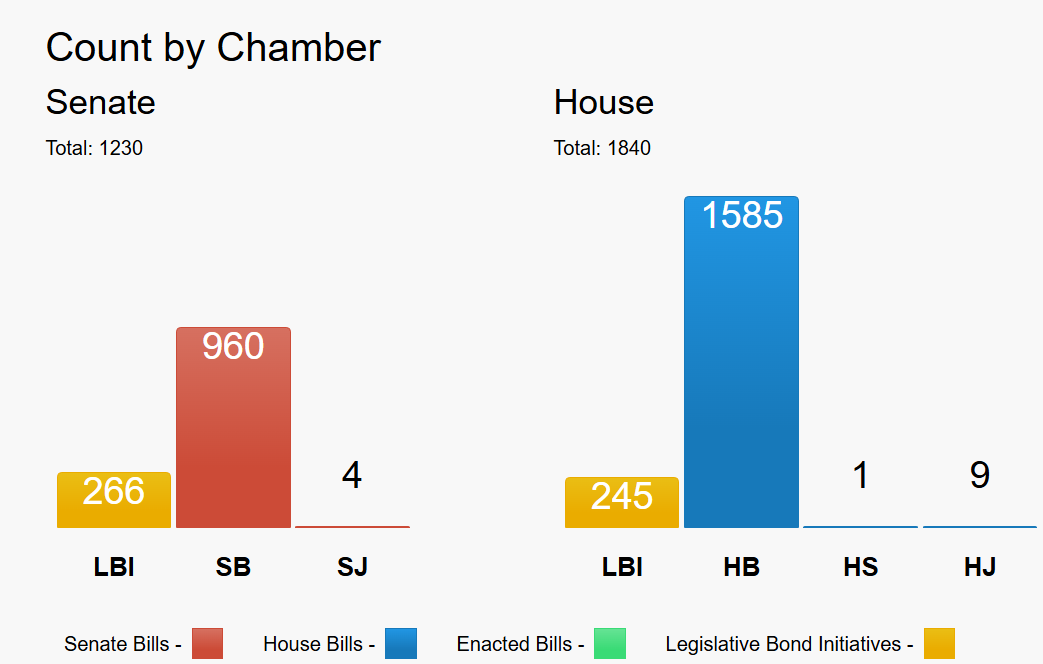
As of Monday, February 16, 2026, 1,230 Senate Bills and 1,840 House Bills have been introduced by the General Assembly. Many of these bills are cross-filed, which means that those bills are counted once in the Senate and once in the House.
As always, click "View Entire Message," to see the entire email.
| | |
Many people see the controversial headlines or the final vote on a bill. What they don’t see is the hard work that begins long before a bill is ever read on the Senate or House floors.
In Legislative District 7, my office receives calls, emails, and casework requests every single day. We track patterns, identify recurring problems, and work directly with state departments to understand where systems are failing working Marylanders. Good legislation doesn’t start with politics; it starts with connecting to residents and solving real problems for real people.
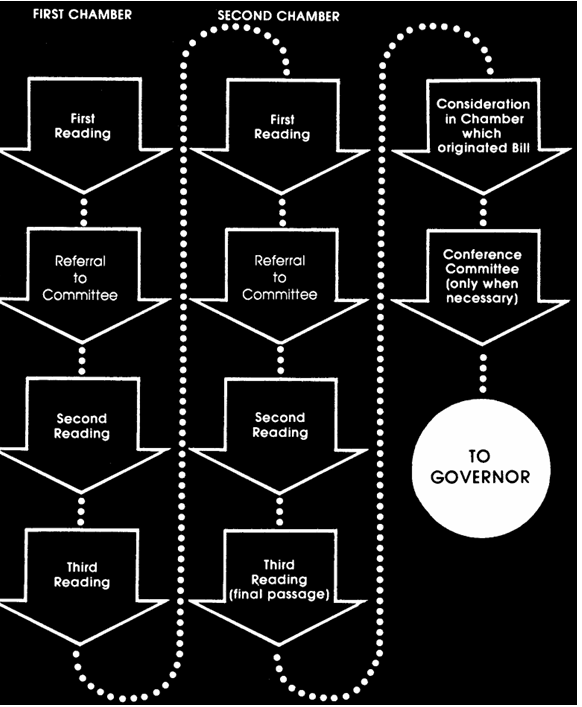
From there, bills are drafted, refined, and formally introduced. In the Senate, bills must be submitted by the 27th day of session (this year, February 9). In the House, the deadline is the 31st day (February 13). Bills filed after those deadlines are sent to the Rules Committee and must receive special approval to move forward.
Once introduced and read for the first time, a bill is assigned to a committee. That’s where the real scrutiny happens. Committees hold hearings, receive testimony from citizens and experts, review fiscal and policy impacts, and often amend the bill. Public input matters greatly at this stage.
After review, the committee votes to send the bill to the floor as:
- Favorable
- Favorable with Amendments
- Unfavorable
- Or the bill may simply remain in committee, without a vote
If the bill advances, it moves to Second Reader, where amendments can be added and the bill is debated. On Third Reader, the full chamber votes on final passage after debating again.
If the bill passes, it crosses over to the opposite chamber and goes through the same process all over again: hearings, amendments, debate, and votes. If both chambers pass identical versions, the bill is sent to the Governor for signature or veto. All bills must cross over by March 23 this year, the 69th day.
Good laws require research, evidence, and input from the people we serve. That’s the work we do every day, long before the headlines ever begin.
| |
Potomac River Sewage Spill:
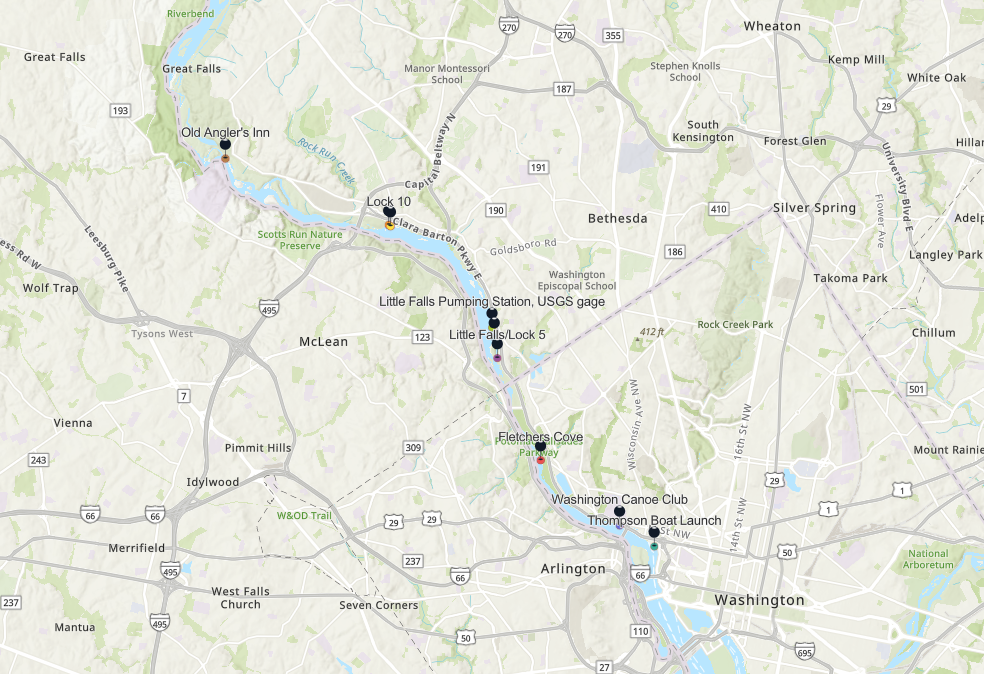
The Potomac River, the lifeblood that separates Maryland and Virginia, has suffered one of the largest sewage spills in recent history. Millions of gallons of wastewater have flowed into the Potomac, following a massive pipe rupture. Repairs could take more than a month. Meanwhile, health advisories have been issued near the C&O Canal, and families are being warned to stay away from affected areas.
The Potomac feeds directly into the Chesapeake Bay, impacting water quality, aquatic life, wildlife habitats, and the fishing and recreation industries that so many working Marylanders rely on. Our wildlife, watermen, small businesses and families have been put at risk.
The issue was reported to the Environmental Protections Agency (EPA) and Maryland Department of Environment (MDE) has been involved from January 19, 2026, when the incident was reported. Delegate Korman, as the Chair of the Environment and Transportation Committee and local representative, remains involved in this situation. My heart goes out to the community that is impacted. The MDE representative my office spoke with said, "Maryland is working closely with DC Water, the U.S. EPA, and the D.C. Department of Energy and Environment to respond to this incident and protect public health."
The Potomac Riverkeepers, DC Water, and MDE have performed testing on the water with results predictably showing high levels of bacteria. MDE is coordinating with DC Water and the U.S. EPA to establish a long-term water monitoring plan connected with this spill. Thankfully, no active drinking water sources have been impacted by the sewage spill, and an emergency shellfish closure has been implemented. Due to current icy conditions, shellfish testing will be paused, with a plan to test shellfish once safe.
If you reside in or around the impacted area, it is recommended that you follow all signage and guidance provided by Maryland Department of the Environment. The Environment and Transportation Committee had a subcommittee hearing on February 13, which included an update on the Potomac River.
| | |
The Energy Cost:
Supply vs. Transmission: As energy costs continue to rise across Maryland, many families are asking an important question: What exactly am I paying for? It’s critical that we understand the difference between the supply and transmission line items on our energy bills.
Supply is the cost of generating the electricity itself. This is the price paid to power plants that produce electricity and sell it into the regional grid managed by PJM. The supply portion of your bill can fluctuate based on market conditions, fuel prices, and the availability of generation.
When supply is constrained, through closed plants, and demand continues to grow, particularly with new high-energy users coming online, market rates increase, and those costs are passed directly to ratepayers.
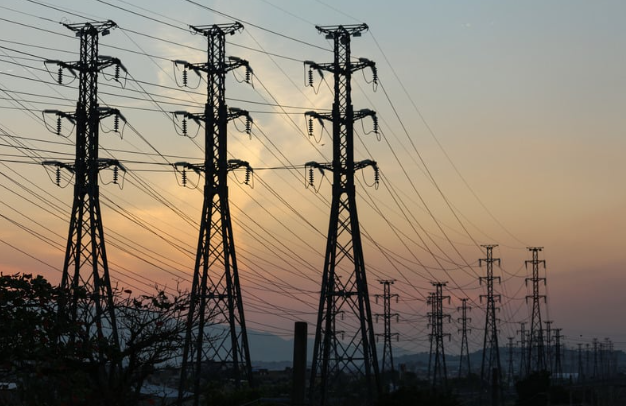
Transmission is the cost of delivering that electricity across high-voltage power lines from generation plants to local distribution systems, and ultimately to your home or business. These costs include maintaining infrastructure, building new lines, and complying with reliability mandates.
EmPOWER is a fee that costs Maryland ratepayers hundreds per year, was designed to offer a benefit to some Marylanders to save, despite the price tag to all.
Simply put, supply reflects what it costs to produce electricity, while transmission reflects what it costs to move that electricity across the grid.
I am deeply concerned about the rising cost of energy for working families and small businesses, and I have been actively communicating with both state and federal partners to push for responsible solutions that increase generation, protect ratepayers, and ensure long-term grid reliability.
Marylanders deserve transparency, accountability, and an energy policy that prioritizes affordability and stability. I will continue fighting for exactly that.
| |  | |
The Federal Energy Regulatory Commission (FERC) is an independent agency of the United States government that regulates the interstate transmission of electricity, natural gas, and oil. When individuals write in regarding the overabundance of Exelon-based companies, the correct person to direct those concerns to, will be your U.S. Senator or Representative.
This week, Governor Moore announced the market capacity price has been capped for Marylanders. This is an effort that has taken many representatives from both sides of the aisle.
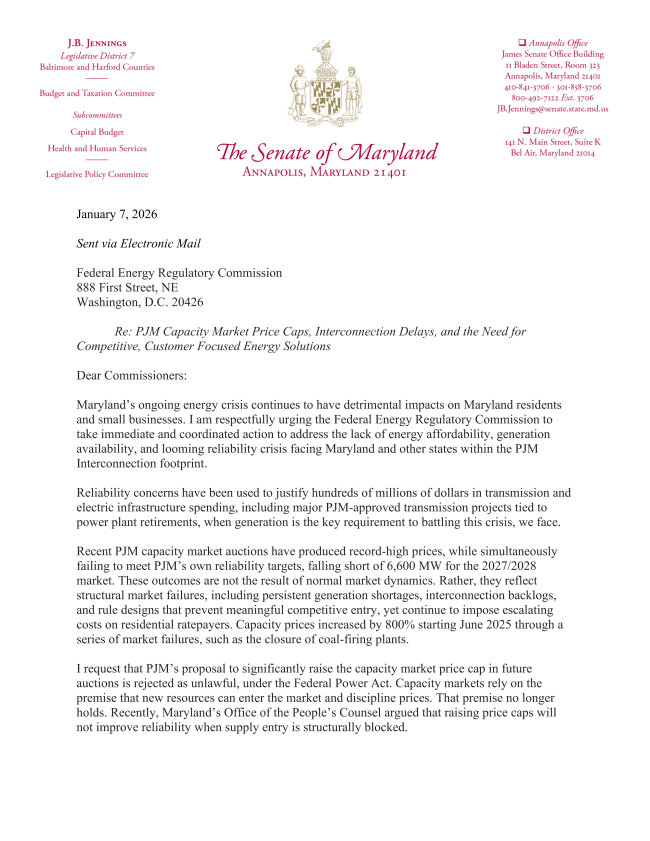
Pushing back on policies that harm Maryland ratepayers is nothing new for the Maryland Senate Republican Caucus. During the interim, I wrote to the FERC to address concerns with the increased market capacity auction price of PJM, the backlog at PJM, and the current state of Maryland's supply market.
| | | Energy Bills, which will be heard on February 19, 2026: | |
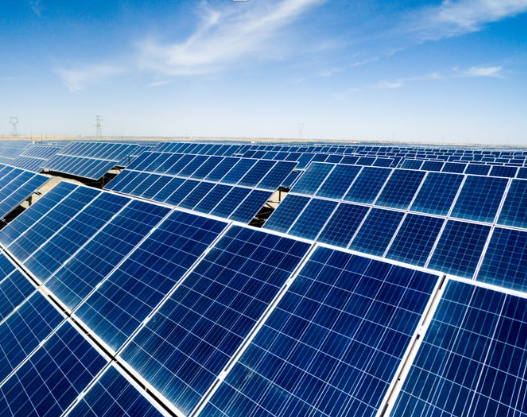
Senate Bill 265 - Community Solar Energy Generating Systems - Prohibited Locations - Adjacent Parcels eases certain restrictions for community solar projects by permitting greater combined generating capacity on adjacent parcels, provided specific conditions are met, such as prioritizing service to low- and moderate-income subscribers or incorporating agrivoltaics practices.
Senate Bill 341 - Public Utilities - Solar Energy Generating Systems and Solar Renewable Energy Credits (Affordable Solar Act) expands Maryland’s renewable energy framework by authorizing certain portable and distributed solar installations, modifying the methodology for calculating solar renewable energy credits, and mandating competitive procurement processes for solar projects. It additionally creates dedicated escrow accounts to administer alternative compliance fee payments.
Senate Bill 373 - Environment - Regional Greenhouse Gas Initiative - Withdrawal (Restoring Energy Freedom Act) requires the Maryland Public Service Commission to analyze the costs and benefits of the state’s Renewable Energy Portfolio Standard (RPS) and report its findings to the General Assembly.
Senate Bill 479 - Environment - Building Energy Performance Standards and Energy Use Intensity Targets - Exemptions establishes stricter siting and permitting requirements for large-scale battery energy storage projects in Maryland, adding additional review standards before they can be approved.
Senate Bill 429 - Maryland Energy Administration - Study on Land-Based Wind Energy directs the Maryland Public Service Commission to evaluate the effectiveness and impacts of the state’s Renewable Energy Portfolio Standard and submit a comprehensive report to the General Assembly.
| |
Senate Bill 201 - Public Utilities - Transmission Lines - Advanced Transmission Technologies
updates the review process for overhead transmission line projects before the Public Service Commission. It requires more comprehensive planning and analysis, including evaluation of alternative routes and advanced transmission technologies, as well as ongoing reporting on grid congestion to improve transparency and system reliability.
Senate Bill 26 - Public Utilities - Off Grid Electricity Providers - Exemption would exempt certain off-grid electricity providers from most state utility regulations while still maintaining essential approvals for facility construction. By reducing regulatory hurdles for isolated energy producers, the bill has the potential to encourage innovative, small-scale energy generation, particularly in rural communities.
| | Voters' Rights and No Kings Act: | | |
Housing Legislation:
A balanced rental market must protect tenants while also respecting the rights of property owners.
Senate Bill 462 - Landlord and Tenant - Residential Leases and Holdover Tenancies - Local Good Cause Termination (Good Cause Eviction), was heard this week in the Senate Judicial Proceedings Committee and raises serious concerns because it expands government control over private property decisions.
The bill would allow counties to adopt “good cause” eviction laws, restricting when landlords with six or more units can choose not to renew a lease or address holdover situations. It also adds new disclosure requirements and heightened court procedures.
| |
- Reduced Property Flexibility: Limits landlords’ discretion in managing their property, particularly in counties adopting local good cause laws.
- Administrative Burden: Imposes additional paperwork, disclosure forms, affidavits, and compliance requirements.
- Litigation Risk: May increase court disputes due to heightened pleading standards and evidentiary requirements.
- Market Impact: Could discourage investment in rental housing, particularly among mid-size operators nearing the six-unit threshold.
- Local Patchwork: Creates varying rules across counties, potentially leading to inconsistent enforcement and regulatory complexity statewide.
| | |
While stability for renters is important, this bill risks limiting landlords’ ability to responsibly manage their properties, meet financial obligations, and maintain housing quality. It may also discourage investment in rental housing and create inconsistent rules across counties. Protecting property rights and encouraging responsible ownership must remain a priority.
Recent events further underscore this concern. In one widely reported case, a squatter occupied a $2.3 million Maryland home, served just 11 days of a 90-day sentence, and returned to the property immediately upon release. Reports indicated multiple individuals were residing there, and during the nine months she remained in the home, she allegedly encouraged others to exploit legal loopholes.
Cases like this highlight the urgent need for clearer, stronger laws to address unlawful squatting, ensuring property owners’ rights are protected, neighborhoods remain secure, and communities maintain their stability.
| | |
The Harford County Association of Realtors met with my office to discuss the growing burden of taxes and fees on real estate transactions. To clear up rumors, there is no formal “exit tax.” However, buyers and sellers face transfer taxes, state and local taxes, and an additional 8.75% layered onto closing costs. Their message was simple: please do not add more.
Concerns were raised over Senate Bill 267 - Land Use - Residential Housing - Oversight, Regulation, and Taxation (Building Affordability in My Back Yard Act) as it authorizes counties (and Baltimore City) to reduce tax rates or fees on certain qualified affordable housing projects, which means local governments can offer tax relief to incentivize affordable housing development. Conversely, counties may raise tax rates or fees on real property that is not part of a qualified affordable housing development.
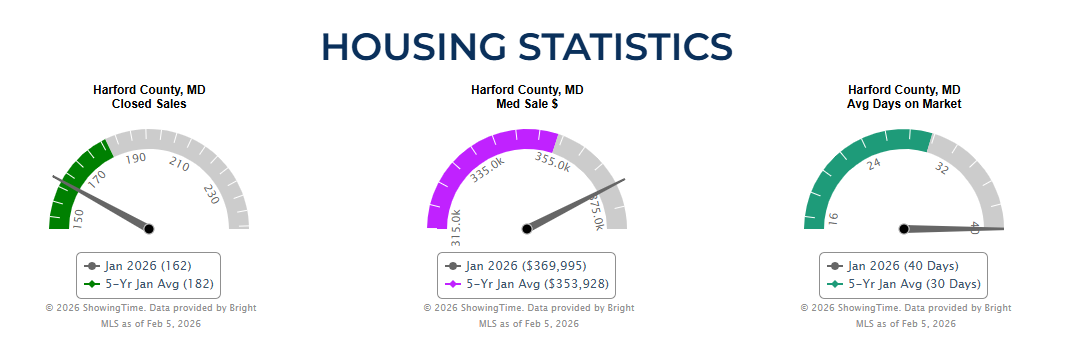
| | These statistics from Harford County Association of Realtors show a cooling in the housing market, that aligns to the Comptroller's report, despite what we heard in the State of the State and Budget Presentation. | | |
Senate Bill 454 was heard this week:
Nearly 99.9% of School Resource Officers nationwide are armed while on duty, according to the U.S. Department of Justice. Yet here in Maryland, some jurisdictions prohibit School Resource Officers from carrying their service firearms while on school grounds.
That inconsistency puts students, teachers, and the officers themselves at unnecessary risk.
I proudly sponsored Senate Bill 454 – Public Schools – School Resource Officers – Firearms Required. This legislation ensures that SROs and School Police Officers across Maryland are properly equipped to respond immediately in the event of an emergency.
Until the day comes when students stop bringing weapons into school buildings, we must focus on prevention, preparedness, and common sense.
Bottom line: An unarmed SRO is another unarmed victim. Senate Bill 454 is about preparedness, consistency, and protecting our children. If the State funds school safety, it must ensure officers are properly equipped.
I appreciate the powerful testimony offered by Clyde Boatwright, President of the Maryland State Lodge Fraternal Order of Police, who serves as a Police Sergeant with the Baltimore City School Police. Your leadership and steadfast dedication to student safety and community education reflect the highest standards of public service.
| | Sign Up today. February 16, 2026 by 6:00 p.m. for the Bill Hearings on: Wednesday, February 18, 2026 on Senate Bill 425, Senate Bill 576, and Senate Bill 424 | |
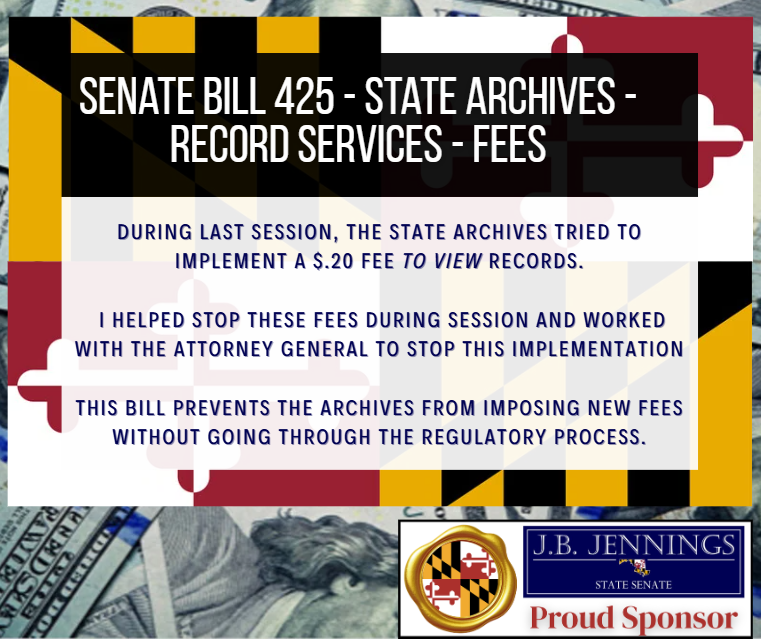
Senate Bill 425 - State Archives - Record Services - Fees prohibits the Maryland State Archives from establishing any new fees unless they go through the formal regulatory process, unless those fees are already included in the existing fee schedule. However, they would retain the authority to adjust fees currently listed without additional regulatory review.
This is particularly important given that last year there was an attempt to implement a $0.20 per-page viewing fee, which would have significantly impacted land title companies, realtors, and other businesses that rely on record access.
Ultimately, those increased costs would not stop with industry professionals, they would be passed down to Marylanders in the form of higher closing costs, service fees, and overall transaction expenses.
Sign up today by 6:00 p.m. to testify on Senate Bill 425. The hearing will be on Wednesday, February 18, 2026 at 1:00 p.m. in the Budget & Taxation Committee hearing.
| |
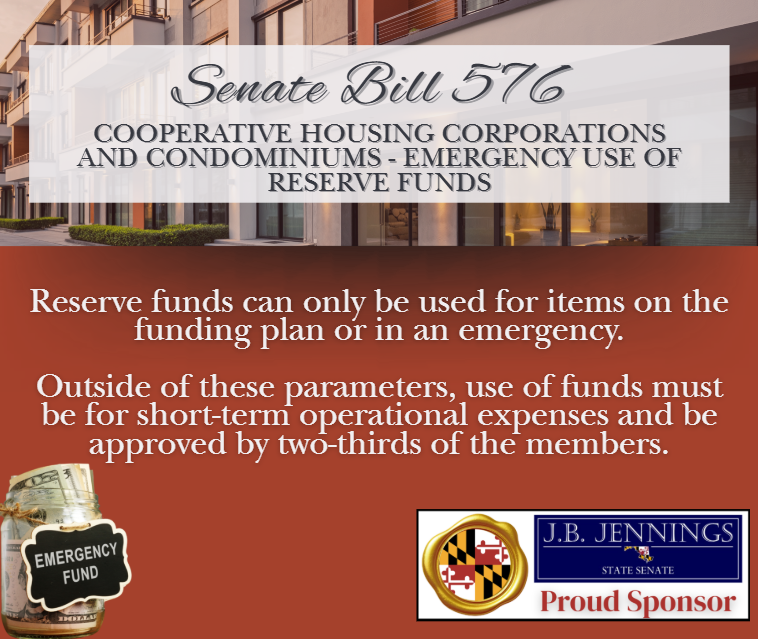
Senate Bill 576 - Cooperative Housing Corporations and Condominiums - Emergency Use of Reserve Funds provides cooperative housing corporations and condominium associations with limited flexibility in times of emergency.
Specifically, it allows reserve funds to be used for purposes outside of the approved funding plan, when necessary, provided that at least two-thirds of members or unit owners vote in favor of the action.
This measure ensures that communities can respond quickly to urgent situations while still maintaining strong accountability through a supermajority approval requirement.
Thank you to the community members who put so much time and heart into this bill!
Sign up today by 6:00 p.m. to testify on Senate Bill 576 at the Judicial Proceedings Committee hearing on Wednesday, February 18, 2026 at 1:00 p.m.
| |
During last year's legislative session, difficult decisions were made to retain funding across a variety of programs. Senate Bill 424 - State Transfer Tax - Land Preservation Special Fund - Revenue Allocation restores $75 million of the $100 million that was taken from Program Open Space.
According to the Department of Natural Resources, more than 7,100 park and conservation area projects have been assisted through Program Open Space local grants. If you're one of those, who have been helped through Program Open Space, consider testifying on it's behalf.
Sign up today by 6:00 p.m. to testify on Senate Bill 424 in the Budget & Taxation Committee hearing on February 18, 2026 at 1:00 p.m.
| | | Sign Up to Testify on Tuesday, February 17, 2026 by 6:00 p.m. for the Bill Hearings on Thursday, February 19, 2026 for Senate Bill 452. Senate Bill 580, and Senate Bill 581 | |
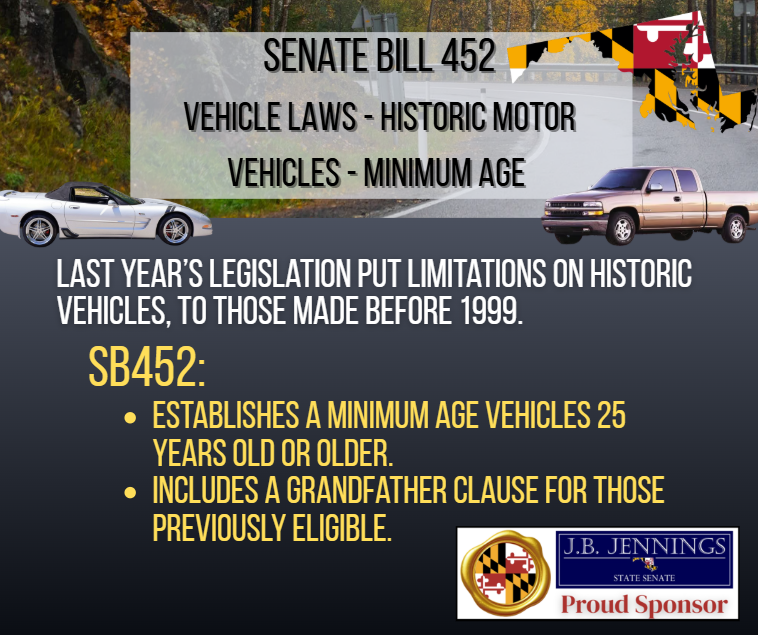
Senate Bill 452 – Historic Motor Vehicles – Minimum Age
Did you know current Maryland law still treats anything made after 1999 as not historic? That can change with your help. Sign up today to testify on Wednesday.
Senate Bill 452 updates our vehicle laws to define a historic motor vehicle as one that is at least 25 years old, reflecting the reality that cars from the 2000s and later are given their restored historic title. There is also a grandfather clause for those previously eligible.
Sign up on Tuesday, February 17, 2026 by 6:00 p.m., to testify on Thursday, February 19, 2026 at 1:00 p.m. in Judicial Proceedings hearing.
| |
Senate Bill 581 - Department of Information Technology - Statewide Information Technology Master Plan - Reporting requires the Department of Information Technology to update its IT Master Plan within one year of each Gubernatorial term and to provide an annual briefing to the Maryland General Assembly.
Sign up on Tuesday, February 17, 2026 by 6:00 p.m., to testify on Thursday, February 19, 2026 at 1:00 p.m. in Education, Energy, and the Environment Committee hearing.
| |
I proudly sponsored Senate Bill 580 - State Agencies - Walk-In Service Requirements, or as I like to call it, the "Open Government" bill. This bill requires state government agencies to offer Walk-In Services to the public at least one day a week from 10am-4pm. Covid's over, let's open back up!
Sign up Tuesday, February 17 by 6:00 p.m. to testify at the hearing, scheduled in the Education, Energy and the Environment Committee hearing on 2/19 at 1:00 p.m.
| |
Sign Up to Testify on Friday, February 20, 2026 by 6:00 p.m. for the Bill Hearing on:
Tuesday, February 24, 2026.
| | | |
BALTIMORE COUNTY:
Snow Removal:
Baltimore County has introduced a fine for homeowners and businessowners in areas that do not have sidewalks cleared of snow and ice. Please call 3-1-1 if you have questions or concerns about this policy.
Office of Aging:
The Baltimore County Office of Aging is requesting feedback from you! What services, programs, or facilities do you or your loved one want to see? There's a meeting on February 19, 2026 from 3:00 p.m. to 4:00 p.m. at 99 Stemmers Run Road in Essex 21221. Call 410-887-2002 for more information.
Baltimore County Ag:
Understanding Eminent Domain Workshop will be held march 25 at the Baltimore County Ag Center, 1114 Shawan Road, Cockeysville, MD 21030 from 6:00 p.m. - 7:30 p.m.
Farm Family Finance Tool Kit - Program Registration is being held on February 17 from 5:30 p.m. to 7:30 p.m. at the Baltimore County Extension Office.
| | | |
Harford County:
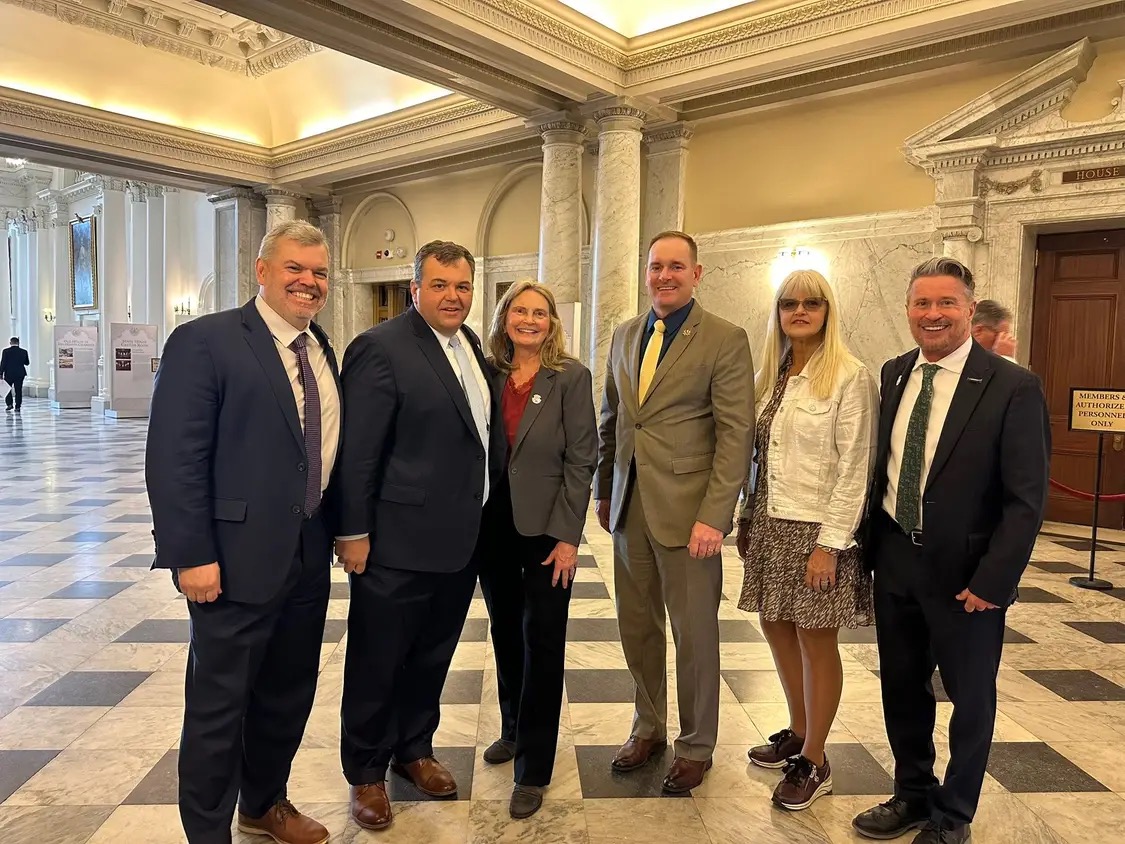
Public Library Day at Maryland General Assembly passed this week! Here's a picture with our local librarian in Harford County.
| | | |
New Comptroller's Office in Bel Air:
The Comptroller has announced that a new Bel Air branch office will be open to the public beginning on Tuesday, February 17, 2026 at 1904 Emmorton Road in Bel Air. This office will provide a range of walk in services to taxpayers and preparers daily from 8:30 a.m. to 4:30 p.m.
The Comptroller's Office will be a part of my Open Government Bill (see above).
| | |
My office remains ready to serve my constituents, should a need arise. Not sure if you reside in Legislative District 7? Check it out here: Members - Find My Representatives. Navigate to Look Up, and type in your address to see who represents your district and their legislation. As always, feel free to email me on legislation or any personal state-related issues that may arise.
Follow me on Facebook, Instagram, or X.
Best regards,
| | |
Our Company | Contact Us | FAQs | Privacy Policy |
| | | |