Protecting Land & Water | Advocacy | Balanced Growth
| | |
The Steward: Fall 2025
Stewardship staff greet this bout of cooler weather with open arms as our site visits get even more enjoyable with the subsiding heat and humidity. Fall is a great season not only to get back outside but also to make management plan decisions for your property. Consider planning a prescribed fire, removing invasive species, or converting a conventional annual food plot into a native-species-based planting that provides forage and cover for deer, turkey, and quail.
Read on to learn more about our newest team member, what drives the motivations of an invasive plant contractor, building roads and trails, and how to identify and manage a non-native clematis.
Sincerely,
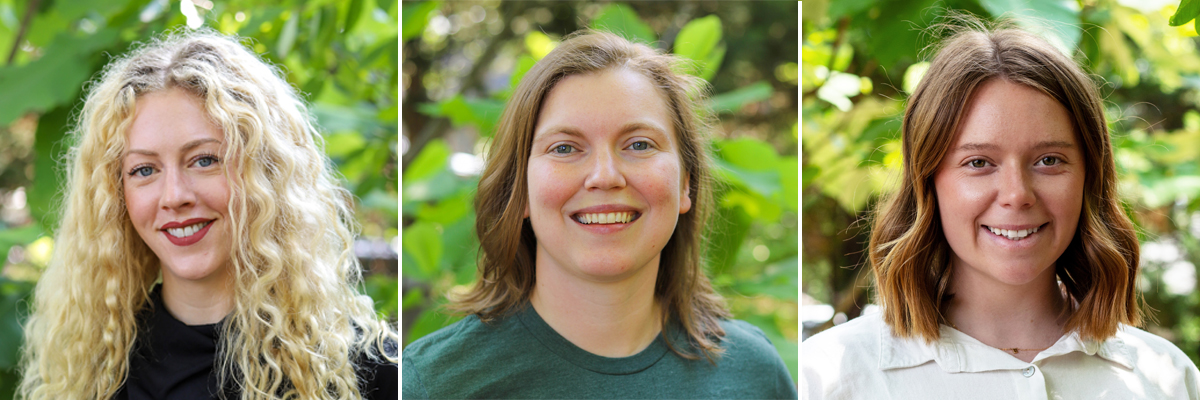
Director of Stewardship and Land Management Lauren Ulich
Land Stewardship Coordinator Ericka L. Berg
Land Stewardship Specialist Kelsi Sullivan
| | |
Introducing our Newest Team Member: Kelsi Sullivan
Hello, all! My name is Kelsi Sullivan, and I am the new Land Stewardship Specialist at Upstate Forever. I am originally from McBee, South Carolina, where my parents raised me and two older siblings on a hobby farm. In 2019, I graduated from McBee High School and started my bachelor’s degree at Clemson University in wildlife and fisheries biology. It was during this time that I met my future husband, Will, who I will be marrying in November.
From there, I started work as a forestry technician for the South Carolina Forestry Commission, specifically at Sand Hills State Forest. In my time at Sand Hills, I gained many useful land management skills, from cruising timber to prescribed burning to working with the federally threatened Red-cockaded woodpecker.
My work at Sand Hills was focused on forestry activities, as the SC Forestry Commission is a major timber producer in the state. Sand Hills, with over 46,000 acres of pine forests, sees a lot of forestry activity, mainly in the form of timber and pine straw sales. As a forest technician, my main responsibility was to help put together timber sales.
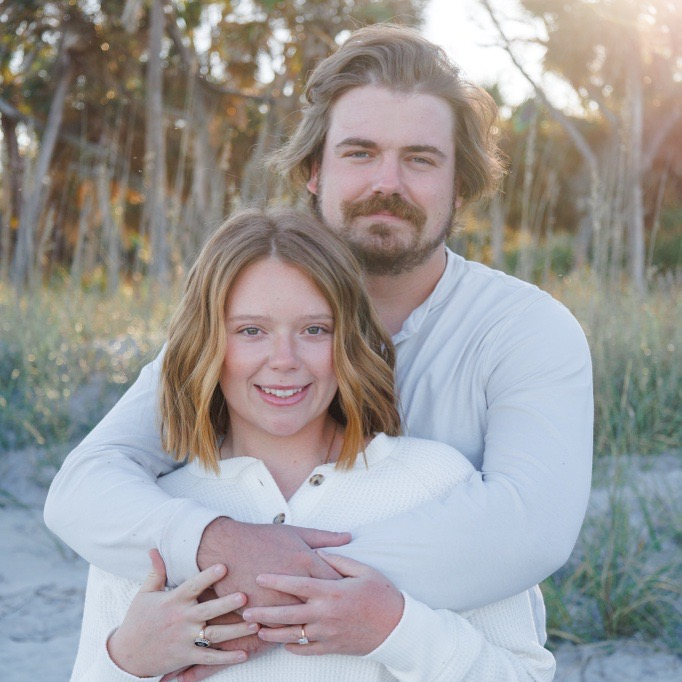
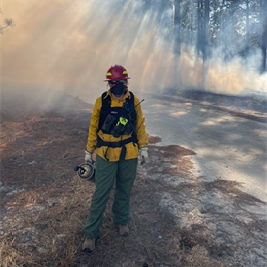
| | Kelsi Sullivan and her fiancé, Will Bondy | | Kelsi serving as Burn Boss at a prescribed fire | | |
Nearing the end of my first year, I was offered a new position as a specialty technician. In this position, my main responsibility was gathering data for the red-cockaded woodpecker (RCW) population within the state forest boundary. This data is gathered annually and sent to US Fish and Wildlife, who puts it into a large database that tracks changes to the overall RCW population across the region.
Although my time with the South Carolina Forestry Commission was short, I gained a wealth of knowledge in land management that will be valuable in my new position with Upstate Forever. I look forward to working to protect the unique character of the upstate and meeting our wonderful landowners at future site visits and outreach events.
Kelsi will be getting married to her fiancé, Will Bondy, this November. Please join us in congratulating Kelsi on her upcoming marriage!
| |
Easements with Ericka:
Building New Roads and Trails
Maintenance of existing roads and trails on a protected property often does not require notification to (or approval from) Upstate Forever, but building new ones usually requires a plan. This plan should include the location and information on how the roads or trails will be constructed. Roads and trails can be a major source of erosion, causing sediment and run-off that impacts natural areas and water quality.
Using sediment and erosion control techniques during road building — like broad-based dips, water bars, and filter strips — can reduce a road's impact on the natural environment. The South Carolina Forestry Commission provides some guidance on building forest roads in their Best Management Practices (BMPs).
One important note to consider — The Commission’s BMPs recommend seed plantings for roadsides, which includes a recommendation for non-native invasive Sericea Lespedeza and other non-native grasses (p.19). We recommend seeding with native grass and forb mixes and not encouraging non-native and invasive plants. We also suggest checking with any contractors doing work on your property to make sure they are not introducing invasive plants. We are happy to review seed mixes and provide guidance.
For building sustainable trails on the property, our friends at Sante Fe Conservation Trust have created a Caring for Good Trails Guide. While this guide is based in the southwest, most of the trail principles are applicable here in the southeast.
Additionally, one of the most comprehensive trail building guides is produced by the International Mountain Bike Association. Even when trails aren’t focused on mountain bike access or use, this guide provides broad sustainable trail building principles and links to other respected sources.
For any road or trail building on the property, it’s imperative that the landowner follow any federal, state, or local laws and regulations while taking steps to minimize any negative impacts on conservation values and the protected property.
Every easement is unique. For more information on building and maintaining the roads, trails, and bridges on your conserved property, refer to your conservation easement, often Section 4.N.
Questions? Reach out to Ericka at eberg@upstateforever.org.
| | |
We are here to help!
Did you know that Upstate Forever Stewardship staff can connect you with resources and funding opportunities to help you manage your property and protect conservation values? If you are interested in prescribed fire, native grasses, hog management, invasive species eradication, or erosion control, let us know!
We would love to chat with you about your management goals for your protected property in 2025! Email Lulich@upstateforever.org to learn more.
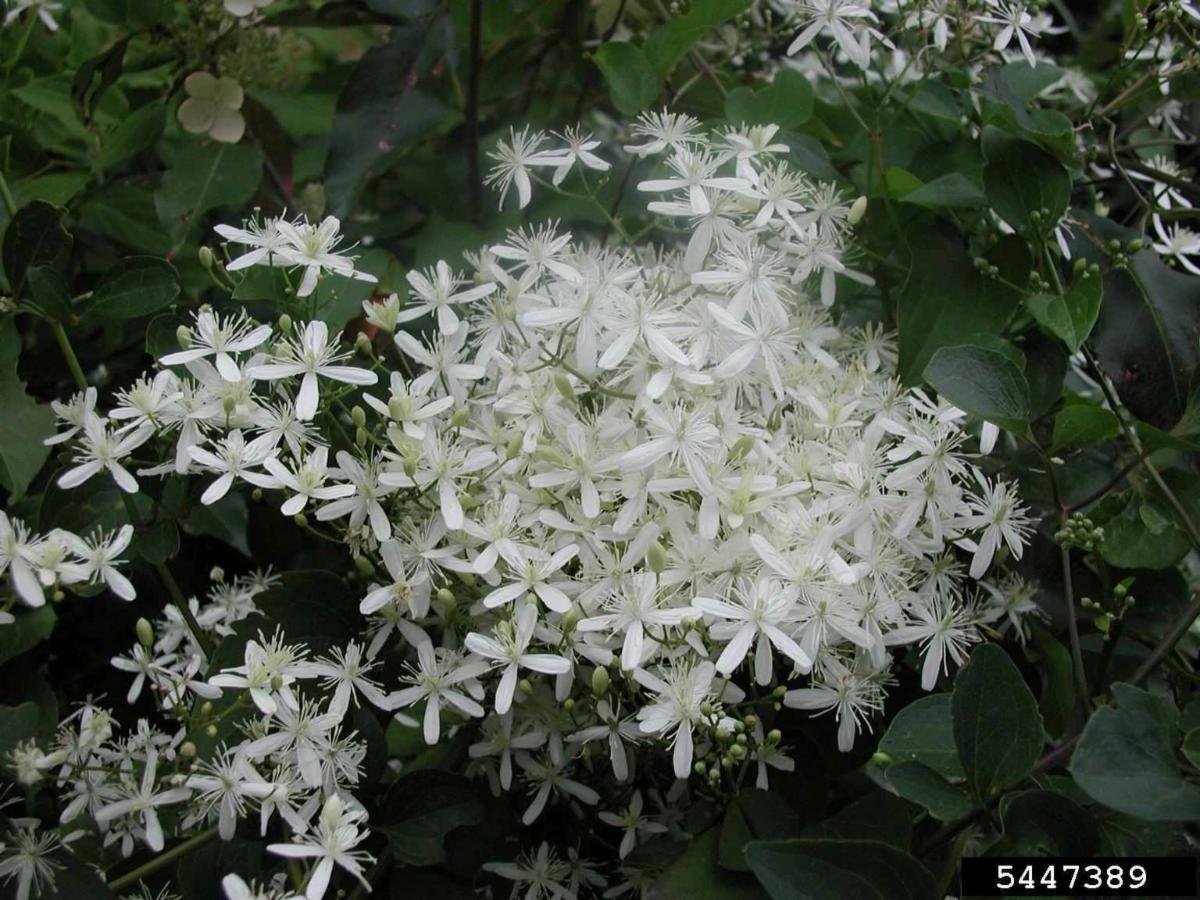
| | Photo: Leslie J. Mehrhoff, University of Connecticut, Bugwood.org | |
Invasive Spotlight: Sweet Autumn Clematis
A common theme with invasive plants is that their often charming names misleadingly distract us from their harmful impacts on natural places. Sweet autumn clematis (Clematis terniflora), named for its fragrant fall blooms, can be seen clambering along roadsides, forest edges, and other sunny environments. Easy to spot (and smell!) across the Upstate this month, this invasive vine is in bloom with strongly anise-scented flower clusters on full display.
As is the case for many invasive species, sweet autumn clematis was introduced to the United States through the horticultural trade but is native to Japan and China. Many of our invasive species we find in the southeast originate in Asia, but flourish in our region due to similarities in climate. While this plant is still regularly sold in garden stores and nurseries, we strongly discourage homeowners from purchasing and planting known invasive species as they are likely to spread. Feather seed appendages help aid in wind-driven seed dispersal.
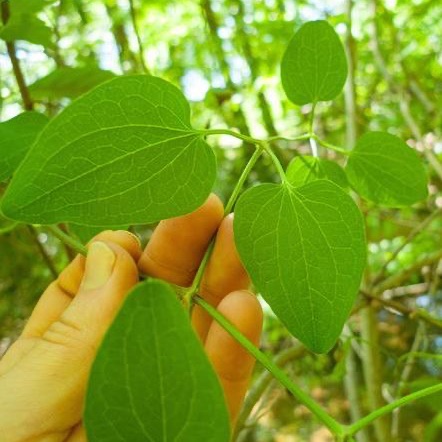
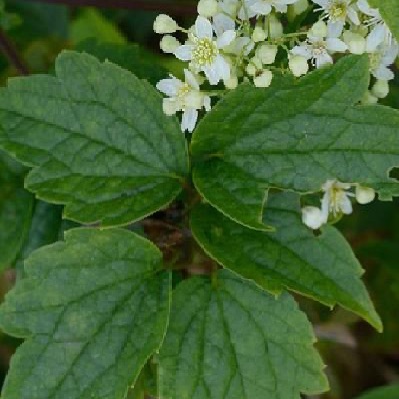
Virgin's bower (Clematis virginiana) is a native look-alike not to be confused with its invasive counterpart. While both vining species have clusters of small white flowers and tri-compound leaflets, there is an easy method for differentiating these two plants. Sweet autumn clematis have smooth leaf edges (called 'entire') while the native clematis leaf edges are toothed (called 'dentate'). See comparison photos below.
Eradication of sweet autumn clematis involves a combination of cutting the vines at a low height with immediate application of a systemic herbicide like glyphosate or triclopyr to the cut surfaces to kill the root system. For large infestations, digging out the roots may be necessary, but can also encourage spread, so it's crucial to remove all root material and consistently monitor the area for new seedlings, as the seeds can remain viable for years.
| | Note the smooth leaf edges of invasive sweet autumn clematis | |  | Note the toothed leaf edges of our native virgin's bower | | | Helpful Resources and Upcoming Events | | |
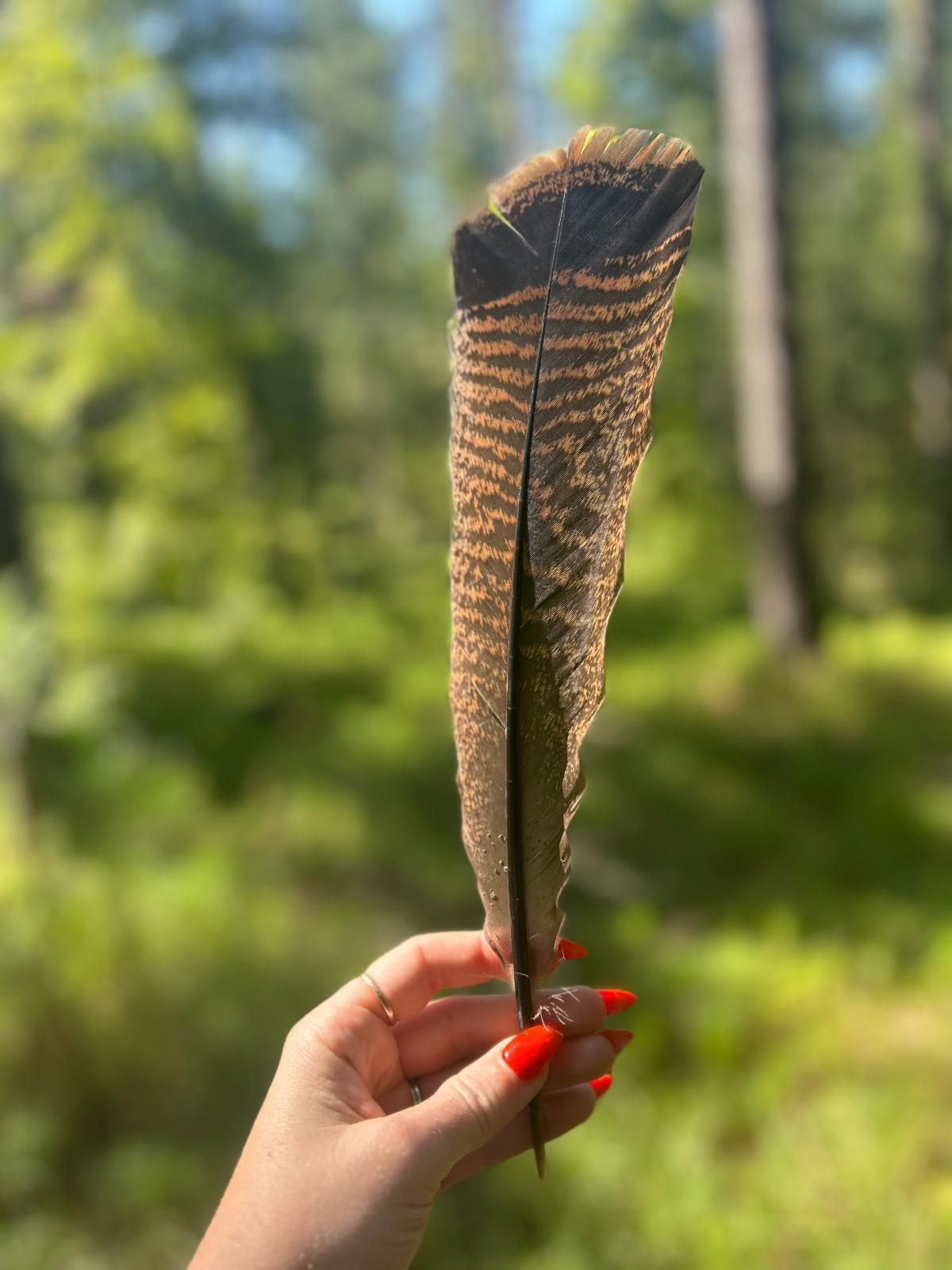
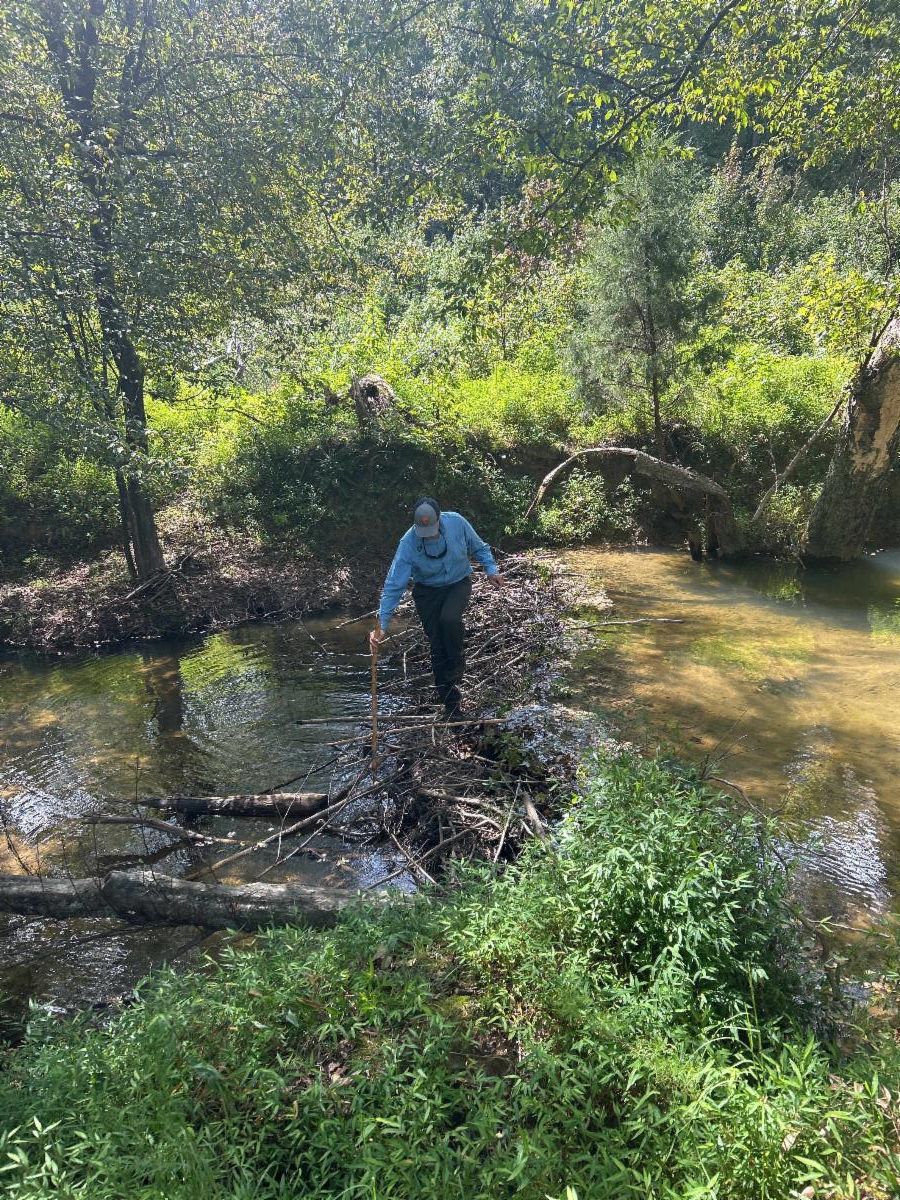
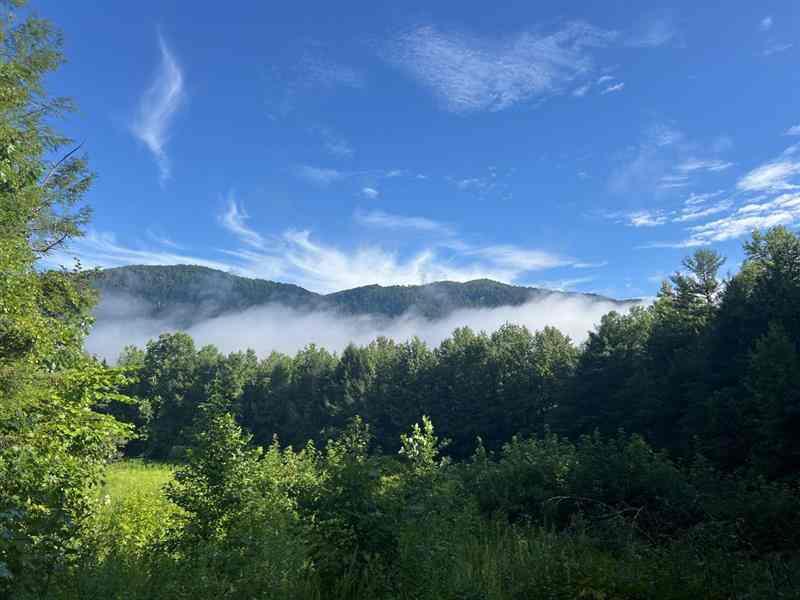
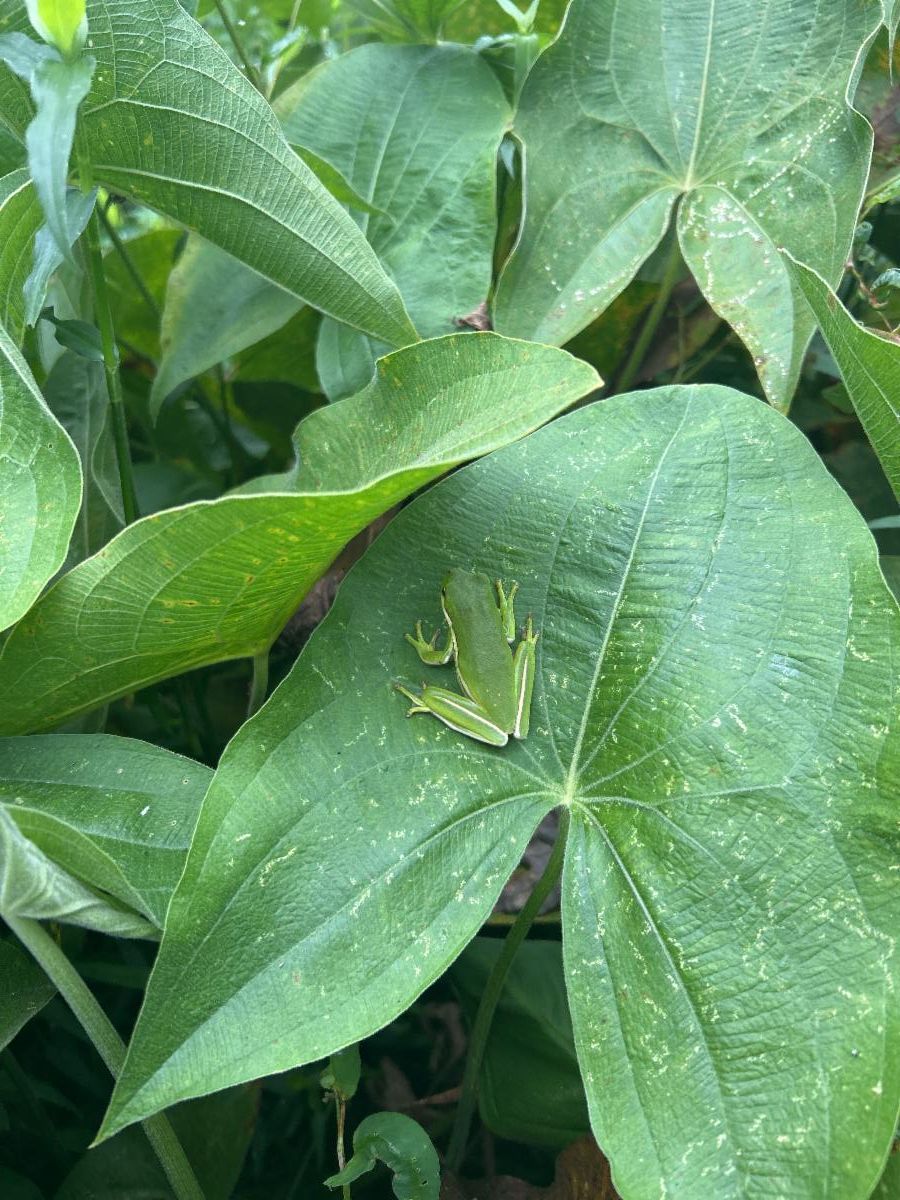
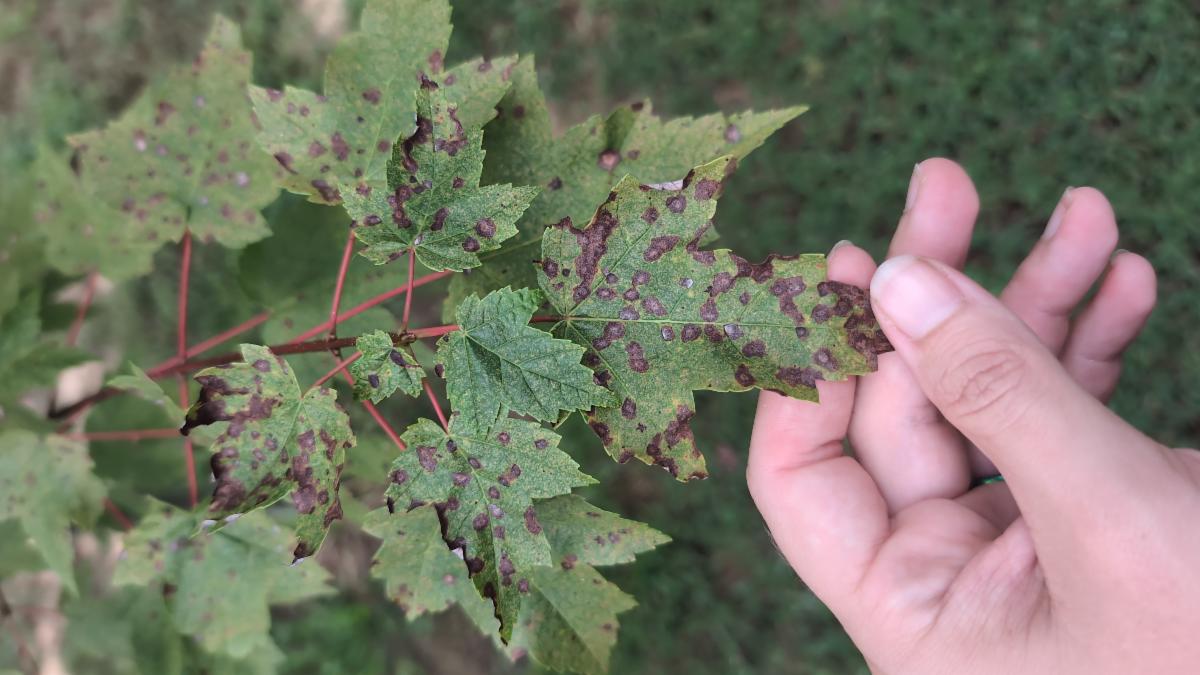
Before you go, enjoy some recent photos from the field! | A pristine turkey quill found in Laurens County. | Land Conservation Director, Scott Park, finds a creative creek crossing. No beavers were harmed in this crossing of Horsepen Creek. | A late morning mist rises over a pasture in northern Greenville County. | A tree frog relaxing on broadleaf arrowhead (Sagittaria latifolia). | A maple with Maple Tar Spot, caused by the fungi Rhystisma acerinum. While this can be alarming to see on your maple, it is often only a cosmetic concern and does not typically have a negative impact on the tree's long-term health. | | | | |
Land Trust Accreditation
As a nationally accredited land trust, we hold ourselves to high standards. We have met the highest national quality standards for protecting important natural places and working lands forever. We have completed a rigorous review process; exhibited strong ethical practices; and demonstrated fiscal accountability, responsible governance and lasting stewardship of the lands we conserve.
| |
Upstate Forever is a nonprofit conservation organization that protects critical lands, waters, and the unique character of Upstate South Carolina. Over the past two decades, we have worked to protect the natural assets that make the Upstate so special — our farmlands, forests, natural areas, rivers, and clean air. We are committed to ensuring that our communities are vibrant and retain their green spaces, outdoor heritage, and unique identities in the face of rapid development and significant sprawl. Our vision is an environmentally healthy, economically prosperous Upstate that offers a high quality of life now and for future generations.
| | | | |