Protecting Land & Water | Advocacy | Balanced Growth
| |
|
The Steward: Spring 2025
With warm springtime days on the horizon, we hope that many of you take the time to slow down and enjoy the most delightful time of the year! Ephemeral wildflowers such as trout lily, bloodroot, and trillium put on a dramatic, albeit brief, show in forest understory throughout the Upstate. Magenta redbud flowers proliferate to the delight of early spring pollinators and provide a tasty and colorful salad garnish too! Colorful and charming neotropical songbirds make their annual northward voyage, serving as resplendent harbingers of spring.
These enchanting signs of seasonal change remind us of our important role as land managers. Without proper stewardship, our hardwood forests, creek bottoms, and grasslands are subject to degradation, erosion, and intrusion of invasive species. Without your efforts, these precious natural wonders of springtime face a perilous future. For that, we salute you, diligent stewards of the Upstate, for all the incredible work that you do. Cheers to a productive spring!
Read on to learn more about iron-oxidizing bacteria, conservation values, and feral hog management.
Sincerely,
Assistant Director of Stewardship and Land Management Lauren Ulich
Land Stewardship Coordinator Ericka L. Berg
Land Stewardship Specialist Trevor Freeman
| |
Water Quality and Sheens
Land Stewardship Specialist Trevor Freeman
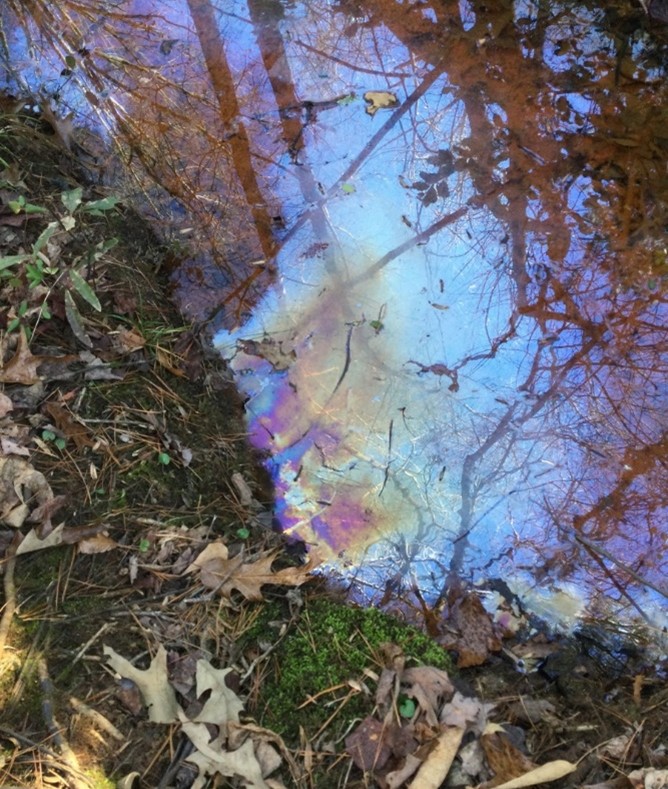
Have you ever seen orange blobs or worrying sheens on the surface of creeks and streams on your property and wondered what caused this? You’re not alone! I frequently encounter these conditions in bodies of water across the Upstate. While many of us have probably wondered whether there is an oil spill or some biohazard growing, the answer is often simpler and possibly completely benign.
By recent counts, there are at least 18 types of iron-oxidizing bacteria, many of which can develop slimy tentacle-like growths on creek bottoms. If you've ever seen photos of shipwrecks like the Titanic and observed the growth slowly eating steel hulls, these are the same types of organisms. As they convert naturally occurring iron during their metabolic process, they release orange or reddish-brown slime into the water. They may also create oily surface sheens which, admittedly, look like petroleum pollution in the water. One simple way to test this is to break the sheen with a stick. If the sheen is a product of these bacteria, the multicolored secretion will remain broken apart. Petroleum-based spills, however, will reform into a single mass, and indicate a MUCH bigger problem.
The iron-feeding bacteria are benign to humans; however, they are often derided for their visual alteration of streams. They can also stain fixtures and clothing and cause clogging issues if they are able to infiltrate well or uptake systems. According to the New Hampshire Department of Environmental services, the bacteria are hard to treat once established, so the best strategy is prevention. Since the bacteria growth is mainly spread through water runoff that travels over exposed iron-rich soils, caused by filling, excavating, or erosion, prevention requires careful land use and management to minimize these alterations. Thwarting these bacteria is just one of many reasons for us all to help protect riparian areas.
| |
Easements with Ericka: Conservation Values
Do you know your property's conservation values? A conservation easement protects the conservation values. These values vary from property to property but must correspond with at least one conservation purpose identified in both the federal and state regulations.
In layman’s terms, conservation values can be forests, meadows, grasslands, wetlands, scenic views, farmland, agriculturally important soils, streams, open space, riparian areas, or historic sites or structures. The conservation values are the backbone of our stewardship work and upholding them is the cornerstone of the stewardship program.
The federal conservation purposes defined by the IRS include:
- the preservation of land areas for outdoor recreation by, or the education of, the general public
- the protection of a relatively natural habitat of fish, wildlife, or plants, or similar ecosystem
- the preservation of open space (including farmland and forest land) where such preservation is for the scenic enjoyment of the general public or pursuant to a clearly delineated Federal, State, or local governmental conservation policy and will yield a significant public benefit
- the preservation of an historically important land area or a certified historic structure
South Carolina’s conservation purposes are laid out in the SC Conservation Easement Act of 1991:
- retaining or protecting natural, scenic, or open-space aspects of real property
- ensuring the availability of real property for agricultural, forest, recreational, educational, or open-space use
- protecting natural resources
- maintaining or enhancing air or water quality
- preserving the historical, architectural, archaeological, or cultural aspects of real property
Every easement is unique. For more information on your conservation values, refer to the beginning of the conservation easement, where the conservation values are identified very early on. Questions? Reach out to Ericka at eberg@upstateforever.org.
| |
|
We are here to help!
Did you know that Upstate Forever Stewardship staff can connect you with resources and funding opportunities to help you manage your property and protect conservation values? If you are interested in prescribed fire, native grasses, hog management, invasive species eradication, or erosion control, let us know!
We would love to chat with you about your management goals for your protected property in 2025! Email Lulich@upstateforever.org to learn more.
| |
Photo by Dan Clark, USDI National Park Service, Bugwood.org | |
Invasive Spotlight: Feral Hogs
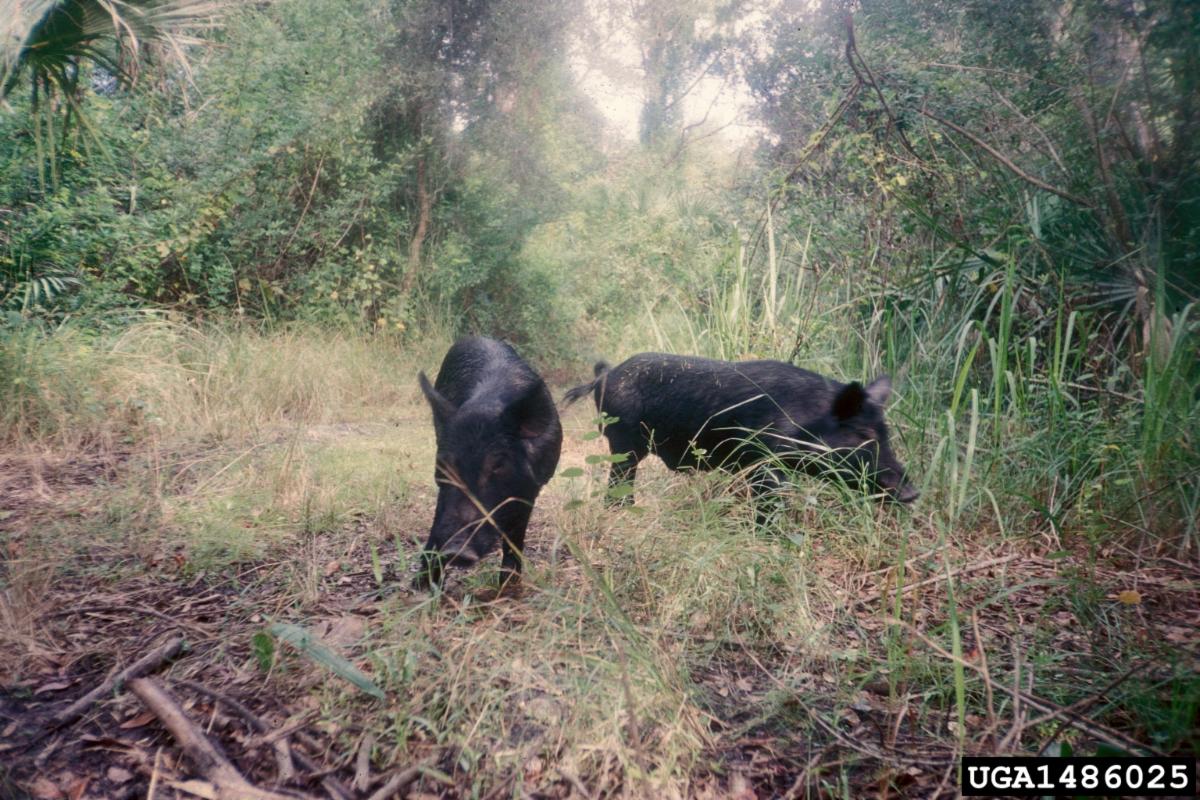
Domestic hogs (Sus scrofa) were first introduced to the continental U.S as early as the 1500s by European explorers. These hogs frequently escaped captivity and successfully established feral populations throughout the east. Later, in the 1800s, Eurasian wild boar were brought to the U.S. and interbred with existing feral hogs. The Sus scrofa complex now includes the wild type, Eurasian boars, and hybrids of the two.
Often referred to as the "most destructive species," feral hogs possess two traits that led to their swift and incredibly successful establishment across the U.S.: adaptability and fecundity. Similar to their domesticated counterparts, feral hogs are omnivorous, will eat just about anything, and can survive in a wide variety of habitats. This paired with the staggering reproductive success of this species lends to the harsh reality that feral hogs are unlikely to ever be fully eradicated. A female hog becomes sexually mature at 3-4 months old and can produce up to 4-12 offspring every year.
The family unit of feral hogs, referred to as a sounder, may contain up to 30 individuals. These social animals will forage for insects, tubers, and other food sources by rooting their snout under the surface of the soil — leaving their destructive mark in pastures, roadsides, and along creek bottoms. Rooting and mud wallowing pose a serious threat to agriculture and natural resources.
While the likelihood of total eradication of feral hogs is low, there are techniques that land managers can implement to minimize damage to protected properties. First, it's important to quickly identify signs of hog activity. Wallows, mud smeared on the base of trees, rooting and hog tracks all indicate the presence of feral hogs. Once confirmed, consider including the the following practices in your feral hog management program:
-
Make connections with local hunters. Many hunters welcome the opportunity to hunt hogs on private lands in the off-season. Learn more about hog hunting regulations in South Carolina.
-
Begin trapping hogs. To increase the impact of trapping, consider trapping in February-April and September-December when more sows are pregnant. Additionally, research supports the importance of setting up traps in bottomlands versus upland habitats.
-
Trap the whole sounder. Several models such as the Pig Brig or JagerPro feature remote-triggered door closure allowing you to ensure that the maximum number of pigs will be captured.
-
Secure gardens or ecologically sensitive areas with exclusionary fencing. Fencing can be expensive and labor intensive to construct, but if done right, can be an important element of an effective hog management regime.
-
Protect yourself from Brucellosis. Wear gloves and avoid direct contact with bodily fluids if handling wild hogs.
To learn more, check out the Landowner's Guide for Wild Pig Management.
| |
Helpful Resources and Upcoming Events | | |
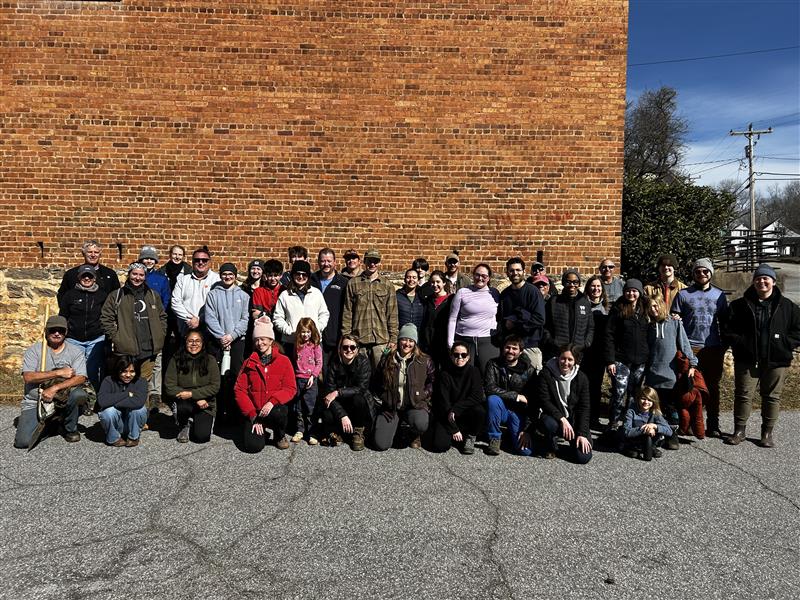
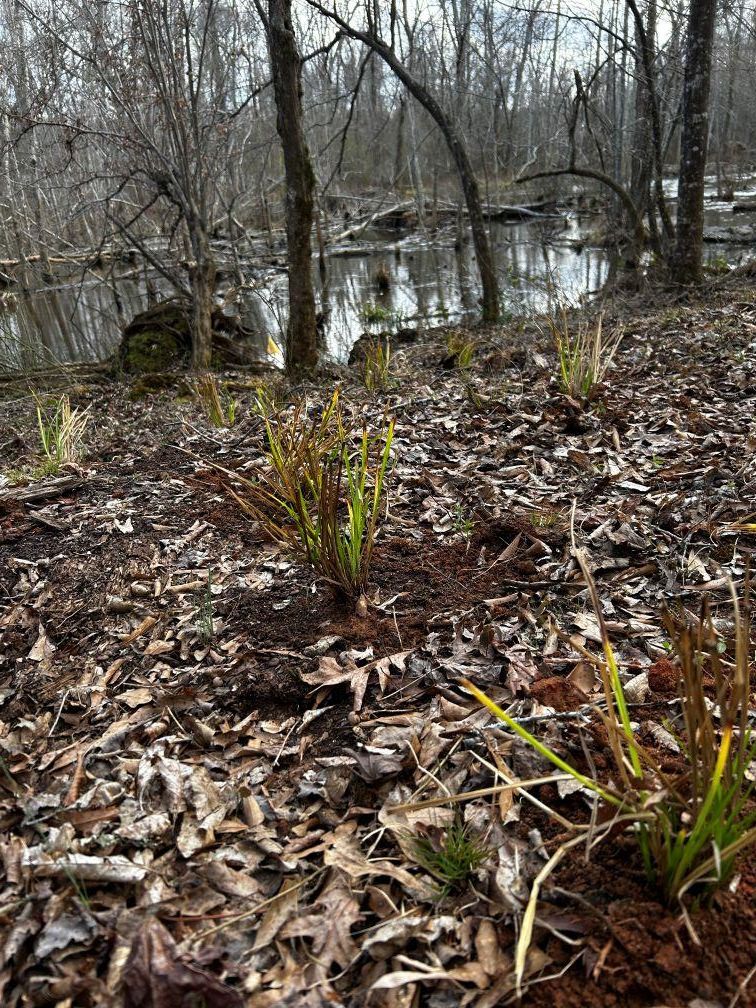
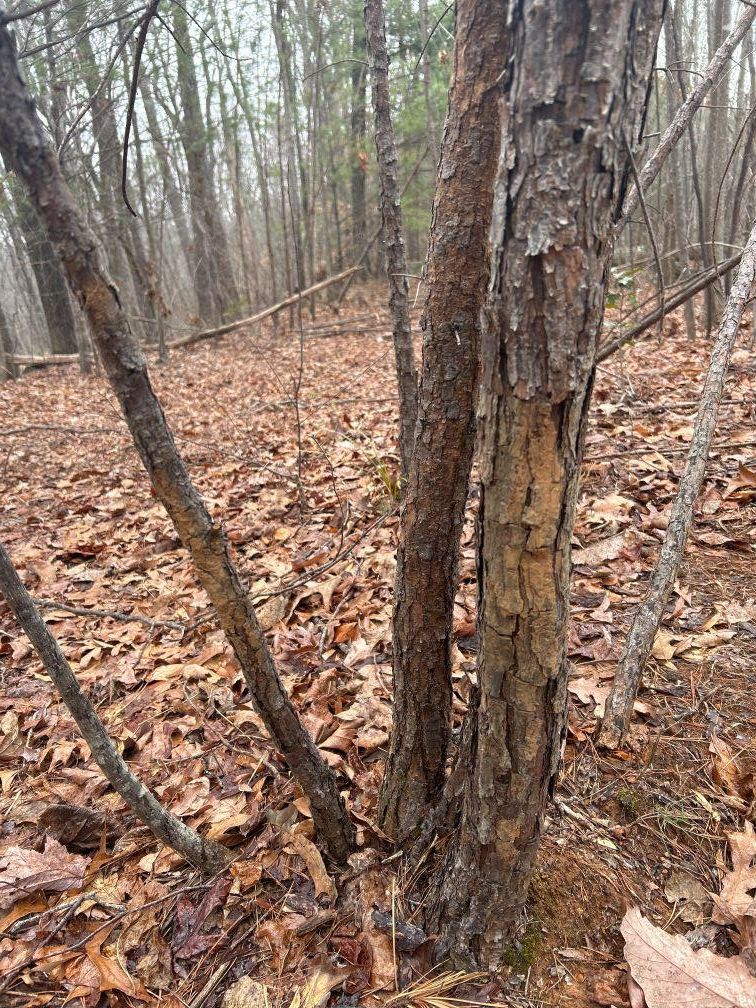
Before you go, enjoy some recent photos from the field! | UF staff and volunteers showed up in force to plant native trees at a workday in Spartanburg | Native shallow sedge (Carex lurida) planted along a wetland edge during a recent volunteer-led planting at the Glendale Preserve | Mud rubbed on the trunk of a young pine tree by feral hogs | | |
|
|
Land Trust Accreditation
As a nationally accredited land trust, we hold ourselves to high standards. We have met the highest national quality standards for protecting important natural places and working lands forever. We have completed a rigorous review process; exhibited strong ethical practices; and demonstrated fiscal accountability, responsible governance and lasting stewardship of the lands we conserve.
| |
Upstate Forever is a nonprofit conservation organization that protects critical lands, waters, and the unique character of Upstate South Carolina. Over the past two decades, we have worked to protect the natural assets that make the Upstate so special — our farmlands, forests, natural areas, rivers, and clean air. We are committed to ensuring that our communities are vibrant and retain their green spaces, outdoor heritage, and unique identities in the face of rapid development and significant sprawl. Our vision is an environmentally healthy, economically prosperous Upstate that offers a high quality of life now and for future generations.
| | | | |