Protecting Land & Water | Advocacy | Balanced Growth

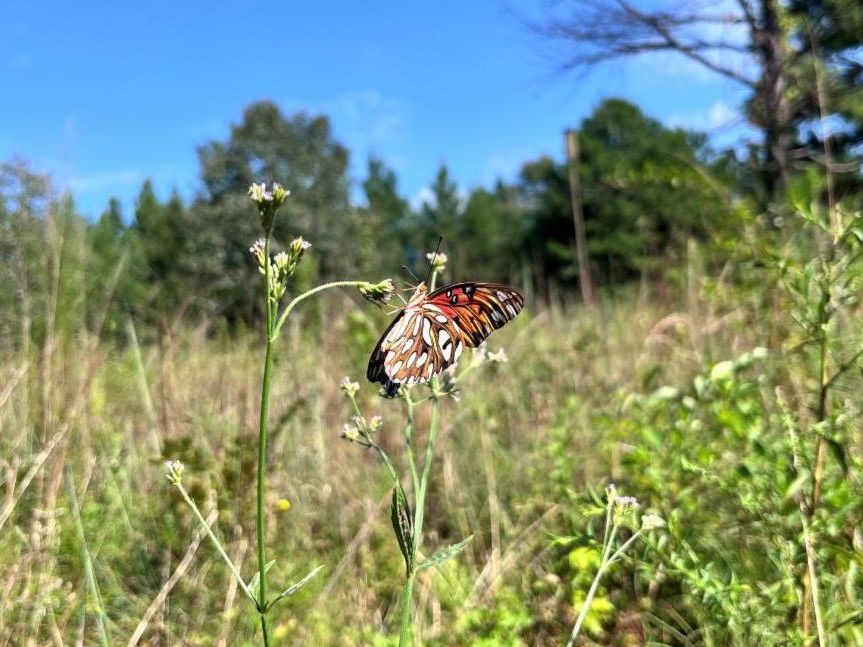
Native grasses and nectaring fritillary butterfly in the Forester Meadow at Conestee Nature Preserve.

The Steward: Fall 2024


Happy (almost) fall from the Stewardship team! 🍂 With the autumnal equinox just around the corner, we have been enjoying cooler site visits and our first glimpses of fall color on the maples, sourwood and black gum trees. Cheers to the start of an enjoyable fall season with our amazing landowners!


Read on to stay up-to-date on recent restoration successes at a local nature preserve and learn more about riparian buffer protections, plus get familiarized with a troublesome invasive plant.


Sincerely,


Stewardship & Land Restoration Manager Lauren Ulich

Land Stewardship Coordinator Ericka L. Berg

Land Stewardship Specialist Trevor Freeman

Restoration Recap: Conestee Nature Preserve


2024 marked the second exciting year of habitat restoration at Conestee Nature Preserve in partnership with Conestee staff and the Palmetto Conservation Corps.


This year the restoration objectives were two-fold: first to continue ecological enhancements in the Henderson and Forrester meadows, and second to initiate invasives removal in the floodplain forest along the Reedy River. While vastly different in terms of hydrology, soils, and species composition, these restoration sites have been identified as ecologically significant, supporting a wide variety of birds, amphibians, and plant species. With over 600-acres of natural area included in the preserve, intentional prioritization of our scope of work was an important element of maximizing our efforts. Unfortunately, while grasslands and riverine forests represent two incredibly important ecosystems in the Upstate, they are also increasingly threatened by altered management regimes, exotic species and changing weather dynamics.


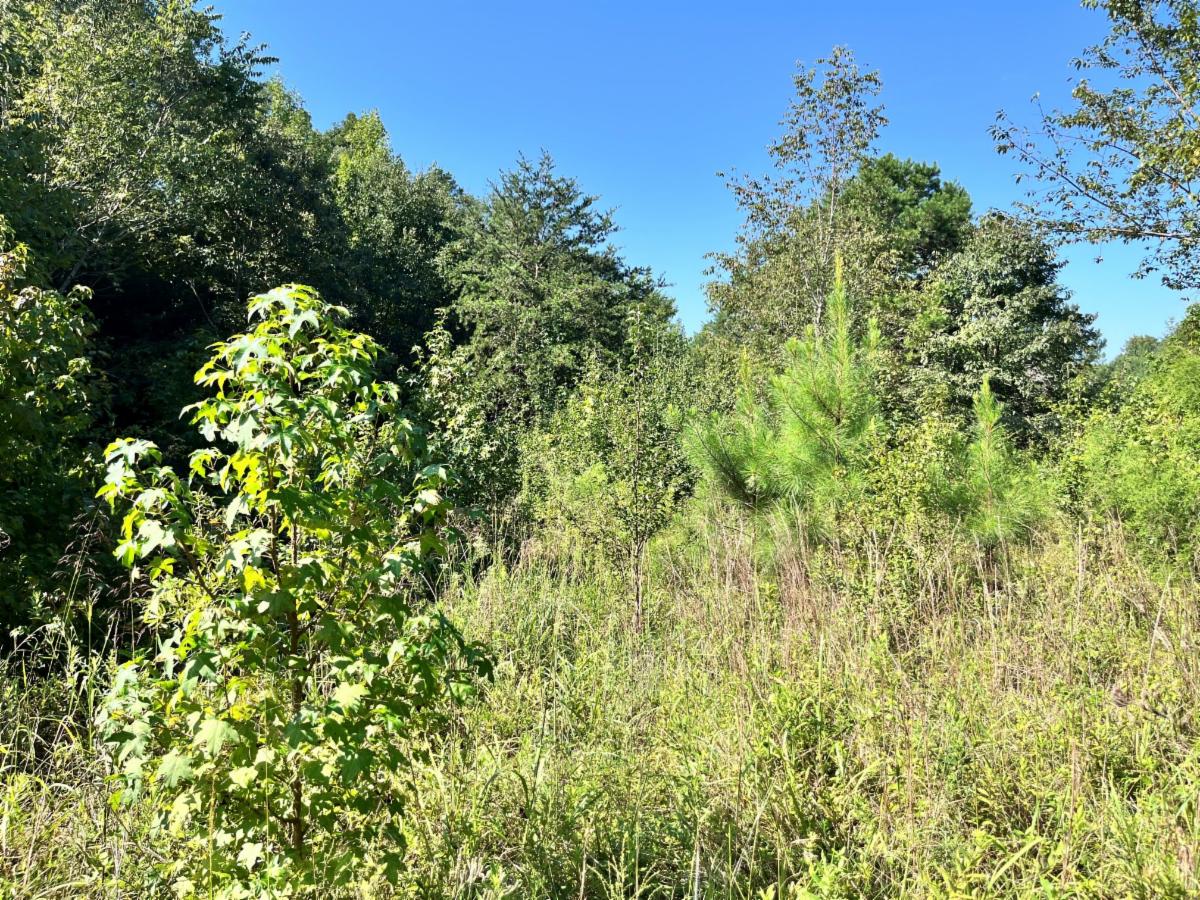
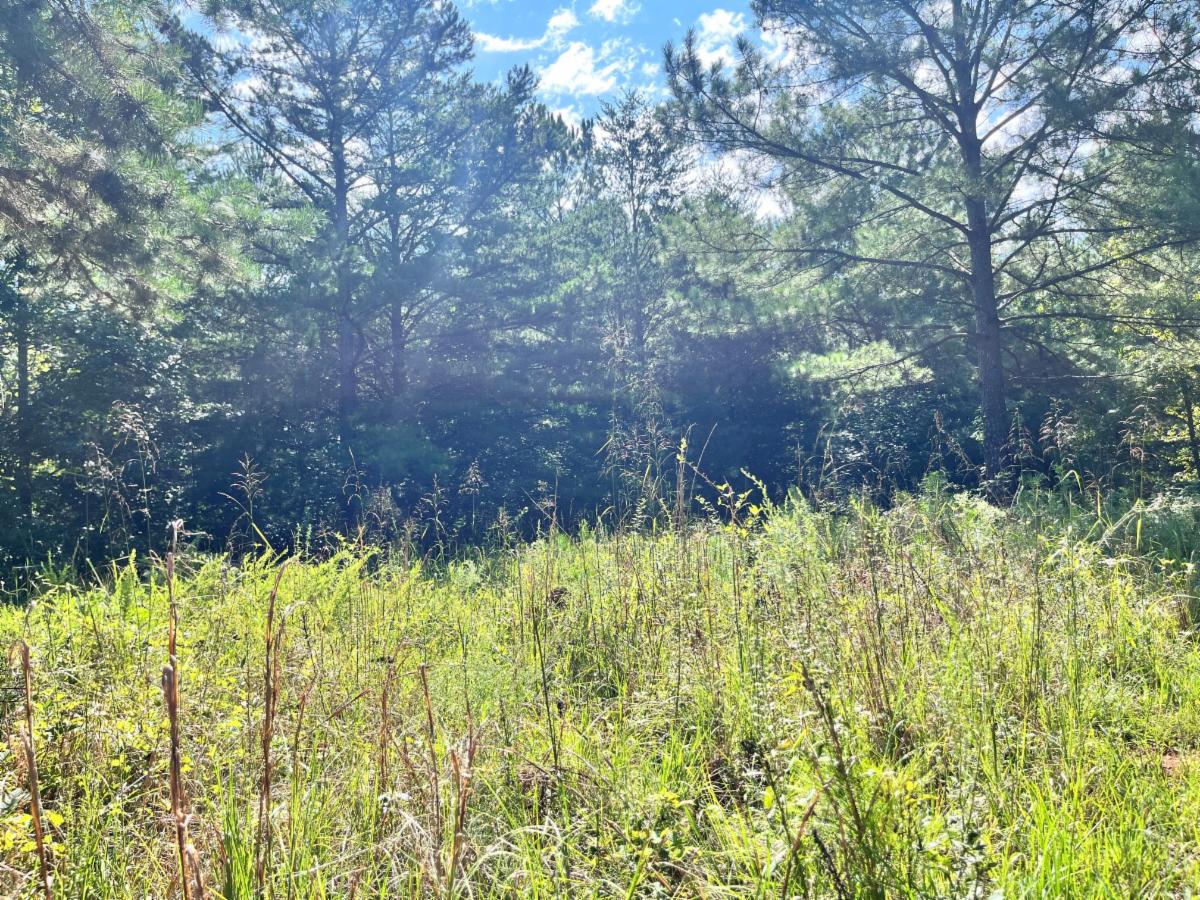
A dedicated crew of six worked for five full days in the preserve for a total of 240-man hours directed towards the restoration project objectives. The first three days were spent removing Bradford pear, sweetgum, persimmon, and loblolly from the Henderson and Forester Meadows, effectively setting back the clock on succession. In the absence of historical fire regimes, these open successional habitats are especially vulnerable to conversion to closed-canopy forest. The crew hand-cut and treated undesirable woody species resulting in the improvement of 6.6 acres of grassland habitat at the preserve. This work ensures that the birds, pollinators, and other wildlife that are entirely reliant on open and relatively treeless ecosystems will continue to call Conestee home.

BEFORE

Overgrown grassland with Bradford pear, sweetgum and loblolly pine.

AFTER

Restored grassland post tree-removal.

The remainder of the crew’s occupancy at the park was spent working in the floodplain forest located in the Brushy Creek area of the preserve. Targeting primarily Chinese Privet, the crew removed invasive shrubs from the understory. Removal of these aggressive species will allow for populations of native grasses, wildflowers, and shrubs to thrive. In total, an impressive one acre of forest was improved. Moving forward, Conestee staff will continue to support restoration efforts through volunteer workdays and tree plantings.


We are grateful that this year's work was funded by the Southern Conservation Partners (SCP). SCP promotes innovative collaborations designed to conserve and care for the South's natural and cultural heritage and ecological health. UF and SCP share a recognition of the power of thoughtful collaboration as a critical element of protecting southeastern natural resources. Without the partnerships with SCP, Conestee staff, and the hardworking Palmetto Conservation Corps crew, this work would not have been possible!


If you have a chance this autumn, we encourage you to visit Conestee Nature Preserve to appreciate the fruits of this labor while enjoying birdwatching in the meadows or a peaceful walk along the boardwalks.

Easements with Ericka: Riparian Buffer Protections


Properties protected with a conservation easement often include water sources like streams, rivers, lakes, and wetlands. The conservation easement identifies a buffer around these riparian areas that acts to protect and improve water quality, provide bank stabilization, and create aquatic and wildlife habitat. These riparian buffers are defined in the easement and are often 100-150 feet.


These riparian buffers have additional restrictions and protections identified in the Reserved Rights section of the conservation easement. This might include preventing removal or disturbance of this area with limited exceptions, requiring additional approval steps for any management activities in this area, or requiring a professionally prepared plan for work done in this area. It is important to thoroughly read your conservation easement and to be aware of what steps might be needed for you to manage within this protected riparian buffer.


Every easement is unique. For more information on restrictions and protections of riparian buffers, refer to the Protections of Riparian Buffers section of your conservation agreement. Questions? Reach out to Ericka at eberg@upstateforever.org.

Invasive Spotlight: Japanese Knotweed


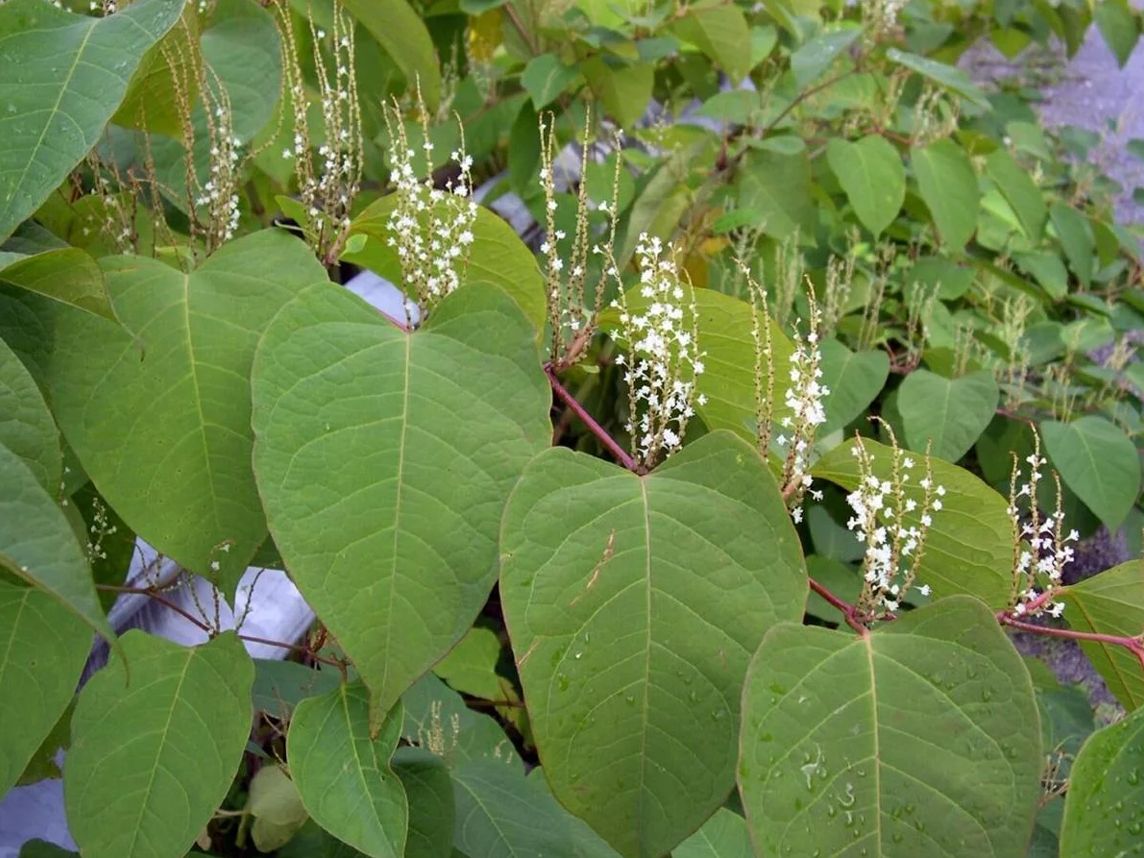
Japanese knotweed (Reynoutria japonica) is known as one of South Carolina's most aggressive invasive species. Often seen along rivers, wetland edges and occasionally roadsides, this invasive shrub spreads rapidly by way of underground stems. Once established, this plant is extremely difficult and costly to eradicate. Early detection and rapid response is a key tenant of managing this harmful plant.


Learn more about how to identify Japanese Knotweed and let stewardship staff know if you see this plant growing on your property!

Photo by Tom Heutte, USDA Forest Service, Bugwood.org.

Helpful Resources and Upcoming Events

Friends of the Reedy River Clean-up Day- September 21 at 8:30 am

SCNPS Fall Native Plant Sale- September 25-27

Trees Upstate Tree Planting in Anderson- October 19 at 9 am

Webinar: Making informed plant selections for songbirds and pollinators

Upstate Forever's Landowner Resource Guide

Before you go, enjoy some recent photos from the field!

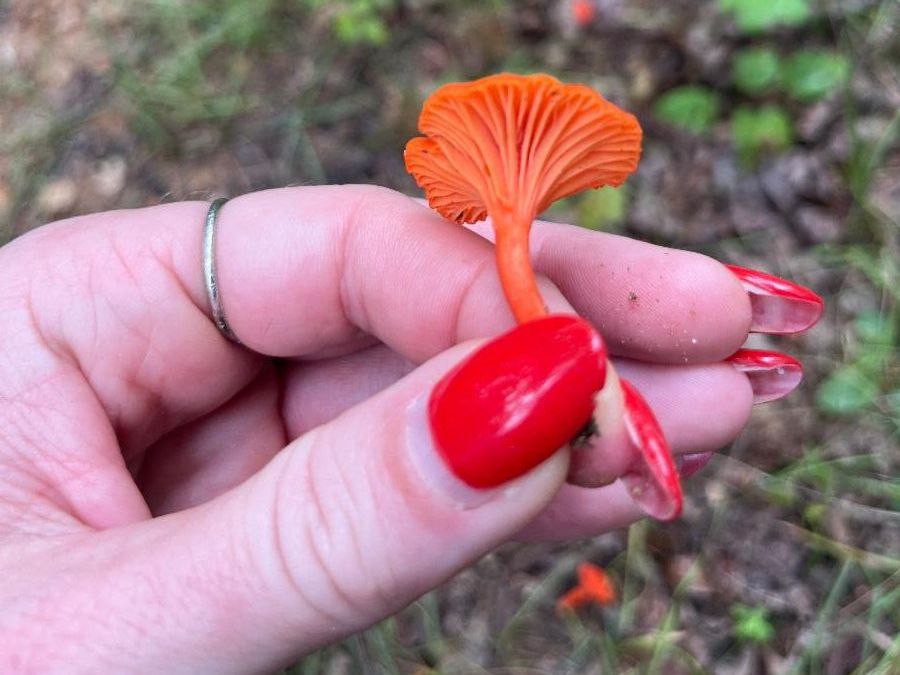
Cinnabar-red Chanterelle

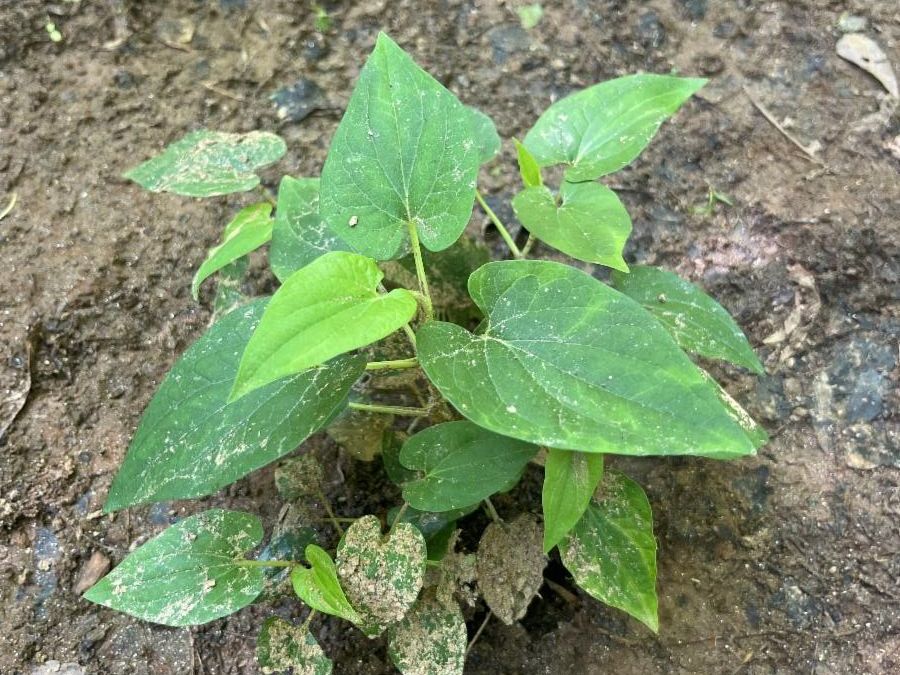
Lizard's Tail planted at Rocky River Nature Park during restoration work completed in 2023

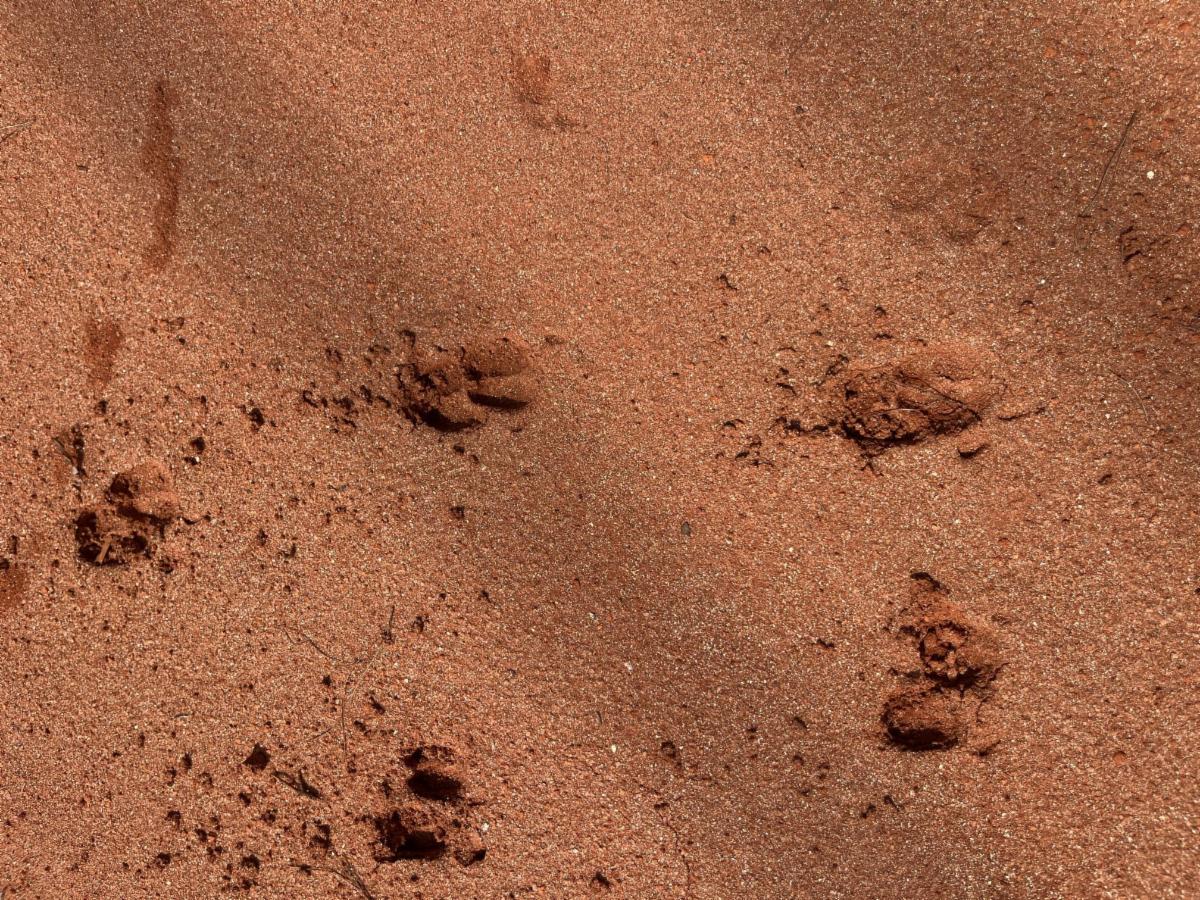
Hog tracks in the sand. Rounded hog hoof print can be easily differentiated from more elongated deer hoof print.

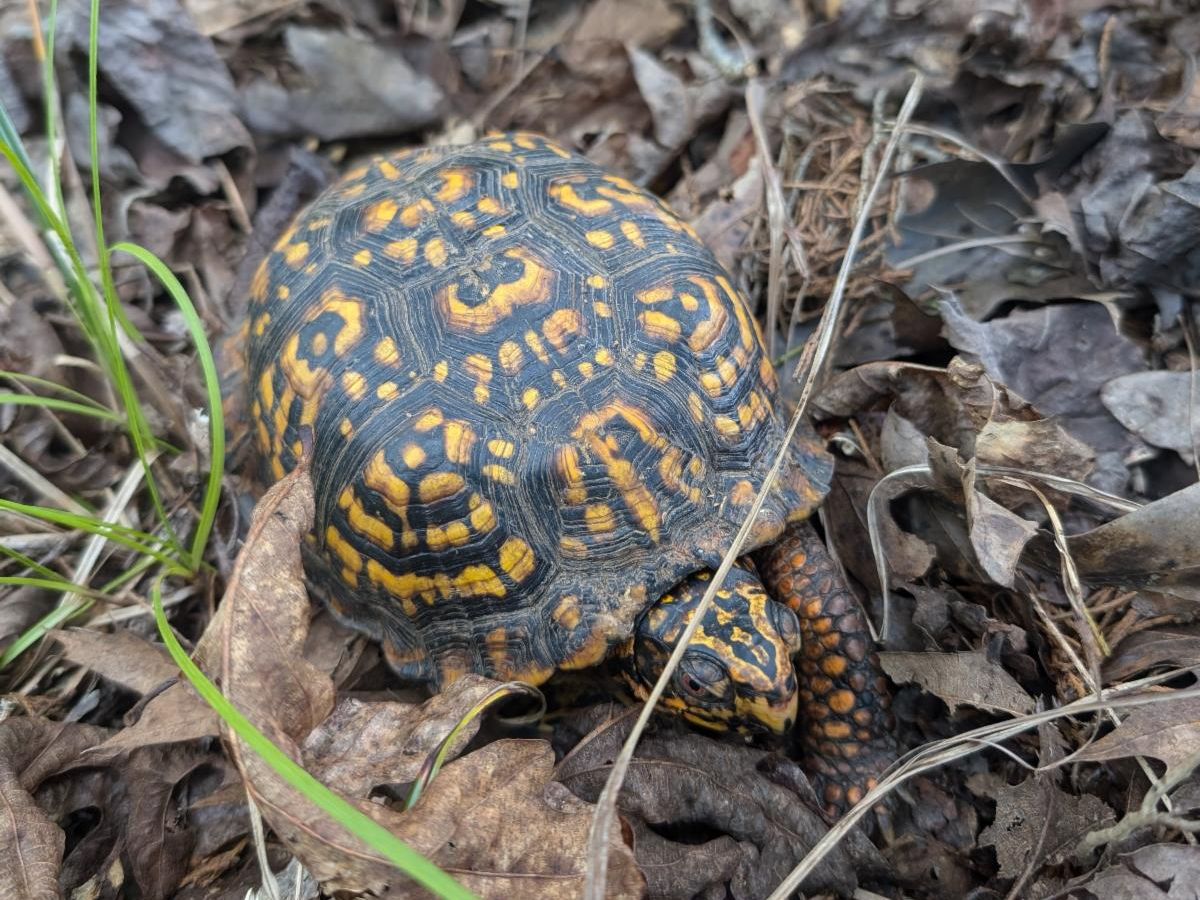
Brightly colored Eastern Box Turtle (Terrapene carolina) walks along the forest floor of a conservation easement.


Land Trust Accreditation


As a nationally accredited land trust, we hold ourselves to high standards. We have met the highest national quality standards for protecting important natural places and working lands forever. We have completed a rigorous review process; exhibited strong ethical practices; and demonstrated fiscal accountability, responsible governance and lasting stewardship of the lands we conserve.

Upstate Forever is a nonprofit conservation organization that protects critical lands, waters, and the unique character of Upstate South Carolina.  Over the past two decades, we have worked to protect the natural assets that make the Upstate so special — our farmlands, forests, natural areas, rivers, and clean air. We are committed to ensuring that our communities are vibrant and retain their green spaces, outdoor heritage, and unique identities in the face of rapid development and significant sprawl. Our vision is an environmentally healthy, economically prosperous Upstate that offers a high quality of life now and for future generations.

For more information, visit our website at upstateforever.org or send us an email.