Wednesday Weblog for December 17, 2025 | | May you never be too grown up to search the skies on Christmas Eve. — Unknown | | Leading Off: Enough is Enough | | |
It's getting closer. It's hard to believe that Christmas ads and decorations have only been here for two to three months. I think there ought to be a law on holiday decorations.
Put them up the day after Thanksgiving and take them down on New Year's Eve. Simple to follow, a 31-to-36-day window of festivity. I think that's enough. I'm going to guess, however, that those of you who back into a parking space at a convenience store will disagree.
It isn't just the early decorators; it's the ones who don't take decorations down until February or March that bother me the most. In fact, we have a neighbor who has had paper snowflakes hanging in their front windows for years.
| | The Stories Behind the Traditions-Part 3 | |
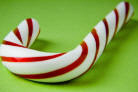
Candy Canes Were First Used to Keep Kids Quiet During Long Church Services
The candy cane—red and white, peppermint-striped, and instantly recognizable—has become one of the most iconic symbols of Christmas. Yet its earliest purpose had nothing to do with holiday décor, peppermint flavoring, or even Christmas itself. The humble candy cane began as a clever tool for managing restless children during long church services.
According to widely cited tradition, the story dates back to 1670 in Cologne, Germany. The choirmaster at Cologne Cathedral was struggling with a familiar problem: children whispering, fidgeting, and squirming during the lengthy Christmas Eve Nativity service. He approached a local candy maker and asked him to create a simple white sugar stick—sweet enough to occupy the kids, but plain enough not to feel indulgent in a sacred setting.
To lend it religious legitimacy, the candy maker added a slight curve at the top, shaping the confection like a shepherd’s crook, a symbol tied to the Nativity story. This turned the candy from a treat into an object lesson: children could hold the shepherd’s staffs as they listened to the service. The peppermint flavoring and the now-famous red stripes wouldn’t appear for another two centuries.
By the 1800s, candy canes were appearing in American Christmas traditions, but it wasn’t until the early 20th century that they became mass-produced and widely associated with the holiday season. Their shape made them ideal for hanging on trees, and their bright stripes fit perfectly with emerging Christmas color palettes.
What started as a clever parenting strategy in a cathedral became one of the most beloved Christmas confections—and perhaps the most charming example of holiday tradition born from necessity.
|
Rudolph the Red-Nosed Reindeer Began as a Montgomery Ward Marketing Campaign
What began as a cost-saving marketing tool became one of the most enduring Christmas legends—an American original born from the advertising department of a department store. Rudolph the Red-Nosed Reindeer—now a beloved Christmas character with songs, movies, and endless merchandise—did not originate in folklore or song. He began as a simple marketing idea from a department store trying to save money.
In 1939, Chicago-based retailer Montgomery Ward was looking for a way to reduce costs on the holiday coloring books they traditionally bought and gave to children each Christmas season. Instead of purchasing books from another vendor, the company decided to produce its own. They turned to one of their copywriters, a 34-year-old former adman and aspiring novelist named Robert L. May.
May was asked to create a new Christmas character—something relatable, endearing, and uniquely theirs. Drawing on his own childhood feelings of being small and different, he wrote a story about a shy, misfit reindeer with a bright red nose that made him the target of teasing. But in a foggy Christmas Eve crisis, Rudolph’s glowing nose becomes an unexpected asset, guiding Santa’s sleigh and proving that what once seemed like a flaw was actually a superpower.
Montgomery Ward distributed more than two million copies of the Rudolph booklet that first year—an enormous success. After World War II, the company gifted the rights back to May, who then worked with his brother-in-law, songwriter Johnny Marks, to turn the story into a song. When Gene Autry recorded it in 1949, Rudolph the Red-Nosed Reindeer became a nationwide hit, selling millions.
|
Santa Tracking: A Holiday Tradition Born from a Wrong Number
One of the most charming modern Christmas traditions—NORAD tracking Santa—began not with satellites or military planning, but with a simple typo in a 1955 newspaper ad.
A Sears department store in Colorado Springs ran a holiday campaign urging children to call Santa. Unfortunately, the ad listed the wrong phone number. Instead of reaching Sears, excited kids were connected to the Continental Air Defense Command (CONAD), the predecessor to NORAD—a military phone line meant for national emergencies.
Colonel Harry Shoup, who answered the first call, could have hung up. Instead, he played along, telling the child he would check the radar for Santa. Shoup instructed his team to update children who called, and local press picked up the heartwarming story.
When CONAD became NORAD in 1958, the Santa-tracking tradition continued. Each year since, NORAD has monitored Santa’s flight using a combination of radar, satellites, and imaginative storytelling. Today, millions follow Santa online and through a 24-hour call center staffed by volunteers.
What began as a misprinted phone number evolved into one of the most beloved Christmas rituals—a government agency wholeheartedly embracing holiday magic.
|
Santa Claus Originally Wore Green, Not Red
The modern image of Santa Claus—jolly, round, and dressed head-to-toe in bright red—feels so timeless that it’s easy to assume he has always looked that way. But early depictions of Santa show him wearing green, brown, blue, or sometimes even patchwork robes. His now-iconic red suit didn’t become standard until the 20th century.
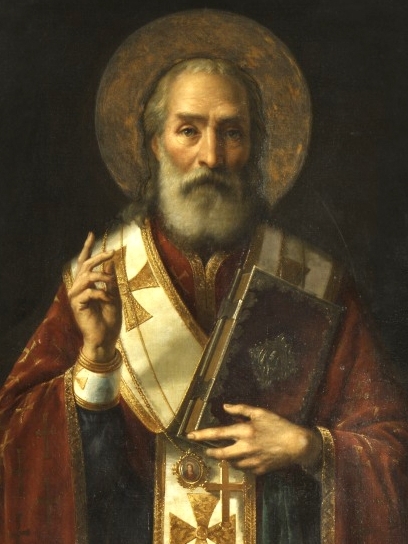
The earliest European inspirations for Santa include St. Nicholas, the 4th-century bishop known for secret gift-giving; Father Christmas, the English spirit of holiday cheer; and various wintertime folk figures. Father Christmas, in particular, was frequently shown in long green robes—a color tied to the themes of renewal and the evergreen foliage associated with winter festivals. These green-clad portrayals were less about gifts and more about merriment, feasting, and the return of light after the darkest days of the year.
Throughout the 1800s, artists drew Santa in a rainbow of outfits. Thomas Nast, the famous American political cartoonist, helped standardize Santa’s look in Harper’s Weekly, giving him a rounder belly, a workshop at the North Pole, and reindeer. But even Nast varied Santa’s wardrobe—sometimes red, sometimes tan or brown.
The idea that Coca-Cola created the red-suited Santa is a common misconception. In truth, Santa was already regularly appearing in red in newspapers and magazines before Coke’s famous 1930s Christmas ads. What Coca-Cola did was popularize and globalize the version we instantly recognize today, drawn by artist Haddon Sundblom: a warm, friendly, grandfatherly figure in a vivid red suit trimmed with white.
So yes—before corporate branding and global standards, Santa was often dressed in green. The red suit became iconic because America needed a unified Santa, and the bright, cheerful red image simply won the world over.
|
The Ugly Christmas Sweater: From Earnest Knitwear to Ironic Holiday Phenomenon
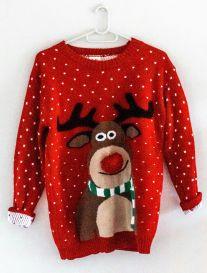
The ugly Christmas sweater may feel like a modern gag, but its roots stretch back to mid-20th-century earnestness—when holiday sweaters were cute, cozy, and completely unironic. In the 1950s and ’60s, TV hosts and entertainers often wore festive knitwear for holiday specials, inspiring families to don similarly cheerful garments. These sweaters weren’t ironic—they were wholesome, wintery, and meant to spread holiday cheer.
The cultural shift began in the 1980s, when loud patterns and over-the-top novelty designs entered the mainstream. Think blinking lights, oversized snowmen, pom-poms, and tinsel. Sitcom characters—from Bill Huxtable to Clark Griswold—cemented the look as adorably awkward. But it wasn’t yet an ugly sweater movement; it was simply fashion at its most festive.
The ironic revival didn’t begin until 2001, when two Canadian college students held the first documented Ugly Christmas Sweater Party. The idea spread rapidly—first across college campuses, then through workplaces, then through pop culture. By the 2010s, major retailers were producing intentionally garish designs, and ugly sweater parties became a December staple. Today, December 15th is officially National Ugly Christmas Sweater Day.
Ironically, what began as an earnest expression of holiday spirit—and then became an object of ridicule—has come full circle. Many people now treasure the tradition for what it really is: joyful, inclusive, and wonderfully silly. Ugly sweaters give us permission to laugh, loosen up, and celebrate Christmas with a little less sophistication and a lot more sparkle.
| |
Fruitcake may be the most joked-about holiday food in America, but its origins tell a story of practicality, preservation, and centuries-long tradition. Long before it became the dense, boozy brick we know today, fruitcake was essentially an ancient energy bar—high-calorie, long-lasting, and designed to sustain people through harsh winters, long journeys, and months without fresh food.
The earliest versions date back to ancient Rome, where cooks mixed pomegranate seeds, nuts, and barley mash into dense loaves that traveled well. By the Middle Ages, Europeans began adding preserved fruits, spices, and honey—ingredients considered luxuries. As sugar became more widely available, candied fruit became a hallmark of the recipe, allowing bakers to create a sweet, festive loaf that could last for months without spoiling.
Fruitcake gained particular popularity in Victorian England, where its richness symbolized abundance and celebration. The tradition crossed into America, where families soaked fruitcakes in brandy or rum, sometimes feeding them additional alcohol as they aged. Some cakes were made months—occasionally years—in advance, improving in flavor over time.
Its fall from culinary grace came in the mid-20th century, when mass production turned a once-special treat into a cheaply made, shelf-stable gift. Dense, overly sweet, and often studded with neon-colored fruit, commercial fruitcake became an easy punchline.
Yet artisanal versions are making a quiet comeback, reminding us that fruitcake began as a cherished holiday delicacy—one designed for celebration, endurance, and sharing during the darkest days of winter.
|
Christmas Stockings: A Tradition Born from a Secret Gift of Gold
The tradition of hanging Christmas stockings may feel whimsical and modern, but its origins come from a medieval legend about generosity, dignity, and a quiet act of kindness by St. Nicholas.
According to the story, a widowed father once struggled to support his three daughters. Without dowries, the daughters risked being unable to marry, placing the family in a desperate situation. Learning of their hardship, St. Nicholas—known for discreet charity—decided to help. Rather than embarrass the family with public assistance, he visited their home at night and tossed three bags of gold through the window. The gold, the legend says, landed in stockings that the daughters had left drying by the fireplace.
The tale spread throughout Europe, and by the Middle Ages, children began hanging shoes or stockings near the hearth in hopes that St. Nicholas might repeat his secret generosity. Different cultures added their own twists: Dutch children left wooden shoes filled with hay for St. Nicholas’s horse; German families hung stockings for Kris Kringle; and British households associated them with Father Christmas.
In America, the stocking tradition took off in the 19th century, helped along by Clement Clarke Moore’s poem A Visit from St. Nicholas (The stockings were hung by the chimney with care…). As Christmas became more child-centered, stockings evolved into one of the holiday’s most beloved rituals—small gifts, fruit, candy, and tiny surprises tucked into a single personal treasure.
What began as a discreet midnight rescue became a global symbol of generosity—proof that even small gifts can carry big meaning.
| |
Why the NBA (and Now the NFL) Play on Christmas Day
For many families, Christmas Day now includes a modern tradition that has nothing to do with Santa, stockings, or sleigh bells: professional sports on TV. While the NFL has only recently embraced Christmas as a showcase, the NBA has been playing on December 25 for more than 75 years—long enough that basketball and the holiday have become intertwined in American culture.
The NBA’s Christmas connection began in 1947, just a year after the league was founded. With many fans at home and few entertainment options available, the league saw an opportunity to reach a captive audience. The matchup—Knicks vs. Providence Steamrollers—was the start of something big. By the 1960s and ’70s, Christmas games had become a tradition, featuring marquee players like Wilt Chamberlain, Bill Russell, and later Magic Johnson and Michael Jordan. The NBA leaned into the spectacle, promoting Christmas as basketball’s showcase day—their equivalent of Thanksgiving football.
The NFL, on the other hand, was slower to join. Historically, the league avoided Christmas out of respect for the holiday and logistical concerns. But shifting schedules and soaring TV demand changed things. The NFL’s first Christmas Day game was in 1971, and it became legendary: a double-overtime playoff known as the longest game in NFL history. Sporadic Christmas games followed, but it wasn’t until the 2020s that the league made Christmas a regular part of its calendar—driven by ratings, massive fan interest, and the chance to dominate a day when millions are home.
Today, Christmas sports viewing has become a shared ritual—families grazing on leftovers, kids playing with new toys, and a game humming in the background. Whether it’s the NBA’s tradition or the NFL’s rising presence, both leagues have carved out a modern holiday custom—one rooted not in myth, but in the uniquely American blend of entertainment, family time, and the comfort of a good game on TV.
| |
What These Traditions Tell Us
When you step back and look at these stories altogether, a pattern reveals itself. Christmas traditions don’t come from a single moment or place—they come from people. From families trying to make meaning during hard times. From communities blending old customs with new surroundings. From creative minds and even clever advertisers who shaped how the season feels.
Some traditions began out of necessity. Some began out of faith. Others began from pure whimsy. And a few—let’s be honest—were born because someone needed to solve a problem or sell a product.
But over time, all of them became part of something bigger: a shared sense of celebration, comfort, and connection.
And maybe that’s the real story behind Christmas traditions. They remind us that even in a season built on nostalgia, we’re still making new memories, writing new chapters, and shaping new customs—often without realizing it.
So as you hang the stockings, hide the pickle ornament, or put on that perfectly hideous sweater, remember: you’re not just celebrating the holiday. You’re participating in a wonderfully human process that’s been unfolding for centuries.
Merry Christmas—and may your season be filled with the story-worthy moments that become the next generation’s traditions.
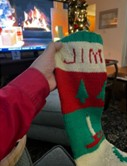
| | Surprise Photo at the End: My Mother's Mantle | | In 1951 the woman who raised my mom, we called her Auntie, knit this stocking for me, when I was called Jimmy, for Christmas. It has been continuously used since then. Auntie also knitted a stocking for each one of my seven brothers and sisters, all with their names, and they are all still in use. Auntie has been gone for many years, but her love is still around. The photo on the right is my late mother's mantel with all the stockings in 2021. | | Joe's Positive Post of the Week | | Join the Smart Subscribers | | If you are reading this on a social media platform, click below and you'll automatically receive a 'different' story every week on Wednesday. | | |
The Roll Call of states and countries where readers reside: Arizona, California, Colorado, Connecticut, Delaware, Florida, Georgia, Hawaii, Illinois, Indiana, Iowa, Kansas, Kentucky, Louisiana, Maine, Massachusetts, Michigan, Mississippi, Missouri, Montana, New Hampshire, New Jersey, New Mexico, New York, North Carolina, North Dakota, Ohio, Pennsylvania, Puerto Rico, Rhode Island, South Carolina, South Dakota, Tennessee, Texas, Vermont, Virginia, Washington and Washington DC, Wisconsin plus Canada, Conch Republic, Australia and the United Kingdom.
| | Refer a friend to Sign Up for the Wednesday Weblog | | |
Ed Doherty
774-479-8831
www.ambroselanden.com
ed-doherty@outlook.com
Forgive any typos please.
| | | | | |