|
Something interesting has been happening.
Researchers at University College London have found that communal laughter supports “bonding, agreement, affection, and emotional regulation.”
In other words, laughter isn't merely a reaction to something funny.
It connects us.
Oxford anthropologist Robin Dunbar and his colleagues have gone further. Their research suggests that laughter activates the brain's endorphin system in ways that strengthen social bonds.
There is something beautiful about that finding.
We often think of laughter as the result of connection, it is also one of the things that creates and unifies connection.
And then there is an even stranger discovery.
Researchers have found that people can distinguish friends from strangers simply by listening to brief recordings of them laughing together, even across very different cultures.
We can apparently hear connection.
This may help explain something I've been noticing in my own work.
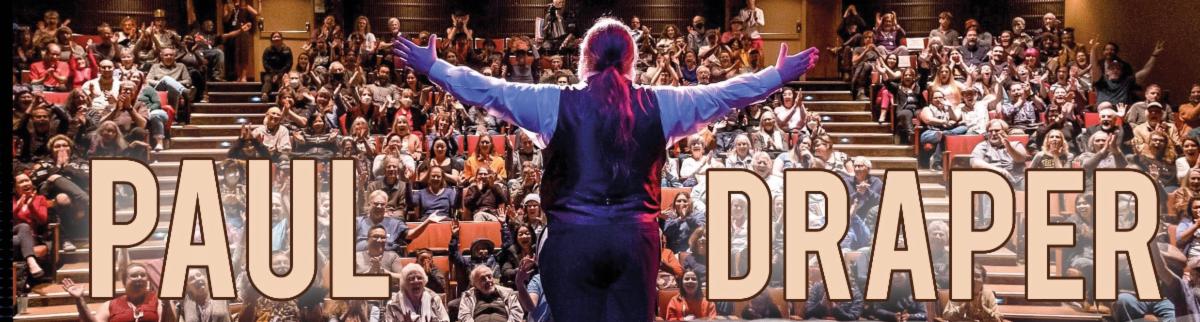
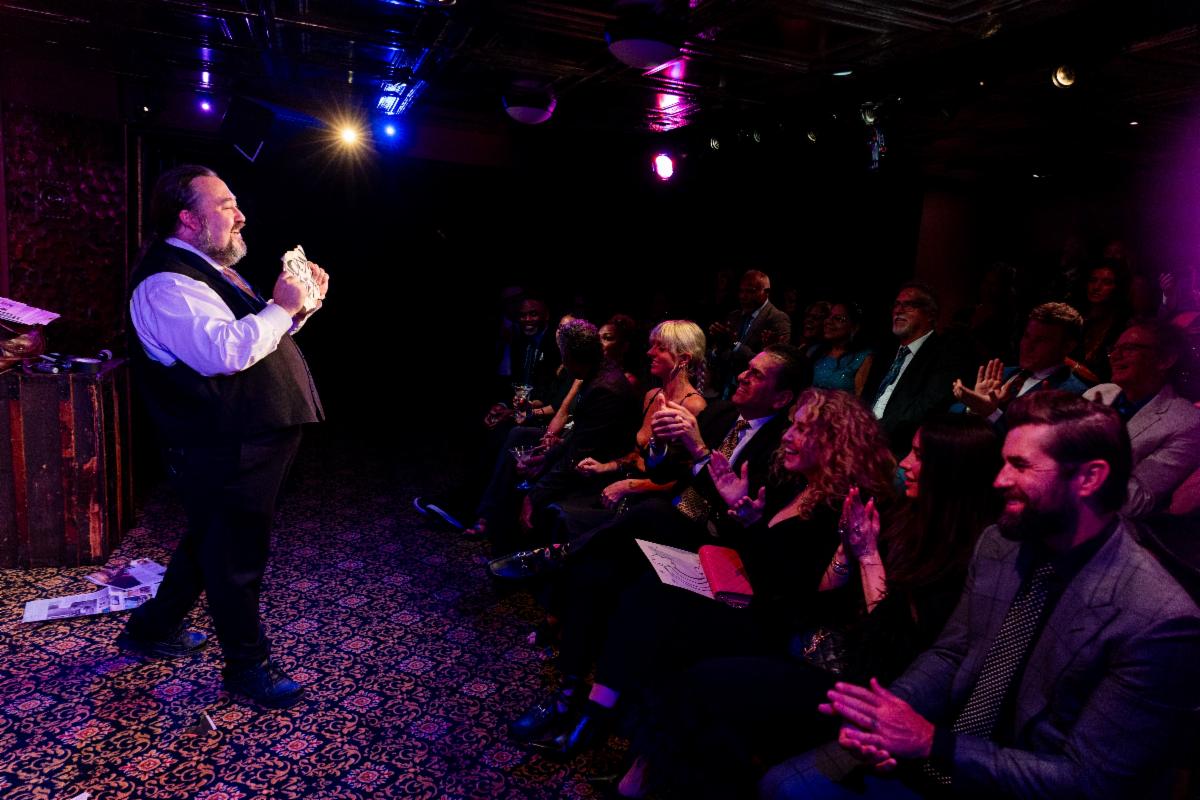
There is a particular energy that exists in a live audience.
One person laughs. Someone beside them laughs harder.
The performer responds.
The audience responds to the audience.
People interact and engage in a kind of deep play.
A stranger becomes a participant.
A shared surprise moves through the room.
For a few minutes, hundreds of individuals become something closer to a single organism.
Anthropologists have spent a great deal of time studying rituals, ceremonies, celebrations, and other forms of collective behavior.
Different settings, same fundamental human impulse:
Come together.
Pay attention to the same thing.
Experience something together.
Perhaps that is why gathering feels particularly valuable right now.
There is something about being physically present with other human beings and laughing together that remains difficult to replace.
A recent study of more than 6,000 people found that face-to-face social contact was associated with greater wellbeing, reinforcing something humans have known for a very long time:
We are a profoundly social species.
And perhaps we are beginning to remember that.
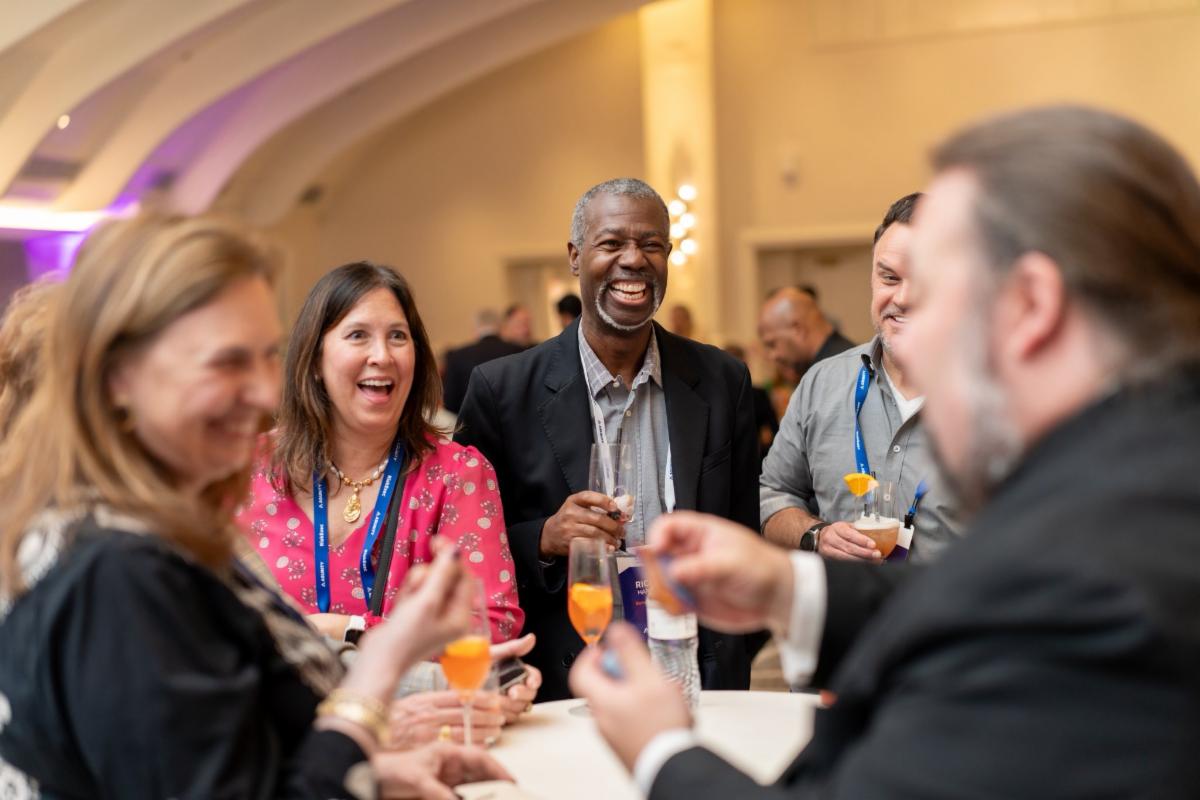
The feeling of sitting across a table from someone.
The sound of an entire room laughing.
The anticipation before something happens onstage.
The person next to you turning and saying, “Did you see that?”
The spontaneous conversation with a stranger.
The collective gasp.
The shared surprise.
The story that gets retold afterward.
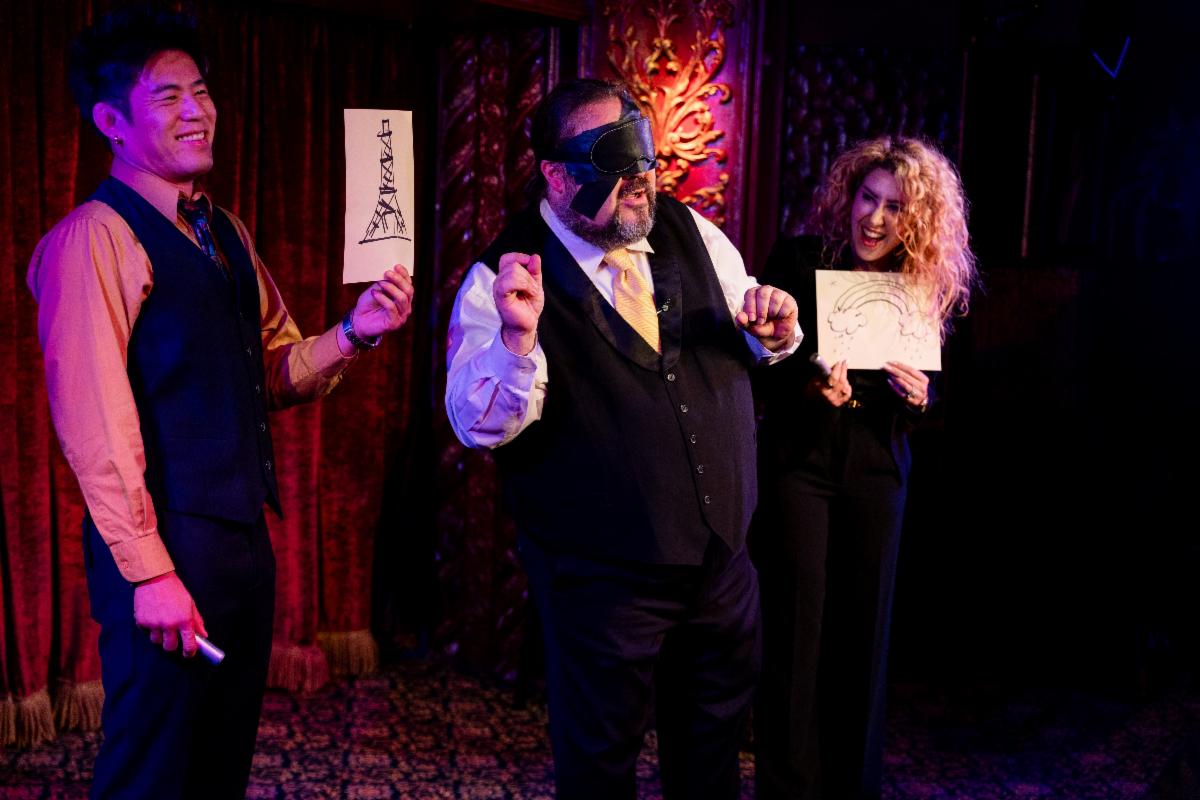
I've spent much of my career studying human behavior and creating experiences designed to make people wonder.
But the older I get, the more I think the most interesting part of a live performance isn't necessarily what happens onstage.
It's what happens between people.
The real magic may be that, for a little while, we're all in the same room.
And we're laughing.
Perhaps we don't just laugh because we're happy.
Perhaps we need opportunities to laugh together because to experience being human.
-Paul Draper
|