|
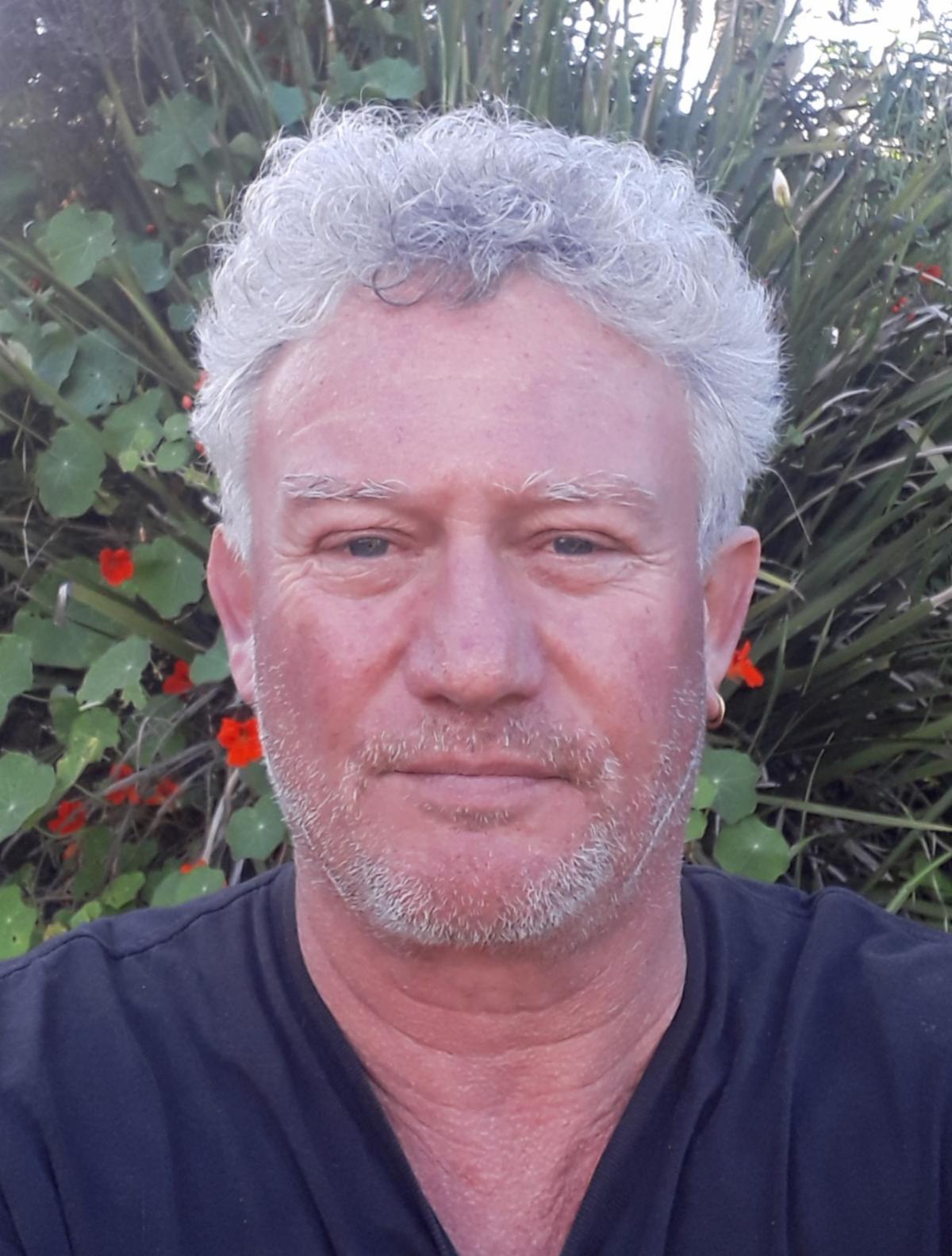
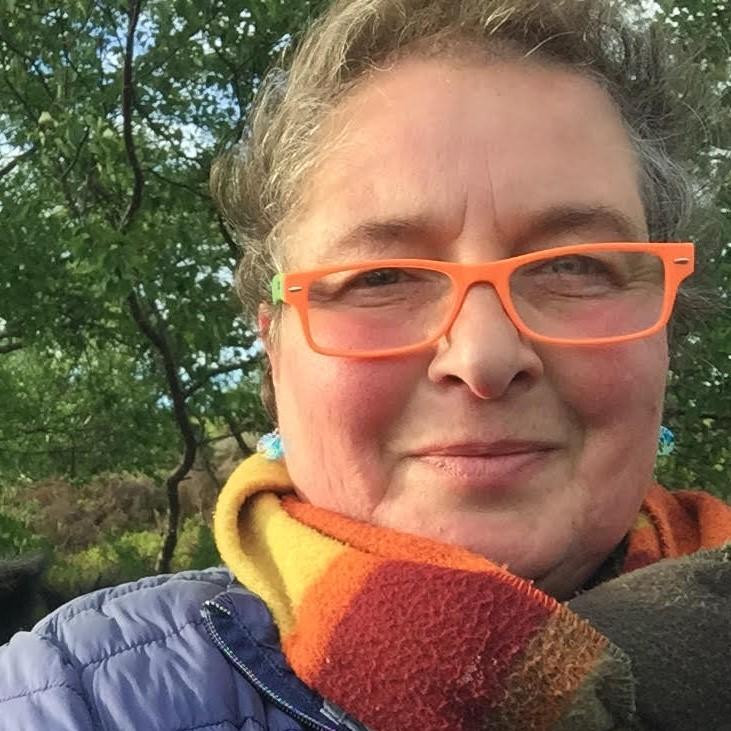
The year 2023 ended with a great celebration of successfully defending my dissertation through the Taos Institute and Blanquerna University. I am particularly grateful to have been allowed to explore a topic that is so far outside the usual norms of PhD research, yet so relevant in the age of climate change.
This work has origins in a range of places: A family tradition of both social and environmental activism; a fascination with the way that ideologies become instantiated in the performance of subjectivity, and a profound curiosity in the gap between knowing what is needing to be done to delay or slow the encroaching environmental and societal Holocaust and our capacity, particularly in the West, to be the kinds of people able to do what is known needs to be done.
| |
|
It also originated in my curiosity about the way the self has been constructed in our neoliberal moment. It is a self that is challenged to think beyond self-gain. I became fascinated with the question: if this is how we produce subjectivity, unable to plan for a future other than personal gain, then what kind of forces might encourage subjectivities able to operate collectively for the global good?
I chose to take a speculative approach and ask questions about how people might ‘be’ otherwise in a radically different future that is significantly more resource constrained. At no point in the research did I pretend that the questions were neutral, but rather made it overt that I, and a multitude of scientific researchers, suggest that ecological catastrophe is rapidly approaching and that our descendants will live amongst the detritus of our current political and economic structures.
My questions were primarily about an imagined future relation with place. To my fascination and delight, most responses were about the nature of self in community, with a very different view of what constitutes success than our current hyper-capitalist consumer society would have it.
What I found was four distinct and strong voices: (1) the voice of the hunter gatherer who values community, connection and humility; (2) the voice of community development that in more intellectual fashion also reverences interdependence rather than independence; (3) the neoliberal subjectivity espousing a strong belief in the capacity for the individual to carve a better future through hard work irrespective of circumstances as well as a belief in individual selfishness expressed through the market as the only ethical way to approach and create a better future; and (4) the voices of the data that I had collected and explored through multiple iterations of coding.
The final discussion is an exploration of the social, mental, and environmental through three perspectives followed by a creative, imagined theatrical salon where four characters debate critical issues with all of the amusements, annoyances, and bewilderments one might expect. This section was not just informative but also a great deal of fun to write. My final conclusions avoided certainty, preferring a cautious conclusion with a great deal of room left for speculation and further questions.
Interrogating the future is not easy, it requires fracturing the mirror of ourselves and our current certainties about the world and peering with courage at the cracks that thus emerge. It inevitably involves pain, sadness, and grief, particularly when considering the Anthropocene and looking back with horror and shame at what we are doing to the planet. While the thesis has been a long and hard journey it has also been deeply rewarding and left me with a political and personal commitment to hope. Not the kinds of scientific hope that somehow a techno-fix will stop climate change. But instead, a different kind of hope that future peoples that emerge in consequence of our current disastrous decisions will be kinder and wiser than we are now. Click here to find the complete dissertation link.
| |
Thank you for your Generosity!
For 30 years, the Taos Institute has brought scholars and practitioners together from around the world in the name of our mission of creating promising futures through social construction. Our profound gratitude to all of you, who have generously responded to our first fundraising campaign. Your gifts are deeply affirming and a vitalizing source of inspiration and optimism for the future of the Institute. In case you missed it, it's not too late to donate!
| |
|
|
It is with great sadness that we share the news that Taos Associate, Billy Hardy, passed away peacefully on January 30, 2024, at home. Billy was a family therapist and trainer at The Family Institute in Wales. In 2020, along with his colleague and Taos Associate, Leah Salter, he co-founded The Centre for Systemic Studies, a not-for-profit organization designed to continue the work of The Family Institute. Billy developed, consulted with, and helped sustain a variety of community practices locally, nationally, and internationally. His was a central voice in organizing the 2014 Taos conference, Beyond the Therapeutic State: Collaborative Practices for Individual and Social Change in Drammen, Norway. We feel lucky to have worked and played with Billy. His lively spirit, generous care, and deep wisdom will remain an enduring presence.
| |
Welcoming New Board Members | |
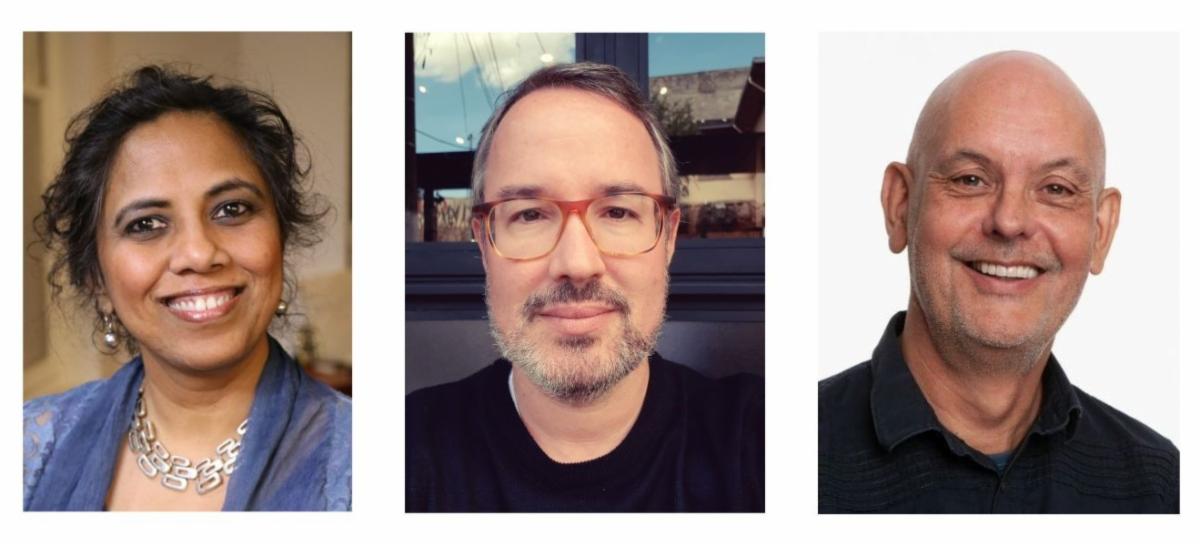
We are extremely pleased to welcome Taos Associates Saliha Bava Ph.D., Emerson Rasera, Ph.D., and Loek Schoenmakers, Ph.D. to the Taos Institute Board of Directors. We have appreciated their dedication to our mission and community over many years and look forward to the energy and contributions they will bring in their new roles. Welcome!
| | |
|
"This course made me think of possible futures, on how to focus on my language and the power it has in creating new realities and relationships."
| |
March 27-May 1, 2024
Introduction to Social Construction
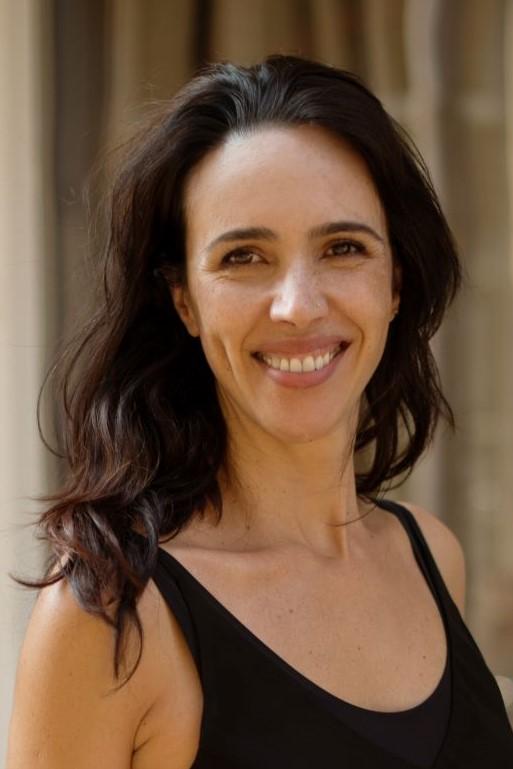
A 6-week online course with Taos Institute Board Member Celiane Camargo-Borges
| |
This course is for students and practitioners who wish to explore how aspects of the world that are taken for granted are socially constructed, thereby opening space for alternative ways to engage in practice and with people. Whether you work in Education, Organizational Design and Leadership, Governance, Healthcare, Therapy, Community Development or you are simply looking for new ways to cope with today's complexity and fast pace of change, you will never see the world the same way.
By joining a Taos educational program, you will experience a constructionist way of being first hand! Unlike conventional content delivery and lectures, a small and diverse group comes together to co-create knowledge in an interactive, collaborative, and dialogical way so that each participant may bring social construction into their own work and life and discover the positive impact this paradigm shift has on society at large. Click here for details.
| |
What's Happening in the Commons | |
Join with almost 1500 members from around the world in the Taos Institute Commons online community as we explore social constructionist, relational, and appreciative theory and practices. We invite you to attend the free events in the Commons to engage in rich dialogue, share valuable resources, watch event replays, and make meaningful connections with others interested in creating more promising futures, one conversation at a time. More details here. | |
|
|
|
|
Community Meet & Greet
Informal gatherings in the Taos Commons
Feb 13, 9:00-10:00am & March 13, 12:00-1:00pm EST
Whether you are new to the Taos Institute Commons online community or already a member, we invite you to join this informal gathering to meet other Taos Institute Commons members and share stories of how you are applying (or hoping to apply) social constructionist, relational and appreciative approaches in your work and life. Stop by to say hello, even if you can't stay for the whole time.
| | | |
|
|
|
Taos Conversation:
A Letter from the Future to Ourselves
February 19, 2:00-3:00pm EST
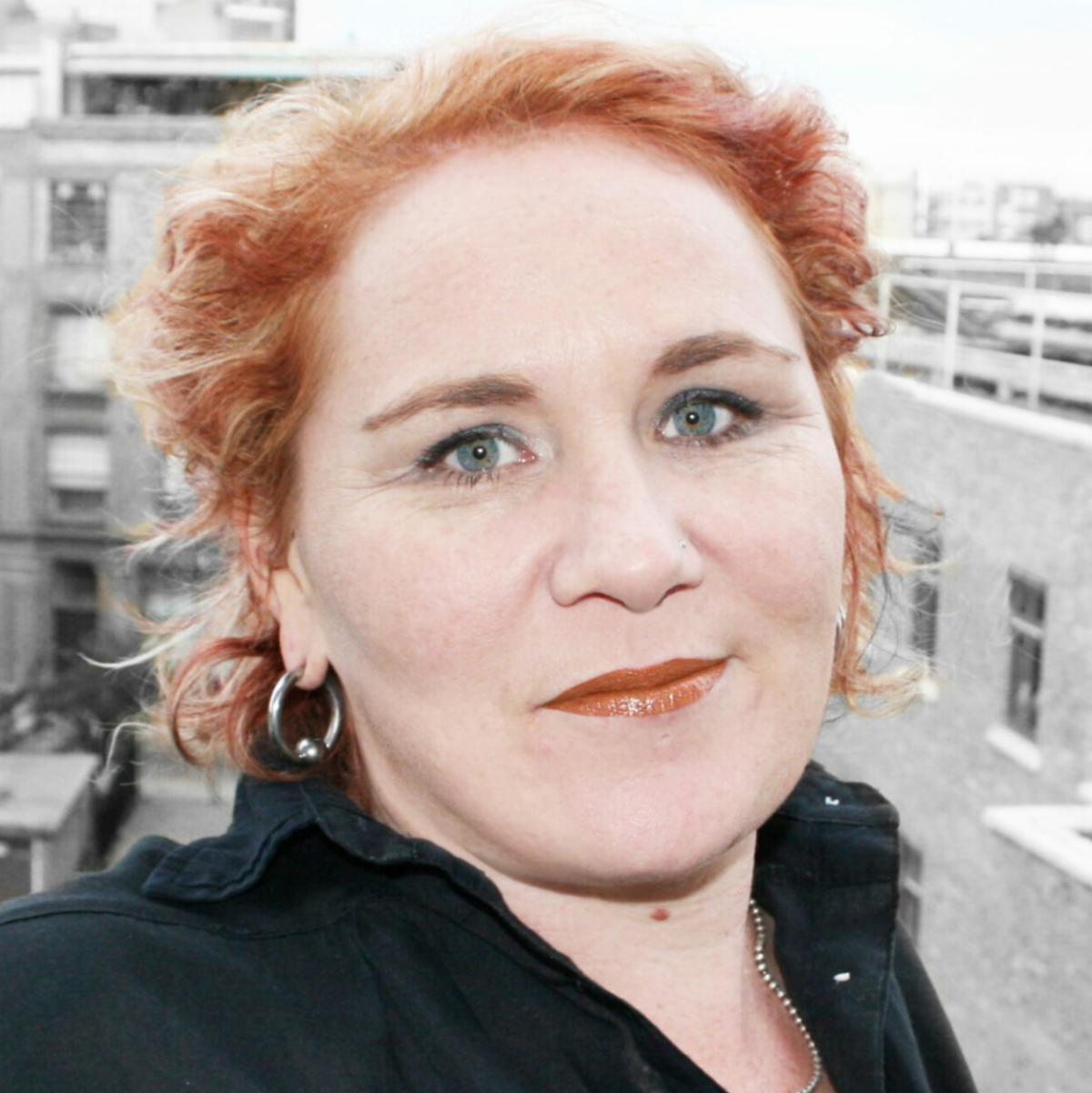
Gail Simon and Amanda Middleton share "A Letter from the Future to Ourselves," written by a group of queer trans-allied cis-ish therapists to anticipate and question consequences of choices psychotherapists make now for transgender, non-binary, gender fluid and genderqueer clients and colleagues. The letter unlocks an opportunity for therapists and counsellors from across modalities to reflect on the history of professional positioning of LGBTQIA+ peoples and to consider what we need to do now to achieve ethical coherence in our practice. Details and meeting link available here.
| | | |
|
|
|
Dialogue with the Author:
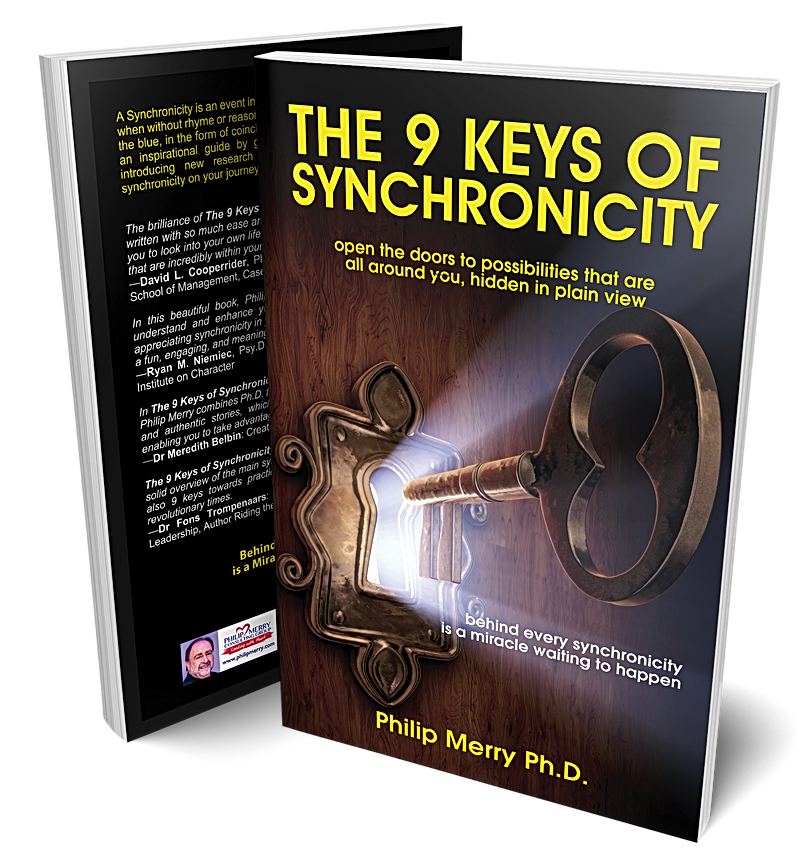
The 9 Keys of Synchronicity with Philip Merry
March 1, 9:00-10:00am EST
Integrating the latest research in quantum physics, neurobiology, cosmology, holography, and psychology, The 9 Keys of Synchronicity presents a new and comprehensive model, based on Philip’s grounded theory PhD. Philip’s supervisor, David Cooperrider, comments that Philip’s research “takes you on an intellectual and spiritual tour of appreciating the amazing powers of synchronicity and the life-changing and leadership-enlivening potentials of opening our hearts and minds to a deeper way of being in the world." Details and registration available here.
| | | |
|
February 23 & 24, 2024, 10:00am-5:00pm EST
This practice and skill-based two-day training is for people wanting to learn how narrative therapy ideas, informed by poststructuralism, are put into practice in therapeutic settings. In particular, we explore externalizing practices and skills in the context of deconstructing and re-authoring therapy conversations. Clinical examples and experiential exercises will help support participants’ learning. Details available here.
| | | |
|
March 14, 2024, 12:00-1:00pm EST
Join the guest editors, Dr. David Cooperrider and Dr. Lindsey Godwin, for the February 2024 issue of The AI Practitioner Journal which focuses on Appreciative Inquiry as an approach to “future forming” research. This issue is a homecoming to the original vision of Appreciative Inquiry as a research methodology that creates future-forming, generative and prospective theory. After briefly highlighting the 9 articles in the special issue, we will explore further how AI can help us eclipse the theory or practice divide. Details available here.
| | | |
|
Playful & Philosophical; Developmental & Demanding; Mundane & Magical
The East Side Institute 9-month online immersion program in Social Therapeutics is for performance activists, other social change leaders, practitioners and academics with a range of educational and life experiences, and a passion for innovation. "The International Class taught me that we human beings are who we are and are who we are becoming, at the same time. I have learned to embrace uncertainty and accept growth opportunities — not as tasks to be solved, but as ways to explore." –María José Castrillo, psychologist and performance activist, Aguascalientes, Mexico. Details available here.
| | | |
One way the Taos Institute carries out its mission to create brighter futures through social construction is by creating and disseminating a wide variety of resources for scholars, practitioners, and students interested in dialogic and relational approaches. These free resources span many disciplines and languages. To suggest a resource, email info@taosinstitute.net. | | |
|
This month's feature:
In episode 23 of Taos Associate Jeremy Schumacher’s Your Therapist Needs Therapy podcast, Sheila McNamee and her host talk about her decades spent challenging the assumptions made in the field of mental health, the revolutions still needed to move the field forward, and all the thought-provoking work coming out of the Taos Institute. Listen here.
| | |
|
The Taos Institute is a non-profit educational organization. We strive to keep our offerings free or at low cost to make social constructionist, relational, and appreciative ideas available to as many people as possible around the globe. Financial contributions from you are vital to support our activities. Please consider making a donation. | | | | |