|
Therapeutic Activism:
What do therapists have to do with it?
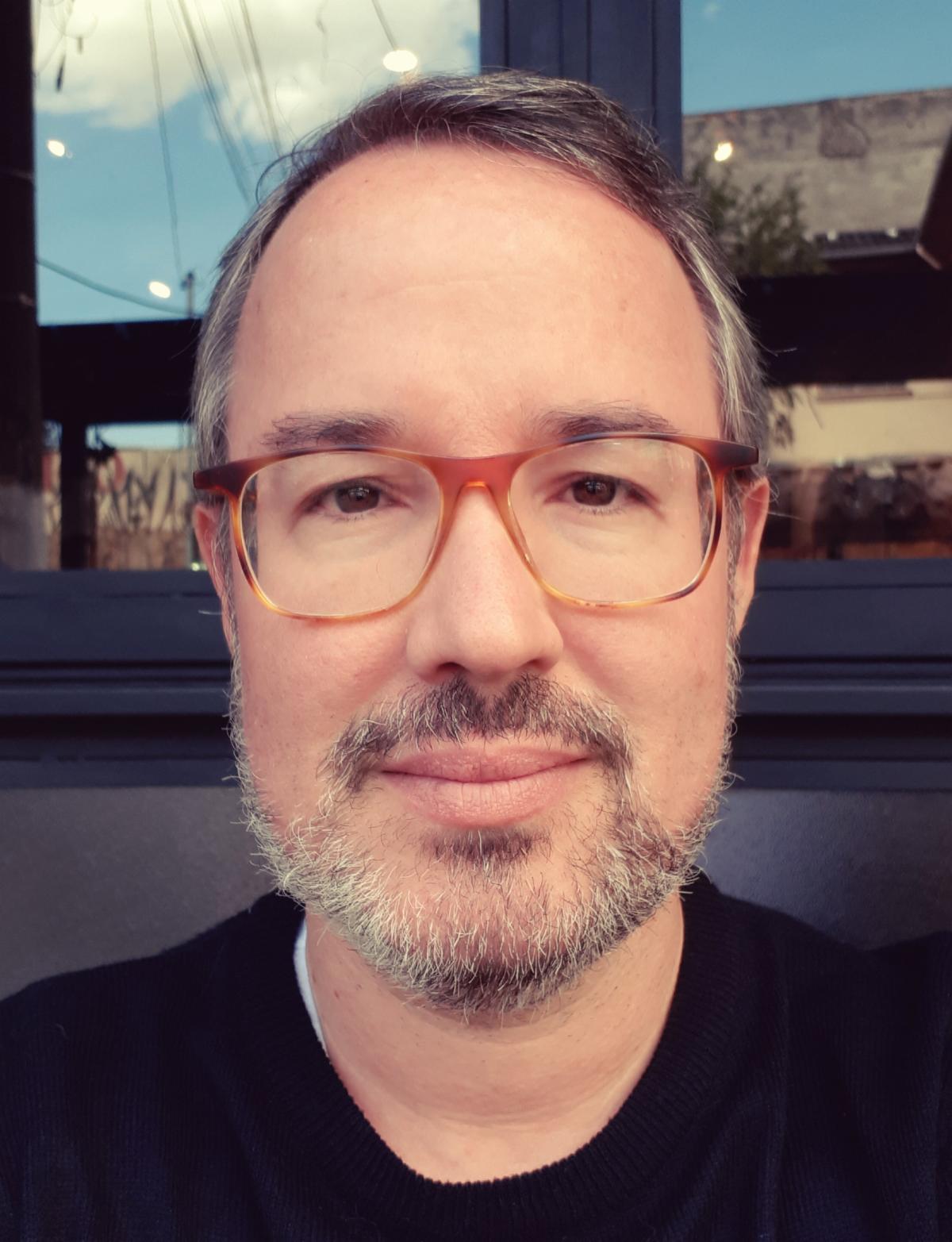
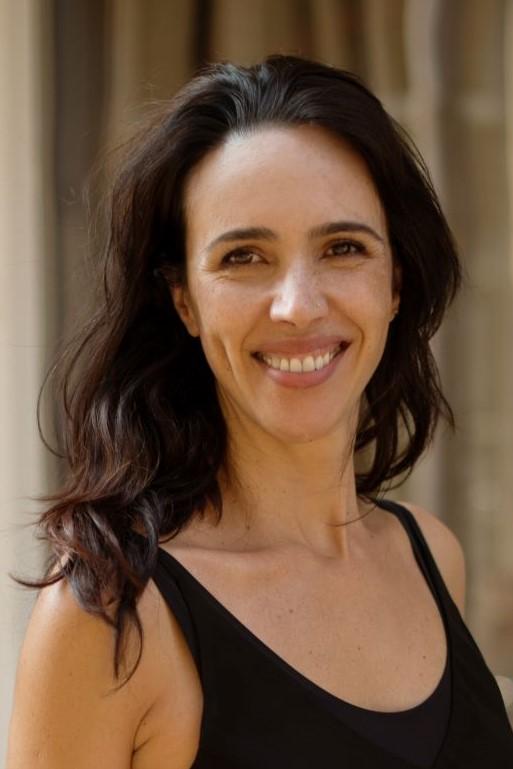
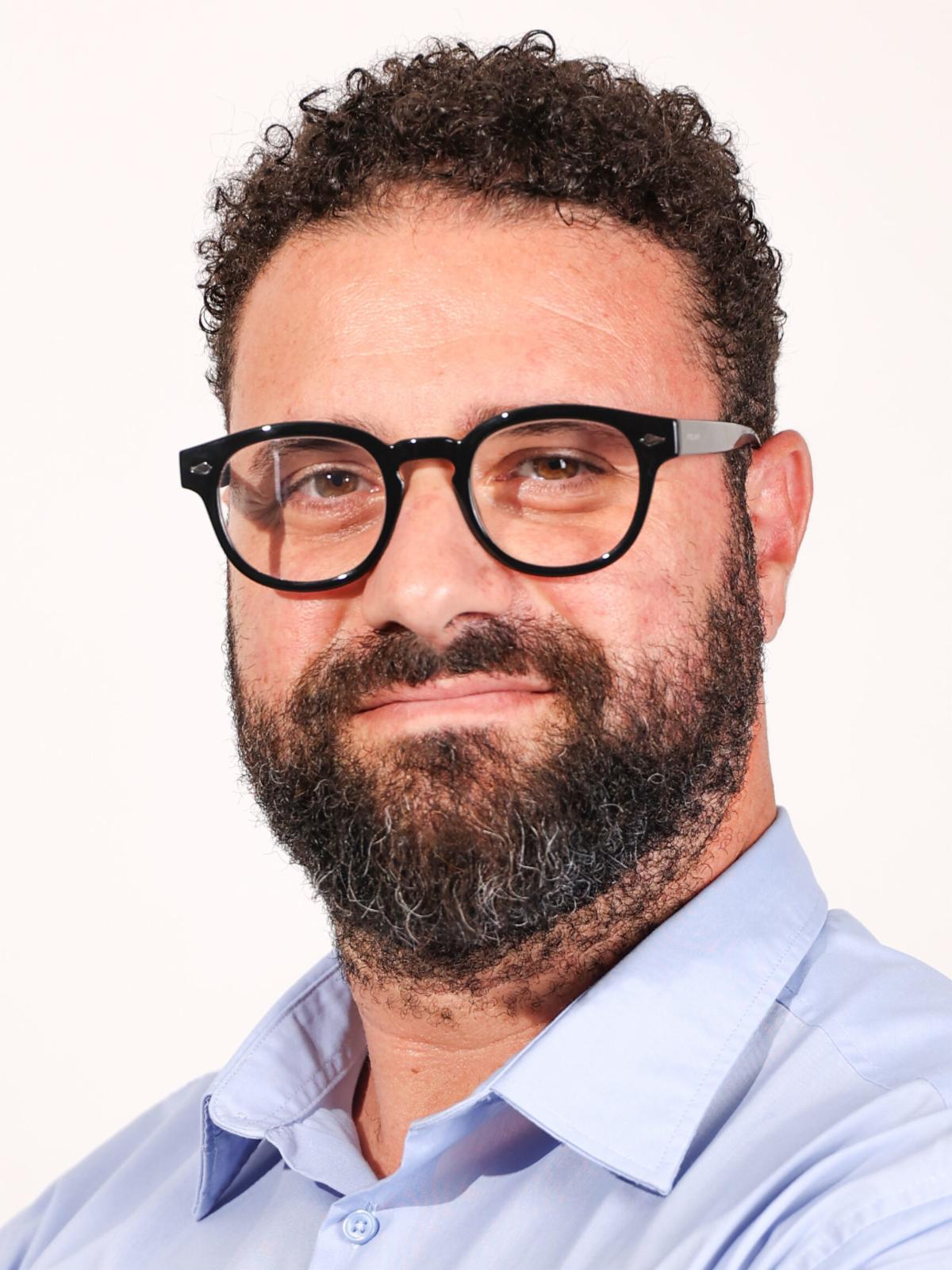
By Emerson Rasera, Taos Institute Board Member
| |
|
Many therapists are increasingly concerned about the challenges facing our world today. In the social spheres, injustices endured by minority groups, the emergence of extremist political factions, and wars in various regions threaten human well-being. Within the realm of mental health, there's a growing tendency to pathologize experiences and medicalize life, thereby narrowing the scope of human existence. These concerns have prompted therapists to contemplate their role in fostering a more equitable world.
In the field of mental health, there's a burgeoning movement advocating for practices that promote social justice. These approaches encourage therapists to challenge prevailing narratives, endorse a broader conception of therapy, analyze the contextual factors shaping individuals and their problems, and foster collaborative practices (Audet & Paré, 2018). Furthermore, there's a specific emphasis on the significance of therapeutic activism, defined as “intentionally seeking to attend to and disrupt oppressive sociopolitical contexts and processes” (Dárrigo-Patric et al., 2017, 580).
As a therapist grappling with these issues, I find these ideas both inspiring and motivating. They underscore the interconnectedness between therapeutic conversations and societal contexts, urging us to reshape narratives both within therapy sessions and in public discourse. But how can we put these ideas into practice?
In my pursuit of therapeutic activism, three key concepts have guided me. Firstly, I've endeavored to embrace a stance of "relational responsibility" (McNamee & Gergen, 1998), acknowledging my role—albeit indirect and involuntary—in perpetuating the conditions of our world. I cannot simply disengage and claim detachment. Secondly, alongside recognizing the socially constructed nature of reality and the need for critical reflection, I've invested in collective action. I believe that effecting change in our environments is more effective, fulfilling, and joyful when undertaken collaboratively. Forming alliances with fellow professionals and clients is an integral aspect of a therapist's role. Thirdly, I'm convinced that lasting transformation can be achieved by influencing institutional structures and legal frameworks. By doing so, we can impact a broader spectrum of individuals and potentially prevent the very suffering that brings many to therapy.
Throughout my professional journey, several experiences stand out. For instance, I facilitated groups for individuals living with HIV/AIDS, which culminated in the formation of an NGO advocating for their rights. I also provided supervision to psychologists assisting LGBTQ+ individuals, emphasizing the importance of professional involvement in local LGBTQ+ initiatives, such as Pride Parades. Additionally, within my workplace, I've contributed to the development of institutional policies promoting inclusion and respect for sexual diversity. Moreover, as a therapist seeing transgender clients, I've engaged in advocacy efforts to incorporate gender-affirming care protocols into public health policies targeted at this community.
In summary, these are some of the milestones in my personal journey. What other narratives of therapeutic activism have therapists crafted? I invite you to share your thoughts and experiences with our global online community, the Taos Institute Commons (free). Additionally, if you're interested in delving further into this topic, I encourage you to join the live broadcast discussion on "Therapy as a Political Act" on June 11, featuring Kenneth Gergen, Adrià Gibernau, Pedro Martins, Sheila McNamee, and myself (more details below).
|
|
In Memoriam
July 8, 1934 - May 6, 2024
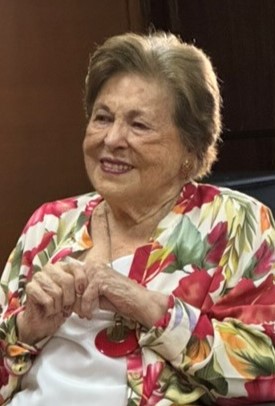
A week after a warm and joyful celebration commemorating her 90th birthday in advance, our beloved PhD, Rosa (or Rosita, to some) bid us farewell. In the Brazilian context, she was a highly regarded educator, family therapist and psychologist. She was a mentor, friend and an inspiration to many of us. Although she has passed away, her luminous legacy will endure. Several generations of students from the Pontifical Catholic University of São Paulo (PUCSP), including undergraduate, master and doctorate students, along with family and couple therapy trainees, clinical psychologists and human developmental psychologists, learned from her and were inspired by her wisdom. Rosa was a pioneer, founder of family and couple therapy training and research at PUCSP, who laid the groundwork for this field in Brazil. She published many books and articles which will remind us of her greatness for years to come. Rosa left us with many stories and warm memories. More details.
| |
|
|
Announcing 2023 Outstanding Contribution Awards!
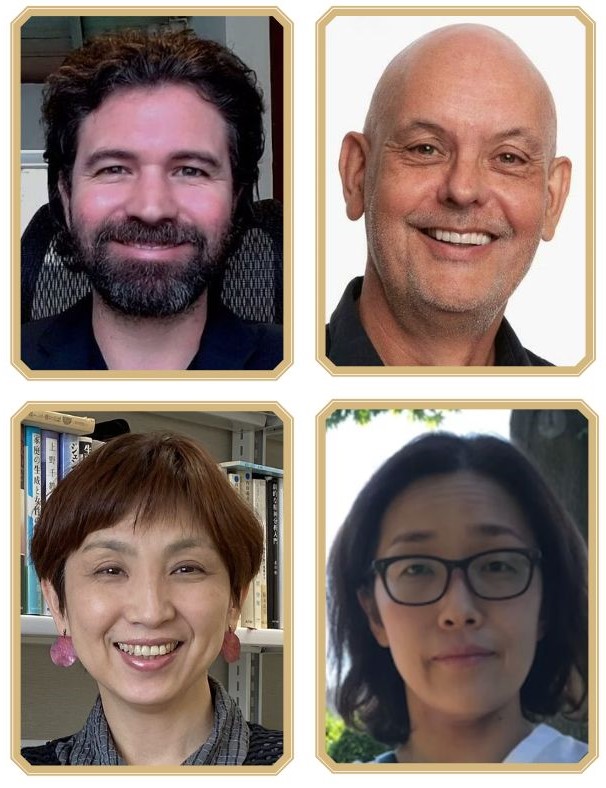
Through the years, many people have given their time, energy and resources to further the work of the Taos Institute in exploring, developing and disseminating social constructionist, relational and appreciative ideas and practices around the world. This year we are extending our deepest gratitude and presenting Outstanding Contribution Awards to the following Taos Institute Associates who have helped our ideas reach more people around the globe during the year 2023: Bruno Lenzi, Loek Schoenmakers, Terumi Sameshima and Tomoko Hashimoto Higashimura and their colleagues at Taos Institute Japan.
| |
|
September 9-October 14, 2024
Introduction to Social Construction
A 6-week online course with Celiane Camargo-Borges
This course is for students and practitioners who wish to explore how aspects of the world that are taken for granted are socially constructed, thereby opening space for alternative ways to engage in practice and with people. Whether you work in Education, Organizational Design and Leadership, Governance, Healthcare, Therapy, Community Development or you are simply looking for new ways to cope with today's complexity and fast pace of change, you will never see the world the same way.
By joining a Taos educational program, you will experience a constructionist way of being first hand! Unlike conventional content delivery and lectures, a small and diverse group comes together to co-create knowledge in an interactive, collaborative, and dialogical way so that each participant may bring social construction into their own work and life and discover the positive impact this paradigm shift has on society at large. Click here for details.
| |
"This course made me think of possible futures, on how to focus on my language and the power it has in creating new realities and relationships." | |
What's Happening in the Commons | |
Join with over 1600 members from around the world in the Taos Institute Commons online community as we explore social constructionist, relational, and appreciative theory and practices. We invite you to attend the free events in the Commons to engage in rich dialogue, share valuable resources, watch event replays, and make meaningful connections with others interested in creating more promising futures, one conversation at a time. More details here. | |
|
|
|
|
Dialogue with the Authors:
Therapy as a Political Act
On the event of two new Spanish translations
June 11, 10:00-11:30am EDT
English with simultaneous Spanish translation
With Kenneth Gergen, Adrià Gibernau, Pedro Martins,
Sheila McNamee, and Emerson Rasera
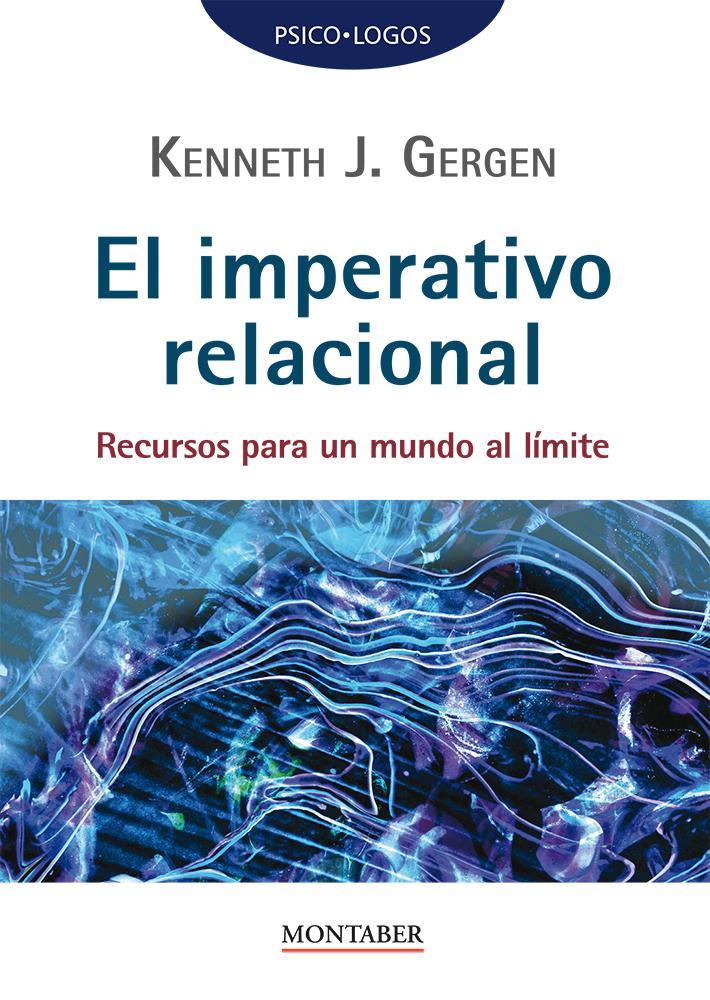
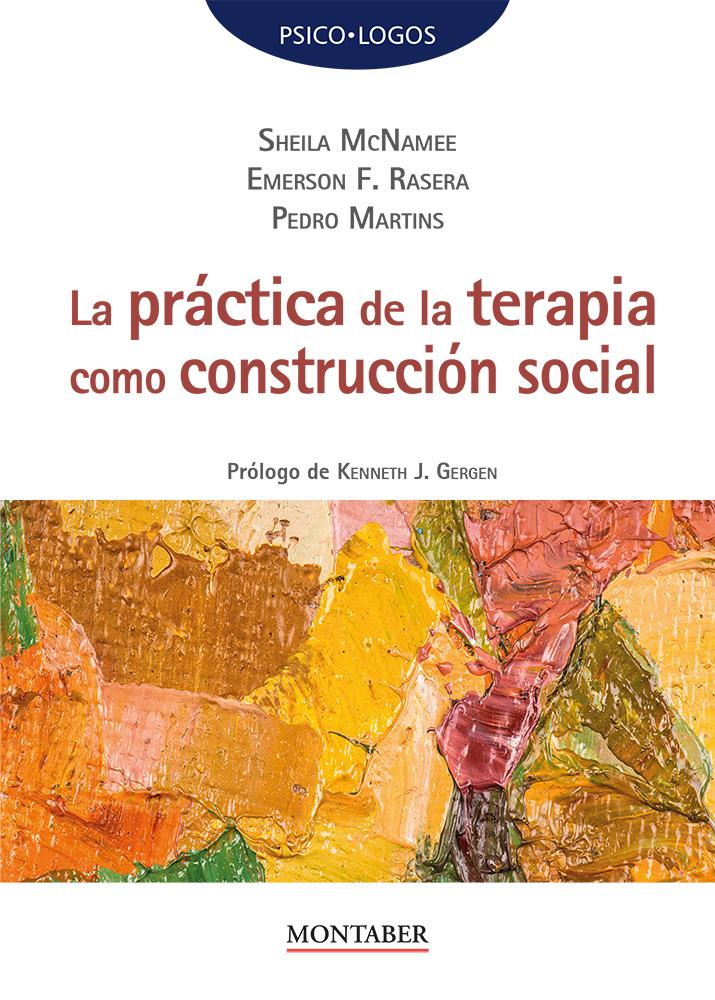
Therapeutic practice is commonly viewed as a key to restoring mental well-being. While largely avoiding issues of ideology and politics, the emerging crises - from the local and the global - require a renewed exploration of therapy's role in the political conditions of today. On the event of the Spanish translation of Ken Gergen's The Relational Imperative: Resources for a World on Edge, and Sheila McNamee, Emerson Rasera, and Pedro Martins' Practicing Therapy as Social Construction, The Taos Institute and Montaber Publishing, represented by Taos Associate Adrià Gibernau, invite you to a round-table discussion of therapy as a political act. Register here.
| | | |
|
|
|
Taos Conversation:
Community-Led Participatory Action Research
Project on Well Being in India
June 27, 10:00-11:00am EDT
Through her association with the Global Fund for Children and Avani, a grassroot level nonprofit organization in Maharashtra, India, Taos Associate Rituu B Nanda has facilitated a community-led Participatory Action Research (PAR) project on well being. Five villages have come together to address the community’s concerns following six cases of suicide in three years. Through Avani’s facilitation of Constellation’s strength-based SALT (Support/Stimulate, Appreciate, Listen/Learn/Link, Team/Transfer) approach, the community members have developed confidence to take action. Details and registration available here.
| | | |
|
|
|
Community Meet & Greet
Informal gatherings in the Taos Commons
July 9, 4:00-4:30pm EDT
Whether you are new to the Taos Institute Commons online community or already a member, we invite you to join this informal gathering to meet other Taos Institute Commons members and share stories of how you are applying (or hoping to apply) social constructionist, relational and appreciative approaches in your work and life. Stop by to say hello, we would love to meet you.
| | | |
|
|
|
Taos Conversation:
Relationships, mirrors, and narratives
An example of generative research in the anti-human trafficking system in Italy
July 17, 10:00-11:00am EDT
This Taos Conversation takes as a starting point research that was developed during Taos Associate Giacomo Chiara’s Doctoral studies. The aim was twofold: on the one hand, to co-construct relational agency narratives with trafficking survivors, and on the other hand, to help promote processes of constructing relational mirrors and alternative narratives to the victimizing one by the anti-trafficking system. Details and registration available here.
| | | |
|
A free online conversation between Michael Billig and Kenneth Gergen
June 18, 2024, 10:00-11:30am EDT
| |
Michael Billig and Kenneth Gergen have devoted their entire academic lives to rethink psychology; to understand that any perspective on psychological life is necessarily social, shaped by power relations and constituted through language. In this conversation presented by Montaber Publishing they will reflect on the reasons that led them to undertake a real academic battle to push the discipline beyond its limits. They will share the obstacles they encountered along the way and reflect on the need to continue to develop a critical gaze in the future. Orthodox psychology has many mechanisms to silence critical voices. In a dialogue moderated by Lupicinio Íñiguez from Universitat Autònoma de Barcelona, we will explore how they were overcome in the past and discuss how to continue to do so in the future. To register, click here.
| | | |
|
Mobility and Confluence:
Creating Withness Collaborative-Dialogic
Practices with Differences
June 29, 2024, 8:30pm-11:30pm EDT
To be mobile is one part of the ordinary life of the helping profession in Taiwan. In the process of being mobile, people experience the scenery of different places and also the differences between people, the differences between psychologists and interviewers, the differences between parents and children, the differences between partners engaging in conversation, the differences between institutions, and even the differences between you and me. How can collaborative dialogues be created in unfamiliar moments? How do collaborative dialogues connect people’s internal and external dialogue spaces and then transform them into the confluence of relationships? For more details, click here.
| | | |
|
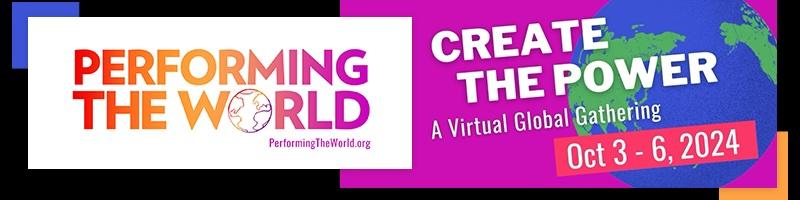
Performing the World 2024:
Create the Power
October 3-6, 2024
A question facing those of us who want to make a more humane and sustainable world is, “What happens after the demonstration (or occupation or strike or uprising)?” How do we maintain social motion, pass our values on to new generations and continue to build power at the grassroots? Much of the struggle for social justice and human development around the world has been focused on what we’re against. For decades Public Enemy’s rap classic, “Fight the Power,” has been an anthem for millions. But what can it mean and how does it shape us if we are defined primarily by our opposition, our resistance, our against-ism? What if instead of simply fighting the power, we focused on creating the power? Details of Performing the World 2024 event are available here.
| | | |
One way the Taos Institute carries out its mission to create brighter futures through social construction is by creating and disseminating a wide variety of resources for scholars, practitioners, and students interested in dialogic and relational approaches. These free resources span many disciplines and languages. To suggest a resource, email info@taosinstitute.net. | | |
|
This month's feature:
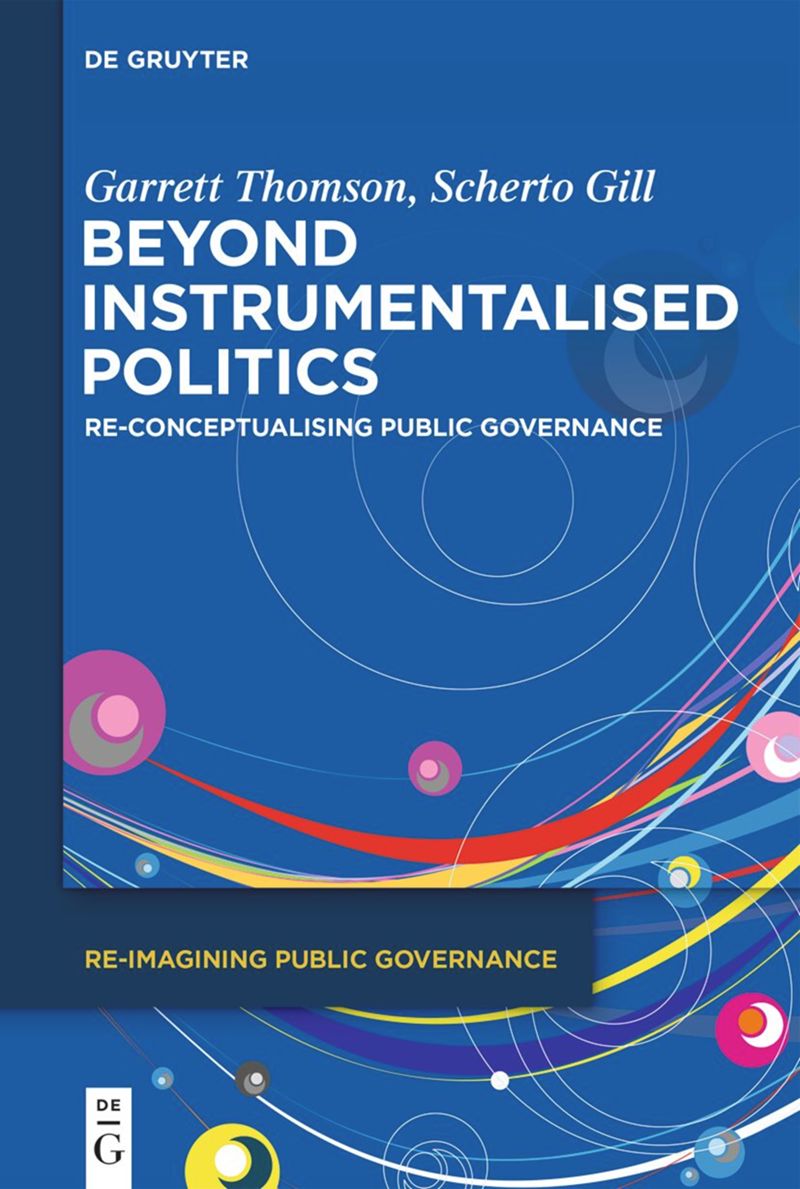
This open-access book by Garrett Thomson and Scherto Gill broadens and transforms current conceptions of governance and democracy. It not only provides conceptual support for emergent participatory democracy movements, but also meets the needs of both researchers and professionals who are interested in advancing innovative practices of governance. To download the book click here.
| | |
|
The Taos Institute is a non-profit educational organization. We strive to keep our offerings free or at low cost to make social constructionist, relational, and appreciative ideas available to as many people as possible around the globe. Please consider supporting our mission of creating brighter futures through social construction by making a donation. | | | | |