Aniin! Haho! Bozho! Shekó:lih! Posoh!

Family is more than who we live with—it’s the deep connections we share across generations, clans, and communities. In this issue, we’re honoring the tapestry of family through a tribal lens, where caregiving often includes grandparents, aunties, uncles, elders, and others who help carry our children forward with love and cultural strength.


We’re also highlighting a valuable new resource: the Oneida Nation GrandFacts Fact Sheet. This fact sheet offers insight into the Nation’s kinship caregiving programs and how recent policy changes are helping more children stay connected to their roots.


Plus, check out details for an upcoming parenting webinar based on traditional Native values, and stay in the loop with training opportunities, new resources, and how to get quick updates via text.


As always, your voice matters. Let us know what you’d like to see in future issues, or share your stories—we’re here to learn and grow together.


Let’s continue to lift one another up, one connection at a time.

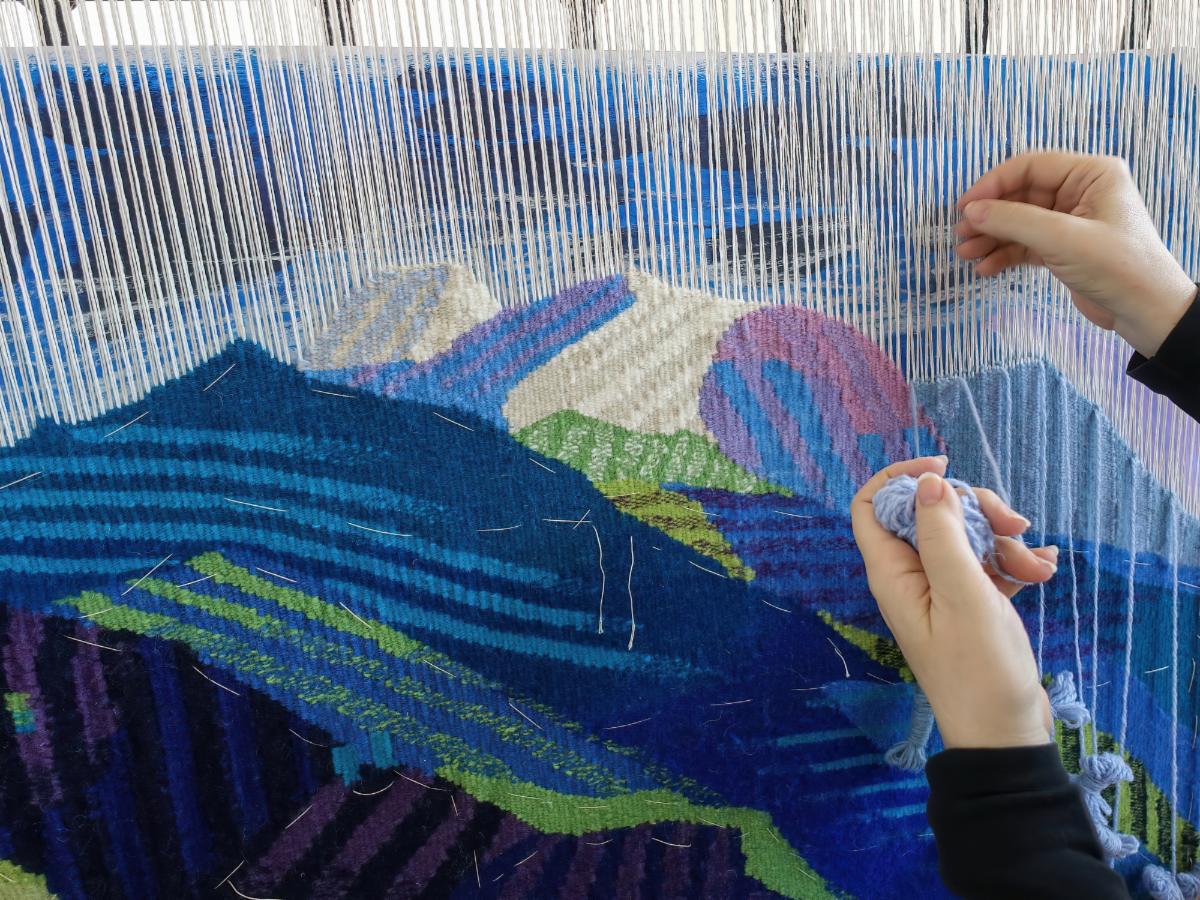
The Tapestry of Family: A Tribal Perspective

In many tribal cultures, the concept of family extends beyond the nuclear family of parents and children. For many Tribal Nations, "family" includes a large circle of relatives—such as aunts, uncles, cousins, grandparents, and community elders. These extended family members often play meaningful roles in a child’s life, contributing to a strong support system grounded in shared responsibility, connection, and tradition.


This larger family structure is often part of a "clan" or "kinship" system. It consists of a strong and vibrant support network where people share the responsibility of raising children and ensuring the community's well-being. They also work together to pass down cultural knowledge, which includes things like language, customs, traditions, rites of passage, and celebrations. Children grow up knowing they belong to a larger extended family, with many connections and responsibilities to others in their community.


Relationships & Connections Matter


  • Shared caregiving: You might notice more people than just the biological parents are involved in making decisions or caring for the child. Children may have close relationships with aunts, uncles, or grandparents who take on parenting roles.
  • Elders are teachers and guides: You might observe that elders have important roles in ceremonies, gatherings, and family decision-making, and are instrumental in passing down cultural knowledge, language, traditions, and customs.
  • Storytelling as tradition: Storytelling is central in many tribal cultures and is a powerful way in which history, values, and life lessons are shared across generations.
  • Community engagement: Tribal events and gatherings are often deeply important for maintaining cultural connections and participating in tribal traditions.


Matrilineal vs. Patrilineal Families: Understanding Family Identities


It's also helpful to know that tribal communities have different ways of organizing their family systems.


  • Some tribes are matrilineal. This means that family history and lineage are traced through the mother's side. In these communities, women often have important leadership roles, and a child's primary clan identity comes from their mother's family.
  • Other tribes are patrilineal. This means that family history is traced through the father's side. In these communities, the father's family has a central role in a child's identity and cultural education.


Disclaimer: It's extremely important to remember that each of the Tribal Nations that reside in Wisconsin has its own distinct cultural practices, traditions, and definitions of family. This information is intended as a general overview and may not apply to every Tribal Nation or individual family. Additionally, it is essential for foster parents and caregivers to know that each nation is a sovereign entity with its own unique culture, government, and resources.


Deepening Your Awareness about Family and Culture


  • Improving communication with tribal families: Recognizing the broader definition of "family" and the role of kinship systems can help you build stronger, more respectful relationships.
  • Supporting a child's cultural identity: By understanding the importance and significance of a child’s extended family, you can help children maintain vital connections to their heritage and identity.
  • Increasing knowledge and awareness of family dynamics: Knowing about matrilineal or patrilineal systems can provide insight into family structures and relationships you might observe.


Ultimately, understanding the broader circle of family and the importance of kinship is a powerful first step toward supporting a child’s cultural identity. When you take the time to learn about a child’s specific tribal nation, you are helping to build a bridge to their tribal community and cultural heritage. In doing so, you help support their sense of identity and belonging, which is deeply valued in tribal communities.


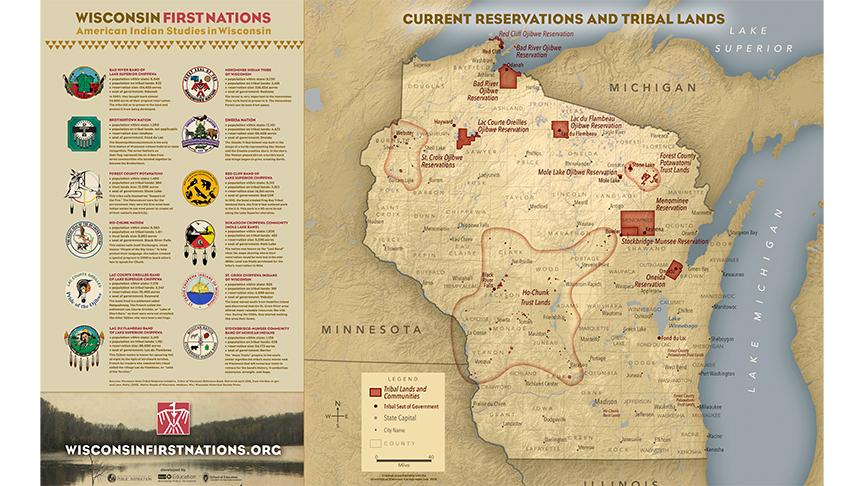
In the column to the right are links to Tribal Nations residing in Wisconsin. We encourage caregivers of tribal children to visit the websites to learn more about the specific nation the child in your care is a member of.

Tribal Nations Headquartered in Wisconsin

Chippewa (Ojibwe) Nations


Additional Nations

Resource Highlight:

GrandFacts: The Oneida Nation Fact Sheet for Kinship/Grandfamilies

A new fact sheet offers insights into the unique programs and services the Oneida Nation of Wisconsin provides to support kinship caregivers—relatives who step in to care for children when parents are unable to. It highlights both national trends and local data, showing how Native communities like the Oneida Nation are leading efforts to keep children connected to family and culture. With recent state policy changes expanding who qualifies as a relative caregiver, the Nation expects even more children to remain in familiar, supportive homes. This resource is part of a larger GrandFacts series that provides information for every state and Washington, D.C.

Upcoming Tribal Training

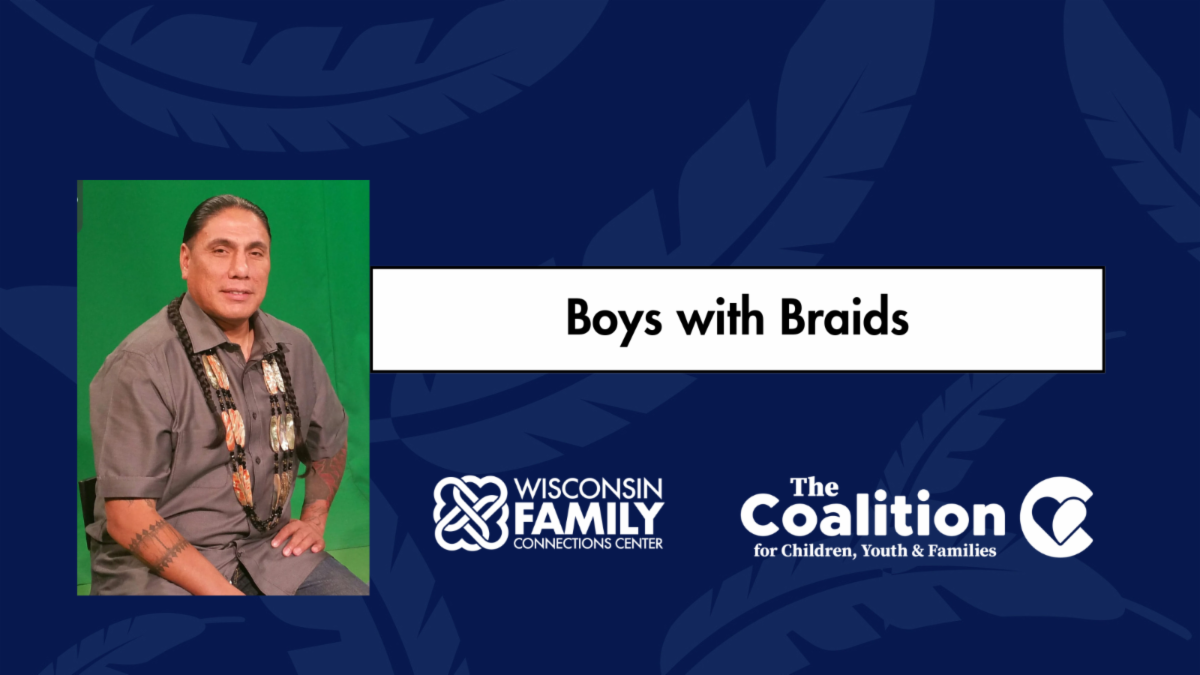
Boys with Braids


The Boys With Braids webinar raises awareness about the cultural and spiritual significance of braids for Native boys and men. It highlights the importance of identity, resilience, and cultural pride while addressing stereotypes and promoting understanding among families, schools, and communities. Through storytelling and education, the presentation fosters respect for traditional practices and encourages positive self-identity for Native youth.


Presented by: Michael Duncan – Founder & CEO, Native Dads Network

Michael Duncan is an enrolled member of the Round Valley Indian Tribes with Maidu, Wailaki, Wintun, and Western Band Shoshone heritage. He is the founder and Chief Executive Officer of Native Dads Network Inc., a 501(c)(3) nonprofit organization established in 2014 to support the healing and empowerment of Native fathers, families, and communities.


Licensed foster parents will receive 1.5 training credits for participation in this webinar. Each individual participant must register separately to receive credit.

Recorded Tribal Trainings

Click on the links below to access the recently added recorded tribal trainings and/or to register for an upcoming tribal webinar via the Wisconsin Family Connections Center Classroom on Champion Classrooms.


The Wisconsin Family Connections Center website has a calendar of training opportunities, conferences, family fun events, and more.


If you need technical assistance navigating the website and would like to connect directly with a member of our Resource Team to ask questions or to learn about additional resources, e-mail us or call our toll-free number at 1-800-762-8063.


Text Alerts Now Available!


Almost everyone has a preferred method of communication. For those who like texting, that option is now available. If you sign up for our text option, you will receive 2-3 texts a week to keep you informed on our latest offerings, such as:


  • New webinars, training events, and courses
  • New publications and other resources
  • Special events

We Value Your Input!


While we continue to collaborate with various partners in tribal communities to gather their insights for these newsletters, your feedback remains crucial in shaping their future direction. We warmly invite you to share your thoughts and suggestions on the topics, stories, or features you’d like to see in upcoming issues. Together, we can create a newsletter that genuinely reflects the interests and needs of tribal communities in Wisconsin, ensuring caregivers of Native children and the general public stay informed.


Please send your feedback to the Wisconsin Family Connections Center at info@wisconsinfamilyconnectionscenter.org or call us at 1-800-762-8063.


Thank you!

Wisconsin Family Connections Center

1-800-762-8063

info@wifamilyconnectionscenter.org

wifamilyconnectionscenter.org


All newsletter emails from the Wisconsin Family Connections Center are facilitated by the Coalition for Children, Youth & Families.


Facebook  Instagram  LinkedIn  YouTube