Fall 2025 The Teaching Inquirer Issue 1 | | Because every student deserves good teaching | | by Alison Barton, CTE Director | | |
Welcome to our instructors, new and experienced, as we begin this academic year! The CTE is delighted to bring you another year of programming, including some new directions and initiatives.
Increasingly, universities are recognizing the importance of individuals’ wellbeing for institutional effectiveness. We are therefore pleased to announce our focus, beginning this year, on pedagogical wellness – an emphasis on the wellness of students, instructors, their relationships, and the classroom environment so that everyone operates with higher levels of energy and enthusiasm. Check out our Foundations of Wellness, Instructor Wellness, and Student Wellness series that are intentionally designed to address pedagogical wellness.
| | |
We are also beginning new initiatives around Faculty Teaching Cohorts and New Faculty Mentoring Groups – ways to connect with a few others around teaching, but on your own schedules and with some light meal support for your group at the CTE. Look for more about these initiatives in this newsletter and on our website.
In addition to smaller cohorts focused on teaching, we are happy to come do a workshop with your department or college on a teaching topic of your choosing. Please reach out to me if you have an interest in this possibility.
And of course, we cannot disregard the influence Generative Artificial Intelligence (GenAI) is having on our teaching and our students’ learning. We continue to have programming to address the several sticky facets of GenAI, including a special, half-day afternoon event on October 8 at the Carnegie: Generating AI Solutions.
We’ll be acknowledging our newest CTE attendees this year, so sign up for whatever works best in your schedule. We hope to see you this semester, so we can share with you the joy of teaching!
| | by Phil Smith, CTE Asst. Director | | |
Last semester, I had an open conversation with students in my First Year Experience course about how they use generative AI in their daily lives and in school. Even though some of their responses reflected the kinds of concerns we often hear about regarding shortcuts or over-reliance, I came away from the discussion with a more nuanced and hopeful perspective.
One student’s comment especially stood out to me. To paraphrase, “We don’t really use it as much for classes in our major, because we know we have to figure that stuff out on our own.” I feel this reflects a sense of responsibility and self-awareness that often gets overlooked in public conversations about students and AI. This aligns with a recent article in the teaching section of The Chronicle of Higher Education, based on reflections from more than 100 college students across the country. Their responses varied, but many showed thoughtful, intentional choices about when and how they use AI. Rather than a blanket embrace or rejection, students described navigating these tools based on context, goals, and their own values.
It would be easy to assume students don’t care about learning when we see signs of misuse or confusion. But in both surveys and conversation, I’ve found that students are just as conflicted as we are. They wonder what AI might do to their creativity and critical thinking. They’re aware of bias, misinformation, and even the environmental costs of large-scale computing.
What I hear is not all apathy and distracted indifference. It is also thoughtful experimentation and a desire to learn well and keep up in a changing world.
| | by Phil Smith, CTE Asst. Director | | | |
|
Start of the Semester Checklist
Students often start preparing well before the first day of class—and they appreciate early access to course info. Even if everything isn’t ready, a few simple steps can go a long way in helping them feel welcomed and prepared.
- Open the D2L shell early, even if just to post a draft syllabus and welcome note
- Share a course schedule, even if it’s a rough outline
- Prepare an inviting syllabus that encourages student success
- Send a friendly welcome email that reflects your personality and enthusiasm
- Let students know how to access or purchase course materials, with cost transparency
These small actions send a big message: You care about your students and want them to start strong.
| | Out and About: Updates on Community-Engaged Learning | | by Scott Jenkinson, CEL Faculty Fellow | | |
Community-Engaged Learning (CEL) at ETSU continues to flourish and grow as we move into the 3rd year of exploring this high impact teaching practice.
Our faculty and students have engaged in a wide range of experiential learning during these opportunities to link theory to practice by connecting meaningfully with community partners in our region and beyond.
As we look toward the upcoming semester more and more faculty are interested in making CEL connections in their courses. If you are interested to find out more check out the upcoming events on the Office of Community Engagement website:
CEL Website
| | Roundup: General Education Scholars' Institute 2025 | | by Alison Barton, CTE Director | | |
We had another lively and successful summer institute with several dedicated instructors (Scholars) from across the university attending to learn about high-impact instructional practices that help to create “cultures of thinking” in their classrooms!
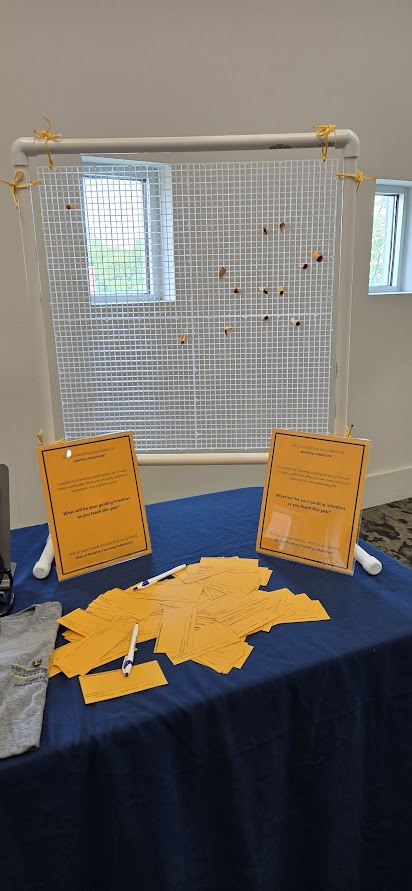
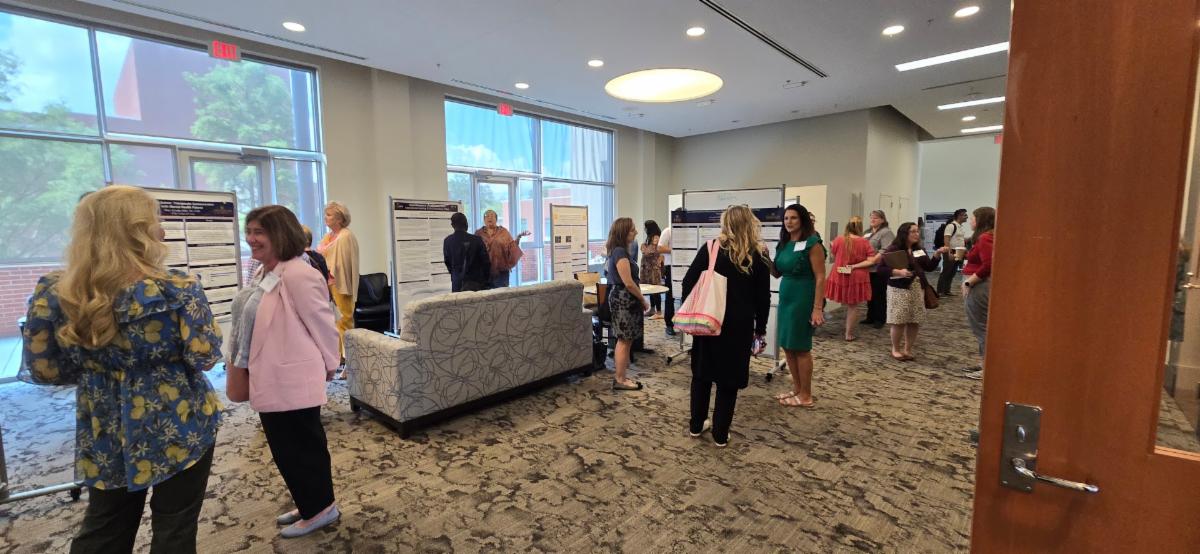
Spirits and energy remained high over 4 in-person days and 2 online days of exploring multiple instructional strategies, while also exploring the dimensions that lead to cultures of thinking. Our GEII Scholars showcased their new teaching plans at our CHIIPs Tabling Session; watch for their follow-up insights when we reconvene for our Micro-CHIIPs online conference in January.
We are so proud of our Scholars and their dedication to teaching excellence!
| | Join us for our Fall 2025 Book Club! | | |
This Fall we are following up on our theme of embodied learning from CHIIPs with keynote speaker Susan Hrach's book Minding Bodies: How Physical Space, Sensation, and Movement Affect Learning.
Friday, September 19
3:00 – 4:00
CTE Faculty Lounge
Snacks, sweets, coffee
Copies available for check-out from the CTE library holdings.
|
| ETSU SoTL Scholars Co-ops | |
“SoTL” stands for Scholarship of Teaching and Learning, a field of study dedicated to studying best practices for teaching and learning in higher education. Our SoTL Scholar Co-ops have been busy this past spring, designing and getting IRB approval for their research projects that will begin in earnest this fall!
Our faculty SoTL Scholars (Amanda Banks, Lisa Dunkley, Brittany Wilkins, Md Rasheduzzaman, and Kimberly Tweedale [lead]) are investigating how Kolb's four-stage experiential learning methods, combined with strengths-based reflections, impact students’ confidence, motivation to learn, and growing competence in the subject.
Our additional Graduate SoTL Scholars Co-op (Jess Templeton, Tiffany Bonnagio, Ashley Shook, Norbert Ogar, and faculty lead Laura Trull) was formed because of the persistence of some members to gain research experience in the SoTL field. This co-op has IRB approval and are submitting modifications for their study, Improving Motivational Climate Through Trauma-Informed Teaching, so that they are ready to launch this fall.
Watch for our Exceptional Teaching: Get Inspired! event, Spring 2026, where our SoTL Scholars will share their studies’ details and any preliminary results they’ve been able to uncover by the event!
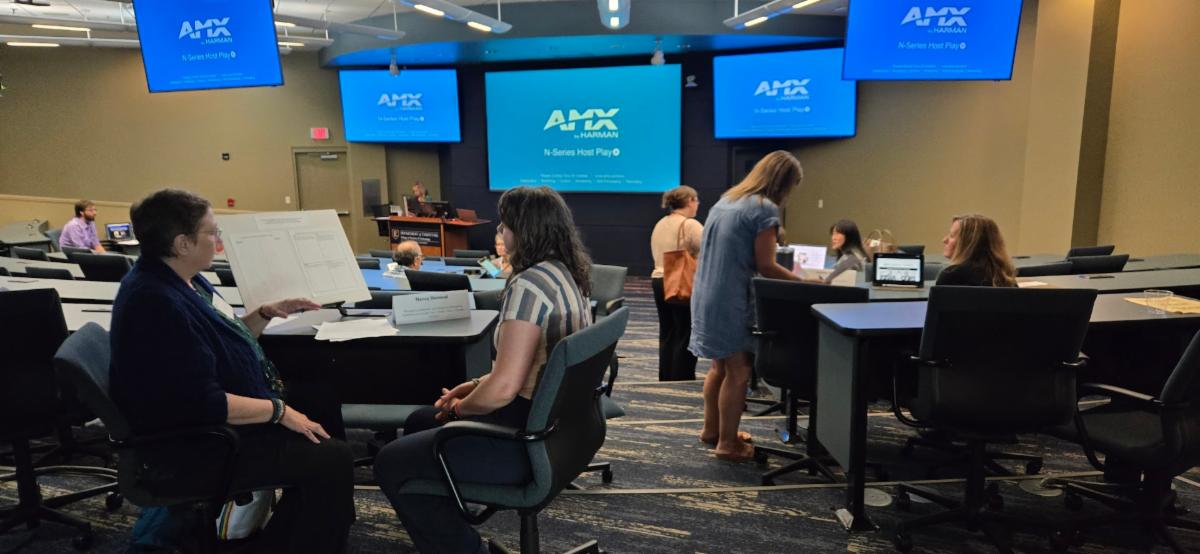
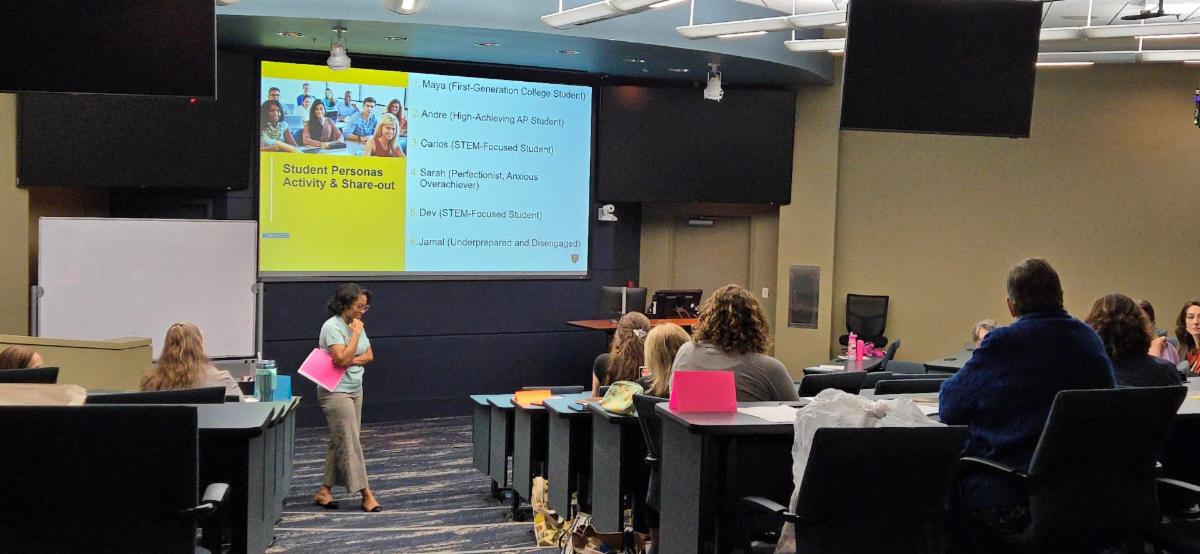
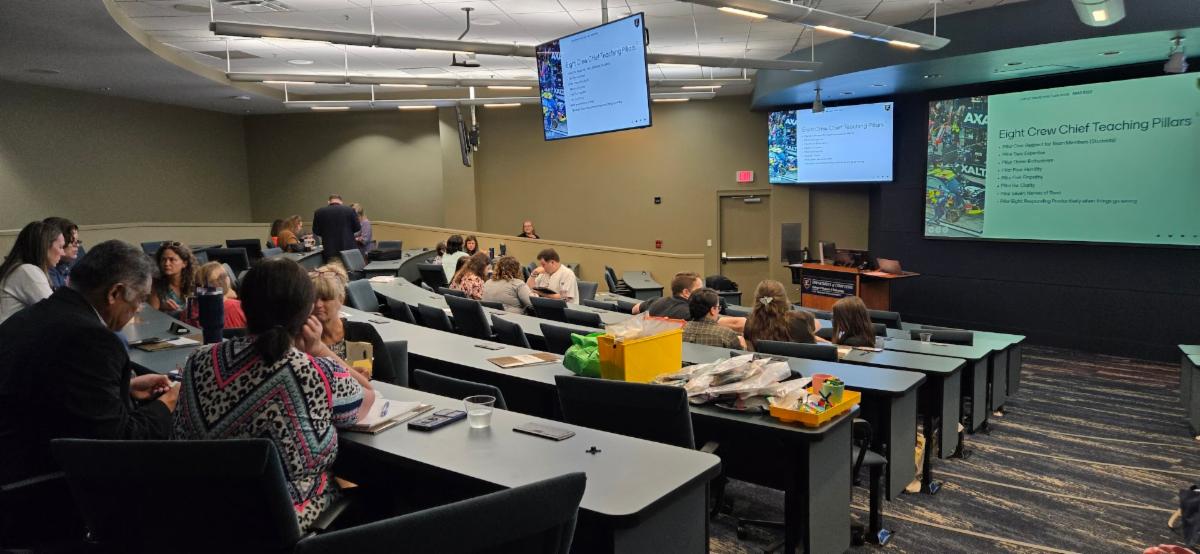
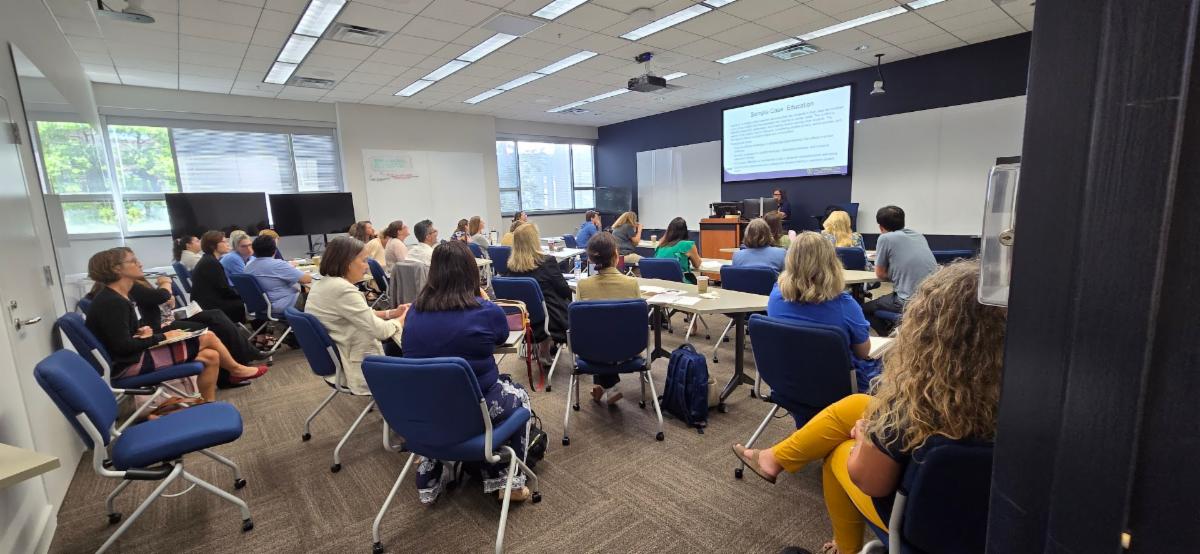
| | Are YOU working on a SoTL project? Join our SoTL Writing Group to carve out some dedicated writing and processing time (or consult with us on your project)! | | On August 6, 2025, over 130 folks from ETSU and the region joined us for an active day of learning about teaching in higher education! | | |
|  | |
Susan Epps, CTE Faculty Associate
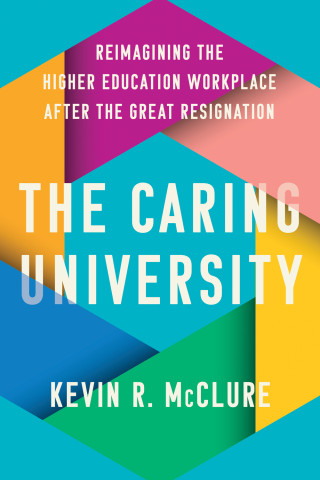
I’m a big fan of Chip and Dan Heath and Dan has written another book that came at just the right time! Although it’s probably more relevant for business and healthcare settings, Reset: How to Change What’s Not Working has made me re-think some of what I am doing and how I’m doing it. He does use a setting so appropriate to our work in higher education in describing a meeting to do something that should take about 40 hours – only instead of just knocking out the work in 40 hours (a week or so), we can drag things out over time and end up spending three times that much by the time we’re done – and that can be demoralizing and unmotivating. He writes about how a “burst” of work can be motivating to getting things done. I need to go focus now and get a burst of work done!
| | | |
Phil Smith, CTE Asst. Director
I'd like to share this brief article that cut through the fog of media I have been consuming about that thing on many teacher's minds, generative artificial intelligence in the classroom. "Six shifts in language that may help educators and students with generative AI" by Danny Liu.
In it, he suggests ways to re-frame how we think and talk about AI in education. Overall, he argues we should move from thinking us-vs-AI or how do we keep it out of our classes, to ways we can work constructively with it. For example, the first point is: From "AI can never do X" or "X is uniquely human" to "we will always value humans doing X". Not so long ago we may have thought otherwise, but AI can be used to generate valuable feedback. However, students will always value authentic feedback right from the mouths and pens of their instructors.
Little shifts in perspective like this can perhaps help us discern when it is most useful and appropriate to use AI (giving feedback to a large number of students quickly) and when we may need to step in ourselves (when a student emails with a specific question).
| | | Find all kinds of teaching books for check-out in our CTE Teaching Collection - Room 441 Sherrod Library! | | | | |