Spring 2024 The Teaching Inquirer Issue 2 | |
Because every student deserves good teaching | |
We Had an Exceptional Time! | |
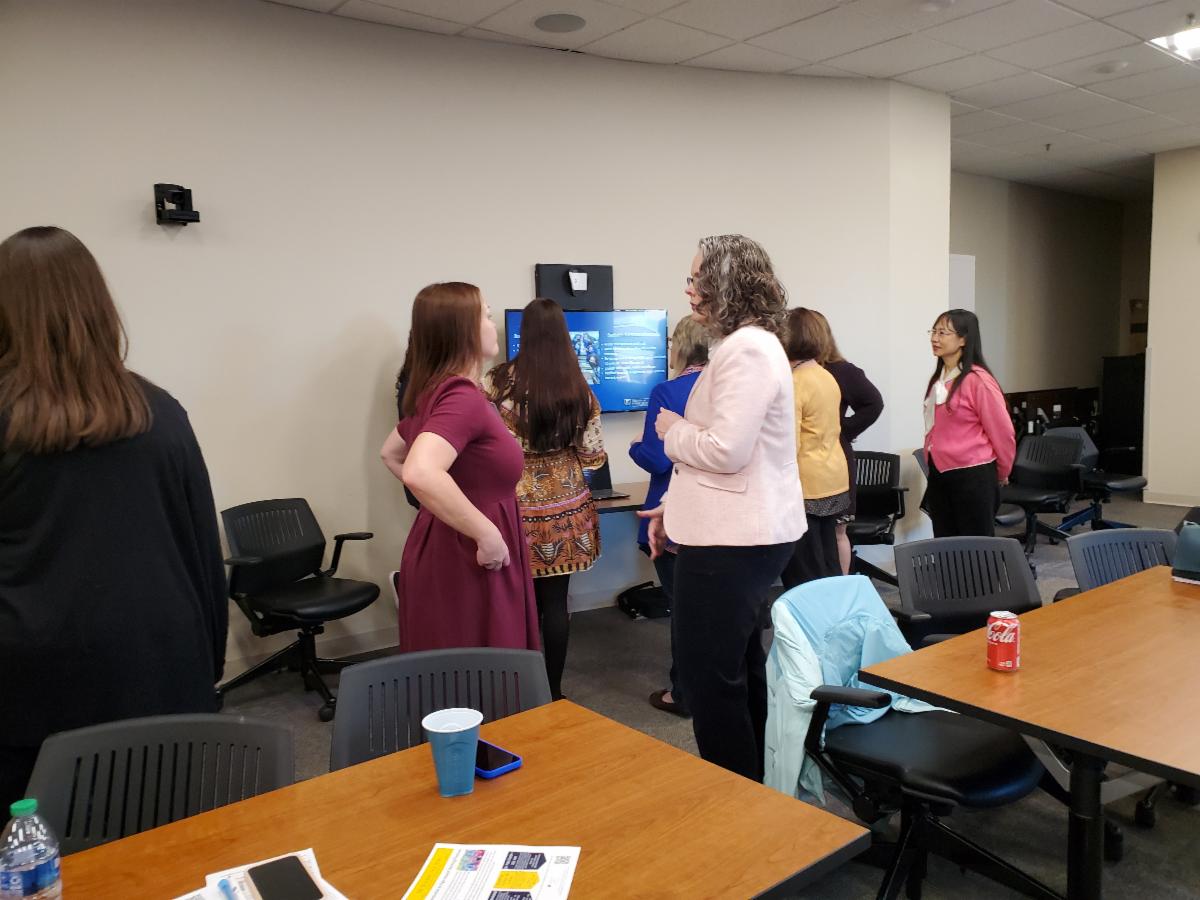
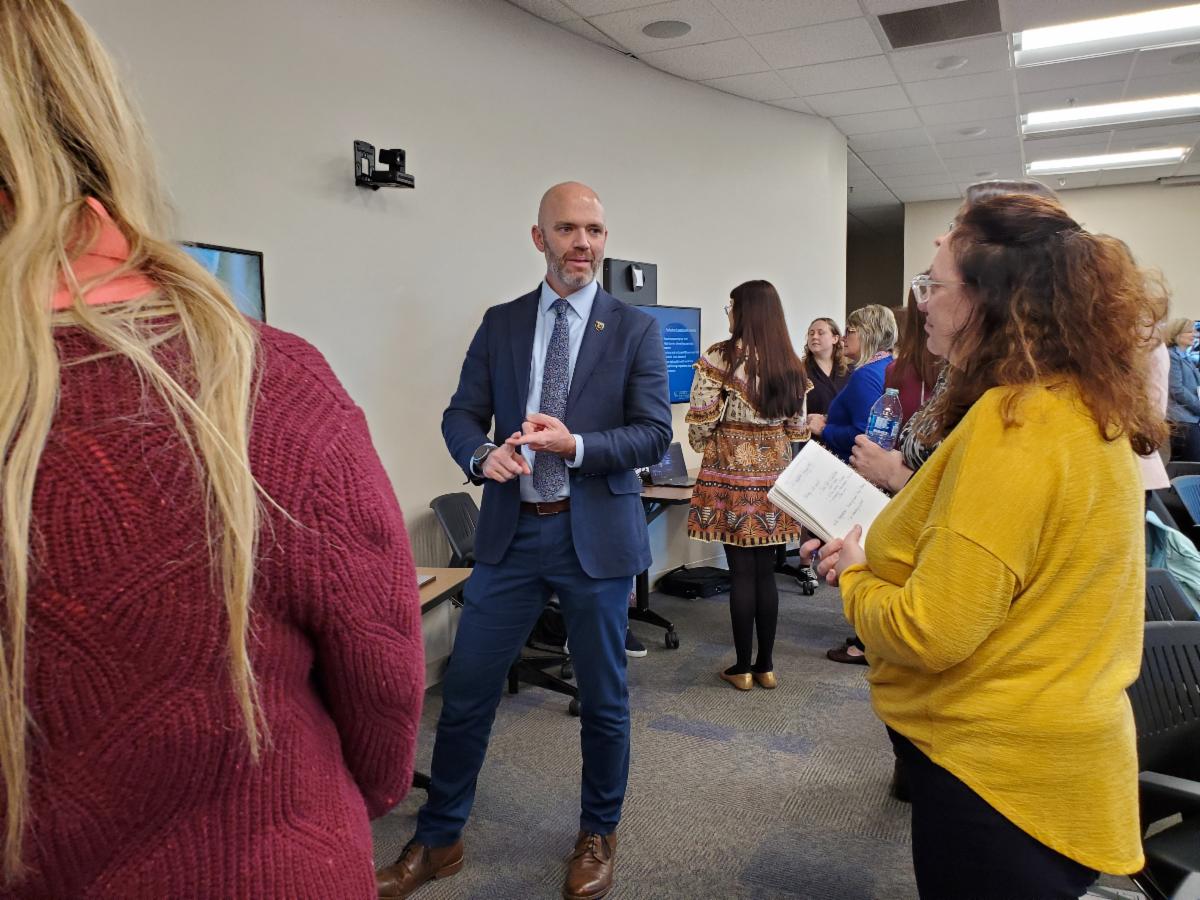
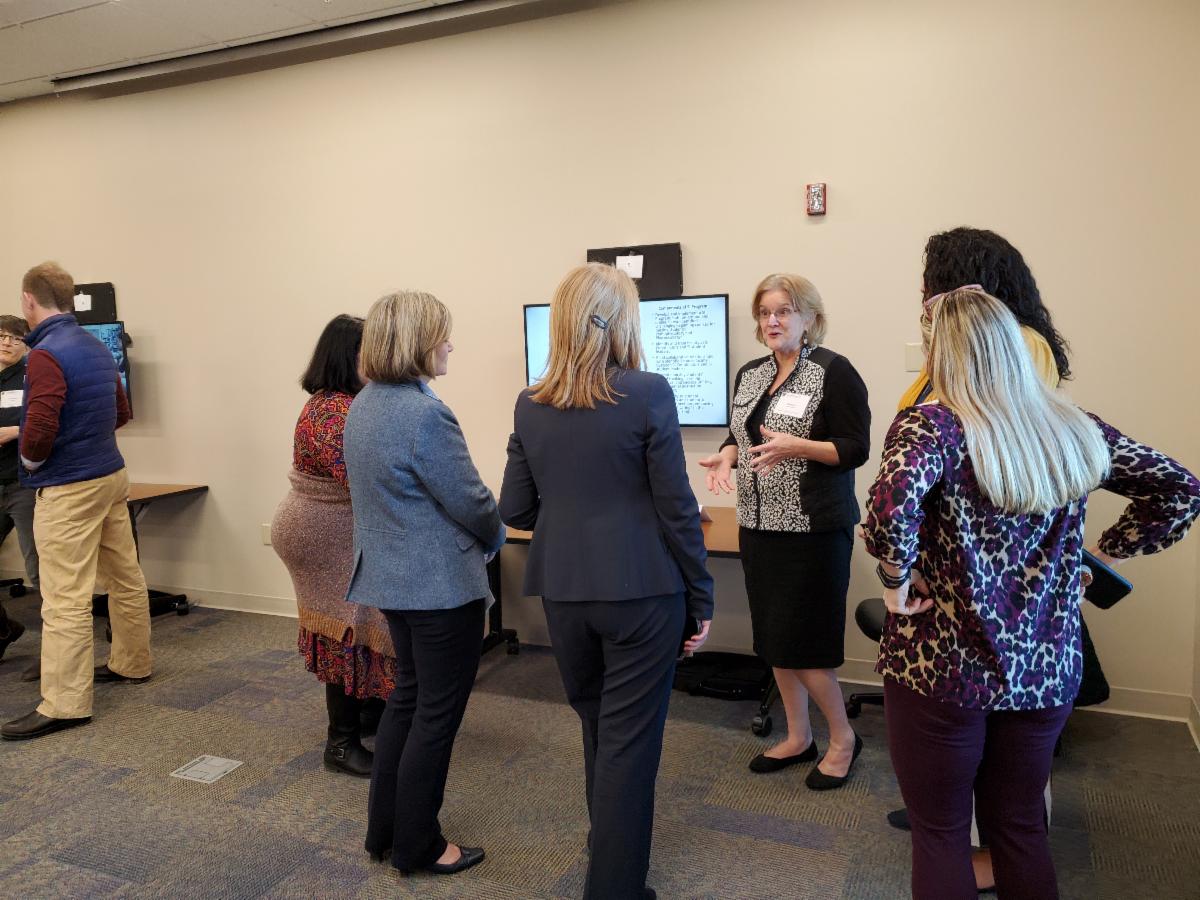
Our Exceptional Teaching: Get Inspired inaugural event was a wonderful and successful gathering of leaders – those at the university and those in our classrooms. Provost McCorkle and Dr. Karin Keith, Associate Provost for Faculty, kicked us off by praising instructors for their dedication and encouraging us to continue learning about and adapting our instruction. Dr. Jessica Burchette inspired us with her wisdom about remembering the humanity of our students. We had two terrific rounds of “digital poster” sessions, where our College Teaching Award winners and our Instructional Development Grant awardees from 2023-2024 shared their tips or innovations. The event got a lot of positive reviews – so watch for it early next Spring, too, as we bring you our latest innovators and classroom leaders! | | |
|
Presented by CTE affiliate, Dr. Jennifer Adler, Can You See It? Using the Zaltman Elicitation Technique (ZMET) in Teaching and Learning, will explore the power and possibilities of metaphor-informed practices in the classroom.
March 27
Wednesday | 10:00 – 11:30
433 Sherrod Library
| |  |
SAI - Huh! What is it good for? Surprisingly quite a bit! | Come discover what you can learn from student feedback on the Student Assessment of Instruction feedback instrument. | |
April 3
Wednesday | 2:30 – 4:00
433 Sherrod
| | |
Will we really need the textbook? | |
|
Students are always learning. When it comes to expensive textbooks or access codes, they quickly discern whether they will actually need them to pass the course. One study found the average student will purchase at least 2 or 3 textbooks they never end up using over the course of earning their degree. For a student on a tight budget, this experience can be enough to make them risk not buying course materials in the future, to the detriment of their academic performance.
| |
|
One thing instructors can do to ensure full access to course materials is to explore Open and Affordable options, such as Open Educational Resources (OERs) or library e-textbooks. These are free or low-cost, high-quality textbooks and other course materials. Such resources are becoming increasingly available all the time, but even if OER is not an option for your classes, one thing instructors can do is be transparent about the need and value of the textbooks students do need to purchase. How will this potentially expensive resource be essential to their learning in the course? Have a conversation with students about why you require the textbooks and online platforms you do. Put a note about it in the syllabus. Students may not like the price tag, but if they see the use and value it will have, they will appreciate knowing why it is worth the purchase.
| |
+1 Teaching: Get Comfortable Being Uncomfortable | |
|
Teaching excellence is a part of all the conversations I have in my world as I strive to bring excellence to my students in all that I do! I have found that the opportunity for student networking is key to their success. Involving community partners, assigning activities that relate to real-world scenarios, and assigning projects that are true to what students will see in their field will yield more comfort to students as they navigate their career.
One reward I see relating to teaching excellence is when students return back as alumni and inform me how grateful they were of how well the various assignments, activities, and projects prepared them for the actual work they will be doing in the field. I have multiple students comment during their internships or in their careers that the tools they learned in my classes are the exact tools they are using in their field. This translated into them feeling more confident and acting as a contributing member of the work they are doing, rather than being just observers as they begin their journey. My motto to my students is always two things: "In a world where you can be anything, be yourself," AND "Get comfortable being uncomfortable." Students have reported that the situations where they weren't the most comfortable challenged them and helped them to push themselves toward excellence.
As a result, this transitioned into great success for them. What a rewarding feeling it is to know the things I am teaching are beneficial - and it's a great pulse check for me as an instructor to keep pushing with the same approach. I am honored to be a small contribution to students' lives as they prepare for their next big step.
CTE Affiliate, Whitney Oliver
| |
New Faculty Fellow Search | |
Our Faculty Fellow role comes with term limits, and so at the end of June, we must sadly say farewell to Dr. Patrick Brown, who has been a significant source of support to our Center in his role as CTE Faculty Fellow over the last 4 years. (Dr. Brown will not entirely disappear! He will continue to support our Center as a Senior Affiliate.)
We are nevertheless excited to announce a search for a new CTE Faculty Fellow. We are seeking someone who already has some knowledge of good teaching practices and workshop leadership but is willing to learn much more! Please see our announcement in eJobs; applications will be accepted through March 29 and interviews will be held in April.
| |
Seeking New Affiliates and Associates | As we head into March and April, we are pleased to once again reopen the application process for interested CTE Affiliates and Associates. CTE Affiliates provide focused support to the CTE, choosing from a variety of service tasks; we honor our Affiliates with social events, letters of thanks, and posting of their position for the year on our website. Our Associates are selected through a juried process, provide a greater number of hours of support, and attend staff meetings for the year. Associates receive all the same perks as Affiliates, plus a very modest honorarium. We will be filling one Associate spot for the 2024-2025 academic year. Learn more about Affiliates and Associates – including application deadlines – on our webpage! | |
|
Susan Epps, CTE Faculty Associate
Student Perspectives on Generative AI by Emily Pitts Donahoe, Unmaking the Grade blog
&
Busting the System Myth by Robert Talbert, Grading for Growth blog
As a fan and practitioner of ungrading, these recent articles got my attention because 1) there is so much angst and hullabaloo about students using AI, and 2) the assumptions that to use alternative grading (including ungrading) practices, one has to do all or nothing. On the surface, the article on AI didn’t seem to fit with the ungrading theme of the blog, but surprise! It IS related. In a nutshell, ungrading (and other alternative grading practices) focus on learning rather than on grades. Donahoe notes that because her students are revising papers without penalties, there is little pressure to do something perfectly the first time. Many of us probably use Grammarly ourselves (I’m an English major and I use it!), so why not encourage our students to use it as a tool to help them see where their grammar and sentence structure errors are so they can correct them (and learn from them). Donahoe also noted that her students use ChatGPT to help brainstorm ideas or to clarify instructions for things they aren’t familiar with (but might be afraid to ask about in front of other students).
In "Busting the System Myth," Talbert argues that you don’t have to go all-in on alternative grading practices, that you can start small with a single assignment, and that you don’t have to wait for the entire grading system to change across your institution. While I agree with him that we would do well to make major changes in how we view grades and grading, if we wait until that happens wholesale, we miss opportunities to make small changes that could impact our students’ views of grades and learning.
Note: I used Grammarly on this!
| | |
|
Patrick Brown, CTE Faculty Fellow
Resources for Large Courses
Lately I’ve been focused on how I can make my large (100+ students) classes more equitable and ensure that all voices are heard. The University of Michigan has put together an online toolkit with tons of resources for faculty who teach large classes. Their website contains resource guides that provide readings, instructional materials, and general strategies to help large course instructors improve their approach to promoting equity in their classes. They also have more practical activity guides with concrete activities that can be employed in class to promote equity in the classroom. I am looking forward to learning more about using these tools to promote a more equitable and inclusive environment in my large enrollment courses.
| | |
|
Phil Smith, Assistant Director, CTE
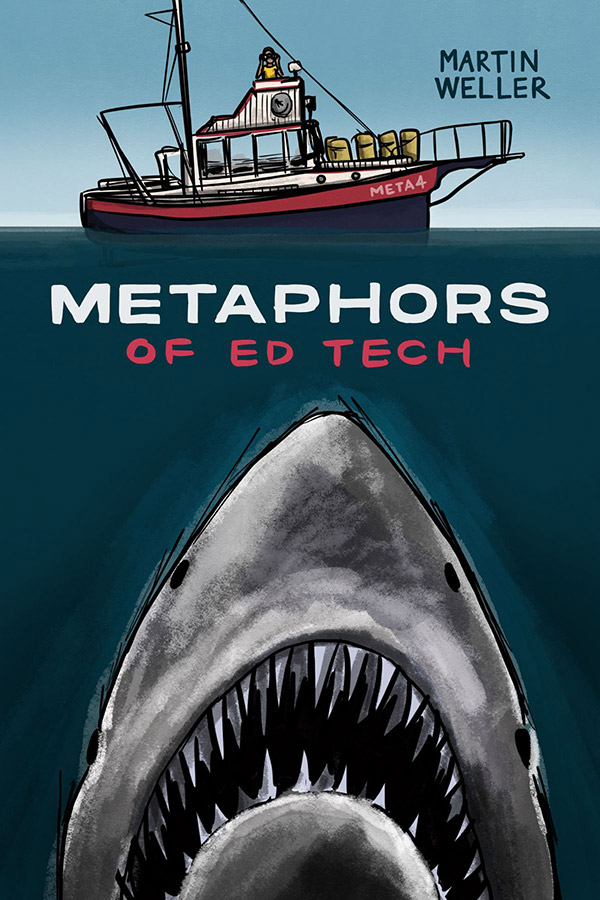
Metaphors of Ed Tech by Martin Weller
As technologies such as AI accelerate into our personal and professional lives, creating great uncertainty, I like to look back for perspective. This book digs back through some of the major tech waves in education over the decades and takes a very interesting methodological perspective of analyzing metaphors we use to think about and frame technology in education. Some such metaphors are so common we don't usually think of them as metaphors, like the LMS being a "toolkit." But have you ever wondered how the internet is like medieval Welsh castles? You'll have to read that section to find out! Reading this book is helping me reframe my perspective on AI anxieties and offers a practical way to do so: To change the way you think about something, try comparing it to something different.
| | |
Find all kinds of teaching books for check-out in our CTE Teaching Collection - Room 441 Sherrod Library! | | | | |