THE OFFICIAL NEWSLETTER OF THE ST. ANDREW'S SOCIETY OF LOS ANGELES | |
MONTHLY NEWS AND UPDATES: AUGUST 2021 | |
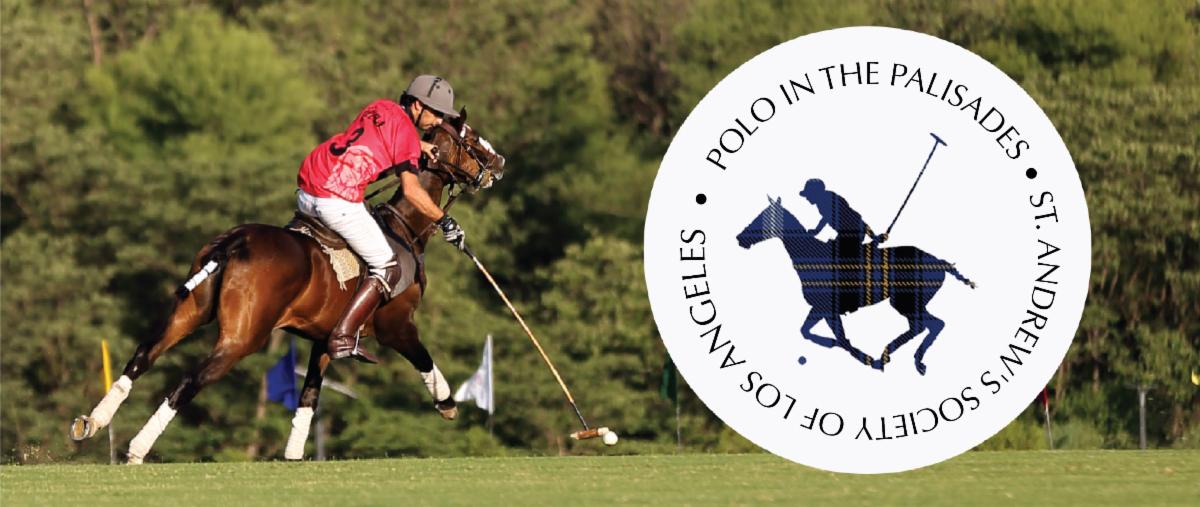
Polo in the Palisades
Sunday, August 1st from 11:30am to 2:00pm
Join us for an outstanding day of Polo, Food & Fun!
Just bring yourself and a folding chair!
Food, Libations and Camaraderie are all provided for!
| |
|
RSVP must be received by 12:00 noon on July 30th | |
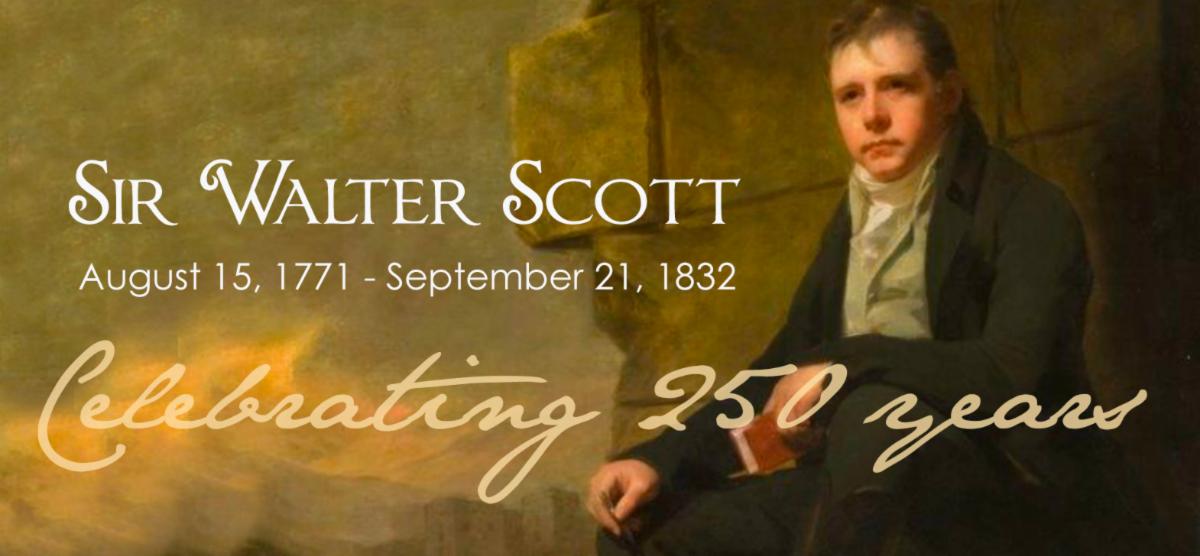
HAPPY 250th BIRTHDAY TO
SIR WALTER SCOTT
Walter Scott was born in Edinburgh's Old Town in 1771. Despite his illustrious career, he was the child of an ordinary middle-class family and worked hard for his wealth and status. Now he is considered one of the most influential Scotsman of the last two centuries. Through his wildly popular series of ‘Waverley Novels’, he brought the Scots language to the masses and introduced his nation’s history and unique character to the world. He passionately fought for the restoration of Scotland’s symbols of state, rediscovering her Crown Jewels, long hidden following the Jacobite wars of the 18th century. He defended Scotland’s currency in the wake of the 1820s banking crisis and contributed more words and phrases to the English language than any other writer barring Shakespeare. He inspired writers across the world to explore their own national heritage and to bring it to life, and yet Scott is seldom spoken of in Britain in the same breath as Robert Burns, Jane Austen or Charles Dickens.
Nobody has done more to give a nation a sense of itself. Through his imagination and the magic of his pen, he celebrated the history and landscapes of Scotland in a string of best-selling books that dominated the 19th century. Scott’s legacy can still be experienced in the most extraordinary and unexpected places across Scotland, from castles to cashmere mills and from mountain tops to moments of mindfulness. Scott's imagination, integrity and patriotism shaped the Scotland of today.
| |
SCOTLAND'S LITTLE KNOWN
FOURTH LANGUAGE
| |
|
Doric, a little-known form of North East Scots, is undergoing a pandemic-inspired renaissance.
"This 'mither tongue' (mother tongue) is spoken widely from Peterhead in Aberdeenshire to Nairn in the Highlands, where one in two people speak it, according to the University of Aberdeen. And yet it remains a paradox: it was once forbidden to be taught in schools and its currency is such that plenty of Scots do not even know Doric exists.
In simple terms, Scotland is a country divided by common languages. Everyone speaks English, but the farther north you travel, the more Scots, Gaelic and Doric lilts fill the air. Scots is spoken by around a third of the population – with pronunciation, grammar and vocabulary differing from its English-language cousin – while indigenous Gaelic is a Celtic dialect of Irish descent and predominantly the tongue of the Outer Hebrides.
Doric, however, is nudged to the north-east of the map, taking the building blocks of Scots, but rearranging them in its own inimitable manner."
| |
Join our Poet Laureate, Len Pennie, as she teaches us new Scots words and their meanings! | |
FIRST SCOT IN SPACE
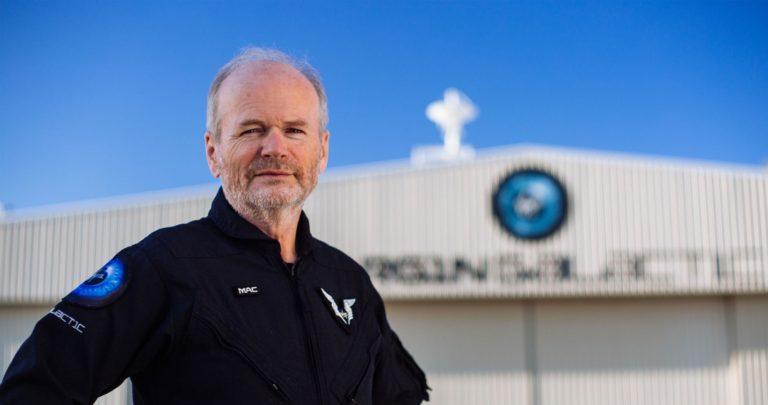
David Mackay pilots Sir Richard Branson's Virgin Galactic flight to the edge of space.
This Scottish pilot who grew up in the Highlands was at the centre of Sir Richard Branson’s historic trip to the edge of space on Sunday, July 11th. David Mackay, who grew up in Helmsdale, Sutherland, was the chief pilot for Virgin Galactic’s Unity test mission.
| |
NEW MEMBER SPOTLIGHT
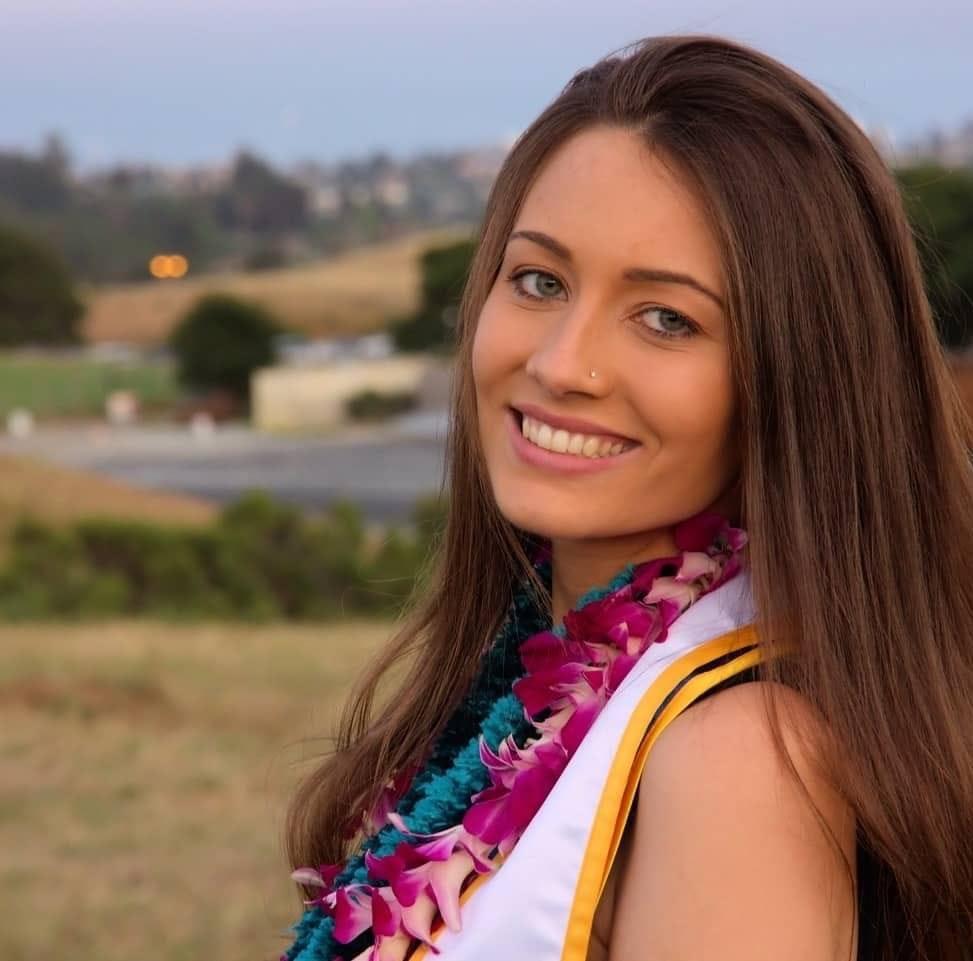
Hana Baig
Hana is a law student studying at Southwestern Law School and plans to practice family law when she graduates. Hana joined the St. Andrew’s Society of Los Angeles in 2020, when she was unable to visit or host her Scottish cousins in person. She felt a warm welcome from the Society, virtually at first and later when she got to put faces with names at in-person meetups. She describes the St. Andrew’s Society as her “family away from family.”
Hana’s grandparents traveled to California from Edinburgh. Her grandfather came to take a temporary teaching position at the Naval Postgraduate School in Monterey, a one-year sabbatical from the University of Glasgow that eventually became permanent. Much of Hana’s extended family is still in Scotland and she spent her childhood visiting with aunts, uncles, and cousins from Edinburgh, learning to dance at ceilidhs and developing a love for haggis that surprised even her.
Hana runs the Instagram account for the St. Andrew’s Society of Los Angeles – @standrewsla. In addition to the Society, Hana also volunteers as an advisor for UCLA Kappa Alpha Theta and knitting blankets that raise funds for the March of Dimes. In her spare time, Hana volunteers as a short-term dog foster. She looks forward to visiting Scotland again for Hogmanay, but in the meantime, she is excited to share Scottish history and culture with us here in LA.
| |
SCOTTISH INVENTIONS AND DISCOVERIES | |
|
Artificial Refrigeration
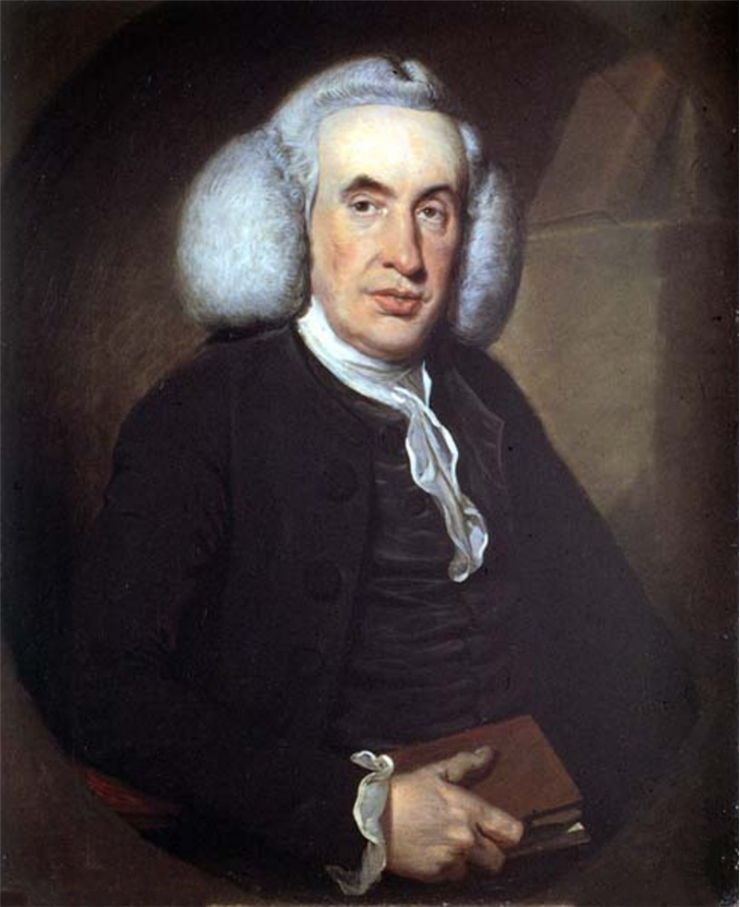
William Cullen (1710-1790) was a Scottish physician, chemist, and agriculturalist. He is also known as a “central figure in the Scottish Enlightenment”, one of the most important professors at the Edinburgh Medical School and a pioneer of artificial refrigeration.
After years of practicing medicine and having graduated with his M.D. from the University of Glasgow, William Cullen was given the position of Professor of Chemistry and Medicine at the University of Edinburgh in 1755. It was here that he gave the first documented public demonstration of artificial refrigeration to his students. He used a pump to create a partial vacuum in a container of diethyl ether. When the diethyl ether began to boil, it absorbed the heat from the container's surroundings, causing it to cool and even produce a small amount of ice. This process was recorded in his only published chemistry-related paper, "Of the Cold Produced by Evaporating Fluids, and of some other Means of producing Cold". While his process was not yet practical and could be not used commercially, it is the basis of what eventually evolved into the modern-day refrigerator.
|  | |
BECOME A MEMBER
OR LIFETIME MEMBER
| |
|
Membership and Lifetime Membership in the
St. Andrew's Society of Los Angeles affords you great benefits. As a Lifetime Member, you will receive this thoughtfully designed lapel pin
to commemorate the occasion!
| |
|
|
Shop St. Andrew's merchandise
to get your Scottish on!
Our society tartan is officially registered
with the Scottish Register of Tartans
- Gentleman's Tie
- Ladies Sash
- Men's Polo Shirt
- Ladies T-Shirt
- Rosette
- Kilt
- Lapel Pin
- Cap Badge
- Blazer Badge
-
Face Masks
Visit our online shop to order and express your SASLA pride!
| |
|
|
2021
-
Rosenthal Winery Malibu Meetup: Saturday, Sept 18 - 12:00 noon to 3:00 pm (RSVP @ StAndrewsLosAngeles@yahoo.com)
-
Seaside Highland Games: October 9 & 10 (Cancelled)
-
All Hallows Eve “Samhain” - Film Meetup-Forest Lawn: Saturday, October 23 (TBD)
-
Kirkin’ of the Tartans: Sunday, October (TBD)
-
St. Andrew’s Day Dinner: Saturday, November (TBD)
-
Holiday Event: Saturday, December 18 (Location & Time - TBD)
2022
-
Robert Burns Supper: Saturday, January 22, 2022
-
SASLA AGM: Saturday, February 26, 2022
-
TARTAN Film Festival: April 6 thru April 10, 2022
| |
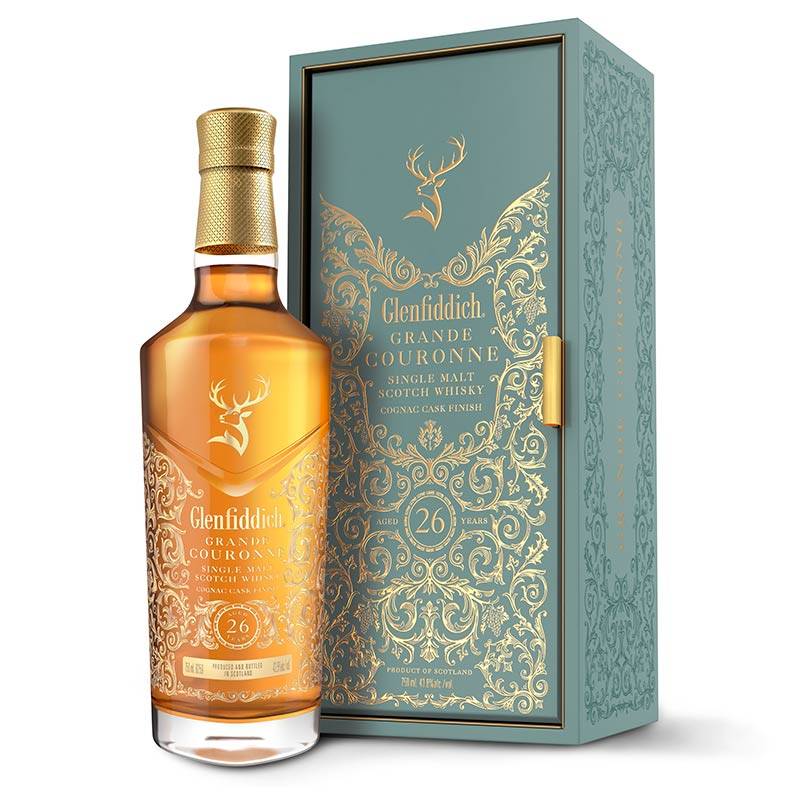
THE GLENFIDDICH STORY
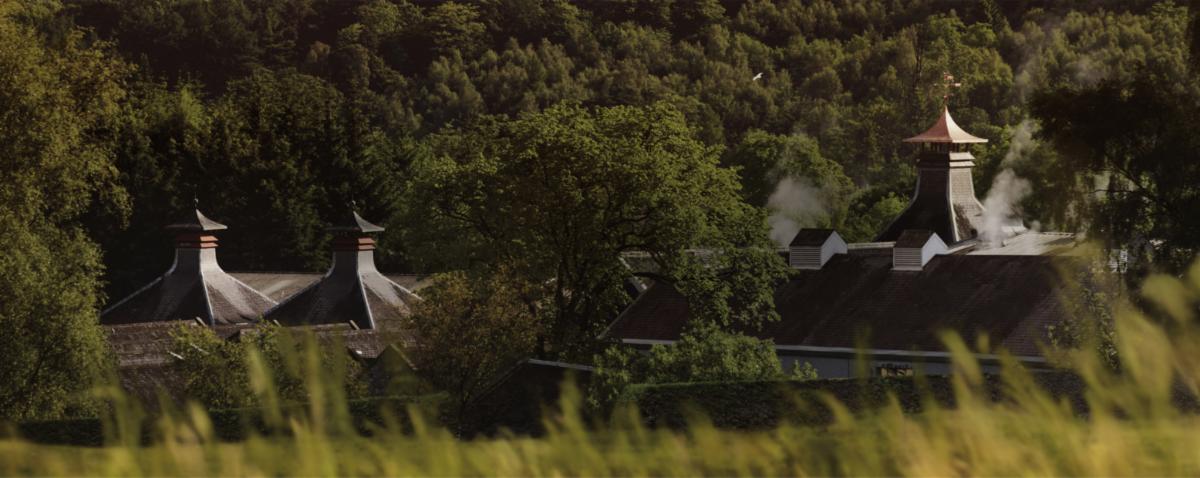
Glenfiddich - “The Valley of the Deer” is the mesmerizing landscape where William Grant, the visionary founder, turned his lifelong dreams into a reality.
The original, handbuilt Glenfiddich Distillery was completed in 1887 following a year of intense, back-breaking labour by William Grant and his family. William’s dream was to create “the best dram in the valley” and this ambition remains at the heart of their activities today. A warm welcome still awaits today’s visitors who’ll find ancient earthy aromas, traditional tall copper tuns and old stone walls meld with an alive, happy vibrance and pioneering spirit.
It has taken over 125 years and 5 generations of family ownership, passion and drive to ensure Glenfiddich is the most-awarded Single Malt whisky in the world today. They fondly believe their founder would be pleased with his legacy and proud that his driving principles of quality, tradition, exploration and innovation remain at their very core.
| |
SPECIAL THANKS TO OUR SPONSORS
| | | | | |