|
THIS MONTH IN SCOTTISH HISTORY: DECEMBER
4 December 1214: William I dies after a reign of 49 years. He is succeeded by his son, Alexander II.
4 December 1423: The Treaty of London provides for the release of King James I after eighteen years as a prisoner of the English.
4 December 1745: Charles Edward Stuart and the Jacobite army reach Derby. In London, only 150 miles south, there is total panic and it is reported that George II is preparing to flee.
5 December 1560: King Francis II of France, husband of Mary, Queen of Scots, dies of an infected ear and is succeeded by his brother, Charles IX of France.
6 December 1214: King Alexander II is crowned at Scone.
7 December 521: The birth in County Donegal in Ireland of the man who would go on to become Saint Columba.
7 December 1545: The birth at Temple Newsam in Yorkshire of Henry Stuart, Lord Darnley, who would become the second husband of Mary, Queen of Scots.
7 December 1566: Mary Queen of Scots leaves Craigmillar Castle after a group of her advisers agree the Craigmillar Bond, an arrangement for the disposal of Lord Darnley, who by now everyone including Mary knows to be thoroughly unsuitable as a husband. Those involved include The Earls of Argyll, Huntly, and Bothwell, Sir James Balfour, and William Maitland of Lethington.
8 December 1174: King William I, William the Lion, signs the Treaty of Falaise to secure his release from English captivity. This gives control of key Scottish castles to the English and acknowledges Henry II of England as his feudal superior.
8 December 1542: Marie de Guise, gives birth to a daughter, Mary Queen of Scots, at Linlithgow Palace.
9 December 1165: Malcolm IV dies, aged 24 and unmarried, and is succeeded by his younger brother William I or William the Lion after his symbol, a red lion rampant on a yellow field that becomes the basis of one of Scotland's two flags.
9 December 1688: Serious rioting in Edinburgh spreads across Scotland.
11 December 1997: The Royal Yacht Britannia is decommissioned at Portsmouth Naval Base after a 44-yareer service life in which she carried the Queen and the Royal Family on 968 official voyages in almost every part of the globe.
13 December 1721: The death off the coast of West Africa of Alexander Selkirk, the Scot whose experiences inspired Daniel Defoe's "Robinson Crusoe".
14 December 1542: James V dies at Falkland Palace, aged 30, probably from cholera.
14 December 1896: The Glasgow District Underground opens for service.
16 December 1653: Oliver Cromwell is sworn in as Lord Protector of England, Scotland, and Ireland.
20 December 1745: The Jacobite army, heading north after reaching Derby, retreats into Scotland.
23 December 1688: James VII/II sails to France after a largely bloodless coup by William and Mary.
23 December 1761: The death of Alastair Ruadh MacDonnell, the government spy in the Jacobite camp known as "Pickle".
24 December 1165: King William I, or William the Lion, is crowned King of Scotland at Scone.
27 December 1782: The death in Edinburgh of Henry Home, Lord Kames, the philosopher, lawyer and judge who became a leading force in the Scottish Enlightenment.
27 December 1794: The birth in Edinburgh of Alexander Gordon Laing, the first European to reach Timbuktu from the north.
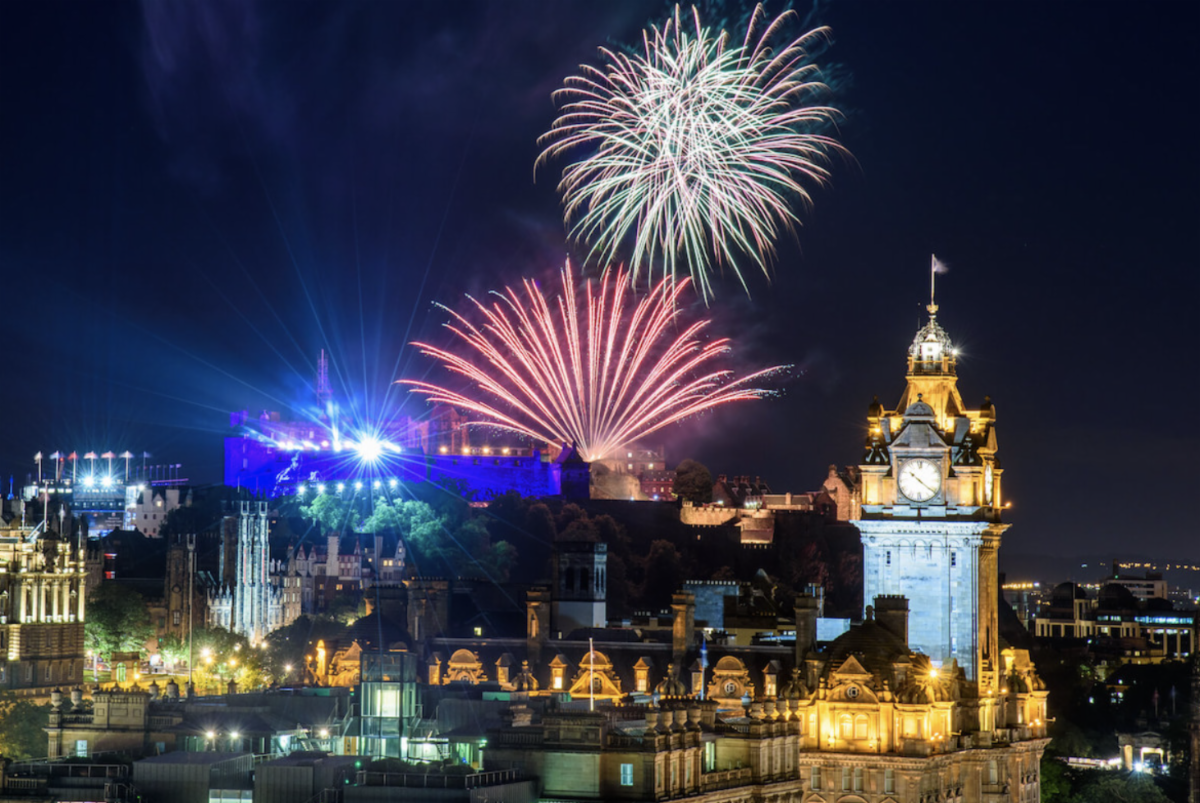
31 December 1993: Hogmanay is celebrated in Scotland.
31 December 1720: Prince James, now living in what later becomes Italy, has a son, Charles Edward Stuart, or "Bonnie Prince Charlie".
|