THE OFFICIAL NEWSLETTER OF THE ST. ANDREW'S SOCIETY OF LOS ANGELES | |
MONTHLY NEWS AND UPDATES: JULY 2023 | |
|
The National Galleries of Scotland
Gallery Project
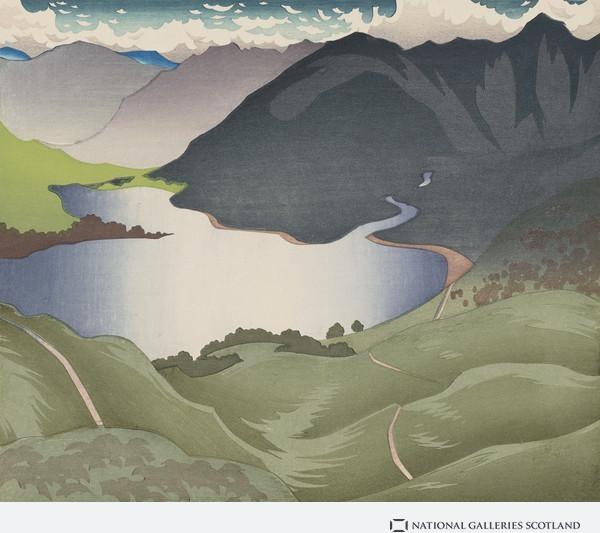
Founded in 1850, the National Galleries of Scotland houses the world's great collection of Scottish artists. The National Gallery was created because of Scotland's need for a record of Scots achievements. This amazing world-class art collection also boasts pieces from Rembrandt, Botticelli, Da Vinci, Chagall, Lichtenstein, Van Gogh and many other legends in the art world. A new project has been in the works which will create light filled spaces to house some of these great masterpieces and will raise the profile of the gallery for visitors from all over the world. Visitor numbers to the Scottish National Gallery have almost doubled in the past ten years but fewer than one in six of them made their way to the cramped spaces which used to house the national collection of Scottish art. Soon, visitors will be able easily to discover, appreciate and enjoy the highly significant collections of Scottish art through a series of innovative displays designed expressly to engage them.
The above painting "Loch Duich" is by Ian Cheyne (1934). Cheyne was born in 1895, Dundee, Scotland and is known for his art deco style with Japanese influences.
To view the galleries collection, simply click below
| |
|
The St. Andrew's Society of Los Angeles
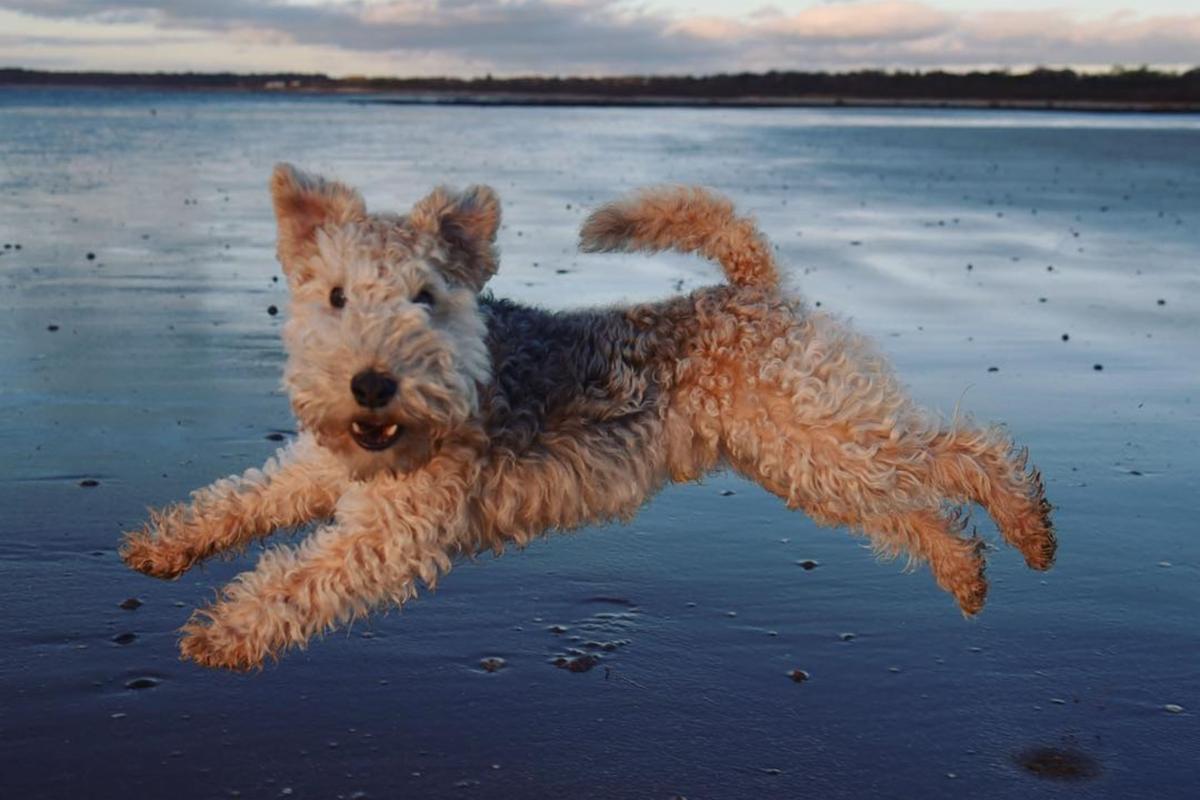
Dog Days of Summer Event
Saturday, July 29th
12:00 noon
Griffith Park
Enjoy this Dog Day Afternoon with catered BBQ, Drinks, Pipes & Drums, fun for you and your 4-legged friends, and a special presentation by Veterinarian - Dr. Jessica Beymer
No dog? No problem.
Raffle to benefit SSPCA
The Scottish Society for the Prevention of Cruelty to Animals
https://www.scottishspca.org
https://www.aspca.org
Informal - Summer Kilts, shorts, jeans, summer dresses, etc.
Must have an RSVP to this No Ticket event as space is limited
(Click below)
| |
|
Griffith Park
(Location map will be emailed)
| |
|
ISLAND SPOTLIGHT
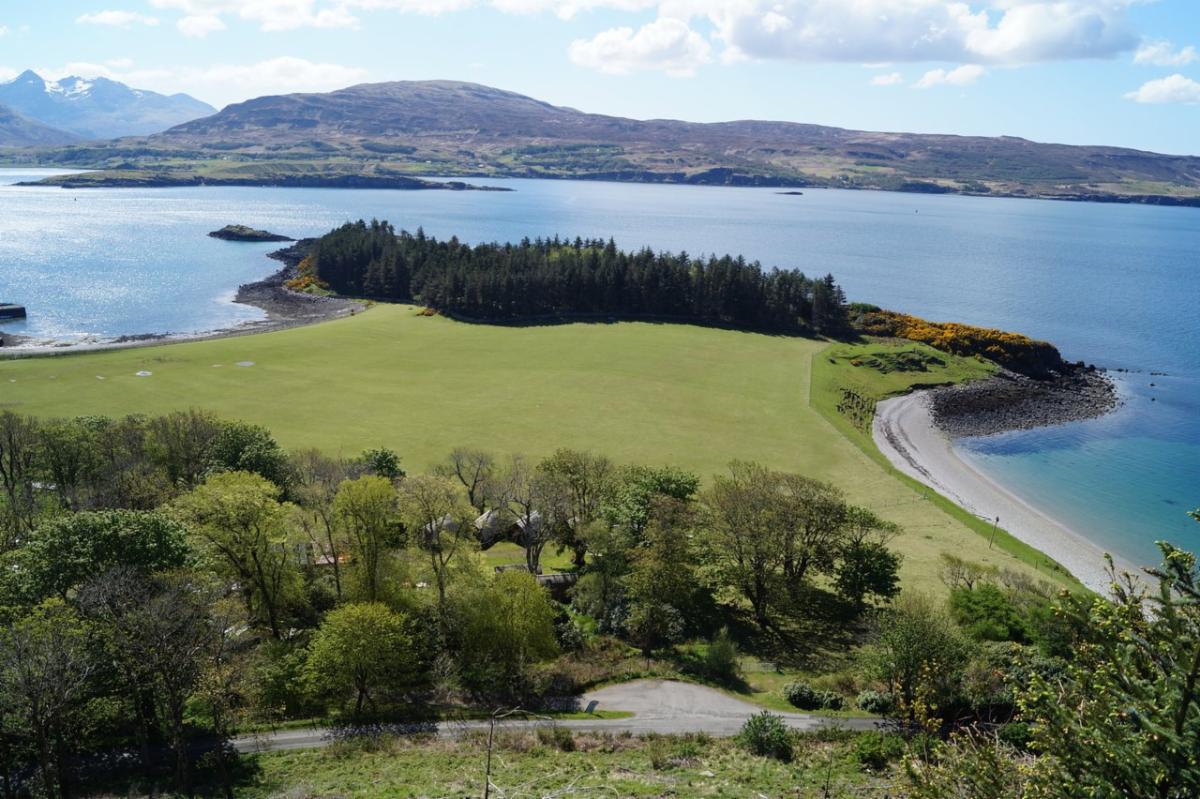
ISLE OF RAASAY
| |
|
|
THE PICTISH STONE
A SYMBOL OF RAASAY’S HISTORY
| |
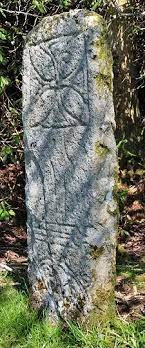
The Isle of Raasay is known for many things, one of which is the Pictish Stone at Camus Alba
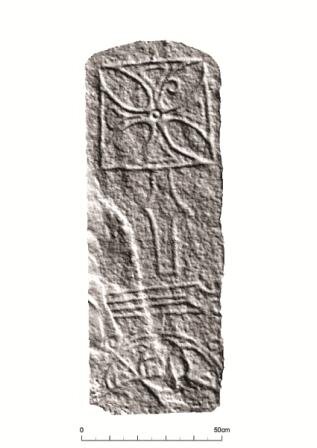
Above Camus Alba, you may have noticed the secluded alcove of trees just off the road that holds the recognizable and somewhat mysterious standing stone. Looking upon its weathered appearance, you may be able to pick out a few mysterious, carved symbols. These faint markings, left by the skilled masons who created it, represent some of the oldest pieces of Christian iconography anywhere in the United Kingdom. This stone is an example of a Class II Pictish stone, which are defined by their relatively rectangular shape, the presence of a Christian cross as well as possible Pictish or Christian symbols and motifs. Although we can’t be sure of an exact date, Class II stones tend to date from the 8th to the 9th century, meaning this carving is likely over 1000 years old. The slab is said to have been found when James MacLeod of Raasay (1761-1823) was building the road from the “landing-place” (now where the ferry terminal is located) to Raasay House. It was then relocated to a small conifer grove where it still stands today.
Walking from the pier to Raasay House, you’ll find the stone just off the road that runs above Camus Alba, or North Bay. According to the history of Raasay, this part of the island has been occupied by humans for thousands of years, and the stone is one of many ancient structures in the area.
The Isle of Raasay is the seat of Clan MacLeod
| | | |
|
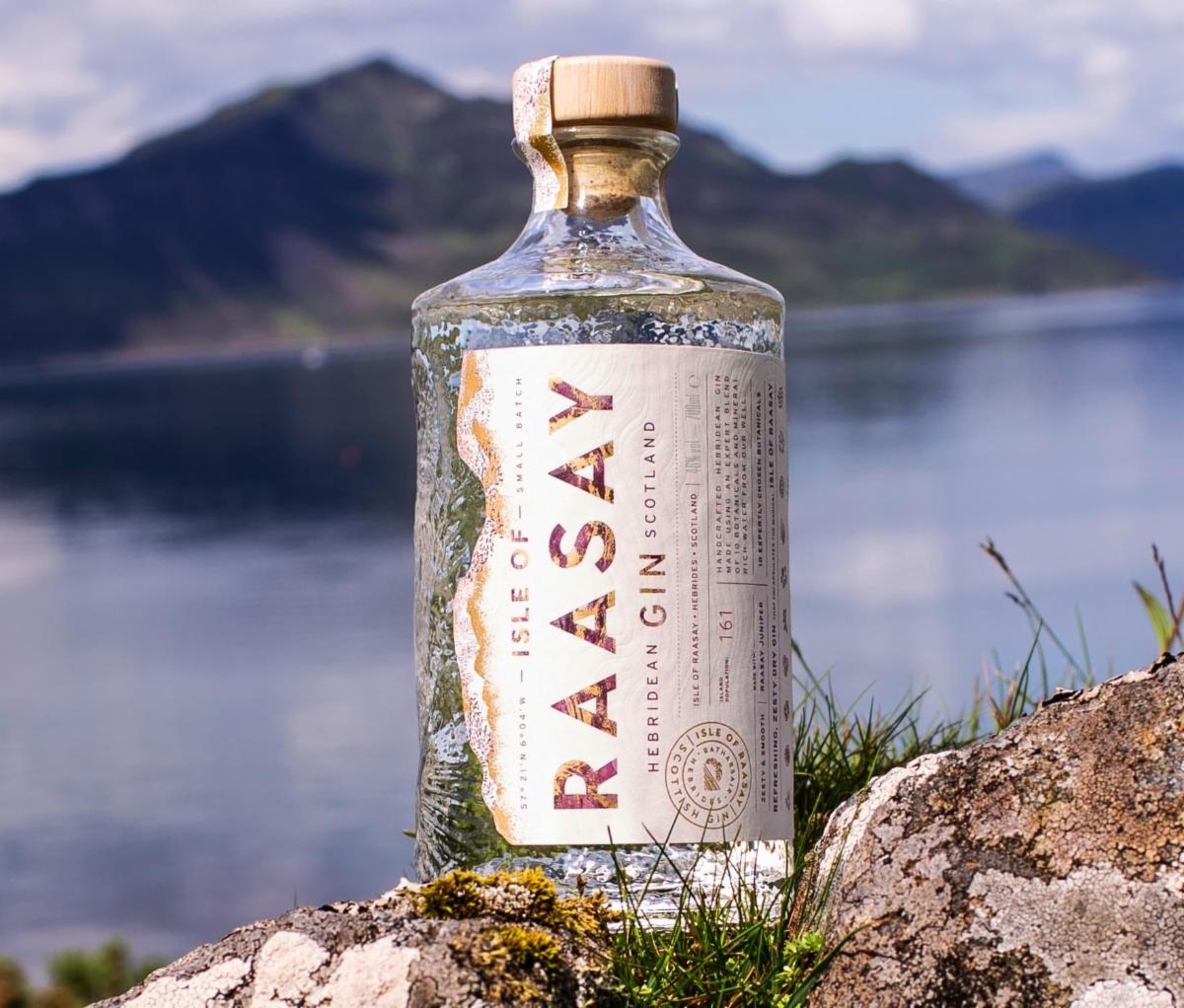
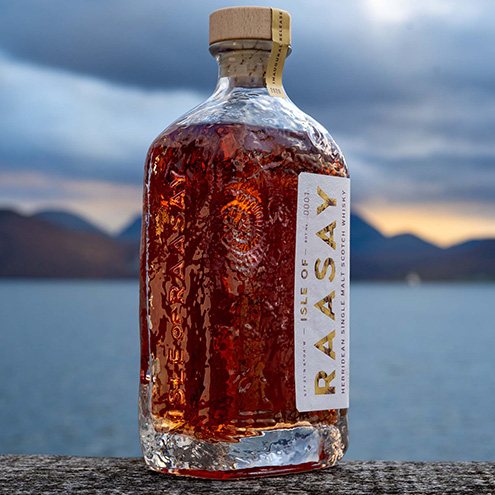
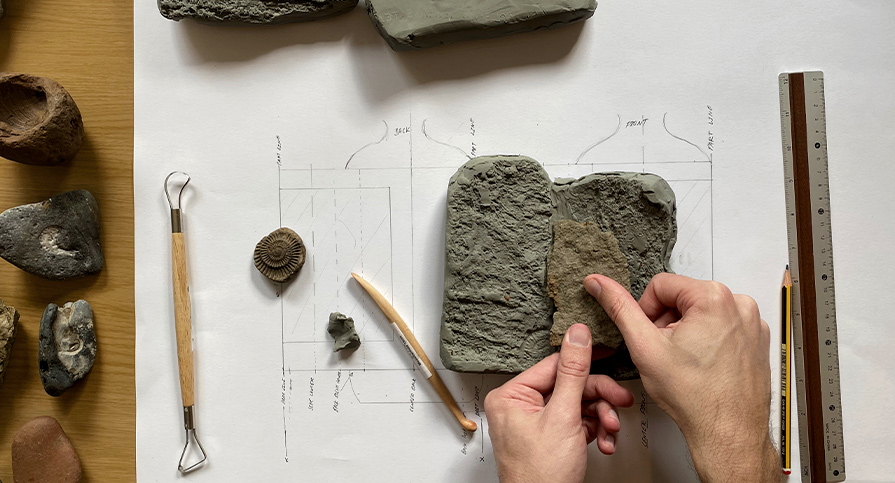
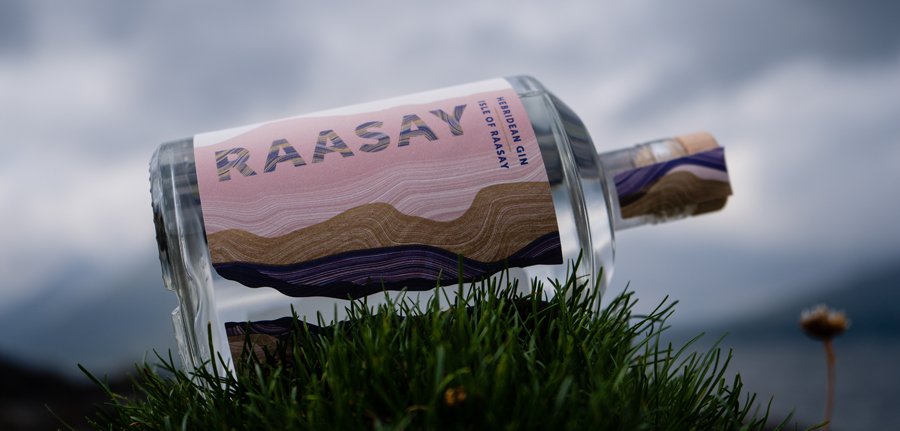
ISLE OF RAASAY DISTILLERY
|
|
|
BOOK HIGHLIGHT
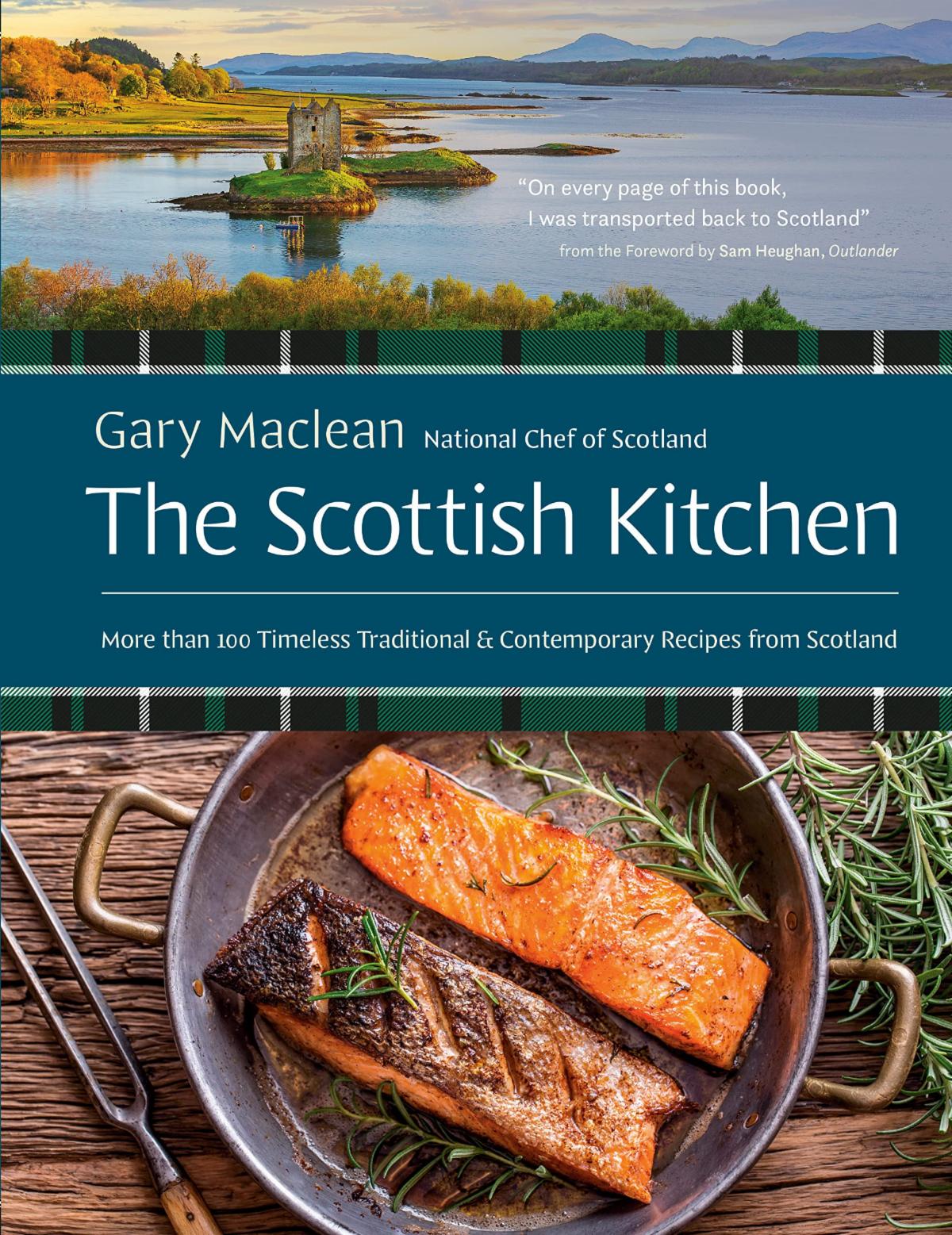
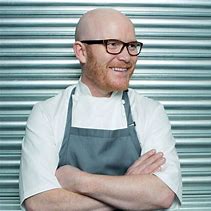
The Scottish Kitchen
From the National Chef of Scotland
Chef Gary Maclean
Foreword by Sam Heughan
| | |
|
THE SCOTTISH KITCHEN: More than 100 Timeless Traditional and Contemporary Recipes from Scotland premieres on August 1st by Gary Maclean (Scotland's National Chef). With a treasure trove of over 100 recipes, The Scottish Kitchen connects you to the landscape, history and ingredients that make Scottish food so distinctive—showcasing some of the world's most sought-after food, from langoustines to black puddings, hot smoked salmon to a whole chapter on haggis. This is the definitive Scottish cookbook from Chef Gary Maclean |
|
THE FIRST KINGS OF SCOTLAND | |
|
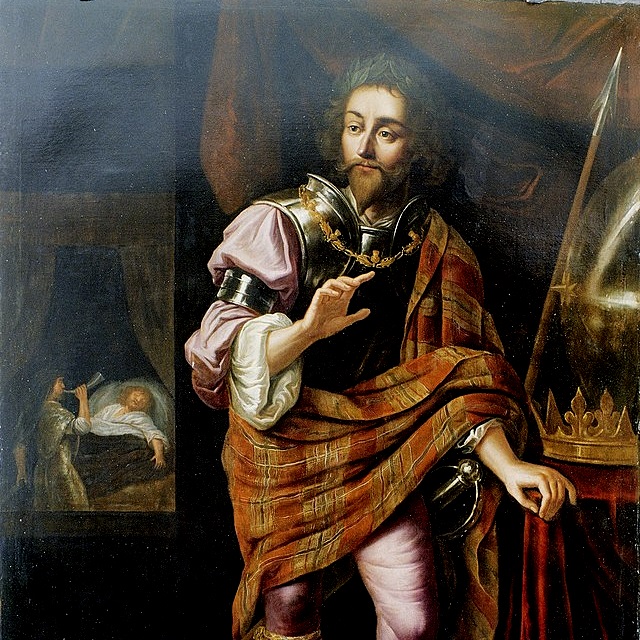
King Kenneth MacAlpin painting by Jacob Jacobsz de Wet
Located in the Great Gallery, at Holyroodhouse Palace
| |
In this first part of a new series heralding the kings
and queens of Scotland, we look back at the formation
of the Kingdom of Alba and House of Alpin
-King Kenneth MacAlpin
-King Donald I
-King Constantin I
Historians generally agree that the first of the kings of Scotland was Kenneth MacAlpin, King of Dál Riata, who ruled over Scotland’s western seaboard, which took in much of what is now Argyll and the Western Isles. In AD843 MacAlpin also ascended the throne of the Pictish kingdom to the east, which at its height, stretched as far south as Fife, thus uniting both realms to form what later became known as Alba, and finally, Scotland.
The primary sources for the early kings of Scotland are the Chronicles of the Kings of Alba, written in the 13th century, and, The Annals of Ulster, written in the 15th or 16th century which included Antrim in Northern Ireland.
Kenneth MacAlpin (Kenneth I)
Kenneth’s father was Alpin, who had attacked and conquered the Picts. When the kingdoms united, however, many future Alban kings were still sometimes referred to as ‘Pictish kings’, which may imply that the Pictish kingdom was considered more powerful than Dál Riata, and that Kenneth’s father was punching above his weight when subduing it. Some early historians have suggested (with little proof) that, after his victory, he married a Pictish princess, which gave their son Kenneth a claim to the Pictish throne, as Pictish succession could pass through the female line. However, the Lowland kingdoms of Strathclyde and the Lothians remained independent, until the early 11th century when they were absorbed into Scotland. We have scant knowledge of the early kings of Alba, though regnal lists do exist. Various accounts of royal reigns were written in later centuries, often for political or ecclesiastical reasons. Kenneth was born around AD810. Sometime between 840 and 842, on the death of his father, he ascended the throne of a kingdom that took in most of what is now Argyll. He was probably born on Iona, where St Columba had established a monastery in the 7th century. Dál Riata was a seaboard kingdom, and during Kenneth’s reign it was under attack by Vikings. In fact, parts of the Western Isles were lost to them, and from their newly won islands the Vikings constantly raided Dál Riata. Kenneth continued his father’s conquest of the Picts, though no details have emerged about his campaigns. In AD843 the Pictish king either died or was killed in battle, and Kenneth claimed the Pictish throne, effectively uniting the two kingdoms. He died in 858 at Forteviot, where he had established his capital, and was buried on Iona. Kenneth was succeeded by his brother Donald.
Donald I
Donald I was Kenneth’s younger brother. He became King of Alba when Kenneth died around 858. According to the Annals of Ulster, he ruled for four years. He is chiefly remembered for codifying the laws of Alba, first drawn up by Áed Find, his great grandfather. These laws have since been lost, but probably laid out the privileges and responsibilities of the nobility and the church. Not much is known of Donald’s life, though later historical writings refer to him as a keen soldier. He died in 862, though the manner of his death is unclear. In one chronicle, he is said to have been assassinated, while another states he died a natural death. Like his brother, he was buried on Iona.
Constantine I
Constantine I, son of Kenneth, was born in 836, making him 26 years old when he ascended the throne. He reigned for 15 years, and during his reign, according to later chronicles, Viking raids intensified, and much of his time was taken up defending his kingdom. Indeed, in 875 or thereabouts, there was a battle (an area in the central Highlands, perhaps Atholl) in which many Alban defenders were massacred.
The ‘Black Cave’ near Crail, Fife, is where Constantine I was supposedly beheaded by Vikings. As with all the early Alban kings of Scotland, little is known about Constantine’s life or character. Even his death is a matter of conjecture, with two conflicting accounts being given. In one account, Constantine was killed in a Viking battle, and in another he was beheaded by them either near present-day Crail, or at Newport-on-Tay. Legend tells us that the ‘Black Cave’, near Crail (which can still be seen), is the exact location.
Please join us next month as we continue with this exciting new series of
The First Kings & Queens of Scotland
(courtesy of Scotland Magazine www.Scotlandmag.com)
| |
|
ENTERTAINMENT
Indiana Jones and the Dial of Destiny
Filmed in Scotland
| |
With a production budget exceeding $295 million, Indiana Jones' fifth installment is one of the most expensive films ever made. Filmed in a variety of locations, Glasgow served as an all important location as the city was transformed to resemble 1940 New York City. Various locations filmed : Glasgow City Council, Parnie Street, St. Vincent Street, and Hope Street were all highlighted in this iconic franchise. Additional footage was captured in South Lanarkshire, Melrose, and Glencoe. In a few scenes, eagle-eyed moviegoers can even spot the Drygrange Viaduct. Most of the New York based scenes were shot in Glasgow City Centre.
| |
|
|
MEMBER SPOTLIGHT
Al Trinidad
| |
|
Born and raised in sunny Southern California, Al Trinidad Jr. has always held a deep appreciation for his Scottish roots.
As a UCLA alumnus, Al's educational background has instilled in him a strong work ethic and a dedication to continuous learning. Currently, he is a thriving business consultant at Alpha Consultant Group LLC, where he utilizes his analytical skills to help companies achieve their full potential.
In his free time, Al indulges in his passion for whisky by collecting and reviewing various expressions. He is a member of the esteemed Cult Of Whisky, where he shares his expertise, discerning palate and knowledge of whisky with fellow enthusiasts which makes him a trusted source among the whisky community.
Though his family traces their lineage to the MacLean of Duart, Al can often be seen proudly donning the Stewart tartan. His choice of tartan is driven by a personal preference for its timeless elegance and striking appearance.
Al carries the spirit of Scottish heritage with him throughout his personal and professional life and is a valued member of the St. Andrew’s Society of Los Angeles.
| |
PLEASE HELP
This year your St. Andrew's Society has re-focused its charitable giving to include support of organizations that directly help Scotland and/or our community here in Southern California. Already this year we have given significant financial donations to:
The National Trust for Scotland
The City of Angels Pipe Band, Glendora HS Pipe Band
The Glasgow Food Bank S.W.
The LA Regional Food Bank
Upland HS Pipe Band
Toys for Tots
Project Angel Food
| |
| | |
|
This has been made possible by generous contributions to the St. Andrew's Society by its members and friends. Our continued support to worthy organizations can only be possible through your ongoing help. At the end of this newsletter there is a DONATE button. Any amount, no matter how small, can help. Even the most modest contribution can make a real difference.
St. Andrew's Society is an IRS registered 501 (c) (3) not for profit organization and your contributions are tax deductible. The Society will issue a letter of receipt for all contributions.
Please do what you can.
Thank you
|
| |
|
|
Next Month
Our interview with Gary Lawrie kicks off our genealogy series. Gary is with the Association of Professional Genealogists, and owns and operates Heart of Scotland Ancestry. He is from Stirling and specializes in Scottish family history and records.
| | |
Our Founding Fathers and the Scottish Link |  | |
Of the fifty-six members of the Continental Congress of 1776 who signed the Declaration of Independence, James Wilson of Pennsylvania and John Witherspoon of New Jersey were natives of Scotland. William Hooper of North Carolina, George Ross of Delaware, Thomas Nelson, Jr., of Virginia, and Philip Livingston of New York were of Scottish descent. Matthew Thornton of New Hampshire and James Smith and George Taylor of Pennsylvania were natives of Ulster; and Thomas McKean of Pennsylvania and Edward Rutledge of South Carolina were of Ulster-Scottish descent. John Hart of Hunterdon County, N. J., and Abraham Clark of Elizabeth, N.J., both from their names and the fact that both were from centers of Scottish settlements, were doubtless of Scots descent. Robert R. Livingston of New York and John Houston of Georgia, both of Scots descent, were active members of Congress, but were absent on duty when the engrossed copy was signed (August 2, 1772) and their names do not appear.
(Excerpt from ElectricScotland.com)
| |
|
Congratulations to our grant recipients Emily Cadzow and Jacob Lepins from Upland High School. Both will be attending the Robert McLintock Piping & Drumming School next month. In addition, we have also made a small donation to Upland High School to purchase extra kilts for the band. A big thank you goes out to Tony Sewell for encouraging and championing these young musicians.
Go Highlanders!
| |
|
|
PHOTO GALLERY
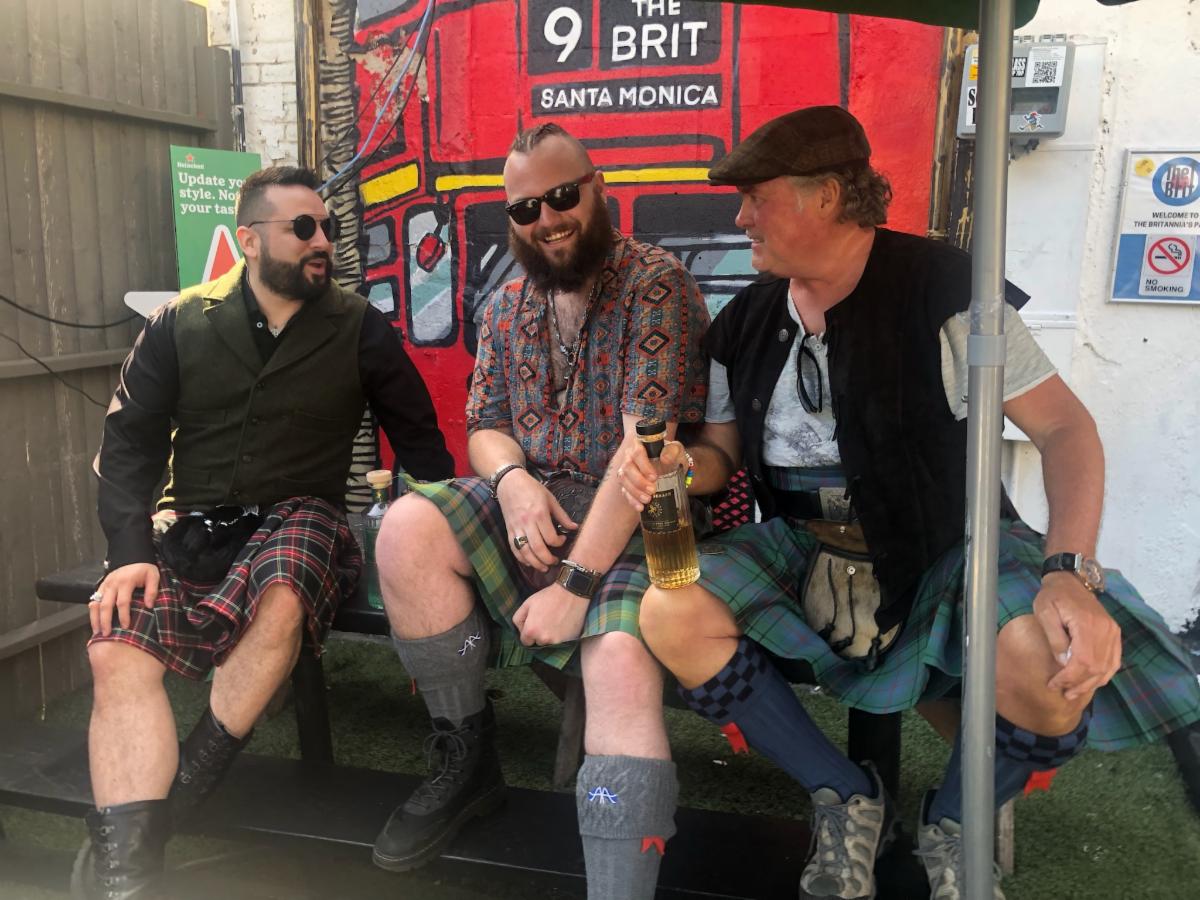
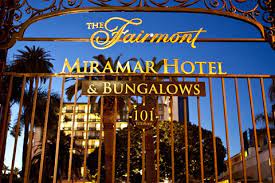
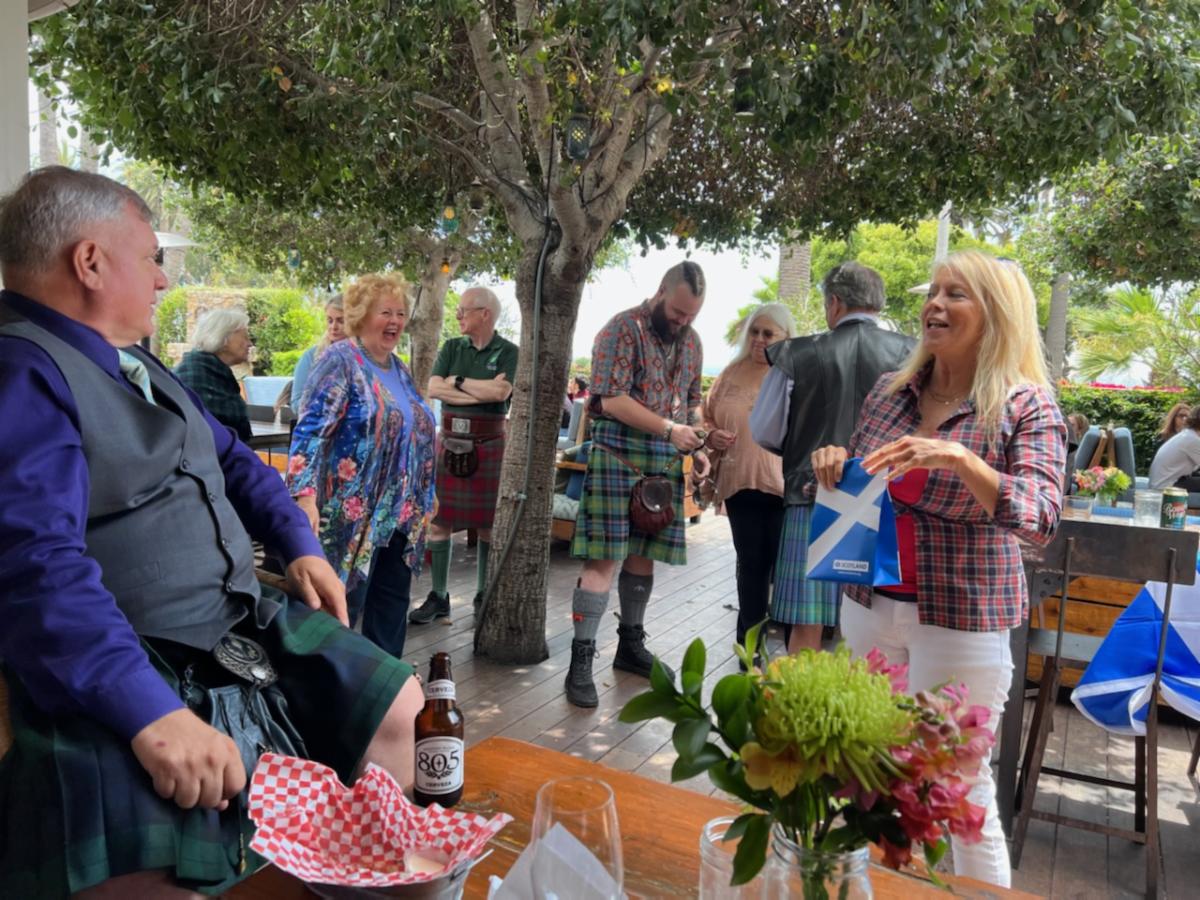
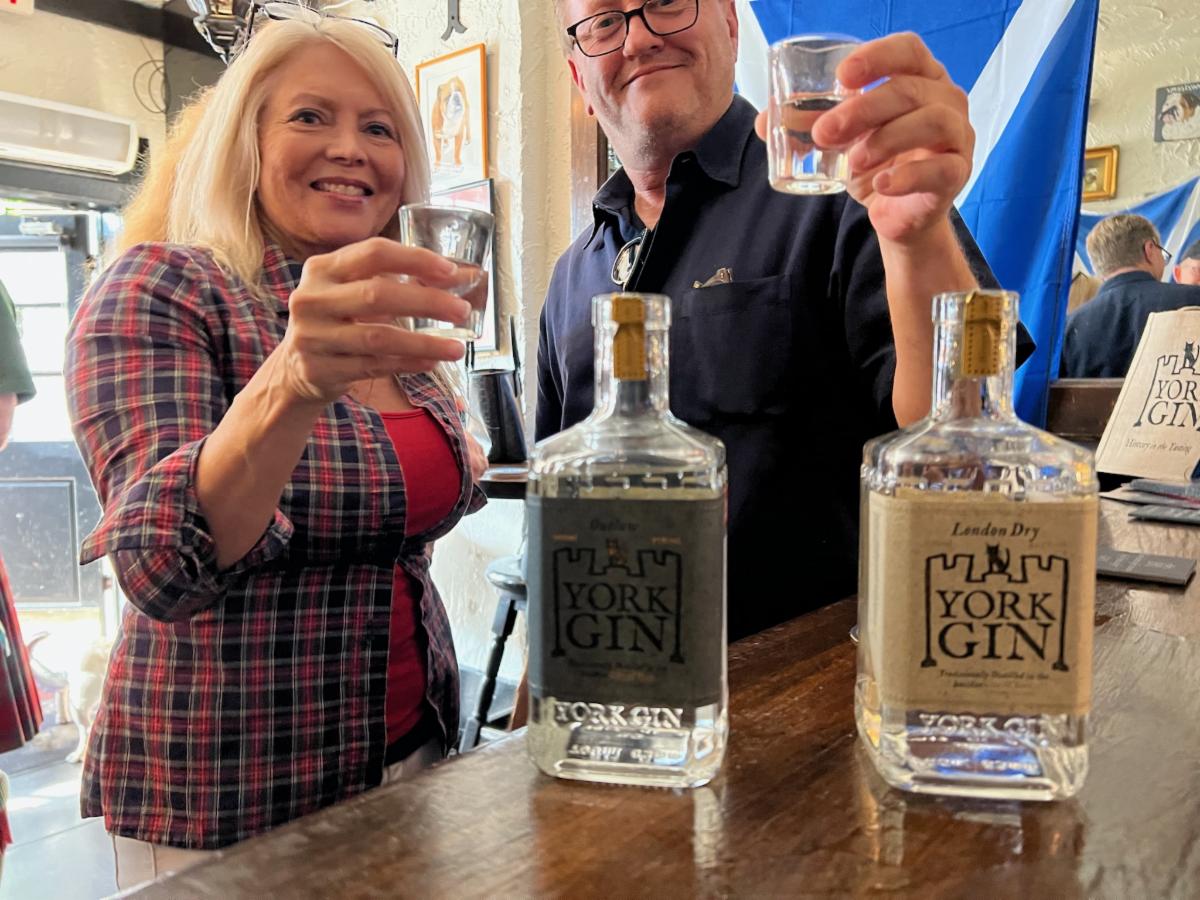
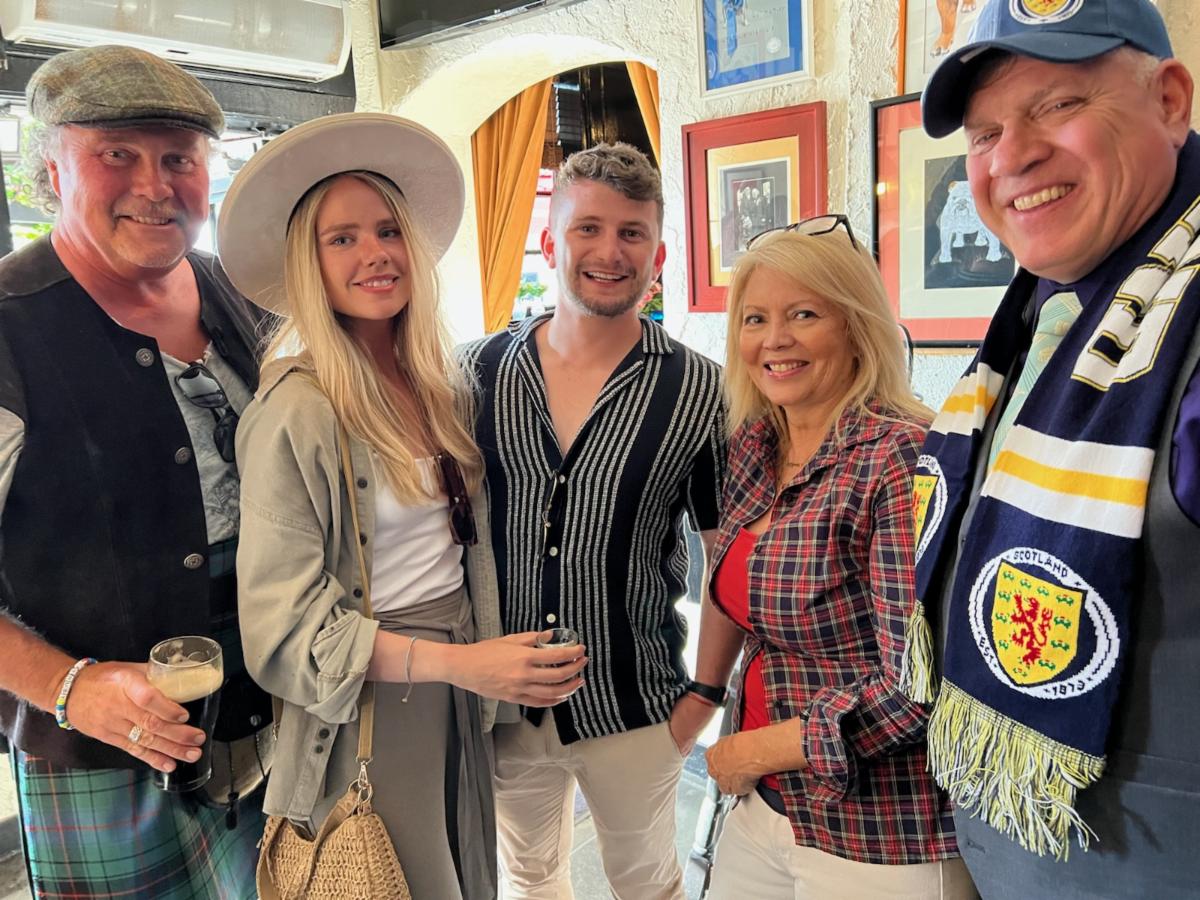
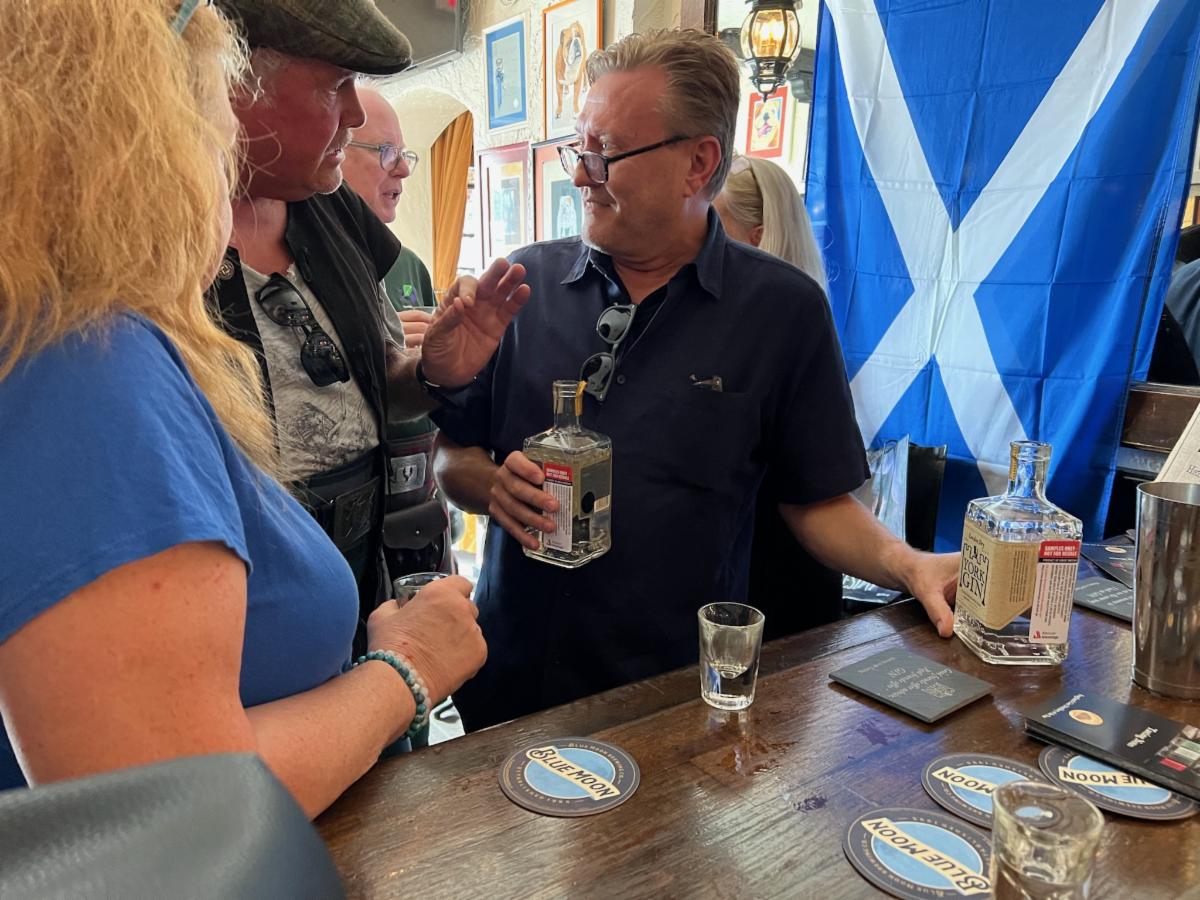
Kilt Krawl - June 2023
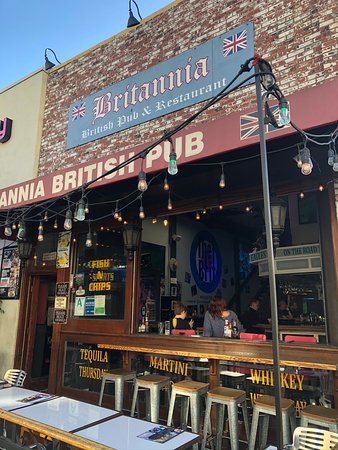
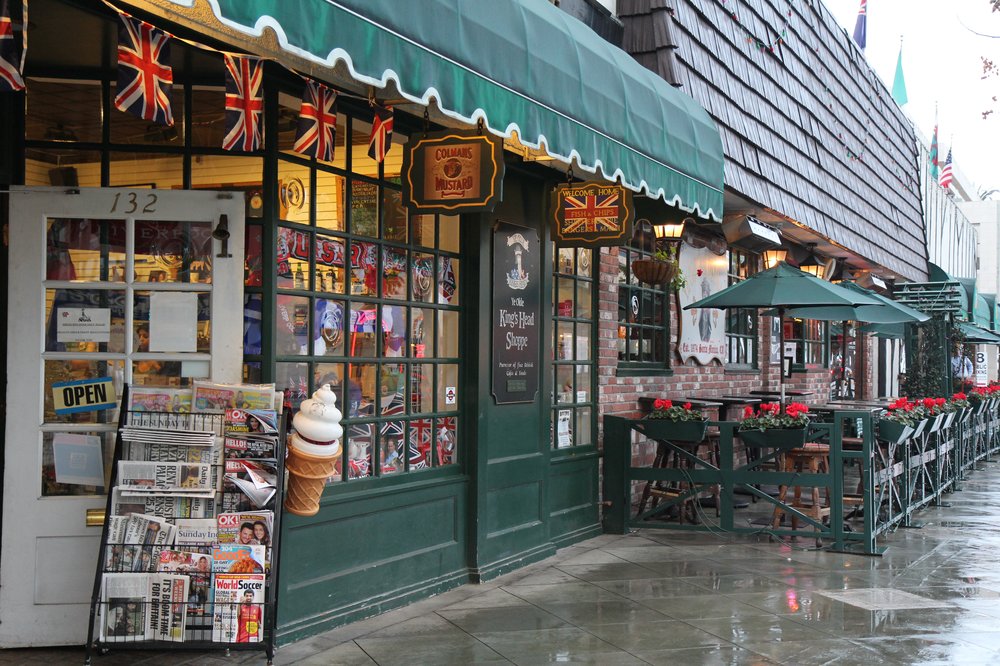
The Fairmont - The Britannia - Ye Olde King's Head
| |
(From L to R) Al Trinidad, Mitchell Brasted, Andy Brasted | |
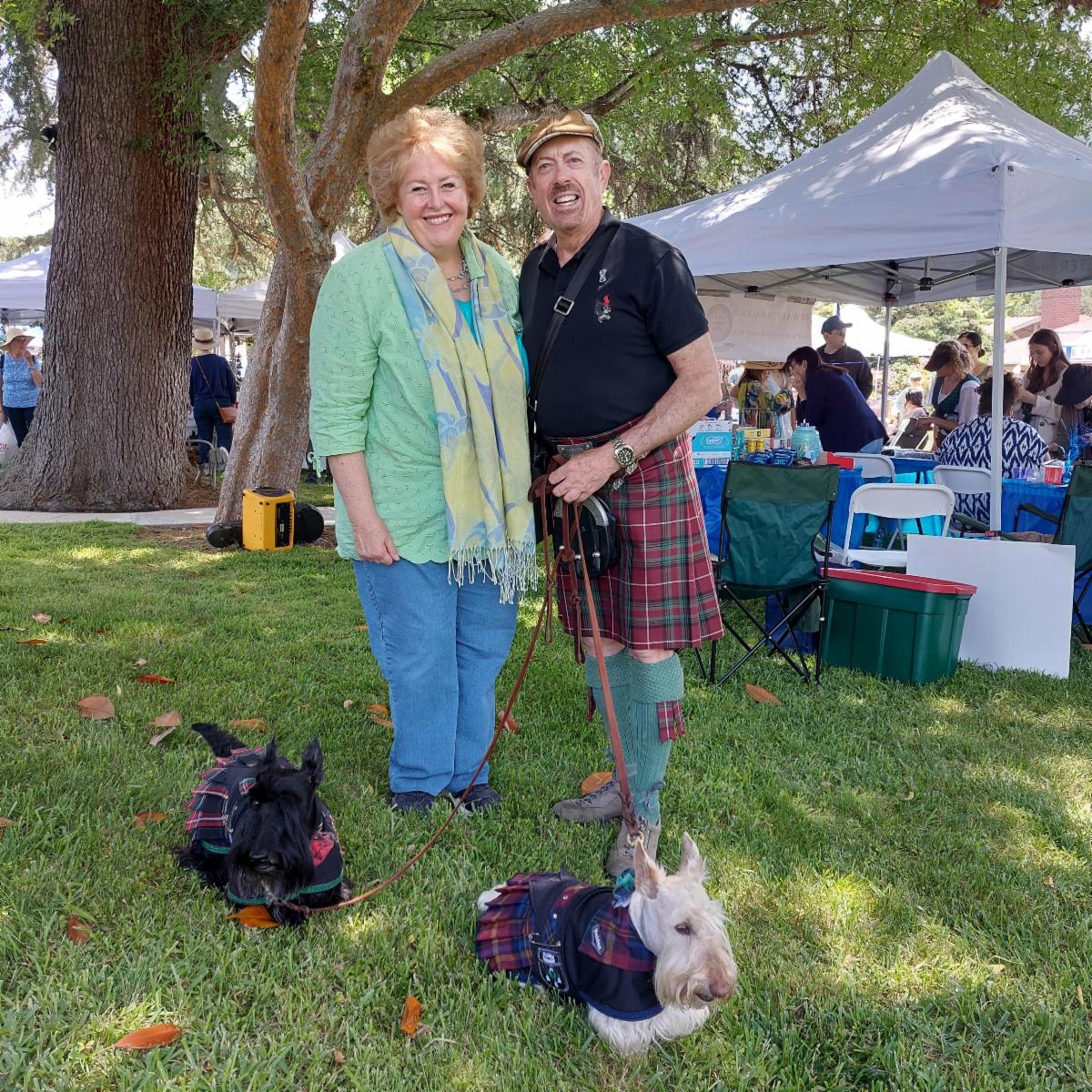
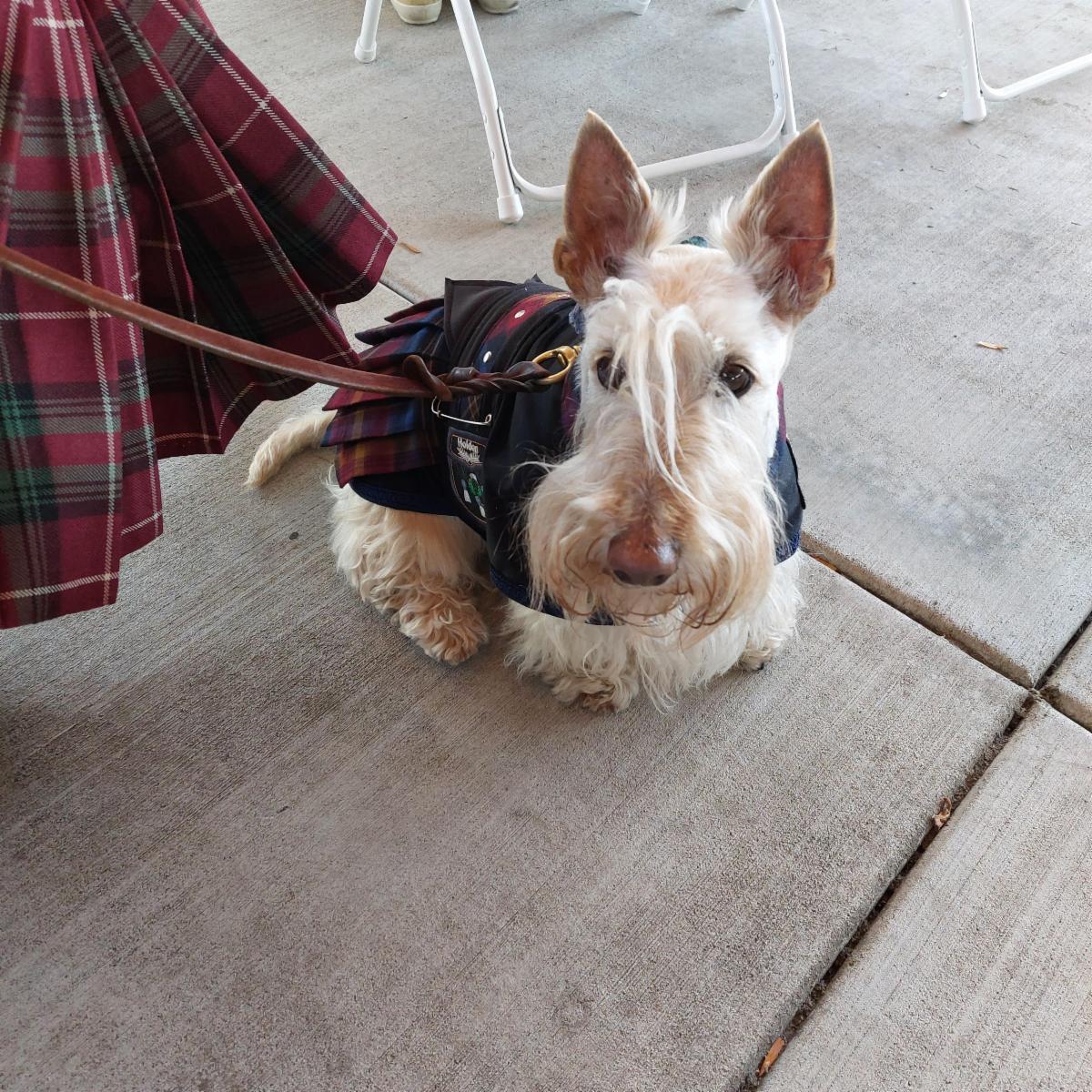
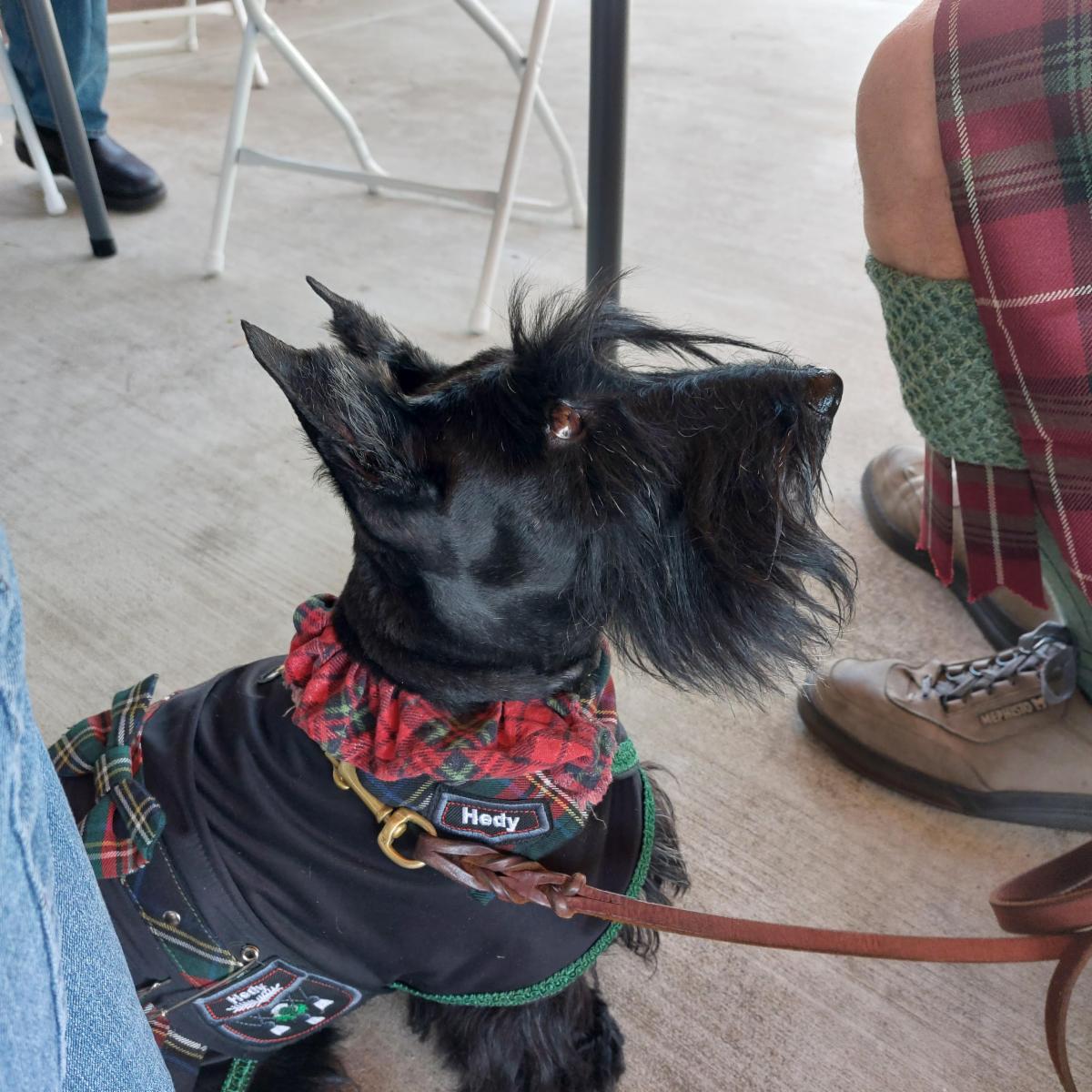
Tracy Weisert and Gary Carr along with Hedy and Holden Carr. | |
|
|
Be a part of an organization that promotes and educates on Scotland's rich history, and keeps you up-to-date on today's Scotland with informative podcasts, events, products and people in "the know."
| |
|
Shop St. Andrew's LA merchandise
to GET YOUR SCOTTISH ON!
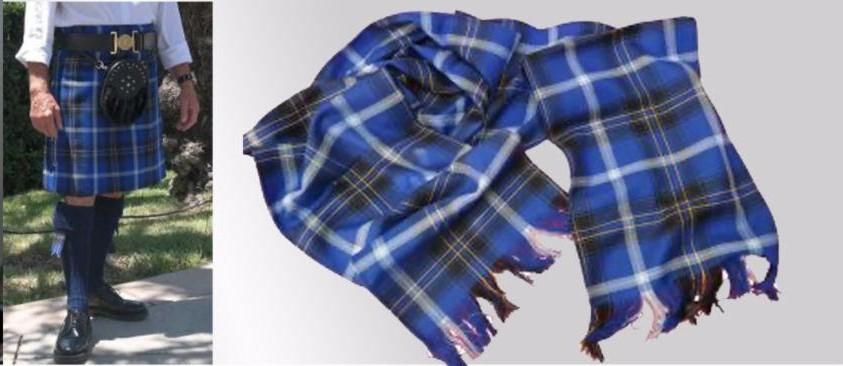
Our society tartan is officially registered
with the Scottish Register of Tartans
| |
|
* Ladies Sash
* Gentleman's Tie
* Men's Polo Shirt (Blue or Black)
* Ladies T-Shirt (Blue or White)
* Rosette
| |  |
|
* Kilt
* Lapel Pin
* Cap Badge
* Blazer Badge
* Face Masks
| |
|
2023
Dog Days of Summer (Pet Friendly): Sat, July 29th
Rooftop Soiree - Los Angeles: TBA
Seaside Highland Games: Sat/Sun, Oct 14th & 15th
New Member Reception @ The Tam O'Shanter - Sat, Oct 28th
St. Andrew's Day Brunch: Saturday, December 2nd
2024
Robert Burns Celebration: Saturday, January 27th, Four Seasons Los Angeles @ Beverly Hills - SAVE THE DATE!
SASLA AGM: Saturday, February 24th
TARTAN Film Festival: April 6th - 13th
| |
|
Your St. Andrew's Society makes worthy contributions year round.
Help support the organization that makes a difference in your name
| |
|
St. Andrew's Society of Los Angeles
"Where Scotland Meets the City of Angels"
| | | | |