|
A few years ago, your writer was listening to a Continuing Legal Education (CLE) course with a panel of “experts” -- defense counsel, ethics counsel and elder law counsel -- advising that upon completion of your estate plan we should send you a letter that goes something like this: “Thank you for your patronage. This concludes our representation of you in this matter.” The purpose of this letter, they explained, was that it would start the statute of limitations running so that, in case you, the lawyer, made a mistake, after a few years the client (or their heirs) would not be able to sue you. This made me think about how lawyers are trained. Not only are lawyers trained to be risk-adverse, but a lot of risk-adverse people go into law. These lawyers seem more concerned with the one in a thousand clients who might sue them than with the nine hundred and ninety-nine that won’t.
The problem with this approach, as we see it, is that it treats the estate planning process as a transaction instead of what we feel it should be -- a relationship.
For this reason we do just the opposite. Once your plan is completed we don’t say “thank you very much, goodbye.” Instead we say “welcome to the firm.” Going forward we will not charge you for phone calls or emails and encourage you to stay in touch with any questions or concerns you have along the way. We also let you know that we will get in touch with you every three years to have a meeting, in person, by phone or by Zoom, for a free review of your plan. To our knowledge, very few firms offer a free review. When we tried to explain the merits of such system to our colleagues around the country, they seem to have trouble understanding the word “free”.
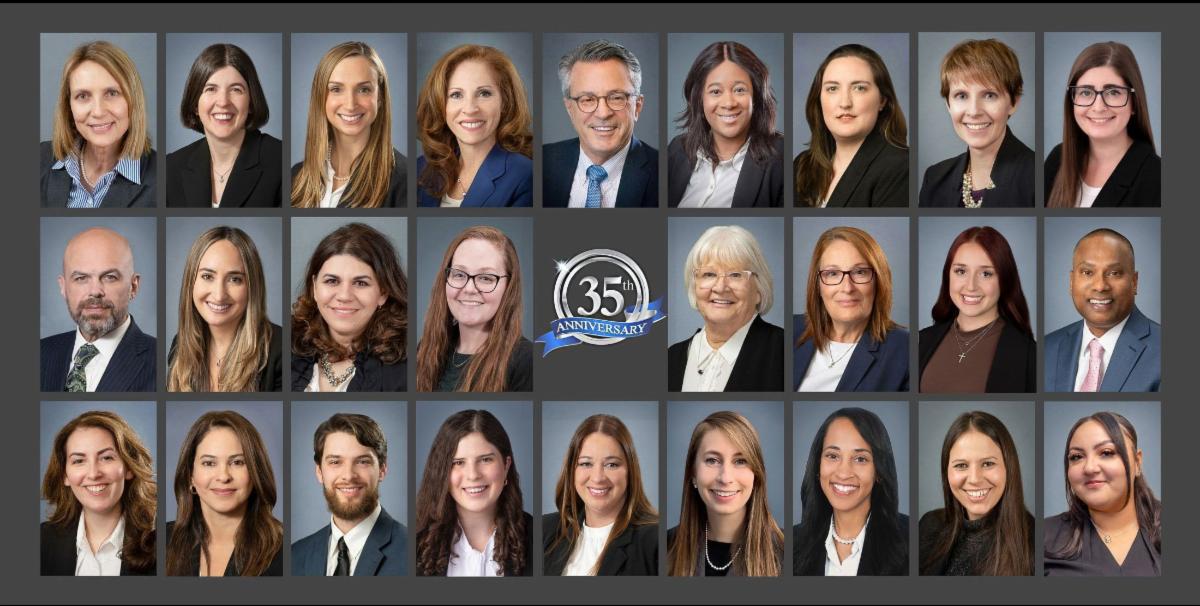
When we set out, over thirty-five years ago, to offer the review, we decided it had to be free of charge. If we charged for the review, a common practice among those few firms that offer this service, we would have two tiers of clients -- those whose plans were up-to-date and those whose plans weren’t.
Life is constantly in flux. We believe it is essential to look at your estate plan regularly to take into account the many things that can happen to people and to their assets. We do not believe it should be up to you to make sure your plan is up-to-date so it will work when you need it. By using this system you, like many others, can be free from worry about serious future problems being overlooked.
|