New Students at the Center
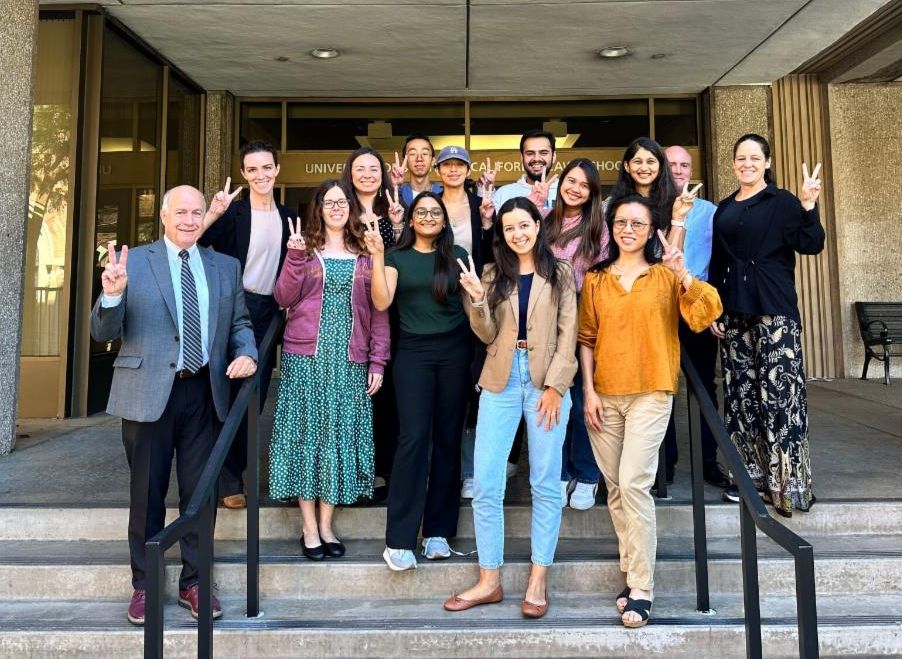
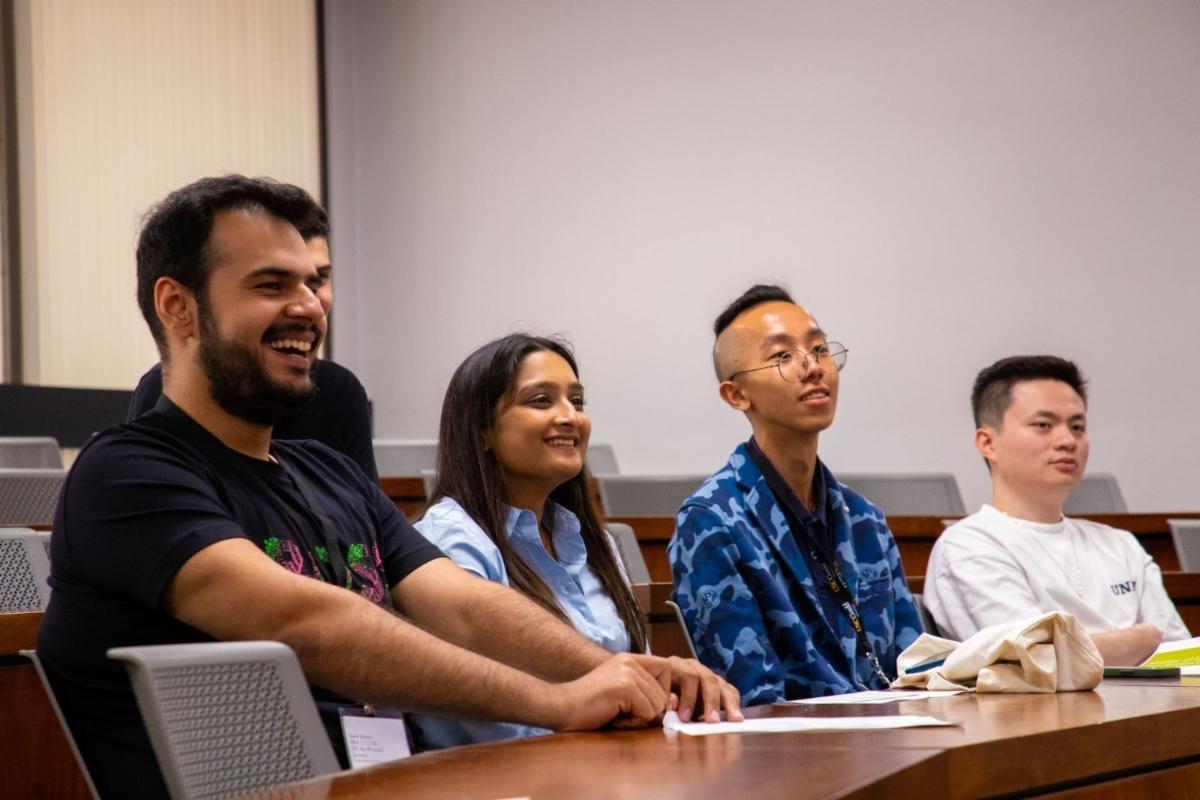
To welcome our newest class of dispute resolution students, USC Gould and the Center hosted our Student Orientation for Fall 2023!
Our Fall 2023 admitted students were able to experience the unparalleled community of USC Gould School of Law, networking with faculty, students and alumni, including an immersive overview from Center Director, Professor Richard Peterson.
| |
|
We continue to connect with this exceptional group of students, introducing them to alumni and supporting their growth during their time at Gould. We can't wait to see all they will do! | |
Center Lecturer Richard Erhard for the ABA's Just Resolutions newsletter: Early Dispute Resolution (EDR) - Breaking the "Wait to Fail" Model
| |
|
The title of this article may raise some eyebrows. Even more so, its content may cause some discomfort to those who are wed to the status quo – the Institutionalized1 Model of Special Education Dispute Resolution. However, the intent here is to raise awareness and increase the curiosity and motivation of all stakeholders involved in the resolution of special education disputes toward exploration of a viable alternative. In other words, to disrupt a well-meaning process that does not provide a reliable solution to stem the flow of ongoing requests for due process hearings.
Nearly twenty years ago, when questioning the effectiveness of the status quo “Institutionalized Model” I asked myself the following questions:
- Are there options to the current model for the resolution of special education disputes?
- Are there lessons to be learned from other related disciplines?
To be effective, an alternative dispute resolution model needs to provide an efficient, timesaving, cost saving and humanistic way to address the fact: School districts and parents of children with disabilities are going to disagree over the placement and provision of services for a district’s students and a parent’s child. School districts, use the term, “student”, while parents see their daughter or son… their “child”. From the onset, this discrepancy creates a dynamic of student vs. child…district vs. parent and is therefore a primary issue challenging the provision of a free appropriate public education (FAPE).
| |
The model I propose is a straightforward, “cards face up on the table”, “research-based” and party-centric dispute resolution approach, with the intended outcome of providing educational benefit to the end user, children with disabilities.
The importance of early intervention services to mitigate the effects of disability on a child have been well documented and an integral part of special education practice since its inception in 1975. The Act, reauthorized in 2004, has been modified over the past forty-eight (48) years, yet little has changed regarding the resolution of disputes over placement and services. The regulations implementing the IDEA speak to the importance of “implementing a formal plan for identifying a disability as early as possible in a child’s life”.
| |
|
The implementation of this plan codifies the importance Congress places on specific early intervention services.
In addition, the California legislature finds early education programs for children with disabilities, may significantly reduce the potential impact of many disabling conditions on a child, reduce family stress, societal dependency and institutionalization, as well as saving substantial costs to society and schools. Furthermore, given the importance of early intervention, the IDEA authorizes school districts to utilize special education funds for Early Intervening Services, as a proactive measure to assist children at risk, however not yet identified as needing special education.
Early intervention for children with disabilities is supported in both federal and state statutes and codified in their implementing regulations.
| |
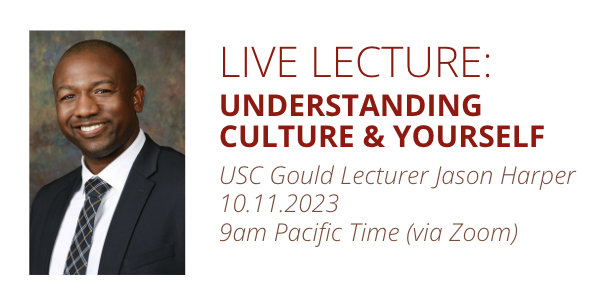
Master Class in ADR by Lecturer Jason Harper
On October 11, 2023, Professor Jason Harper provided a Master Class on Understanding Culture and Yourself to a large online audience.
| |
He discussed recognizing and dismantling implicit bias; and outlined how addressing this, and recognizing that we all have implicit biases, can help facilitate more successful mediations. | |
|
He detailed key elements of serving as a truly neutral third party in dispute resolution proceedings, including active listening, non-judgmental questions, and allowing parties the time they need to process their own issues. Participants were enthralled and many shared that they hope to take his Cross-Cultural Dispute Resolution course in the coming semesters.
| |
Center Lecturer Richard Erhard featured at Conflict Resolution Month:
Early Dispute Resolution vs. Institutionalized Mediation:
Therapeutic Jurisprudence Considerations for Special Education ADR
| |
After the publication of his article for the ABA Just Resolutions newsletter, Lecturer Richard Erhard was invited to present at the 11th Annual Conflict Resolution Month event hosted by Sam Houston State University (SHSU) in Houston, TX, on October 5, 2023. | |
|
His presentation addressed the relationship between the legal definitions of Privilege, Discrimination, Negligence and the Duty of Local Education Agency (LEA) staff to uphold the corresponding Rights afforded to students with disabilities under the Individuals with Disabilities Education Act (IDEA).
Attendees were then introduced to and given the opportunity to gain a basic understanding of conflict, the approaches to resolving conflict and the processes used when responding to conflict. Here, the presentation addressed the importance of neutrality, the perception of bias and the potential use of neutral third parties in special education dispute resolution to mitigate the effects of bias, as well as the difference between Early Dispute Resolution (EDR) mediation and Institutionalized mediation.
Finally, the presentation asked attendees to reflect seriously on the impact of special education litigation on all stakeholders and therefore the role of Therapeutic Jurisprudence when considering alternatives to litigation.
| |
Furthering Career Development | |
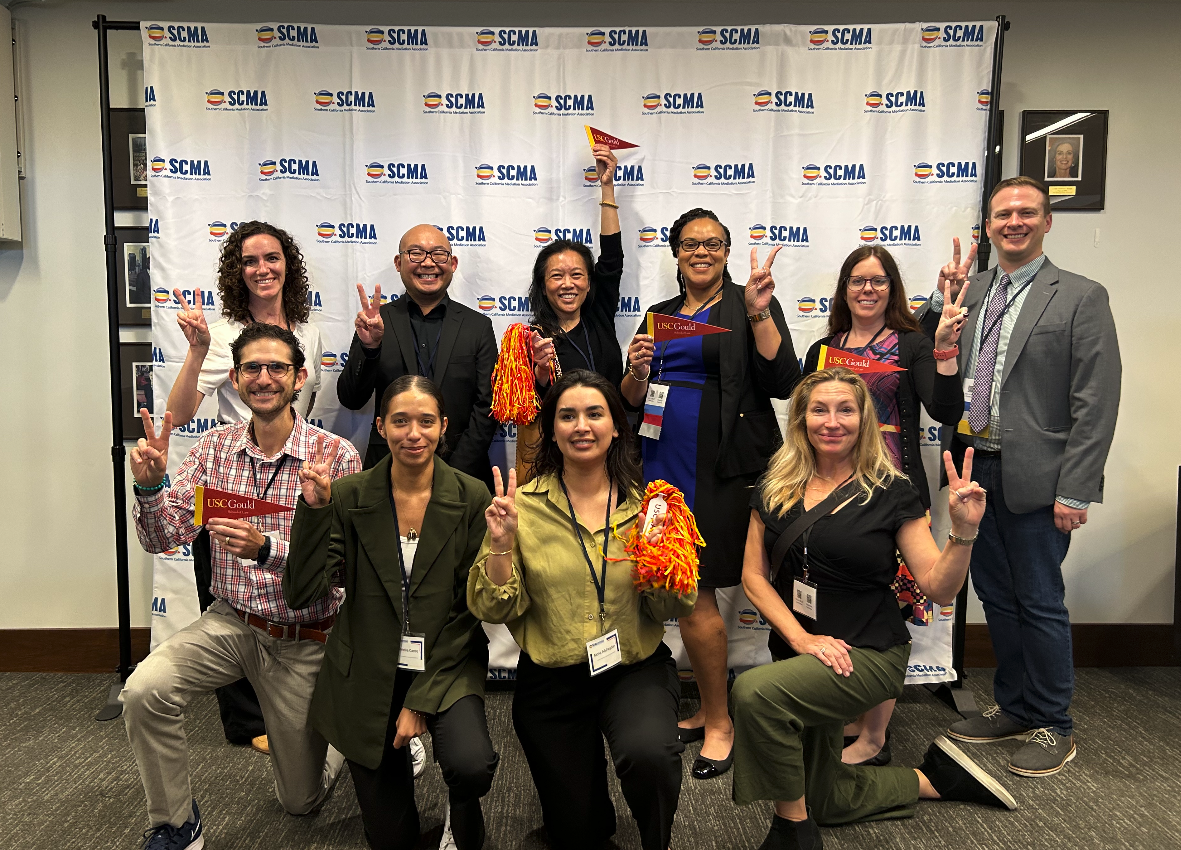
SCMA Annual Conference: Q&A with MDR student Jenny Januszewski
Master of Dispute Resolution (MDR) student Jenny Januszewski recently attended the Southern California Mediation Association (SCMA) 35th Annual Fall Conference, held at the at Straus Institute at Pepperdine University. In this Q&A article, Januszewski (MDR Class of 2025) shares meaningful insights and highlights from the event, which centered around the theme, “Mediators in Action: Building Bridges and Empowering Choices.”
| |
In what ways did the conference expand your perspectives?
It’s easy as a student to get tunnel vision while navigating classwork and everyday life. Classmates become fuzzy images in your peripheral as you begrudgingly eat the quick snack bar you found in the bottom of your bag all while resisting the urge to step out of class to listen to the marching band. But then there are moments that make you pause and change the way you see things forever.
| |
|
The impactful stories shared at the Southern California Mediation Association (SCMA) such as the one told by [keynote speaker, from Saving Innocence] Leila Yavari about the struggle against human trafficking, and the role mediation plays in the political balance, as well as the information distributed by some of the sponsors about teaching children how to manage conflict — all shed light on how many different career avenues a new mediator can take as well as the breadth of the impact we as mediators can have.
What else did you enjoy about the experience?
Other highlights included being able to hear two of our USC Gould professors, Dr. Jack Goetz and Prof. Phyllis Pollack, speak on the topic of alternative dispute resolution ethics. They discussed many things that I had heard them share in class. The discussion it spring-boarded among the attendees afterwards was enormously meaningful.
Hearing the professors’ words at the SCMA conference, I came to realize they weren’t just teaching us methods in class, but rather putting out into the world what they believe mediators can do, in the way of peaceful negotiation and the standards they believe the profession should be held to.
They are words and ideals I hope to carry throughout my professional life.
| |
How did the event help to advance your career aspirations?
Although I had been in the professional world for over a decade, I had never attended a conference.
It truly was gift to attend such a variety of lectures and to exchange ideas with some of the most impactful mediators in the industry.
| |
|
How did the event help to advance your career aspirations?
Although I had been in the professional world for over a decade, I had never attended a conference. It truly was gift to attend such a variety of lectures and to exchange ideas with some of the most impactful mediators in the industry.
By afternoon, the students I sat next to were no longer fuzzy images in my peripheral. I sat there, enjoying my delicious SCMA lunch at a table where we freely and excitingly talked about our ideas for where we hoped to be as future mediators.
More importantly, we were working out how we could help each other achieve. I suppose the more seasoned mediators did exactly what they are trained to do… they got us talking and working together. I look forward to attending in the future. Perhaps even as a mentor someday.
| |
SCMA Sixth Annual Family Mediation Institute Conference
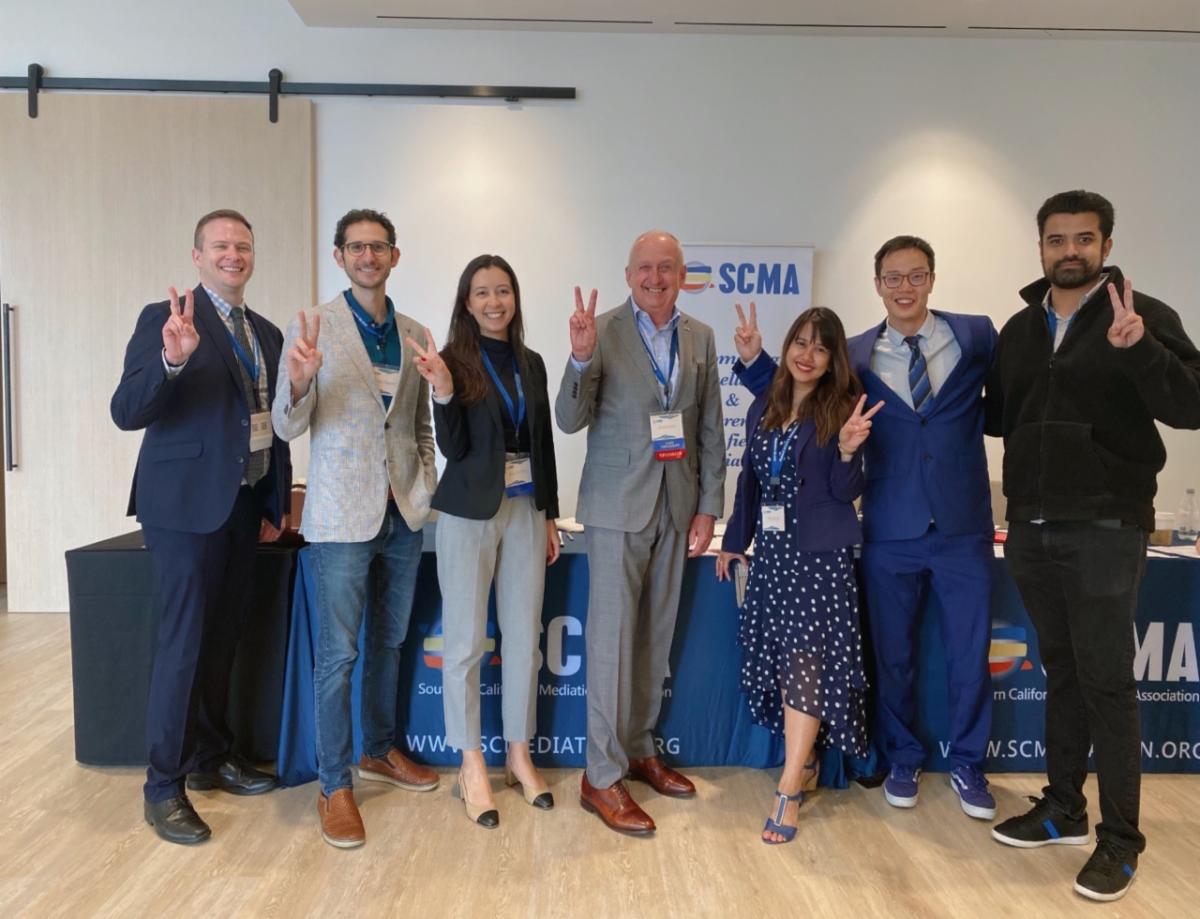
As part of our ongoing dedication to students, alumni and faculty education, members of the USC Gould Center for Dispute Resolution attended the sixth annual SCMA Family Mediation Institute Conference, focused on specific issues and challenges facing mediators in family-focused environments.
A 2023 LLM in ADR graduate, Hazel Navarez, attended alongside classmates from the LLM in ADR and MDR programs, as well as Professor Richard Erhard. She shares her experience below:
| |
By Hazel Navarez, LLM in ADR
SCMA’s 6th Annual Family Mediation Institute Conference served as a great avenue for new mediators, experienced professionals, and ADR students to network and enhance their knowledge on two specialized tracks: (1) Divorce Mediation Track and (2) Family Mediation Track. It equipped all professional, new, and aspiring mediators to head on strategically and successfully deal with the challenges surrounding family mediation.
| |
|
Out of all the workshops, three of them struck me the most. First is the “Understanding Special Education Law to A.I.D.E. Parents of Children with Disabilities Through Their Family Restructuring” piqued my interest about special education mediation. Crystal Williams and Josh Kershenbaum pointed out the critical concerns about dealing with children with special needs and in carefully addressing their unique needs in every family conflict. I liked the emphasis on the cautions of using the term “special needs” and its other related terms since each of them have specific statutory and regulatory definitions. This is informative as different laws to protect students with special education needs were also discussed. The knowledge and awareness of these specific and regulatory definitions and the laws surrounding the special education needs are very crucial for mediators in achieving a successful negotiation in this specialized field.
Second workshop is the “Mortgage and Divorce – Top 5 Tips to Give Your Clients When Separating Property”. It was an interesting topic about the division of real property when married couples divorce and such can be a rigorous process. Zachary Taylor, Laura McGee, and Carlie Berke gave a detailed presentation of various strategies for dividing marital real estate and explained how a mediator can assess the parties’ options to sell split proceeds, delay sale, buy-out with cash-out refinancing or with asses swap, or to just continue to co-own their property.
Last but not the least is “The Art of Premarital and Marital Mediation”. It is an engaging topic about the advantages of Premarital Mediation (PMM) which could definitely help the couples in the start of their marriage by being made aware of their expectations and visions moving forward. Amanda Singer and Jennifer Segura were able to point out how having PMM can possibly contribute in laying a strong foundation for a couple’s marriage and avoid future separation by talking about their perspectives on the difficult issues that they could face as newlyweds. Marital Mediation also plays an important role in aiding the couples stay married by assisting the couple in finding mutual solutions to unresolved conflicts.
The conference speakers indeed gave a meaningful reminder to mediators in terms of mediating high conflict disputes such as to become strategic problem-solvers and to avoid focusing on the negative but instead, begin focusing on the future. Just like what Erin Levine said, “Mediation allows people to make choices based on the future they are creating – not the chapter they are leaving behind.”
| |
SCMA Employment Mediation Institute 2023
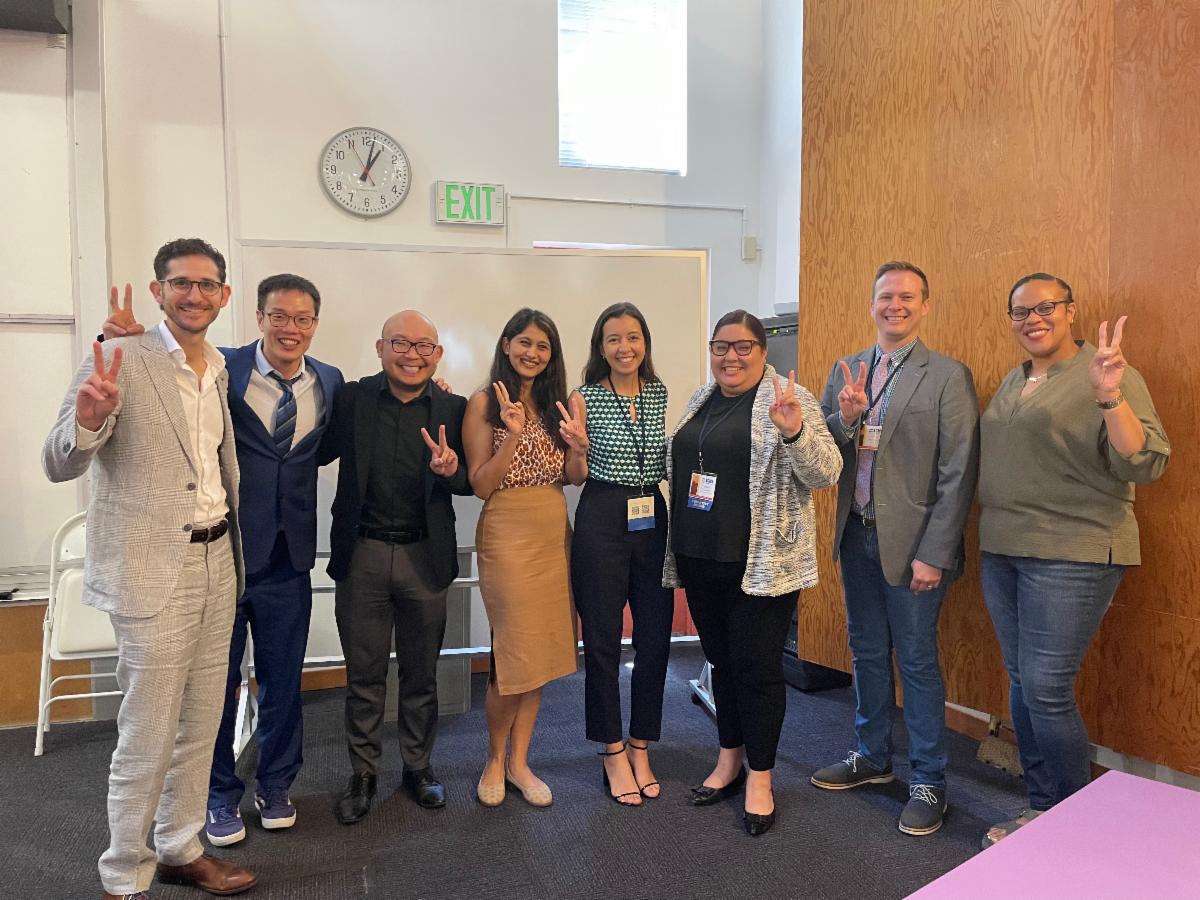
The Center continues to bring together our USC Trojan Family across continued education and networking opportunities with SCMA, including the summer Employment Mediation Institute.
A group of students and alumni converged on the day's program, discussing changes to the modern workplace have impacted our role and approach as employment mediators. Fight On!
| |
|
Thomas Lenz | Lecturer in Law
| |
|
Katia Yannaca-Small | Lecturer in Law
Lecturer Katia Yannaca-Small recently moderated a panel of practitioners and arbitrators during the 4th Athens Arbitration Forum on October 19, 2023.
The theme of the Forum, which was part of Athens Arbitration Days (October 17-20) and was attended by over 200 participants from Greece and abroad, was "State and State-entities in international arbitration." The panel she moderated tackled the most common issues as well as the challenges in representing States and State-entities in international arbitration.
| |
|
Nathan O'Malley | Lecturer in Law
On September 9th, Lecturer Nathan O'Malley was invited to give a presentation to the American Arbitration Association's "Energy Disputes Conference" held in Houston, Texas.
His talk focused on international arbitration in the renewable energy sector. During his presentation, he discussed a number of unique aspects concerning renewable energy disputes and how international arbitration is being used to resolve them.
| |
|
Center Alumni Join the SCMA Board of Directors
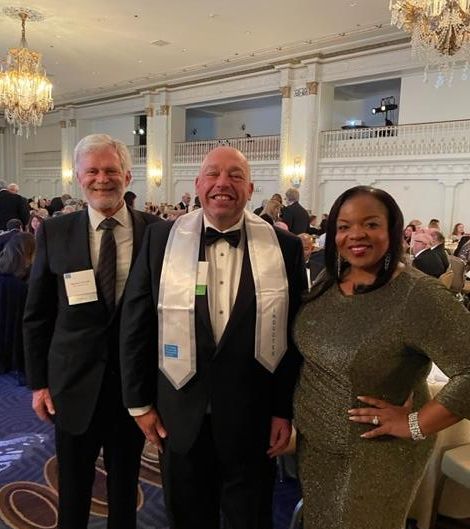
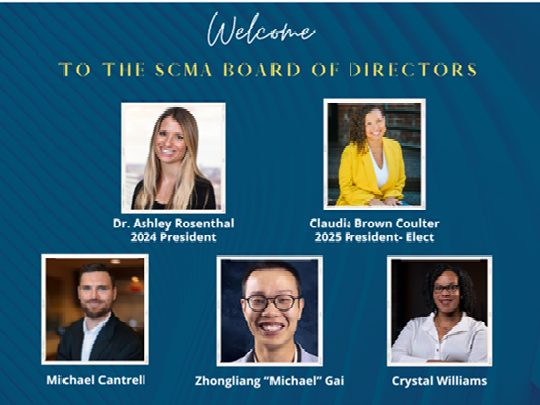
Congratulations to the newest members of the SCMA Board of Directors, including USC Gould alumni Zhongliang Gai and Crystal Williams, as well as the new 2024 President, Ashley Rosenthal.
We are proud to have such strong Gould representation and leadership at SCMA, and for the additional contributions of our alumni to the 2023 Annual Fall Conference Planning Committee, including recent graduate Anthony Keene-Louie. Fight On!
| |
|
Sharvani Navangul | LLM in ADR
After graduating in 2023 and sitting for the California Bar Exam, Sharvani Navangul started work as a Law Clerk at Schneiders & Associates. At the firm, she works with small businesses and non-profits around Ventura and LA County for their corporate reorganizations, IRS and AG filings, and civil disputes.
Additionally, she is spearheading prevention of workplace sexual harassment training programs for corporations. This initiative complements her passion for employment mediation and the promotion of inclusive and harmonious workplace environments.
| |
|
Bruna Abreu | LLM in ADR
Recent LLM in ADR graduate from Brazil, Bruna Abreu, has been hired to work as a Case Administrator at FINRA, Dispute Resolution Services.
She will be working alongside LLM in ADR alum, Joseph Jeong, on arbitration cases, which will enable her to apply the knowledge gained during her coursework at Gould.
| |
|
Shubhangi Nangunoori | LLM in ADR
Also joining FINRA, LLM in ADR graduate from India, Shubhangi Nangunoori, has been hired to work as a Case Administrator. We are proud to have so many Gould ADR alumni using their degree in financial regulation.
| |
|
Jeff Brockmeier | LLM in ADR
Center graduate Jeff Brockmeier was recently promoted to Associate General Counsel (Ethics & Personnel) at the Defense Contact Management Agency. He credits his LLM in ADR at USC Gould as a significant factor in his selection, as the role involves arbitration of union grievances and mediation of employment disputes.
| |
|
Katia Tyra | MDR
Master of Dispute Resolution graduate Katia Tyra has been selected for a position at California State University, Los Angeles, as a University Advancement Program Manager.
| |
|
Taylor Cornwell | MDR
Recent MDR graduate, Taylor Cornwell, is amplifying her expertise in mediation learned at Gould with a Master's in Counseling Psychology with a concentration in Marriage and Family Therapy (MFT) from the University of San Francisco. She hopes to use the knowledge gained from her MDR and MFT degrees together for her future professional endeavors.
| |
|
Understanding the Ladder of Inference: Navigating Cognitive Pitfalls
Professor Richard Peterson, Director of the USC Gould School of Law Center for Dispute Resolution
| |
Dispute resolution education provides many tools for students to use in diagnosing and facilitating resolution of conflict. One such tool that I have used in my teaching for many years is known as the ladder of inference. In our daily lives, we often make decisions based on our perceptions and interpretations of events. However, these interpretations are not always accurate and can lead to misunderstandings and conflicts.
The ladder of inference, a concept introduced by organizational psychologist Chris Argyris, sheds light on how our thoughts and beliefs can shape our actions and influence the outcomes of our interactions.
| |
|
The ladder of inference illustrates the mental process we go through when making sense of the world around us. It consists of seven steps, each building upon the previous one, leading to a potentially biased conclusion. These steps are:
1. Observation: We start by observing a situation or event. However, we cannot observe everything, so we select and focus on certain aspects based on our personal biases, experiences, and beliefs.
2. Selecting Data: From the information we observe, we filter and select certain data points that seem relevant to us. This filtering process is influenced by our personal preferences and existing mental models.
3. Adding Meaning: Once we have selected the data, we ascribe meaning to it based on our beliefs and assumptions. We interpret the data through the lens of our existing knowledge and past experiences.
4. Making Assumptions: Next, we make assumptions based on the meaning we have assigned to the selected data. These assumptions may be unconscious and are often influenced by our biases and preconceived notions.
5. Drawing Conclusions: Based on our assumptions, we draw conclusions about the situation. These conclusions may be incomplete or distorted due to the limited data we have considered, as well as the biases and assumptions we hold.
6. Forming Beliefs: We adopt beliefs based upon the conclusions we have drawn from our current situation, which may be stronger if also based on conclusions drawn from past experience. Our beliefs are further reinforced and applied in similar future situations.
7. Taking Action: Lastly, we take action based on our conclusions. Our actions are driven by our beliefs and assumptions, which may not accurately match the reality of the situation. This can lead to misunderstandings, conflicts, and ineffective decision-making. Application of the ladder of influence is illustrated in the following example I frequently use when introducing this framework to students.
| |
A corporate president, Alex, contacted a dispute resolution professional, Megan, for consultation regarding the president’s plan to fire a high-level sales employee who had been with the company for many years. When asked about the reason for the firing decision, Alex said, “Ed is just not committed to the company. He’s got to go.” Megan then asked, “Can you tell me what Ed has done, or not done, that leads you to conclude he is not committed to the company?”
| |
|
Alex responded, “He is constantly late in submitting his monthly and quarterly sales reports. I have spoken to him about this before, but the reports are still late. I can’t stand it when people are late! It’s just a sign of laziness, and a clear indication that he is not committed to his work, or to this company. I know he loves golf. He should be spending less time on the golf course and more time doing his work. He’s got to go.”
Megan then spoke with Ed. “Tell me how things are going with your work.” Ed responded, “Couldn’t be better! Things are great! In fact, I think I’m getting a promotion next week.” Megan then asked, “What makes you think you are going to be promoted?” Ed replied, “Well, the president wants to meet with me next week and I just have a feeling that I am going to be promoted. My sales have exceeded all expectations, and our customers love me. I have been the top salesperson nine of the past twelve months, and my customer satisfaction ratings are the highest in the company.” Megan asked about his work schedule, to which Ed replied, “My family accuses me of being a workaholic. I probably work 14-15 hours a day. I know it's not fair to them, but I need to keep my customers happy. I do wish I had more time to myself; I love golf but haven’t had time to play in over a year. But that’s ok; I love my job, and whatever free time I do have, I spend with my family.”
Megan used the ladder of inference to help Alex and Ed see the circumstances more objectively and to help Alex avoid acting in a way that would have been extremely detrimental to the company and to Ed. First, Megan walked Ed down the ladder of inference in order to look more carefully at the data pool. Previously, Alex only selected data that supported his preconceived ideas (Ed was habitually late submitting his monthly and quarterly reports) and that also were consistent with his own personal preferences and preexisting mental models or biases (people who submit their work late are lazy, unreliable, and not committed to the company.) Alex attached meaning and made assumptions based on the limited data selected (Ed was purposefully ignoring his repeated instructions to submit his reports on time; and intentionally doing so because he was lazy, unreliable, distracted, and not committed to the company.) Alex further assumed that Ed’s late submission of reports was caused by his spending excessive time playing golf instead of completing his reports, because Alex had noticed several golf trophies, golf themed pictures and other golf paraphernalia in Ed’s office.
| | | | |