|
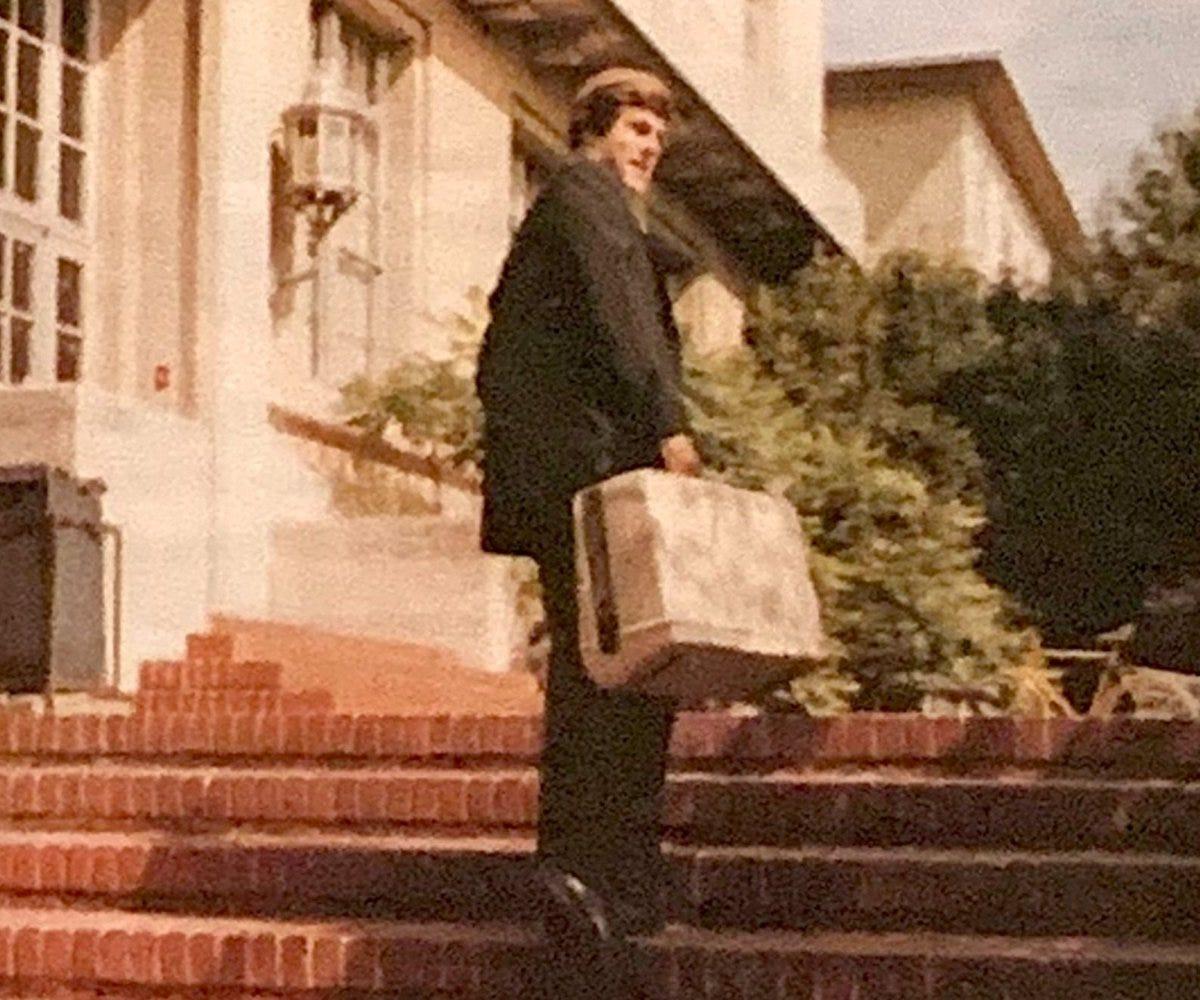
There were no caselaw databases, no internet (didn’t exist), no modem, no battery even. Just a loud grinding tractor fed dot matrix printer and the first version of WordStar on a 5” screen and extension cords. Other students used a typewriter, probably the one they got as a gift for graduating college.
Trivia: The Osborne 1 computer originally cost $1,795 when it was released in April 1981. One in good condition sells for about $600 on Ebay. But the 90K floppy drives are notoriously difficult to find, or keep working. Many often comment “the battery must have been huge” but in reality there was no battery at all. And almost no space left inside there. The 64K of memory took up a lot of square feet.
The story is legendary. Two students brought their Osbornes to the exam in Alan Dershowitz’s criminal law class. Mid-exam a note was passed to the Dean of Students. The brave computer user who sought no special permission to use a computer - not because they were a hero or rule breaker but because using a computer seemed as obvious as using a calculator in math class— - instead of a typewriter was summoned to the Dean’s office.
In a follow-up meeting the student was given permission to use a computer while a hearing was scheduled. The primary concern it seemed was the anxiety the computer created for other students with regard to fairness. The hearing was months off.
First the story was written about in the Harvard Law Record. Then the Wall Street Journal picked up the story, on March 23, 1982, with the title of the front page story quoting one of the computer users “Will Computer Memories Replace Notes on the Shirt Cuff in Exams?”
This was huge news among a tiny set of very interested people, myself included (I was 16 years old at the time, very much into this new thing called "personal computer programming").
Computers were new and scary, but the world was optimistic. Time Magazine had yet to announce the computer as “Machine of the Year” (December 1982) but the world was abuzz with the potential of a computer in every home and on every desk:
- Atari sold twice as many computers as the next leading company, Radio Shack, both more than either Apple (279,000 units) or IBM (240,000)
- Literally almost no one had a computer with about 1.8M units sold collectively worldwide since 1977
While the initial concerns were about a potential unfair advantage for students with computers- something that will later be known as the digital divide - some began to speculate about longer term concerns of computers providing a form of cheating such as pre-written text.
Note: Interestingly the idea of connecting the computer to a database of other text or case law resources was simply speculation at this point. It is worth noting that just one year later somebody said "Hey, hold on . . . " and it would be routine to use a dial-up service to gain access to databases like legal cases.
I was in high school using my Osborne when I first learned about this story. I still have a huge back catalog I collected (read: a ton of shit stored in a box in my attic).
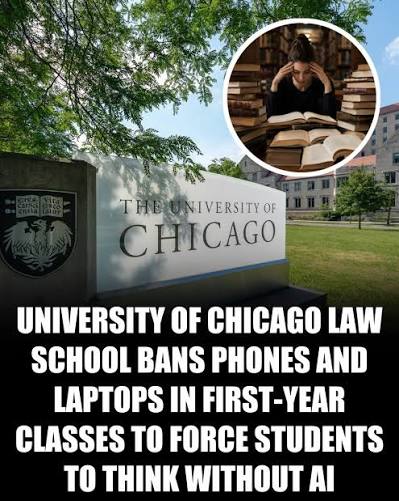
It is just all too wild to read today. Deans and university presidents getting involved. Banning the use of a tool. Fear. Anxiety. It all seems too absurd over a computer.
Oh. Wait. This time is different!!
In the end the school banned the use of computers and word processors from exams. The Harvard Law Record from 1982 notes:
The brave student told the Dean: “I opened the door to 21st century technology and you slammed the door in my face".
Seems crazy. I know.
Regardless, students increasingly used a computer in preparation of course notes, outlines, and assignments, though not in exams or take-home exams. In just a few years, the computer was ubiquitous in law school.
By far the most interesting development at first was just how much students were typing compared to how recent graduates were practicing law where typing was the first thing you stopped doing as a lawyer.
Business school was the same way but instead of word processors it was spreadsheets. MBA students began using Lotus 1-2-3 in droves years before the banks and consultancies they would work for would make worksheets ubiquitous. The most tech savvy students were using VisiCalc on Apple.
Anyway, we all know the history of what happened. Computers became ubiquitous.
And there was a really important lesson. We soon found out that the people controlling these things had no idea how the actual “work to be done” would change because of the tool. Writing on a typewriter while difficult was also expensive. One could only correct small mistakes, and awkwardly so, with whiteout or just a pen. Once you removed the paper from the typewriter aligning any fix was impossible. A typewriter was not for writing or thinking. It was simply better handwriting.
|