|
Staffing Updates
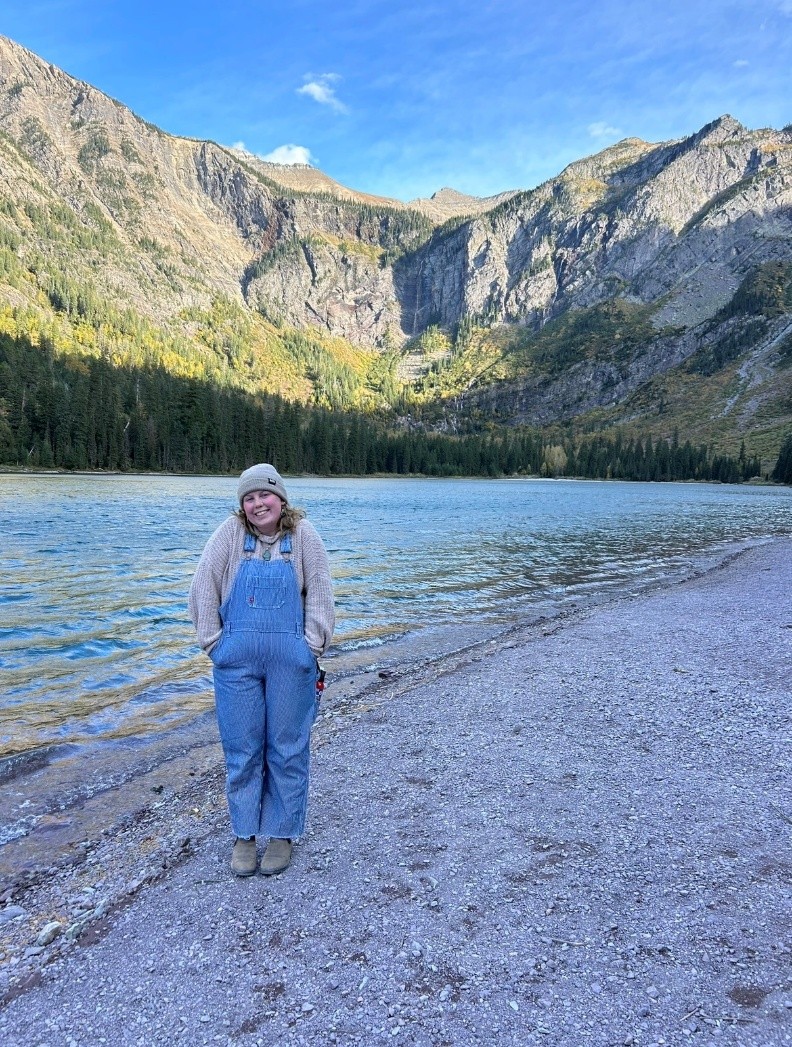
In the midst of the huge snow storm in January, we welcomed a new member to our Urban Team. Rylee Armstrong joined us as a Stormwater Field Technician and has been out and about in the county, doing both active construction and post-construction stormwater inspections.
Prior to joining FSWCD, Rylee worked as an environmental consultant in West Virginia, and also has a wide array of experiences working for the National Park Service, the Forest Service, and interning with the Ohio EPA. Welcome to the team, Rylee! We’re happy to have you!
You can reach Rylee at rarmstrong@franklinswcd.org or 614-486-9613.
| | |
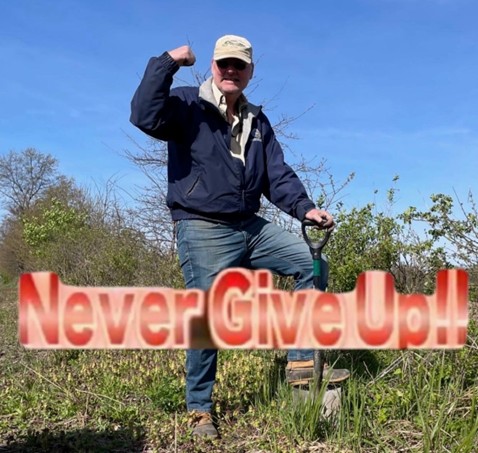
A month later, at the end of February, our Urban Conservation Specialist, Dave Reutter, retired after almost 20 years with the District. While we miss him dearly, we are excited to see what he gets into with his newfound free time!
Thank you, Dave, for the decades you spent providing high quality public service to landowners and our governmental partners, mentoring staff, and for your work protecting the natural resources of Franklin County!
| | |
WQP Featured Practice: Dumpster & Waste Management
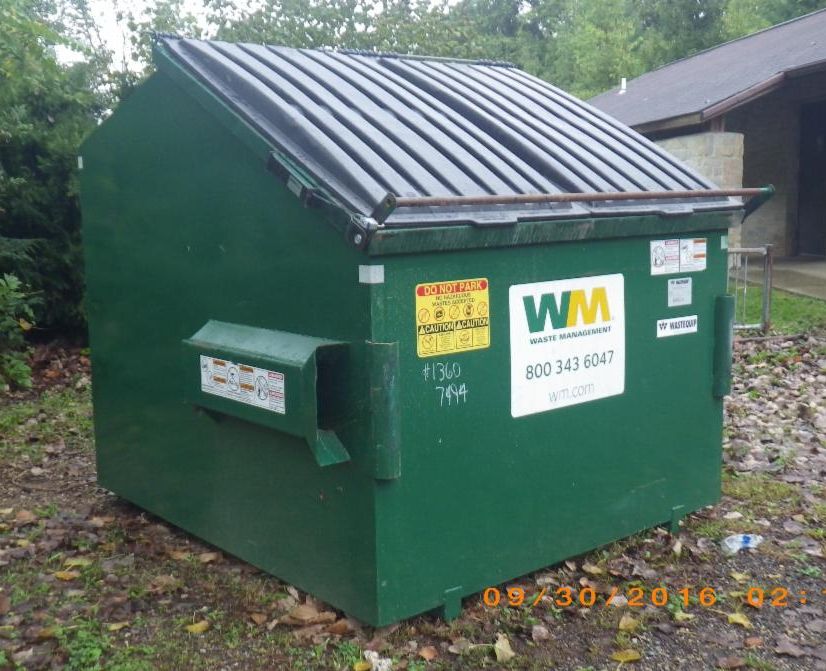
Did you know that “dumpster juice” can affect oxygen levels in bodies of water, causing fish kills and may contain high levels of nutrients, heavy metals, and other toxins that can find their way into the nearest stream? Thankfully, there are some simple things that can be done to ensure your dumpster is not the source of an illicit discharge:
- Keep dumpster lids closed,
- Check drainage plugs,
- Keep liquid waste out of the dumpster,
- Learn what qualifies as a hazardous waste
If your dumpster is damaged or missing lids/plugs, contact your waste collection company for a replacement. Hazardous waste products are labeled with words such as poison, corrosive, toxic, flammable, or Keep Out of Reach of Children/Pets, and include products like paints, stains, pesticides, fertilizers, pool chemicals, CFL light bulbs and batteries. These types of products should never be thrown in the trash or poured down a drain, as they can end up contaminating our soil and water.
| | | | |
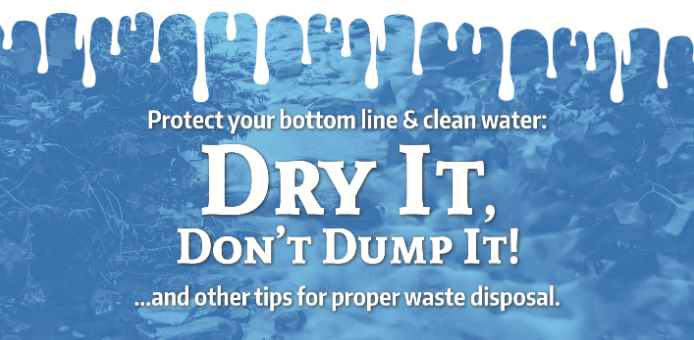
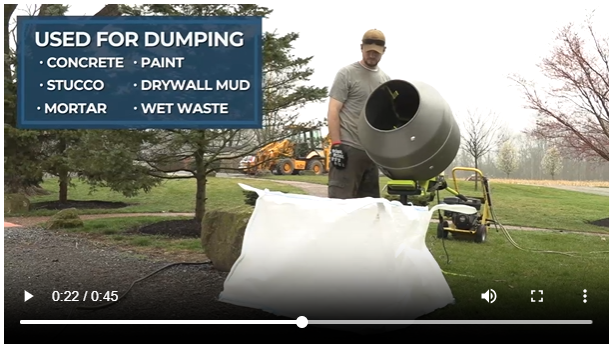
If dealing with paint and concrete wastes, remember to Dry It, Don’t Dump It!
-
Oil-based paints and stains are considered a hazardous waste and should be taken to a hazardous waste center where it will be properly recycled or disposed.
-
Latex and water-based paints are water soluble and therefore not considered hazardous. These products can be disposed in your regular trash, but must be hardened first using kitty litter or other paint hardening products. Be sure to leave the lid off the can so your waste hauler can confirm the product is dry or else they may refuse to collect it.
- Waste and rinse water created from concrete and mortar activity can have pH levels similar to liquid drain cleaner! In addition to altering soil and water chemistry, this material also contains toxic metals and sediment that destroys habitats. Never dispose of concrete washout or cutting slurry into the street, storm drains, drainage ditches or streams; it is against the law.
| | |
BMP Review: Sediment Controls
A BMP is a Best Management Practice used to manage or prevent stormwater runoff during active construction.
Most of us in the Urban Conservation world are familiar with OEPA’s Rainwater and Land Development Manual and the work that our friendly neighborhood Stormwater Engineer, Justin Reinhart, has put into updating it. This manual is a great resource for those designing SWPPPs, inspecting construction site BMPs for compliance with the permit, as well as onsite contractors who are looking for additional guidance on how to install and maintain sediment and erosion control measures on their site.
Each section in the RW&LD Manual provides a brief description of the BMP, use criteria, design criteria, what details should be included in the Stormwater Pollution Prevention Plan, and inspection and maintenance specifications. Most recently, Justin has been working on updates to Chapter 7 – Sediment Controls (previously Chapter 6), which covers sediment basins, storm drain inlet protection, sediment barriers, and sediment traps. A summary of updates can be found below.
- Section 7.1: Sediment settling basin: retooled skimmer discussion, removed hydraulic and structural pond design material.
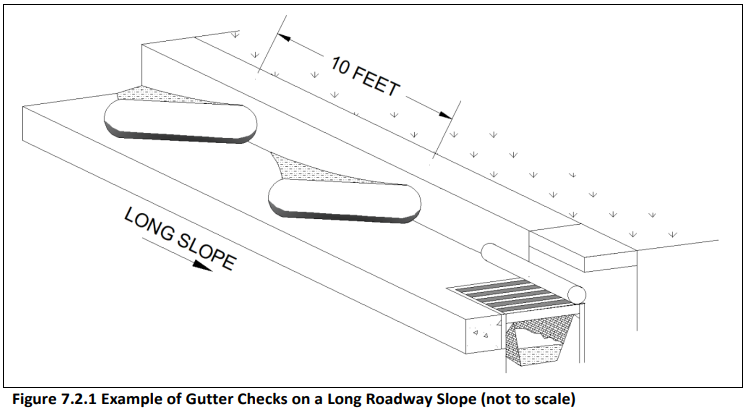
- Section 7.2 Storm drain inlet protection: removed focus on seldom-used constructed bmps, developed conditional criteria, added some guidance on using socks for gutter checks.
- Section 7.3 Sediment barrier: consolidated and simplified allowable drainage areas, developed conditional design criteria, small edits to each type of sediment barrier (filter berms, filter socks, silt fence).
- Section 7.4 Sediment trap: Max drainage to sediment trap is five acres, service life is 12 months.
As with any sediment and erosion control measure, the effectiveness of the practice hinges on proper installation and maintenance. Find the full manual on Ohio EPA's website.
| | |
SCP Review: Bioswales
A SCP is a Stormwater Control Practice used to manage stormwater runoff long-term.
| | |
A swale is a wide, dry permanent stormwater conveyance channel specifically engineered to provide limited water quality treatment for short duration flow (RWLDM, Chapter 2.3). We frequently see these between houses in more modern subdivisions. Think about the space between your house and the neighbor’s – does it slope from each foundation down to the property line? Do you tend to see water flow during storm events? The Rainwater and Land Development Manual from OEPA rightfully points out that a grass swale may not be as identifiable as traditional stormwater management infrastructure, but swales are specifically designed to convey stormwater just the same!
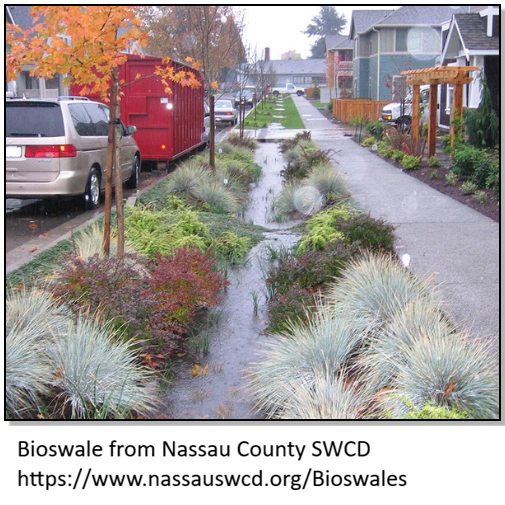
However, if you enjoy the beauty of native plants, care about pollinators, or just don’t want the burden of mowing, a bioswale may be a more attractive option. Bioswales differ from traditional grassed swales because they are planted with native vegetation rather than turf grass. This reduces the need for mowing, provides habitat for birds and pollinators, can provide more filtering and infiltration of stormwater, and can look much more attractive than just plain turf grass. Bioswales vary slightly from traditional grassed swales as they typically provide more storage and infiltration than a grassed swale does due to gravel or soil mix in the bottom of the swale and infiltration help from deep rooted native plants. Bioswales are similar in design to bioretention cells and rain gardens, with the main difference being that they infiltrate and convey stormwater, rather than solely infiltrating. Bioswales are best-suited to smaller drainage areas, which makes them great options for along roadsides, parking lots, or other swaths or impervious surface; or as a part of a treatment train, used in conjunction with other infiltration or detention practices.
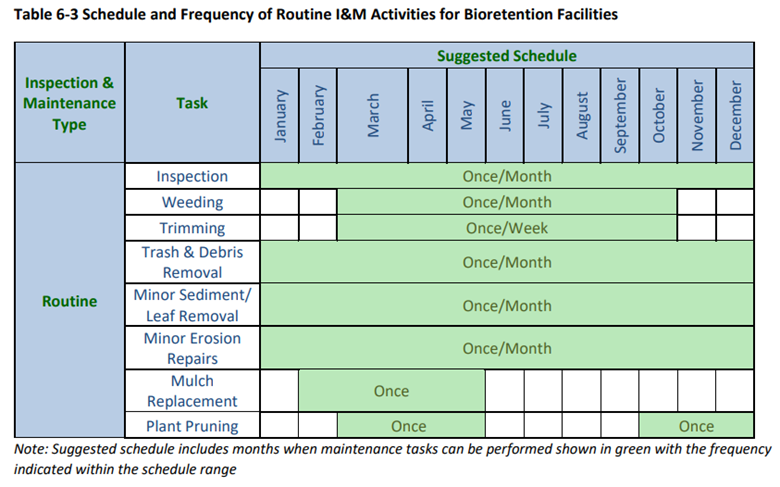
With any Stormwater Control Practice (SCP), it is important to keep maintenance considerations in mind. Luckily, bioswales are more easily identifiable as stormwater management infrastructure, reducing confusion for those tasked with maintaining them and the public. The City of Columbus Inspection and Maintenance Guidance for Stormwater Control Practices has great tables or the schedule and frequency of bioretention facilities. Maintenance considerations for bioswales include watering during establishment period for plants, weeding, trash and debris removal, minor sediment and leaf removal, minor soil compaction repairs, minor erosion repairs, and mulch replacement.
To help improve successful management of native plantings, consider focusing on mass plantings or “drifts” to simplify how many kinds of plants are being maintained. Mass plantings of one or just a few varieties of plants in different zones based on water needs can make the planting easier to maintain than a very diverse planting. Our best recommendation for native plantings is “right plant, right place.” Placing plantings based on their light, soil, and moisture needs will go a long way in ensuring their success. If you are curious about native plantings but still like the look of turf grass, consider sedges! While not graminoids (grasses), they are grass-like plants that look similar to grasses and do well in wetter areas.
| | | | |
Save the date for the 9th Annual Stormwater Awareness Week!
October 1-7, 2026
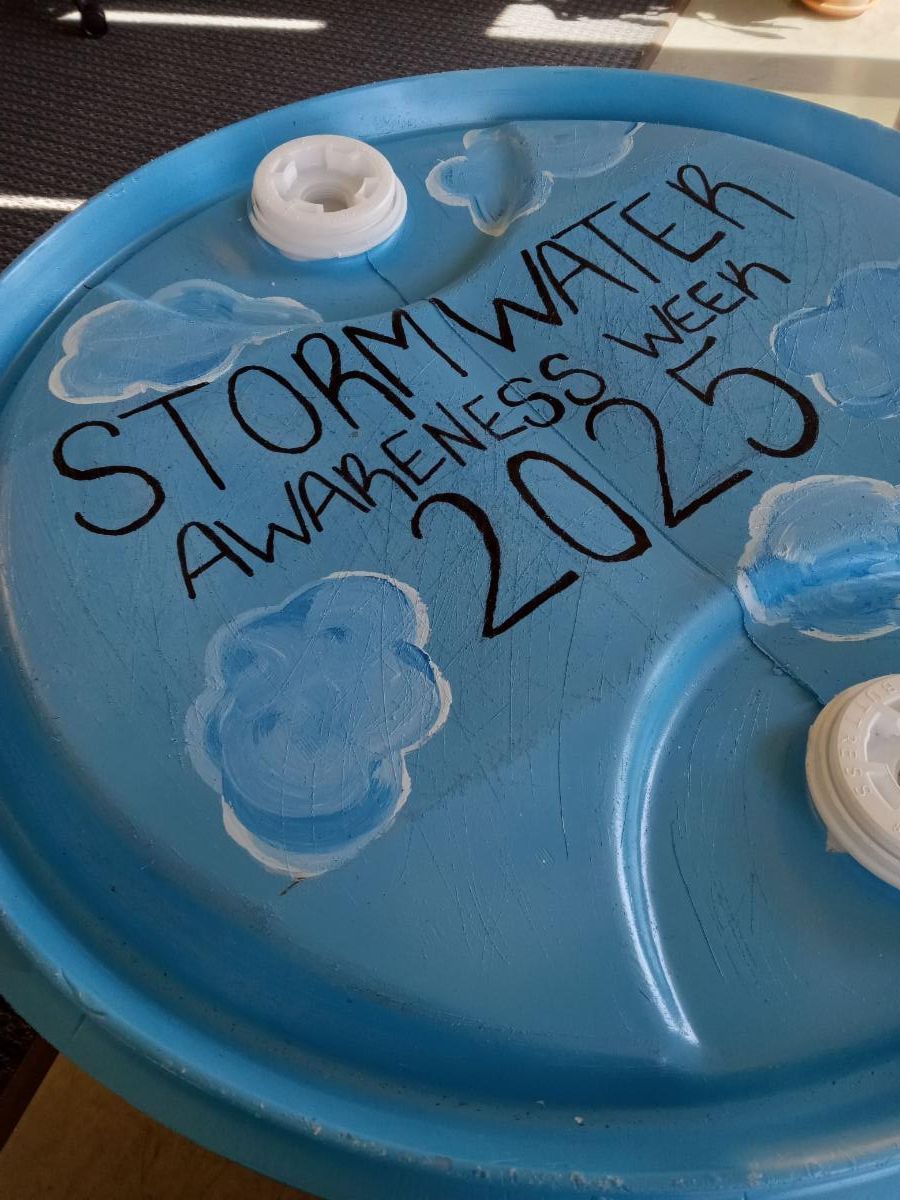
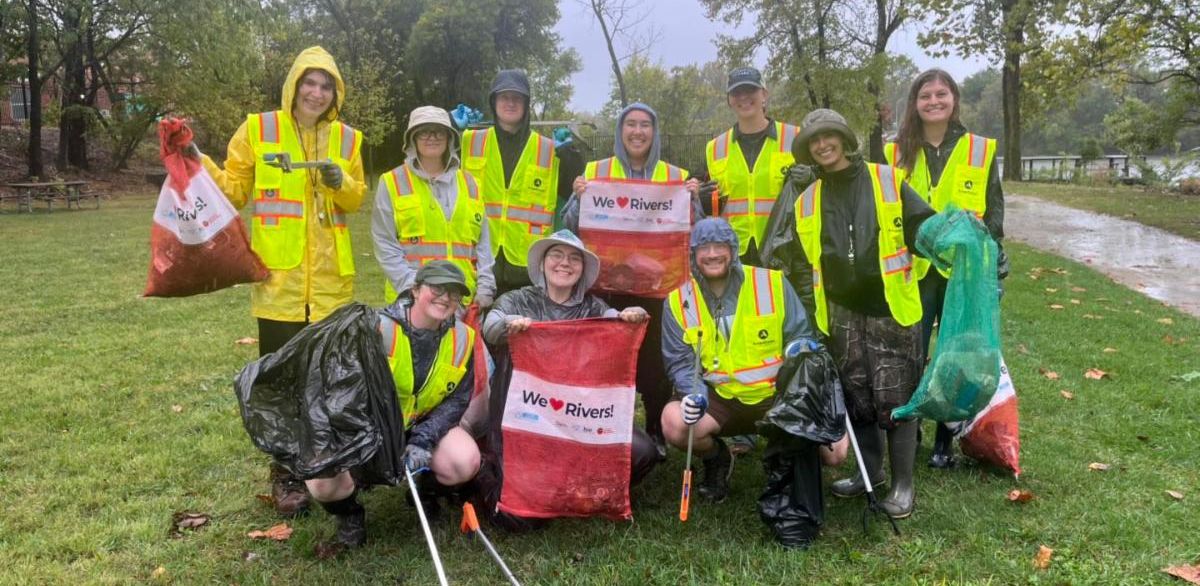
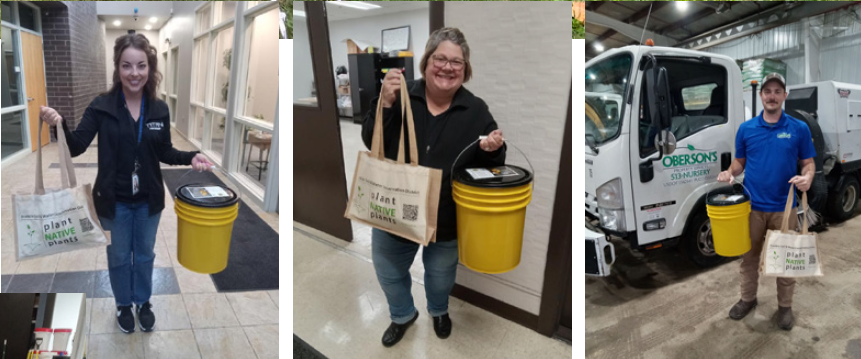
Stormwater Awareness Week has grown into a statewide effort that encourages communities (and the groups that care about them) to utilize newsletters, social media posts, and educational events to raise awareness of how rain water moves through infrastructure and our environment.
Learn more at https://www.franklinswcd.org/stormwater-week
| | Franklin Soil and Water Conservation District | (614) 486-9613 | www.franklinswcd.org | | | |
STAY CONNECTED
to your Soil and Water District!
| | | | |