|
Maps showing equipment locations – A map highlighting specific equipment locations can help to increase familiarity within an area or system. This allows someone who is unfamiliar with an area to locate and inspect the equipment quickly and accurately. It can also allow the easy distinction between similar pieces of equipment, such as a “Pump 1” and “Pump 2” that were installed as a set. A marked-up photo of the two pumps can eliminate any confusion about which pump is which.
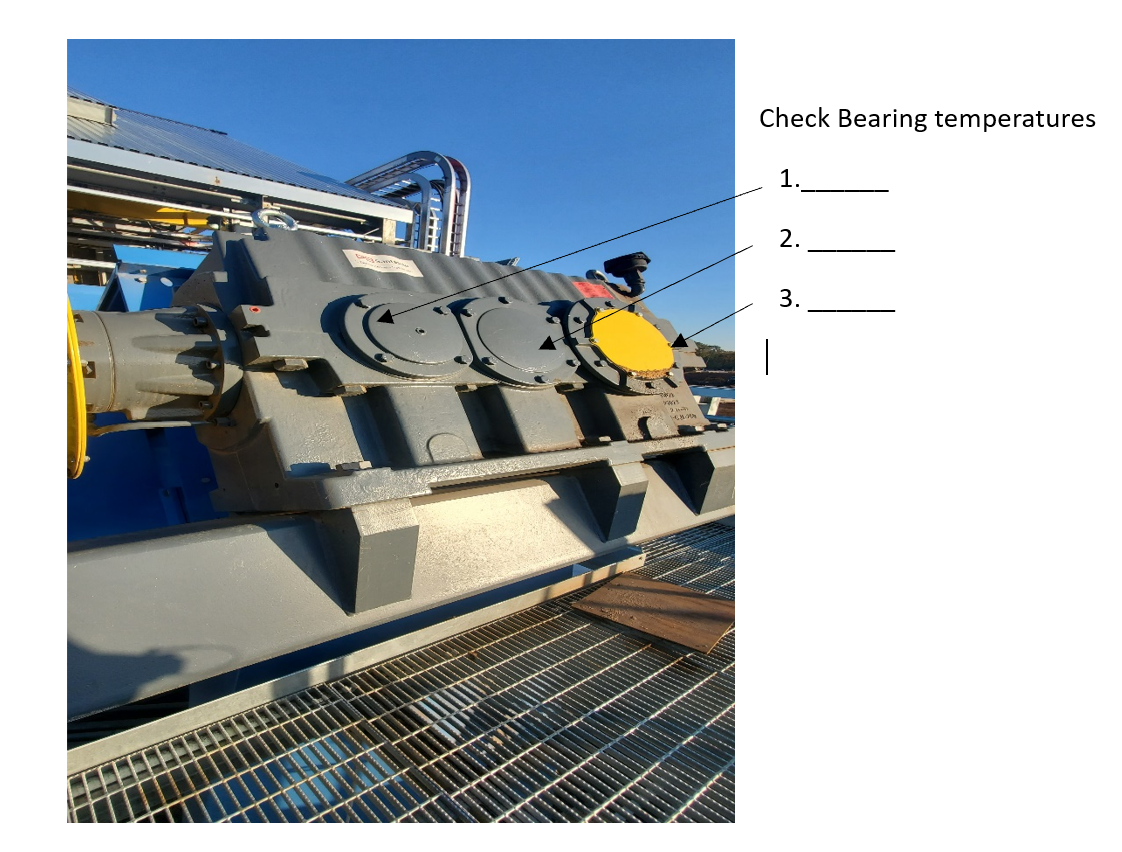
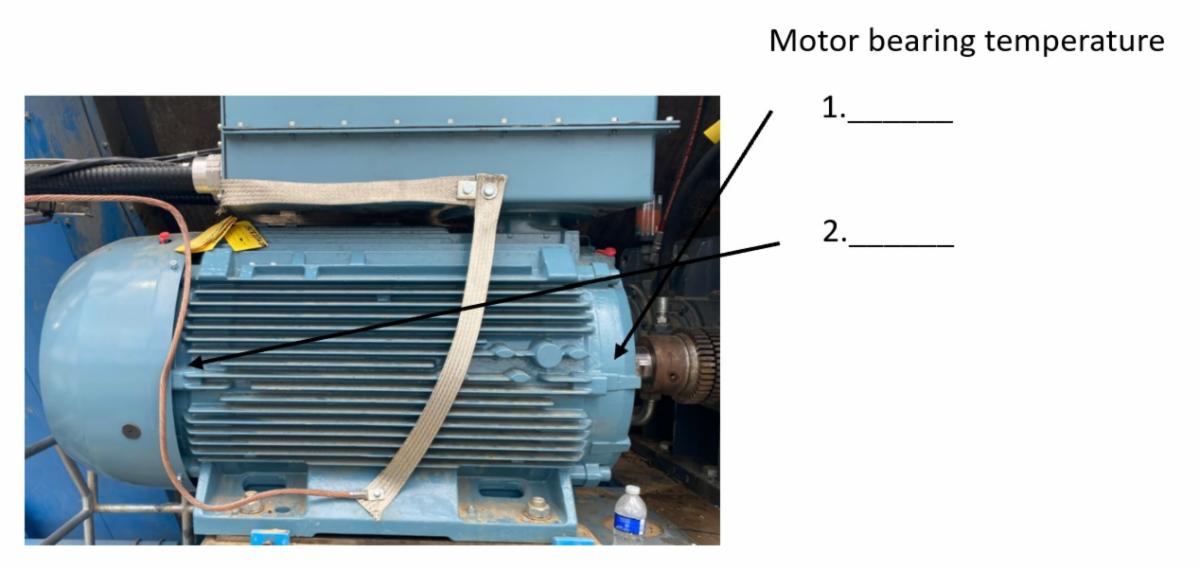
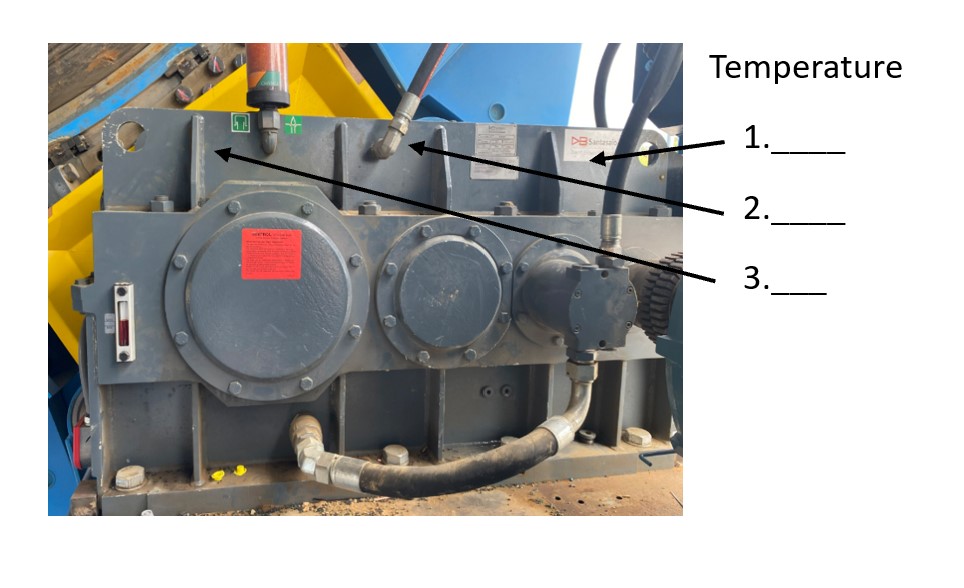
Photos or diagrams illustrating equipment components – For more complex machines, it can be difficult to identify certain components, especially if the machine has been upgraded or altered. An attached picture or drawing specific to that equipment can quickly show where to find the item and ensure no critical components are overlooked. Equipment specific images are also helpful for identification when multiple names are used to describe the same piece of equipment.
Diagram of grease point locations on complex equipment – Commonly, lubrication points are missed on large machines that have several grease fittings. This can be due to the lubricator not knowing the locations of all the grease fittings, not being able to access certain areas of the machine while running, or not being able to determine whether all the fittings were piped down as intended. Including a diagram of the grease point locations can create awareness and can include additional instruction on when and how the point should be greased.
What “Good” and “Bad” look like – It can be difficult at times to visually determine the degree of deterioration. A photo of the item showing what it looks like in a “good” condition and/or “bad” condition can resolve this problem and give the inspector a gauge to report from. Some examples are “excessive packing leaks” or “plate worn”.
Procedures and Manuals – These can include safety requirements, inspection procedures, specifications, drawings, etc. They can ensure that the inspection is performed as prescribed and that all the information needed to complete is provided at the time of inspection, preventing time-consuming trips back and forth to the shop or office to look up information.
|