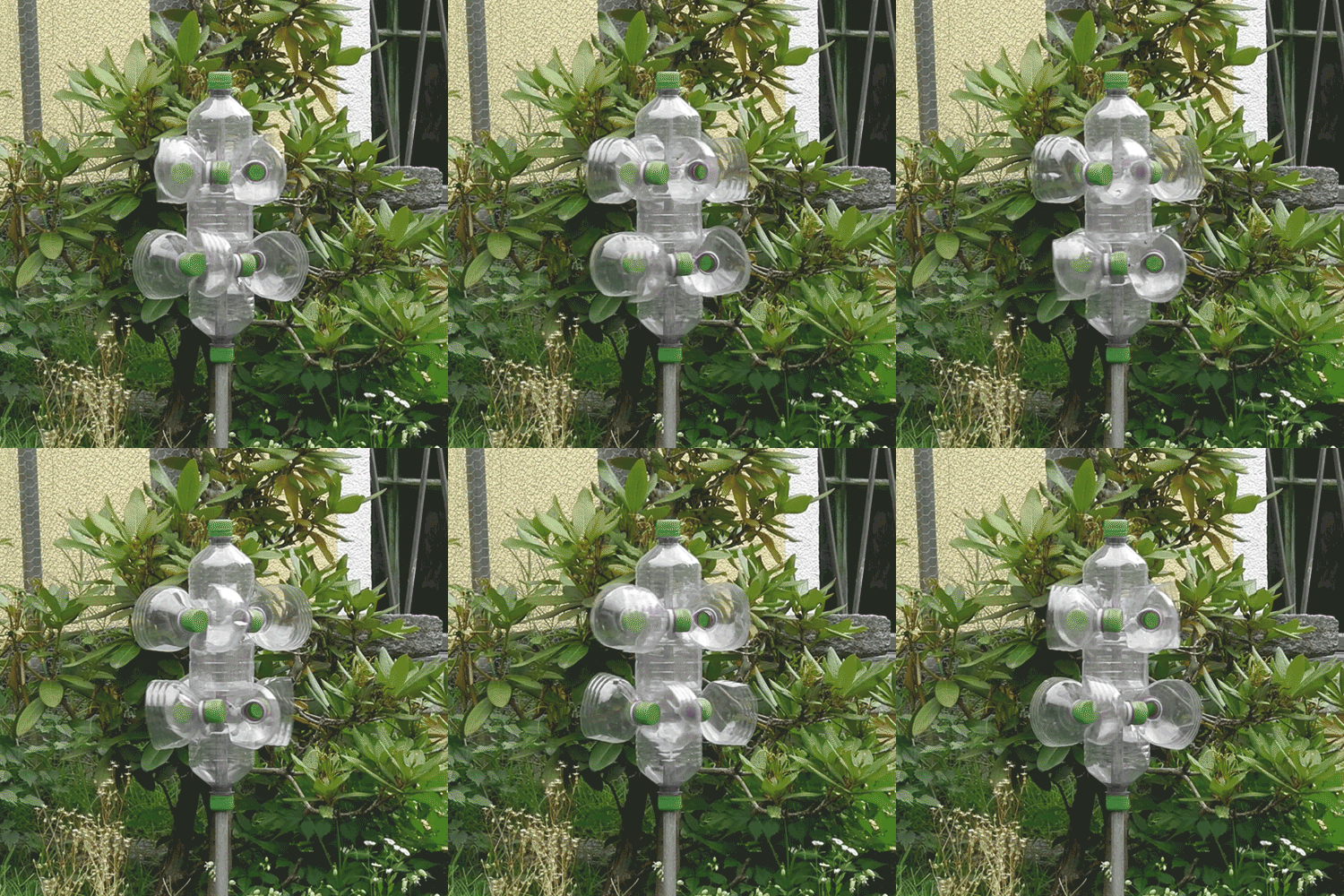
'National Recycling Day'
If you have ever looked at the landfills, you’ll see countless amounts of waste that pollute the earth and the surrounding neighborhoods. If that makes you want to cry, then you are certainly not alone! There is one option of many that can give you the opportunity to initiate change in your life and the lives of others.
National Recycling Day is just the day to take a pledge to recycle those used products and waste that would otherwise be piling up.
If you care about the earth and hope to eventually stop the destruction of it, then now is the time to learn about National Recycling Day.
| | |
'The Weekly DoctorDoug Report'
Paradise Valley Medical Clinic,
Douglas M. Lakin, M.D.
Kaitlin A. Kraemer, PA-C
9977 N 90th Street, Suite 180, Scottsdale, AZ 85258
480.614.5800 (phone), 480.614.6322 (Fax)
| | |
We Are Here to Take Care of Your Healthcare Needs.
We Are Here to Serve!
Our office is using techniques to reduce exposure to a minimum during your visit. These include:
- Multiple Super-HEPA filters to filter out potential virus and
particles in the office.
- High Level UV light air cleansing in the office to eliminate
bacteria and viruses in the air.
OUR OFFICE SCHEDULE
DOORS OPEN
7AM - 4PM Monday through Thursday
7AM - 11AM Friday
IN OFFICE
APPOINTMENTS: MONDAY – THURSDAY
7AM – 11:15AM & 1PM – 3:30PM
APPOINTMENTS: FRIDAY
7AM – 10:30 AM
Dr. Lakin is also available for telehealth visits via FaceTime, WhatsApp, or Zoom when appropriate.
| | ‘THE WEEKLY DOCTORDOUG REPORT’ | | |
November 15, 2026
This health update provides comprehensive guidance on viral respiratory infections, vaccination recommendations, illness management, and protective measures during travel, with a focus on COVID-19, measles, RSV, and flu.
• Autumn viral infections are now moderate and slowly increasing: FLU is around and moderate. COVID is around a bit more, mostly among travelers but not exclusively. They are in moderate numbers. Please get your shots now. Doing both at the same time is efficient and shown to be safe and without increased side effects.
• FLU SHOT: Time to plan for your FLU SHOT. November is a great month… but anytime mentioned is fine and later is OK too. All FLU SHOTS are excellent. The new mRNA flu shot has been proven safe and effective and is a fine choice, or you can stick with the traditional flu shots that are developed specifically for this year. We will be having flu shot clinic during late September and October. Call if you are interested. We do not have COVID vaccine.
• COVID-19 vaccination availability and advice: THE NEW COVID-19 vaccines are widely available at pharmacies; those 65 and older or with serious health conditions are strongly recommended to vaccinate, with dosing frequency varying by risk level. The NEW VERSION of the COVID VACCINE IS AVAILABLE.
• 2026–2027 COVID vaccine targets new strain: XFG instead of last season's LP.8.1 — both are JN.1-lineage Omicron descendants, but XFG is the one now dominant in circulation, so the update is meant to better match currently spreading virus.
FLU & VIRAL UPDATE
The Flu shot:
The flu shot recommendations are the same as every year. FLU SEASONS
Has already begun, so get get your vaccination as soon as possible.
mFLUSIVA: The Flu shot will be available as usual, the same versions as always, but there is a new version that is mRNA based, similar technology to the current COVID vaccination. Large scale studies have proven this both safe and effective… 20% more effective. That said, this is the first year for the mRNA FLU shot. It is made by MODERNA and called: mFLUSIVA. This is
considered safe and is fine to take this season, but if you are the more conservative type, you should take the traditional FLU vaccine this year, awaiting full roll-out, and then perhaps take the new technology flu shot next year…but it is proven safe to take and if you prefer this is an excellent choice.
The FDA's advisory committee confirmed on March 12-13, 2026 that the 2026-2027 US flu vaccines will keep the trivalent (three-strain) format that's been standard since the 2025-2026 season, covering two Influenza A strains and one Influenza B strain — with no bivalent option offered. The three components are:
• Influenza A(H1N1): A/Missouri/11/2025-like virus
• Influenza A(H3N2): A/Darwin/1454/2025-like virus (egg-based) or A/Darwin/1415/2025-like virus (cell/recombinant-based) — a new subclade K strain
• Influenza B: B/Tokyo/EIS13-175/2025-like virus (egg-based) or B/Pennsylvania/14/2025-like virus (cell/recombinant-based), both from the Victoria lineage
All three components got refreshed strains for this coming season, which is notable — it's the first time in recent years all three have changed simultaneously.
COVID-19 VACCINATION
The NEW COVID-19 vaccine is widely available at Walgreens, CVS, and other pharmacies. If you get the COVID vaccine… and a prescription is required, please contact our office and we will send that in for you. THAT SAID, THE GOVERNOR SIGNED A LAW SAYING YOU DO NOT NEED A VACCINE PRESCRIPTION, SO YOU SHOULD BE ABLE TO REGISTER AND OBTAIN IT WITHOUT A PRESCRIPTION FROM OUR OFFICE.
Our office does not carry the COVID vaccine at this time. If you would like to receive both the flu and COVID shots together, scheduling directly with your local pharmacy is a convenient option — and it is perfectly safe to get both at the same visit.
Key Facts About COVID Vaccination
• The COVID vaccine is strongly recommended for adults 65 and older, and for anyone with serious underlying health conditions.
• In the 65+ age group, the vaccine has been proven to reduce the risk of hospitalization and death.
• COVID continues to rank among the top 3 or 4 causes of death in Americans over 65.
• The annual risk of contracting COVID is estimated at 10–30%.
• The risk of serious complications from the vaccine is approximately 1 in 100,000 — roughly the same odds as dying in a single skydiving jump. By comparison, the risk of serious illness or death from COVID in those over 65 is 50 per 100,000 or higher.
• Cash price for the COVID vaccine ranges from $140 to $200. This should not be a barrier for those who are high-risk, but I want you to have the full picture.
About the 2025–2026 COVID Vaccine Formulation
XFG instead of last season's LP.8.1 — both are JN.1-lineage Omicron descendants, but XFG is the one now dominant in circulation, so the update is meant to better match currently spreading virus.
Available options include mRNA vaccines from Moderna and Pfizer/BioNTech.
Dosing Recommendations
• Adults 65 and older (healthy): one dose per year is recommended.
• Adults 65 and older with significant health conditions (diabetes, COPD, heart failure, kidney disease, immune compromise): every six months is appropriate — and at minimum, once a year.
• Adults over 80: every six months is the preferred interval.
• Immunocompromised individuals should consult with me directly for personalized guidance.
If you fall into any of these higher-risk groups, please stay current with your COVID vaccinations. The protection they offer against hospitalization is real and well-documented.
| | |
TOP PODCAST DONE WEEKLY
BY DR. MICHAEL OSTERHOLM
(UNIVERSITY OF MINNESOTA)
He is a world-renowned epidemiologist who was credited with first elucidating TOXIC SHOCK SYNDROME in the 1980’s.
He provides comprehensive and understandable/actionable ideas related to COVID and other infectious diseases.
The Osterholm Update
(Same as last week's... New podcast next week!)
November 5, 2026
'What Do the Midterms Mean for Public Health?'
This week's midterm elections saw a seismic shift that will likely shape the policy debates in Washington over the next two years. But will the message sent by the voters have any impact on the Trump administration's efforts to undermine science and public health? Hosts Chris Dall and Dr. Michael Osterholm discuss the midterm results in this week’s episode.
They also talk about the ongoing measles outbreaks in the United States, examine the concerns about the potential for the Ebola outbreak to spread beyond Africa, dive into a new CDC report on antimicrobial resistance threats, and answer a listener's question about giving infants a first measles shot at six months.
Plus, stick around to hear the latest installment of This Week in Public Health History.
| | The US Flu Season Is Off To A Very Early Start. It’s Hitting The South And West Now | | |
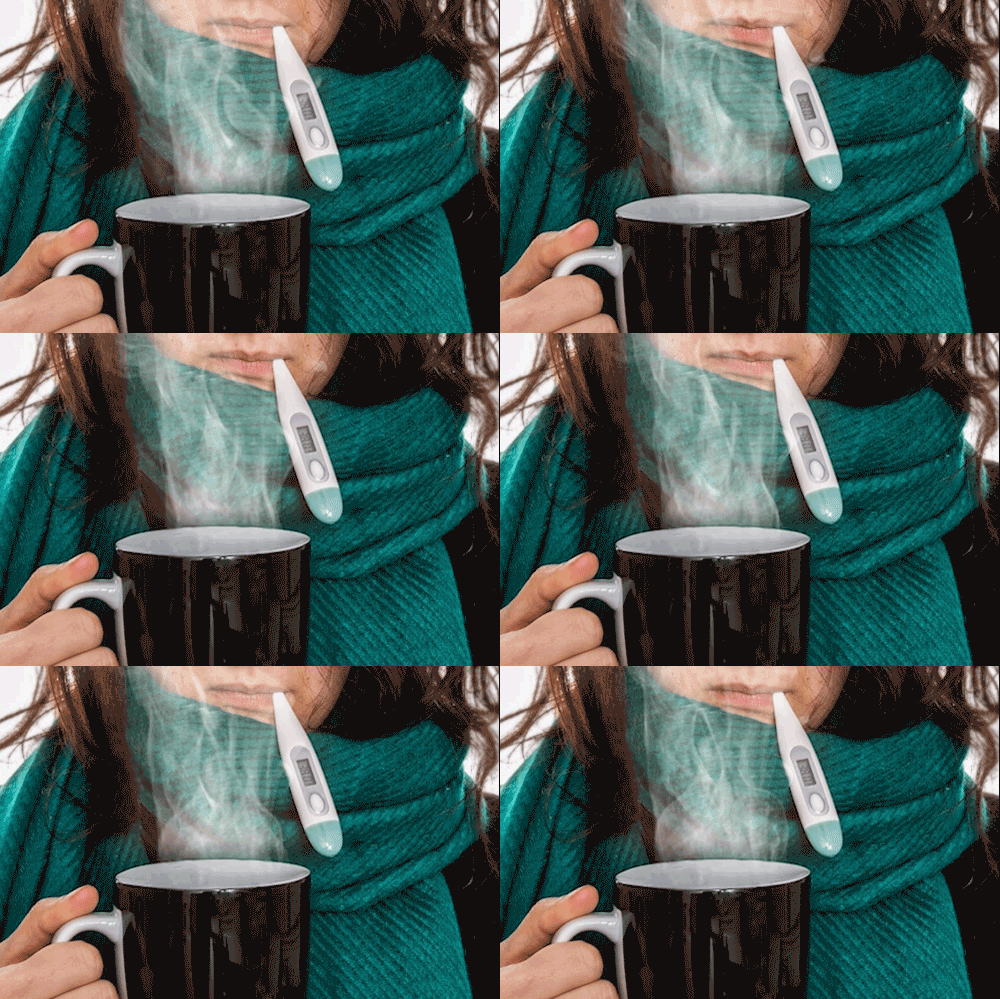
The U.S. flu season is off to a very early start, and it’s quickly intensifying.
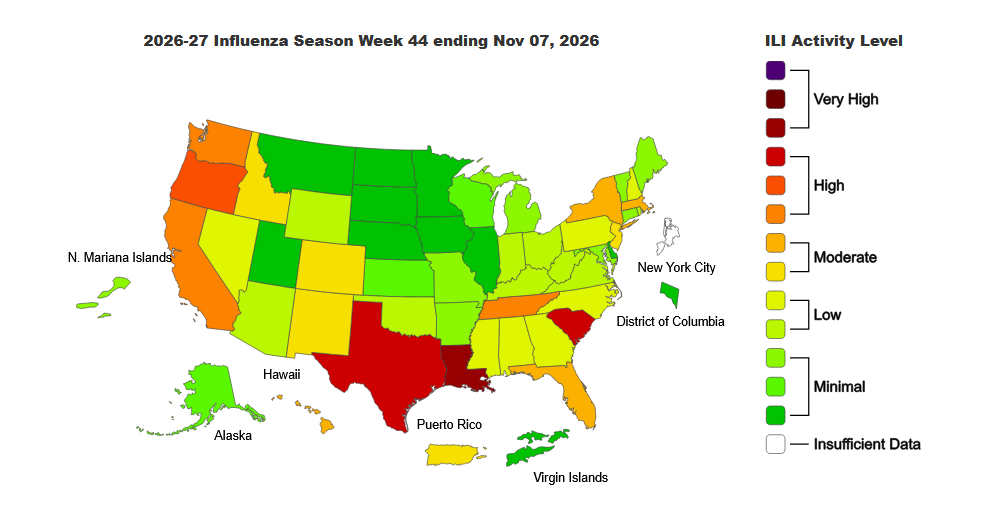
The Centers for Disease Control and Prevention on Friday posted its latest update, reporting that seven states were reporting high flu activity last week, up from two states the week before.
The CDC also said that more than 3% of doctors’ office visits last week were for flu-like illness, signaling that flu season is really underway.
Louisiana is seeing the worst of it so far.
Flu season “is taking off and it’s taking off in a direction that’s only likely to increase in the next month or two,” said Dr. Fred Lopez, an infectious diseases specialist at the LSU Health Sciences Center in New Orleans.
“If you haven’t been vaccinated, you should get vaccinated now,” he added.
The early-season flu activity is higher than what’s usually seen at this point of the year, though it’s not clear that will mean this season will be worse than others, according to CDC’s update.
But not a good sign: The flu hospitalization rate in mid-October was the highest seen that early in an autumn in more than 15 years, noted Dr. Anna Durbin of Johns Hopkins University, during a recent media briefing.
The CDC estimates that at least 2.6 million illnesses, 36,000 hospitalizations, and 2,100 deaths so far this season are tied to flu infections.
The surge began in the nation’s South and West, and the states seeing high flu activity so far include California, Louisiana, Oregon, South Carolina, Tennessee, Texas and Washington, according to the CDC.
| | US Poised to Lose Measles Elimination Status—What Does That Mean? | | |
The United States is on the brink of losing its measles elimination status, a celebrated distinction it has held since 2000, when the Pan American Health Organization (PAHO) determined the country had interrupted endemic transmission of the virus.
The country's status is being reconsidered at a meeting of a PAHO commission in Washington, DC, starting today and lasting through Friday.
Countries that have eliminated measles still have occasional outbreaks, often stemming from international travel. In these rare instances, public health agencies can intervene before the extremely contagious virus becomes endemic.
'A loss of achievement'
But in the United States, measles outbreaks are both sustaining themselves and seeding new outbreaks, creating a perpetual state of transmission, explained epidemiologist Jennifer Nuzzo, DrPH, director of Brown University's Pandemic Center.
"It's just like popcorn: outbreak, outbreak, outbreak, outbreak. All over the country," she said. "They grow in size, and then they shrink. And then they move somewhere [else]."
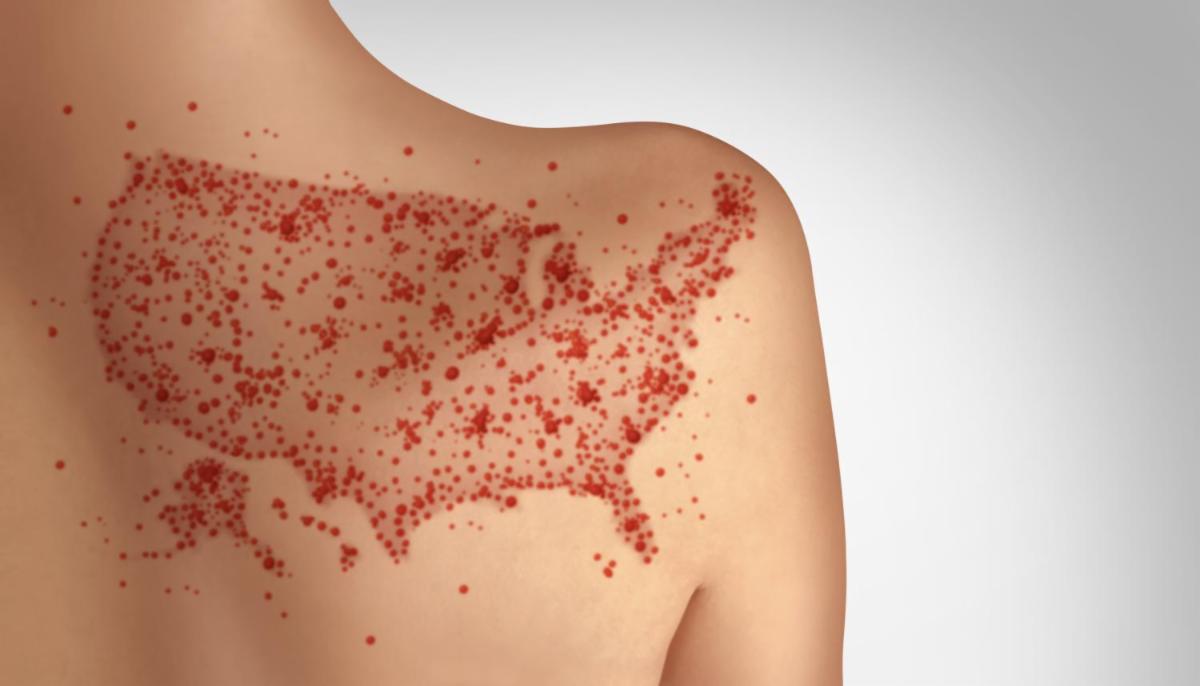
More than 5,100 cases of measles have been reported by the Centers for Disease Control and Prevention (CDC) in 2026, though it's conceivable that number could surpass 7,000 before the end of the year. In the year the nation eliminated measles, the CDC reported just 85 cases.
So far, at least eight people in the United States have died from measles in 2026, as well as three last year. And for the first time in generations, congenital measles—passed from an infected pregnant woman to her newborn—poses a serious threat to public health.
In light of this growing crisis, PAHO will almost certainly deem measles to be endemic in the United States, several epidemiologists and infectious disease physicians told CIDRAP News. They all agreed the country could reverse course by increasing measles vaccination rates.
"It's a symbolic loss," said Nuzzo. "It's a loss of standing. It's a loss of stature. It's a loss of achievement."
| | Up to 500 Ebola Cases Still Diagnosed a Week Amid Escalating Attacks, Officials Say | | |
As the African Bundibugyo Ebola outbreak toll reaches 11,145 cases, including 5,437 deaths, the World Health Organization (WHO) is warning that the situation remains "concerning," with intensifying violence hindering containment efforts.
"We need an urgent halt in hostilities and violence," Marie Roseline Belizaire, PhD, WHO's regional emergency director for Africa, said in an online news briefing yesterday. "Health workers and humanitarian teams must be able to reach affected communities safely, and patients must be able to seek care without fear."
Since the outbreak began in May, the WHO has logged 81 attacks on healthcare facilities and workers, she said. Just last week, 66 civilians, including three healthcare workers, were killed and three facilities looted and burned in North Kivu province. As a result, response efforts were interrupted and Ebola patients were forced to flee, including 1,000 contacts.
'We need an urgent halt in hostilities and violence.'
Marie Roseline Belizaire, PhD
In an update today, the United Nations said that more people are being killed in villages in Ituri province and North Kivu by Allied Democratic Forces (ADF) extremist rebels than by Ebola in recent days. “People are scared, people are furious at the lack of action on this... following up contact tracing in areas where ADF [is] operating is a very hazardous idea,” Julien Harneis, MS, MBA, UN senior Ebola response coordinator, said in the update.
WHO officials said that while prevention efforts have substantially reduced viral transmission in previous hot spots, up to 500 infections are still being diagnosed each week.
Nigeria ends 21-day monitoring period
Just days after Kenya began a 42-day countdown after the last Ebola patient was released from the medical care, Nigeria has ended its 21-day Ebola monitoring, with all 62 monitored contacts cleared and no new cases identified.
Nigeria’s first Ebola patient, a Swiss woman who returned to Nigeria after becoming infected in Uganda, was released from a hospital in Switzerland yesterday. The woman, the wife of a Swiss embassy worker in Abuja, was evacuated to Geneva on October 26.
-CIDRAP, 11/13/2026
| | Screwworm Cases Rise to Six Across Three Arizona Counties | | |
Arizona veterinarians are warning pet owners to check their animals for unusual wounds as confirmed cases of a dangerous parasitic fly rise across three counties.
With dozens of additional cases reported near the state border, officials are urging immediate action to protect local livestock and pets.
| | CWD Digest: Detections in New York, Wisconsin Trigger Control Measures; High Proportion of Wyoming Herds Infected | | |
Chronic wasting disease (CWD) has been detected in a wild white-tailed doe in Livingston County, New York, the state’s first case since 2005, the New York State Department of Environmental Conservation (DEC) announced late last week. Livingston County is in the western part of the state. CWD, which infects cervids such as deer, elk, and moose, is caused by infectious misfolded proteins called prions. As a result of the new case, hunters who harvest a deer in the newly established CWD containment area (the towns of Conesus, Groveland, North Dansville, Sparta, Springwater, and West Sparta) are now required to submit deer tissue samples to the DEC for testing.
A deer on a farm in Taylor County, Wisconsin, in the north-central part of the state, has tested positive for CWD, prompting a baiting and feeding ban for the area. This is Taylor County’s first CWD identification. The Wisconsin Department of Natural Resources (DNR) said the farm is located within 10 miles of the borders of Chippewa and Clark counties, both of which have reported cases. State law mandates a three-year baiting and feeding ban in CWD-infected counties and a two-year ban in bordering counties within 10 miles of a detection. The detection will result in a renewal of the feeding and baiting ban in Chippewa County for another two years, while Clark County already has a ban in place and won’t be affected by the new case.
Nearly all (95%) of mule deer herds in Wyoming and most (71%) of elk herds in Wyoming are infected with CWD, the Wyoming Game and Fish Department said in a press release late last week. Of the cervids tested for CWD so far this year, the disease was confirmed in over 10%. While the CWD rate in mule deer herds has stayed steady since 2024, it has risen (from 62% in 2024) in elk herds. The department said it continues to increase harvest opportunities in some high-prevalence hunt areas. “We don’t have a silver bullet to combat CWD, but based on things we know, there are several strategies worth trying and evaluating,” Corey Class, Game and Fish wildlife management coordinator in the Cody region, said in the release. “Eradication is not going to happen.”
-CIDRAP, 11/12/2026
| |
Moderna's RSV Vaccine Shown to Provide Strong Protection Against Serious Cases in
Adults 50 and Older
| | |
A single dose of Moderna’s mResvia RSV vaccine was 60.3% protective against documented respiratory syncytial virus (RSV) infections, 60.2% against RSV-associated emergency department or urgent care encounters, and 81.8% against RSV-associated hospitalizations in a population of older US veterans, according to a recent study in JAMA Network Open.
The study used a target trial framework to assess veterans 50 years and older receiving care in the Veterans Health Administration from October 1, 2025, to January 31, 2026. Eligible vaccine recipients were matched with up to four unvaccinated people in four monthly, nested, sequential trials, the authors said, and followed up for 24 weeks.
In all, a total of 74,926 vaccinated veterans were matched to 286,425 unique controls.
Efficacy declined with age
While the vaccine was effective across all ages, estimated effectiveness against documented infections decreased with increasing age, from 82.9% in the 50- to 59-year age-group, to 28.6% in the 80-year or older age group, the authors said.
“Our findings also show similar estimated effectiveness against RSV illness conferred by mRNA-1345 as observed with protein-based RSV vaccines evaluated in earlier seasons,” the authors wrote. “Further follow-up is needed to assess the durability of mRNA-1345 protection over multiple seasons, whereas comparative effectiveness studies can inform relative protection of different RSV vaccine products.”
The vaccine was approved by the US Food and Drug Administration (FDA) in May 2024 for adults 60 and older. The FDA expanded the approval in June 2025 to also include adults 18 to 59 who are at increased risk of lower respiratory tract disease caused by RSV.
-CIDRAP, 11/12/2026
| |
Only 1 in 4 Adults With Long COVID Reached Full Symptom Remission 3 Years After Infection, New Data Reveal
| | |
Half of adults living with long COVID a year after infection saw meaningful symptom improvement by the three-year mark, while approximately one in four experienced complete remission. That’s according to a study published last week in the Annals of Internal Medicine.
Researchers led by a team from Massachusetts General Hospital followed 1,019 adults with long COVID from one to three years after their first SARS-CoV-2 infection.
To determine the presence of long COVID and sustained improvement over time, the researchers had participants complete symptom surveys every three months. Then the authors used their answers to calculate a score based on 11 symptoms, including brain fog, fatigue, change in smell or taste, post-exertional malaise, dizziness, palpitations, thirst, chest pain, chronic cough, sleep apnea, and shortness of breath.
Seventy-eight percent of participants were female, and 79% had their first infection during the Omicron era. The National Academies of Sciences, Engineering, and Medicine define long COVID as a chronic condition that occurs after COVID infection for at least three months as a continuous disease state that affects one or more organ system.
Half reported better quality of life at 3 years
An estimated 36.2% experienced sustained improvement by two years after infection. That number rose to 50.1% by three years after infection.
At three years, an estimated 56.4% had cut their symptom scores by at least half and reported good or better quality of life. Roughly one in four—an estimated 26.9%—reached a score of zero, the study’s definition of complete symptom remission.
The team also looked at sustained improvement for specific symptoms. For adults whose symptoms were predominantly changes in smell or taste, 59.6% experienced sustained improvement. For those with brain fog, 48.5% reported sustained improvement, as did 54.6% with chronic cough.
In total, 48.3% infected during the Omicron wave reported improvements, compared with 35.9% in previous waves.
Need for therapeutic interventional trials
The study had some limitations. Requiring participants to meet the symptom threshold at 12 months meant people whose symptoms fluctuated might have been missed. The study also did not assess whether participants took medication or sought other therapeutic strategies to manage their symptoms.
The researchers concluded by calling for more research. “Given the remaining large number of adults still living with [long COVID], our study suggests a need for therapeutic interventional trials to improve recovery outcomes, designed with concurrent control groups to distinguish the impact of treatment from natural symptom resolution,” they wrote.
-CIDRAP, 11/10/2026
| |
For alpha-gal patients, allergy drug could cut the severity of reactions to red meat
In a new study, people with a red meat allergy caused by ticks reported less frequent or less severe reactions when they took an allergy medicine called omalizumab, or Xolair.
| | |
There’s emerging evidence that the allergy drug omalizumab may reduce severe allergic reactions for alpha-gal syndrome, a red meat allergy triggered by a tick bite.
In a study presented Thursday at the annual meeting of the American College of Allergy, Asthma and Immunology, researchers found that 95% of participants using the drug experienced meaningful reductions in the frequency or severity of their allergic reactions. The study included 64 people with confirmed alpha-gal diagnoses who took omalizumab for an average of 23 months. The findings haven’t yet been published in a peer-reviewed journal.
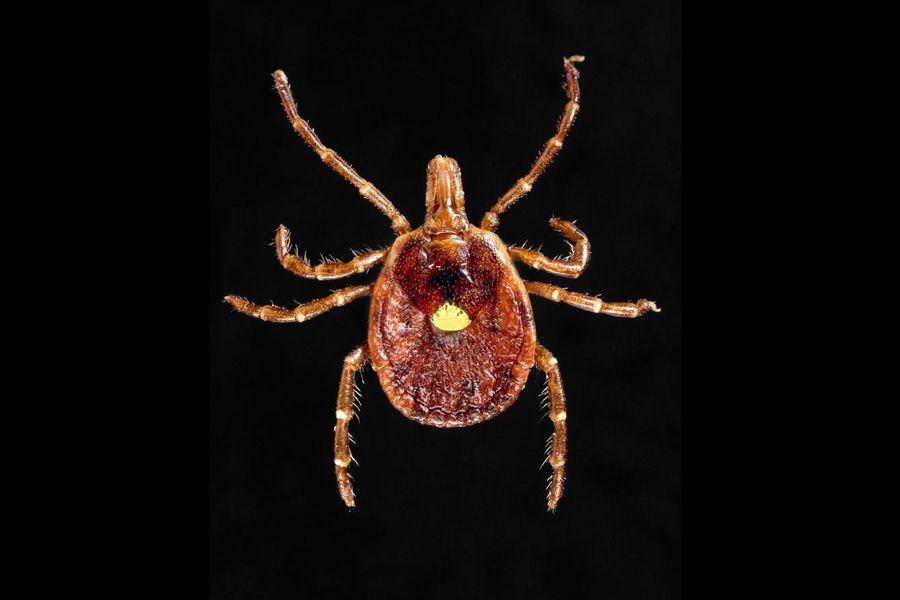
Alpha-gal syndrome is predominantly associated with the lone star tick. When the tick feeds on mammals like cows, deer, pigs and goats, it can pick up a sugar molecule in their blood called alpha gal. When the tick goes on to bite a human, it can transmit that sugar, which, in some people, can trigger an allergic reaction to red meat and, in some cases, gelatin and dairy products.
The allergic reactions can range in severity, from hives to severe stomach pain to life-threatening anaphylaxis, among other symptoms. Because of that, doctors typically advise patients to avoid red meat and meat-based soups and gravies, as well as to consider avoiding gelatin or dairy.
| | |
After you received your COVID or any other vaccination outside our office, please let us know!
We would like to document this information into your chart.
What we need:
- Your name
- Name & date of vaccination received
- Brand name
- Lot number if available
- Which dose you have received
| |
Quick takes:
- E coli Death Tied to Pumpkin Farm
- US Salmonella Outbreaks
- 18 More Polio Cases
| | |
One person has died of Shiga toxin–producing Escherichia coli (STEC) linked to a San Luis Obispo, California, pumpkin farm that has sickened five people, according to the county public health department. No details about the death were released. All five infected people visited Brookshire Farms on October 17 or 18, and another 10 people who developed symptoms after visiting the farm from October 16 to 26 are considered suspected cases. Three people developed hemolytic uremic syndrome, a potentially life-threatening condition, and one was hospitalized. “Testing of environmental samples was limited due to the abundance of potential sources, absence of testable items, delays between exposures and sampling, and other factors, the departmental news release said. “Some potential exposures common to infected individuals remain notable, including edible corn cups, pumpkins, hay, and non-potable water sources, although no specific source of the E. coli O157 was identified.” The investigation is now over, and the farm has reopened after a voluntary closure. Officials said the patients were not exposed to animals while on the farm.
Yesterday, the US Food and Drug Administration reported two new outbreaks of Salmonella Enteritidis from unidentified food sources, one with 14 illnesses and one with 35, but released no other details. The FDA also updated the case count of the Salmonella Javiana outbreak of unknown origin from 65 to 70. That outbreak was first announced on October 28.
This week, the Global Polio Eradication Initiative reported 15 new polio cases from five countries. Pakistan announced one case of wild poliovirus type 1 (WPV1), South Sudan documented one circulating vaccine-derived poliovirus type 1 (cVDPV1) infection, while the Democratic Republic of Congo logged nine circulating vaccine-derived poliovirus type 2 (cVDPV2) cases, Nigeria noted one new cVDPV2 case and two cVDPV type 3 (cVDPV3) infections, and Niger documented one cVDPV3 case. Syria also recorded another polio case in Deir Ezzor after reporting two VDPV1 cases last week.
-CIDRAP, 11/13/2026
| |
'I LEARNED THE TRUTH ABOUT RECYCLING'
Want to know what REALLY happens to your 'Recycling'? Today we are going to find out where the curbside recycling bins actually end up. HUGE thanks to WM for letting us tour their recycling facility.
https://www.wm.com/us/en/recycle-right
| | | | |