'Pertussis Awareness Day'
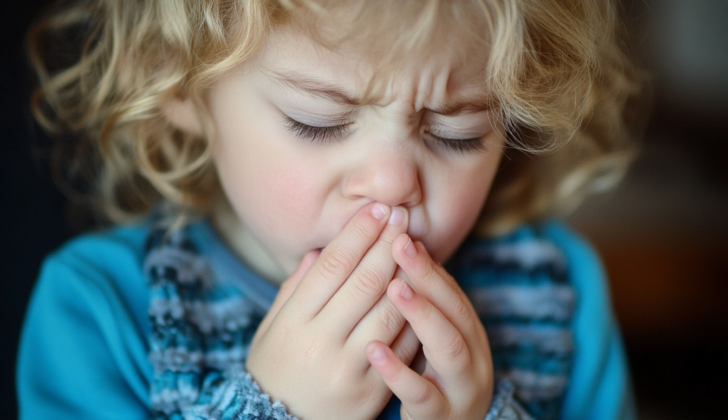
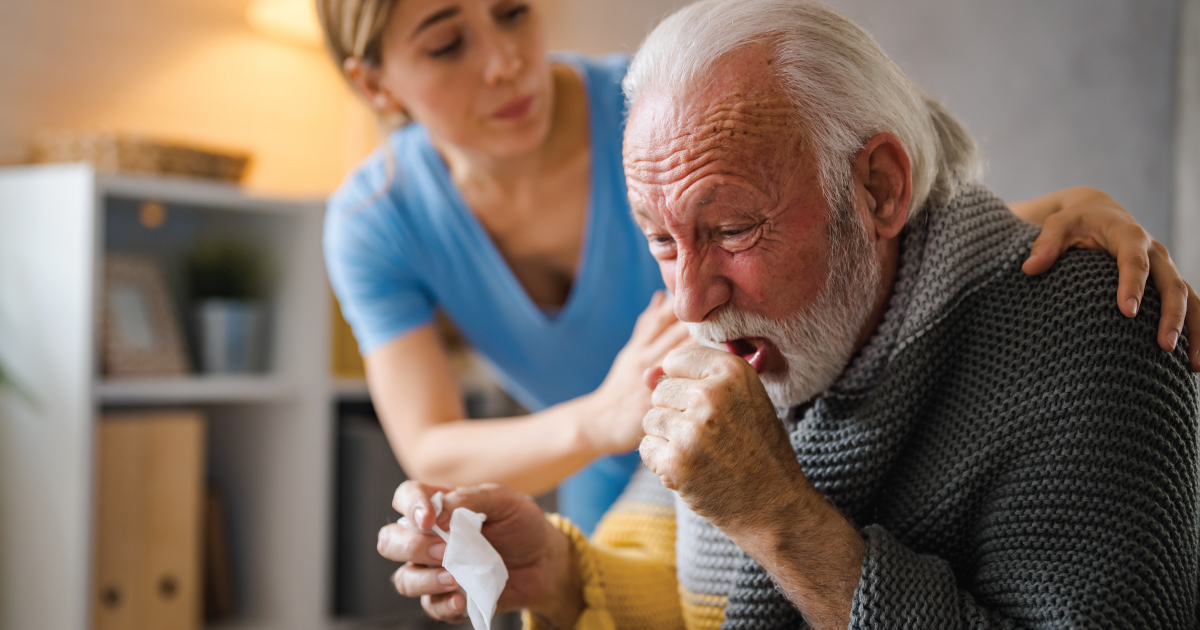
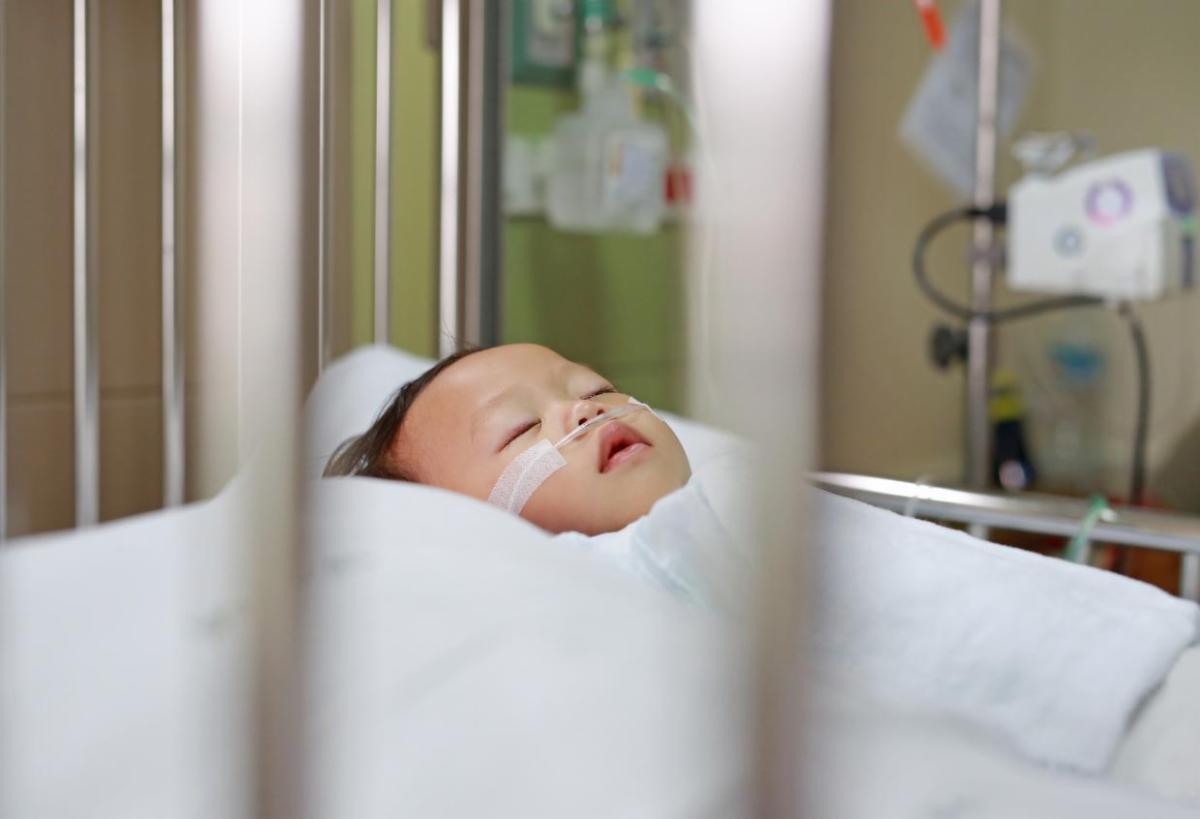
Whooping cough, also called pertussis, is a serious illness that can impact individuals of all ages, but can be particularly dangerous – or even fatal – for infants who incur the disease. Even those whose lives are not threatened by pertussis can find themselves in a great deal of pain and misery, with a hacking, wheezing cough that sometimes impedes breathing and usually lasts for a very long time.
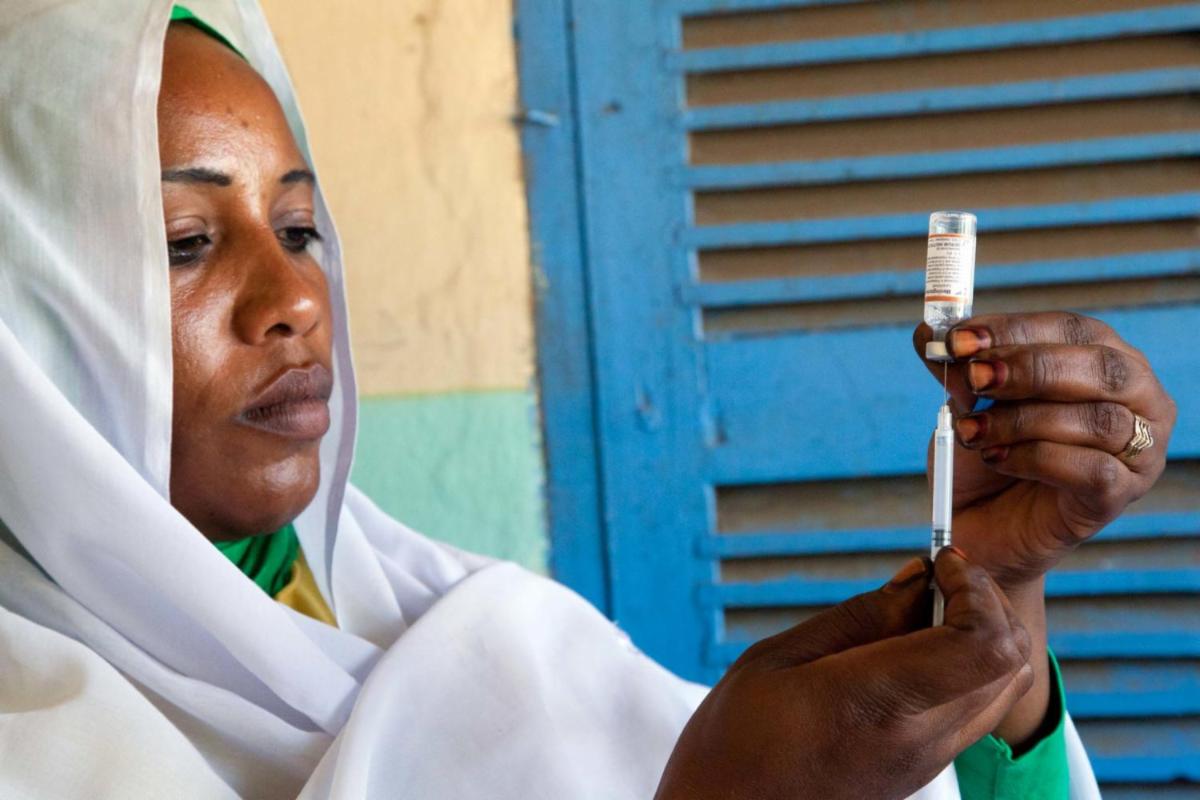
The good news is that this highly contagious disease is also highly preventable! Studies have shown that epidemics of whooping cough tend to come around every three to five years, and the best way to prevent it is through vaccines, whether first time doses or boosters.
Pertussis Awareness Day is here to shine a light on this disease and the critical steps toward prevention.
| | |
'The Weekly DoctorDoug Report'
Paradise Valley Medical Clinic,
Douglas M. Lakin, M.D.
Kaitlin A. Kraemer, PA-C
9977 N 90th Street, Suite 180, Scottsdale, AZ 85258
480.614.5800 (phone), 480.614.6322 (Fax)
| | |
We Are Here to Take Care of Your Healthcare Needs.
We Are Here to Serve!
Our office is using techniques to reduce exposure to a minimum during your visit. These include:
- Multiple Super-HEPA filters to filter out potential virus and
particles in the office.
- High Level UV light air cleansing in the office to eliminate
bacteria and viruses in the air.
OUR OFFICE SCHEDULE
DOORS OPEN
7AM - 4PM Monday through Thursday
7AM - 11AM Friday
IN OFFICE
APPOINTMENTS: MONDAY – THURSDAY
7AM – 11:15AM & 1PM – 3:30PM
APPOINTMENTS: FRIDAY
7AM – 10:30 AM
Dr. Lakin is also available for telehealth visits via FaceTime, WhatsApp, or Zoom when appropriate.
| | |
Our office will be open Wednesday, November 11th for the Veterans Day Holiday.
We thank all Veterans for their service!
| | ‘THE WEEKLY DOCTORDOUG REPORT’ | | |
November 8, 2026
This health update provides comprehensive guidance on viral respiratory infections, vaccination recommendations, illness management, and protective measures during travel, with a focus on COVID-19, measles, RSV, and flu.
• Autumn viral infections remain low but slowly increasing: FLU is around and moderate. COVID is around sporadically, mostly among travellers. They are in moderate numbers. Please get your shots now. Doing both at the same time is efficient and shown to be safe and without increased side effects.
• FLU SHOT: Time to plan for your FLU SHOT. November is a great months… but anytime mentioned is fine and later is OK too. All FLU SHOTS are excellent. The new mRNA flu shot has been proven safe and effective and is a fine choice, or you can stick with the traditional flu shots that are developed specifically for this year. We will be having flu shot clinic during late September and October. Call if you are interested. We do not have COVID vaccine.
• COVID-19 vaccination availability and advice: THE NEW COVID-19 vaccines are widely available at pharmacies; those 65 and older or with serious health conditions are strongly recommended to vaccinate, with dosing frequency varying by risk level. The NEW VERSION of the COVID VACCINE IS AVAILABLE.
• 2026–2027 COVID vaccine targets new strain: XFG instead of last season's LP.8.1 — both are JN.1-lineage Omicron descendants, but XFG is the one now dominant in circulation, so the update is meant to better match currently spreading virus.
FLU & VIRAL UPDATE
The Flu shot:
The flu shot recommendations are the same as every year. FLU SEASONS
Has already begun, so get get your vaccination as soon as possible.
mFLUSIVA: The Flu shot will be available as usual, the same versions as always, but there is a new version that is mRNA based, similar technology to the current COVID vaccination. Large scale studies have proven this both safe and effective… 20% more effective. That said, this is the first year for the mRNA FLU shot. It is made by MODERNA and called: mFLUSIVA. This is
considered safe and is fine to take this season, but if you are the more conservative type, you should take the traditional FLU vaccine this year, awaiting full roll-out, and then perhaps take the new technology flu shot next year…but it is proven safe to take and if you prefer this is an excellent choice.
The FDA's advisory committee confirmed on March 12-13, 2026 that the 2026-2027 US flu vaccines will keep the trivalent (three-strain) format that's been standard since the 2025-2026 season, covering two Influenza A strains and one Influenza B strain — with no bivalent option offered. The three components are:
• Influenza A(H1N1): A/Missouri/11/2025-like virus
• Influenza A(H3N2): A/Darwin/1454/2025-like virus (egg-based) or A/Darwin/1415/2025-like virus (cell/recombinant-based) — a new subclade K strain
• Influenza B: B/Tokyo/EIS13-175/2025-like virus (egg-based) or B/Pennsylvania/14/2025-like virus (cell/recombinant-based), both from the Victoria lineage
All three components got refreshed strains for this coming season, which is notable — it's the first time in recent years all three have changed simultaneously.
COVID-19 VACCINATION
The NEW COVID-19 vaccine is widely available at Walgreens, CVS, and other pharmacies. If you get the COVID vaccine… and a prescription is required, please contact our office and we will send that in for you. THAT SAID, THE GOVERNOR SIGNED A LAW SAYING YOU DO NOT NEED A VACCINE PRESCRIPTION, SO YOU SHOULD BE ABLE TO REGISTER AND OBTAIN IT WITHOUT A PRESCRIPTION FROM OUR OFFICE.
Our office does not carry the COVID vaccine at this time. If you would like to receive both the flu and COVID shots together, scheduling directly with your local pharmacy is a convenient option — and it is perfectly safe to get both at the same visit.
Key Facts About COVID Vaccination
• The COVID vaccine is strongly recommended for adults 65 and older, and for anyone with serious underlying health conditions.
• In the 65+ age group, the vaccine has been proven to reduce the risk of hospitalization and death.
• COVID continues to rank among the top 3 or 4 causes of death in Americans over 65.
• The annual risk of contracting COVID is estimated at 10–30%.
• The risk of serious complications from the vaccine is approximately 1 in 100,000 — roughly the same odds as dying in a single skydiving jump. By comparison, the risk of serious illness or death from COVID in those over 65 is 50 per 100,000 or higher.
• Cash price for the COVID vaccine ranges from $140 to $200. This should not be a barrier for those who are high-risk, but I want you to have the full picture.
About the 2025–2026 COVID Vaccine Formulation
XFG instead of last season's LP.8.1 — both are JN.1-lineage Omicron descendants, but XFG is the one now dominant in circulation, so the update is meant to better match currently spreading virus.
Available options include mRNA vaccines from Moderna and Pfizer/BioNTech.
Dosing Recommendations
• Adults 65 and older (healthy): one dose per year is recommended.
• Adults 65 and older with significant health conditions (diabetes, COPD, heart failure, kidney disease, immune compromise): every six months is appropriate — and at minimum, once a year.
• Adults over 80: every six months is the preferred interval.
• Immunocompromised individuals should consult with me directly for personalized guidance.
If you fall into any of these higher-risk groups, please stay current with your COVID vaccinations. The protection they offer against hospitalization is real and well-documented.
| | |
TOP PODCAST DONE WEEKLY
BY DR. MICHAEL OSTERHOLM
(UNIVERSITY OF MINNESOTA)
He is a world-renowned epidemiologist who was credited with first elucidating TOXIC SHOCK SYNDROME in the 1980’s.
He provides comprehensive and understandable/actionable ideas related to COVID and other infectious diseases.
The Osterholm Update
November 5, 2026
'What Do the Midterms Mean for Public Health?'
This week's midterm elections saw a seismic shift that will likely shape the policy debates in Washington over the next two years. But will the message sent by the voters have any impact on the Trump administration's efforts to undermine science and public health? Hosts Chris Dall and Dr. Michael Osterholm discuss the midterm results in this week’s episode.
They also talk about the ongoing measles outbreaks in the United States, examine the concerns about the potential for the Ebola outbreak to spread beyond Africa, dive into a new CDC report on antimicrobial resistance threats, and answer a listener's question about giving infants a first measles shot at six months.
Plus, stick around to hear the latest installment of This Week in Public Health History.
| | US Measles Total for 2026 Tops 5,100 Cases | | |
With 330 new infections reported this week, confirmed measles cases in the United States have reached 5,182, according to the Centers for Disease Control and Prevention (CDC).
This marks the 13th straight week the nation has seen a triple-digit increase in measles cases reported by the CDC.
Most infections (59%) are among children and teens. Unvaccinated people, or those who don't know their vaccination status, account for 96% of cases. So far, 11% of all patients have been hospitalized.
Two doses of the measles, mumps, and rubella (MMR) vaccine are 97% effective at preventing measles.
In total, only five states have reported no measles cases in 2026: Arkansas, Hawaii, Mississippi, Nevada, and New Hampshire.
US on track to lose measles elimination status
Pennsylvania, along with Wisconsin, remains one of the country's hot spots. Officials in Pennsylvania confirmed 61 new infections this week, with a total of 1,487 for the year. The state health department also noted another death this week, the sixth reported fatality of a Pennsylvanian due to measles complications this year.
The outbreak in the Keystone State may be slowing, Paul Offit, MD, an infectious disease specialist at Children's Hospital of Philadelphia, said during today's webinar on measles hosted by the Pandemic Center at Brown University.
"I don't want to jinx it, but it looks like we may be getting on top of it here in Pennsylvania," Offit said, noting that the state's health department has done a good job getting the MMR vaccine to under-immunized communities.
Nationally, though, the United States does not seem to have a handle on measles. The country is expected to lose its measles elimination status, a distinction it has held since 2000, after a commission of the Pan American Health Organization (PAHO) meets next week in Washington, DC, for its sixth annual meeting to discuss regional monitoring of measles and rubella elimination.
Sources tell CIDRAP News the meeting's outcome is largely symbolic. Many, including Offit, believe that measles is now endemic in the United States.
"I think we're going to see measles again next year, and the year after that, and the year after that, until we get on top of vaccinating our populace," he said.
| | ‘Quite unusual’: Adults Make Up Two-Thirds of Measles Cases in Pennsylvania, Presenting Unique Challenges | | |
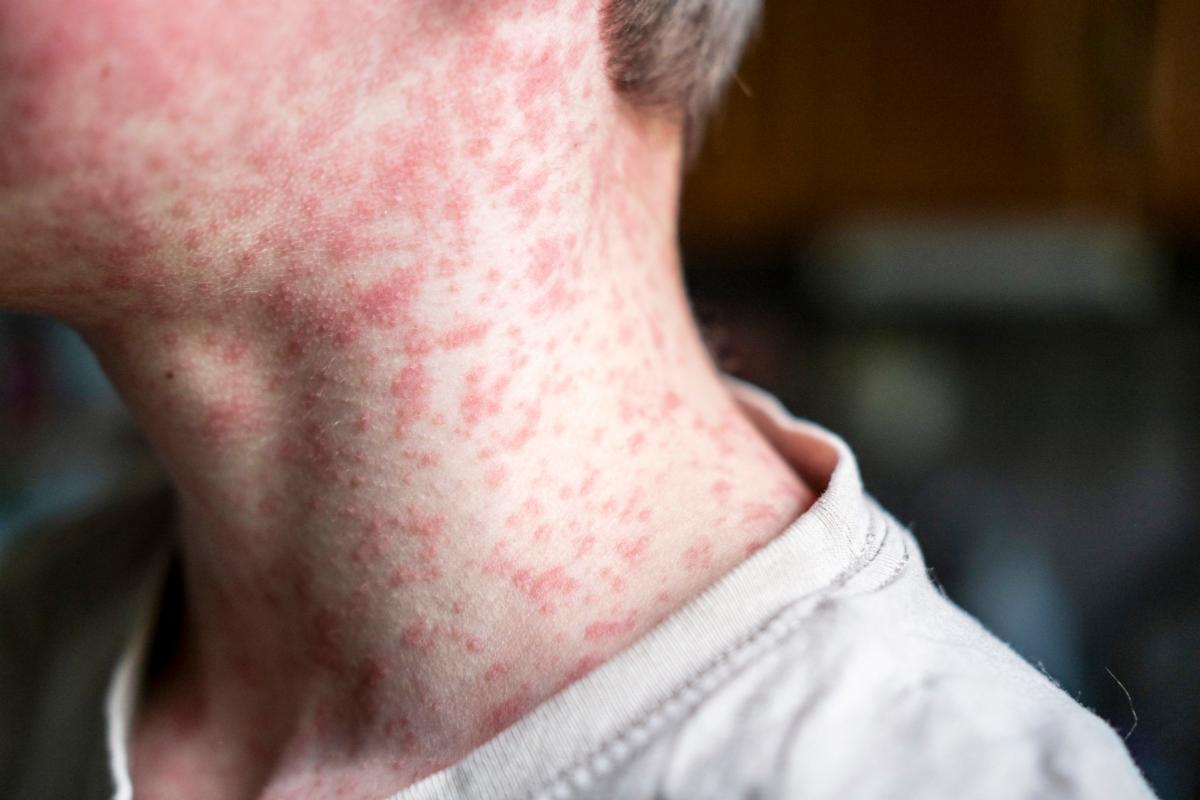
In the late 1980s, John Goldman, MD, was a fourth-year medical resident on his infectious disease rotation when a man arrived at the hospital with fever, conjunctivitis (“pink eye”), upper respiratory symptoms, and a facial rash.
The attending physician asked Goldman what condition these symptoms indicated. At first, Goldman felt stumped. Then the senior doctor reframed the question for the medical resident.
“He said, ‘How could you put this together with something the department of health is concerned about in Chicago?’ I said, ‘measles,’” Goldman, an infectious disease doctor at University of Pittsburgh Medical Center (UPMC) in Central Pennsylvania, told CIDRAP News. “I was part of the outbreak when we realized we had to give a second dose” of the measles, mumps, and rubella (MMR) vaccine.
Almost a case a day
In the early 1990s, Goldman treated another adult with measles in Boston but then didn’t seen a case for 34 years. However, since the start of the Pennsylvania measles outbreak this year, one of the hospitals where he works, UPMC Lititz in Lancaster County, has treated 50 to 100 cases of measles. Three other area hospitals are also treating measles in the county that has the most cases in the state.
“We are seeing as many as a case of measles a day,” Golden said. “We typically are getting three, four, five cases a week.”
These patients often reveal that everyone in their home has measles, but the hospital sees only those with infections severe enough to warrant medical attention.
While Pennsylvania’s measles outbreak is the largest in the country, with 1,467 cases, it’s also distinct because two-thirds of cases have occurred in adults. Prior to the introduction of a measles vaccine in 1963, almost all children contracted the viral illness before they were 15 years old. In the recent measles outbreaks in West Texas and South Carolina, more children than adults contracted the virus. And Centers for Disease Control and Prevention data show that only 41% of cases nationwide have involved adults 20 and older.and older.
| | A Baby In Wisconsin Has Died From Measles, the 3rd Such US Death This Week | | |
An infant in Wisconsin has died from measles, the first such death in the state since 1990—36 years ago.
The coroner listed the immediate cause of death as measles, according to a press release from the Wisconsin Department of Health Services (DHS). To protect the child's and family's privacy, DHS said it will not release additional information.
"My heart is broken for the family," said DHS Secretary Kirsten Johnson, MPH. "Any death of a child is a tragedy and even more so when it is related to a vaccine-preventable disease."
Two doses of the measles vaccine are 97% protective against infection. Kids as young as six months can receive it.
CDC raises its death total to 4
The loss of this child in Wisconsin marks the third measles-related death reported by a state health department in the United States this week: An infant died in New York, and another Pennsylvanian has passed. Reporting by The Washington Post identified the latter as a young mother who had just given birth
At least eight people have died this year in the United States from measles complications, according to states. Three people died from measles complications in 2025. Prior to last year, the most recent US measles death was in 2015.
Any death of a child is a tragedy and even more so when it is related to a vaccine-preventable disease.
Yesterday the Centers for Disease Control and Prevention (CDC) added one death to its official toll, bringing the total to four. This year, the CDC is not automatically adding measles deaths confirmed by state officials.
Long-term complications of measles
Wisconsin has reported 431 measles cases as of November 3, up from 335 two weeks ago. This is likely an undercount, as not everyone infected seeks medical care.
Also, it's estimated that, out of every 1,000 unvaccinated kids, between one and three will die from respiratory and neurologic complications of measles. Hence, the death of this child suggests a far higher number of cases.
The total number of cases reported in the United States this year is 4,852, according to the CDC. But, as in Wisconsin, the real number is likely higher.
In addition to death, long-term complications of measles include immune suppression, injury to the lungs, permanent brain damage, and loss of eyesight and hearing.
-CIDRAP, 11/5/2026
| | As Ebola Cases Near 10,700, WHO Recommends Adding 2 Bundibugyo Vaccines to Clinical Trial | | |
As the Ebola case and death total in the African outbreak continue to rise, expert groups convened by the World Health Organization (WHO) have recommended adding two candidate Bundibugyo Ebola virus vaccines to the ongoing Tumaini clinical trial.
The outbreak case total now stands at 10,699, including 5,202 deaths, the US Centers for Disease Control and Prevention reported today.
Yesterday, the UK government said that a British healthcare worker was being repatriated for medical treatment after testing positive for Ebola in outbreak epicenter, the Democratic Republic of Congo (DRC). The unidentified patient was in stable condition, The Guardian reports.
On October 3, Kenya released five Ebola patients from the hospital after tests showed they had cleared the virus, the Ministry of Health told the AP. Two patients are still receiving supportive care in the hospital.
The ministry also said 46 contacts of the country’s first Ebola patient were released after 21 days of quarantine. This follows last week’s release of 20 contacts. The 52 contacts remaining in quarantine are expected to be released next week. Kenya has reported eight cases, including two deaths, with no new cases since October 19.
Bundibugyo vaccines to be tested amid outbreak for first time
Expert groups convened by the WHO recommended adding two new Ebola vaccine candidates to the ongoing Tumaini clinical trial in the DRC, the WHO said yesterday in a news release.
This will be the first time vaccines targeting the Bundibugyo Ebola virus, which is causing the current outbreak, will be tested during an outbreak of the strain.
The vaccine candidates are ChAdOx1, developed by the University of Oxford and the Serum Institute of India, and Moderna’s mRNA-1469. They will enter the trial after national approvals. “Vaccines alone will not end this outbreak, but they could become a powerful new tool for bringing it under control,” WHO Director-General Tedros Adhanom Ghebreyesus, PhD, said in the release.
Tumaini was designed to test multiple vaccine candidates within a single trial using a ring-vaccination approach that enrolls contacts of infected people. Ervebo, a vaccine used against the Zaire Ebola virus, is the first vaccine being evaluated to assess efficacy against the Bundibugyo virus.
Research into potential treatments is also progressing, the WHO said. The WHO-sponsored PARTNERS trial is assessing whether the monoclonal antibody MBP134, the antiviral drug remdesivir, or a combination of both can boost survival among Bundibugyo patients.
The monoclonal antibody maftivimab will soon be added to the trial as a potential treatment. A complementary post-exposure prophylaxis study with the antiviral medication obeldevisir is already under way.
-CIDRAP, 11/5/2026
| | |
The number of confirmed New World screwworm (NWS) cases in the United States jumped to 113 yesterday, as the US Department of Agriculture (USDA) reported an additional 42 cases since last week.
The latest cases—in Texas, New Mexico, and Arizona—involve horses, cattle, sheep, dogs, and a chicken, according to the USDA's Animal and Plant Health Inspection Service. While Texas and New Mexico reported their first animal infestations with the parasitic fly in early June, Arizona confirmed its first case October 28, with an infested dog in Cochise County.
Two elk also have been infested in Texas. Most of the infestations are clustered along the border with Mexico, which first reported NWS infestations two years ago.
NWS can infest livestock, pets, wildlife, and, less commonly, people. The larvae of the parasitic fly feed on living tissue and can cause severe wounds, animal suffering, and significant economic impacts if not detected and treated quickly.
New drug for NWS in dogs
In related news, the Food and Drug Administration (FDA) this week issued an emergency use authorization for a drug to treat NWS infestations in dogs and puppies. The prescription medication, Bravecto, comes in chewable tablets and was previously approved to fight fleas and ticks in dogs. The FDA has authorized the use of several drugs to protect pets from NWS since June.
The active ingredient in Bravecto, fluralaner, belongs to a class of antiparasitic drugs called isoxazolines, which are commonly used and considered safe for most dogs. The FDA notes that products containing isoxazolines have been associated with neurological problems, including muscle tremors, loss of coordination, and seizures.
The FDA also has authorized the emergency use of Simparica Trio to treat NWS infestations in puppies and dogs, as well as nitenpyram for dogs and cats.
-CIDRAP, 11/5/2026
| | Metformin Given Within a Week of COVID-19 Slashes Risk of Long COVID, Death by 53%, Paper Notes | | |
Long COVID—or new-onset symptoms or worsening health conditions after SARS-CoV-2 infection—can lower quality of life. Finding a way to prevent it would be a welcome relief for those worried about the long-term effects of the viral infection.
A study published last week in the Journal of Medical Virology finds that US COVID-19 patients prescribed metformin, a medication that treats prediabetes and type 2 diabetes, within six days of COVID-19 infection were less likely to develop long COVID or die.
“Metformin prescription within the week following documented SARS-CoV-2 infection was associated with a 53% reduction in LC/D [long COVID or death] over 6 months in this primarily Omicron-infected sample,” wrote the authors, led by researchers from the University of Minnesota Medical School.
Findings could help guide treatment recommendations
Using electronic health records, the scientists conducted a target trial emulation in COVID-infected participants. They compared 248 people who received a new metformin prescription within six days of diagnosis with the same number of controls prescribed the experimental treatments fluvoxamine, fluticasone, ivermectin, or montelukast within that same timeframe.
Half of the metformin cohort and more than half (52%) of the control group were infected with the Omicron SARS-CoV-2 variant.
'Metformin prescription within the week following documented SARS-CoV-2 infection was associated with a 53% reduction in LC/D [long COVID or death] over 6 months.'
Overall, the weighted incidence of long COVID or death in patients receiving metformin or control treatment within six days of diagnosis was 6.3%: 4.0% in the metformin cohort and 8.5% in controls (absolute risk reduction, 4.5% for metformin).
“These results are also consistent with a recent sequential target trial analysis in the United Kingdom that assessed metformin started within 90 days of infection, HR [hazard ratio] 0.36,” the authors wrote. “The replication of results in clinical trials is important for informing treatment guidelines.”
-CIDRAP, 11/4/2026
| | |
After you received your COVID or any other vaccination outside our office, please let us know!
We would like to document this information into your chart.
What we need:
- Your name
- Name & date of vaccination received
- Brand name
- Lot number if available
- Which dose you have received
| |
Quick Takes:
Cholera in DR Congo
Canada OKs mRNA Flu & Flu-COVID Vaccines Polio in 4 Nations
| | |
Amid an ongoing Ebola outbreak, the Democratic Republic of Congo (DRC) is also seeing its worst cholera outbreak in decades, World Health Organization (WHO) Director-General Tedros Adhanom Ghebreyesus, PhD, said this week. At a weekly media briefing, Tedros said the DRC has seen more than 60,000 cases of the highly contagious diarrheal disease this year and 1,800 deaths. Tedros said most of the cases are in the provinces of North and South Kivu, which have been affected by the Ebola outbreak and where years of conflict have created a “critical water and sanitation deficit.” Tedros also noted that cholera vaccine coverage in the area is very low.
Vaccine maker Moderna said yesterday that Canada became the first country in the world to authorize both the company’s mRNA flu vaccine and its combination flu and COVID vaccine. Both vaccines were authorized by Health Canada for adults age 50 and older. "Influenza and COVID-19 continue to place a significant burden on public health, particularly among older adults. These milestones reflect our commitment to advancing innovative vaccine options that help protect Canadians and support more resilient health systems,” Moderna CEO Stephane Bancel, MBA, MEng, said in a company press release.
Afghanistan reported eight new cases of wild poliovirus type 1 (WPV1) this week, according the most recent update from the Global Polio Eradication Initiative. All of the new cases had onsets of paralysis in August and September. The country’s WPV1 total for 2026 is now 50 cases. Pakistan also reported a WPV1 case with paralysis onset in September, bringing its total this year to eight cases. Afghanistan and Pakistan are the only countries where WPV1 remains endemic. Also reporting new polio cases this week were the DRC and Ethiopia. The DRC reported nine cases of circulating vaccine-derived poliovirus type 2 (cVDPV2), bringing its cVDPV2 total this year 93 cases. Ethiopia reported two cases of circulating vaccine-derive poliovirus type 1 and has reported 11 such cases for the year.
-CIDRAP, 11/6/2026
| |
Mayo Clinic Minute - What is whooping cough?
The Centers for Disease Control and Prevention (CDC) says cases of pertussis, also known as whooping cough, are on the rise. The U.S. is beginning to return to the level of cases reported before the COVID-19 pandemic. The CDC says roughly four times as many cases of pertussis have been reported in 2024 compared to the same time last year.
In this Mayo Clinic Minute, Dr. Jesse Bracamonte, a Mayo Clinic family medicine physician, explains what whooping cough is and how to prevent it.
| | | | |