'Celebrating World Opera Day'
Operas have been captivating audiences since the sixteenth century, and this highly revered art form continues to gain new enthusiasts, complete with its own special day.
An art form that combines music, theater, and storytelling, the thrilling voices of opera singers can transport you to another world.
So, dust off those windpipes, take a deep breath and get ready to belt out your appreciation for Opera Day.
| | |
'The Weekly DoctorDoug Report'
Paradise Valley Medical Clinic,
Douglas M. Lakin, M.D.
Kaitlin A. Kraemer, PA-C
9977 N 90th Street, Suite 180, Scottsdale, AZ 85258
480.614.5800 (phone), 480.614.6322 (Fax)
| | |
We Are Here to Take Care of Your Healthcare Needs.
We Are Here to Serve!
Our office is using techniques to reduce exposure to a minimum during your visit. These include:
- Multiple Super-HEPA filters to filter out potential virus and
particles in the office.
- High Level UV light air cleansing in the office to eliminate
bacteria and viruses in the air.
OUR OFFICE SCHEDULE
DOORS OPEN
7AM - 4PM Monday through Thursday
7AM - 11AM Friday
IN OFFICE
APPOINTMENTS: MONDAY – THURSDAY
7AM – 11:15AM & 1PM – 3:30PM
APPOINTMENTS: FRIDAY
7AM – 10:30 AM
Dr. Lakin is also available for telehealth visits via FaceTime, WhatsApp, or Zoom when appropriate.
| | ‘THE WEEKLY DOCTORDOUG REPORT’ | | |
October 25, 2026
“The weekly newsletter continues and is all personally written by myself and produced by my staff. That said, when I worked for the summer in DC, long ago, my job was to provide an executive summary for the congressman on various topics. Today...I'm letting AI provide that summary for you at the beginning of the newsletter, but the rest is as usual, handwritten.”
- Dr. Lakin
This health update provides comprehensive guidance on viral respiratory infections, vaccination recommendations, illness management, and protective measures during travel, with a focus on COVID-19, measles, RSV, and flu.
• Early Autumn viral infections remain low: FLU has arrived. COVID is around. They are in moderate numbers. Please get your shots now. Doing both at the same time is efficient and shown to be safe and without increased side effects.
• FLU SHOT: Time to plan for your FLU SHOT. October through November are the best months, with October the sweet spot…but anytime mentioned is fine and later is OK too. All FLU SHOTS are excellent. The new mRNA flu shot has been proven safe and effective and is a fine choice, or you can stick with the traditional flu shots that are developed specifically for this year. We will be having flu shot clinic during late September and October. Call if you are interested. We do not have COVID vaccine.
• COVID-19 vaccination availability and advice: THE NEW COVID-19 vaccines are widely available at pharmacies; those 65 and older or with serious health conditions are strongly recommended to vaccinate, with dosing frequency varying by risk level. The NEW VERSION of the COVID VACCINE IS AVAILABLE.
• 2026–2027 COVID vaccine targets new strain: XFG instead of last season's LP.8.1 — both are JN.1-lineage Omicron descendants, but XFG is the one now dominant in circulation, so the update is meant to better match currently spreading virus.
FLU & VIRAL UPDATE
FLU VACCINE:
The Flu shot:
The flu shot recommendations are the same as every year. Shots are best taken starting now.... end of September through November. It is OK if you take earlier or later, but the duration of the shot may not cover the entire flu season and taking late may miss the first part of the FLU SEASONS which traditionally begins around Thanksgiving-time, so time it as best you can based on your personal schedule.
mFLUSIVA: The Flu shot will be available as usual, the same versions as always, but there is a new version that is mRNA based, similar technology to the current COVID vaccination. Large scale studies have proven this both safe and effective… 20% more effective. That said, this is the first year for the mRNA FLU shot. It is made by MODERNA and called: mFLUSIVA. This is
considered safe and is fine to take this season, but if you are the more conservative type, you should take the traditional FLU vaccine this year, awaiting full roll-out, and then perhaps take the new technology flu shot next year…but it is proven safe to take and if you prefer this is an excellent choice.
The FDA's advisory committee confirmed on March 12-13, 2026 that the 2026-2027 US flu vaccines will keep the trivalent (three-strain) format that's been standard since the 2025-2026 season, covering two Influenza A strains and one Influenza B strain — with no bivalent option offered. The three components are:
• Influenza A(H1N1): A/Missouri/11/2025-like virus
• Influenza A(H3N2): A/Darwin/1454/2025-like virus (egg-based) or A/Darwin/1415/2025-like virus (cell/recombinant-based) — a new subclade K strain
• Influenza B: B/Tokyo/EIS13-175/2025-like virus (egg-based) or B/Pennsylvania/14/2025-like virus (cell/recombinant-based), both from the Victoria lineage
All three components got refreshed strains for this coming season, which is notable — it's the first time in recent years all three have changed simultaneously.
COVID-19 VACCINATION
The NEW COVID-19 vaccine is widely available at Walgreens, CVS, and other pharmacies. If you get the COVID vaccine… and a prescription is required, please contact our office and we will send that in for you. THAT SAID, THE GOVERNOR SIGNED A LAW SAYING YOU DO NOT NEED A VACCINE PRESCRIPTION, SO YOU SHOULD BE ABLE TO REGISTER AND OBTAIN IT WITHOUT A PRESCRIPTION FROM OUR OFFICE.
Our office does not carry the COVID vaccine at this time. If you would like to receive both the flu and COVID shots together, scheduling directly with your local pharmacy is a convenient option — and it is perfectly safe to get both at the same visit.
Key Facts About COVID Vaccination
• The COVID vaccine is strongly recommended for adults 65 and older, and for anyone with serious underlying health conditions.
• In the 65+ age group, the vaccine has been proven to reduce the risk of hospitalization and death.
• COVID continues to rank among the top 3 or 4 causes of death in Americans over 65.
• The annual risk of contracting COVID is estimated at 10–30%.
• The risk of serious complications from the vaccine is approximately 1 in 100,000 — roughly the same odds as dying in a single skydiving jump. By comparison, the risk of serious illness or death from COVID in those over 65 is 50 per 100,000 or higher.
• Cash price for the COVID vaccine ranges from $140 to $200. This should not be a barrier for those who are high-risk, but I want you to have the full picture.
About the 2025–2026 COVID Vaccine Formulation
XFG instead of last season's LP.8.1 — both are JN.1-lineage Omicron descendants, but XFG is the one now dominant in circulation, so the update is meant to better match currently spreading virus.
Available options include mRNA vaccines from Moderna and Pfizer/BioNTech.
Dosing Recommendations
• Adults 65 and older (healthy): one dose per year is recommended.
• Adults 65 and older with significant health conditions (diabetes, COPD, heart failure, kidney disease, immune compromise): every six months is appropriate — and at minimum, once a year.
• Adults over 80: every six months is the preferred interval.
• Immunocompromised individuals should consult with me directly for personalized guidance.
If you fall into any of these higher-risk groups, please stay current with your COVID vaccinations. The protection they offer against hospitalization is real and well-documented.
| | |
TOP PODCAST DONE WEEKLY
BY DR. MICHAEL OSTERHOLM
(UNIVERSITY OF MINNESOTA)
He is a world-renowned epidemiologist who was credited with first elucidating TOXIC SHOCK SYNDROME in the 1980’s.
He provides comprehensive and understandable/actionable ideas related to COVID and other infectious diseases.
The Osterholm Update
October 22, 2026
'Measles: It's More Than a Rash'
Last week, a sixth measles-associated death was reported in Pennsylvania, which is currently the nation's measles hotspot. Every death from this vaccine-preventable disease is worth noting, especially amid the nationwide measles outbreaks. This week, hosts Chris Dall and Dr. Michael Osterholm discuss some of the complications from measles infection like immune amnesia and acute disseminated encephalomyelitis.
They'll also talk about Health Secretary Robert F. Kennedy Jr.'s new vaccine injury initiatives, provide an on-the-ground view of the Ebola outbreak in Democratic Republic of Congo, cover the uptick in bird flu activity on US farms and examine how cuts to Medicaid may affect Americans with HIV.
Plus, a very special dedication honoring the late journalist Helen Branswell.
| | CIDRAP Director Michael Osterholm Recognized for Defending Vaccine Science | | |
The Infectious Disease Society of America (IDSA) has awarded its 2026 Anthony Fauci Courage in Leadership Award to Center for Infectious Disease Research and Policy (CIDRAP) Director Michael T. Osterholm, PhD, MPH, for his commitment to scientific integrity and advocating for an evidence-based approach to public health. But the University of Minnesota epidemiologist says the recognition belongs to a much larger group.
“As much as this award had my name on it, it really should have had many people's names on it,” says Osterholm.
ISDA highlighted Osterholm’s work establishing the Vaccine Integrity Project (VIP). The initiative evaluates vaccine evidence to help medical organizations, clinicians, and the public make informed decisions—work that has taken on greater urgency amid disruptions to federal vaccine policymaking under Health and Human Services Secretary (HHS) Robert F. Kennedy Jr.
Specifically, Kennedy dismissed all members of the Advisory Committee on Immunization Practices (ACIP) in late spring 2025. Established in 1964, ACIP served as the primary, independent, evidence-based advisory body to the Centers for Disease Control and Prevention and HHS on vaccine policy in the United States
“Because of the demise of ACIP, we’ve created a whole new structure to be able to provide the medical community and the general public with definitive evidence on how well our vaccines work, how they protect us, and what the potential safety issues are,” says Osterholm.
Shared credit
Osterholm singled out former CDC Director Rochelle Walensky, MD, MPH, CIDRAP strategy and operations lead Sherri Berger, MSPH, and CIDRAP Director of Media Relations and Public Affairs Kevin Griffis for the leadership, and the entire VIP team for their efforts.
He also credited Christy Walton’s early philanthropic support, and University of Minnesota President Rebecca Cunningham with providing unequivocal institutional backing. Sandra Fryhofer, MD, president-elect of the American Medical Association for 2026–27 has been “absolutely critical” to the effort, says Osterholm. “She’s been a tremendous leader.”
He also recognized the editorial teams at the New England Journal of Medicine and Pediatrics for helping bring complex evidence reviews to publication quickly.
For Osterholm, those contributions reflect a shared determination to protect public health. “This is about our kids and grandkids,” he says. “And failure just cannot be an option.”
-CIDRAP, 10/23/2026
| | US Measles Cases Hit 4,588, More Than Twice Last Year’s Total | | |
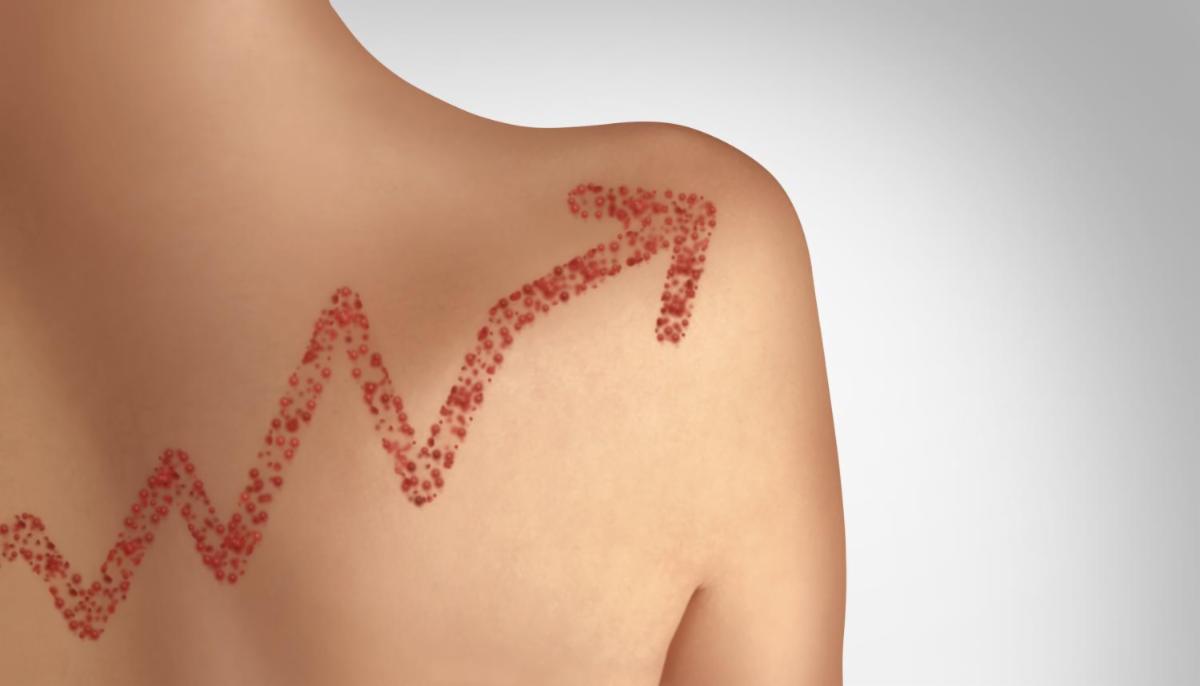
The number of confirmed US measles cases has hit 4,588, more than doubling its total from last year, according to the latest update from the Centers for Disease Control and Prevention (CDC).
An additional 178 measles cases were reported this week, and over the past two weeks, 508 new measles infections have been confirmed. That’s more than the nation experienced from 2022 through 2024, when a total of 465 measles cases were reported.
There have been 43 measles outbreaks across the country so far this year, with one new outbreak added since last week. An outbreak involves three or more people. Only 18 cases have been reported among international visitors.
Of the confirmed cases, 17% have been in children under the age of 5, and 42% have been in kids and adolescents ages 5 to 19. Ten percent of cases overall have required hospitalization, including 16% of the cases in children under 5.
Though the CDC has acknowledged three measles deaths this year, Pennsylvania alone has reported five, with a sixth death currently under investigation.
Most of the confirmed cases (96%) have been in people who are unvaccinated or have unknown vaccination status.
| | As Measles Soars in Pennsylvania, Some Parents Are Vaccinating Their Babies Early | | |
Laura Esch was in disbelief. Her local paper was reporting that Pennsylvania had its first two measles-related deaths in 35 years. Both were infants.
The story included a video of Gov. Josh Shapiro speaking at the hospital where she had delivered her younger daughter, Lucy, just a few months prior.
It felt like the COVID-19 pandemic all over again, Esch told CIDRAP News. Only this time she was a mom.
Esch lives on the eastern side of Lancaster County, which sits about 70 miles west of Philadelphia on the Maryland border.
When Lucy was born in May, the county had no more than a dozen cases. Since then, it's become the epicenter of the largest measles outbreak the United States has seen this century. This year, more than a third of Pennsylvania's 1,317 cases, or 467 infections, have been reported there. The entire state reported just 16 cases in all of 2025, according to the US Centers for Disease Control and Prevention (CDC).
Widely regarded as the most contagious disease known to humans, measles is particularly harmful to infants, and at least 14,954 Pennsylvania children under the age of 1 year have received an early dose of the measles, mumps, and rubella (MMR) vaccine, according to 2026 data from the Pennsylvania Department of Health (DOH). Infants produce a weaker immune response to the MMR, and DOH says these babies will still need two doses after their first birthday for lifelong protection.
Esch is counting the days until Lucy can get her early dose. The appointment is scheduled for the week after she turns 6 months, which is the absolute earliest the vaccine can be given.
Until then, Esch won't take Lucy into indoor public spaces, except to church or when picking up her older daughter from preschool.
| |
Nigeria Announces Its First Ebola Case
in 12 Years
| | |
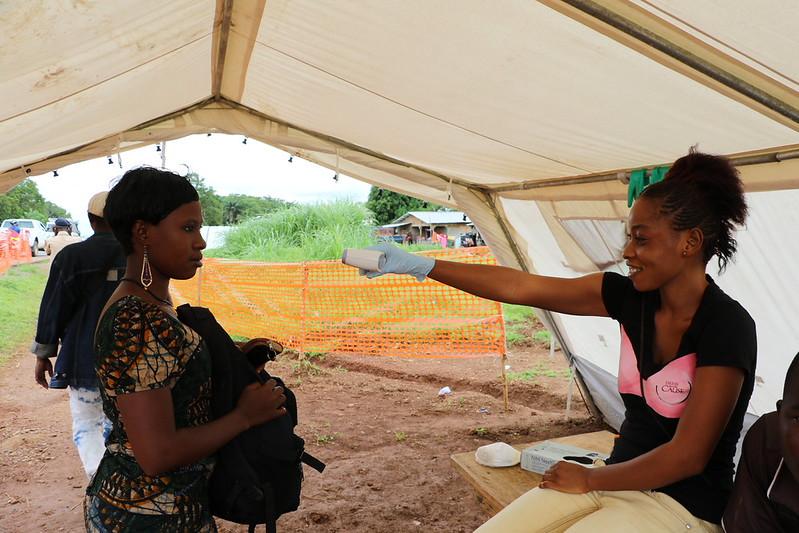
Nigeria has its first Ebola case in 12 years, according to the country’s Federal Ministry of Health and Social Welfare.
The patient, a female foreign national, developed symptoms on October 7, four days after arriving in Nigeria via Uganda. She was initially treated for malaria at a private healthcare facility in Abuja on October 11. After she failed to recover, physicians tested for Ebola, with the Bundibugyo strain confirmed yesterday.
Now 44 contacts, including healthcare workers and the woman’s Swiss husband, are under surveillance. The woman is receiving supportive care in isolation.
Uganda has maintained there is no ongoing Ebola transmission in the country after 20 cases were reported earlier this year. The World Health Organization (WHO) said investigations are ongoing to establish the patient’s full travel history.
“Ebola is now affecting three regions of Africa. The situation demands urgent action and political leadership at the highest level,” Africa Centres for Disease Control and Prevention (Africa CDC) Director-General Jean Kaseya, MD, MPH, said on X. “I have invited African Ministers of Health to an extraordinary virtual meeting on 28 October to strengthen our collective response.”
Kenya says 9th patient is known case contact
In other news, Kenya has now confirmed a ninth Ebola case, after another case contact tested positive for the virus. The country said there is still no evidence that transmission is occurring in the community, and all positive cases have had ties to the country’s index case-patient, who was diagnosed earlier this month. The Associated Press said the cases in Kenya include the index patient, four family members, and four health workers.
All case contacts must complete a 21-day quarantine, Kenyan officials said, with the first wave of contacts to end their quarantine on October 25.
The WHO said the Kenyan cases and the new case in Nigeria means all countries in Africa should “sustain a high level of readiness as the outbreak in the Democratic Republic of the Congo continues to evolve.” Countries, should not, however, restrict travel or trade with affected countries.
“They should also heighten monitoring at points of entry, with response plans in place. Sustained readiness is essential to detect cases early, prevent onward transmission and protect health workers and communities,” the WHO said.
The ongoing Ebola outbreak in the Democratic Republic of Congo is the world’s second-largest, with 9,668 confirmed Ebola cases and 4,649 deaths.
-CIDRAP, 10/21/2026
| | 27 Sickened in Salmonella Outbreak Linked to Raw Oysters | | |
The Food and Drug Administration (FDA) and the Centers for Disease Control and Prevention (CDC) announced a new Salmonella outbreak linked to raw oysters harvested by the Little Wicomico Oyster Company from the Little Wicomico River harvest area in Virginia.
So far at least 27 people in 12 states have been sickened in the outbreak. Five people have been hospitalized, and no deaths have been reported. Pennsylvania has had the most illnesses, with eight, followed by New York with four and Virginia with three.
Little Wicomico Oyster Company voluntarily recalled oysters harvested from September 18 through October 8, 2026. Illness-onset dates for case-patients range from May 29 to September 14, and 77% case-patients reported eating raw oysters in the days prior to illness. Recalled oysters were distributed to restaurants and retailers across the country, and the company said they have alerted customers of the outbreak.
Virginia closes harvest area
In addition to the recall, the Virginia Department of Health has also closed the Little Wicomico River harvest area as a precaution, the CDC said.
“Little Wicomico Oyster Company has stopped harvesting from the affected area and is cooperating with public health officials. Oysters harvested from other Virginia growing areas are not part of this recall,” the agency said.
-CIDRAP, 10/20/2026
| | Spouses Are Better Predictors of Severe COVID-19 Infection Than Siblings, New Data Reveal | | |
During the COVID-19 pandemic, people often speculated about why one infected person needed to be hospitalized while another had only mild symptoms. It seemed reasonable to assume that genes could contribute to the difference in severity.
But a study published this week in the International Journal of Epidemiology finds that the seriousness of a COVID-19 infection could have more to do with your spouse than your siblings.
“The most striking finding is that we found no evidence that genetic factors played an important role in determining who was hospitalized with COVID-19,” lead author Maria Timofeeva, PhD, of the University of Southern Denmark Faculty of Health Sciences, said in a university press release. “Who you live with may matter more for severe COVID-19 than who you are genetically related to.”
Genes play only a modest role in infection risk
Timofeeva and her colleagues examined data from nearly 84,000 twins and 33,000 of their spouses matched to more than 839,000 population controls and more than 327,000 control spouses from February 1, 2020, to October 31, 2022. They used a positive COVID-19 test and hospitalizations to represent susceptibility and severity of the illness, respectively.
Twins allow researchers to examine the role genes play in infection and illness, while spouses give the scientists the chance to understand their environment. If genes contributed to the severity of COVID-19, the twin of a hospitalized twin would be at an increased risk for hospitalization. But that wasn’t the case.
Instead, spouses were 3.6 times more likely to be hospitalized if their partner also landed in an inpatient room. Seventy-one percent of hospitalized partners were admitted within five days of each other.
'Who you live with may matter more for severe COVID-19 than who you are genetically related to.' Maria Timofeeva, PhD
Genes played a “modest” part in the likelihood of becoming infected with COVID-19, but only during the third wave of the pandemic.
“Our findings suggest that the relative importance of genes and environment for the risk of getting infected depends on the circumstances,” Timofeeva said. “For severe COVID-19, however, the picture was clearer. We only identified an association with sharing an environment and close contact with someone who was severely ill to be a risk factor of severe COVID.”
-CIDRAP, 10/23/2026
| | |
After you received your COVID or any other vaccination outside our office, please let us know!
We would like to document this information into your chart.
What we need:
- Your name
- Name & date of vaccination received
- Brand name
- Lot number if available
- Which dose you have received
| |
Quick takes:
- Warning Over Ebola Spread
- Price Cut for Malaria Vaccine
- Polio in 6 Nations
| |
- The head of the Africa Centres for Disease Control and Prevention (Africa CDC) is warning that the Ebola outbreak that began in the Democratic Republic of Congo (DRC) could spread throughout Africa. “We could see every region of Africa affected, and that is beginning to happen,” Jean Kaseya, MD, MPH, told Semafor News. The comments come in the wake of Nigeria confirming its first Ebola patient earlier this week and Kenya its ninth. At a press conference yesterday, Africa CDC officials said the Nigerian patient, the wife of a diplomat, may have crossed paths with the first Kenyan patient at an airport in Uganda earlier this month. There have now been 9,735 confirmed cases in the outbreak, with 4,690 deaths, the vast majority of them in the DRC. Kaseya said African health, finance, and transport ministers will meet next week with officials from regional organizations to discuss national and cross-border measures.
- UNICEF and Gavi, the Vaccine Alliance, announced yesterday that they have secured a deal to lower the price of the RTS,S/AS01 malaria vaccine by 40%. The groups say the deal will generate roughly $50 million in savings from 2027 through 2029 and could protect up to one million more children with the full four-dose course of the vaccine, which is now part of routine immunization programs in the 25 African countries that bear more than 70% of the global malaria burden. Full immunization reduces malaria cases by an estimated 75% when given seasonally in areas of high transmission. “This agreement is an important step towards protecting more children from malaria by expanding access to life-saving vaccines where they are needed most,” Leila Pakkala, director of UNICEF Supply Division, said in a news release.
- Six countries reported polio cases this week, according to the latest update from the Global Polio Eradication Initiative. Afghanistan confirmed six cases of wild poliovirus type 1 (WPV1) with onsets of paralysis in August and September, bringing its WPV1 total this year to 42 cases. In Africa, the DRC reported six cases of circulating vaccine-derived poliovirus type 2 (cVDPV2) with onsets of paralysis in August and September, bringing its cVDPV2 total for 2026 to 77 cases; Chad reported one cVDPV2 case, its ninth of the year; Togo reported one cVDPV2 case, its third of the year; Nigeria reported one circulating vaccine-derived poliovirus type 3 case, its 14th of the year; and South Sudan reported two circulating vaccine-derived poliovirus type 1 (cVDPV1) cases, bringing its cVDPV1 total this year to 18.
-CIDRAP, 10-23-2026
| |
'Puccini’s Turandot: Finale'
Puccini’s final opera is a grand and melodious fairy tale set in a China of legend.
The composer’s artistry soars in this most unusual score, which features an astounding and innovative use of chorus and orchestra.
Yet, for all this, Turandot is recognizably the work of Puccini, bursting with the appealing melodies that lie at the core of his universal popularity.
| | | | |