|
Why Better Communication Among Professionals Can Lead to Better Support for Individuals and Families
Mental health rarely exists in isolation.
A child struggling with anxiety may also be experiencing difficulties at school. An adult navigating depression may be managing a chronic medical condition. A teenager experiencing behavioral changes may be facing academic pressures, family transitions, or emotional challenges that aren't immediately apparent.
These experiences remind us of an important principle:
Understanding the whole person often requires looking beyond a single symptom, setting, or professional perspective.
That's where collaborative care becomes especially valuable.
What Is Collaborative Care?
In its broadest sense, collaborative care involves appropriate communication and coordination among the professionals supporting an individual's health and well-being.
Depending on the person's needs, that may include:
- Psychologists and therapists
- Primary care physicians and pediatricians
- Psychiatrists and neurologists
- School counselors and school psychologists
- Other healthcare and community support professionals
When professionals communicate appropriately, with necessary permissions and safeguards, they can develop a more complete understanding of an individual's needs and coordinate recommendations more effectively.
The Benefits of Working Together
1. A More Complete Understanding
A pediatrician may recognize physical or developmental concerns. A teacher may observe changes in attention or behavior. A psychologist may identify emotional patterns or psychological factors contributing to those difficulties.
Each perspective can provide valuable information.
When appropriately considered together, those observations can help inform a more comprehensive understanding of what an individual is experiencing.
2. Earlier Identification of Concerns
Changes in mood, behavior, concentration, or daily functioning may first become apparent in a medical office, classroom, or home.
Strong professional relationships can help individuals and families connect with appropriate resources when additional support is needed.
3. More Coordinated Recommendations
Families can sometimes feel overwhelmed when receiving information from multiple professionals.
Thoughtful coordination can help clarify recommendations, reduce unnecessary confusion, and support a more consistent approach to care.
4. Greater Confidence for Families
When professionals communicate clearly and respect one another's roles, families may feel more informed and supported.
Knowing that the people involved in their care are working toward shared goals can provide reassurance during an already challenging time.
Collaboration Doesn't Mean Everyone Plays the Same Role
Effective collaborative care respects professional boundaries and areas of expertise.
A physician's medical evaluation, a psychologist's assessment, a therapist's treatment, and a school's educational supports each serve distinct purposes.
The value comes from understanding how these perspectives may complement one another—not treating them as interchangeable.
Equally important, collaboration must respect confidentiality, informed consent, and the individual's right to make decisions about their care.
Our Commitment to Professional Partnerships
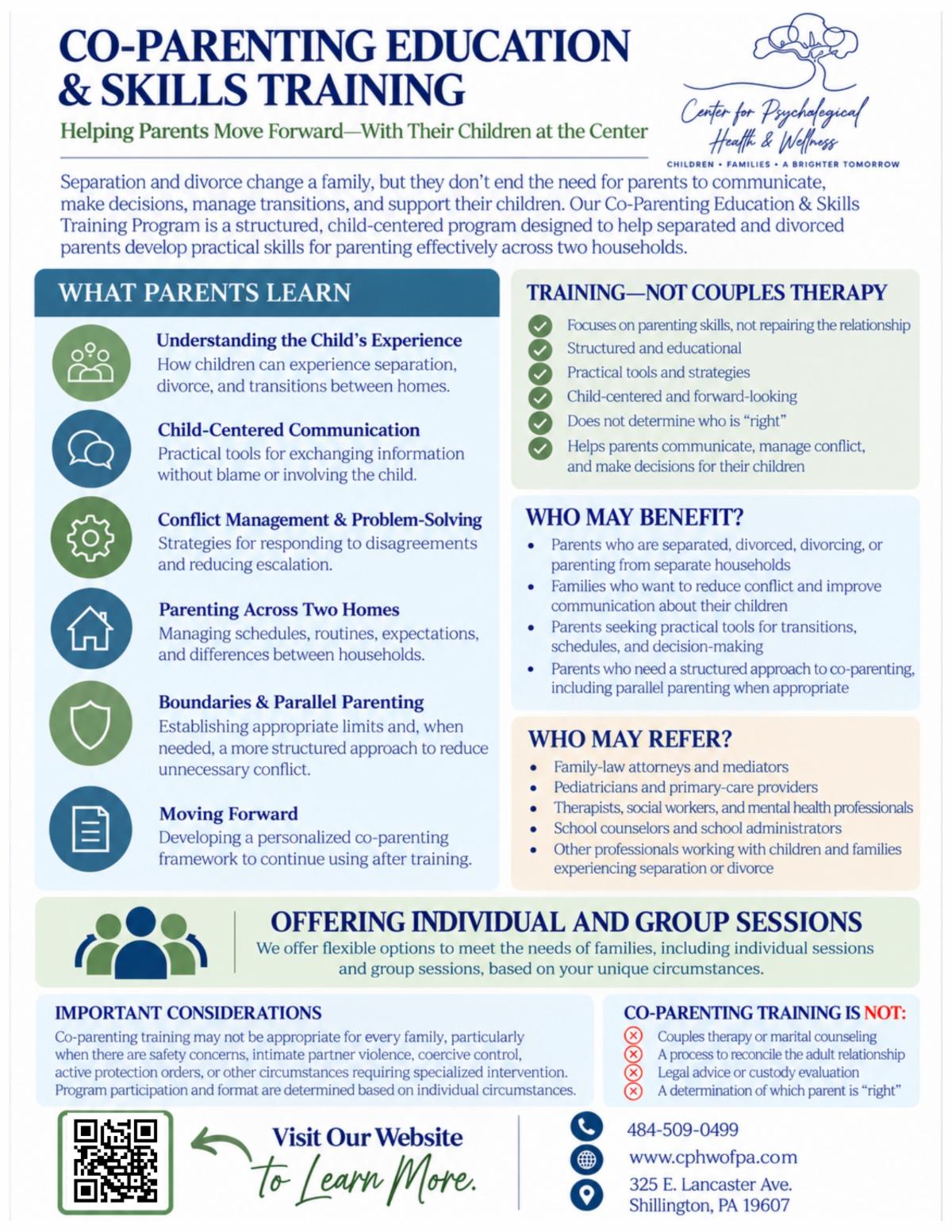
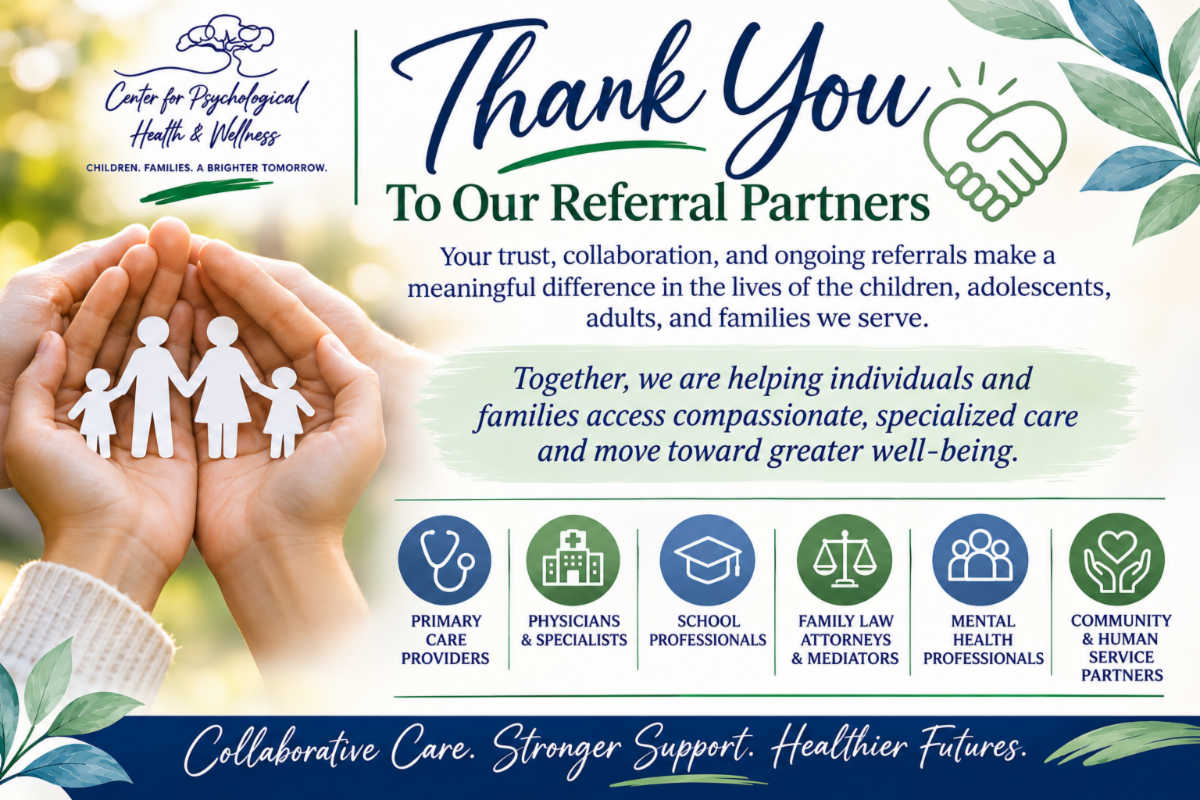
At the Center for Psychological Health & Wellness, we value the relationships we build with physicians, pediatricians, neurologists, psychiatrists, educators, therapists, and community professionals.
We recognize that a referral represents more than a request for services.
It represents trust.
When a professional refers an individual or family for psychological care, they are helping connect that person with another source of support during what may be a vulnerable time.
We take that responsibility seriously.
Our commitment is to provide compassionate, individualized psychological services while supporting appropriate communication and collaboration with other professionals involved in care.
An Invitation to Connect
Are you a healthcare provider, educator, therapist, or community professional serving Berks County and the surrounding region?
We welcome the opportunity to learn more about your work, introduce our clinical team, and explore ways to help individuals and families access appropriate mental health resources.
Stronger professional connections can help create stronger support systems for the people who depend on us.
To discuss professional referral opportunities or learn more about our services, contact CPHW at 484-509-0499 or visit www.cphwofpa.com.
|