November 2026 Newsletter

The Work Continues. Stay Kind.

by Claire Louge, Executive Director

Several years ago, before I became Executive Director of Prevent Child Abuse Arizona, a friend gave me a poster with five simple words:

The Work Continues. Stay Kind.


I’ve tacked it up in my workspace since then. I keep it here because I often need the reminder. 


It’s sometimes hard advice to follow. 

It’s the paradox of stress on the human brain: The more challenges we’re faced with, the more stressed we get. The more stressed we get, the harder it is to stay kind. 


Stress tends to knock out our kindness, but the challenges that stress us require kindness to resolve. 


The work of serving children and families, and building the systems that support families to raise thriving kids, requires us to build strong relationships with one another. To trust each other. To be kind.

IMPACT

Making Room for Innovation in Prevention

by Sierra Morse, Communications and Marketing Strategist

I keep returning to the question of why systems work the way they do, and why some practices persist even when they no longer serve us. We can’t expect different outcomes for children and families without questioning the systems that shape how we support them. We have to do things differently to do things differently. 


The structures shaping how we help children and families thrive can make change difficult. There’s usually a reason why things became what they are, but understanding the logic of a process doesn’t mean the process must stay as it is. 


“That’s how it’s always been done” shouldn’t end the conversation about how things could be better.


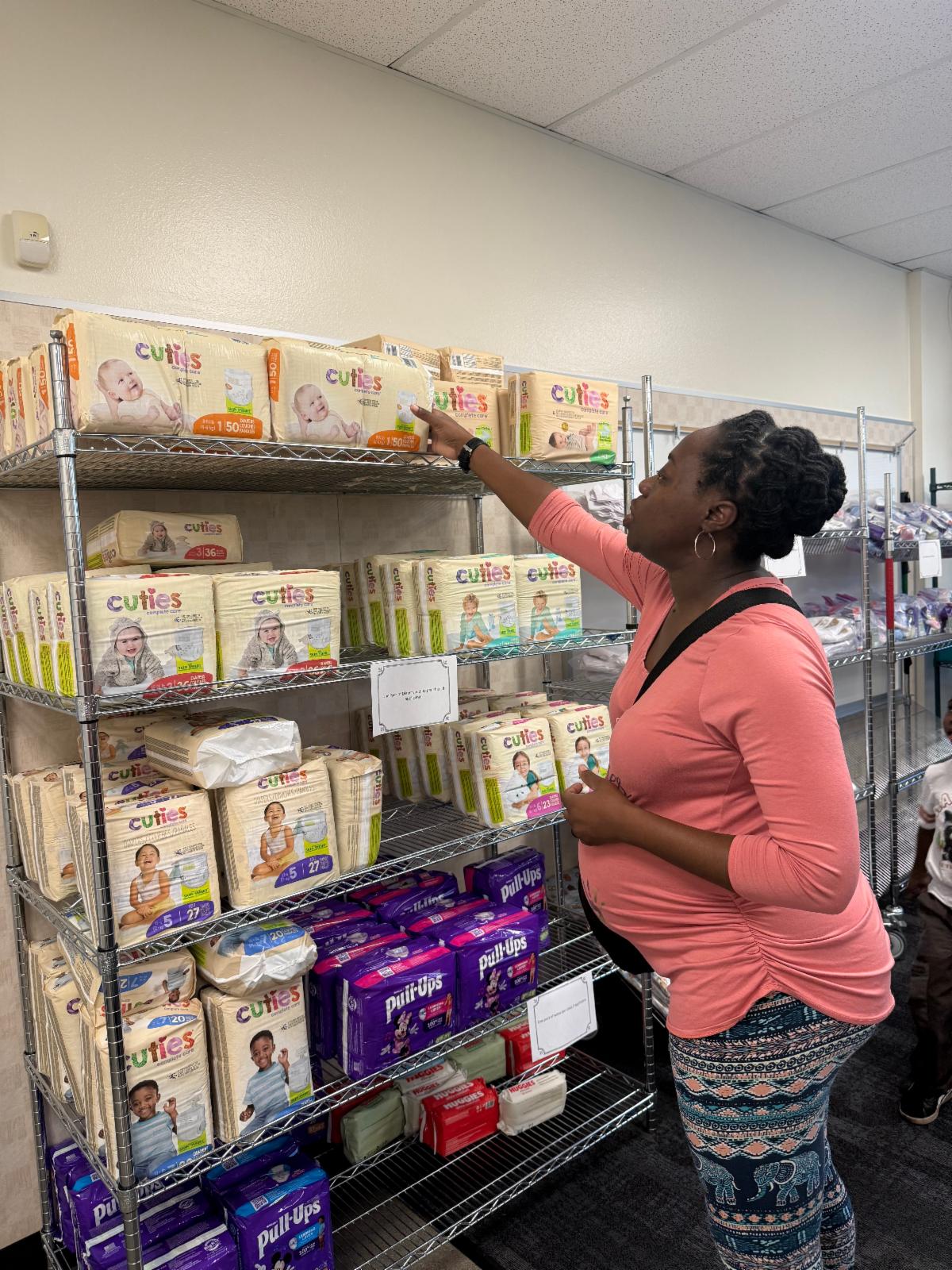
It's that mentality we were seeking to challenge in our 2026 Prevention Pilots.

Glendale Elementary School District's

Community Closet


ADVOCACY

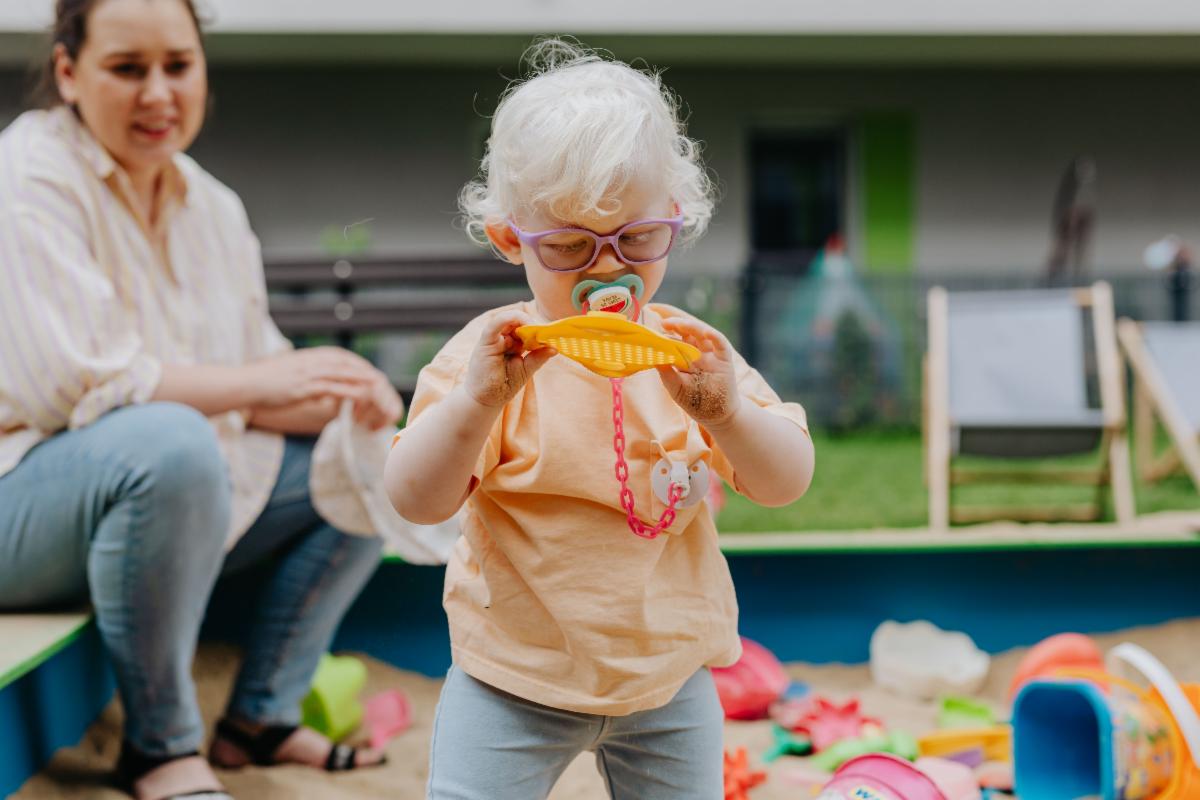
Child Care Deserts


A 2026 Center for American Progress report finds that 46% of children under 6 live in a child care desert, meaning an area with no licensed child care, or at least three children for every one licensed slot. Deserts hit low- and middle-income families, Hispanic communities, and rural areas hardest. The share of young children in a desert ranges from about 5% in Washington, D.C. to 96% in Alaska. Programs like Head Start are also especially scarce in rural communities.

Zero to Three offers an analysis of what the findings mean for infants, toddlers, and their families.

TODAY IN PREVENTION

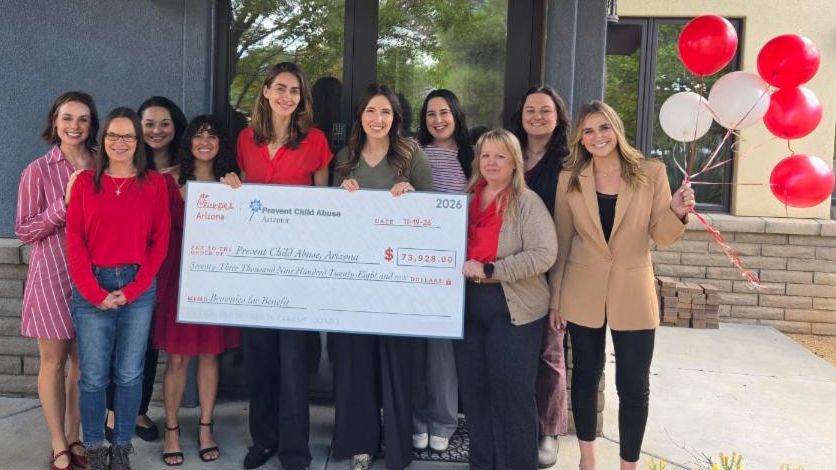
Chick-fil-A raises $73,928 for Prevent Child Abuse Arizona

Chick-fil-A's 2026 Brownies for Benefits Campaign raised a record-breaking $73,928 for Prevent Child Abuse Arizona! Thank you to Chick-fil-A and everyone who bought a brownie for helping make Arizona a great place to have a family and be a child!

Supporting mothers means supporting Arizona families

As maternal mental health receives growing national attention, conversations are also highlighting the importance of community support for new parents. In this opinion piece for The Arizona Republic, Arizona Department of Child Safety Director Kathryn Ptak explores how Arizona’s Family Resource Centers (FRCs) and other community connections can help families access resources, reduce isolation, and find support before a crisis occurs.

Facebook  Linkedin  Instagram


As a 501(c)3 organization, Prevent Child Abuse Arizona is eligible to receive bequests. Please contact Molly Peterson at molly@pcaaz.org if you would like to discuss including Prevent Child Abuse Arizona in your legacy.


Prevent Child Abuse Arizona can only accept donations from individuals, businesses, and foundations located in the State of Arizona.


Tax ID #86-0832901

Prevent Child Abuse Arizona is dedicated to strengthening families and protecting children through collaboration, education, and advocacy. The organization provides research-based prevention services, education and training to help promote strong families and safe, healthy children. For more information, visit pcaaz.org.