Welcome!
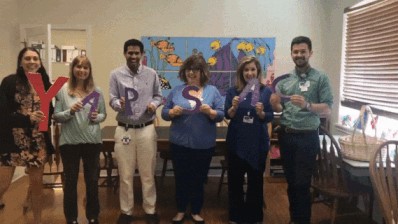
The YAPper Quarterly is a new quarterly publication from the Young American Professional Society on the Abuse of Children (YAPSAC). The newsletter seeks to offer news and resources specific to students and young professionals working in the field of child maltreatment. Inside, you'll find news about upcoming YAPSAC events, job, grant, and training opportunities, resources from APSAC, and much more!
Interested in submitting to the YAPPer or have an idea about something you'd like to see included?
Contact us!
|
|
Coming Soon! The YAPSAC Institute at the APSAC Colloquium in Salt Lake City
June 19, 2019
APSAC and the
Doris Duke Fellowship for the Promotion of Child Well-Being, are proud to announce their 2nd Annual Student and Young Professional Career Development Institute at the APSAC Colloquium! This institute is designed for students and young professionals looking to advance their practice in child maltreatment. The day will include:
- A panel of young professionals answering questions about beginning careers in child maltreatment;
- A panel of seasoned professionals providing advice on becoming an expert and getting hired by the experts;
- Discipline-specific roundtables that will allow students and young professionals to speak directly with professionals working in social work, psychology, medicine, law, public health, and more about their career experiences;
- An opportunity for participants to share their resumes/CVs for expert review, and;
- A fun networking event, giving participants more opportunities to connect with speakers and one another in an informal setting!
Registration is FREE for APSAC members and only $30 for non-members.
|
Three Questions: An Interview with a Young Professional
|
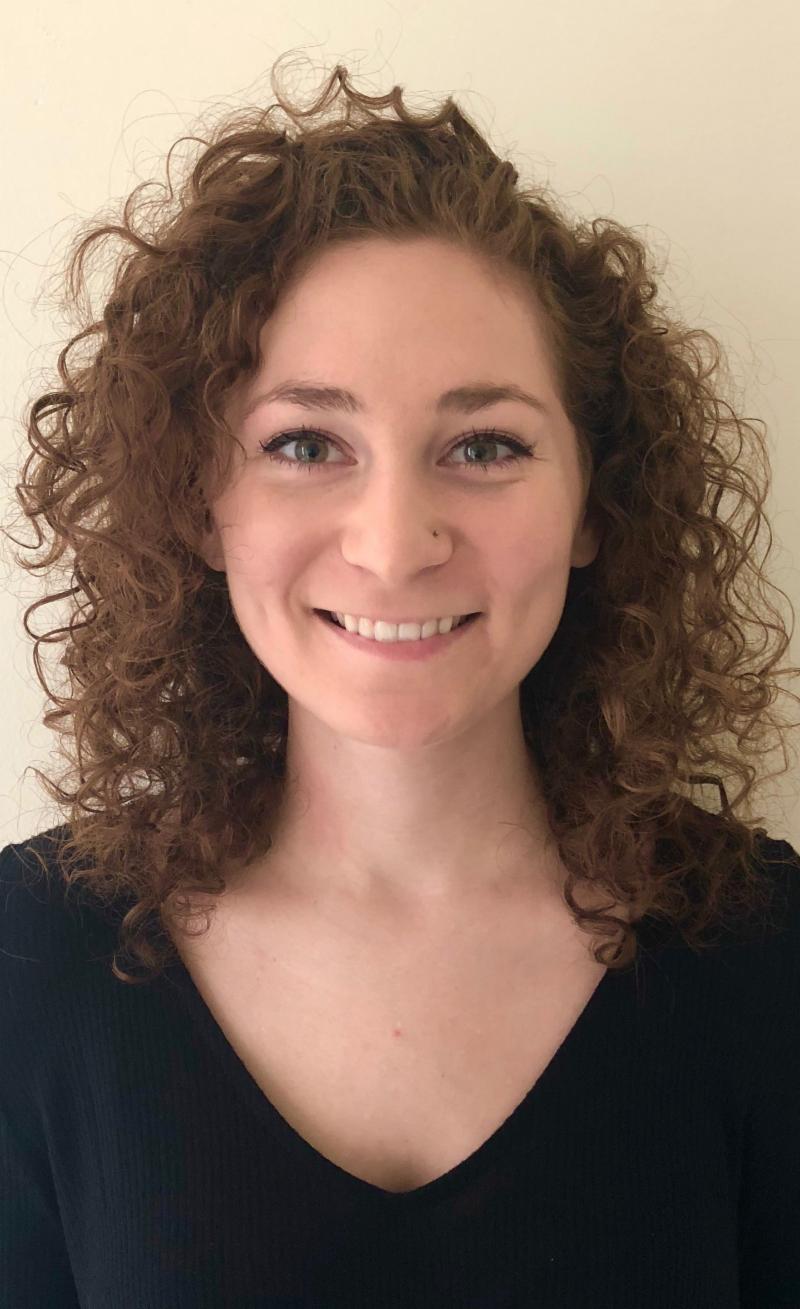
A Chicago Native, Jenna Ofenloch received her BA and MA in Sociology from Loyola University Chicago before moving to New York City. She is currently a Training Specialist at The New York Society for the Prevention of Cruelty to Children (NYSPCC) where she helps to educate students, parents, and professionals on abuse prevention. Prior to that, Jenna worked with the NY Foundling's Child Abuse Prevention Program.
1. Why did you go into your current field?
I've always felt deeply called to helping kids in one way or another. Understanding that suffering abuse as a child can affect all facets of a person's life into adulthood, I became committed to trying to prevent abuse before its onset.
2. What advice would you give to someone considering going into your field?
Remember your "why" and celebrate small victories. Trusted mentors or colleagues who remind you of your "why" and celebrate your victories with you are invaluable.
3. Where do you see your field heading over the next 5-10 years?
In the past year, we've seen conversations around sexual abuse and assault in the media constantly. With these important topics gaining visibility, I hope that the demand for abuse prevention education will grow; becoming the norm throughout all schools and professional settings
rather than the exception.
|
Research to Practice Brief
|
In order for APSAC to achieve our goal of strengthening practice through knowledge, we must ensure that up-to-date, high quality research results are reaching the practitioners who need it most. To accomplish this, APSAC is assembling cadres of individuals working in psychology, social work, medicine, child welfare, and law to write 2-3 page translational summaries of articles from
Child Maltreatment.
These briefs are designed to provide clear policy and practice implications of the research useful to people working in different disciplines.
|
|
- Junior Research Analyst - The Policy & Research Group - New Orleans, LA
- Child and Adolescent Psychiatrist - Rush University Medical Center - Chicago, IL
- Volunteer Manager - CASA of Lexington - Lexington, KY
- Family Advocate - Hope Coalition - Red Wing, MN
- Psychiatric Nurse - McPike Addiction Treatment Center - Utica, New York
- Psychologist - California State University, Long Beach - Long Beach, CA
- Child & Adult Protection Caseworker - Breckenridge, CO
- Family Support Counselor - A Child's Haven - Greenville, SC
- Foster Care Case Manager - Jewish Child and Family Services - Chicago, IL
- Social Worker, Community Program - SafeHorizon - New York, NY
- Part-Time Early Childhood Education Teacher - Foothills Parks & Recreation - Littleton, CO
|
- Child Sex Trafficking Webinar Series: Fundamentals of Child Sex Trafficking - April 9, 2019 at 1 pm eastern
- Talking about Adoption - April 18, 2018 12 pm eastern
- How Understanding and Responding to Children's Sexual Behaviors can Prevent Child Sexual Abuse - April 25 at 1 pm eastern
- Understanding and Accessing Benefits to Support Children and Youth in Foster Care - April 30, 2019 at 1 pm eastern
- Building Resiliency for Girls in the Juvenile Justice System by Disrupting the Abuse to Prison Pipeline - May 16, 2019 at 3 pm eastern
- Burnout in the Child Welfare Profession (webinar recording)
- Dismantling Racial Inequity Through Child Welfare Systems Change (recorded webinar series)
- The 26th Annual National Foster Care Conference - May 15-17, 2019 - St. Petersburg, FL
- APSAC's 26th Colloquium - June 18-22, 2019 - Salt Lake City, UT
- APSAC Forensic Interviewing Clinic - August 26-20, 2019 - Seattle, WA
- 2019 Prevent Child Abuse America National Conference: Moving Upstream - September 16-18, 2019 - Milwaukee, WI
- APSAC Forensic Interviewing Clinic - December 11,12, 2019 - New Orleans, LA
|
Mentored Research Scientist Development Award
Purpose:
Supports 3 to 5 years of mentored research training experience in the biomedical, behavioral, or clinical sciences. NICHD accepts K01 applications for only three research areas: Rehabilitation Research, Child Abuse and Neglect, and Population Research.
Eligibility:
Those with a research or health professional doctorate
View Announcements:
|
Resiliencey Tip
By: Riley Loria, YAPSAC Member, Tulane University
|
Taking time for self-care can contribute to increased resilience. Taking definitive action to improve your health, even if its just taking a walk, can play a major role in maintaining mental health. The American Psychological Association recommends taking advantage of opportunities for self-discovery. Been thinking about taking a yoga class? Go for it! Want to get into photography? Give it a shot! Taking the time to learn about yourself and discover new things about your identity and your interests can be an excellent protective factor when things get difficult.
|
|
Benefits of Joining YAPSAC
|
|
|
Join APSAC for even more resources for students and young professionals, including:
- Access to APSAC's quarterly peer-reviewed journal, Child Maltreatment, as well as the Trauma, Violence, and Abuse Journal
- Access to over 30 years of the peer-reviewed APSAC Advisor in an online, searchable database!
- Free and discounted registration to APSAC trainings
- Fun networking opportunities with both peers and experts in the field!
- Coming soon: an online course featuring national experts for early career child maltreatment professionals
|
|
Join as a student for only $30/year or as a young professional for only $95/year. Use discount code YAPSAC30 to save an additional 30% on membership!
|
|
|
|
|
|
|
|
|
|