Featured Articles

An Expression of Gratitude

Jennifer Baumbach, UC Master Gardener, Yolo County


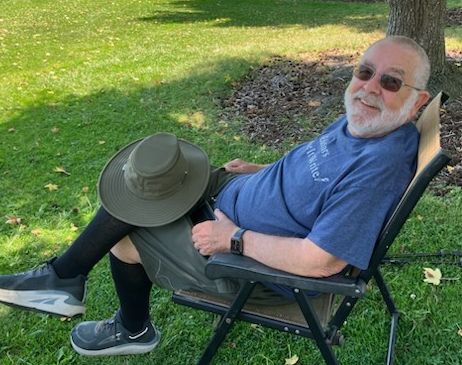
Jim Fowler has been an invaluable part of the UC Master Gardener Program for over 20 years and has achieved Platinum Badge status and beyond, earning a sapphire pin. He amassed over five thousand volunteer hours during this time. He completed his training in Solano County during a serendipitous year when Yolo County did not hold a class. I count myself incredibly fortunate to have accepted him into the program—what a gift his presence has been to us all.


Throughout his tenure, Jim has been the cornerstone of every aspect of the program. He has tirelessly answered gardening questions at farmers’ markets and county fairs, attended countless planning meetings, and managed the help line. Jim organized and administered training classes, shared his wisdom through presentations, and played a pivotal role in creating and supporting both Central Park Gardens and Grace Garden. His editorial contributions have been monumental—writing dozens of articles and serving as the editor for Bloomin’ News and The Yolo Gardener for an impressive 15 years. On top of this, his volunteer work with the UC Davis Arboretum and Public Garden helped propagate thousands of plants essential to their collections and plant sales.


And yet, in a delightful twist, Jim, with all his devotion to gardening, openly admits he hates it! His humorous and candid reflections—calling gardening “dirty, sweaty, and itchy” and lamenting about sore hands, blisters, and relentless weeds—only underscore his brilliance and deep connection to the natural world. His innovative Darwinian gardening method, outlined in his spring 2022 article, reveals a mind that turns challenges into triumphs.


It is with a heavy but deeply appreciative heart that I announce Jim’s retirement from the UC Master Gardener Program of Yolo County. While we will miss him terribly, I know he is ready to bid farewell to what he aptly called “too darn much hard work!” Jim, I want to thank you not only for your boundless contributions but also for being a trusted friend and sounding board. Your impact on the program, our community, and me personally is immeasurable.


To Jim’s wonderful wife, Zora—thank you for sharing him with us all these years.


Congratulations, Jim, on your well-earned retirement to Southern California where the weather is always amazing! May your next chapter be filled with family, joy, and the pursuits that bring you the greatest happiness.


Reference:

Darwinian Gardening and the Magic of Mulch by Jim Fowler - Yolo Gardener Spring 2022


Photo by Zora Fowler, adapted

IPM/SPM Series:

Understanding Water

Paula Haley, UC Master Gardener, Yolo County


Sustainability focuses on supporting biodiversity and protecting the bees, birds, butterflies, caterpillars, and other wildlife in our gardens and back yards. By understanding water flow dynamics, we can learn how actions in our gardens and backyards affect other important outdoor spaces. Realizing that our watershed drains all areas to the lowest point, then into our waterways may help us to prevent harm. We are all connected by a watershed.


A watershed is an area of land that drains and stores water. Watersheds move rainfall and snowmelt into area creeks, streams, and rivers. Surface water comes from lakes, rivers, mountains, and wetlands. Groundwater comes from rainfall and snowmelt that seeps through the soil into aquifers. About sixty percent of stream flow comes from groundwater. Polluted surface water can contribute to groundwater contamination. Water from our urban homes drains into water treatment plants, but stormwater runoff is not treated. Sources of pollution include overfertilizing or overwatering a lawn, inappropriately using pesticides and fertilizers, washing or draining polluted water (pool, car wash, oil, paint) in the yard, and leaving pet waste to decompose. For more information, see Welcome to the Watershed! A Directory and Guide for Yolo County Residents.


River Runner (US) is a fun website that illustrates how a drop of water travels to the ocean from locations in North America. Select a spot near your neighborhood and see where the water goes.


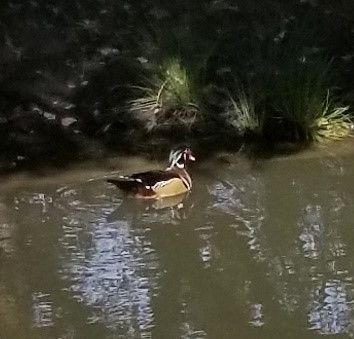
Photo - Putah Creek at UC Davis Arboretum, by Paula Haley, adapted

Bonkers About Bees

Peg Smith, UC Master Gardener, Yolo County


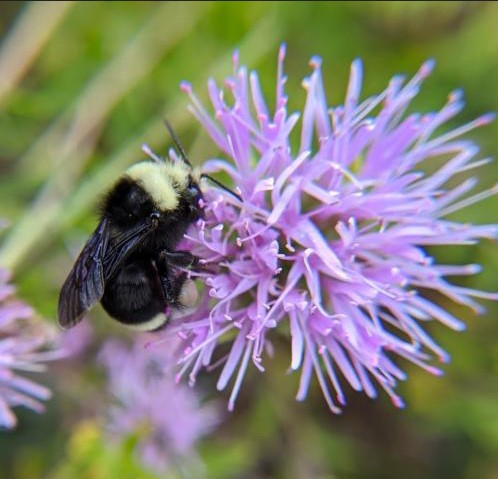
As I have learnt more about the interweaving of all the aspects of gardening – soil, nutrition, seasonal timing, insects (beneficial and not), right plant, right place I have become fascinated by our native bees. Basically, I have become bonkers about bees! I came across a new piece of research from Felicity Muth at UC Davis. She has studied how bumblebees learn, in particular queen bumblebees. Muth studies the thought processes of bumblebees - how they learn, how the choose which flowers to visit - and what motivates them. Her goal, said Much, is to understand how they think about the world that they inhabit.


The following is a portion of What Makes Queen Bees So Smart? by Douglas Fox:


They had visited the meadow early enough in the spring that the queen bumblebees, which hibernate through the winter, had emerged to spend a couple of weeks foraging before retreating permanently into a burrow and starting a colony.


“Queens are much more elusive than workers. They are much less studied, and that’s what drew me to them,” said Muth.


Compared to workers, queens only have a short time to forage, because colonies need to be started early in the season to have their best chance of success.


“They have to move quickly,” said Muth. “They’ve got to be smart. There is so much pressure on them at this stage.”


Muth found that queens captured in the wild were significantly faster learners than the female workers of the same species.


As we learn more about the complexities of the behavior of bees, especially our native bees, we gardeners can understand and do more to provide the environment needed for these wonderful insects to thrive.

Photo from UC Davis Arboretum

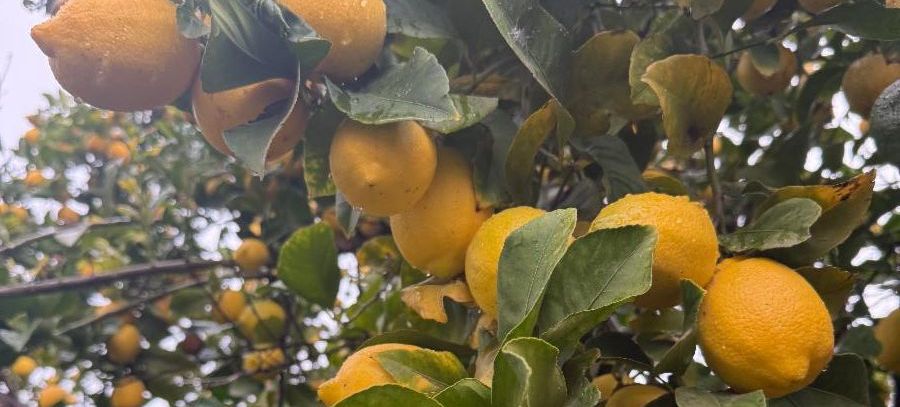
Image of ripe lemons on a tree.

January is a Busy Time in the Garden

Lorie Hammond, UC Master Gardener, Yolo County 2024


As the tender of a four-seasons kitchen garden, I find winter a surprisingly busy time. I do not plant in December or January, because it is too cold and wet for seeds to germinate. However, if a fall-winter garden has been planted, and especially if you have citrus trees, there is much going on at this time. This is also a good time to start seeds indoors for summer crops, although that is not the topic of this article.


While garden beds are dormant in colder climes, the Sacramento Valley has perfect conditions for fall-winter gardening. It is a luxury to be able to garden without watering. This affords the gardener more freedom, providing time to read a book by the fire while the plants grow themselves. The key to a fall-winter garden is to plant it in the fall, by October, so that vegetables are established and can be thinned and eaten as they mature during the winter, then have their final burst in early spring. A second round of winter-spring crops can also be planted in February for late spring consumption.


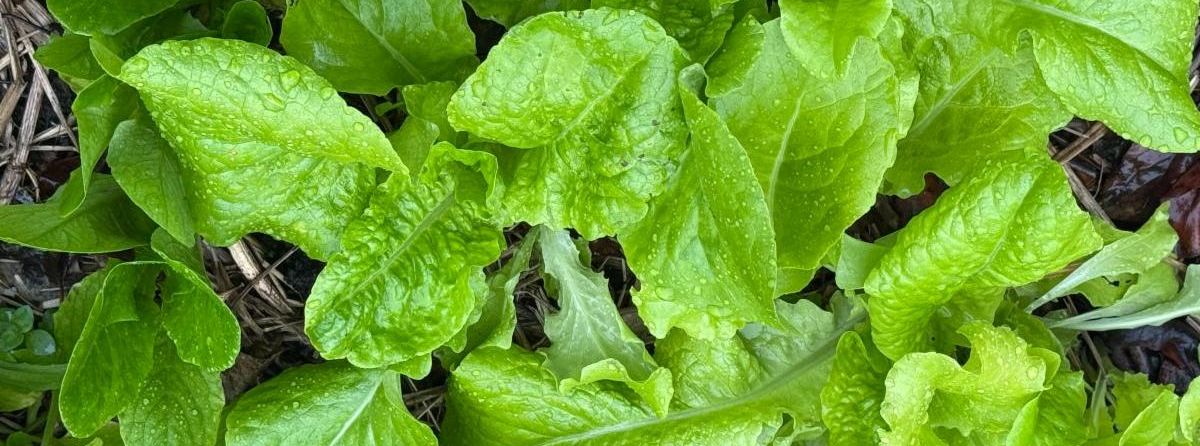
For those used to agriculture, growing a seasonal edible garden involves a shift in thinking. Broccoli is an example. The broccoli we buy as seeds or starts is set up to produce a lot of broccoli heads at once, and then to be pulled out for other crops. Having many broccoli heads at once enables people to sell broccoli as a crop. But as edible gardeners, we do not want forty broccolis in the same week. Instead, we might plant six broccolis in early October, then six more in late October. Most importantly, once we harvest the central broccoli head, we keep the plants growing, harvesting side shoots of broccolini many times before they flower. This extends our broccoli season and makes it easy to whip up stir fries and other dishes any day you want them. The same logic holds for other crops. We can plant lettuce or other greens close together, then harvest the baby lettuces many times as they grow bigger and bigger, ending with large heads of lettuce just before they go to seed in spring. A winter garden is most bountiful when approached this way. The garden will grow very slowly in December and January, so it is important to get the crops started by October. They will begin to grow before it gets really cold and can be harvested as young plants during the winter.


Every late afternoon, at about 4:30 on these short days, I go outside to put away my chickens for the evening and to pick what my family will eat for dinner. My crops are not large, but they are constant. In January, my greens and lettuces will be small. I can make a salad which includes: up to three varieties of baby lettuces; side leaves of chard and kale; green onions; baby carrots (thinned from a crowded bed); and side herbs of parsley, mint, and cilantro to taste.


This brings me to the other part of winter’s bounty- citrus. While some citrus need to be protected from freezing while they are young, established citrus trees provide a bounty of fruit from December through March with very little care. For me, the most successful citrus trees are lemons, naval and Cara-Cara oranges, mandarins, and grapefruit. Just in time for the winter holidays, my oranges are sweet, and my lemons are bountiful for holiday cooking. I can finish off the green salad described above with thinly sliced oranges and a vinaigrette of lemon juice, olive oil, salt, and pepper. As a seasonal gardener and eater, I do not buy “summer” crops such as tomatoes and cucumbers to add to winter salads. Rather, I appreciate each crop in its proper season. Summer salads rely on tomatoes, cucumbers, peppers, and stored onions, and rarely involve lettuce. Winter salads are mostly greens, with carrots, beets, celery stalks, and snap peas for accent.


I use one-foot-tall redwood raised beds which are either four feet by four feet or two to three feet wide by seven feet long, in a pattern which fills my garden space. These beds are narrow enough that I never step into them. Once established, I top dress them with compost and manure, and rarely dig.


I find it most productive to scatter seeds rather than plant in rows, so that the beds are filled with plants. Plants grown this way produce few weeds. The following crops grow in my winter beds:

  • Broccoli with a few cauliflowers on the side
  • Swiss chard interspersed with beets
  • Carrots and spinach, with herbs on the side including parsley, cilantro, thyme, and chives
  • Kale of several types (which provide leaves for chickens as well as soups)
  • Three types of lettuce with celery and fennel plants on the side
  • Along the fence, snap peas
  • As a cover crop under a fruit tree, mint (which I use for tea and greens)


Onions and potatoes are great winter crops which have their own timing. Onions are more likely to produce big bulbs before going to seed if planted in November using shoots from a nursery, rather than sets or seeds. Potatoes can be planted in February, in bags if no garden space is available. Both are ready in late spring.


And if you are not yet busy enough, January or February is the time to make orange-lemon marmalade, which can be used all year and end as holiday presents for the next season.


Top photo - Lemons on my tree by Lorie Hammond, adapted

Bottom photo - Young lettuces by Lorie Hammond, adapted

Image of fresh young lettuces in my garden

What's New?

Our Woodland Office has moved!

Our new address:

UCCE Capitol Corridor

2780 E. Gibson Road

Woodland, CA 95776 

Office Hours: Mon-Fri, 9am-4pm


Photo by Dina Badamshina on Unsplash, adapted

Beginning with this January 2025 issue, the Yolo Gardener Newsletter will be published monthly in this new email format. It is our goal to provide our subscribers research based gardening education, advise and inspiration; information on training, events and activities; and ways to interact with the Master Gardener community.


Photo by 2H Media on Unsplash, adapted

Upcoming Events

January 11 - Gardening for Year-Round Meals

January is the time to plan, order and prepare for the new year in your edible garden. UC Master Gardener Karen Slinkard will provide tips from this observational study at Grace Garden on soil preparation, how to select and plant bare-root trees and best practices for planting lettuce, spinach, onions and cabbage.

Click for info

January 23 - Hands-On Rose Pruning Instruction

Bring your favorite pruners and/or loppers on Thursday, January 23rd from 9am to 10am to receive instructions from UC Master Gardeners Yolo County on pruning for attractive and healthy plants.

Click for info

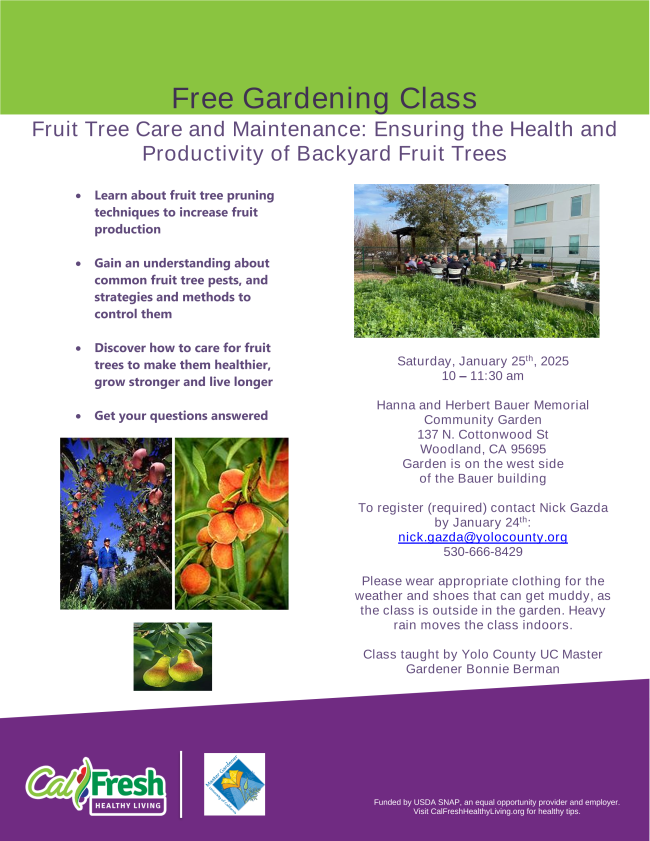
January 25 - Fruit Tree Care and Maintenance:

Ensuring the Health and Productivity of Backyard Fruit Trees

Fruit Tree Pruning Class Flyer

Connect and Learn With Us

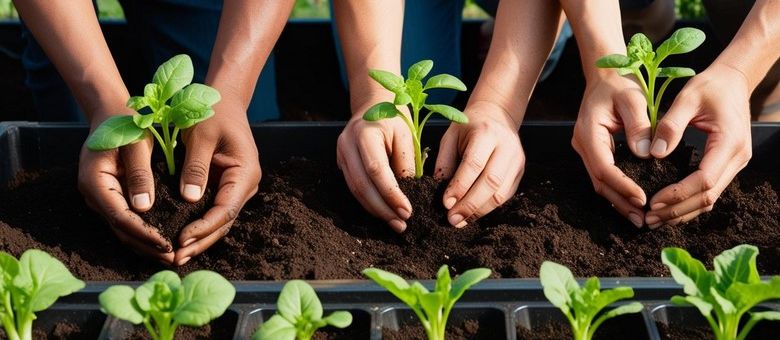
Image of three sets of hands planting vegetables

UC Master Gardeners of Yolo County Website - Peruse our website for a multitude of gardening resources.

Ask a Master Gardener - We have a number of ways for you to get help and/or advice.

Vegetable Planting Guide - This guide shows you preferred times to seed and plant vegetables.


Subscribe to the Yolo Gardener Newsletter to receive this email newsletter monthly.


The Savvy Sage Blog - Check our our latest blog postings.


UC Master Gardeners of Yolo County Facebook Page - Follow us on Facebook.


UC Master Gardener Program - Statewide Master Gardener Program

Additional Resources

Pest Management -

UC IPM (UC ANR Integrated Pest Management Program)

Seasonal Landscape IPM Checklist (for the Sacramento Valley)


Native Plant Resources -

Calscape - California Native Plant Society

Calflora - Nonprofit database providing information on wild California plants


How to Attract Pollinators -

UC Davis Arboretum and Public Gardens - Gardening for Pollinators and Biodiverisity

University of California Agriculture & Natural Resources (UC ANR) is an equal opportunity provider.

UC Master Gardeners of Yolo County2780 East Gibson Road Woodland, CA 95776 US